Industrial-Grade Face Recognition & Vision Modules
Shortlisted for high reliability, driver-free UVC compliance, low latency, and wide dynamic range in challenging lighting environments.
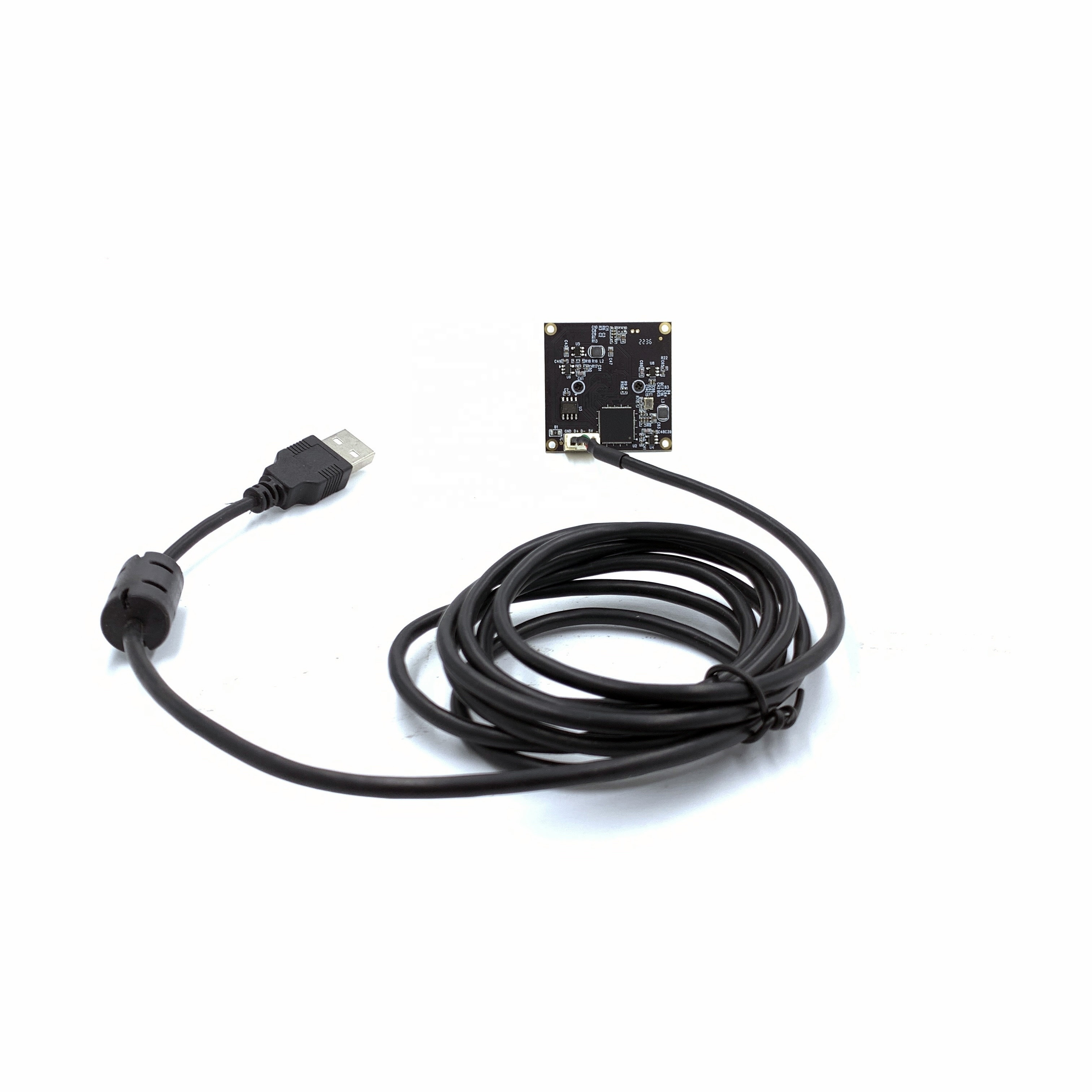
- 330fps Ultra High Frame Rate
- Hardware HDR / WDR Support
- Compact 38x38mm Form Factor
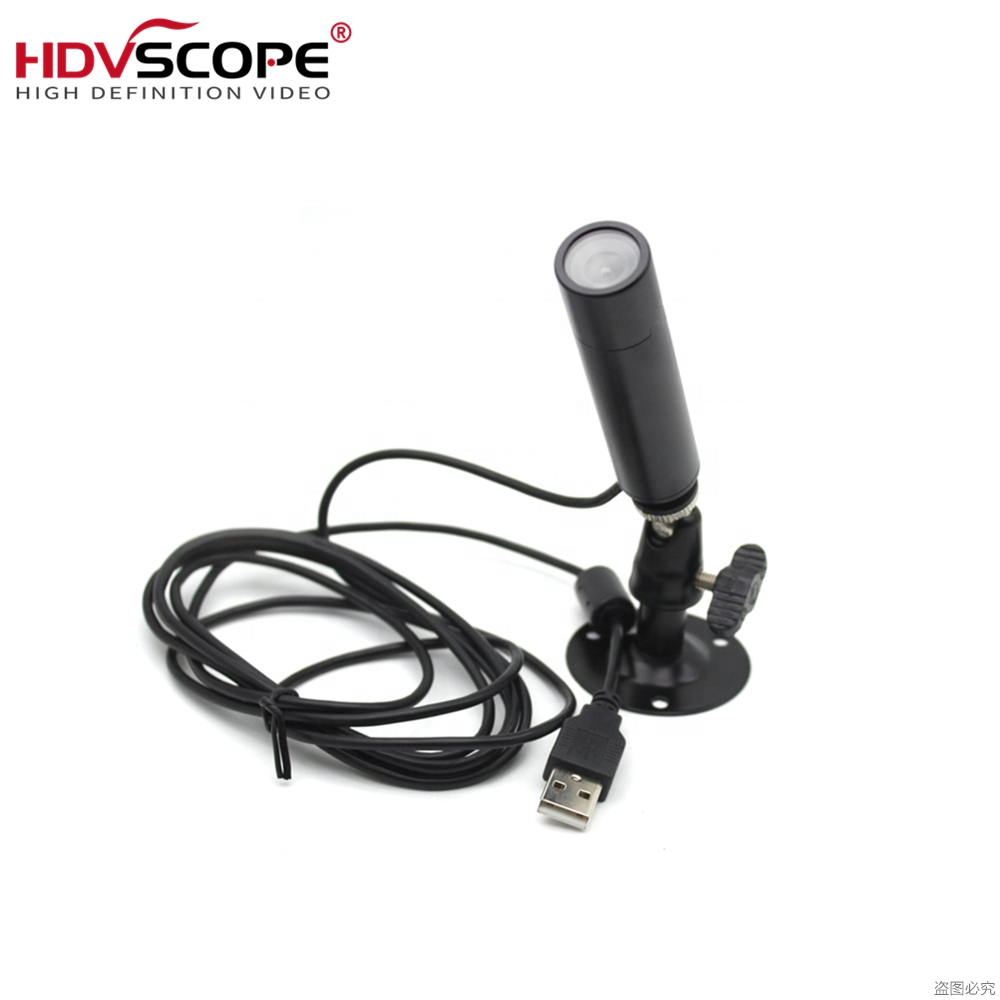
- IP67 Waterproof Rugged Casing
- 20mm Mini Bullet Architecture
- Full HD 1080P Low-Distortion
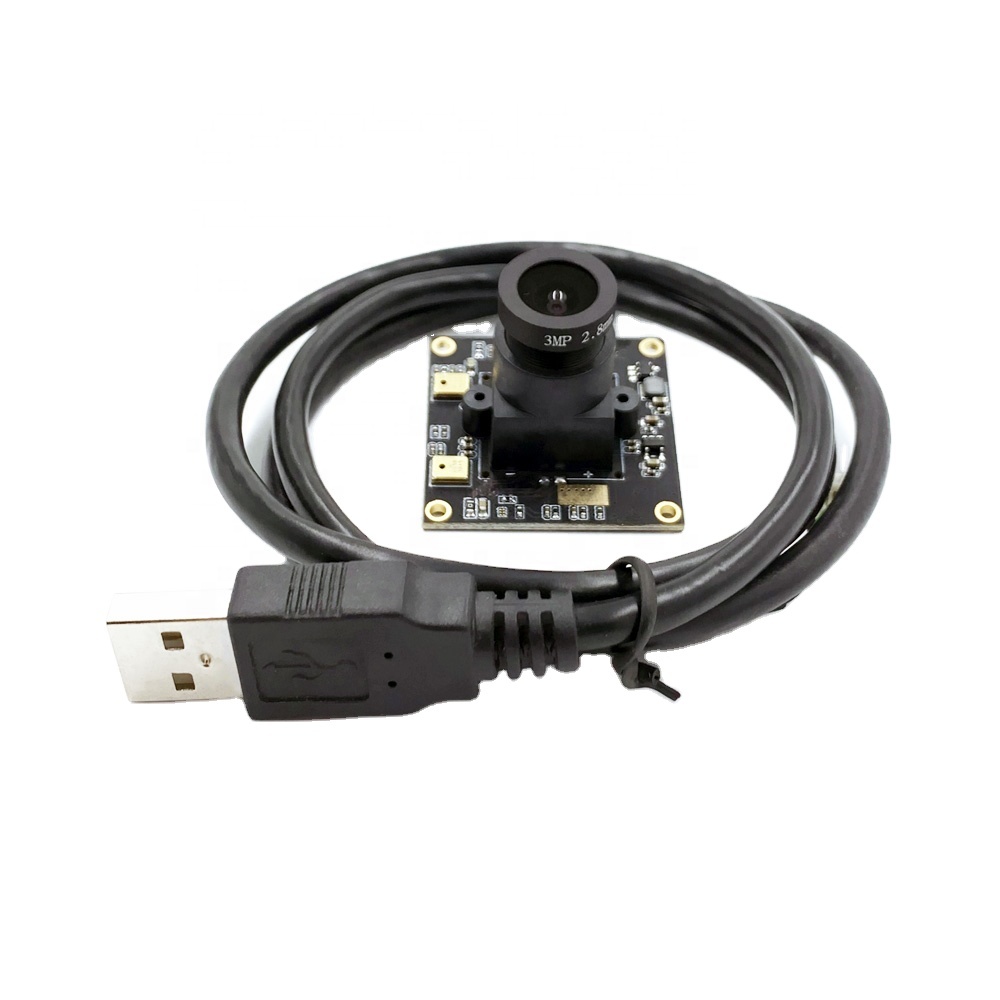
- 0.001Lux Sony Starvis Night Vision
- H.264 Compressed On-Board Streaming
- Micro 32x32mm Kiosk Design
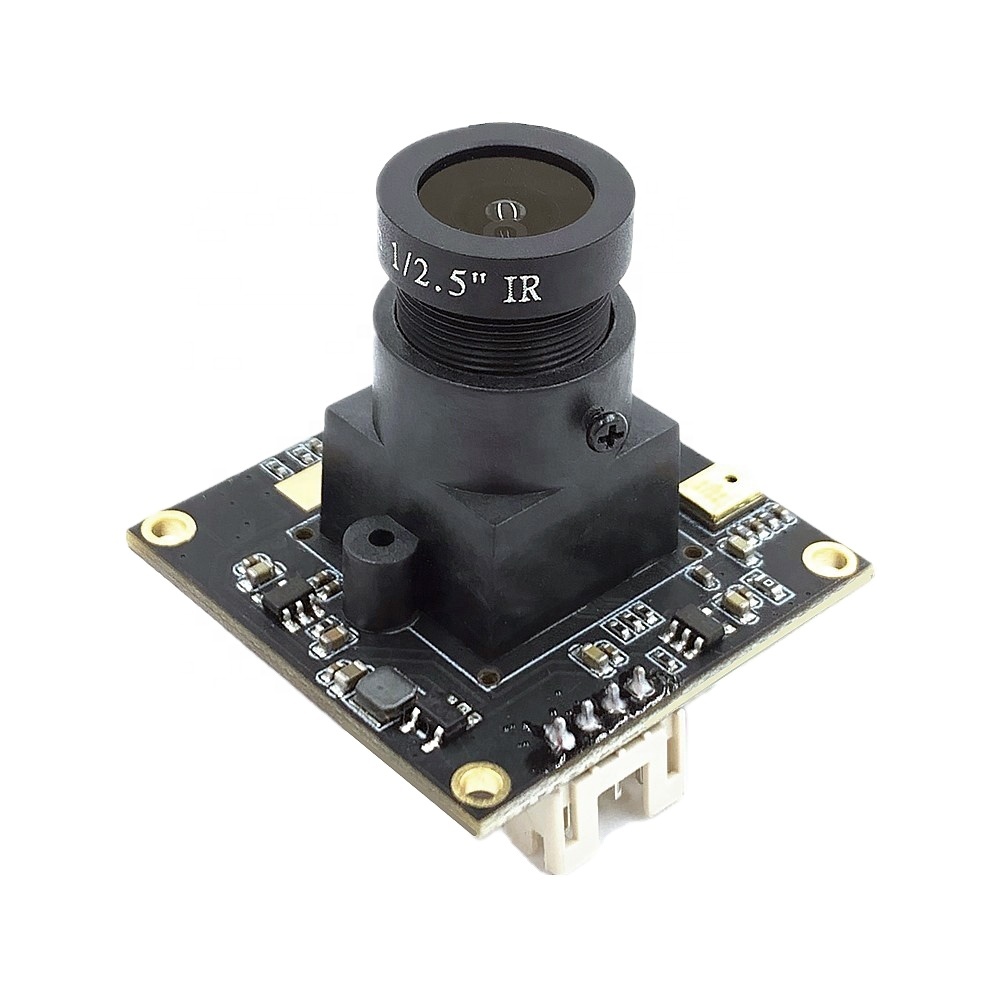
- Ultra Low Illumination Performance
- High Precision Biometric Detail
- Plug-and-Play Linux/Android UVC
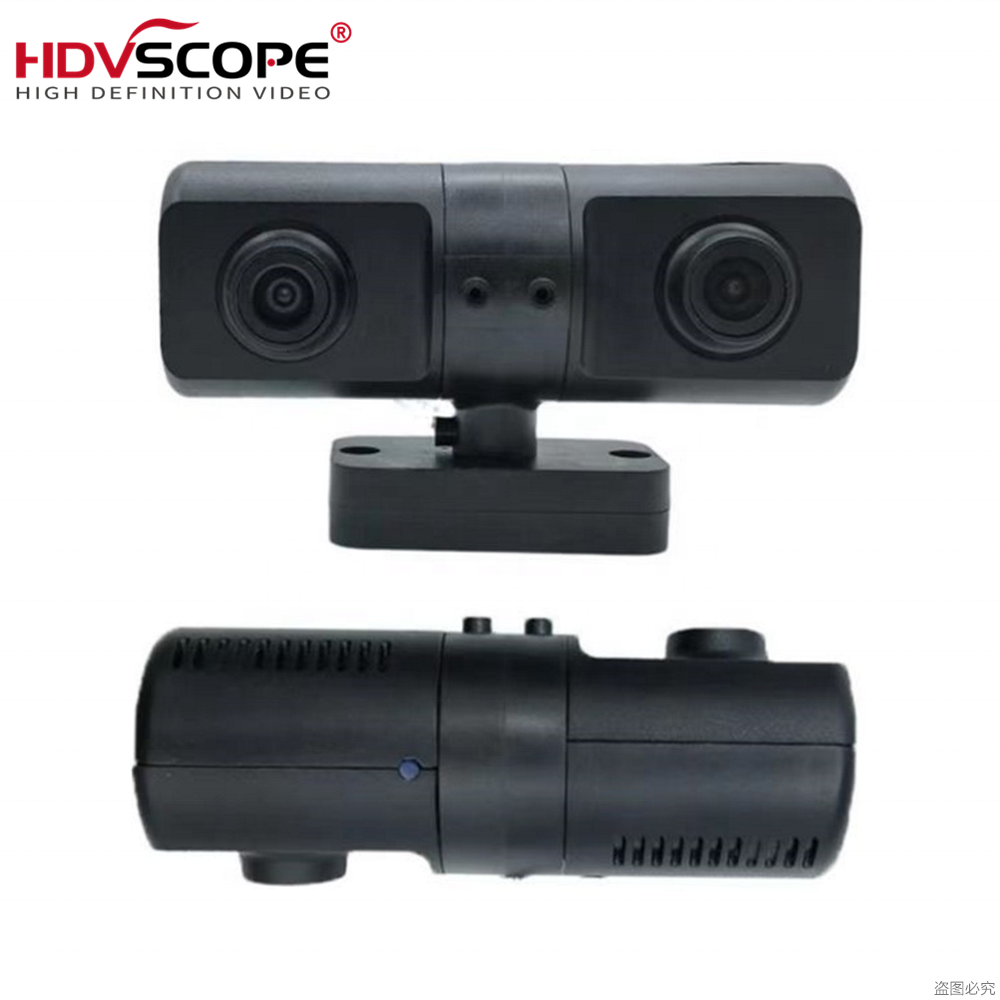
- Dual-Lens RGB + IR Liveness Detection
- 125° Wide Field of View
- Integrated 940nm/850nm IR LEDs
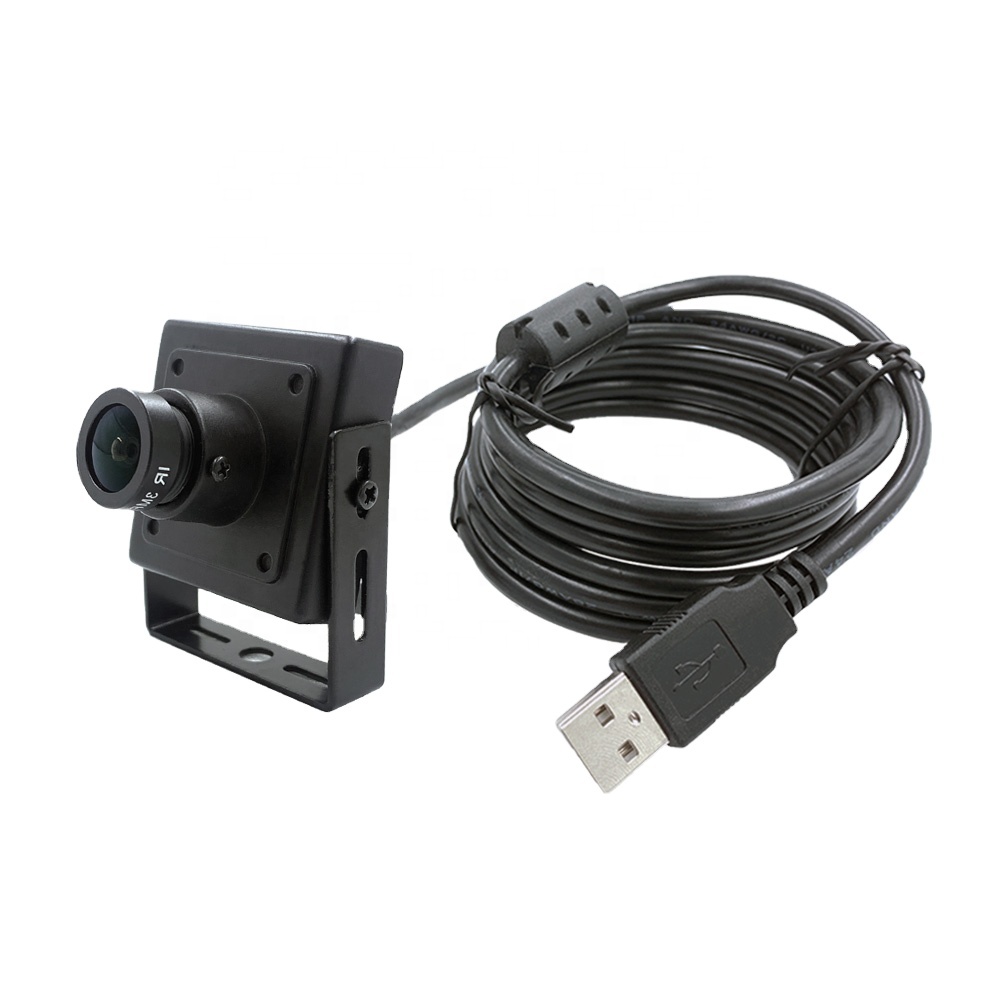
- Engineered for Banking ATM & VTM
- 2.1mm Ultra-Wide Angle Optics
- Low Power Consumption & Heat
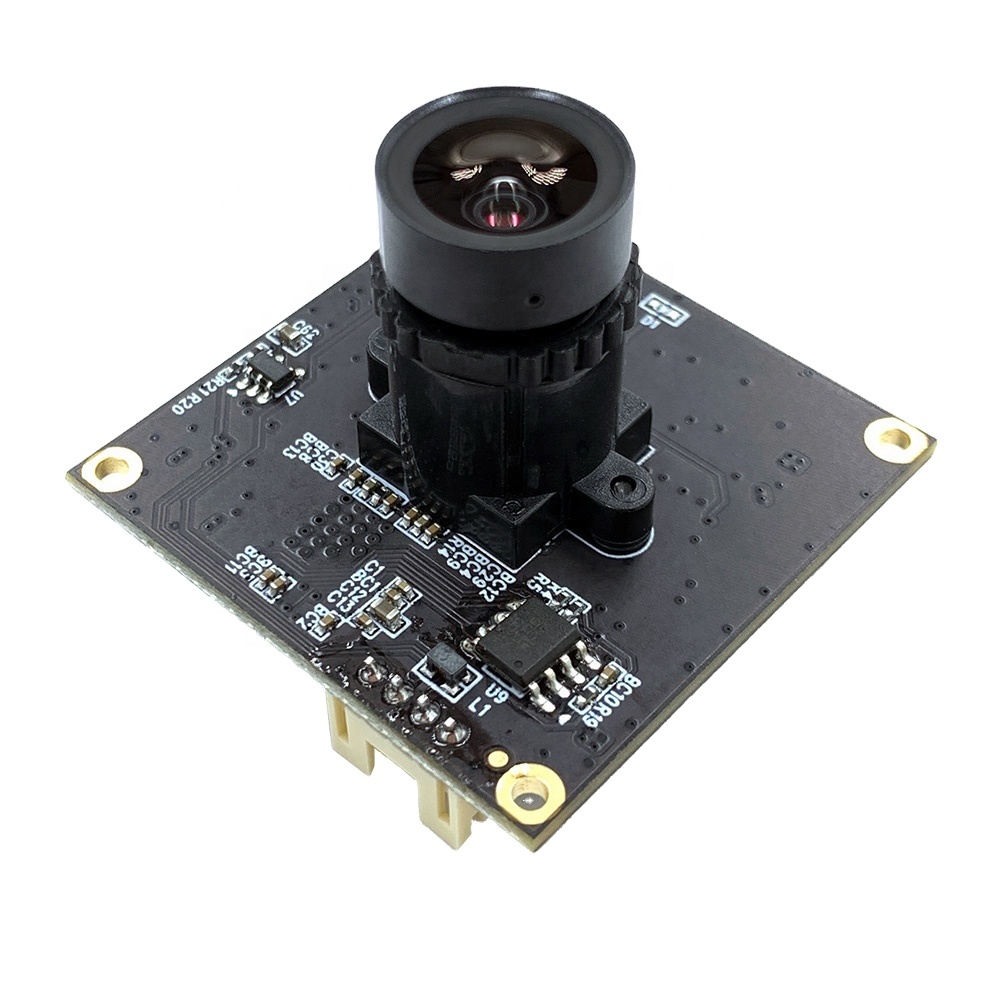
- Zero Motion Blur Biometric Capture
- Uncompressed YUY2 & MJPEG Stream
- Flexible Hardware Customization
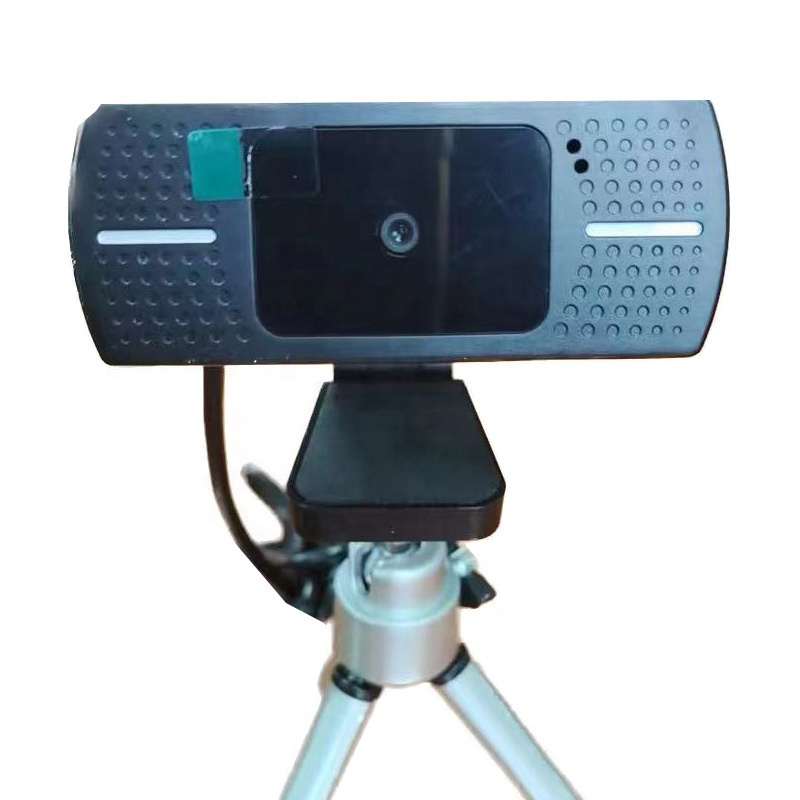
- Fast Precision Autofocus Mechanism
- Slim 30x25mm Form Factor
- F2.0 Large Aperture Optics
Osaka Market Procurement Whitepaper: Sourcing Face Recognition Camera Modules from Chinese OEMs
As the Kansai region prepares for rapid infrastructure modernization—driven by major regional initiatives such as the EXPO 2025 Osaka, Kansai, smart transit upgrades across the Osaka Metro line, and expanding automated retail in commercial hubs like Umeda, Namba, and Shinsaibashi—the demand for high-reliability embedded vision hardware has surged. Japanese system integrators and terminal manufacturers face strict engineering mandates: strict compliance with the Act on the Protection of Personal Information (APPI), VCCI Class B electromagnetic compatibility, robust anti-spoofing liveness detection, and flawless performance under volatile indoor/outdoor lighting conditions.
Shenzhen Brekta Electronics Co., Ltd. stands as a premier direct manufacturer and technical supplier of specialized face recognition and vision camera modules tailored specifically to these Kansai market demands. Operating state-of-the-art optical SMT assembly facilities in Shenzhen and Dongguan, Brekta bridges the gap between ultra-low latency hardware engineering and Japanese regulatory excellence.
Why Osaka System Integrators Sourcing Hardware Prefer Shenzhen SMT Suppliers
Japanese original equipment manufacturers (OEMs) and software houses in Osaka excel at algorithm development, edge AI integration, and enclosure craft. However, sourcing domestic custom optical modules often leads to prohibitive non-recurring engineering (NRE) costs and 16-to-24-week prototyping cycles. Partnering with top-tier Chinese optical module factories offers distinct competitive advantages:
- Rapid Engineering Prototyping: Board design modifications using Protel and Allegro CAD platforms enable modified sample dispatches within 1 to 3 business days.
- Dual-Spectrum RGB + Near-Infrared (NIR) Hardware Liveness Detection: Combining high-resolution RGB sensors with 850nm/940nm narrow-band IR sensors prevents photo, video, and 3D silicon mask spoofing at the hardware layer before data reaches the host application.
- UVC Plug-and-Play Hardware Abstraction: Standard UVC (USB Video Class) compliance guarantees seamless operation across custom Linux builds, Android POS architecture, Windows Embedded, and ARM-based Raspberry Pi/Jetson Nano edge nodes without custom kernel driver installation.
- Extreme Dynamic Range (HDR up to 120dB): Crucial for transit turnstiles and glass-front vending kiosks exposed to severe direct sunlight in outdoor Kansai installations.
Localized Application Scenarios across Osaka & Kansai
Engineered to meet specific mechanical, optical, and environmental demands of Kansai’s leading commercial sectors.
Smart Metro & Transit Speed Gates
Deployed in next-generation ticketless transit turnstiles for Osaka Metro and suburban railway connections. Features 330fps ultra-high frame rate sensors that eliminate motion blur as commuters walk through gates at speeds up to 2.5 m/s.
Automated Unmanned Retail & Vending
Integrated into smart vending machines and micro-malls throughout Umeda and Namba underground shopping networks. Wide-angle 125°–180° lenses capture faces of varying customer heights in tight spatial enclosures.
Pachinko Gaming & Age Verification
Fulfilling strict gaming hall regulatory standards across Osaka prefecture. Dual-lens RGB + IR modules verify player identity and age while providing active anti-spoofing in low-light, flashing neon environments.
Industrial Facility Access Control
Protects high-precision manufacturing sites and chemical plants in Sakai and Higashiosaka. Features IP67 waterproof bullet enclosures and wide operating temperature ranges (-20°C to +70°C).
Kiosk e-KYC & Document Verification
Integrated into passport readers and hotel self-check-in terminals preparing for international tourist influx. Autofocus 1080P/4K camera units capture sharp facial features and fine document text simultaneously.
Smart Building Door Phones & Intercoms
Compact 32x32mm Sony Starvis camera modules mounted inside apartment entrance panels. Low power draw, zero noise at 0.001 Lux illumination, and H.264 video compression for seamless SIP intercom streaming.
Technical Module Architecture Benchmark
A direct comparison matrix to assist Kansai hardware engineers in choosing the ideal module architecture.
| Module Category | Sensor Specs | Optimal Distance | Anti-Spoofing Capability | Recommended Osaka Application |
|---|---|---|---|---|
| Dual-Lens RGB + IR | 1/4" CMOS x 2, 720P / 1080P, 850nm/940nm IR | 0.3m – 1.5m | Very High (Hardware Liveness) | Banking ATMs, Pachinko Age Verification, High-Security Access |
| High-Speed HDR | 1/2.7" CMOS, 330fps @ 1080P, 105dB HDR | 0.5m – 3.0m | Medium (Requires Software AI) | Osaka Metro Speed Gates, Rapid Pedestrian Turnstiles |
| Starvis Low-Lux WDR | Sony IMX291 / IMX323, 0.001 Lux, H.264 | 0.5m – 4.0m | Medium (Requires Software AI) | Outdoor Intercoms, Dim Night Retail, Underground Kiosks |
| Micro Waterproof IP67 | 1/2.7" CMOS, 2.8mm Board Lens, 20mm Dia. | 0.2m – 2.0m | Basic Single Spectrum | Outdoor Industrial Gateways, Exposed Marine Port Facilities |
| Compact Autofocus | 2MP – 8MP CMOS, Motorized AF Lens | 0.1m – 1.0m (Auto) | High Detail Capture | Hotel e-KYC Kiosks, Passport / My Number Card Scanning |
Osaka Vision Technology Trends (2025–2030)
1. Japanese APPI Compliance & Edge Liveness Processing
Japan’s amended Act on the Protection of Personal Information (APPI) enforces stringent standards on biometric data collection and cloud transmission. Consequently, Osaka system integrators are shifting from cloud-based biometric calculation to Edge AI processing. Modern optical terminals require dual-spectrum camera modules capable of outputting synchronized, frame-accurate RGB and IR images directly over USB. This enables localized neural-network liveness verification inside the embedded system (e.g., Rockchip RK3588 or NVIDIA Jetson) without sending unencrypted video streams to remote servers.
2. Thermal Resilience for Outdoor Kansai Installations
Osaka experiences pronounced seasonal variance, from humid, high-temperature summers (exceeding +38°C ambient inside unventilated metal kiosk shells) to freezing winter mornings. Cheap camera modules often suffer from optical focal drift due to thermal expansion of low-grade plastic lens barrels. Brekta’s industrial modules utilize all-glass lenses with metal barrels and heat-dissipating aluminum PCB backing, maintaining critical Modulation Transfer Function (MTF) sharpness across a full -20°C to +70°C operating envelope.
3. Low EMI Footprint for VCCI Class B Certification
Commercial electronic equipment distributed in Japan must pass strict VCCI (Voluntary Control Council for Interference) Class B electromagnetic compatibility standards. High-speed camera module clock lines can radiate radio frequency noise that interferes with nearby IC card readers (FeliCa / Suica / ICOCA) used throughout Osaka’s transit network. Brekta’s PCBs feature multi-layer ground shielding, ferrite bead filtering on USB data lines, and optimized trace routing designed specifically to pass VCCI and CE/FCC Class B emissions tests effortless.
Enterprise Advantages & Quality Assurance
Direct factory manufacturing built on precision engineering, custom PCB layout, and zero-defect optical alignment.
In-House PCB Layout (Protel/Allegro)
Our senior hardware engineering team designs custom PCB dimensions (e.g., 15x15mm, 32x32mm, 38x38mm, dual-board stacked) to fit perfectly within your housing constraints.
100% Optical Inspection & Burn-in
Every single optical module undergoes automated MTF resolution testing, sensor defect pixel calibration, color rendition check, and a 48-hour thermal burn-in cycle prior to packing.
1–3 Day Fast Sample Dispatch
Standard inventory camera modules and optical evaluation kits are prepared and dispatched via DHL/FedEx air express directly to Osaka within 24 to 72 hours.
24-Month Replacement Warranty
We stand firmly behind our industrial build quality. All products carry a full 2-year factory warranty with hassle-free immediate unit replacement and lifetime technical support.
Global Compliance Certifications
Fully compliant with CE, FCC, RoHS, and REACH guidelines, ensuring smooth customs entry and regulatory acceptance across European, North American, and Japanese markets.
Dedicated OEM/ODM Firmware Support
Custom ISP tuning for color balance, AE target windows, custom USB Vendor ID (VID) / Product ID (PID), and hardcoded serial numbers for asset management.
Frequently Asked Questions by Osaka B2B Buyers
Addressing key engineering, regulatory, and logistics queries for Kansai-based integration projects.
We support local engineering innovation with an initial evaluation MOQ starting from just 1 piece for standard catalog modules. For custom ODM projects (modified PCB layout, unique lens combinations, or custom flex cables), prototyping quantities are tailored to your engineering project milestones.
Yes. All our USB vision modules strictly adhere to the standard UVC (USB Video Class) protocol. They operate instantly without installing third-party drivers on Ubuntu, Debian, Android, Yocto Linux, Windows 10/11, and macOS host platforms, simplifying your OS image management.
Our dual-lens modules pair an RGB color sensor with an IR sensor (supplemented by 850nm or 940nm IR LEDs). While prints or screen videos appear bright under visible RGB light, they lack true depth absorption and thermal/reflection signatures in the near-infrared spectrum. Your algorithm compares both video streams simultaneously to instantly block non-live presentation attacks.
Absolutely. We offer a comprehensive range of M12/M8 board lenses, pinhole optics, wide-angle fisheye (up to 190°), and motorized autofocus solutions. We also customize USB harness lengths, cable shielding, connector types (JST, Molex, Type-C, Micro-USB), and IR-cut filters based on your mechanical housing drawings.
Air express shipments via DHL, FedEx, or UPS typically arrive in Osaka (Kansai International Airport - KIX) within 2 to 4 business days following dispatch. For volume bulk orders shipped via ocean freight, direct shipping from Shenzhen/Guangzhou ports to the Port of Osaka takes approximately 5 to 7 days.
Accelerate Your Osaka Vision Project Today
Send your CAD mechanical enclosure dimensions, lens target FOV, or sensor specifications to our dedicated engineering sales team. Receive a comprehensive technical proposal and competitive quotation within 2 hours.