Featured Micro Camera Modules & Pinhole Optics
Shortlisted OEM solutions with Starvis low-lux sensing, hardware WDR, high frame rates, and driver-free connectivity for immediate Haiti project deployment.
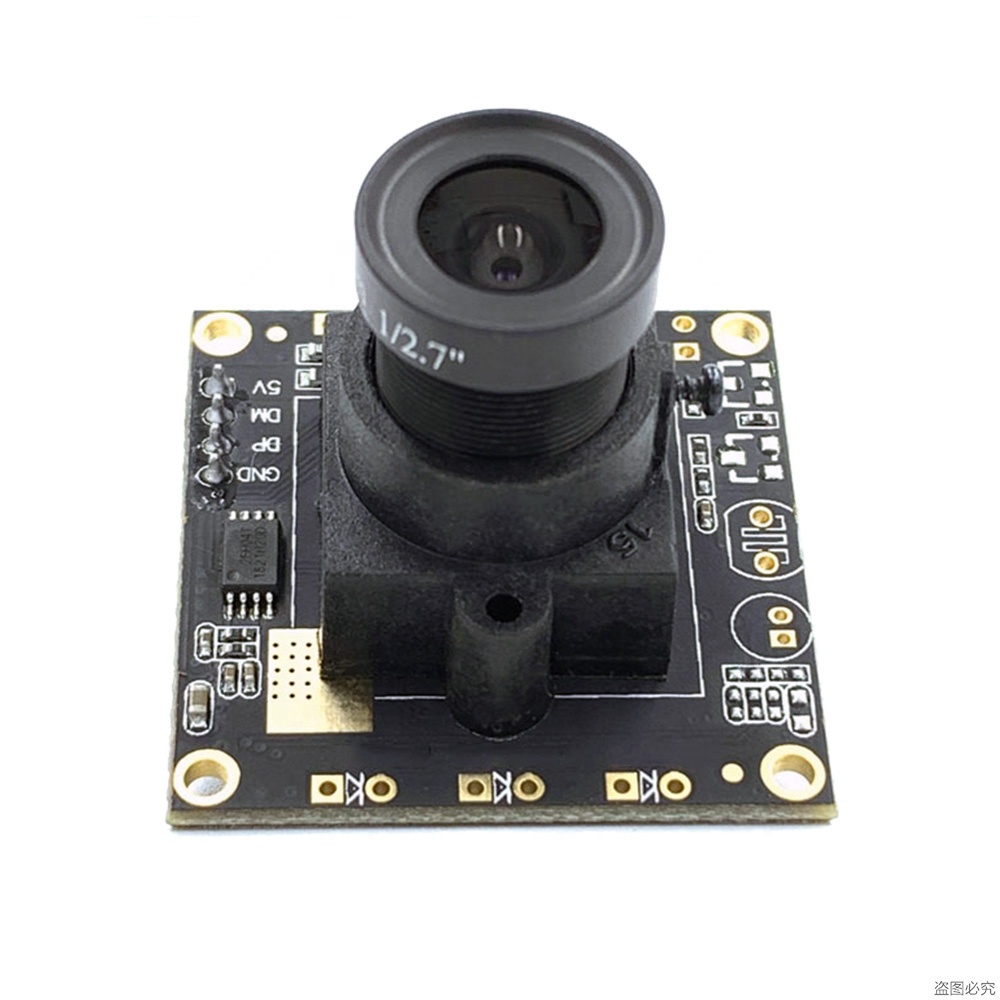
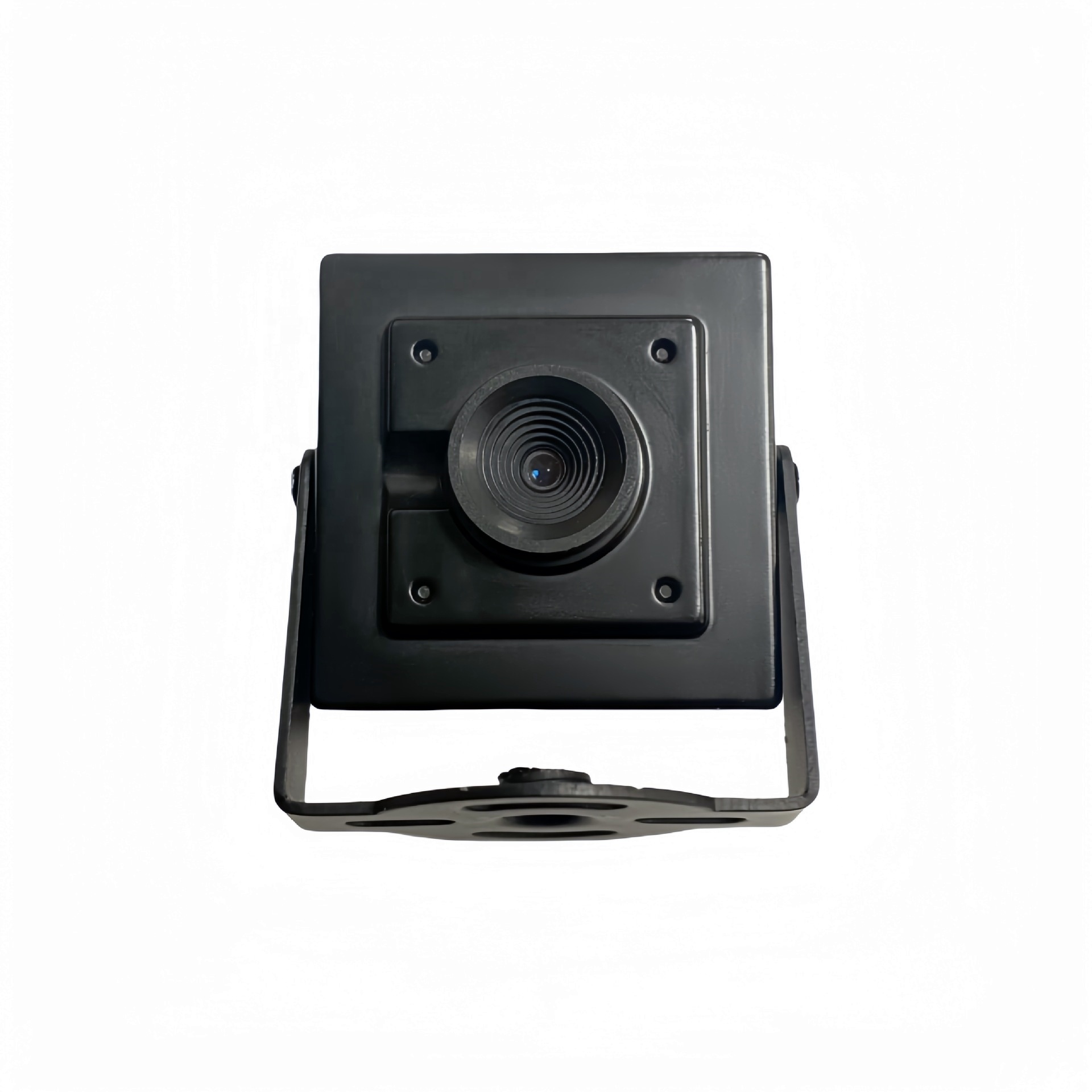
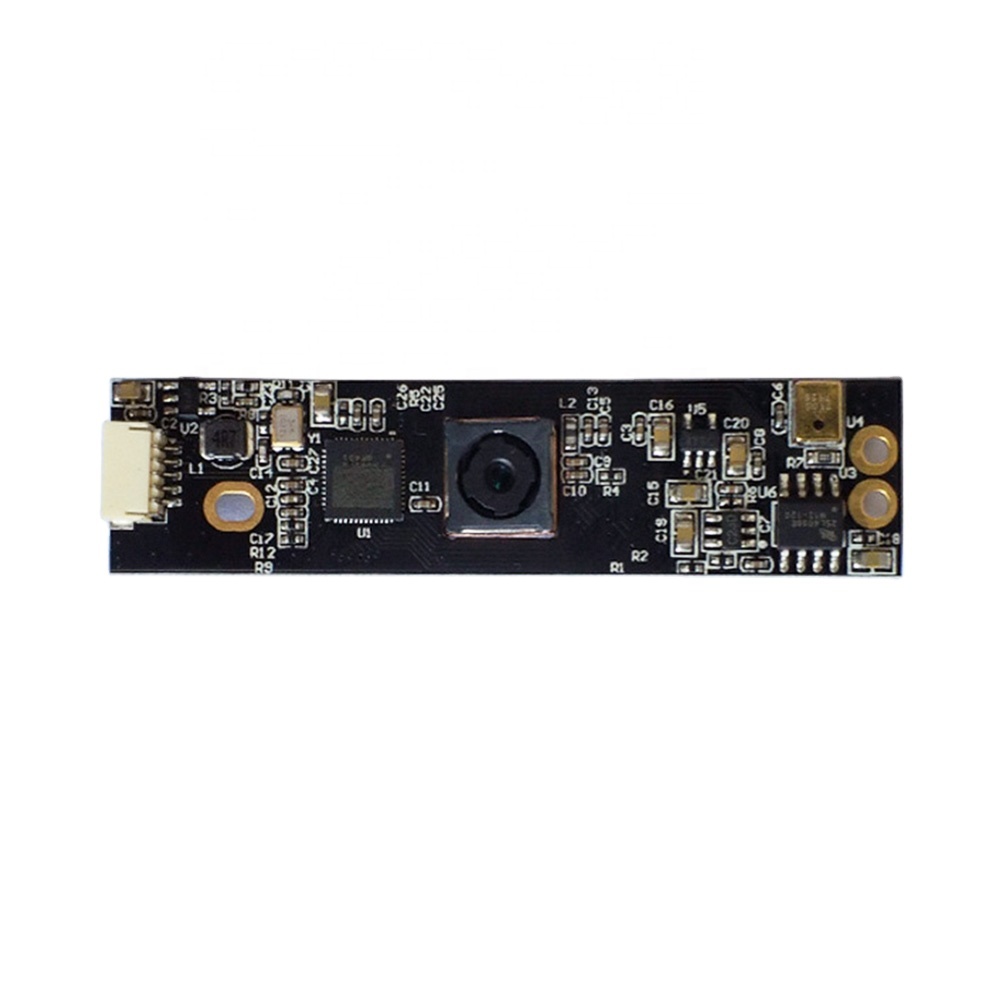
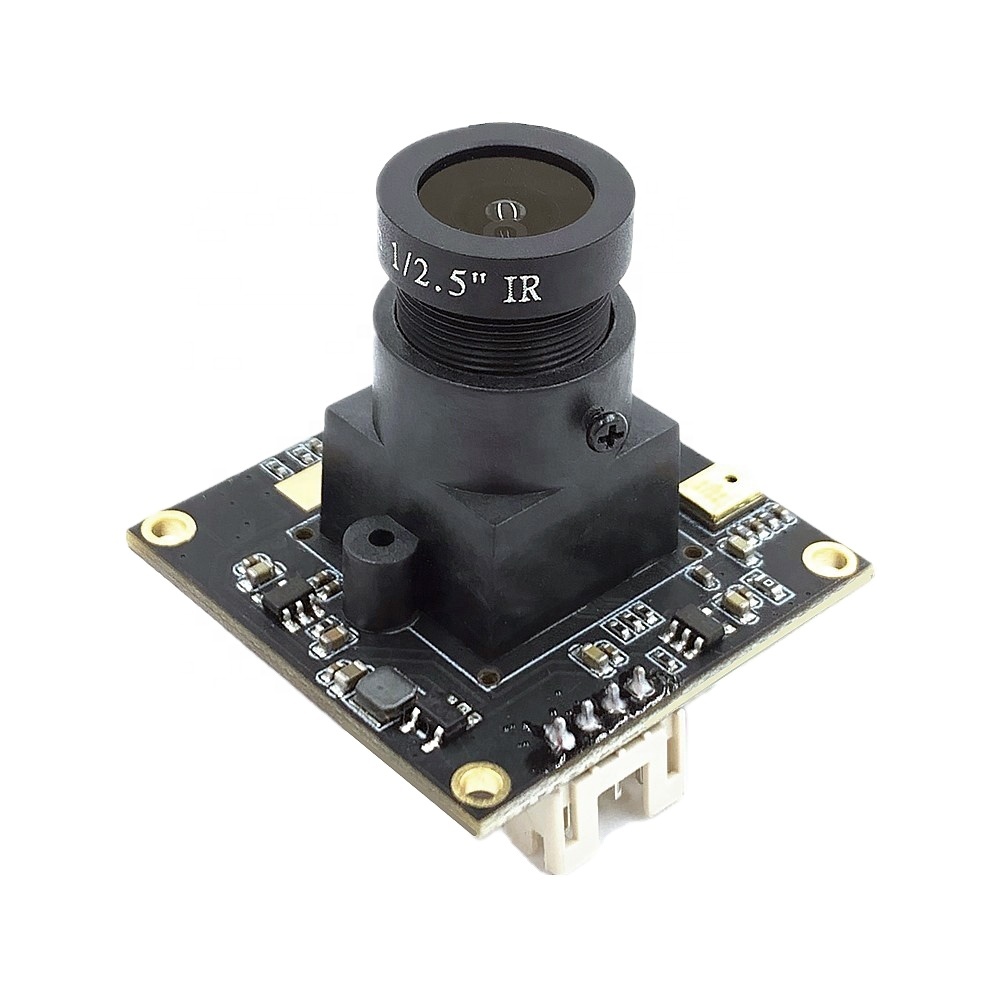
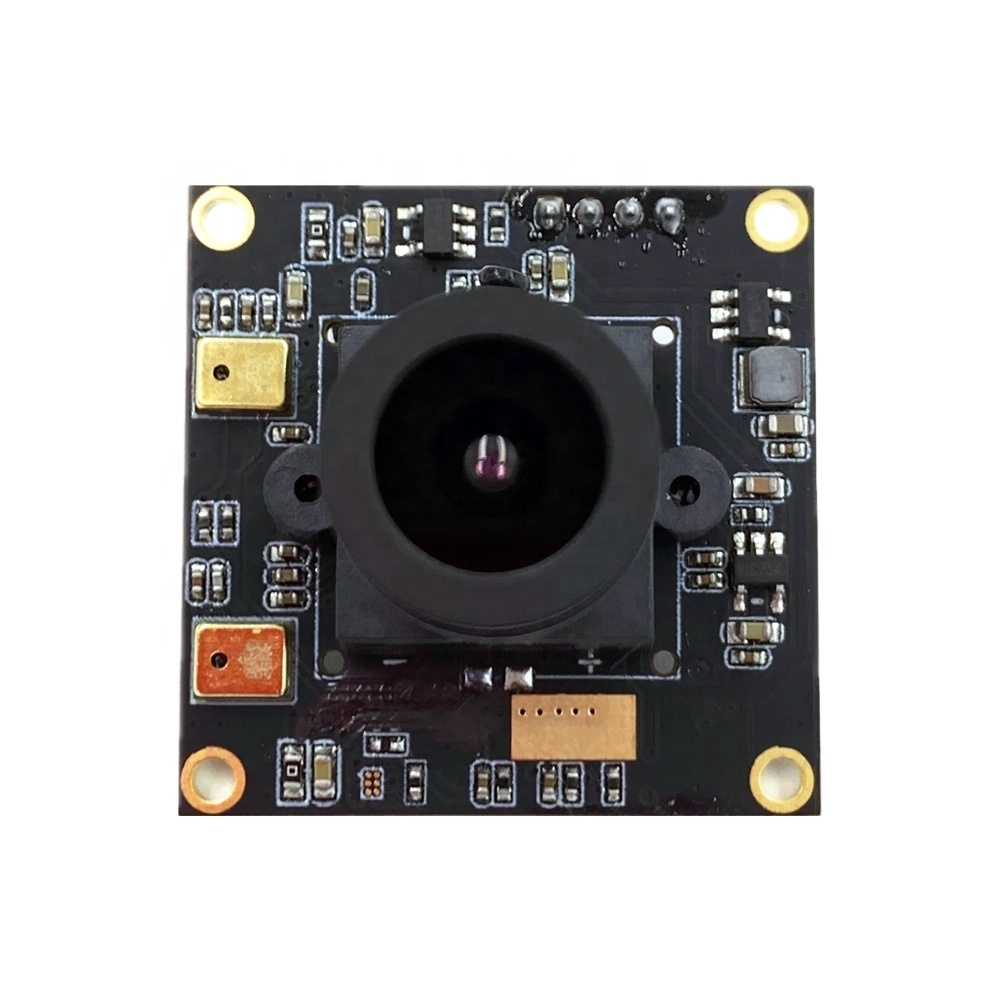
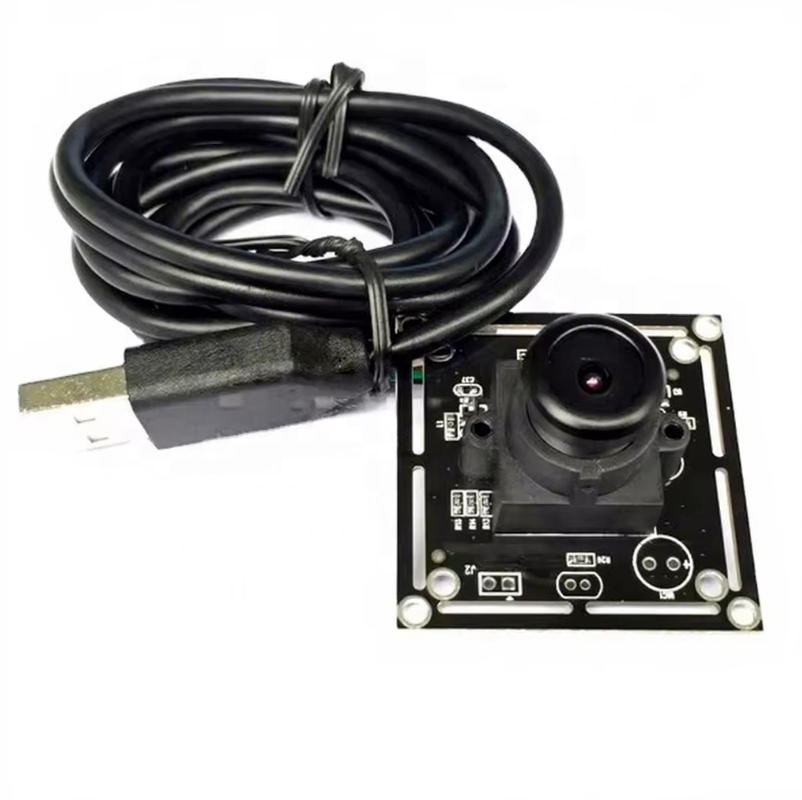

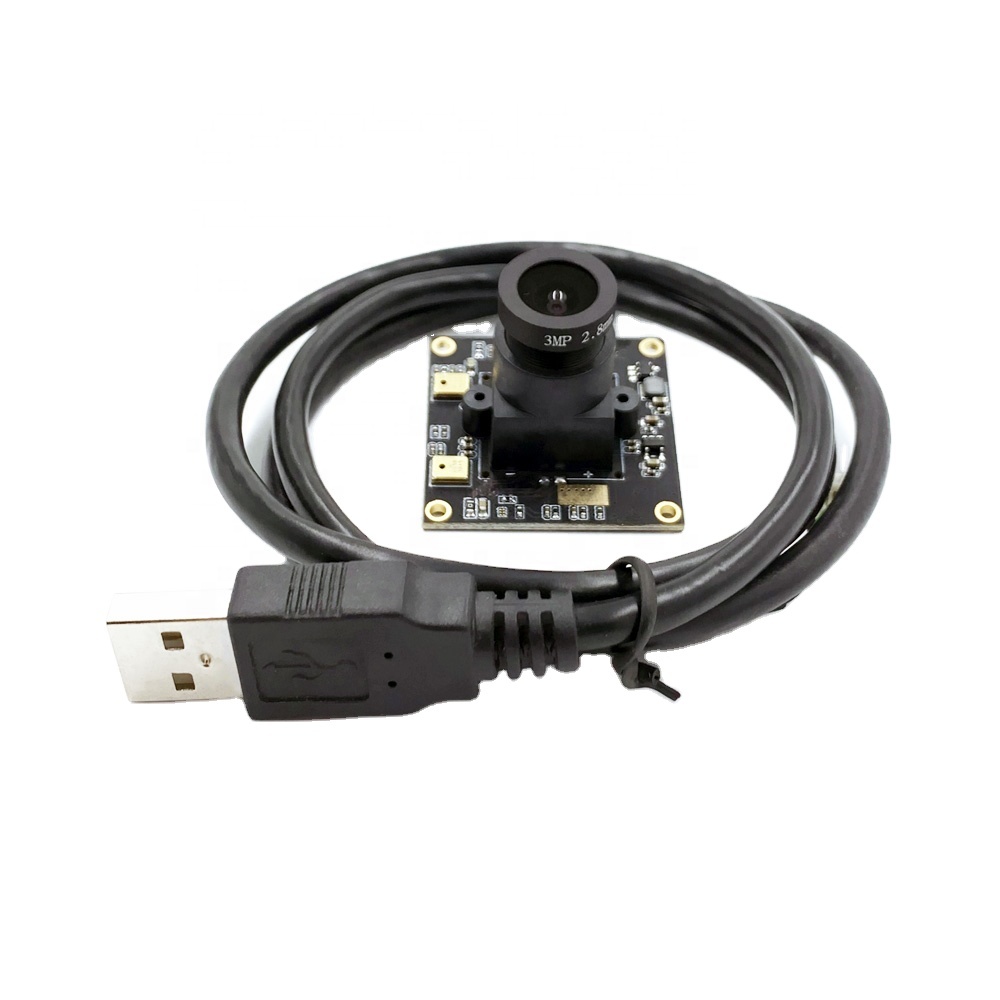
Navigating the Pinhole & Micro IP Camera Market in Haiti
As commercial infrastructure, banking automation, and private security systems rapidly upgrade across key economic centers in Haiti—such as Port-au-Prince, Pétion-Ville, Cap-Haïtien, and Delmas—the demand for high-reliability covert video surveillance has grown exponentially. Security system integrators, municipal engineering consultants, and private security firms require micro pinhole IP cameras and USB UVC modules that deliver continuous operational stability despite localized environmental and operational hurdles.
Sourcing directly from top-tier Chinese OEM manufacturers (headquartered in electronics hubs like Shenzhen and Dongguan) provides Haitian enterprise buyers with an unassailable competitive advantage: direct access to modern Sony STARVIS low-light sensors, advanced hardware Wide Dynamic Range (WDR), anti-fog wide-angle lenses, and custom PCB form factors (ranging from 15×15mm micro boards to standard 38×38mm IP modules) without the inflated markup of regional middlemen.
Key Information Gain for Haitian System Integrators
Operating video surveillance infrastructure in Haiti introduces unique engineering constraints: frequent power interruptions requiring ultra-low-wattage solar/battery nodes, extreme ambient contrast caused by intense equatorial solar radiation against unlit interior lobbies, and high tropical humidity. This guide evaluates how direct China factory engineering overcomes these specific pain points through specialized optics, H.265+ low-bandwidth compression, and customized hardware architecture.
Localized Application Scenarios across Haiti
Engineered for seamless physical and network integration across high-vulnerability financial, commercial, and industrial environments.
ATM, VTM & Self-Service Banking Kiosks
Financial institutions across Port-au-Prince and Pétion-Ville utilize micro pinhole USB/IP modules (such as the Onsemi AR0230 120dB WDR module) inside cash dispensers and automated tellers. Pinhole lenses concealed behind faceplates record face-level transaction video under extreme backlighting caused by open sunlit glass lobbies.
Solar-Powered Off-Grid Micro Nodes
Due to grid power fluctuations in regional hubs like Les Cayes and Cap-Haïtien, security installations rely heavily on localized solar-plus-battery power. Micro IP pinhole boards operating under 2.5W with RTSP streaming over 4G cellular routers allow 24/7 continuous perimeter monitoring with minimal power drain.
Retail Loss Prevention & Counter Fraud
Supermarkets, private pharmacies, and commercial logistics warehouses deploy micro pinhole cameras integrated into exit doorways, cash register overheads, and shelving. 4K UHD autofocus modules capture high-speed receipt details, currency notes, and face details without drawing attention.
Localized Surveillance & Technology Trends in Haiti
1. Transition to Edge AI & Dual-Optical Liveness Detection
Traditional passive recording is being rapidly superseded by embedded AI algorithms running directly on micro camera SOCs (System on Chips). Binocular dual-lens camera modules combining visible light (RGB) with Near-Infrared (NIR) sensors enable real-time liveness detection and facial verification at commercial entry points in Haiti, preventing spoofing via photos or digital displays.
2. Ultra-Low-Lux Starlight Performance (0.0001 Lux)
Given the prevalence of unlit streetscapes and frequent evening blackouts, security cameras in Haiti must produce clear visual evidence without relying on bright IR illuminators that betray camera locations. Sony STARVIS IMX291 and IMX335 color sensors capture full-color image details under moonlight conditions down to 0.0001 Lux.
3. Bandwidth-Optimized H.265+ Compression Protocols
With wireless cellular bandwidth (3G/4G network backhaul) serving as the primary transport layer across non-metropolitan Haiti, high-definition raw streams are impractical. Modern Chinese IP modules utilize H.265+ smart encoding to reduce video bitrates by up to 75% compared to legacy H.264, preserving network stability while preserving 1080P/4K detail.
4. Tropicalization & Conformal Circuit Board Coating
Saline air in coastal areas like Jacmel combined with high relative humidity causes rapid corrosion on standard electronic circuit boards. Leading China factories providing modules to Haiti apply military-grade conformal coatings to PCBs, ensuring protection against humidity, dust, and atmospheric thermal shock.
Pinhole Camera Module Architecture Comparison
Selecting the optimal optical sensor, communication protocol, and physical interface for custom equipment integration in Haiti.
| Interface Standard | Sensor Architecture | Optimal Resolution | Key Strengths | Recommended Haiti Application |
|---|---|---|---|---|
| USB UVC (Plug & Play) | Onsemi AR0230 / Sony IMX291 | 1080P @ 30fps (WDR) | No Drivers Needed Works instantly on Linux, Android, Windows; hardware WDR for bright glare. | ATM Machines, Self-Service Kiosks, Election Voting Machines, Medical Diagnostics. |
| IP / RTSP / ONVIF | Sony STARVIS IMX335 / IMX307 | 4MP - 6MP (H.265+) | PoE Option Standalone network node, cloud app support, micro SD local backup storage. | Covert Wall Pinhole Nodes, Off-Grid Solar Security Towers, Remote Perimeter Fences. |
| AHD / TVI / CVI 4-in-1 | Sony IMX323 Low-Illumination | 1080P Real-Time | Coaxial Retrofit Zero transmission latency up to 500 meters over standard coaxial cable. | Retrofitting Legacy Analog Systems in Commercial Complexes & Warehouses. |
| HD-SDI / Ex-SDI | 1/2.8" Starlight CMOS | 1080P @ 60fps | Uncompressed Broadcast-quality broadcast video feed without frame degradation or dropouts. | Live Event Monitoring, Scientific Inspection, High-Security Access Corridors. |
Why Source from Shenzhen Brekta Electronics?
Combining world-class SMT manufacturing with rigorous optical alignment to deliver reliable micro security optics globally.
Full PCB Customization (Protel & Allegro)
Our in-house R&D engineering team designs custom PCB shapes and multi-layer board layouts to match your precise enclosure constraints—down to 15×15mm micro boards. We offer custom cable pinouts, integrated microphones, and specialized lens mounts (M12, M7, pinhole cone, or fisheye optics).
100% Multi-Stage QC & Image Calibration
Every single camera module produced undergoes stringent incoming component verification, SMT automated optical inspection (AOI), high-temperature burn-in, and individual optical focal adjustment using standardized resolution target charts before vacuum sealing.
International Compliance & Warranty
All Brekta products carry full CE, FCC, and RoHS certifications, ensuring smooth customs processing at Haitian ports of entry (Port-au-Prince APN & Cap-Haïtien). Backed by a full 24-month replacement warranty and lifetime engineering technical support.
Frequently Asked Questions by Haitian B2B Buyers
Answers to critical questions regarding logistics, technical compatibility, custom orders, and local environmental resilience.
What is the typical shipping lead time and customs process for delivery to Haiti?
How do Brekta pinhole IP/USB cameras handle intense tropical sun glare in Haiti?
Are your USB camera modules driverless and compatible with local host systems?
What minimum order quantities (MOQ) apply for standard and custom OEM orders?
Can these camera modules run efficiently on solar power setups in rural Haiti?
What warranty and technical assistance do you provide after delivery?
Ready to Build Custom Pinhole Optics for Your Haiti Project?
Consult directly with our Shenzhen R&D engineering team. Tell us your dimension limits, required interface, and sensor preference for a prompt technical proposal and quotation.
Send an Inquiry