Industrial Grade Attendance & Vision Camera Modules
Engineered by Shenzhen Brekta Electronics for seamless integration into Central Java's biometric time-attendance terminals, smart turnstiles, and automated workforce access systems.
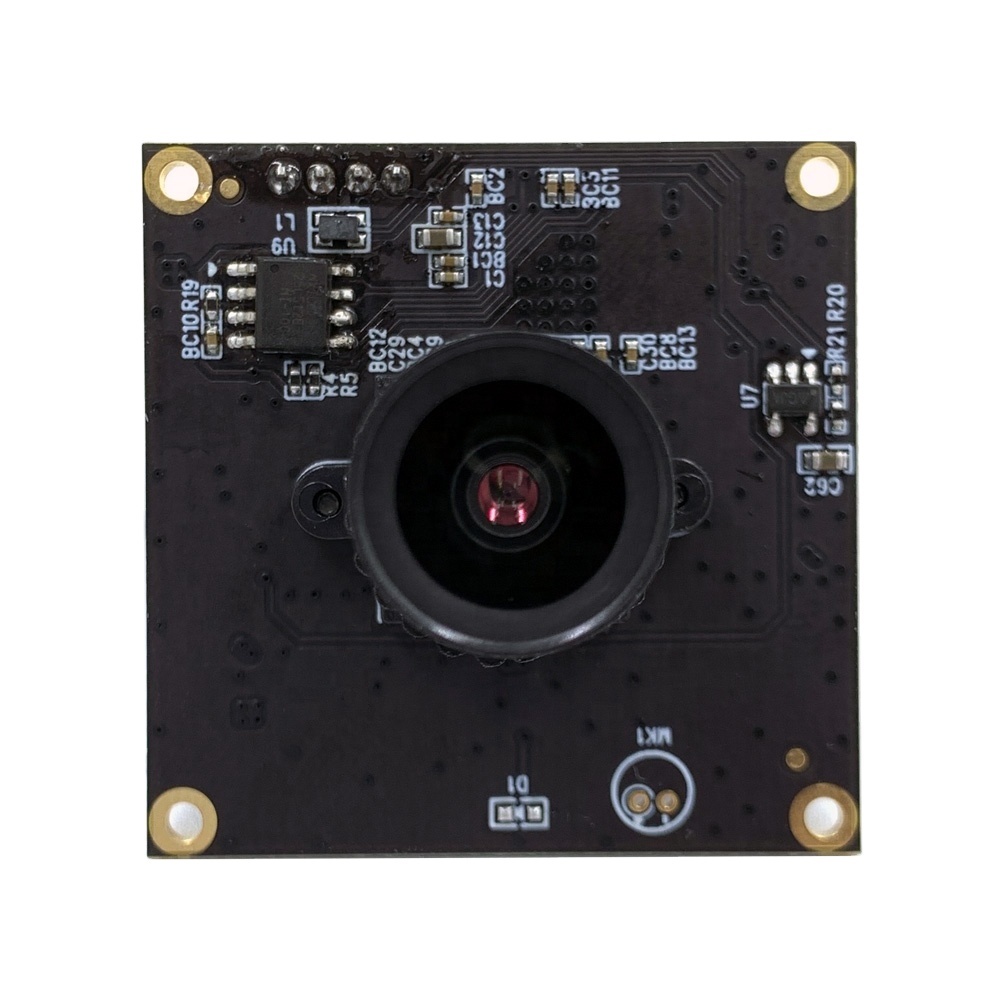
High Speed HDR 2.0MP 1920*1080 38*38mm 330fps High Frame Rate Color Wide Angle USB Camera Module with 2.8mm Board Lens
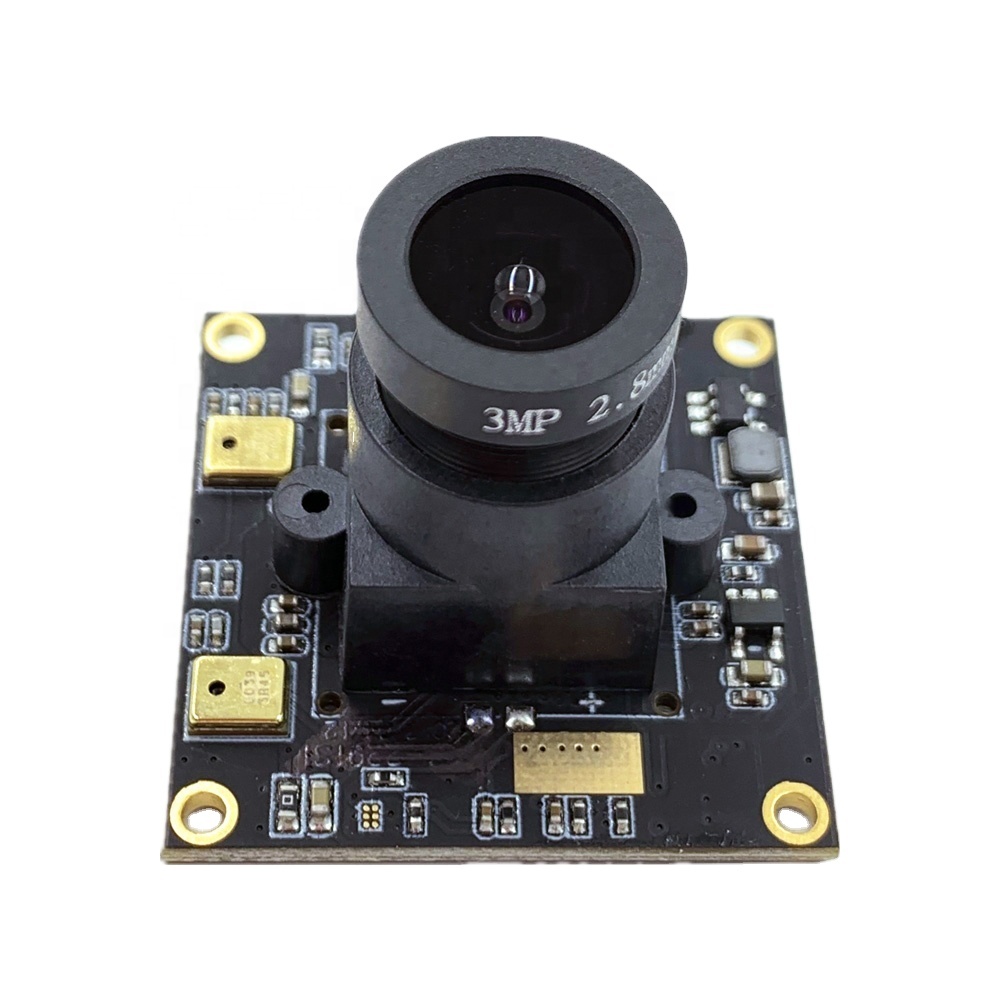
60 Degree 0.001Lux H.264 Rolling Shutter Starvis & WDR 2.0MP 1920*1080 32*32mm Color USB Camera Module for Project Video Capture
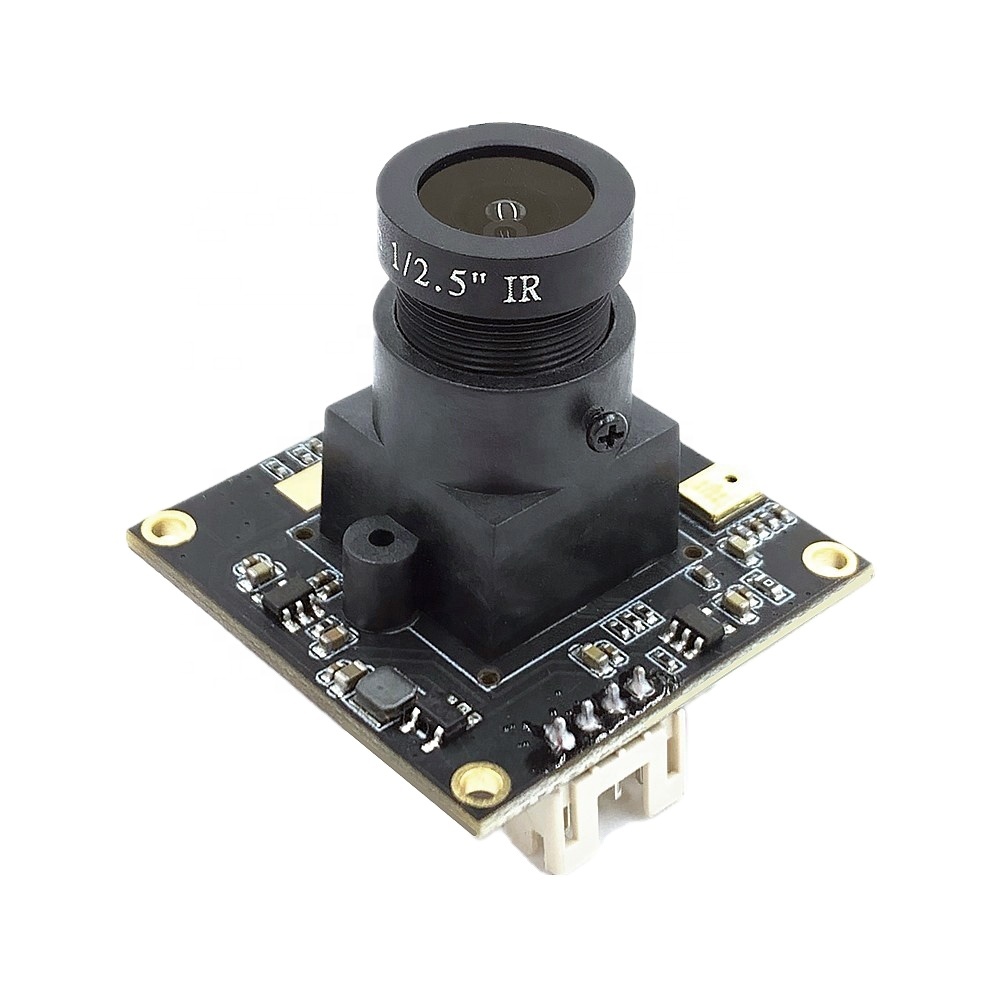
Rolling Shutter 0.001Lux H.264 Starvis & WDR 2.0MP 1920*1080 32*32mm Color USB Camera Module for Voting System Exam System
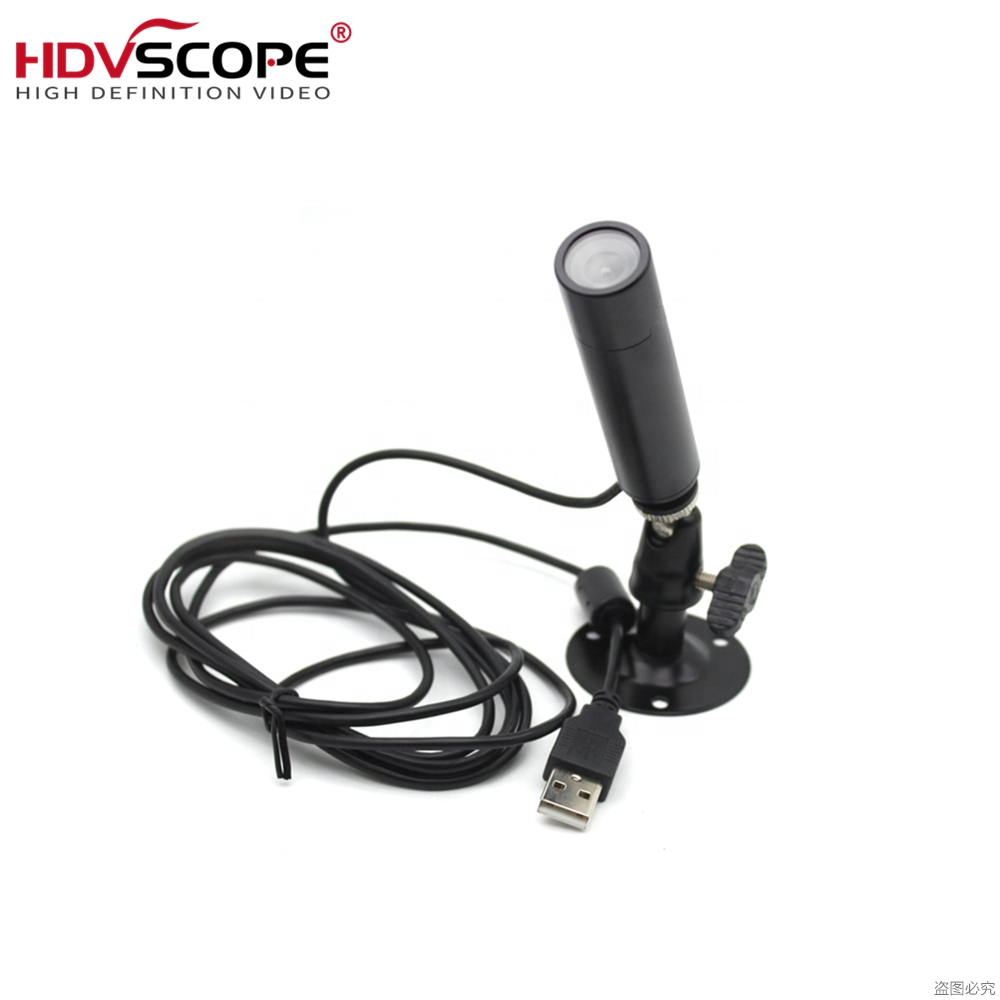
2MP 1/2.7" CMOS USB Camera 2.8mm Board Lens Waterproof IP67 Mini Bullet/Snake/Endoscope/Lipstick 1920*1080 Diameter 20mm CCTV

1920*1080 32*32mm 0.001Lux H.264 Rolling Shutter Starvis WDR 2.0MP Color USB Camera Module 160 Wide Angle Manual Focus Driving
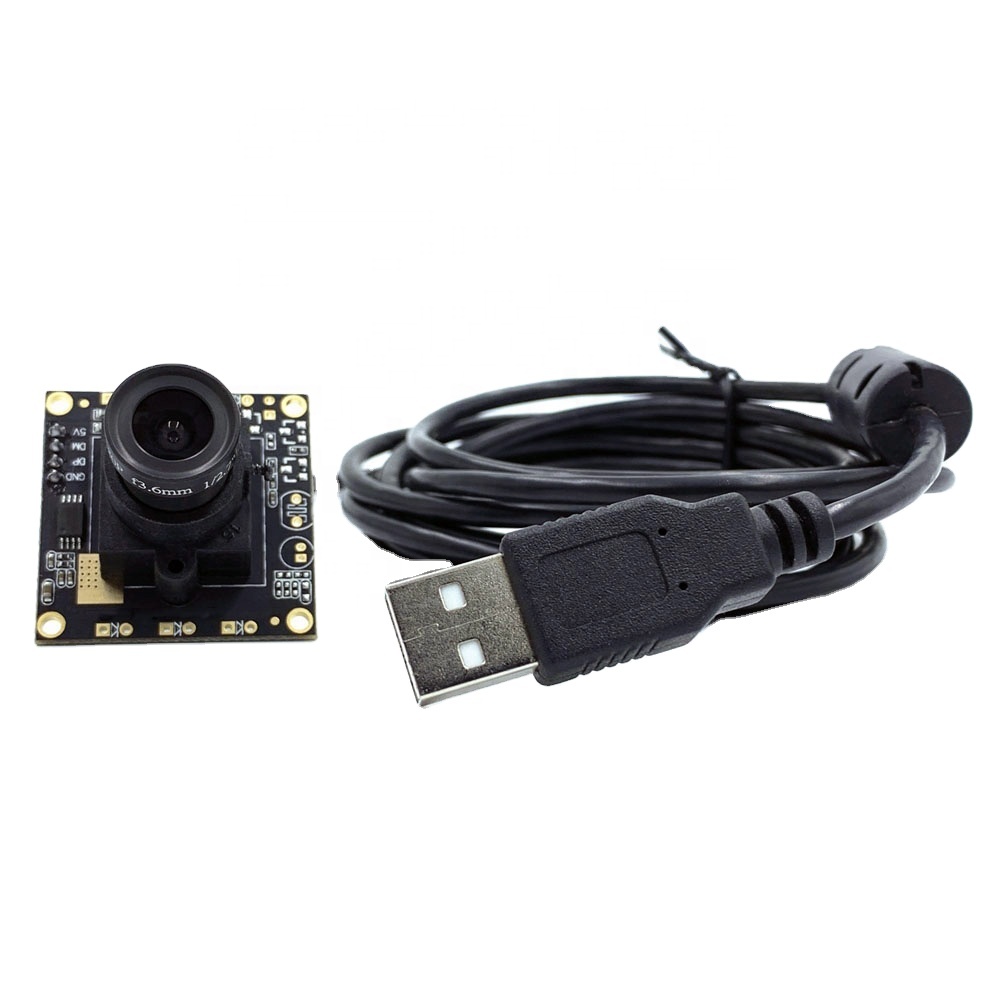
2.0MP Color USB Camera Module for ATM KIOSK Scaning Machine HOT SALE AR0230 Onsemi CMOS WDR 1920*1080 32*32mm
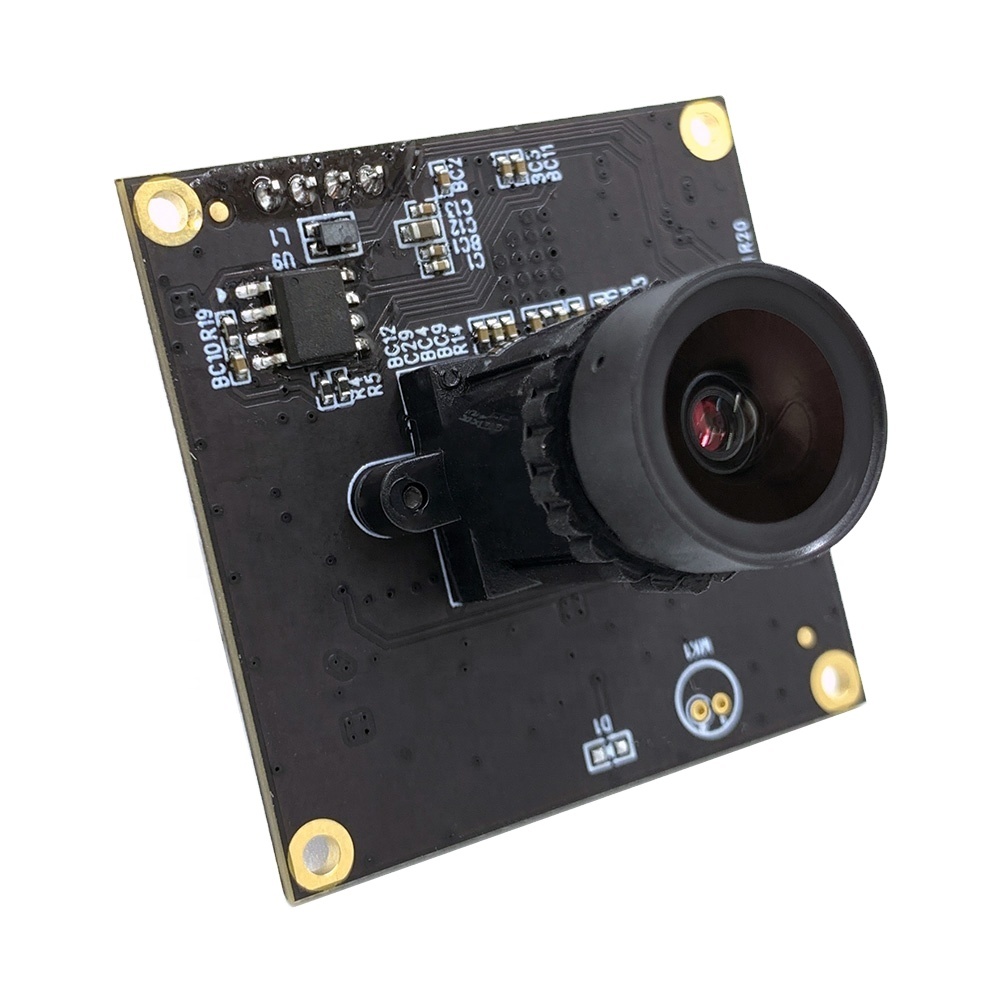
Customized High Speed HDR 330fps 2.0MP 38*38mm High Frame Rate USB Camera Module Wide Angle with 2.1mm Board Lens
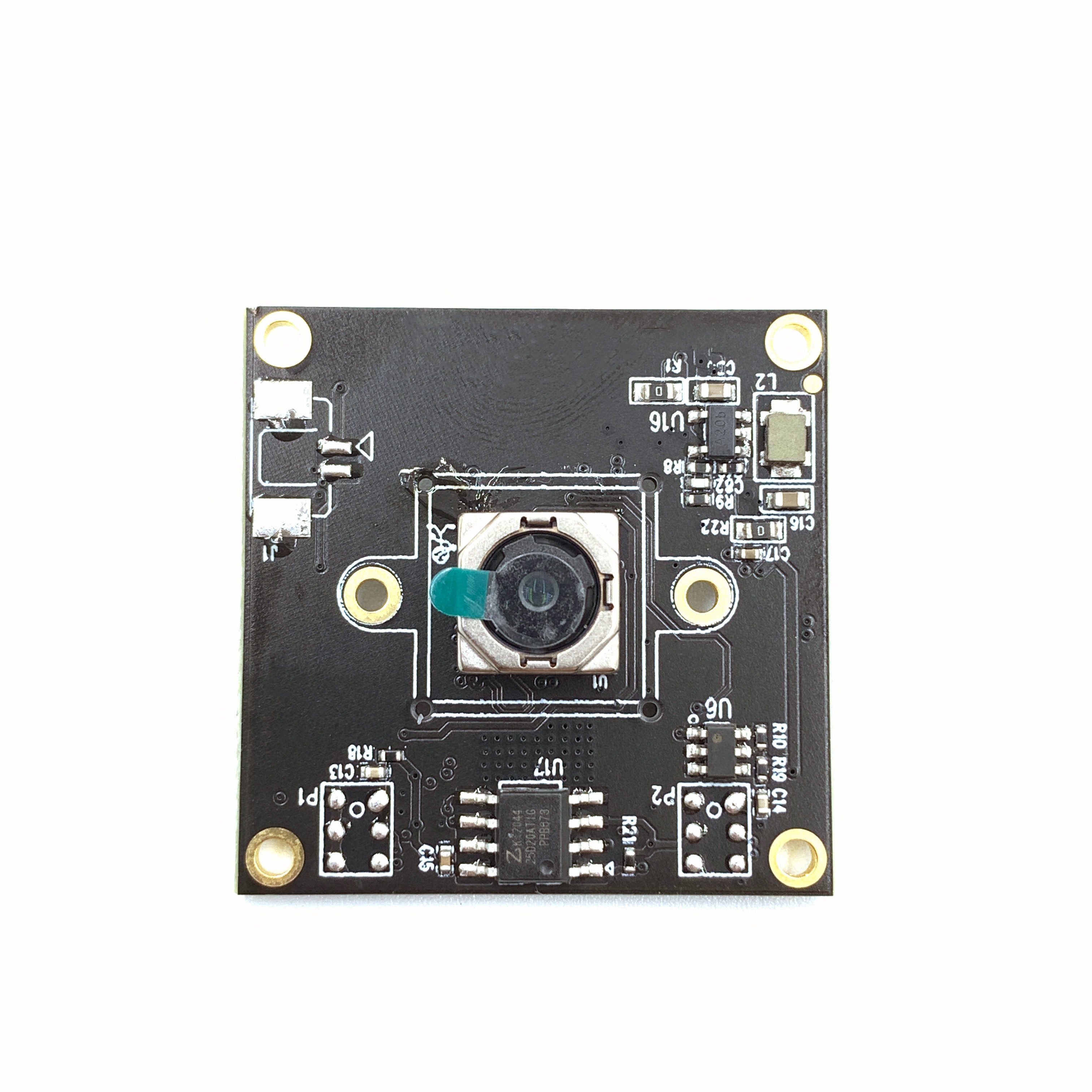
15fps Autofocus Low lux 0.1 8.0MP 3264*2448 32*32mm Color USB Camera Module
Executive Summary: Sourcing Biometric & Vision Optics for Central Java’s Industrial Corridor
As the capital of Central Java and a crucial maritime and industrial hub in Indonesia, Semarang is undergoing a rapid technological transformation. Driven by the expansion of industrial estates such as Kawasan Industri Wijayakusuma (KIW), Candi Industrial Estate, and the Sayung Industrial Zone, regional enterprise management is shifting decisively from legacy contact-based time-cards toward AI-enabled, contactless biometric face-recognition attendance systems and automated access control kiosks.
For local original equipment manufacturers (OEMs), software integrators, and security distributors operating within Semarang, sourcing high-reliability optical camera components is a foundational engineering decision. An attendance system’s facial recognition speed, anti-spoofing accuracy, and long-term durability depend directly on the imaging module embedded inside the terminal enclosure. Direct procurement from specialized China wholesale attendance camera module factories—such as Shenzhen Brekta Electronics Co., Ltd.—provides Semarang-based integrators with the necessary architectural flexibility, optical superiorities, and cost efficiencies needed to remain competitive in Central Java's expanding Smart City ecosystem.
Information Gain Insight for Semarang System Integrators: Deploying time-attendance terminals in Central Java requires optics designed specifically for high ambient humidity, thermal dissipation in 35°C+ factory floors, and Wide Dynamic Range (WDR up to 120dB) to counteract harsh backlit tropical sunlight common near building entryways and logistics bays.
1. Localized Market Dynamics: Attendance Optics in Semarang & Central Java
Semarang’s economic framework is defined by heavy manufacturing, garment export hubs, food processing facilities, and maritime logistics centered around the Port of Tanjung Emas. As enterprises scale their workforces—often managing thousands of shift workers per facility—operational bottlenecks at clock-in turnstiles create significant productivity losses.
Shift-Change Throughput Pressure
During 07:00 AM shift changes in large factories along the Semarang-Demak corridor, attendance kiosks must verify employee faces in under 0.3 seconds. Low-frame-rate cameras cause optical motion blur and algorithm lag, leading to severe entryway congestion.
Extreme Sunlight Backlighting
Factory entrances in Semarang often face open yards receiving intense equatorial tropical sunlight. Standard CMOS sensors fail under severe contrast, rendering face images pitch black or blown out. WDR (Wide Dynamic Range) optics are mandatory.
Furthermore, municipal initiatives under the Semarang Smart City Development Plan have accelerated the adoption of automated attendance kiosks in public administration offices, schools, and transportation hubs. Local integrators require UVC-compliant (USB Video Class) camera modules that plug natively into Android, Linux (Ubuntu/Debian), and Windows embedded platforms without demanding custom device drivers.
2. Architectural Requirements for Attendance Camera Modules
When engineering facial recognition time-attendance hardware, selecting an off-the-shelf webcam is insufficient. Industrial-grade modules must satisfy precise optical, mechanical, and electronic parameters:
120dB Hardware WDR
Modules utilizing sensors like the ON Semiconductor AR0230 or Sony STARVIS IMX291 capture multi-exposure frames simultaneously. This balances overexposed direct sunlight backgrounds with dark shadow detail on the subject's face.
High Frame Rate (Up to 330FPS)
High frame rates eliminate motion artifacts caused by fast-moving personnel approaching turnstiles. Real-time video feeding into edge-AI neural networks benefits from reduced frame latency and immediate landmark tracking.
Dual RGB + IR Liveness Detection
To prevent attendance fraud (using printed photos or smartphone screens), advanced kiosks in Semarang combine a Visible RGB color channel with an Infrared (IR 850nm/940nm) channel for 3D depth and liveness anti-spoofing verification.
The physical footprint of the module is equally crucial. Standardized PCB dimensions such as 32×32mm and 38×38mm allow turnstile manufacturers in Central Java to retrofit legacy fingerprint housing units with high-definition optical lenses without costly re-tooling of metallic enclosures.
3. Optical Specification Matrix for Semarang Attendance Projects
Below is an engineering feature comparison of Brekta's primary camera modules customized for attendance and access control applications:
| Camera Module Model | Primary Sensor | Max Resolution | Frame Rate | WDR / Low Lux | Key Semarang Application |
|---|---|---|---|---|---|
| Brekta High-Speed 330FPS | 1/2.7" High-Frame CMOS | 1920 × 1080 (2.0MP) | 330 FPS @ 720P / 1080P | Hardware HDR | High-throughput factory turnstiles & anti-spoofing |
| Brekta AR0230 WDR Kiosk | 1/2.7" Onsemi AR0230 | 1920 × 1080 (2.0MP) | 30 FPS @ 1080P | 120 dB Hardware WDR | Sunlit outdoor entry kiosks & outdoor ATM attendance |
| Brekta Starvis Low-Lux | 1/2.8" Sony STARVIS IMX291 | 1920 × 1080 (2.0MP) | 30 FPS @ 1080P | 0.001 Lux Ultra Low Light | Night shift factory attendance & dimly lit corridors |
| Brekta 8MP Autofocus | 1/3.2" CMOS Sensor | 3264 × 2448 (8.0MP) | 15 FPS @ 8MP | 0.1 Lux Low Lux | Dual-purpose: Face recognition + ID document scan |
| Brekta IP67 Mini Bullet | 1/2.7" CMOS Waterproof | 1920 × 1080 (2.0MP) | 30 FPS @ 1080P | Digital WDR | Harsh industrial environments & outdoor gate posts |
4. Localized Application Scenarios Across Central Java Infrastructure
Understanding the precise environment in which an attendance camera module operates is necessary to prevent field failures. Brekta’s camera modules have been optimized for key operational environments across Semarang:
- Manufacturing & Textile Hubs (Wijayakusuma & Sayung): Industrial plants operating 24/7 require cameras that switch effortlessly between bright midday ambient lighting and night-shift low-light environments. The Sony STARVIS 0.001Lux Low-Lux Module guarantees high facial recognition accuracy without requiring bright, uncomfortable LED floodlights facing workers' eyes.
- Logistics & Port Terminals (Tanjung Emas Maritime Zone): Port facilities deal with severe salt fog, airborne dust, and high humidity. Utilizing Brekta’s 2MP IP67 Waterproof Mini USB Camera Module ensures optical clarity inside sealed outdoor check-in booths without risking moisture ingress or lens fogging.
- Corporate Offices & Government Buildings (Central Semarang): High-end commercial hubs along Jalan Pahlawan and Jalan Pemuda prioritize sleek aesthetics and rapid liveness verification. The compact 32×32mm AR0230 WDR USB Camera Module integrates seamlessly behind tinted acrylic glass faceplates, retaining an elegant terminal design while delivering 120dB backlighting compensation.
- Educational Institutions & Public Schools: Under Central Java's digital education initiatives, schools in Semarang are implementing student attendance check-ins. Brekta's 8MP Autofocus Camera Module offers multi-use versatility—capturing student faces at a distance while providing high-resolution clarity for scanning student ID cards or QR codes during enrollment.
5. Sourcing Guide: Importing Camera Modules from China to Semarang
For procurement managers and system hardware engineers in Indonesia, purchasing sub-assemblies directly from China wholesale attendance camera module factories requires navigating international supply chain logistics and local regulatory frameworks:
Port Logistics & Expedited Shipping
Orders dispatched from Shenzhen Brekta's Guangdong factory are typically routed via air freight directly to Ahmad Yani International Airport (SRG) in Semarang (3 to 5 business days lead time) or sea freight container consolidation entering via Tanjung Emas Port (TPKS) for high-volume wholesale production runs.
TKDN Compliance Considerations
Indonesian government procurement regulations emphasize TKDN (Tingkat Komponen Dalam Negeri) local content requirements. Direct importing of bare camera module PCBs allows Semarang integrators to perform local assembly, housing fabrication, firmware flashing, and final testing in Central Java—maximizing their overall TKDN local value percentage.
Factory Quality Guarantee: Every camera module shipped by Shenzhen Brekta Electronics undergoes a 100% full-inspection cycle, including automated optical SMT verification, lens focus alignment, thermal aging burn-in, and sensor image noise analysis before export packaging.
6. Factory Credibility: Why Partner with Shenzhen Brekta Electronics
Shenzhen Brekta Electronics Co., Ltd. stands as a premier OEM/ODM manufacturer specializing in compact USB (UVC), IP (RTSP/ONVIF), and AHD camera modules designed specifically for machine vision, security, and self-service automated terminals.
Full OEM/ODM Engineering
Our internal R&D engineering team utilizes industry-standard EDA tools including Protel and Allegro to deliver custom PCB layouts, tailored cable harness pinouts, dual-lens board geometry, and ISP firmware modifications in under 10 days.
International Certifications
All Brekta camera modules are fully compliant with global quality standards, holding official CE, FCC, and RoHS certifications, ensuring smooth customs clearance and import compliance into the Indonesian market.
24-Month Warranty & Support
We back our industrial hardware with a full 24-month factory replacement warranty, low sample MOQs starting from 1 unit, and direct 1-on-1 engineer technical support with response times under 2 hours.
7. Frequently Asked Questions for Semarang B2B Buyers
Accelerate Your Attendance System Production in Semarang
Request our comprehensive 2025 Optical Camera Module Product Catalog, engineering pinout schematics, and direct wholesale price quotes. Our technical team is ready to review your terminal drawing specifications.
Get Catalog