Featured Camera Modules for Robot Vision & Machine Automation
High-speed autofocus, ultra-low lux Starvis sensors, dynamic WDR, and sub-miniature footprints tailored for rapid integration into Gwangju's robotics, AI kiosk, and industrial inspection systems.
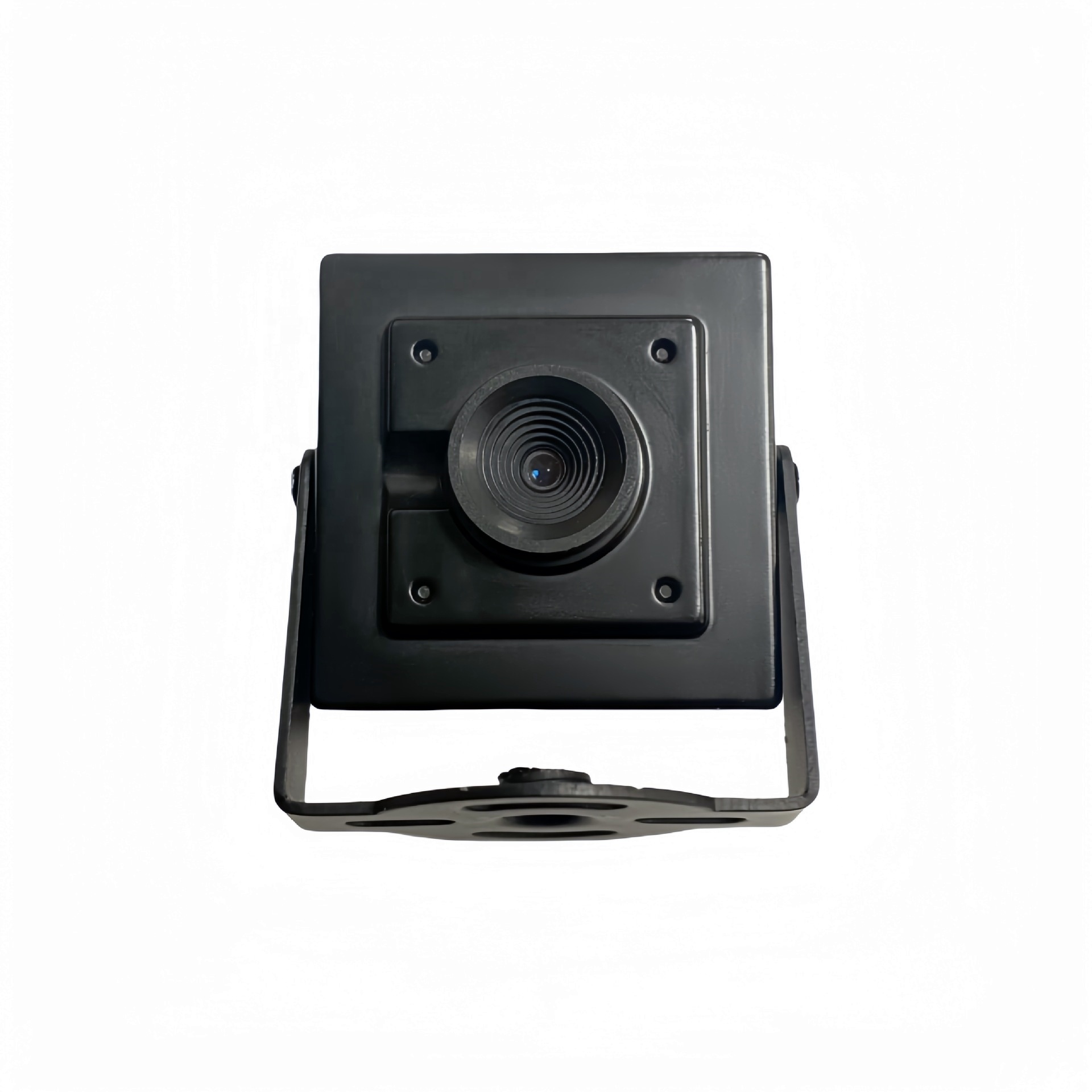
High Speed Auto Focus 4K UHD CMOS 12MP Color USB Camera Module
- Resolution: 4K UHD (12MP Precision)
- Focus Type: High-Speed Voice Coil AF
- Application: AI Retail, Self-Checkout & AMRs
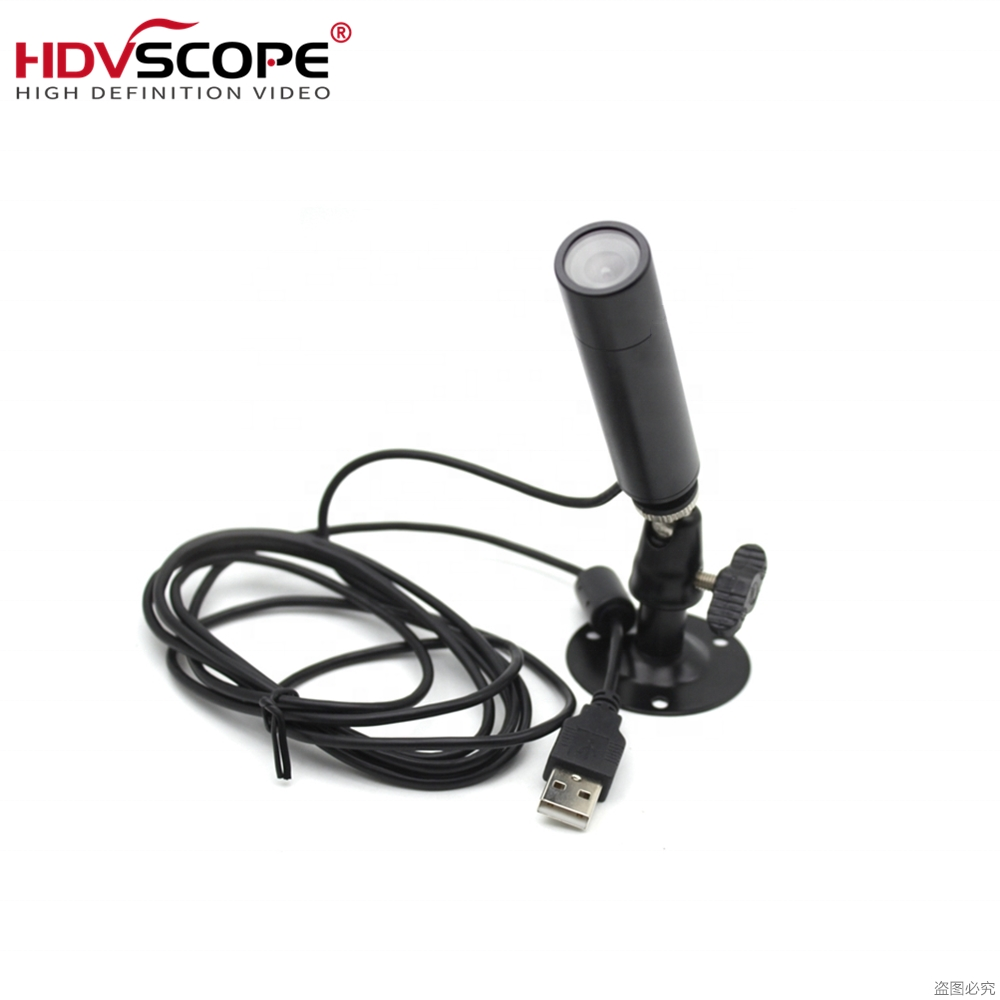
1/4" CMOS 2.0MP Mini USB Waterproof IP67 Camera (20mm Dia)
- Protection: IP67 Waterproof & Dustproof
- Form Factor: 20mm Cylindrical Bullet
- Lens: 3.6mm Board Lens (720P HD)
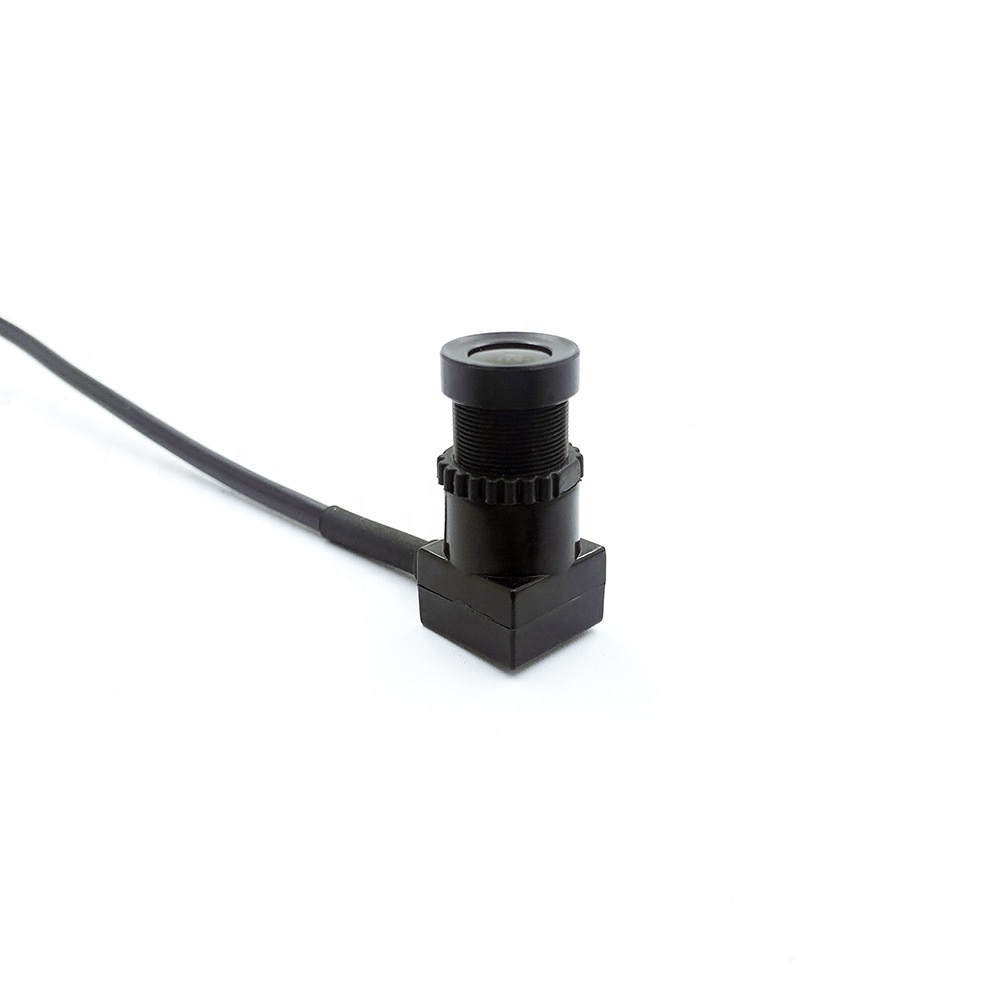
Low Light 0.1Lux Full HD 1080P Mini Square 15*15mm USB Camera
- Sensitivity: 0.1Lux Night Vision
- Size: Micro 15x15mm Square PCB
- Lens: 12mm Telephoto Board Lens
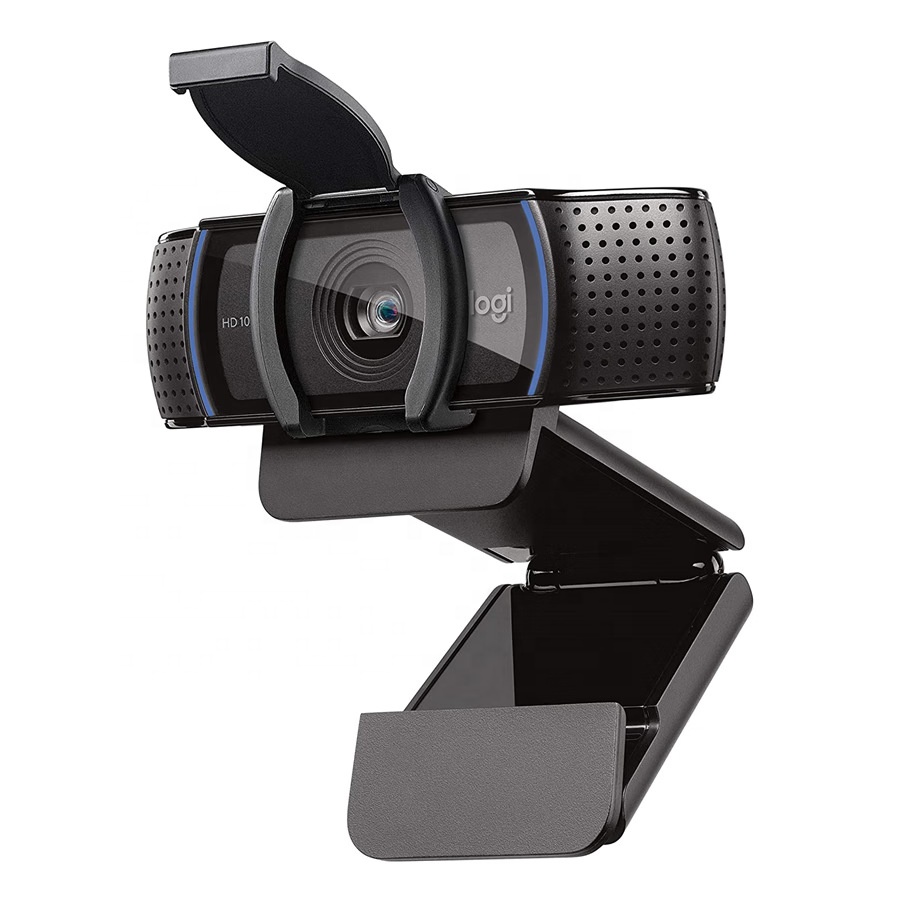
2MP FHD Color Autofocus USB Module with Dual Mics & Privacy Shutter
- VFOV: 78° Wide Angle Field of View
- Audio: Embedded Dual Noise-Canceling Mics
- Features: Hardware Physical Privacy Shutter
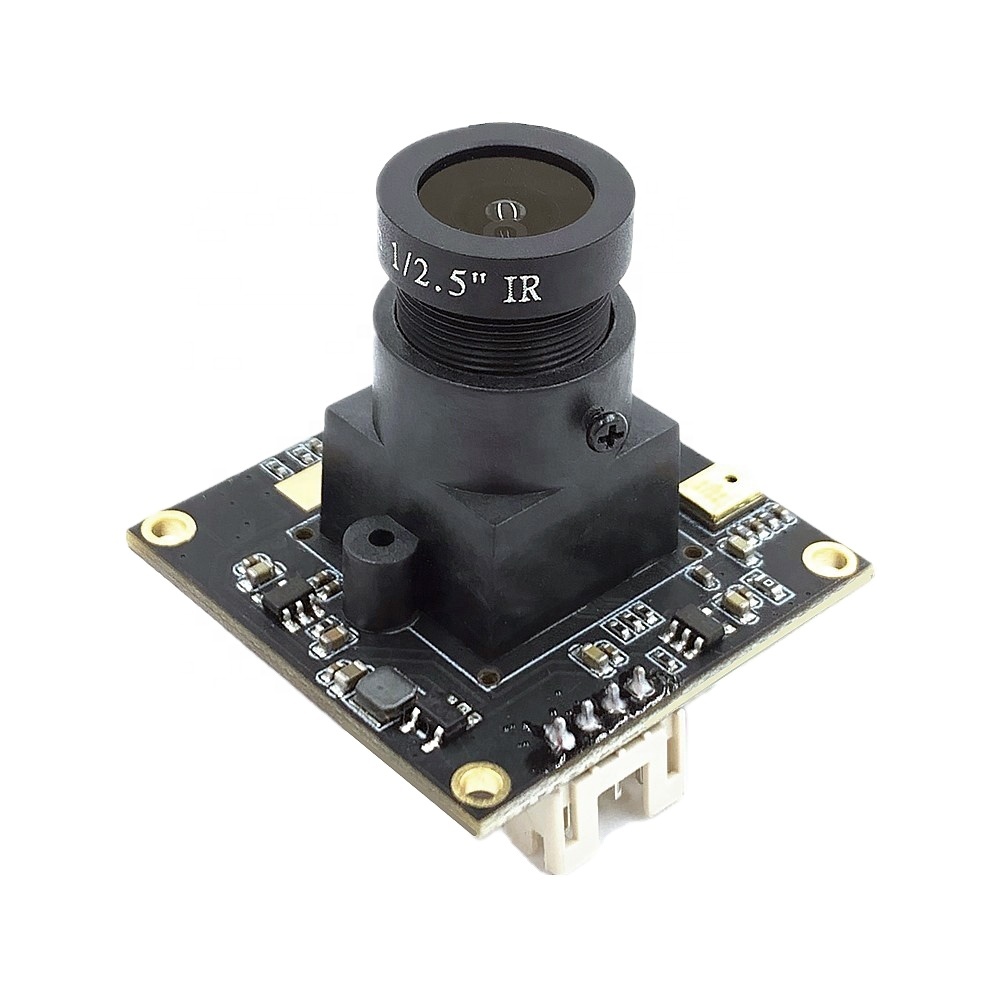
0.001Lux Starvis & WDR 2.0MP 32*32mm H.264 USB Camera Board
- Sensor: Sony Starvis Ultra Low-Light
- Dynamic Range: Hardware WDR Enabled
- Compression: H.264 / MJPEG / YUY2
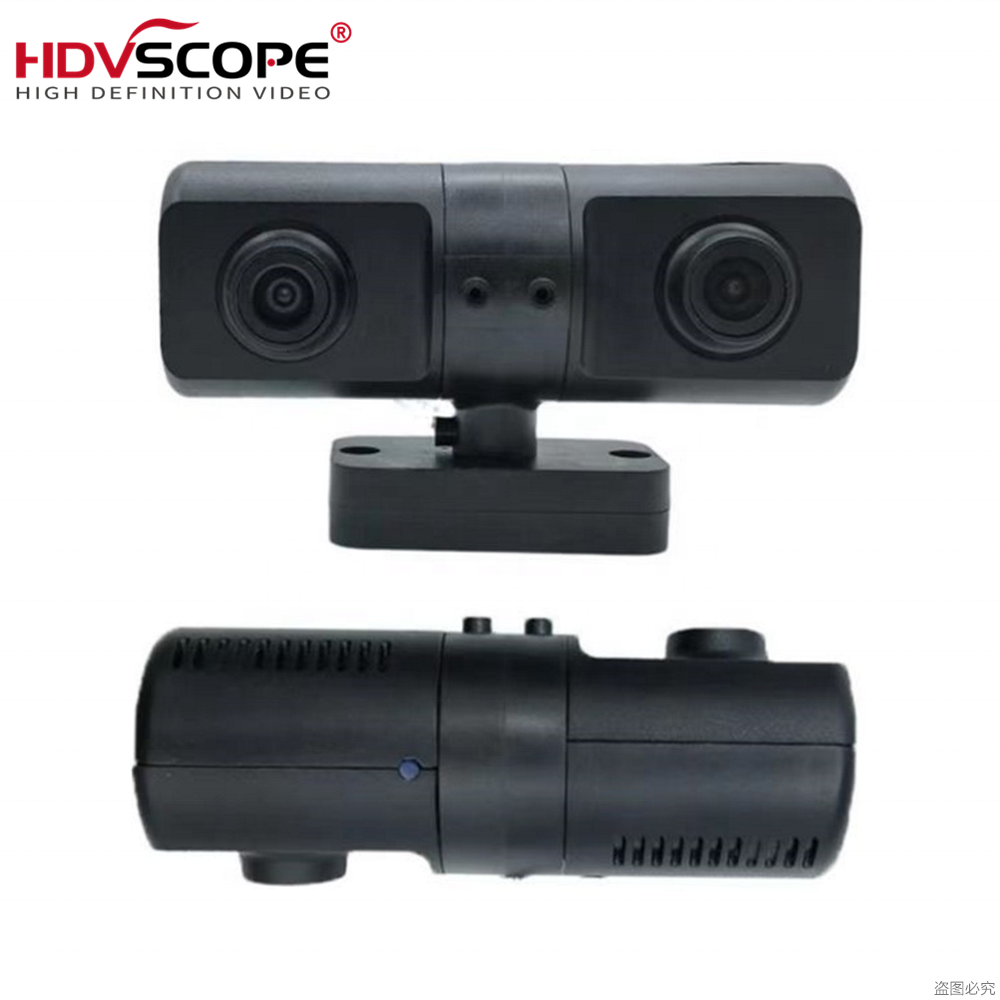
1/4" CMOS Dual Lens 1.0MP Night Vision 125° Wide Angle IR Camera
- Optics: Dual Lens Synchronized Array
- Illumination: 6PCS Onboard IR LEDs
- Field of View: 125 Degree Wide Angle

2.0MP Starvis WDR 160° Ultrawide Angle Manual Focus USB Module
- FOV: 160° Panoramic Ultra-Wide Angle
- Size: Compact 32x32mm Standard Board
- Application: AMR Navigation & AGV Drive Vision
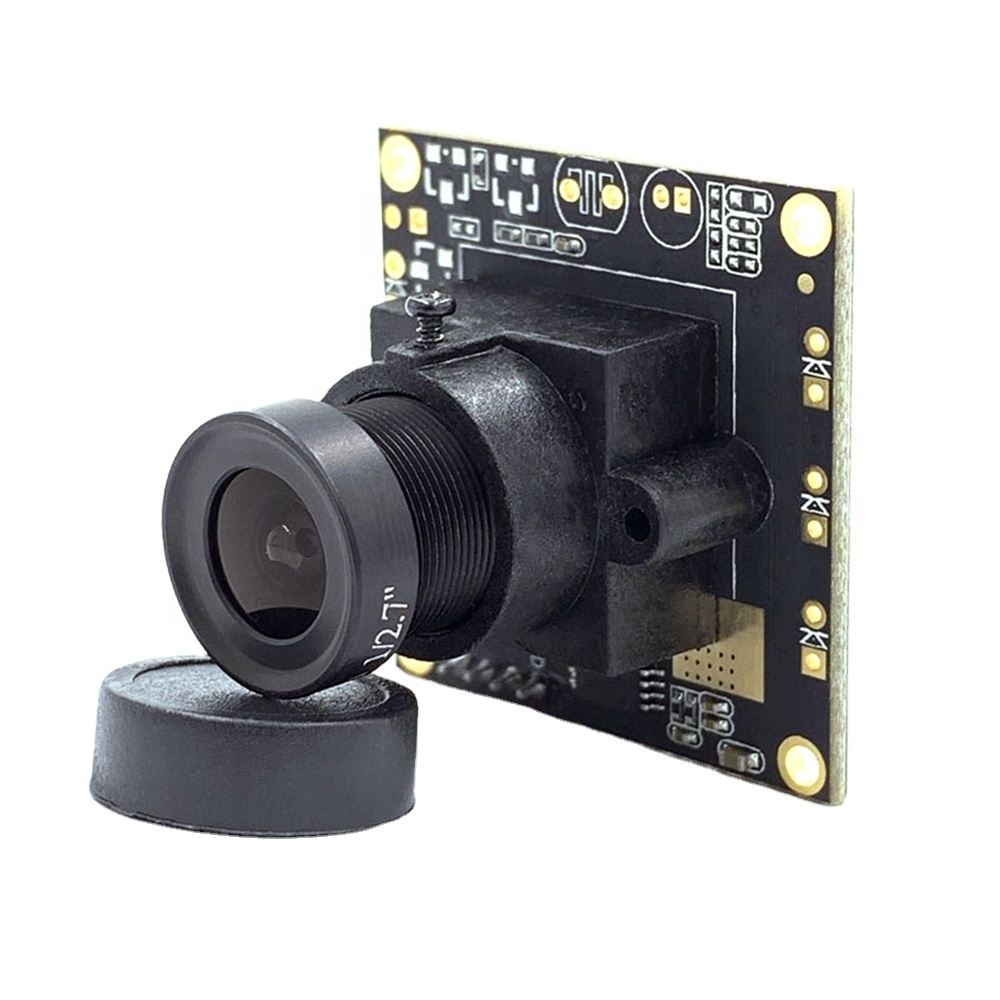
Onsemi AR0230 Sensor WDR 2.0MP 32*32mm USB Camera Module
- Sensor: Onsemi AR0230 High-Dynamic CMOS
- WDR Performance: Up to 105dB Wide Dynamic Range
- Application: ATM, Kiosk, Vending & Robot Scanning
Strategic Technical Overview: Gwangju’s Robotics & Machine Vision Landscape
The Metropolitan City of Gwangju, South Korea, has rapidly established itself as the flagship national hub for Artificial Intelligence, Smart Photonics, and Next-Generation Autonomous Systems. Backed by the South Korean government's multi-trillion won investment into the Gwangju Cheomdan High-Tech Industrial Complex and the dedicated AI Industrial Cluster Complex, the region represents a convergence point for high-precision manufacturing, Autonomous Mobile Robots (AMRs), Automated Guided Vehicles (AGVs), medical assistive devices, and intelligent retail infrastructure.
In robot vision architecture, the image sensor module acts as the fundamental physical perception interface. For system integrators and OEM manufacturers in Gwangju, selecting high-reliability optical camera hardware sourced from top-tier Chinese wholesale exporters is a critical strategic imperative. Modern robotic spatial perception, optical character recognition (OCR), visual Simultaneous Localization and Mapping (vSLAM), and gesture/liveness detection require strict operational performance under volatile ambient lighting conditions, severe thermal environments, and persistent electromagnetic interference (EMI).
Information Gain Insight: Sourcing robot camera modules directly from specialized Shenzhen/Dongguan manufacturers like Shenzhen Brekta Electronics Co., Ltd. bridges the gap between cost-efficiency and cutting-edge optical engineering. By delivering board-level customizations (15x15mm micro PCBs, custom M12 board lenses, high-frame-rate ISP tuning), Chinese exporters empower Gwangju R&D laboratories to compress product development cycles from months to days.
Localized Application Scenarios across Gwangju's Key Industrial Sectors
To capture maximum market share in South Korea's highly competitive industrial tech matrix, camera module specifications must align precisely with localized operational deployment scenarios. The following breakdown illustrates how Chinese wholesale robot camera modules integrate directly into Gwangju’s flagship commercial ecosystems:
AMR & AGV Visual Navigation
Deployed in factory floors across the Gwangju Automotive and Electronics supply chain. Incorporating 160° Ultra-Wide Angle Starvis WDR Modules (Product 7) allows AMRs to execute real-time obstacle avoidance, visual SLAM mapping, and docking alignment under low-lux warehouse conditions down to 0.001 Lux.
AI Self-Checkout & Smart Retail
Gwangju’s rapid adoption of unmanned convenience stores and unattended kiosks relies on high-speed image processing. Utilizing High-Speed 4K 12MP Autofocus USB Camera Modules (Product 1) ensures instant 1D/2D barcode scanning, item shape recognition, and automated customer transaction verification without manual alignment.
Medical Assistive & Service Robotics
In partnership with healthcare research centers near Chonnam National University Hospital, service robots demand silent, compact, and non-intrusive embedded optics. Micro-square 15x15mm 1080P Low-Light Modules (Product 3) fit seamlessly inside robotic arms and mobile medical carts for remote monitoring and precision interaction.
Industrial Machine Inspection
Gwangju's optical and photonics component assembly plants require waterproof, vibration-resistant vision systems. The IP67 Waterproof 20mm Diameter Bullet USB Camera (Product 2) provides continuous optical inspection inside harsh chemical tanks, CNC machining fluid environments, and outdoor inspection rigs.
Facial Biometrics & Liveness Sensing
For high-security financial ATM kiosks and access control points, simple 2D vision is insufficient. Dual-lens synchronized arrays (Product 6) combine RGB color sensors with Monochrome/Infrared sensors, enabling accurate 3D depth mapping and anti-spoofing facial recognition even in total darkness.
High-Dynamic Backlit ATM Terminals
Outdoor kiosks and banking ATMs located near brightly lit windows experience intense backlight. The Onsemi AR0230 WDR Module (Product 8) offers hardware-level 105dB WDR, balancing direct sunlight exposure and shadowed faces to prevent image clipping.
Localized Technology Trends in South Korea's Robot Optics Ecosystem
The South Korean robotics sector is undergoing rapid technological evolution. Engineers in Gwangju are no longer satisfied with off-the-shelf webcams or consumer-grade imaging sensors. Modern procurement standards mandate embedded optics that fulfill specific technical criteria:
1. Direct Integration with Linux ROS / ROS2 Frameworks
South Korean roboticists heavily utilize the Robot Operating System (ROS / ROS2) running on Ubuntu or embedded Nvidia Jetson AGX / Orin platforms. Consequently, exporters must supply standard UVC (USB Video Class) compliant driverless camera modules that automatically expose V4L2 (Video4Linux2) parameters, supporting real-time control of frame rates, exposure, gain, and white balance via OpenCV and Python/C++ APIs.
2. Transition to Sony Starvis & Onsemi Hardware WDR Sensors
Traditional rolling shutter sensors suffer from motion blur and exposure failure in dynamic environments. Modern AMR applications in South Korea overwhelmingly specify Sony Starvis IMX sensors (e.g., IMX291, IMX327, IMX335) or Onsemi AR0230 due to their exceptional signal-to-noise ratio (SNR) in low-light conditions (<0.001 Lux) and true multi-exposure Wide Dynamic Range capabilities.
3. Miniaturization & Thermally Reinforced Multi-Layer PCBs
As service and payload robots become more compact, internal spatial constraints become critical. Gwangju OEMs favor modular board form factors such as 15x15mm micro-squares, 32x32mm, or 38x38mm dual-boards. Furthermore, high-power ISP (Image Signal Processor) chips generate heat during 24/7 continuous operation. Qualified exporters must engineer 4-layer FR4 PCBs with thermal vias and copper-clad heat dissipation paths to prevent sensor noise degradation over time.
Why Gwangju Procurement Teams Partner with Shenzhen Brekta Electronics
As a premier direct-factory manufacturer and exporter based in Shenzhen and Dongguan, China, Shenzhen Brekta Electronics Co., Ltd. brings over 13 years of specialized manufacturing experience in miniaturized camera modules, UVC USB camera boards, mini IP cameras, and AHD vision systems. Our engineering capabilities are tailored specifically to solve the custom demands of South Korean system integrators:
In-House PCB Layout & Optical Tuning
Our dedicated engineering department utilizes enterprise CAD design suites (Protel, Allegro) to deliver tailored PCB dimensions, modified pinout connectors (JST, Molex, USB Type-C), custom cable lengths, IR-Cut filter switches, and optimized ISP firmware within days.
Strict Multi-Stage Quality Control & Testing
Every single camera module undergoes rigorous multi-stage inspection prior to shipment: raw material incoming QC, SMT automated optical inspection, board-level burn-in testing, and 100% full-resolution optical alignment testing using precision collimators.
Low MOQ Prototyping for R&D Centers
We understand that Gwangju’s high-tech startups and university labs require rapid iteration. We offer evaluation sample orders starting from 1 piece, with standard model dispatch achieved in 1 to 3 working days.
Full International Compliance & Warranty
All Brekta products hold official CE, FCC, and RoHS certifications, facilitating streamlined customs import into South Korea. Every product is backed by our direct factory 24-Month Repair/Replacement Warranty and lifetime technical engineering support.
Frequently Asked Questions (FAQ) for Gwangju Wholesale Buyers
Accelerate Your Robot Vision Project in Gwangju Today
Partner directly with China's leading wholesale embedded camera module manufacturer. Request our comprehensive engineering product catalog, technical datasheet drawings, and wholesale price list now.