Featured Industrial UVC USB Camera Modules for Nitra Industry
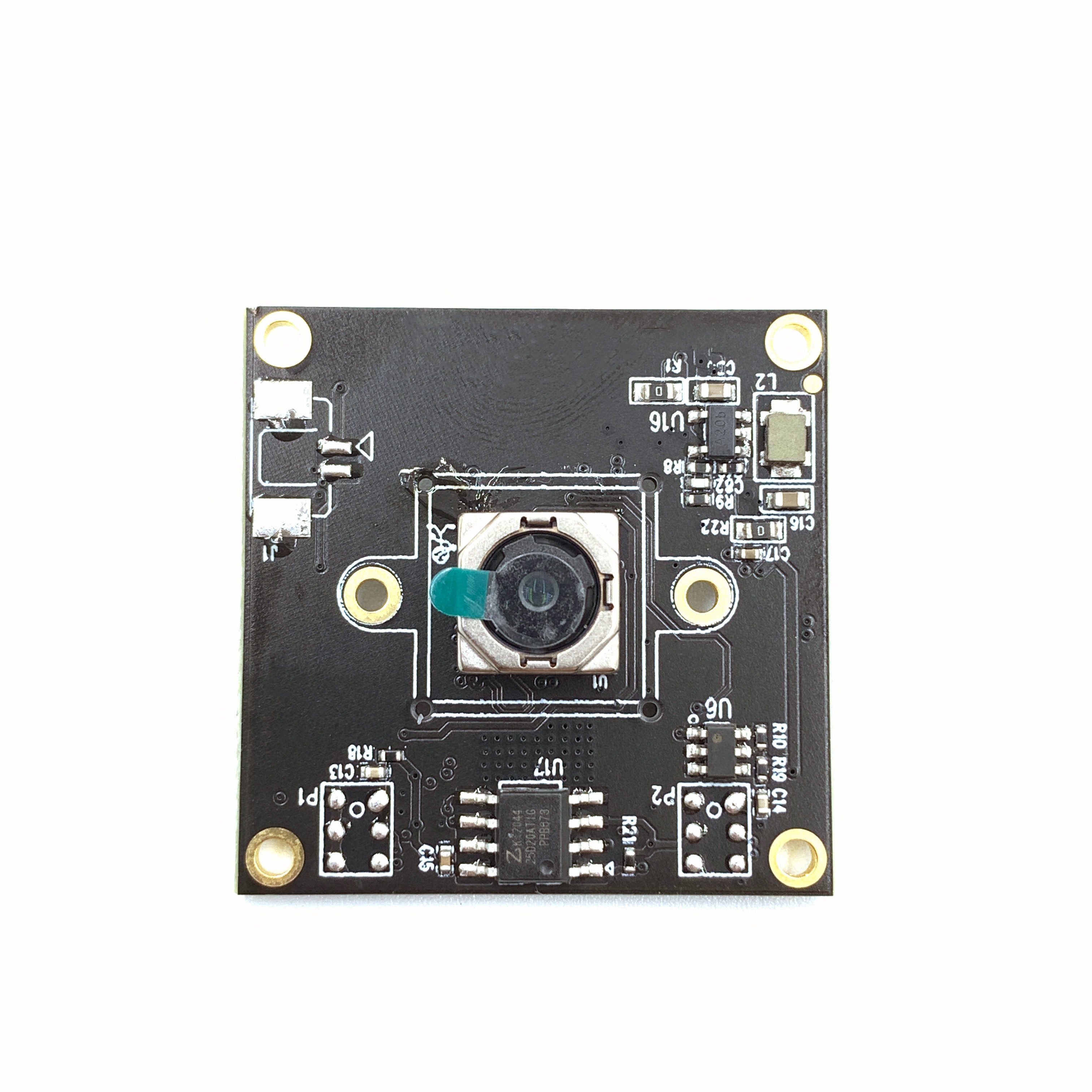
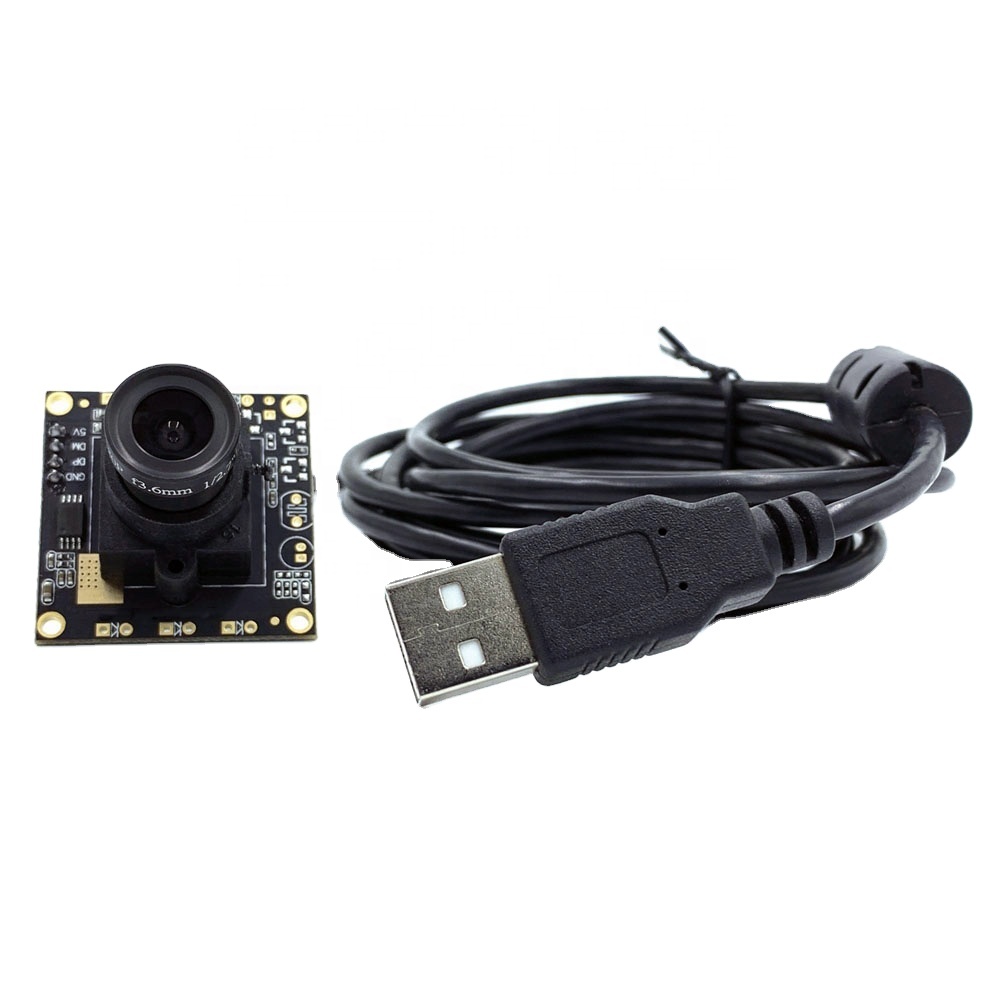
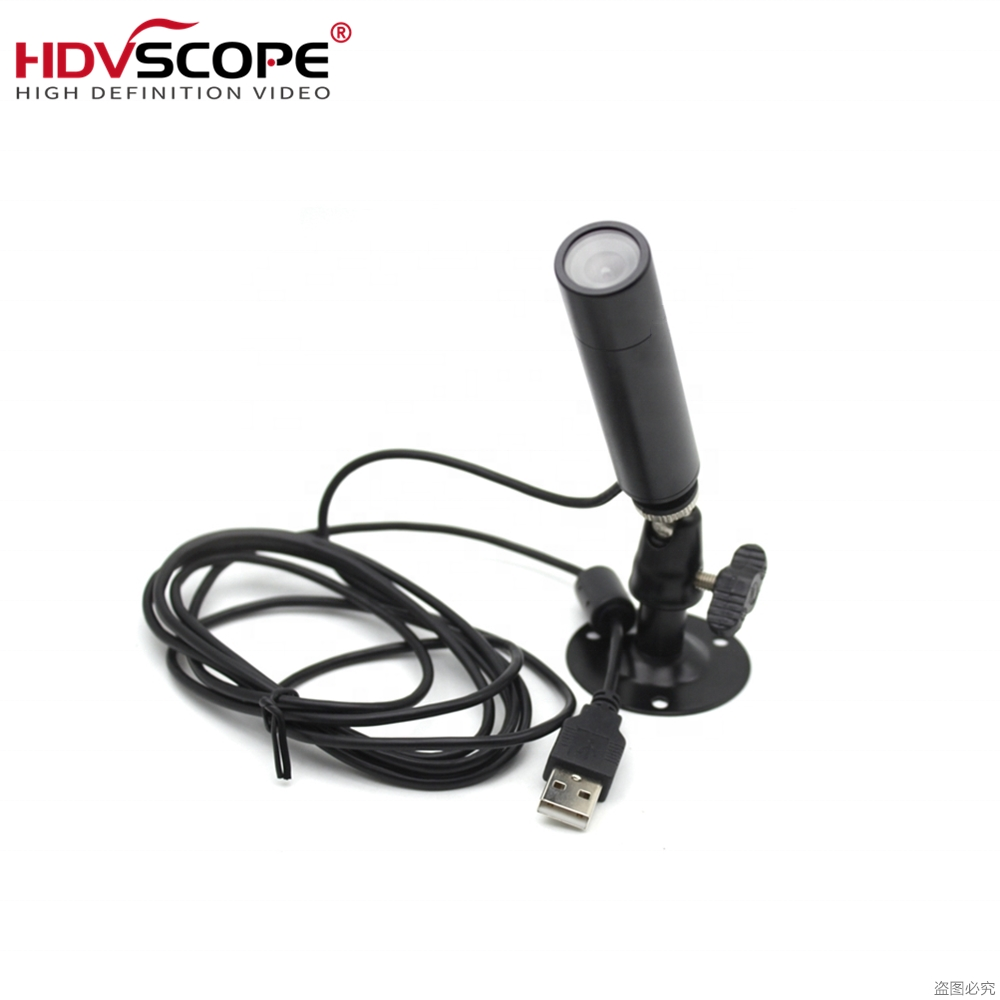
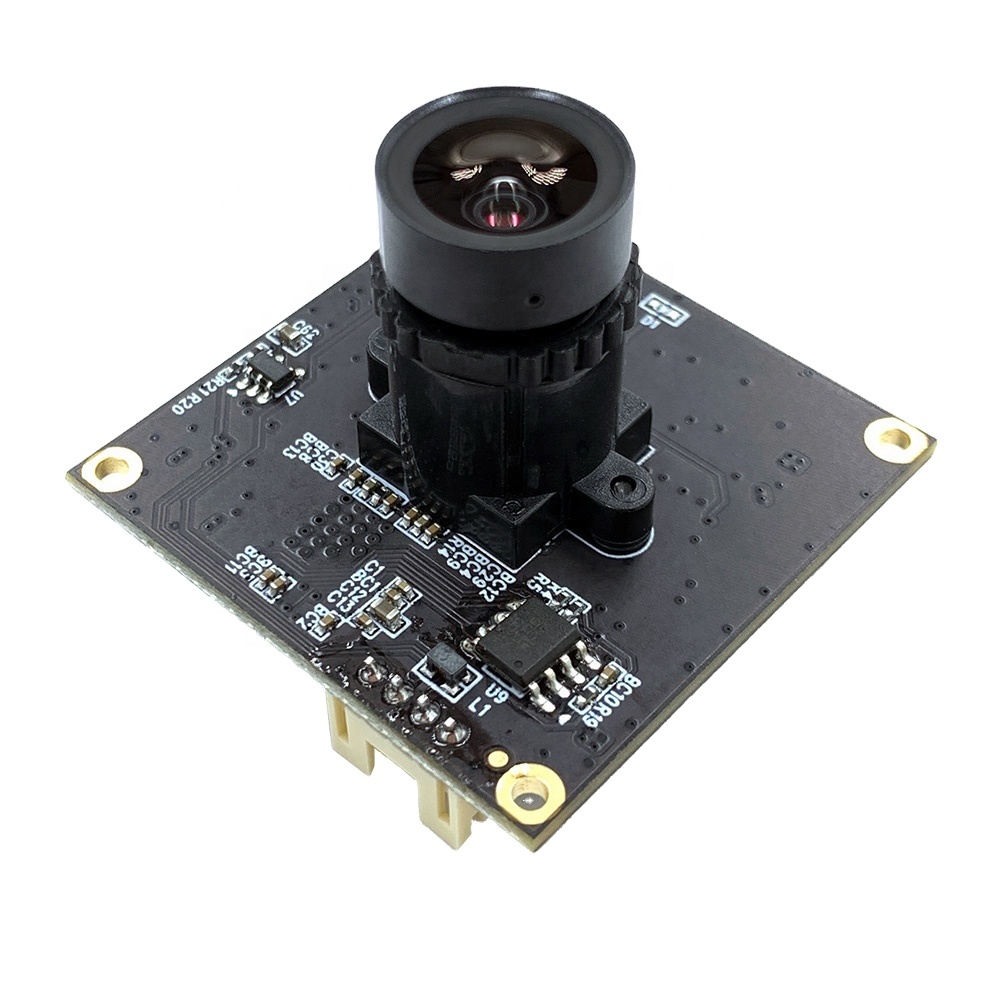
Discover our OEM/ODM industrial-grade vision camera modules designed for seamless mounting into automated optical inspection (AOI) systems, robotic arms, ATM/kiosk terminals, and high-speed assembly line sorters.
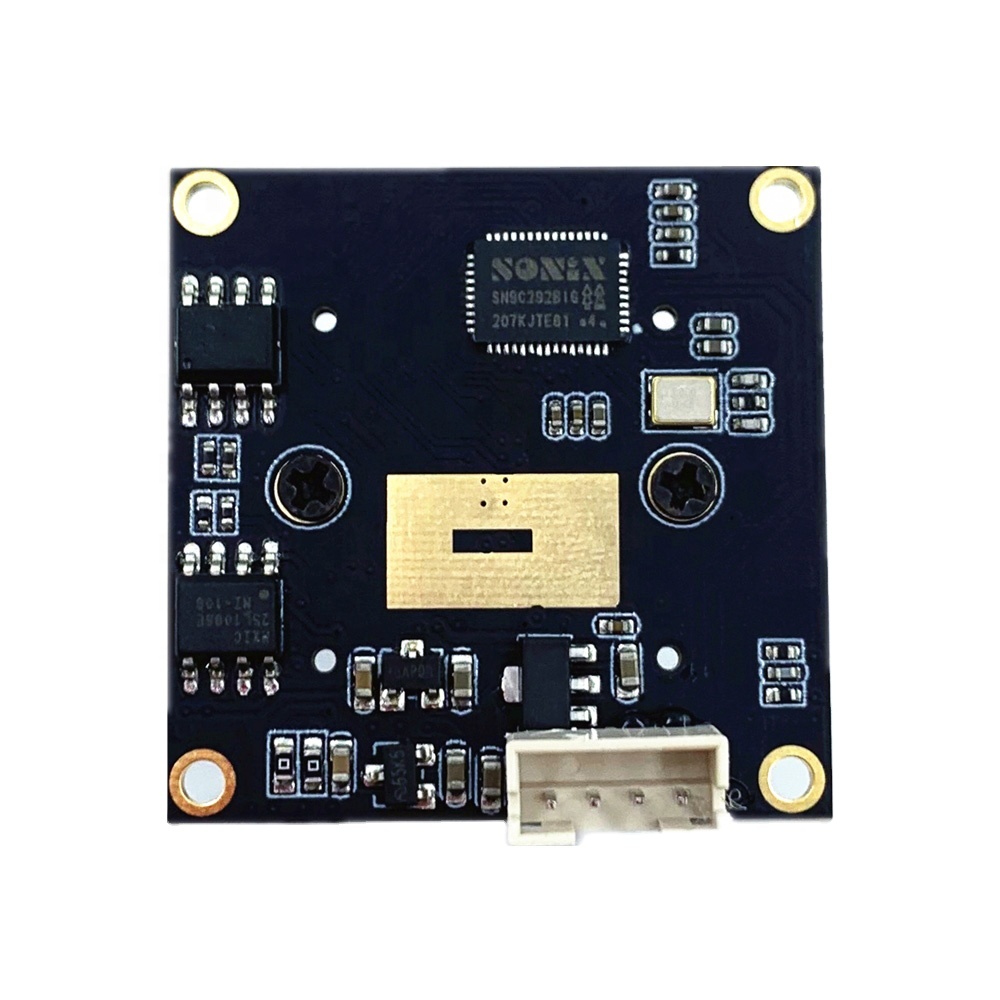
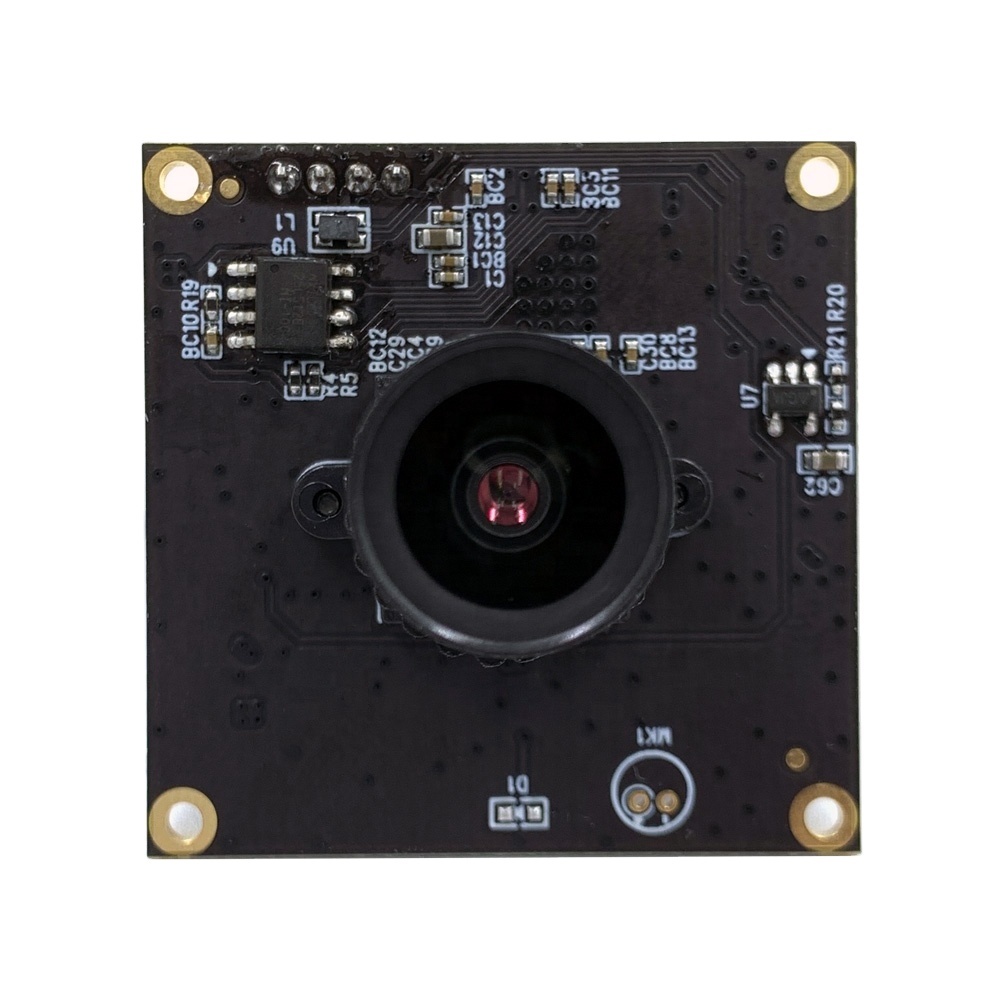
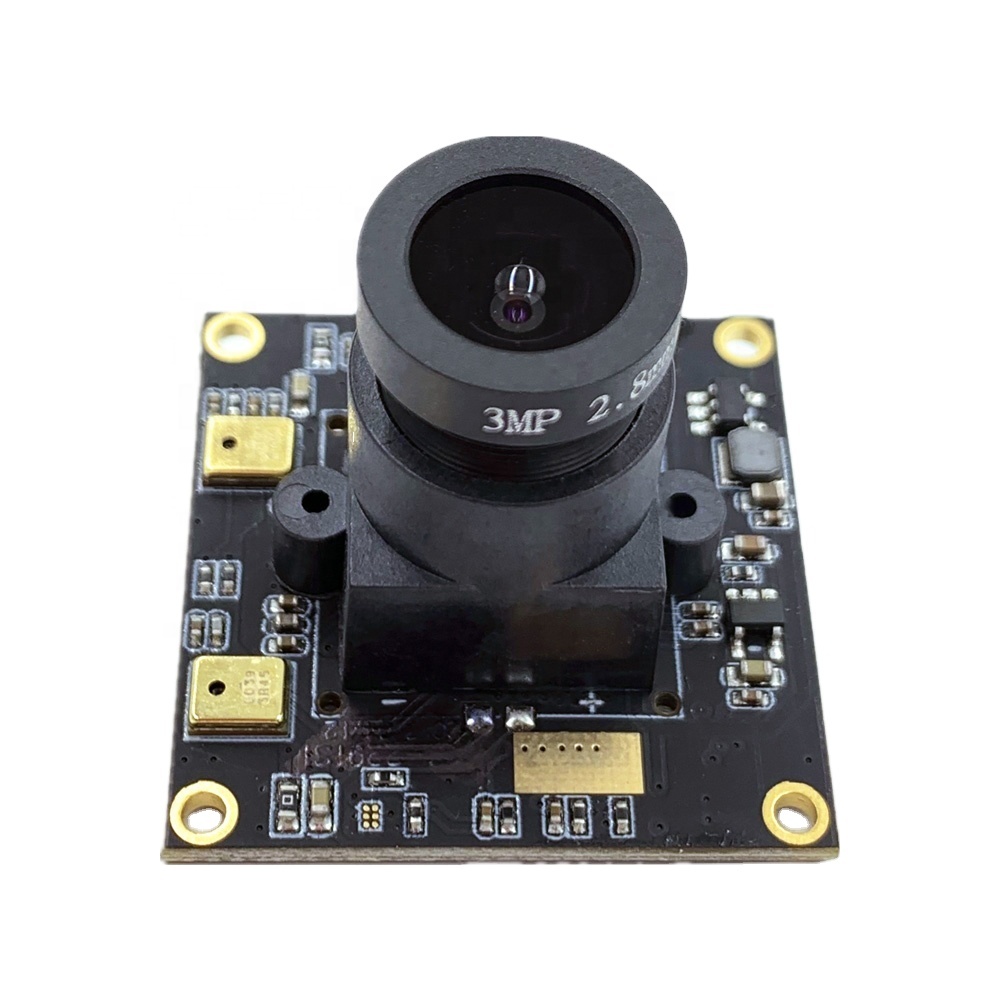
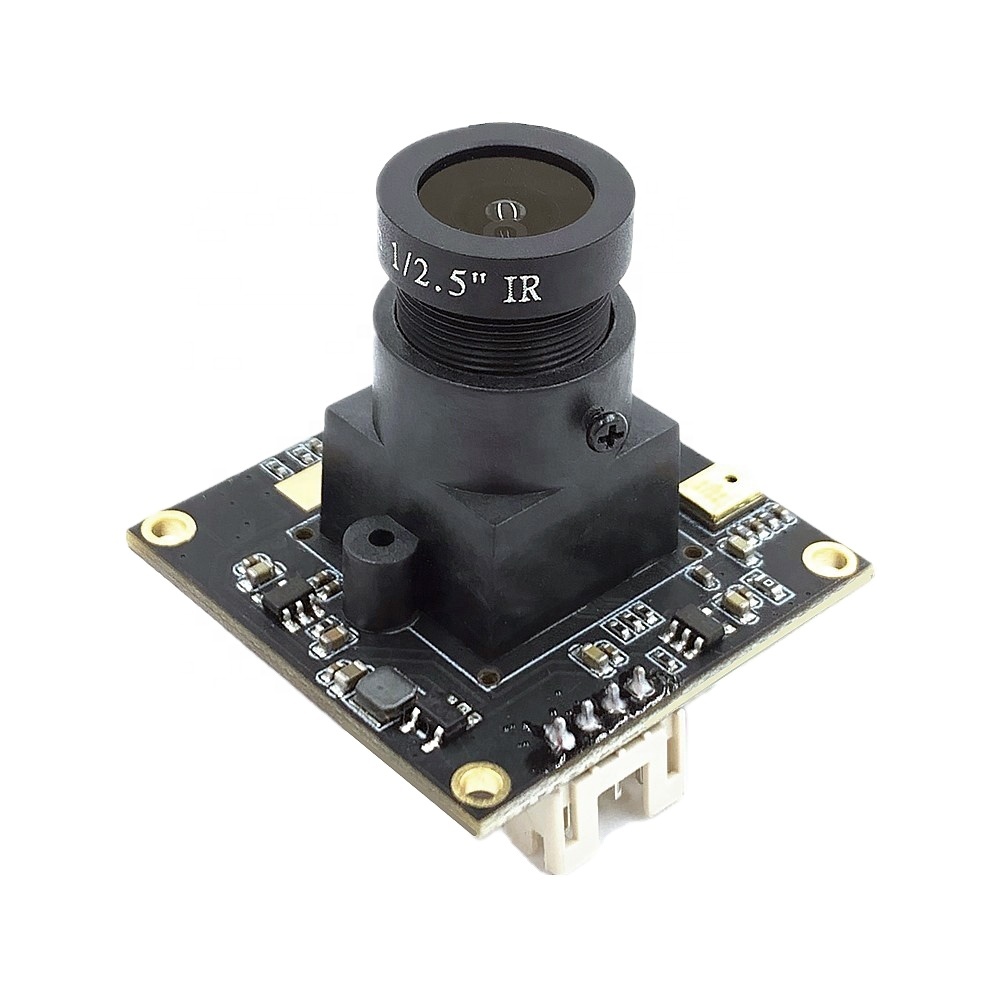
Navigating Nitra's Industrial Revolution: High-Performance Vision for Central Slovakia
Nitra has emerged as the beating heart of Central Europe’s modern automotive manufacturing and precision engineering sector. Anchored by major OEM assembly plants, such as Jaguar Land Rover (JLR) in the Nitra Industrial Park Sever, alongside a vast matrix of Tier-1 and Tier-2 automotive component suppliers, plastic injection molders, and automated packaging integrators, the demand for reliable Automated Optical Inspection (AOI) has reached unprecedented height. Modern assembly lines moving at fractions of a second cannot rely on manual quality audits. High-speed, high-resolution machine vision systems are required to detect micro-cracks, verify solder joint integrity, inspect surface coatings, read high-density 2D matrix codes, and guide robotic arms with sub-millimeter precision.
As a leading China Wholesale UVC USB Camera Module Manufacturer and Exporters for the Nitra market, Shenzhen Brekta Electronics Co., Ltd. fills the vital supply chain link between custom optical design and cost-effective, high-reliability serial production. The industrial landscape of Nitra requires camera modules that perform seamlessly under severe thermal fluctuations, high electromagnetic interference (EMI), variable lighting, and continuous 24/7/365 vibration environments. Traditional webcams or consumer-grade imaging devices fail rapidly under these stresses. Our industrial UVC (USB Video Class) USB camera modules are engineered specifically for seamless integration into industrial PCs (IPCs), Linux-based embedded systems, Robot Operating System (ROS) platforms, and custom machine vision software suites without requiring third-party proprietary driver installations.
Industrial Automation & Vision Trends in Nitra & CEE Manufacturing
Slovakia’s commitment to "Smart Industry" and EU Industry 4.0 standards is transforming factory floors across the Nitra Region. System integrators and machine builders in Nitra are implementing decentralized vision architectures, where lightweight vision sensors are embedded directly at the tool tip of collaborative robots (cobots) or inside compact inspection stations. Five core technological trends define the current procurement demand for vision modules in the Nitra market:
1. High Frame Rate Blur Suppression
Fast-moving conveyor belts transporting stamped metal parts or molded plastics require acquisition rates up to 330 FPS at 1080P resolution. High frame rate UVC modules eliminate motion blur, ensuring crisp pixel-level clarity for automated defect detection algorithms.
2. Extreme WDR & Low-Lux Sensitivity
Industrial lighting inside robotic cells or automotive chassis weld shops fluctuates wildly. Integrating Sony STARVIS™ back-illuminated sensors and Onsemi AR0230 Wide Dynamic Range (WDR) chips guarantees clear contrast across 0.001 Lux darkness and high-glare specular reflections.
3. Driverless UVC Protocol Standard
Modern smart factories operate on heterogeneous computing hardware, ranging from x86 IPCs running Windows 10/11 IoT Enterprise to ARM-based NVIDIA Jetson Orin modules running Ubuntu Linux. UVC standard compliance guarantees instant V4L2 (Video4Linux) recognition with zero kernel re-compilation.
Industrial Vision Engineering Whitepaper: Physics, Photonics, and UVC Protocols
Achieving superior information gain in industrial inspection requires evaluating camera modules through rigorous photonics and optical engineering metrics rather than simple pixel counts. In high-speed automated manufacturing environments across Nitra, imaging failures usually stem from incorrect sensor shutter mechanics, improper optical modulation transfer functions (MTF), or USB bandwidth bottlenecks.
Technical Deep-Dive: Sensor Photonics & Optical Considerations
Rolling Shutter vs. Global Shutter in Dynamic Motion: Rolling shutter sensors capture image rows sequentially. When imaging rapidly moving components on a Nitra automotive line, this spatial-temporal delay introduces rolling shutter distortion (the "jello effect"). To combat this without incurring global shutter costs, our high-speed 330FPS camera modules utilize extremely compressed line-readout times coupled with high-intensity pulsed LED strobe sync, effectively freezing movement at fractional millisecond intervals.
Uncompressed YUY2 vs. Compressed MJPEG Bandwidth Engineering: Over a USB 2.0 High-Speed bus (480 Mbps theoretical limit), transmitting raw uncompressed YUY2 1080P video at 30 FPS consumes approximately 1.0 drive payload bandwidth (~398 Mbps), leaving no headroom for multi-camera topologies on a single USB host controller. Our custom PCB designs optimize MJPEG optical compression hardware encoders to maintain visual fidelity without loss of edge sharpness required for sub-pixel dimensional measurement.
Comparative Analysis: Imaging Sensor Technologies for Machine Vision
Selecting the optimal sensor silicon architecture is critical to project success. Below is a engineering comparison matrix comparing sensor performance across key industrial criteria:
| Sensor Model | Resolution & Matrix | Dynamic Range (WDR) | Low-Light Threshold | Max Frame Rate | Primary Nitra Application |
|---|---|---|---|---|---|
| Sony STARVIS™ IMX291 | 2.0MP (1920×1080) | 100 dB (SNR1s = 0.18 lx) | 0.001 Lux (Color) | 1080P @ 30 FPS | Enclosed dark robotic cell inspection, chassis underside verification |
| Onsemi AR0230 CMOS | 2.0MP (1920×1080) | Up to 105 dB HDR | 0.1 Lux | 1080P @ 30 FPS | High-contrast metal surface reflectivity, welding spark area monitoring |
| High-Speed Sensor Array | 2.0MP (1920×1080) | 85 dB | 0.5 Lux | 330 FPS @ 640×480 / 1080P High-FPS | High-speed sorting, spinning component runout measurement |
| Ultra-HD 8.0MP Sensor | 8.0MP (3264×2448) | 72 dB | 0.1 Lux (Autofocus) | 15 FPS @ 4K / 30 FPS @ 1080P | High-density SMT PCB solder defect inspection, OCR text reading |
Localized Machine Vision Applications in Nitra Industrial Ecosystems
Our industrial UVC USB camera modules are engineered to integrate seamlessly into diverse industrial automation setups across Nitra and the broader Danubian industrial region. Below are the primary deployment scenarios where our customized camera boards deliver measurable efficiency gains:
- Automotive Stamping & Weld Seam Verification (Nitra Industrial Park Sever): Mounted inside tight stamping dies or on robotic welding heads, our 32x32mm miniature USB camera modules withstand continuous high acceleration forces and magnetic discharge while capturing real-time images of weld bead uniformity and sheet metal deformation.
- High-Speed Plastics & Injection Molding Inspection: Nitra's extensive plastic processing sector utilizes our 330FPS high-speed UVC cameras to monitor ejector pin performance and inspect multi-cavity plastic parts in real-time, instantly flagging flashing, short shots, or geometric warpage.
- SMT Electronics Assembly & Component Placement: Electronics contract manufacturers near Nitra integrate our 8MP Autofocus 32x32mm USB modules onto pick-and-place nozzle headers to perform fast optical alignment, verify pin 1 orientation, and inspect surface-mount solder paste prints down to 0201 component sizes.
- Conveyor Belt OCR & Barcode Scanning: Logistics hubs and automotive distribution warehouses in Slovakia utilize our AR0230 WDR modules for zero-delay reading of 1D barcodes, 2D DataMatrix codes, and direct part marking (DPM) codes etched onto engine blocks or transmission gears.
- IP67 Sealed Endoscopic & Pipe Machine Inspection: Featuring 20mm outer diameter waterproof casings, our IP67 mini USB cameras are pushed directly inside internal fluid lines, exhaust manifolds, and HVAC ducts during automotive final assembly testing to guarantee leak-free assembly.
Why Brekta is the Trusted Partner for Slovakian Machine Builders & System Integrators
Shenzhen Brekta Electronics Co., Ltd. operates as a premier designer and manufacturer of specialized visual hardware. Backed by over 13 years of specialized R&D in miniaturized optical engineering, our Shenzhen and Dongguan manufacturing bases house high-speed automated SMT lines, class-10,000 cleanroom optical alignment workshops, and rigorous environment test chambers. We offer direct, frictionless export services tailored specifically to European Union import requirements.
Protel & Allegro PCB Customization
Need a custom form factor to fit inside a proprietary machine cavity? Our in-house hardware engineers design custom multi-layer PCBs using Allegro and Protel, delivering tailored 15x15mm, 28x28mm, 32x32mm, or 38x38mm board geometry with customized FPC flex cable lengths.
100% Optical Resolution & Burn-In QC
Every single camera module undergoes individual optical MTF target testing, color rendition calibration, and high-temperature stress burn-in before shipping. We ensure 0% defect rate upon arrival at your Nitra facility.
Full EU Compliance (CE, RoHS, REACH)
All Brekta camera modules exported to the Nitra market comply fully with European Directive standards. Complete CE test reports, RoHS material declarations, and FCC certifications are provided with every batch for seamless EU customs clearance.
OEM/ODM Customization Capabilities for Industrial Buyers
We accommodate low MOQ sample evaluation (starting from 1 piece) up to large-scale annual contract manufacturing. Customize your vision modules across all hardware dimensions: M12, C/CS, or Pinhole Lenses (ranging from 170° ultra-wide fisheye to 60° narrow field of view), IR-Cut Filters (850nm / 940nm pass or dual band), Hardware Auto-Focus / Varifocal Zoom, and Customized Firmware Defaults (custom exposure locking, white balance curves, and USB Vendor/Product IDs).
Frequently Asked Questions by Nitra Procurement & System Engineers
Accelerate Your Industrial Vision Project in Nitra Today
Contact Shenzhen Brekta Electronics for technical consultation, 2D/3D CAD drawing downloads, optical lens calculation support, and fast factory-direct pricing for your machine vision applications in Slovakia.
Get a Quote