OEM/ODM Camera Modules Optimized for Strasbourg Integration
Driverless UVC USB, High Frame Rate, Wide-Angle, and Starvis Infrared Night Vision Solutions
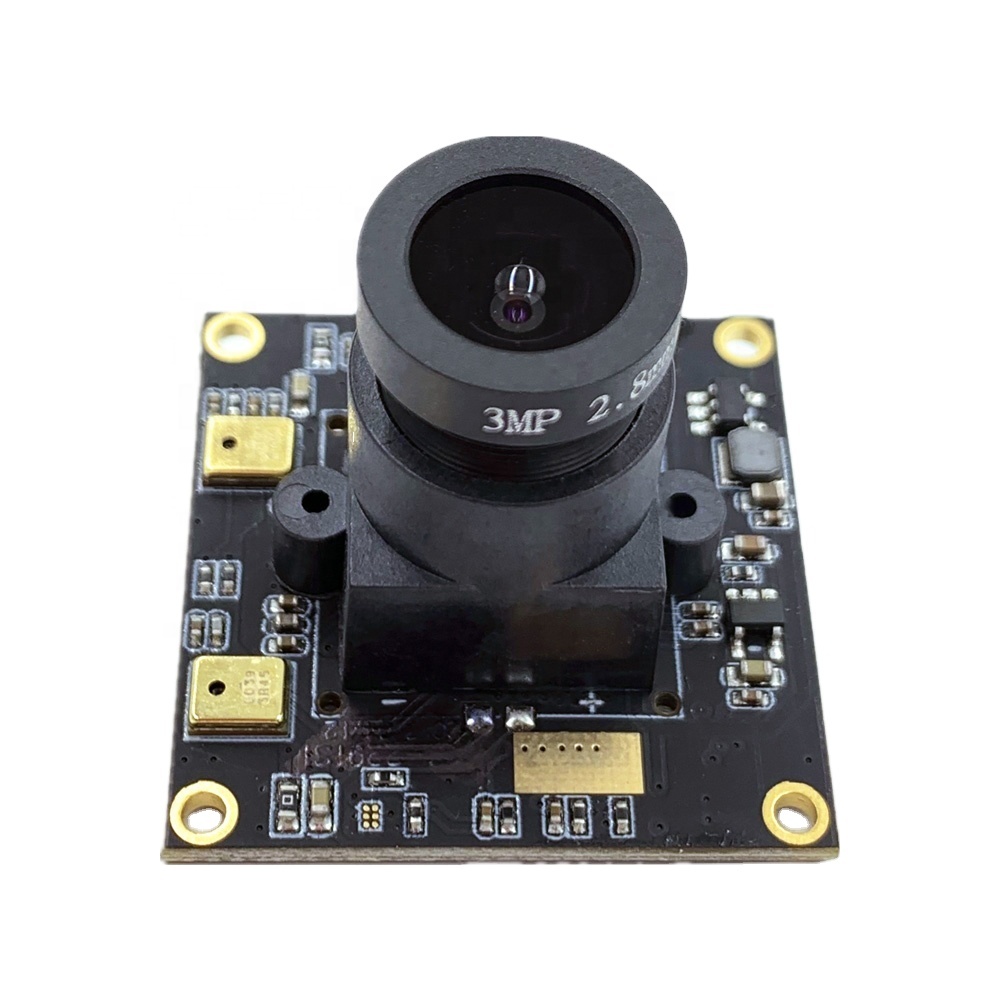
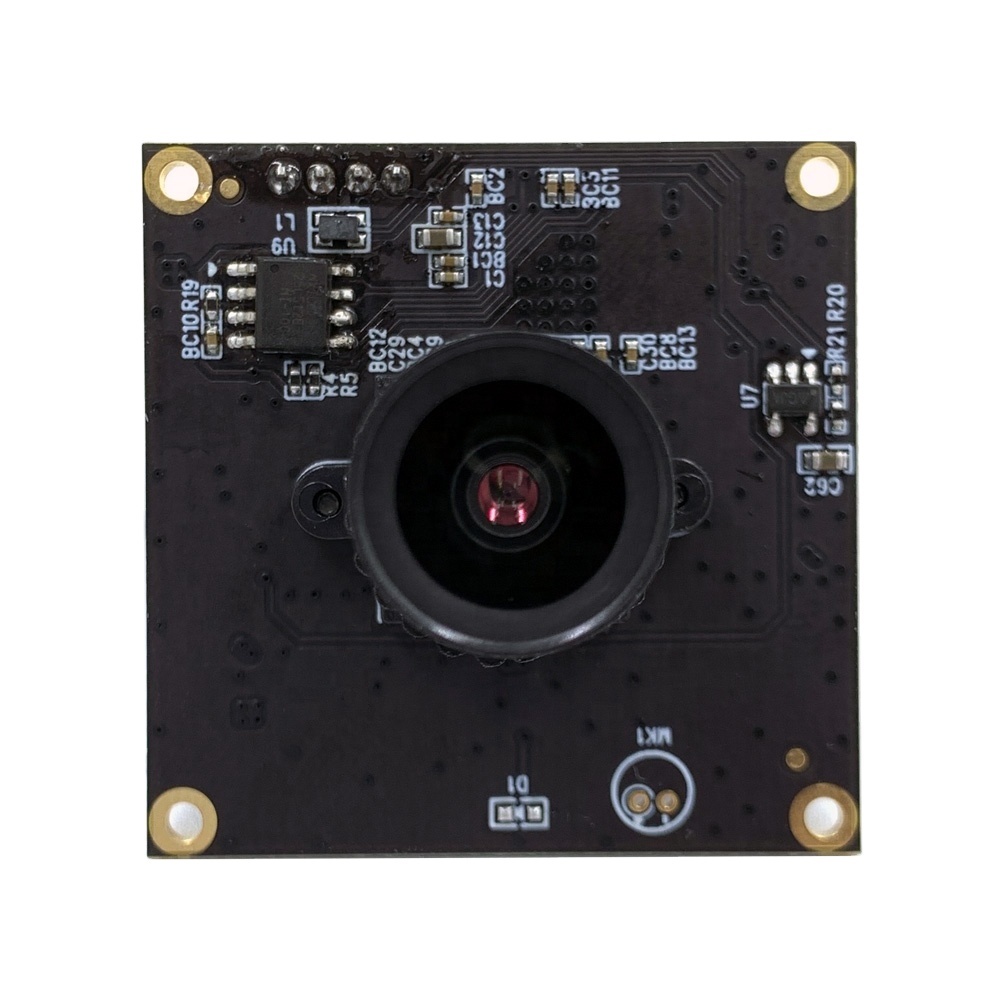
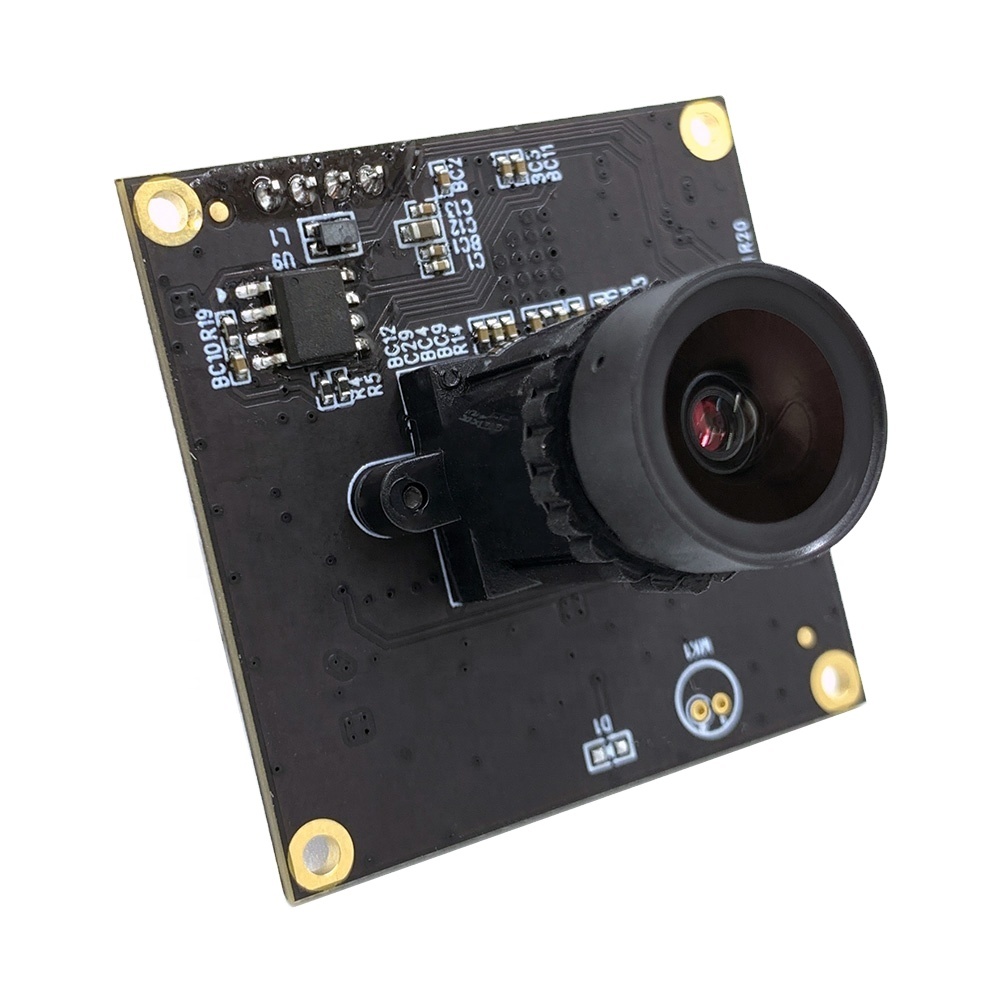
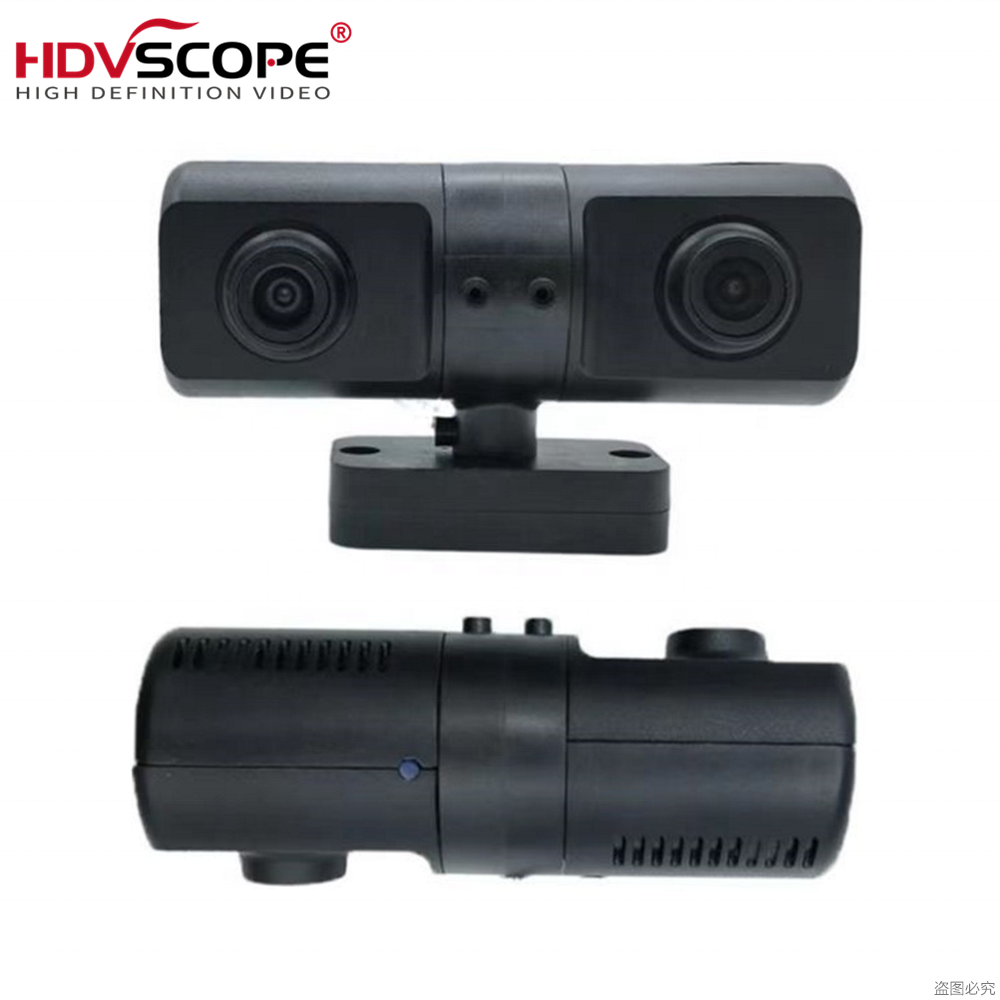
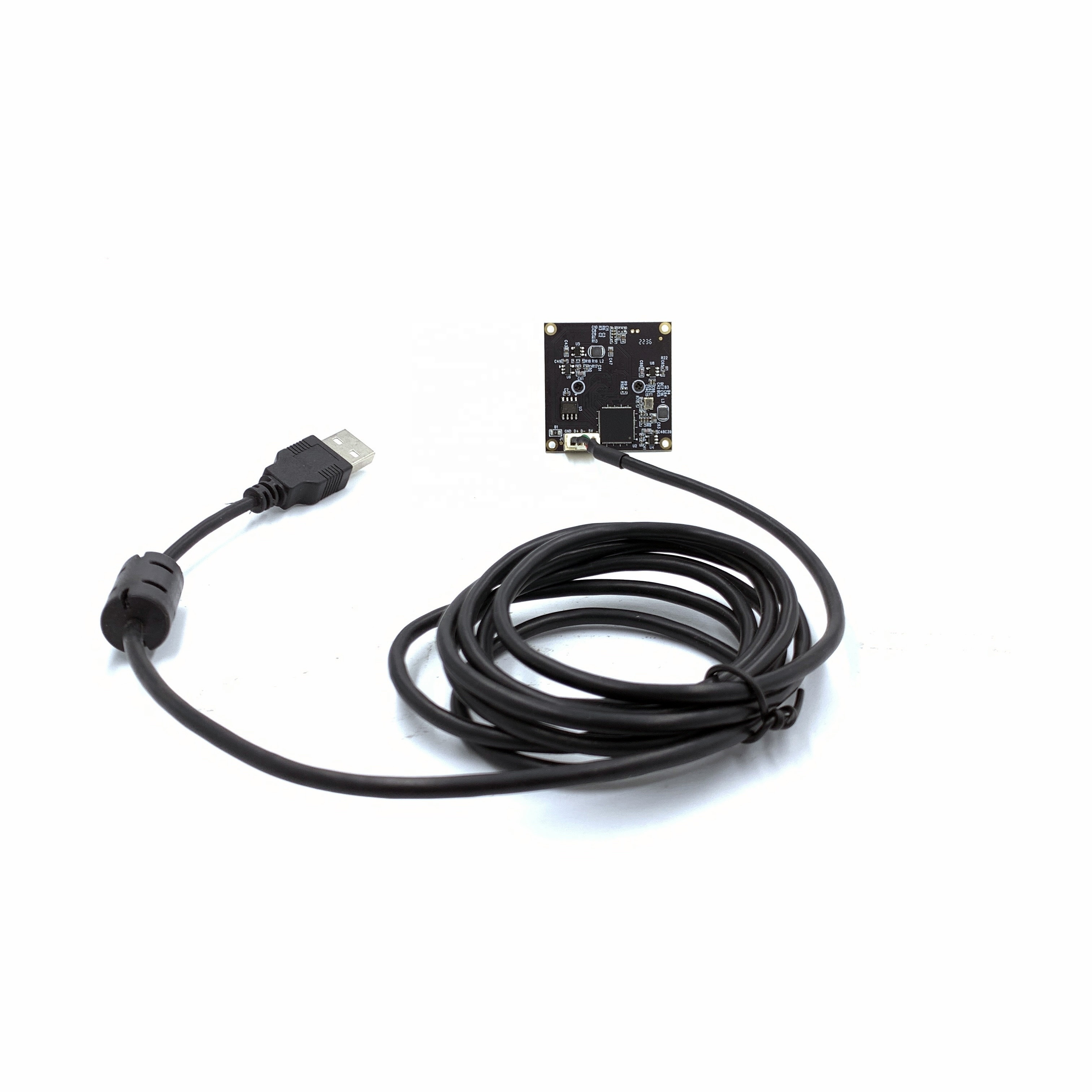

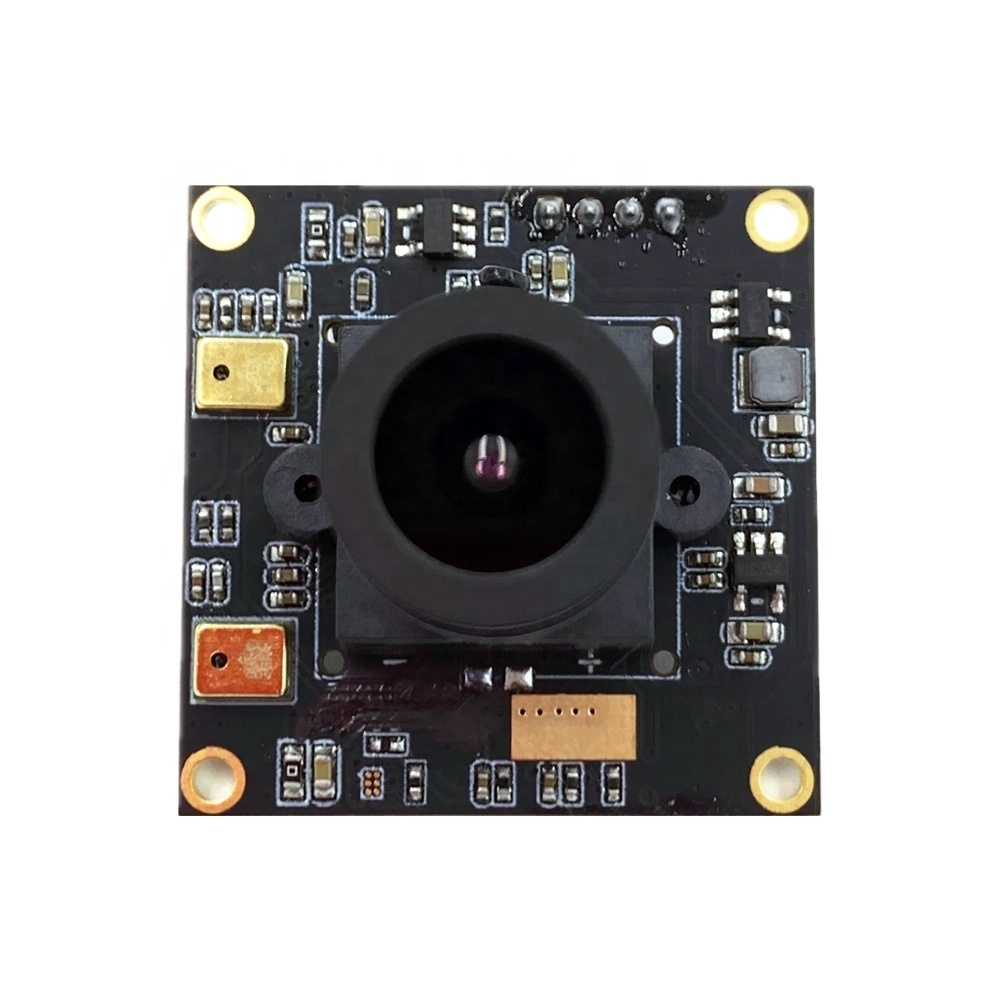
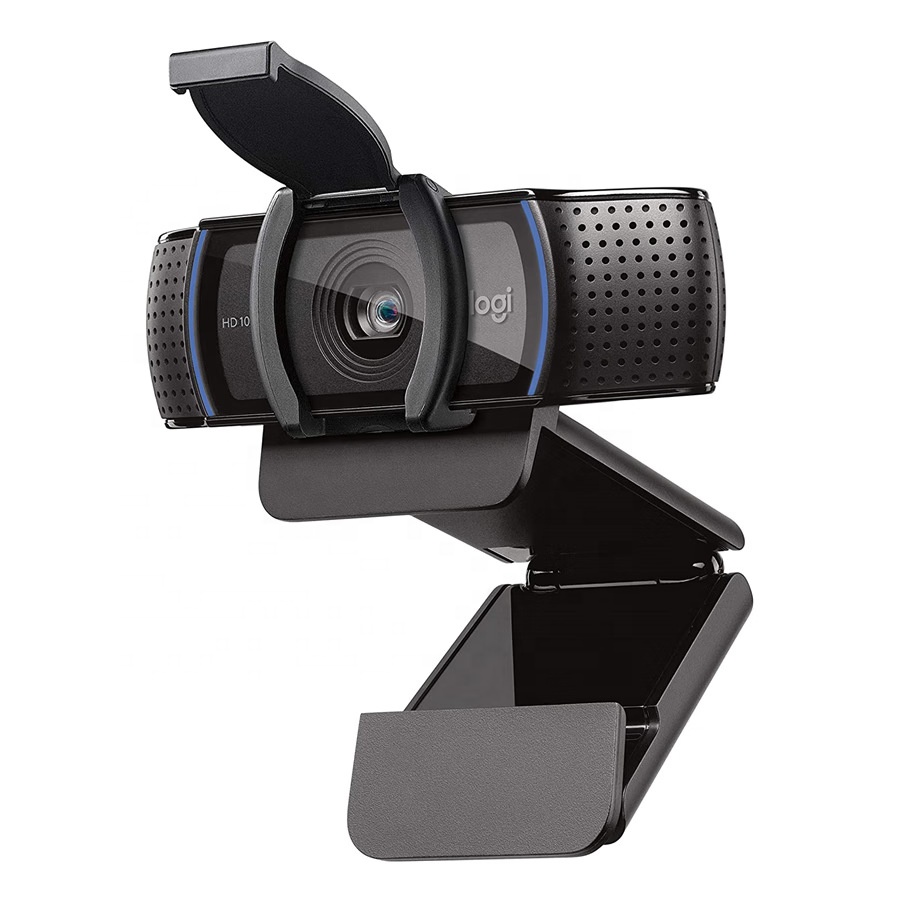
Strategic Technical White Paper: Engineering Custom OEM Infrared Camera Modules for the Strasbourg & Grand Est Technology Ecosystem
As a key economic powerhouse at the intersection of France and Germany, the Strasbourg metropolitan region (Eurométropole de Strasbourg) and the surrounding Grand Est industrial basin represent one of Western Europe's most demanding markets for advanced machine vision, optical sensing, and embedded infrared (IR) technologies. Driven by the regional transition toward Industry 4.0 manufacturing, automated Rhine river port logistics, cutting-edge medical technology (BioValley France), and smart urban transit network upgrades, system integrators in Strasbourg require specialized, custom OEM infrared camera modules that deliver uncompromising fidelity under challenging physical and optical environments.
Shenzhen Brekta Electronics Co., Ltd. serves as a primary tier-1 manufacturing partner for Strasbourg-based Original Equipment Manufacturers (OEMs) and system integrators. By combining state-of-the-art CMOS image sensors (including Sony Starvis and OmniVision platforms), specialized optical filtering (850nm/940nm narrowband pass, dual-spectrum IR-cut swappers), and ultra-compact board architectures designed via Protel and Allegro, Brekta delivers custom optical solutions tailored to the rigorous technical, environmental, and regulatory requirements of the French and European markets.
1. Optical Engineering & Wavelength Customization for Alsace Industrial Environments
Infrared vision modules designed for the Strasbourg industrial corridor must overcome distinct optical challenges. Industrial facilities across Alsace often feature fluctuating ambient light, high electromagnetic interference from heavy machinery, and extreme humidity variations stemming from proximity to the Rhine river basin. Standard off-the-shelf camera boards consistently fail under these dynamic operational parameters.
Brekta’s OEM customization program addresses these challenges through direct hardware-level optical engineering:
- Custom Infrared Wavelength Matching: Integration of specialized 850nm IR LEDs for extended range outdoor monitoring, or 940nm covert LED arrays for non-intrusive surveillance in security installations around European Union institutional hubs in Strasbourg.
- Narrowband Pass Bandpass Filters: To eliminate ambient glare and outdoor solar background noise, custom optical glass filters are matched precisely to the illumination wavelength, ensuring high-contrast machine vision image feeds.
- Wide Dynamic Range (WDR & HDR up to 120dB): Essential for automated vehicle inspection bays and door-side transit surveillance, preventing over-exposure in high-contrast transitions between direct sunlight and indoor shadowing.
- Thermal Isolation & Dissipation PCB Layouts: Utilizing high thermal conductivity aluminum or copper-backed PCB substrate configurations to prevent dark current noise in continuous 24/7 infrared operations.
2. High-Speed Frame Capture & Low-Lux Sensitivity Innovations
Modern automated assembly lines in the Alsace automotive and robotic sectors require ultra-fast image acquisition to prevent motion blur during high-speed automated optical inspection (AOI). Brekta’s high-speed USB camera modules achieve frame rates up to 330 frames per second (fps) at 1080P resolution, enabling real-time micro-defect detection, high-speed sorting, and precise mechanical alignment.
Simultaneously, for low-light industrial and medical imaging, our integration of Sony Starvis back-illuminated CMOS technology enables clear color capture in conditions down to 0.001 Lux. When lighting conditions drop below sensor thresholds, automatic IR-cut swappers transition seamlessly to high-resolution monochrome infrared mode, maintaining continuous video analytical feeds without dropping frame sync.
Core Optical Engineering Capabilities for OEM Partners
UVC Driverless Plug & Play
Full compliance with USB Video Class (UVC) protocol, ensuring seamless plug-and-play integration on Linux (Ubuntu, Debian), Android, Windows, and macOS host platforms.
Dual-Band IR Cut Switching
Precision mechanical electro-magnetic IR-cut filters ensure vivid, color-accurate daytime imaging and crisp, high-contrast black-and-white infrared imaging at night.
Miniaturized PCB Architecture
Custom form factors down to 15x15mm, 32x32mm, and 38x38mm multi-layer board layouts engineered specifically to fit compact machine housings and custom enclosures.
CE, FCC & RoHS Certified
Strict European regulatory compliance guarantees trouble-free EU customs clearance, CE conformity marking, and adherence to environmental RoHS/REACH standards.
Hardware H.264 / H.265 Compression
On-board video encoding reduces CPU load on host processing units and minimizes network bandwidth consumption across local IP and embedded machine networks.
Tailored Distortionless Lenses
Wide-field optical lenses (from 60° to 190° fisheye) calibrated with zero optical distortion for precise optical character recognition (OCR) and barcode reading.
Localized Application Scenarios across Strasbourg’s Core Economic Sectors
Understanding user intent and regional operational demands is paramount for successful OEM deployment. Brekta’s infrared camera modules are directly engineered to fulfill specific application requirements within the Strasbourg industrial ecosystem:
A. Automated River Logistics & Container Tracking (Port Autonome de Strasbourg)
The Port Autonome de Strasbourg (PAS) is the second-largest river port in France, handling millions of tonnes of containerized freight along the Rhine transport corridor. System integrators building automated crane monitoring, barge alignment systems, and night-vision container ID scanners utilize our 2.0MP 0.001Lux Starvis H.264 WDR Camera Modules. Equipped with heavy-duty IP67 weather sealing and 850nm infrared illumination, these modules provide crystal-clear container code recognition even in thick river fog and total nighttime darkness.
B. Smart Urban Transit & Automated Passenger Counting (Compagnie des Transports Strasbourgeois - CTS)
Strasbourg’s world-renowned tramway and electric bus network (operated by CTS) requires continuous passenger monitoring, anti-pinch door safety vision, and driver fatigue detection systems. Brekta’s Dual-Lens 1.0MP Night Vision USB Modules feature integrated 940nm stealth IR LEDs and wide 125-degree fields of view. Placed above transit doors or on dashboard pods, they deliver reliable 3D depth map data and liveness detection without emitting visible light that could distract transit operators.
C. Medical Technology & Surgical Robotics Integration (BioValley France / NextMed)
As a global center for medical innovation hosting IRCAD and IHU Strasbourg, the local medtech cluster relies on ultra-precise visual components for laparoscopic tools, surgical robotics, and laboratory automation equipment. Our 50x50mm 4K UHD 13MP HDR Camera Modules with Distortionless Lenses enable non-contact tissue inspection and high-definition video recording under harsh surgical lighting, utilizing advanced YUY2 uncompressed output for zero-latency medical visualization.
D. High-Security Government & Diplomatic Facilities (European Institutions)
Housing the European Parliament, the Council of Europe, and the European Court of Human Rights, Strasbourg demands stringent access control, vehicle undercarriage inspection, and facial recognition terminals. Brekta supplies custom dual-spectrum (RGB + IR) camera boards that support biometrics and anti-spoofing liveness verification, protecting critical infrastructure while upholding strict European data privacy standards.
E. High-Speed Quality Control in Automotive & EV Component Assembly
Across the regional automotive manufacturing plants in Grand Est, our 330fps High Frame Rate 2.0MP Camera Modules monitor automated robotic welding, high-speed gear mesh synchronization, and surface scratch detection. The combination of global/rolling shutter options and extreme frame rates ensures zero frame tearing during micro-second mechanical operations.
Infrared & USB Camera Module Technical Selection Guide
| Module Architecture | Sensor Specs | Frame Rate & Stream | IR Wavelength / Low-Lux | Primary Strasbourg Industry |
|---|---|---|---|---|
| Starvis Ultra Low-Lux USB | 1/2.8" Sony Starvis 2.0MP | 1080P @ 30fps (H.264/MJPEG) | 0.001 Lux / 850nm & 940nm | Port Logistics & Security Surveillance |
| High-Speed Frame Rate | 1/2.7" High-Speed CMOS | 1080P @ 330fps / 720P @ 330fps | Visible + NIR Supported | Automotive & Industrial AOI Inspection |
| Dual-Lens Biometric IR | Dual 1/4" CMOS Sensors | 720P Dual Synchronized Streams | Integrated 6-LED 940nm IR Array | Smart Transit Kiosks & EU Access Control |
| 4K UHD Distortionless | 1/3.06" CMOS 13MP / 4K | 4192*3104 @ 15fps / 4K @ 30fps | High HDR Dynamic Range | Medical Devices (NextMed) & Document Scanners |
| Autofocus Conference/Vision | 2.0MP FHD Autofocus | 1080P @ 30fps + Dual Mics | Adjustable FOV Privacy Shutter | Corporate Video & Interactive Kiosks |
Local Development Trends Shaping Optical Sourcing in Strasbourg (2025–2030)
To provide maximum strategic value (Information Gain) for enterprise procurement teams, we highlight three critical technological trends currently transforming the optical sensor landscape in Alsace:
1. Decentralized Edge AI & Sensor-Level Computer Vision: Machine vision architectures are shifting away from centralized server processing toward edge-level inference. Modern smart cities and industrial plants require camera modules that feed compressed, hardware-encoded H.264/H.265 video streams directly into edge microprocessors (Nvidia Jetson, Raspberry Pi Compute Module 4, NXP i.MX8). Brekta’s camera boards feature optimized UVC pipeline protocols that dramatically reduce host processing overhead.
2. Fusion of RGB Visible Light & Far-Infrared Thermal Vision: In both medical diagnostics and industrial predictive maintenance, single-spectrum imaging is no longer sufficient. The market is rapidly adopting hybrid modules combining visual spectrum sensors with micro-thermal core sensors, enabling simultaneous thermal hotspot detection and high-definition optical overlay.
3. Stringent EU Regulatory Harmonization (Cyber Resilience Act & GDPR): Privacy-by-design is now mandatory across European public installations. Camera hardware deployed in Strasbourg public transportation or commercial kiosks must incorporate physical privacy shutters, hardwired activity LEDs, and encrypted firmware transmission pipelines to meet strict EU compliance standards.
Enterprise Manufacturing & OEM Customization Strengths
Direct Factory Capabilities from Shenzhen & Dongguan to Overseas Integrators
Agile Low MOQ Sourcing
We welcome prototype and evaluation orders starting from 1 piece for standard models, reducing R&D financial risk for new Strasbourg startup projects.
Rapid Sample Dispatch
Standard and in-stock configuration samples are dispatched within 1 to 3 working days, supported by express air freight direct to Grand Est locations.
Full OEM/ODM PCB Engineering
In-house optical engineers utilize Protel and Allegro software to custom-design circuit boards, sensor pinouts, USB/FPC cable lengths, and custom housings.
24-Month Extended Warranty
Every camera module undergoes 100% full optical testing and aging burn-in prior to shipment, backed by an industry-leading 24-month European warranty.
Frequently Asked Questions by Strasbourg B2B Engineering Buyers
How do Brekta camera modules handle customs import duties and clearance into France?
All Brekta products ship with complete commercial invoices, HS code classification (typically 8525.80 for television cameras/digital cameras), CE declarations of conformity, and RoHS compliance certificates. We ship via DHL/FedEx/UPS directly to your facility in Strasbourg, with standard customs clearance usually taking less than 24-48 hours upon arrival in France.
Can you customize the optical infrared wavelength filter to 940nm for invisible night vision?
Yes. While standard infrared illumination operates at 850nm (which emits a faint red glow), we frequently supply Strasbourg security integrators and transit projects with 940nm narrowband pass optical filters and matching 940nm IR LED boards. This ensures complete invisibility to the human eye, ideal for covert security and driver monitoring systems.
Are your high-speed 330fps USB camera modules compatible with Linux ARM architecture?
Absolutely. Our USB camera modules adhere strictly to the UVC (USB Video Class) protocol standard. They operate out-of-the-box on Linux x86 and ARM platforms (such as Raspberry Pi, Nvidia Jetson Nano/Orin, and industrial x86 IPCs) using standard V4L2 drivers without requiring proprietary kernel driver installation.
What operating temperature range do these industrial camera modules support?
Our standard camera modules are rated for -20°C to +70°C operating temperature ranges. For outdoor installations along the Rhine river or inside unheated warehouse facilities in Alsace, we offer wide-temperature industrial components rated from -40°C up to +85°C with conformal coating protection against moisture and condensation.
What is the typical technical engineering turnaround time for a custom PCB shape?
When custom PCB layout modifications are required (e.g., resizing to a 25x25mm square or circular board), our engineering team in Shenzhen generates full gerber and CAD schematics within 3 to 5 business days. Once approved, physical custom SMT sample boards are produced and tested within 10 to 14 business days.
Ready to Engineer Your Custom Infrared Camera Module for Strasbourg?
Connect directly with our senior optical engineering team. Share your housing dimensions, sensor targets, interface requirements, or sample requests, and receive a complete technical proposal and quote within 2 hours during business operating times.
Send an Inquiry