Featured Machine Vision Camera Modules Shortlisted for Indy Integrators

- Sensor: Sony STARVIS Low-Light CMOS
- Illumination: 0.001 Lux Ultra Low-Light
- Optics: 4mm Non-Distortion Precision Lens
- Interface: UVC Driverless USB 2.0/3.0

- Resolution: 13MP 4192*3104 4K UHD
- Dynamic Range: True Hardware HDR (>100dB)
- Shutter: Rolling Shutter / High Frame Rate
- Optics: 3.24mm Zero-Distortion Lens
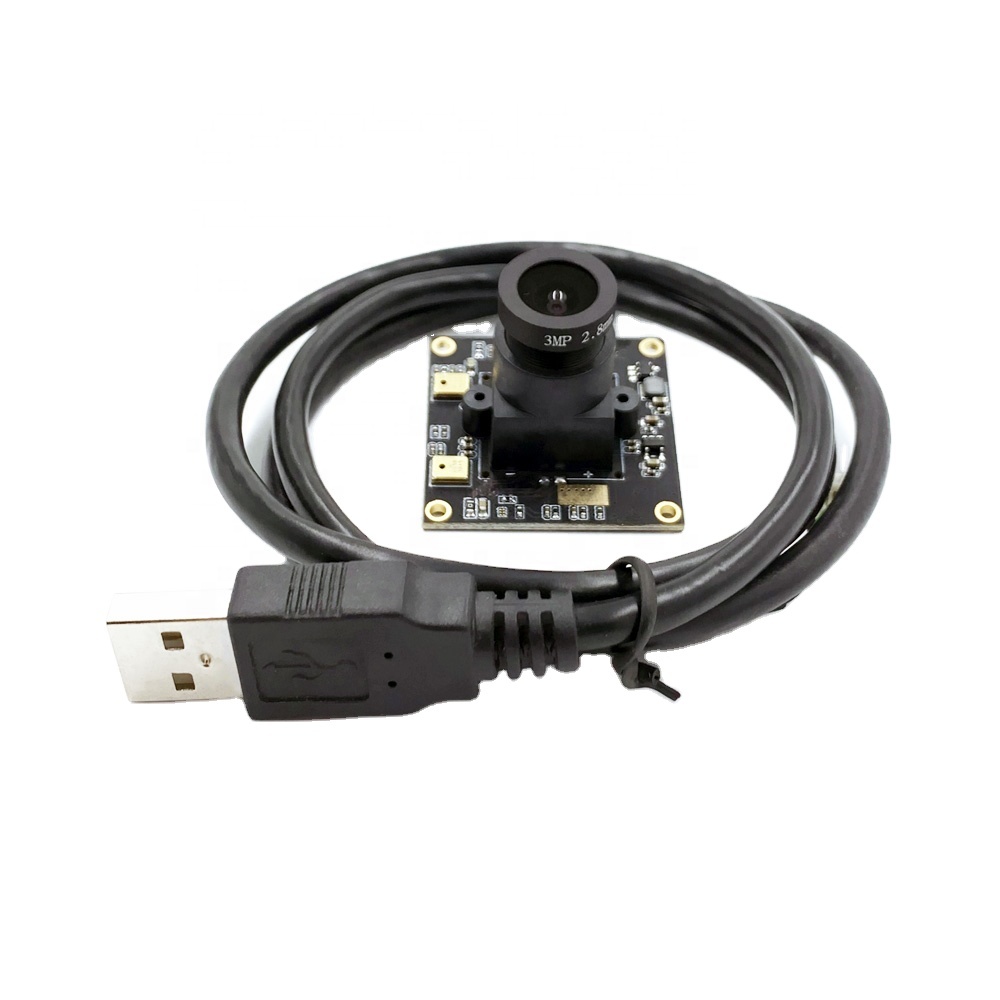
- Compression: On-board H.264 / MJPEG / YUY2
- Lighting: 0.001 Lux Night Vision
- Form Factor: Compact 32x32mm Board
- Application: Embedded Kiosks & Access Control
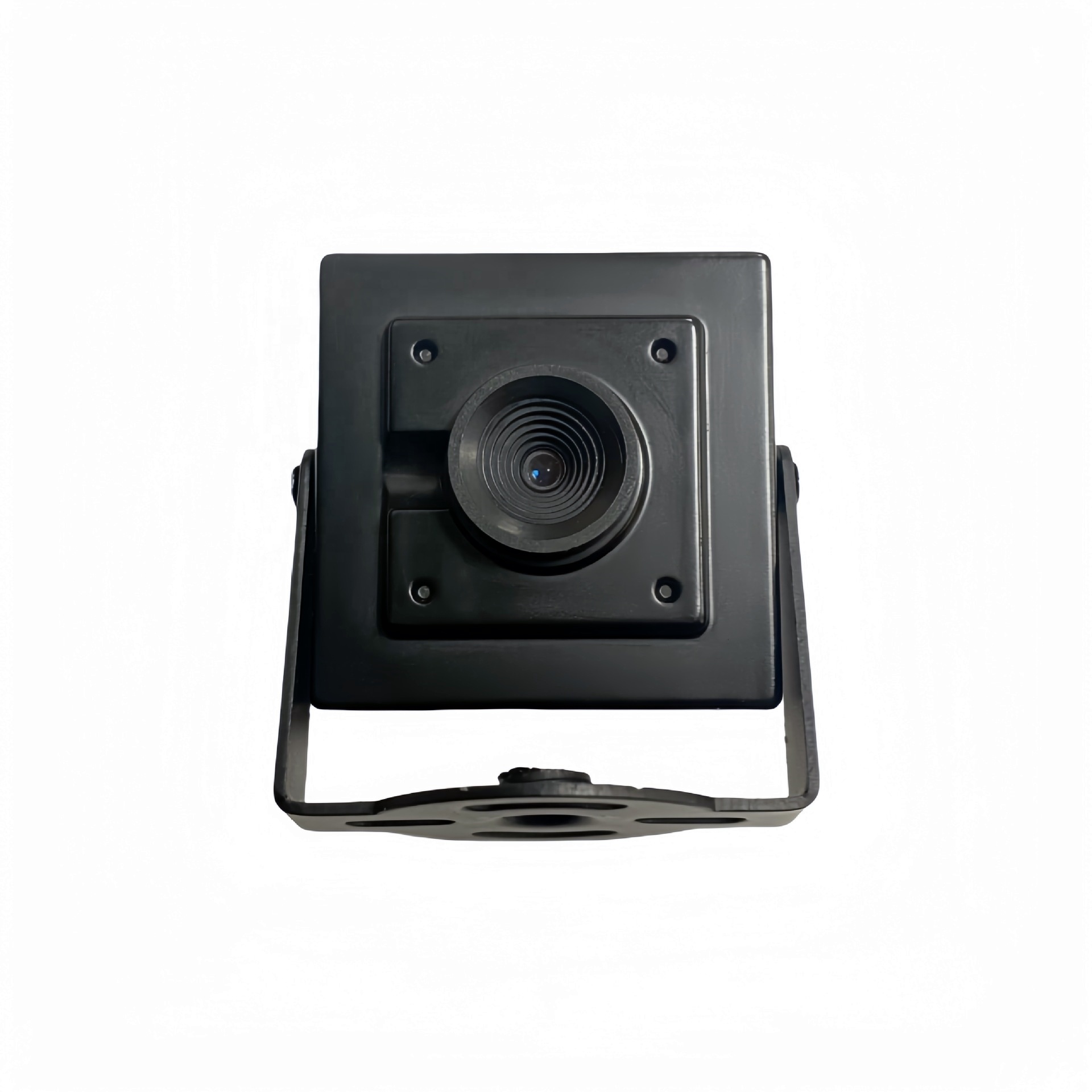
- Resolution: 12MP Ultra High Definition
- Focus Tech: High-Speed Voice Coil Motor (VCM) AF
- Processing: High-FPS Edge AI Ready
- Usage: Automated Checkout & Document Scan
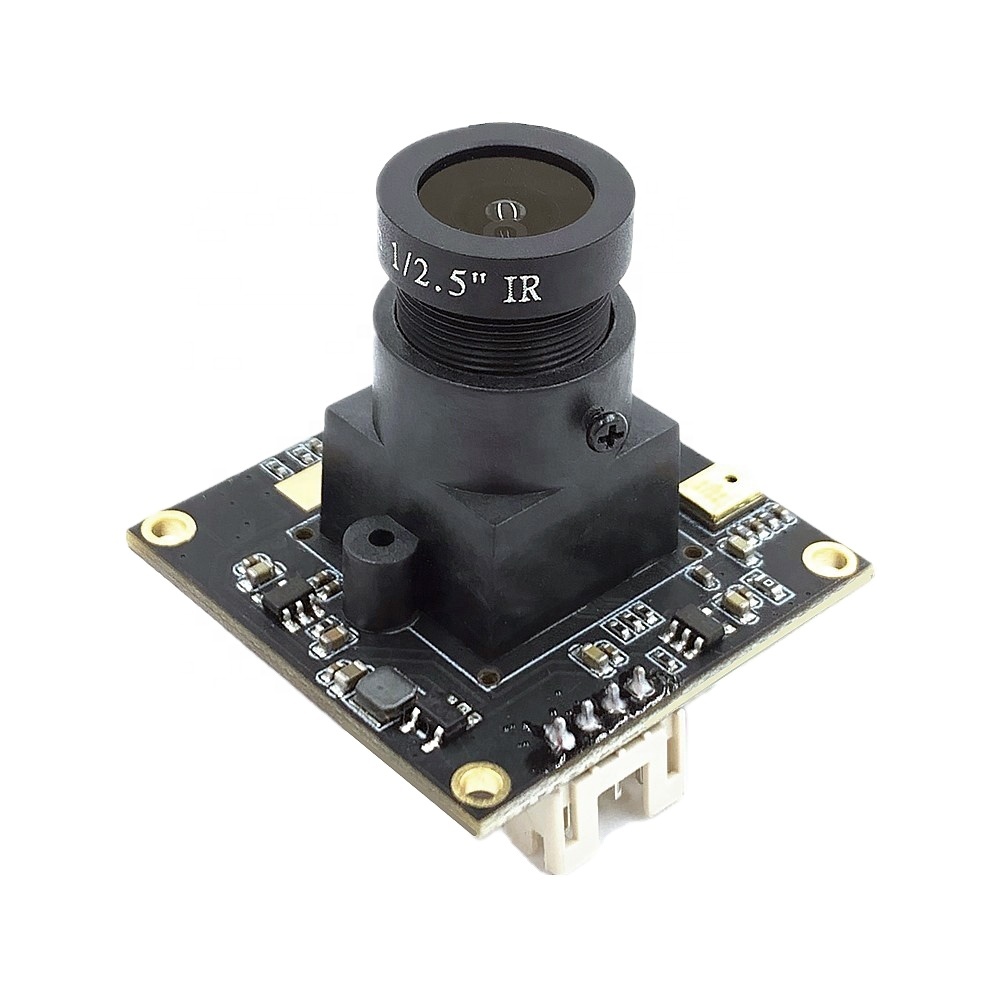
- Low Lux: STARVIS Back-Illuminated Tech
- Encoding: Multi-Stream H.264 / MJPEG
- Dimensions: 32x32mm Custom PCB
- Target: Inspection Systems & Verification
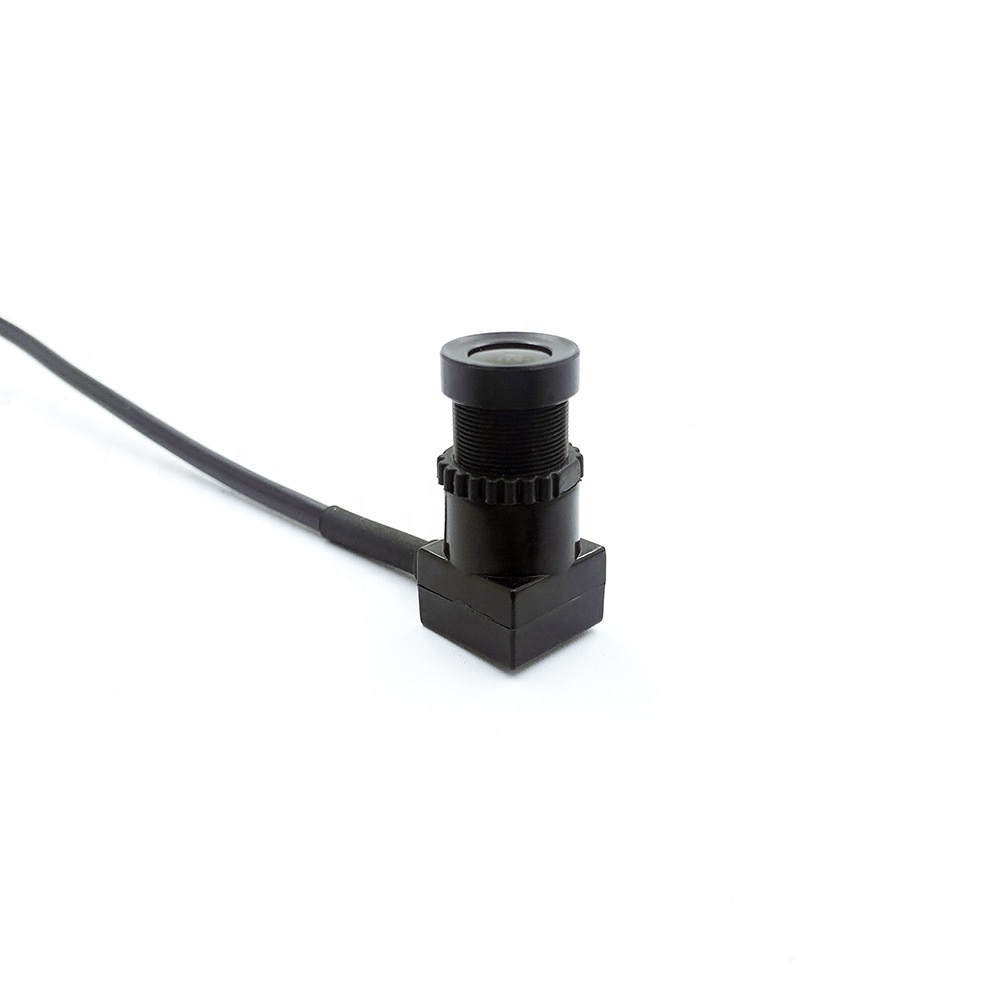
- Micro Footprint: 15x15mm Micro PCB
- Optical Telephoto: 12mm Board Lens
- Resolution: 1080P Full HD @ 30fps
- Interface: Micro USB / Pin Connector

- Field of View: 160° Ultra-Wide Angle
- Sensor: Low Illumination STARVIS
- Focus Control: Manual Precise Thread Focus
- Application: AGV Navigation & Fleet Inspection
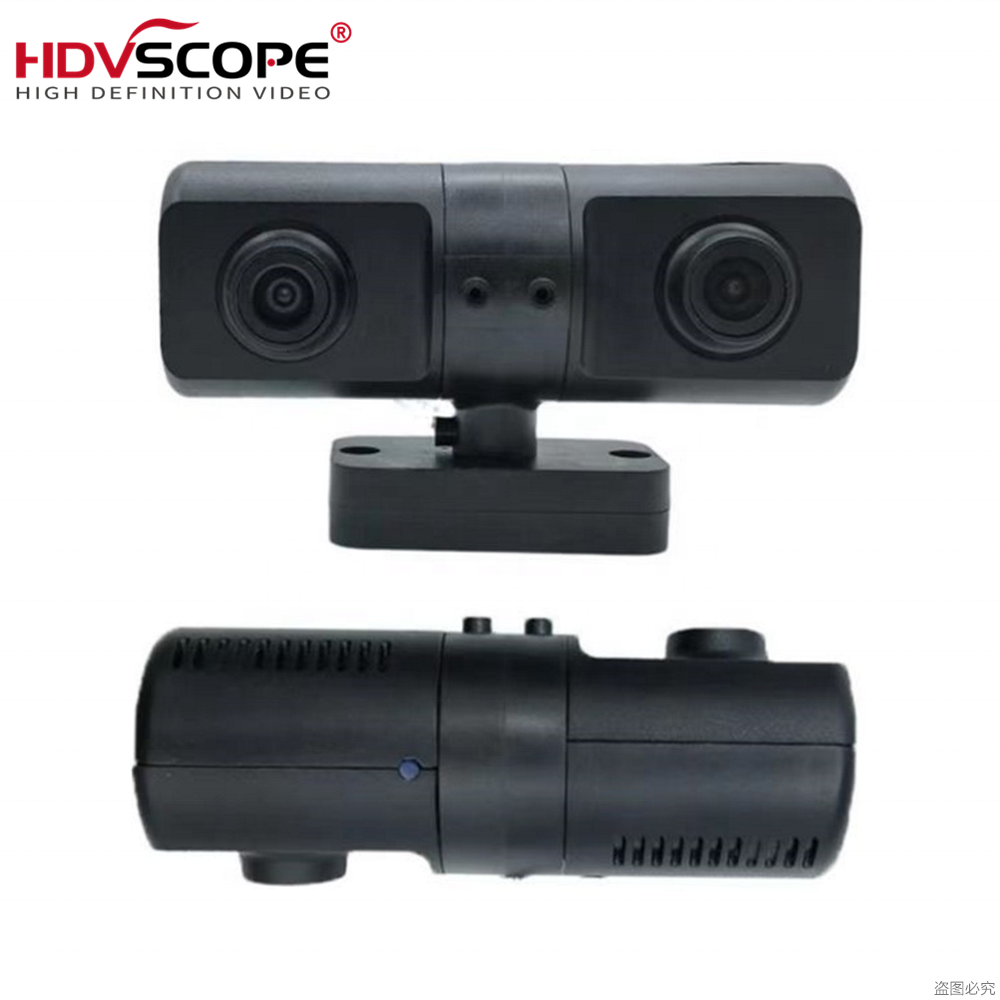
- Dual Optics: Sync Synchronized Dual Lens
- Night Vision: Integrated 850nm/940nm IR LEDs
- Depth Perception: Stereo Vision & Liveness AI
- Interface: Single Cable USB Dual Stream
Executive Whitepaper: Re-Engineering Embedded Vision for Central Indiana's Industrial Core
As the industrial anchor of the American Midwest, the greater Indianapolis metropolitan area—spanning Marion County, Hendricks, Hamilton, and Johnson counties—is undergoing an unprecedented transformation driven by Industry 4.0 automation. Recognized globally as the "Crossroads of America," Indianapolis is home to massive logistics hubs, automated distribution facilities (such as Plainfield and the FedEx Express National Hub at IND), automotive assembly line suppliers, advanced powertrain manufacturing, and a rapidly expanding MedTech corridor.
To sustain high throughput, zero-defect quality control, and autonomous operations, Indianapolis system integrators, robotic original equipment manufacturers (OEMs), and automation engineers are moving away from consumer-grade webcams and off-the-shelf industrial enclosures. Today’s edge AI vision pipelines—running on NVIDIA Jetson Orin, Intel NUCs, and industrial ARM gateways—demand custom OEM machine vision camera modules designed specifically for exact mechanical footprints, optical sensor characteristics, custom pinouts, and harsh ambient conditions.
As a direct custom OEM camera module manufacturer, Shenzhen Brekta Electronics Co., Ltd. bridges the gap between high-level vision software design and hardware physical implementation. We specialize in micro-board PCB layouts, custom flexible printed circuits (FPC), Image Signal Processor (ISP) firmware tuning, sensor integration (Sony STARVIS, OmniVision, Aptina), and precision Active Alignment (AA) optical assembly. This whitepaper outlines the technical criteria, optical trade-offs, localized environmental factors, and engineering workflows necessary to procure high-reliability machine vision modules for Indianapolis manufacturing and logistics applications.
Technical Deep-Dive: Sensor Architecture, ISP Pipeline & Lens Optimization
Achieving superior optical performance in industrial machine vision requires an intimate understanding of sensor physics, modulation transfer functions (MTF), and hardware-level compression algorithms. When customizing camera modules for automated guidance, dimensional verification, or biometric identity verification, engineering decisions must prioritize image clarity over raw pixel counts.
1. Sony STARVIS™ Low-Light Back-Illuminated Pixel Technology
In warehousing environments where lighting varies dynamically—such as loading docks, high-bay racking, and outdoor AGV transfer lanes—standard front-illuminated CMOS sensors suffer from high read noise and shadow clip. Our integration of Sony STARVIS and STARVIS 2 technology (e.g., IMX291, IMX327, IMX335) utilizes back-illuminated pixel structures that increase sensitivity up to 2,000 mV or more per 1 µm² (when measured with a halogen light source). Achieving usable color imagery at 0.001 Lux allows automated barcode readers and security vision nodes to operate flawlessly without power-hungry high-intensity LED illuminators.
2. Dynamic Range & True Hardware HDR (>100dB)
In high-contrast scenarios—such as inspecting metallic welds inside an automotive assembly plant or verifying driver identity at a bright self-service terminal—standard 60dB dynamic range sensors yield overexposed highlights and muddy shadows. Brekta’s high-dynamic-range (HDR) camera modules execute dual-exposure pixel fusion directly within the on-board ISP. By outputting pre-merged 100dB–120dB streams via UVC, the host CPU is freed from exposure-stacking compute cycles.
3. Distortionless vs. Wide-Angle Fisheye Optics
Optical distortion introduces spatial errors into machine vision measurement algorithms. For 2D code reading, PCB component placement, and dimensioning, we engineer custom lens stacks featuring < 0.5% optical distortion using multi-element glass (G+P or all-glass G+G) assemblies. Conversely, for peripheral obstacle awareness on autonomous mobile robots (AMRs), our 160° to 190° fisheye modules provide maximum spatial coverage with custom ISP de-warping calibration curves available upon request.
UVC Plug-and-Play Architecture
Driverless implementation across Linux (V4L2), Android, Windows, and macOS. Native stream support for MJPEG, YUY2, and hardware H.264.
Active Alignment (AA) Optics
Automated robotic lens positioning during epoxy curing ensures uniform center-to-corner Modulation Transfer Function (MTF) focus quality.
Thermal & Vibration Shock Resistance
Industrial-grade FR-4/metal core PCBs designed to withstand -20°C freeze cycles and continuous machine vibration in Midwest industrial plants.
Indianapolis Localized Application Scenarios for Custom Camera Modules
Sourcing directly from a specialized factory allows Indianapolis engineering teams to bypass generic hardware limitations. Below are four key regional industry vectors where Brekta’s custom camera modules deliver measurable performance gains:
| Indianapolis Industry Sector | Specific Vision Challenge | Recommended Brekta Camera Module Solution | Operational Impact |
|---|---|---|---|
| Logistics & Fulfillment (Plainfield / Greenwood Hubs) |
High-speed parcel dimensioning & 1D/2D barcode scanning under dynamic warehouse ambient lighting. | 4K UHD 13MP / 12MP Autofocus USB Modules with zero-distortion optical lenses. | Eliminates manual scanning bottlenecks; increases conveyor throughput by up to 35%. |
| Automotive & Heavy Industry (Lafayette & Columbus Supply Chain) |
Robotic arm guidance, automated weld inspection, and component tolerance verification in greasy, high-vibration bays. | 32*32mm STARVIS WDR 0.001Lux Modules housed in custom metallic shielding. | Delivers sub-millimeter positioning accuracy while tolerating continuous mechanical vibration. |
| Life Sciences & MedTech (Downtown Indy Health Corridor) |
High-resolution micro-fluidic diagnostic imaging, automated slide analysis, and laboratory sample tracking. | 16MP 4K / 13MP High-Pixel Precision Modules calibrated for true color reproduction. | Provides crisp chromatic fidelity required for AI-assisted diagnostic software algorithms. |
| Smart Infrastructure & Retail (Downtown Indy & Regional Kiosks) |
Outdoor self-service ticketing, automated parking access, and facial identity liveness detection. | Dual-Lens Synchronized RGB + IR Modules with integrated wide-angle night vision. | Prevents spoofing attacks; guarantees 24/7 biometric authentication through summer glare and winter snow. |
Whether your team is retrofitting existing automated guided vehicles (AGVs) operating near Indianapolis International Airport or designing next-generation medical diagnostic hardware near IUPUI, our engineering department provides rapid turn-around on initial engineering drawings, sample assembly, and custom SDK tuning.
Midwest Industrial Market Trends: Transitioning to Edge-AI Machine Vision
The industrial landscape across Indiana is rapidly evolving from centralized PC-based vision inspection to distributed **Edge AI processing**. Integrators are mounting vision processing hardware directly on robotic end-effectors, overhead cross-dock gantries, and mobile carts. This architectural shift introduces distinct requirements:
1. Low Latency & Compressed Video Pipeline
Traditional uncompressed YUV raw video requires enormous USB bandwidth and causes CPU overload on embedded single-board computers (SBCs). Brekta’s custom camera modules feature hardware-level H.264 and MJPEG compression engines built into the ISP silicon, enabling 1080P @ 60fps or 4K @ 30fps streaming over lightweight USB 2.0/3.0 interfaces with microsecond latency.
2. Extreme Weather & Temperature Tolerance
Indianapolis experiences extreme seasonal temperature swings, ranging from sub-zero winter blasts (-20°C) to humid summer conditions (+35°C ambient, pushing internal kiosk temperatures above +60°C). Standard commercial webcams undergo thermal expansion, causing lens defocus and glued joint failure. Brekta utilizes high-TG PCB materials, anodized aluminum lens barrels, and thermal-conductive potting compound to guarantee zero focus drift across a **-20°C to +70°C operating window**.
3. Miniaturization and Micro-Board Engineering
Space constraints are paramount inside automated kiosks, robotic grippers, and medical instruments. We manufacture mini square USB camera boards measuring as small as **15*15mm**, 25*25mm, and 32*32mm. Our engineers work in Protel and Allegro to tailor PCB outlines, mounting hole positions, and cable connector orientations (such as right-angle JST, Molex, or custom FPC lengths) to fit seamlessly into your custom enclosure.
Why Indianapolis Integrators Partner Direct with Shenzhen Brekta Electronics
Sourcing custom camera modules from an established primary manufacturer provides crucial operational and financial advantages over third-party distributors or brokers. At Shenzhen Brekta Electronics Co., Ltd., we combine deep optical R&D with rigorous quality control to deliver factory-direct engineering superiority.
Direct Engineering PCB Layout
Our in-house PCB layout team designs two-layer and multi-layer boards using Protel and Allegro. We customize board shape, sensor placement, and EMI shielding to match your exact mechanical housing CAD drawings.
Custom ISP Firmware & Lens Selection
We tune Image Signal Processor firmware for specific lighting environments—adjusting gain tables, white balance, exposure curve, and frame rates. Choose from M12, CS, C-mount, pinhole, or motorized zoom lenses.
100% Quality Inspection & Warranty
Every camera module undergoes stringent incoming component verification, SMT inspection, 100% active alignment, resolution charting, and full image testing. Backed by a direct 24-month factory replacement warranty.
Accelerate Your Custom Embedded Vision Project
Need custom PCB dimensions, specialized lens field-of-view, or low-lux sensor evaluation samples delivered to your Indianapolis engineering facility? Contact our technical sales team for instant engineering support and product documentation.
Get CatalogFrequently Asked Questions (FAQ) for Indianapolis Procurement & Vision Engineers
Ready to Engineer Your Custom Machine Vision Solution?
Download our comprehensive product catalog, request detailed datasheet pinout diagrams, or request an evaluation sample for your engineering team in Indianapolis today.