Featured Low-Lux & Night Vision Camera Modules
Industrial-grade UVC USB & High-Frame-Rate Solutions Shortlisted for Regional Integration

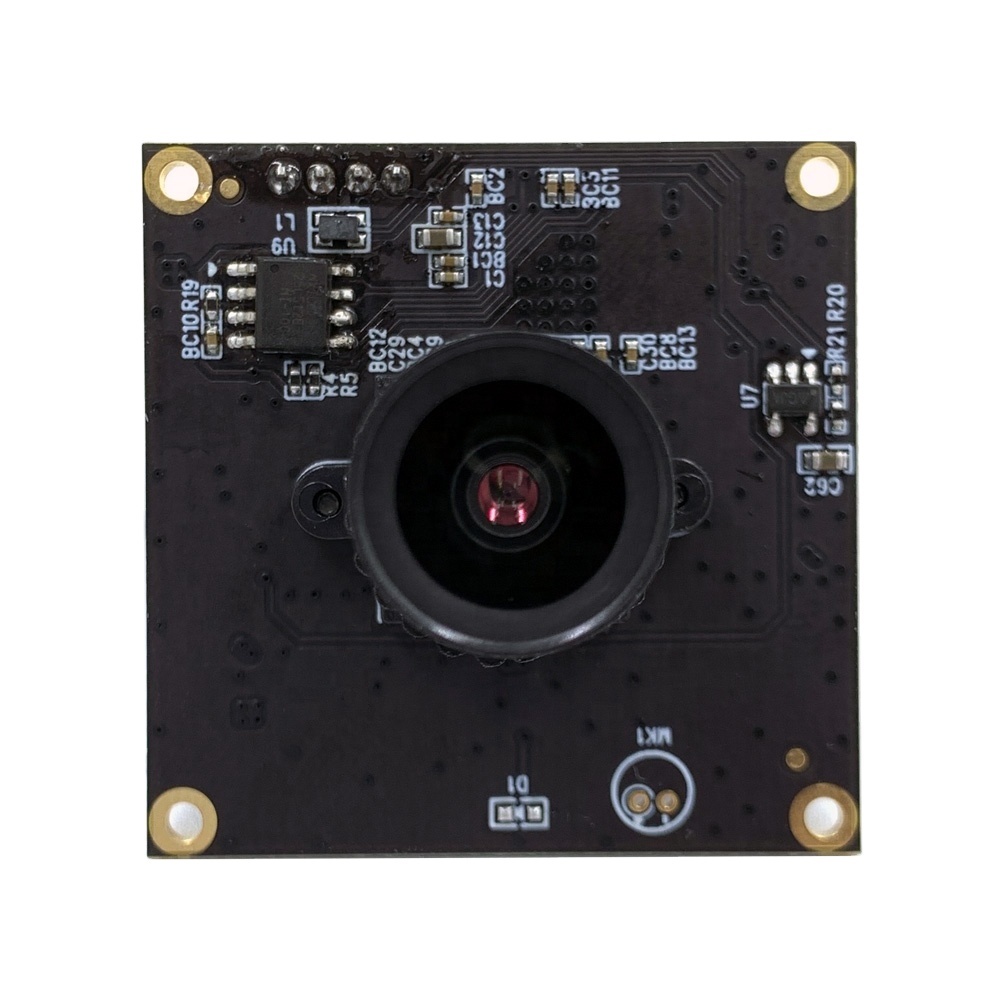
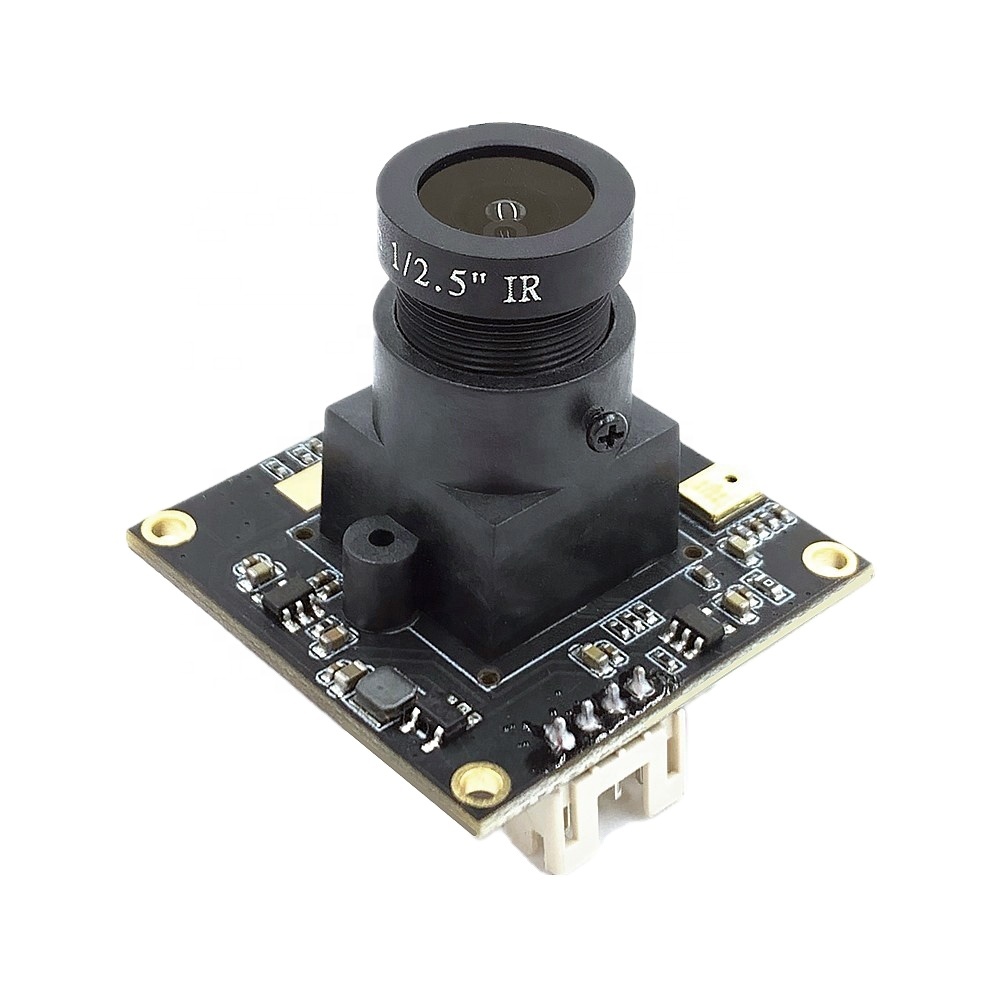
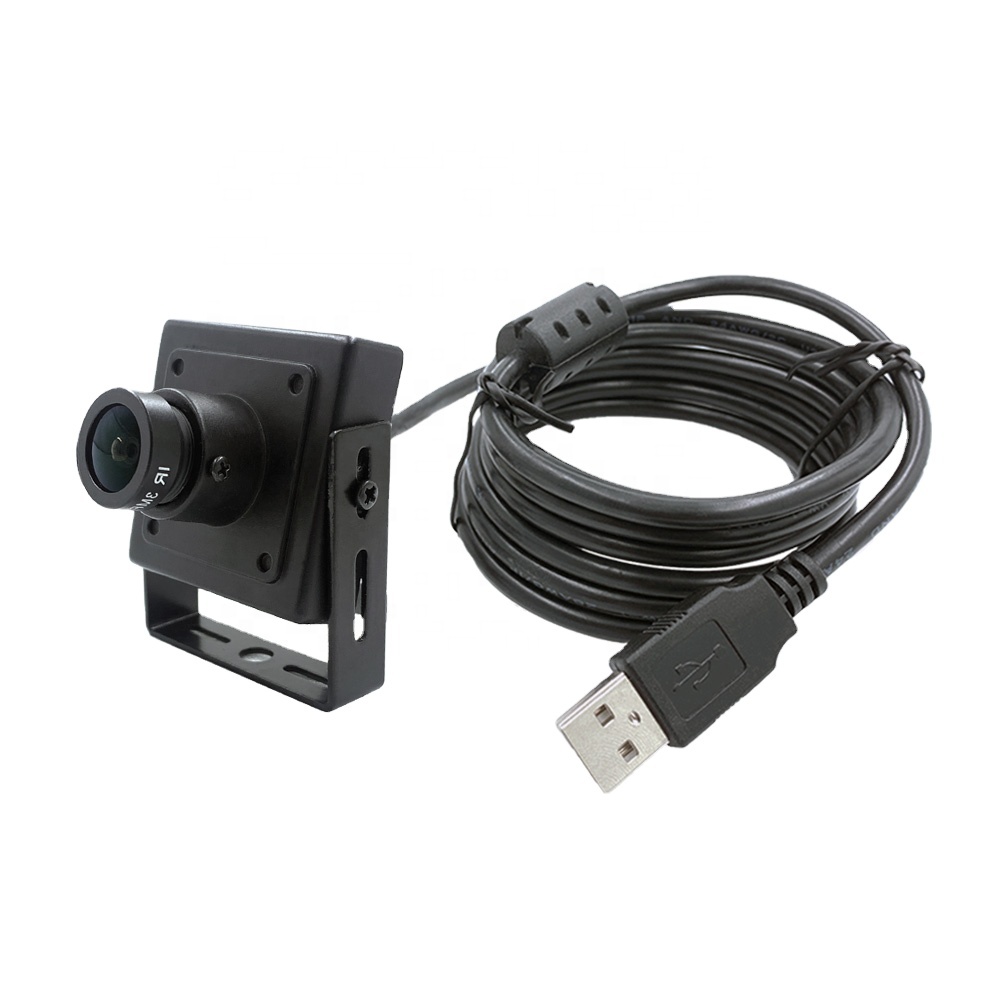
Executive Technical Summary: Sourcing Custom OEM Night Vision Modules for the Nampo Trading & Industrial Corridor
As the principal maritime gateway and industrial logistics hub of the Yellow Sea West Coast region, Nampo demands highly specialized electro-optical imaging architecture. System integrators, municipal engineering contractors, and industrial machine manufacturers serving the Nampo trade corridor face rigorous environmental and operational challenges. Surveillance and machine vision hardware deployed across Nampo’s port terminals, shipbuilding facilities, agricultural processing plants, and commercial security perimeters must operate reliably under challenging circumstances: extreme seasonal temperature fluctuations (-25°C winter freezes to +35°C high-humidity summers), severe salt-spray corrosion, continuous vibration, and pitch-black nocturnal conditions typical of maritime and rural border zones.
Standard off-the-shelf consumer webcams or generic security cameras frequently fail in Nampo's demanding operating environments due to insufficient dynamic range, sensor thermal noise at night, lens fogging, and inadequate illumination handling. To achieve operational continuity, regional wholesalers and Original Equipment Manufacturers (OEMs) rely on custom-engineered night vision camera modules featuring Sony STARVIS™ and STARVIS 2 back-illuminated CMOS technology, hardware-level Wide Dynamic Range (WDR), anti-reflective optical coatings, and custom ISP (Image Signal Processor) firmware pipeline tuning.
This whitepaper details the architectural requirements, optical physics, sensor selection criteria, and customization pathways for B2B procurement heads and technical directors sourcing OEM night vision modules specifically for integration into Nampo-based industrial machinery, vessel monitoring systems, unmanned gate entry terminals, and night surveillance infrastructure.
Electro-Optical Deep Dive: Silicon Physics & Starlight Optics in Low-Lux Imaging
Achieving crisp, noise-free color imaging at sub-0.001 Lux illumination without triggering motion blur requires an aligned optical and electronic chain. In the Nampo industrial zone, where artificial light pollution varies wildly between brightly lit container docks and pitch-black perimeter roads, the choice of sensor pixel architecture and lens glass formulation dictates overall system capability.
1. Back-Illuminated (BSI) Pixel Architecture (Sony STARVIS & STARVIS 2)
Traditional front-illuminated CMOS sensors place metal wiring layers above the photosensitive photodiode layer, obstructing incoming photon collection and limiting Quantum Efficiency (QE) in low-light environments. Modern OEM modules supplied to the Nampo region utilize Back-Illuminated (BSI) and Stacked BSI architectures. By positioning the silicon photodiode substrate directly beneath the microlens array, light collection efficiency is maximized, expanding sensitivity into the Near-Infrared (NIR) spectrum (850nm – 940nm).
For instance, sensors like the Sony IMX291 and IMX327 feature a enlarged 2.9µm pixel pitch. Combined with internal High Conversion Gain (HCG) modes, these sensors convert faint light signals into clean voltage outputs before analog-to-digital conversion, delivering full-color video down to 0.001 Lux and high-contrast monochrome rendering when paired with IR illumination in near total darkness (0.0001 Lux).
2. Optical Engineering: Non-Distortion, Anti-Fog & IR-Cut Mechanics
Sensors are only as effective as the optics focusing light upon them. Maritime and industrial installations in Nampo encounter rapid thermal transitions that cause internal lens fogging if unmanaged. Professional OEM camera modules utilize:
- Dual-Coated Optical Glass: Anti-Reflective (AR) and Hydrophobic external element coatings prevent condensation bead formation and reduce internal flare caused by bright port searchlights.
- Zero-Distortion Board Lenses: Custom 2.8mm, 3.6mm, and 4.0mm prime optics designed with 0.5% optical distortion allow precision facial recognition and license plate processing across the entire Field of View (FOV).
- Electro-Mechanical ICR (IR-Cut Filter Switcher): For dual-mode 24/7 vision, automatic IR-cut switchers engage an optical blocking filter during daylight to preserve true-to-life color fidelity, and retract it under night conditions to allow full NIR spectrum absorption.
Technical Matrix: Sensor Architectures for Industrial Night Vision Integration
| Sensor Model | Optical Format | Pixel Size | Min. Illumination | WDR Capability | Primary Local Application |
|---|---|---|---|---|---|
| Sony IMX291 (STARVIS) | 1/2.8" CMOS | 2.9 µm x 2.9 µm | 0.001 Lux (Color) | Digital WDR / SNR1s | Atmospheric Port Perimeter & VTM Terminals |
| Sony IMX327 (STARVIS) | 1/2.8" CMOS | 2.9 µm x 2.9 µm | 0.0005 Lux (Starlight) | 120dB Hardware WDR | Coastal Patrol & Maritime Vessel Navigation |
| Sony IMX335 (STARVIS) | 1/2.8" CMOS (5MP) | 2.0 µm x 2.0 µm | 0.01 Lux (Low-Lux) | Multi-Exposure HDR | High-Resolution Cargo Inspection & OCR |
| OmniVision Low-Lux Series | 1/3.2" CMOS | 1.4 µm x 1.4 µm | 0.1 Lux (Color) | Real-time WDR | Compact Kiosks & Slim Entrance Gates |
Localized Application Scenarios: Where Night Vision Modules Drive Nampo's Infrastructure
Deploying vision hardware in the Nampo region requires a deep understanding of local industrial topologies. From heavy maritime logistics to automated municipal entry systems, customized OEM camera modules form the critical sensing layer for several key regional sectors:
1. Nampo Seaport & Maritime Container Terminal Security
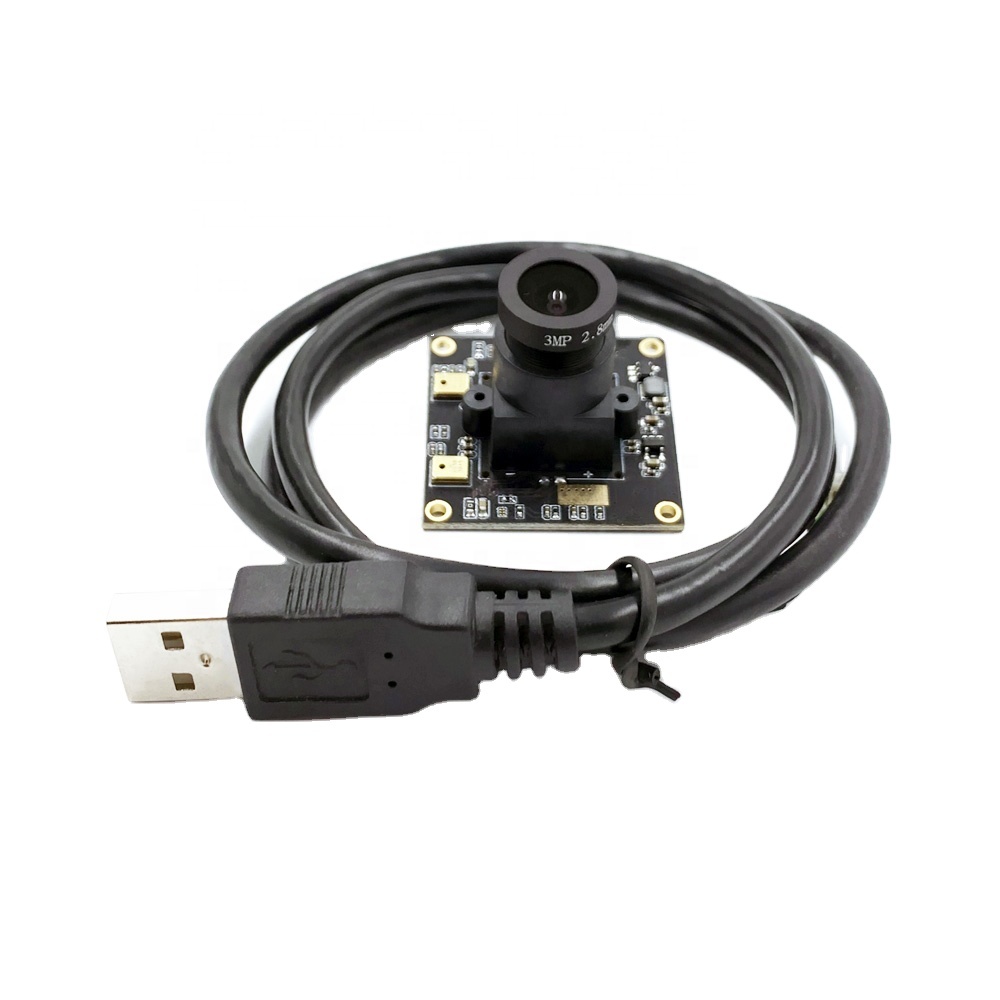
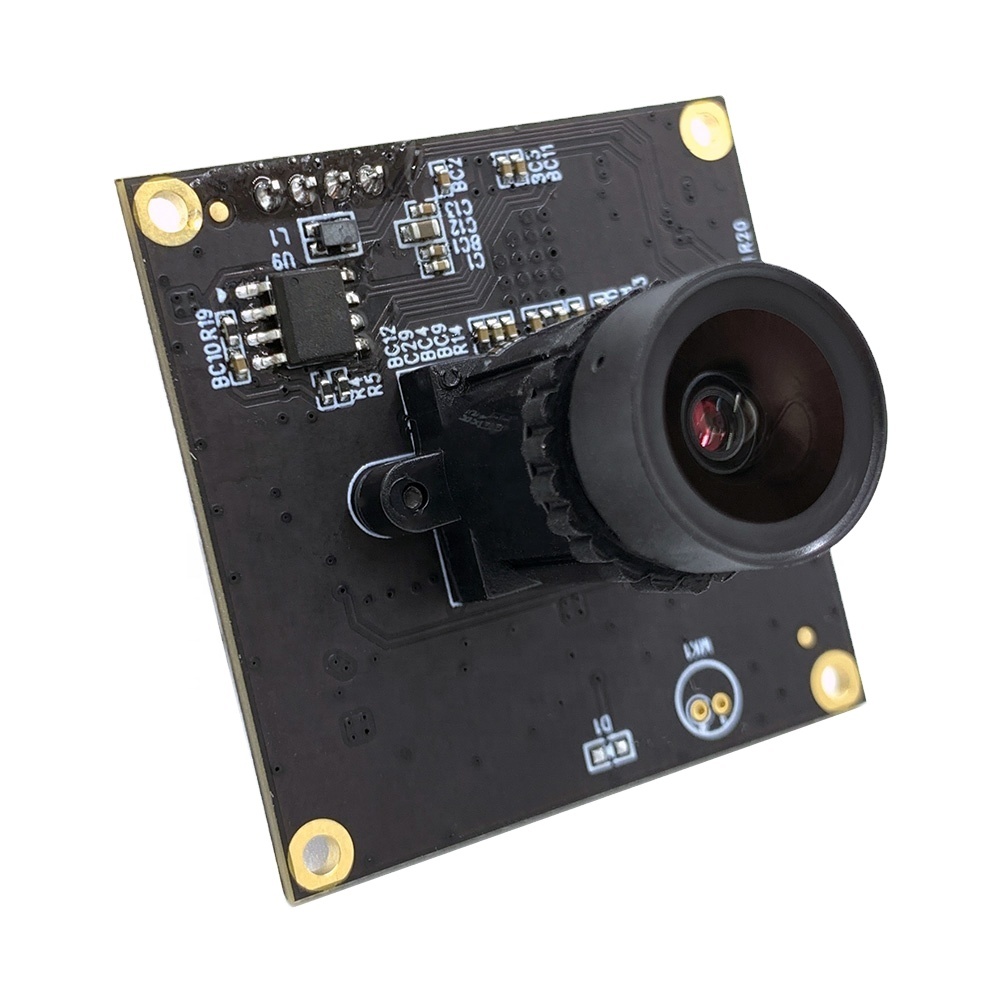
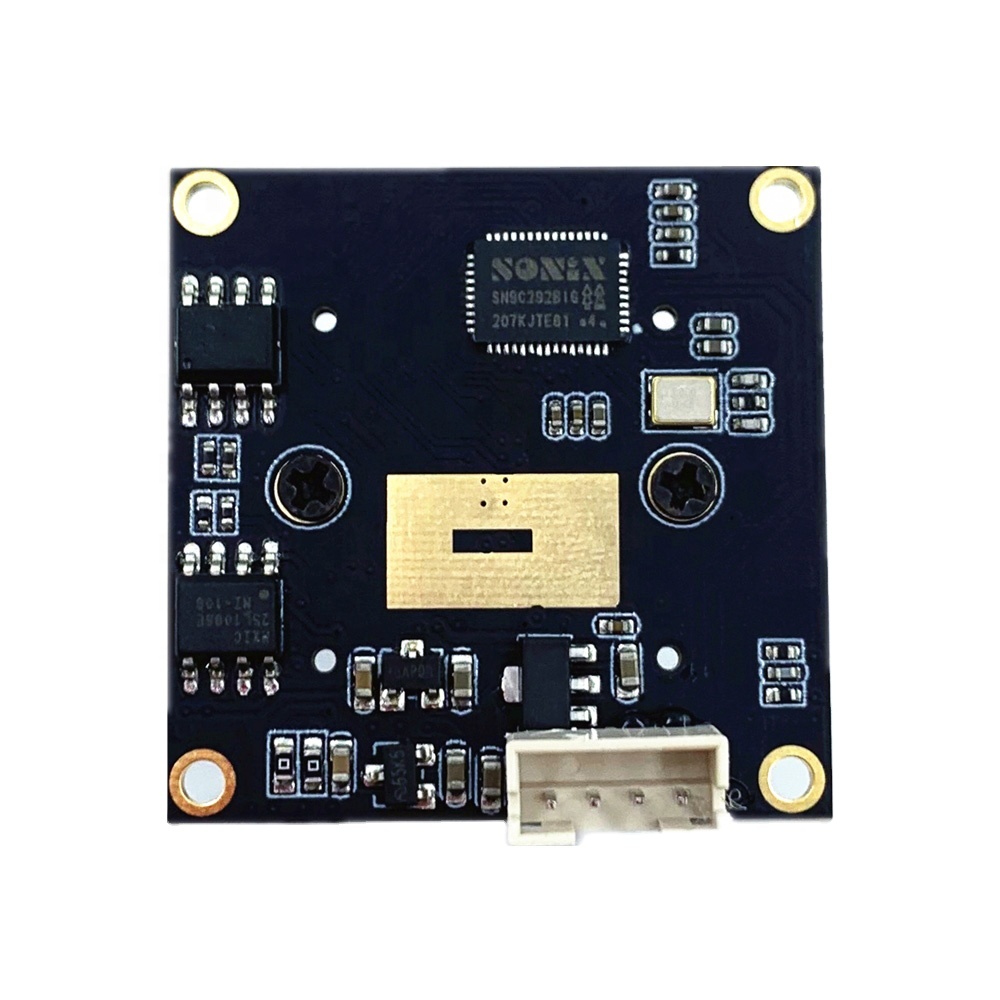
Operating 24/7 in harsh, salty marine atmospheres, container crane monitoring systems and dockyard security gates require ultra-low-light 0.001 Lux camera modules. Equipped with H.264 video compression directly on the 32x32mm board, these modules transmit clear 1080p surveillance video across long industrial USB or Ethernet lines without dropping frames, ensuring smooth night container tracking and berth operations.
2. Yellow Sea Shipboard & Tugboat Night Navigation
Coastal vessels navigating the murky approaches of the West Sea near Nampo face challenging night conditions, thick fog, and choppy waters. High-speed 330fps camera modules with hardware HDR stabilize night video capture during ship vibration and wave rolling. Integrators embed these compact wide-angle modules into searchlight housings and bridge monitoring consoles for collision avoidance.
3. Industrial Kiosks, Automated Access Gates & Facial Recognition
Secure industrial facilities and logistics warehouses across Nampo utilize automated access control terminals and video walls. Low-lux 1080p rolling shutter Starvis modules with 4mm non-distortion optics allow dual-spectrum liveness detection and facial biometric verification even under dimly lit security booths or heavily backlit entrance doors.
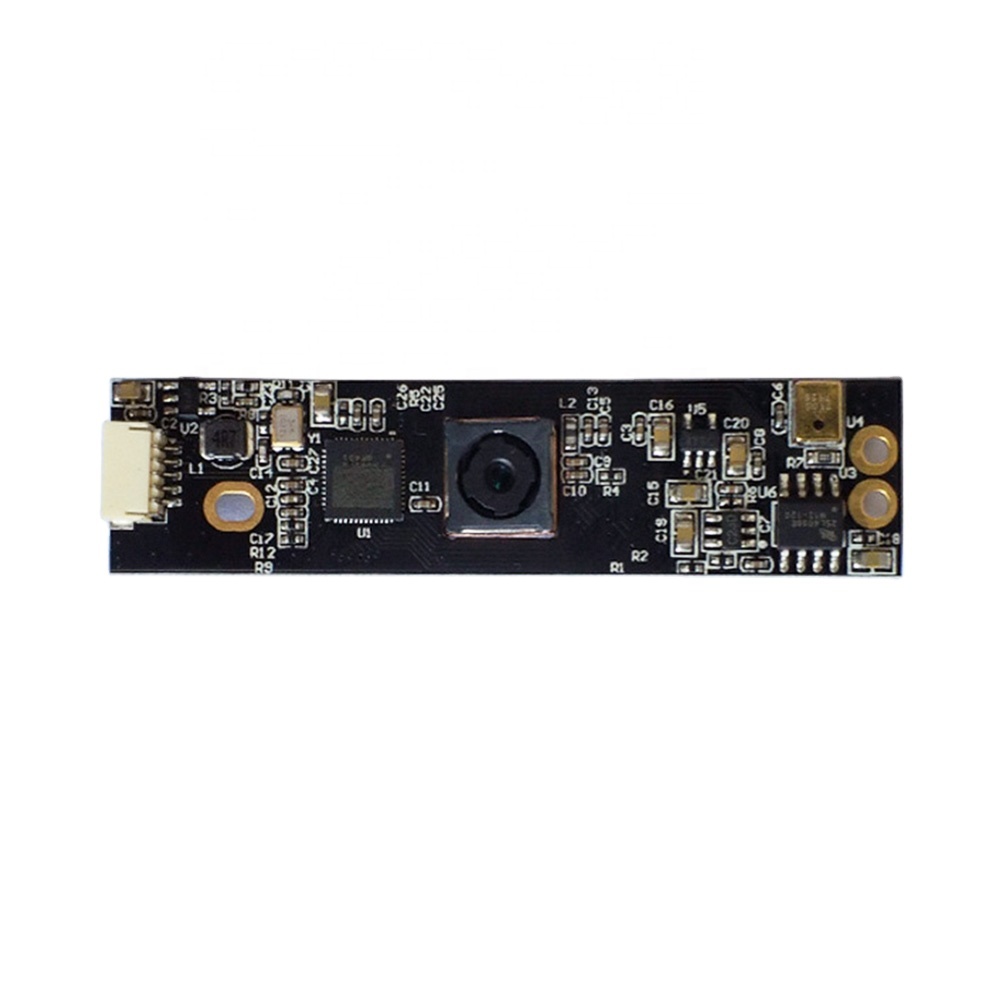
Additionally, the region's agricultural processing, rail logistics yards, and heavy manufacturing plants heavily integrate micro USB camera modules (as small as 15x15mm or 62x15mm autofocus strips) into automated sorting machinery and inspection equipment that operate in dark internal processing chambers.
Localized Market Trends & Technology Adoption in the Nampo Industrial Hub
Analysis of procurement data and local system integrator requests serving the Nampo trade network highlights several shifts in vision hardware specifications:
A. Transition from Analog Legacy to Driver-Free UVC & Edge-Encoding Modules
Historically reliant on legacy analog coaxial connections, modern engineering projects in Nampo are rapidly upgrading to USB Video Class (UVC) driver-free architecture and embedded RTSP/PoE IP modules. UVC compliance ensures immediate plug-and-play compatibility with Linux, Android, and Windows host IPCs (Industrial PCs) without requiring custom kernel drivers. Simultaneously, on-board H.264/H.265 hardware encoding reduces host CPU overhead by compressing raw YUY2/MJPEG video directly on the module's DSP.
B. Imperative for Multi-Exposure HDR under High-Contrast Illumination
Nampo’s port facilities and industrial plants present high-contrast environments—such as deep shadows under night floodlights or severe glare reflecting off water and snow. Standard cameras suffer from blown-out highlights or unreadable dark zones. High Dynamic Range (HDR) technology utilizing multi-exposure synthesis (stitching long and short exposure frames at 60fps–330fps) has become a standard requirement for regional procurement heads.
C. Demand for Compact Form Factors with Low Power & Thermal Efficiency
Space within sealed weatherproof housings (IP66/IP67) is tightly constrained. Wholesalers in Nampo are increasingly specifying 32x32mm, 38x38mm, and ultra-narrow PCB layouts with optimized power management circuits. Modules drawing under 1.5W minimize thermal dissipation, preserving sensor SNR (Signal-to-Noise Ratio) and preventing thermal dark current noise during long continuous operations.
Custom OEM/ODM Engineering Capabilities for Wholesalers & Integrators
As a dedicated camera module manufacturer, we offer comprehensive end-to-end customization services tailored to the precise structural, optical, and electronic requirements of your Nampo projects:
PCB Layout & Dimension Tailoring
Custom PCB design (Protel/Allegro) in 15x15mm, 32x32mm, 38x38mm, or custom multi-board stacked configurations to fit tight enclosures.
Custom Optics & FOV Selection
Wide array of M12 board lenses, pinhole optics, 180° fisheye, distortionless flat lenses, or C/CS motorized zoom assemblies tailored to target depth.
ISP Pipeline & Firmware Customization
Tailored Exposure/Gain curves, AE/AWB balance for low-lux sodium vapor lights, custom UVC Descriptor IDs, Vid/Pid re-mapping, and logo branding.
Cable Harness & Connector Options
Custom cable lengths (up to 15m active USB), micro Micro-USB/Type-C/JST/Molex lockable connectors, and conformal water-resistant potting.
Frequently Asked Questions: Sourcing Camera Modules for Nampo Integration
Technical & Commercial Insights for Regional Wholesalers and Engineering Procurement
Q1: How do your night vision USB camera modules perform under extreme low temperatures (-20°C to -30°C) common in northern winter maritime environments?
Our industrial-grade camera modules are manufactured using extended-temperature passive components, low-ESR ceramic capacitors, and industrial sensor silicon rated for -30°C to +85°C operation. Additionally, internal power management circuits supply stable voltage during low-temperature startup, preventing image sensor lockup or color shifting.
Q2: What is the primary operational difference between Sony STARVIS (e.g. IMX291) and standard CMOS sensors in pitch-black installations?
Sony STARVIS sensors utilize back-illuminated pixel technology that delivers over twice the sensitivity in the visible light spectrum and three times the sensitivity in the Near-Infrared (NIR) 850nm range compared to standard front-illuminated sensors. This allows systems in Nampo to capture recognizable color video under moonlight (0.001 Lux) and sharp high-contrast black-and-white video when illuminated by invisible 850nm or 940nm IR LEDs.
Q3: Are your USB camera modules compatible with ARM-based embedded Linux or Android hardware platforms used in local kiosks?
Yes. All our USB camera modules strictly adhere to the standard USB Video Class (UVC 1.0 / 1.5) protocol. They operate driver-free across Linux (Ubuntu, Debian, Yocto, CentOS), Android (version 4.4 and above), Windows, and macOS without requiring proprietary kernel driver compilation.
Q4: What Minimum Order Quantities (MOQs) and lead times apply for custom OEM/ODM orders sent to Nampo regional distributors?
We support system integrators and wholesalers with flexible order pathways. Evaluation samples for standard and low-lux catalog models are typically dispatched within 1–3 business days with an MOQ of just 1 piece. Custom OEM board development, lens modification, or cable customization projects feature modest MOQs starting at 50–100 units depending on PCB structural changes.
Q5: How do you guarantee consistent image quality between initial prototype samples and large wholesale production runs?
Every production batch undergoes automated SMT chip placement, automated optical inspection (AOI), 100% cleanroom lens focus adjustment, and rigorous thermal burn-in testing. We lock down the precise Optical Bill of Materials (BOM)—including sensor silicon step revisions, lens glass batches, and DSP ISP firmware checksums—to guarantee that mass-produced units deliver identical color rendering and low-lux SNR as approved evaluation samples.
Manufacturing Excellence, Testing Protocols & Quality Assurance
Partnering with our OEM factory guarantees access to tier-one vision manufacturing infrastructure. Our manufacturing complex features Class 10,000 dust-free cleanrooms, high-precision automated active alignment (AA) lens mounting stations, and comprehensive electro-optical testing equipment.
- Certifications: All delivered modules carry full CE, FCC, and RoHS compliance certifications, enabling smooth customs clearance and regulatory acceptance in global market destinations.
- 100% Optical Testing: Every individual unit undergoes MTF (Modulation Transfer Function) resolution checking, color balance verification, dark-current noise inspection, and wide-temperature stability testing before final anti-static packaging.
- 24-Month Warranty: We stand behind our industrial hardware reliability with a comprehensive 24-month replacement warranty and lifetime technical engineering support.
Accelerate Your Vision System Integration in Nampo Today
Request engineering datasheets, optical mechanical drawings, or custom OEM quotation packages for your night vision camera module requirements.
Get Catalog