Featured Camera Modules for Industrial & OEM Retrofits
High-performance imaging boards spanning ultra-compact CVBS replacements, high-speed 330fps UVC boards, low-lux Starvis sensors, and IP67 industrial waterproof mini bullets.
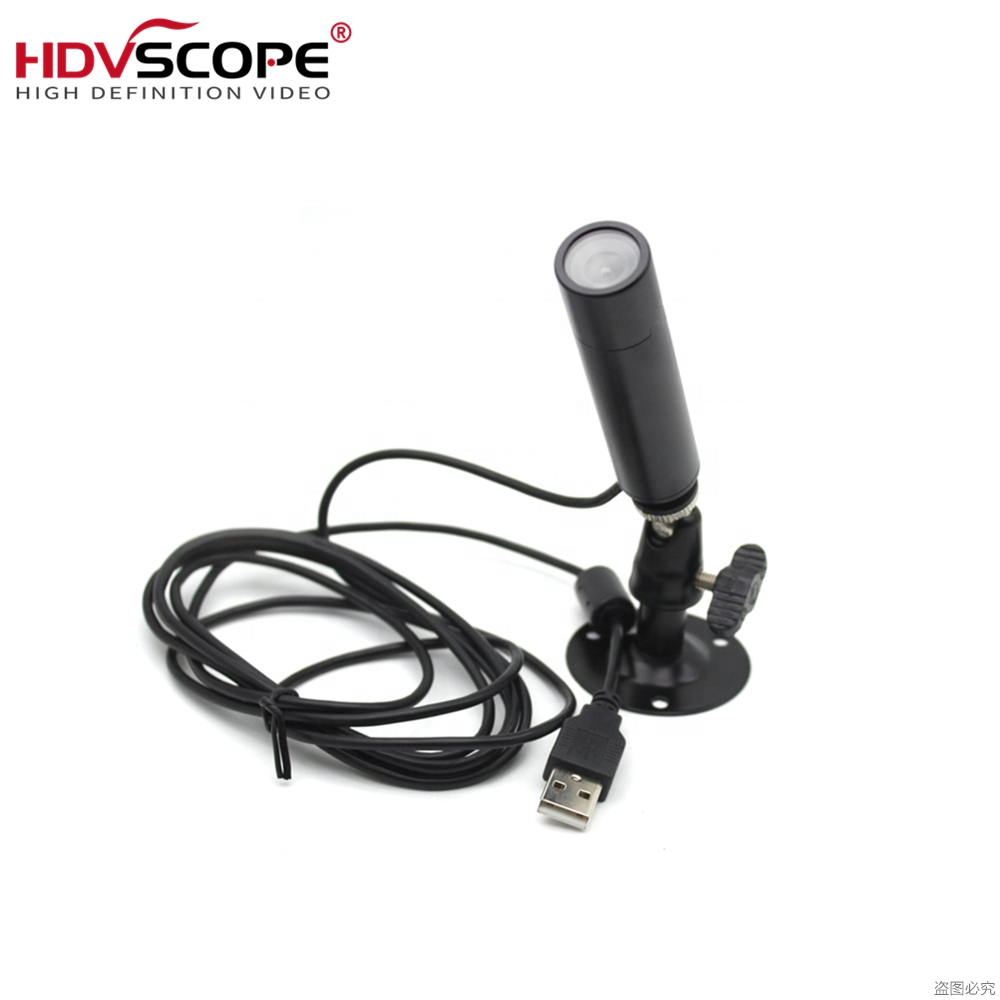
2MP 1/2.7" CMOS Waterproof IP67 Mini Bullet Camera
- Resolution: 1920*1080 (1080P)
- Lens: 2.8mm Board Lens | 20mm Dia.
- Enclosure: IP67 Waterproof Snake/Bullet
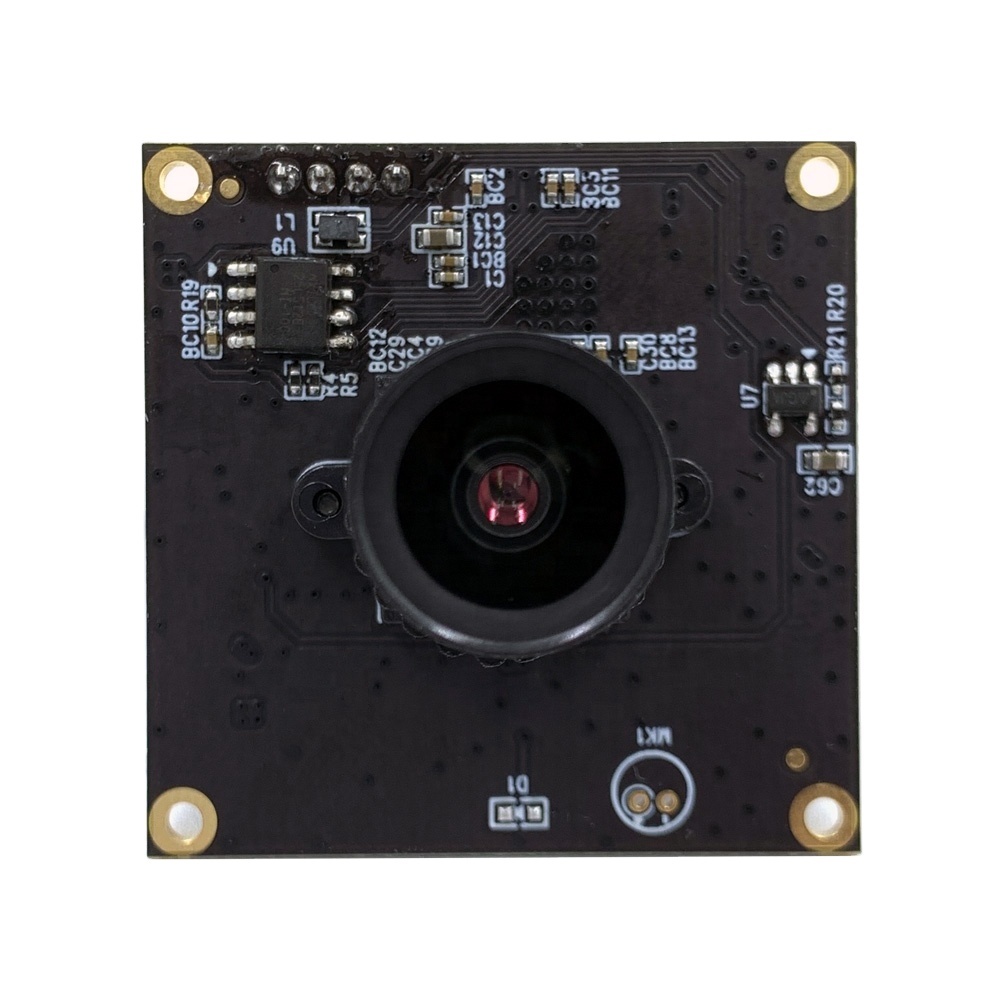
High Speed HDR 2.0MP 330fps High Frame Rate Board
- Frame Rate: 330fps High-Speed Motion
- Size: 38*38mm Form Factor
- Features: Color Wide Angle, HDR Engine
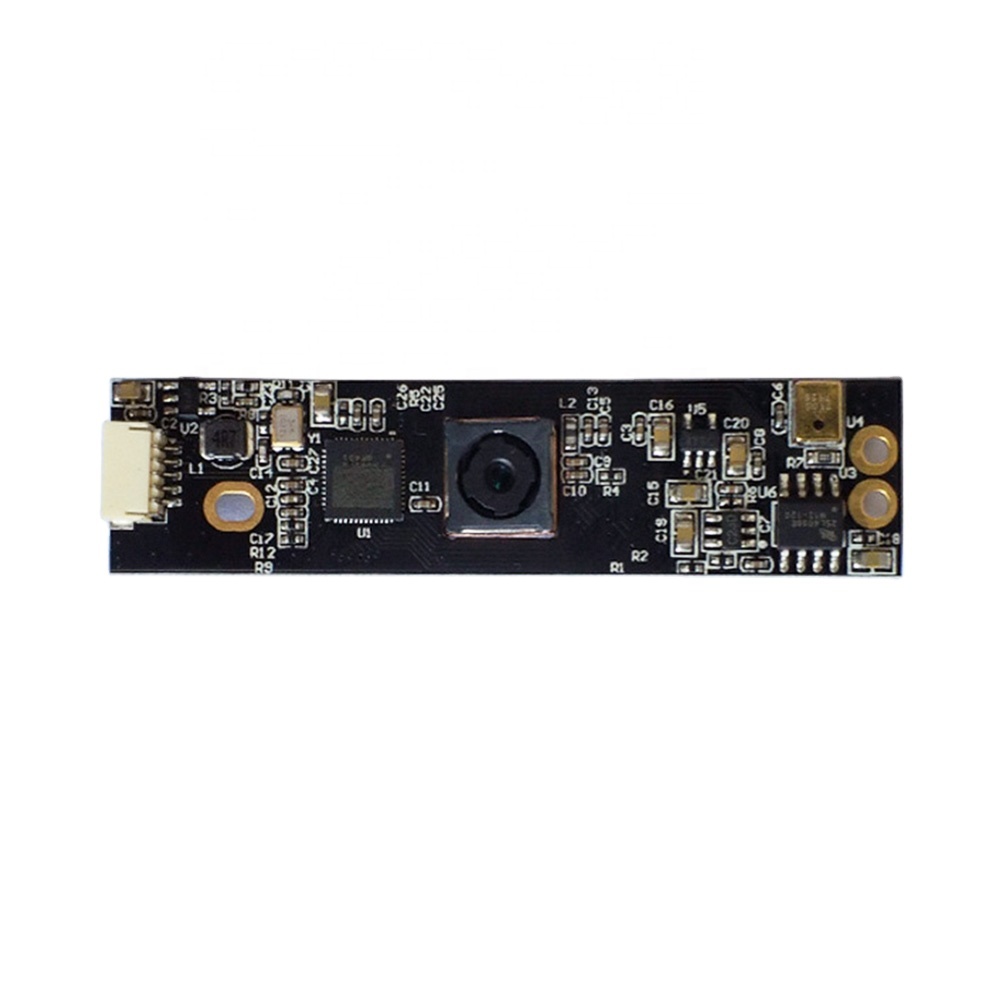
Low Lux 0.1 Lux 8.0MP Autofocus Ultra-Slim Board
- Sensor: 1/3.2" CMOS | 3264*2448
- Dim: 62*15mm Narrow Form Factor
- Optics: Dynamic Autofocus | YUY2/MJPEG
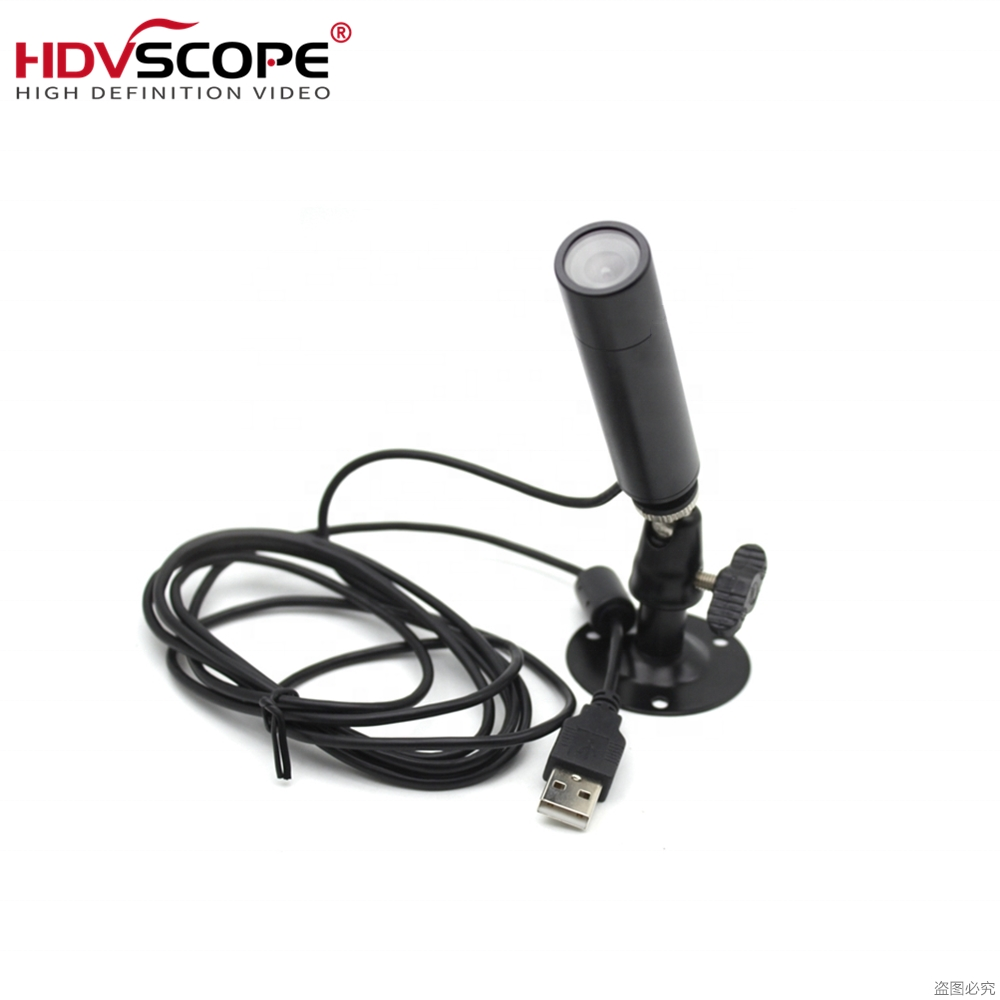
1/4" CMOS 2.0MP Mini IP67 Industrial Machine Camera
- Resolution: 1280*720P HD Output
- Lens: 3.6mm CCTV Lens | 20mm Dia.
- Build: Industrial Sealed Waterproof Tube
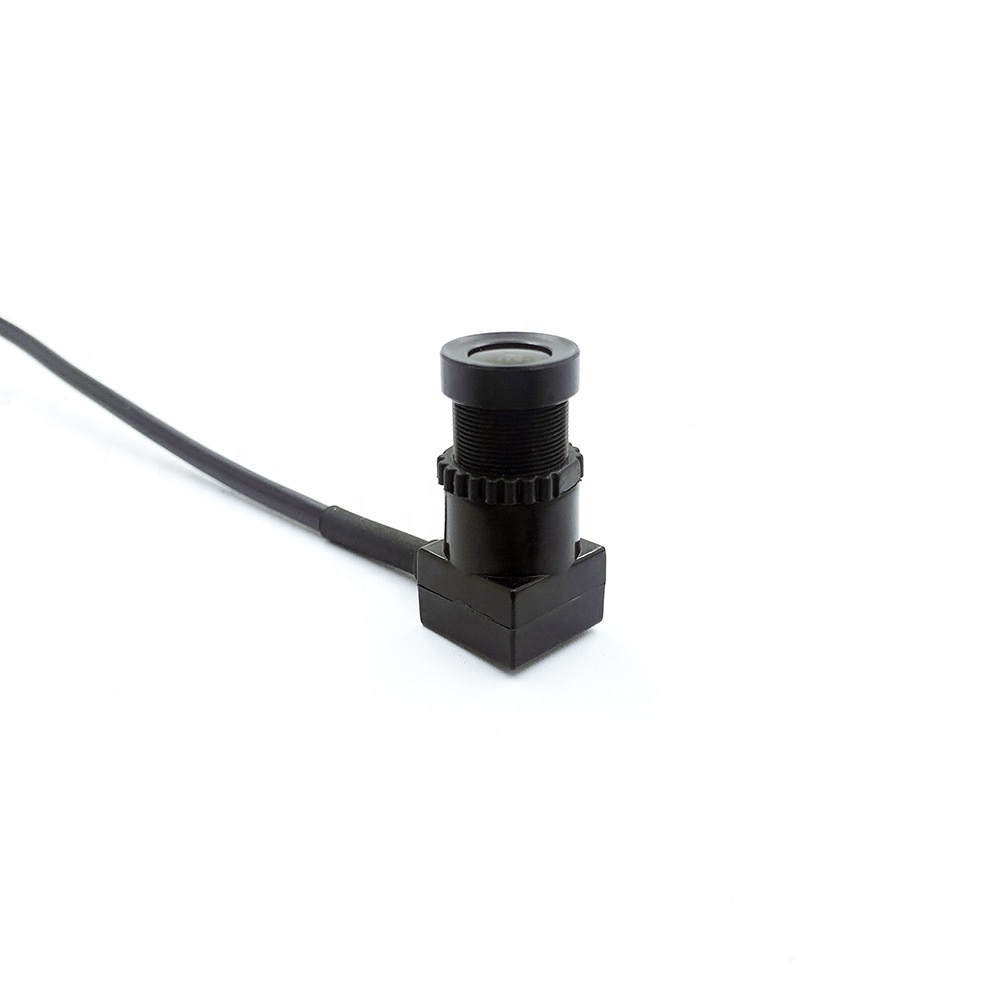
Low Light 0.1Lux 15*15mm Micro Square Camera
- Output: Full HD 1920*1080P
- Micro Footprint: 15*15mm PCB
- Lens: 12mm Telephoto Board Lens
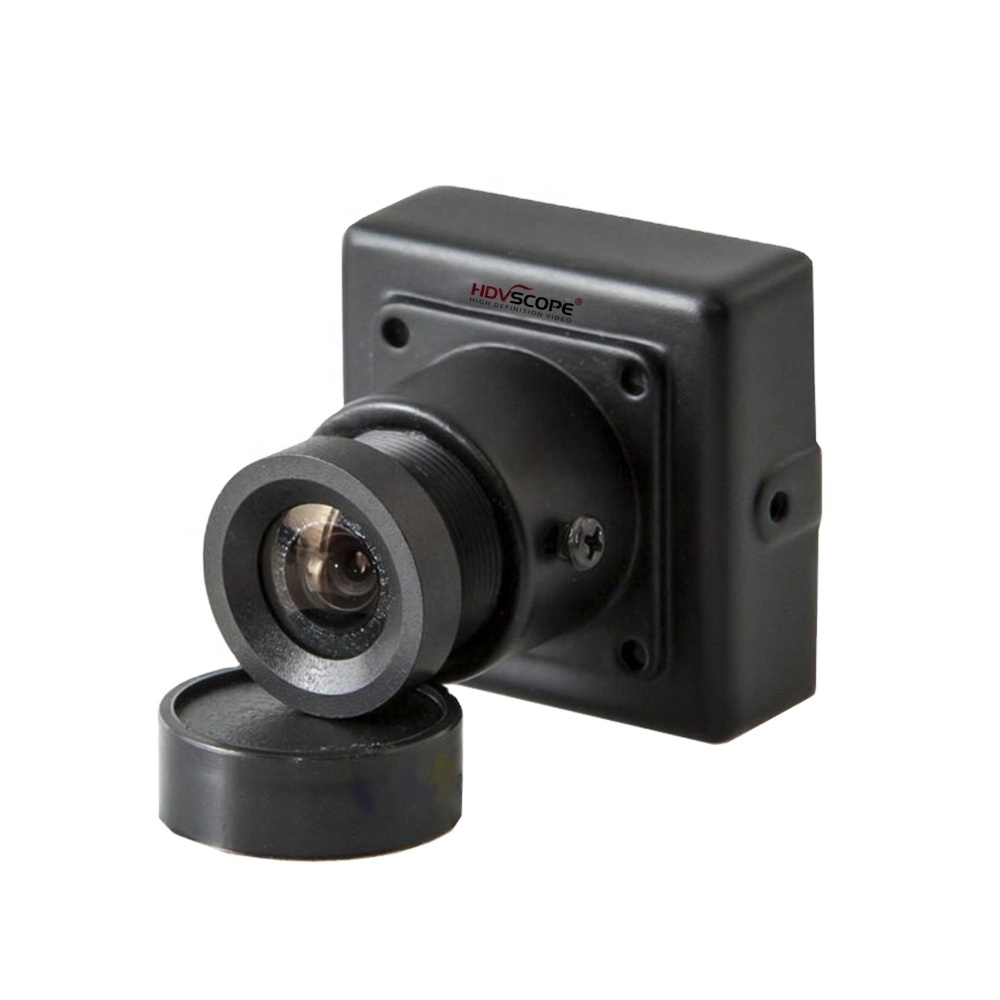
2.0MP 0.1Lux 25*25mm Compact Wide-Angle Camera
- Board Size: 25*25mm Ultra-Small
- Lens: 3.6mm Board Lens (90° FOV)
- Illumination: 0.1 Lux Low-Light Sensitivity
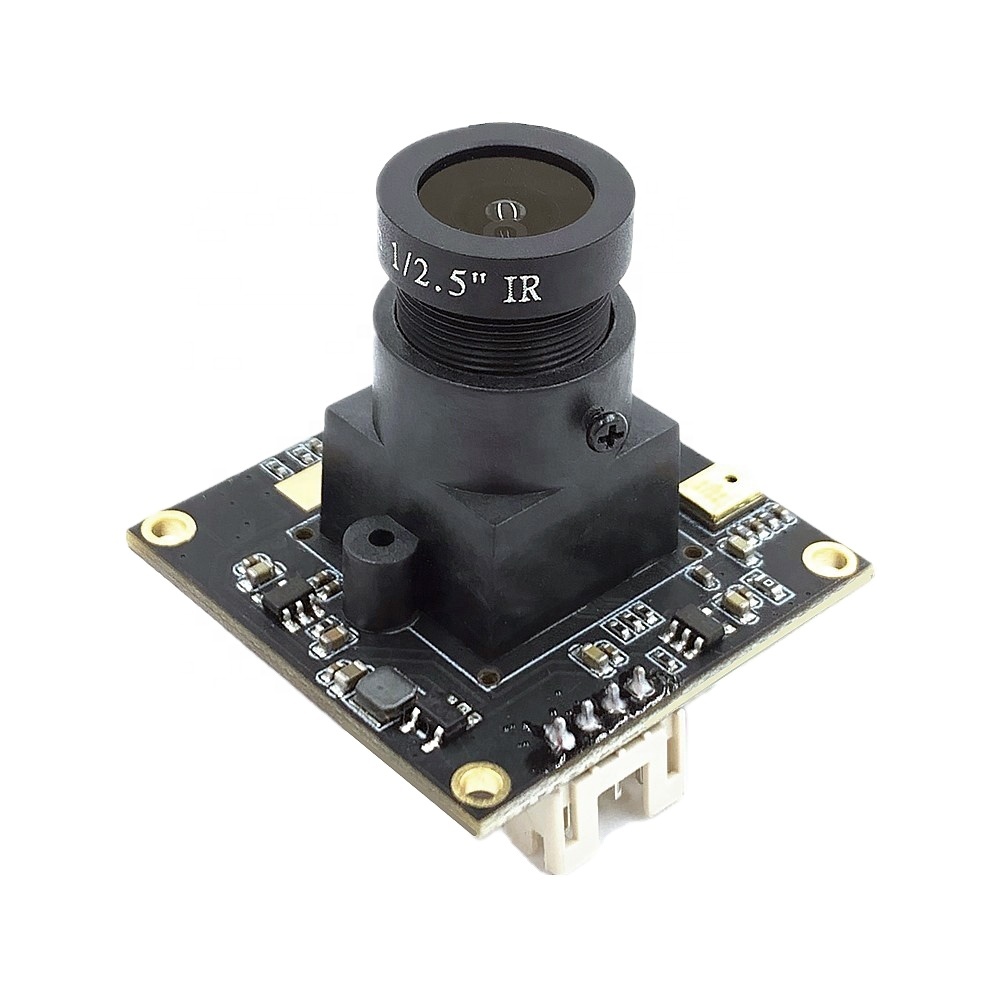
0.001Lux Starvis & WDR 1080P H.264 Camera Board
- Sensor: Sony Starvis Ultra Low-Lux
- Dynamic Range: True WDR Engine
- Format: H.264 Compressed | 32*32mm
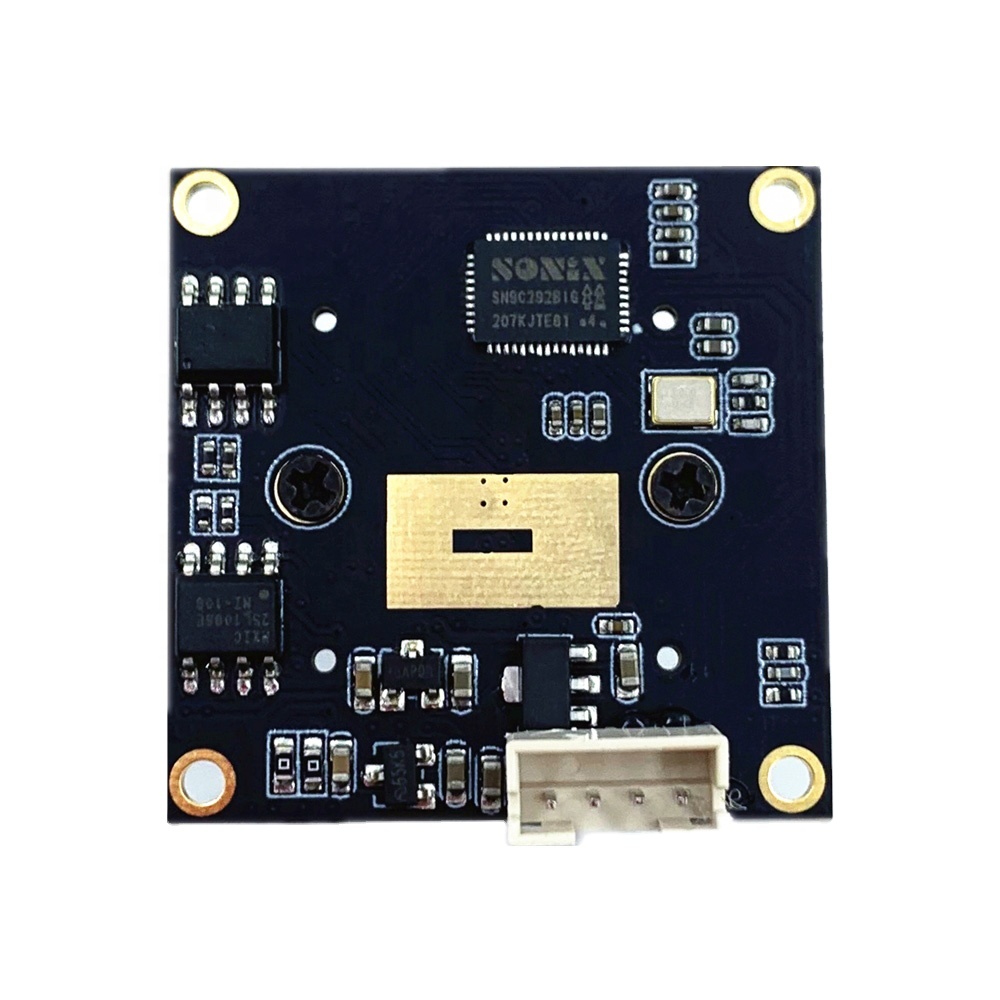
0.001Lux Starvis WDR Face Recognition Module
- Optimized for: AI Biometric Wall Units
- Sensitivity: 0.001 Lux Night-Color
- Dimensions: 32*32mm Standard PCB
Industrial Whitepaper: The Evolution of CVBS & Embedded Vision in Fort Worth
A Comprehensive Engineering Analysis on Legacy Coaxial Retrofits, High-Definition Hybrid Signals, and UVC Integration in Texas Industry
The Dallas-Fort Worth (DFW) Metroplex—and specifically the Fort Worth industrial corridor encompassing AllianceTexas, the Great Southwest Industrial District, and the Meacham Commerce Center—represents one of the most concentrated manufacturing, aerospace, defense, and logistics hubs in North America. For original equipment manufacturers (OEMs), defense contractors, automated warehousing integrators, and industrial facility engineers across Tarrant County, reliable visual acquisition systems are vital to operational uptime, security monitoring, and quality assurance control.
Historically, Composite Video Blanking and Sync (CVBS) camera modules serving NTSC (720x480 at 60i Hz) and PAL (720x576 at 50i Hz) analog standards established the backbone of industrial video infrastructure. Transmitting uncompressed standard-definition video over 75-ohm RG59 or RG6 coaxial cables terminated with BNC connectors, CVBS provided bulletproof, zero-latency video feeds immune to network packet drop, IP configuration conflicts, or software driver deprecation.
Technical Architecture of CVBS Signal Integration
CVBS collapses luminance (Y), chrominance (C), and synchronization pulses into a single analog signal amplitude modulated at 1.0 Volt peak-to-peak (1 Vp-p). Because the signal requires zero digital handshaking or frame buffer processing at the hardware level, hardware latency remains strictly below 1 millisecond. This instantaneous transmission is precisely why defense flight simulators, local assembly automation in Fort Worth, and real-time operator monitoring consoles continue to maintain CVBS inputs alongside high-resolution digital streams.
When selecting CVBS and hybrid replacement modules, B2B procurement managers must evaluate several core sensor parameters:
- Sensor Optical Format & TV Lines (TVL): Premium CVBS camera modules utilize high-sensitivity CMOS or CCD sensors capable of outputting 700TVL to 1200TVL (the physical processing ceiling for analog composite conversion), delivering crisp detail on analog monitors.
- Signal-to-Noise Ratio (SNR): High-grade industrial boards maintain an SNR exceeding 52dB (with 2D/3D Noise Reduction enabled), eliminating grain in electrically noisy factory environments containing heavy motors or high-voltage transformers.
- Thermal & Voltage Tolerance: Texas summer operating conditions require industrial-grade components supporting temperature operating ranges from -20°C to +70°C (-4°F to 158°F) and wide-voltage inputs (DC 9V–15V) to absorb voltage sag common in large industrial plants.
Interface Comparison Matrix: CVBS vs. Hybrid Analog HD vs. UVC USB
To assist Fort Worth procurement engineers in specifying the correct board architecture for new builds versus system retrofits, the following matrix details core technical performance metrics across camera module interfaces:
| Interface Standard | Native Signal Type | Max Signal Distance | Typical Hardware Latency | Primary Fort Worth Application |
|---|---|---|---|---|
| Legacy CVBS | Analog Composite (75Ω Coax) | Up to 300 meters (RG59) | < 1 ms (Real-time) | Direct monitor feeds, flight simulators, legacy security retrofits |
| AHD / TVI / CVI | Analog HD (1080P to 4K) | Up to 500 meters (RG59) | < 10 ms | High-definition surveillance upgrade over existing coaxial lines |
| UVC USB 2.0 / 3.0 | Digital MJPEG / YUY2 / H.264 | 5 meters (up to 15m active) | 30 ms – 80 ms | Self-service kiosks, ATMs, automated document capture, Linux/Android embedded AI |
| IP (RTSP / ONVIF) | Ethernet Data Stream (PoE) | 100 meters (Cat5e/Cat6) | 120 ms – 250 ms | Enterprise facility networking, remote fleet surveillance, multi-building surveillance |
Localized Application Scenarios Across Fort Worth Industry
From aerospace component inspection in West Fort Worth to automated parcel tracking in AllianceTexas, our camera modules power critical infrastructure.
Aerospace & Defense Precision Monitoring
Near Defense OEM facilities surrounding NAS Joint Reserve Base Fort Worth, localized test stands require ultra-compact pinhole CVBS or low-latency HD modules. These boards perform optical verification inside tight jet engine enclosures, environmental testing chambers, and component stress-testing setups where electromagnetic interference (EMI) resilience and raw analog video output are mandatory.
AllianceTexas Logistics & Automated Warehousing
Within North Fort Worth's massive logistics facilities, sorting conveyor belts and autonomous mobile robots (AMRs) depend on high-speed 330fps frame-rate camera modules and IP67 miniature bullet cameras. Mounted directly on robotic picking arms and conveyor junctions, these cameras provide real-time barcode scanning, package dimensioning, and zero-delay optical tracking.
Banking ATMs & Self-Service Retail Kiosks
Across financial institutions and self-checkout terminals in Tarrant County, financial compliance mandates covert transaction recording and liveness face recognition. Our micro square 15x15mm and 25x25mm low-lux Starvis camera boards fit seamlessly into sleek kiosk bezels, delivering 1080P wide-angle optics with True WDR to handle harsh Texas sunlight glares through lobby glass frontage.
Transportation & Municipal Transit Fleet Security
Trinity Metro buses, TEXRail commuter trains, and commercial trucking fleets based out of Fort Worth require shock-resistant, vibration-proof camera modules. Sealed IP67 mini camera units integrated into vehicle exterior sidewalls and driver cabs capture incidents reliably, routing analog or HD signals directly to hardened vehicle mobile NVRs.
Fort Worth Local Market Trends: Upgrading Analog to Embedded AI
Key technology shifts driving procurement strategies for system integrators, OEM engineers, and industrial buyers in North Texas.
1. The Shift to Hybrid Coaxial Solutions (4-in-1 Output)
Rather than replacing legacy coaxial cabling runs spanning thousands of feet across historical Fort Worth manufacturing plants, integrators are aggressively adopting 4-in-1 switchable camera modules. These boards feature an OSD controller or DIP switch permitting engineers to toggle between CVBS (Standard Def Analog), AHD, TVI, and CVI high-definition analog formats. This allows plants to upgrade their display monitors and recording systems piecemeal without shutting down operations for cable pulls.
2. High Dynamic Range (HDR/WDR) for Harsh Texas Solar Exposure
Fort Worth experiences extreme ambient lighting conditions, from intense mid-day Texan sunlight to deep shadowed loading docks and indoor security corridors. Standard imaging sensors fail under these conditions, rendering bright outdoor areas washed out and shadows completely black. Wholesale buyers increasingly mandate True WDR (120dB+) and HDR Starvis sensors (such as the Sony IMX291 and IMX335) that capture double-exposure frames simultaneously, ensuring facial features and license plates remain crisp under high-contrast backlighting.
3. Embedded Linux/Android UVC Driver-Free Integration
With the rise of custom automated guided vehicles (AGVs) and smart vending systems manufactured in DFW, engineering teams are transitioning away from proprietary video capture cards toward standard UVC (USB Video Class) camera modules. Compliance with UVC standards ensures driver-free, plug-and-play operation on industrial ARM boards running Ubuntu Linux, Android, or Windows IoT, slashing software development cycles and simplifying field servicing.
Why Fort Worth Buyers Partner with Shenzhen Brekta Electronics
Direct factory manufacturing strength, rigorous quality engineering, and flexible OEM customization tailored for industrial buyers worldwide.
13+ Years Precision Engineering
Over a decade specializing strictly in miniaturized camera modules, USB UVC boards, IP RTSP modules, and specialized CVBS/AHD designs. Our in-house R&D team uses advanced Protel and Allegro tools to design custom multi-layer PCBs to your exact dimensional constraints.
Zero-Risk MOQ & Rapid Prototyping
We support Fort Worth prototype developers and replacement maintenance engineers with flexible minimum order quantities—start your evaluation with MOQ from 1 piece. Standard sample models are dispatched within 1–3 business days.
Full Compliance & 24-Month Warranty
Every camera module exported to North America undergoes 100% automated optical and manual focus testing. Certified under CE, FCC, and RoHS standards, backed by an industry-leading 24-month replacement warranty and lifetime technical support.
Frequently Asked Questions by Fort Worth Integrators
Technical and logistics answers for procurement officers, hardware engineers, and wholesale buyers in Texas.
How do CVBS camera modules compare to AHD or USB options for local retrofits?
CVBS delivers uncompressed, standard-definition analog video over 75-ohm coaxial cable with near-zero latency (<1ms). It connects directly to legacy analog monitors, AV switchers, and legacy DVRs without requiring network setup or software drivers. AHD offers high-definition (1080P to 4K) over the same coaxial cable but requires an AHD-compatible DVR or display converter. USB modules stream compressed digital video (MJPEG/YUY2/H.264) directly into embedded computers, host PCs, or ARM boards running Windows, Linux, or Android.
What is the minimum wholesale order quantity (MOQ) for Fort Worth businesses?
To help local engineers and integrators validate hardware performance, we offer an initial Minimum Order Quantity (MOQ) of just 1 piece on standard camera modules. Custom OEM/ODM orders (custom PCB shape, unique connector pinouts, specific lens focal lengths) are quoted dynamically based on engineering requirements.
Are your USB camera modules driver-free for custom Linux/Android kiosks?
Yes. All Brekta USB camera modules fully comply with the standard USB Video Class (UVC) protocol. They operate seamlessly without proprietary driver installation on Linux (Ubuntu, Debian, CentOS), Android, Microsoft Windows, and macOS. Simply plug into a standard USB port and open standard OpenCV, FFmpeg, or media application pipelines.
Can you customize board size, lens field of view (FOV), and cable length?
Absolutely. Custom engineering is our core specialty. Our layout engineers can modify board dimensions (standard 15x15mm, 25x25mm, 32x32mm, 38x38mm, or narrow ultra-slim designs), install pinhole/fisheye/varifocal/autofocus lenses, adjust IR-cut filters (850nm/940nm), modify cable wire harnesses, and tune sensor ISP firmware for specific lighting conditions.
What shipping timeline can DFW buyers expect for sample and bulk orders?
In-stock sample modules are dispatched from our factory within 1 to 3 business days. Expedited express air shipping (via DHL, FedEx, or UPS) directly to Fort Worth and Dallas addresses typically takes 3 to 5 business days. Bulk production lead times generally range from 2 to 3 weeks depending on customization complexity.
What warranty and technical support coverage do you provide?
All products carry a 24-month comprehensive factory warranty with free replacement guarantee for any manufacturing defects. In addition, our engineering support desk provides direct technical assistance with pinout diagrams, SDK integration, and lens selection with a average response time of under 2 hours during operational shifts.
Ready to Request Technical Datasheets & Wholesale Pricing?
Speak directly with our engineering sales team. Get custom board layout advice, optical lens recommendations, and bulk factory quotes delivered within 2 hours.
Get Catalog