Featured Optical Camera Modules for Tokyo OEM Integration
Driverless UVC, Low-Lux Sony STARVIS, High-Speed HDR, and Compact Form Factors Designed for Industrial & Commercial Deployment
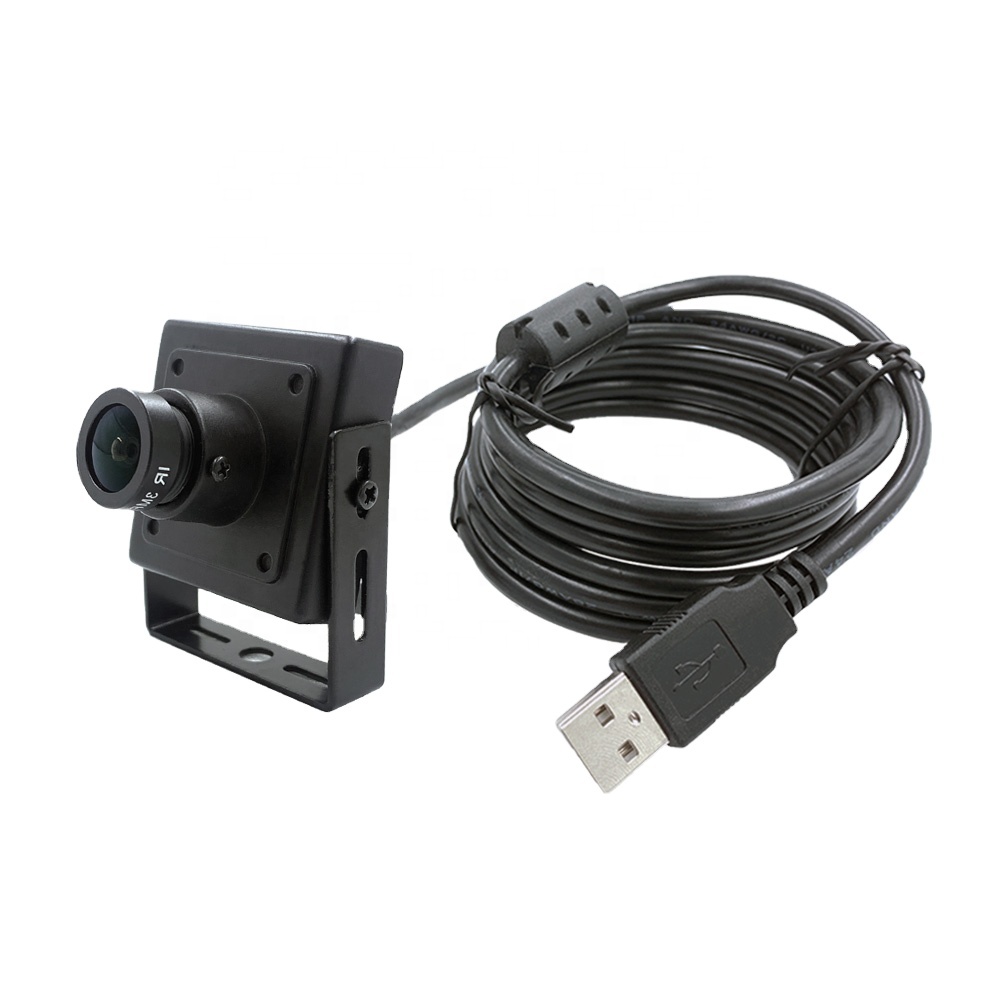
- 0.1 Lux Low Illumination
- 2.1mm Ultra-Wide Angle Field of View
- UVC Driverless USB Interface
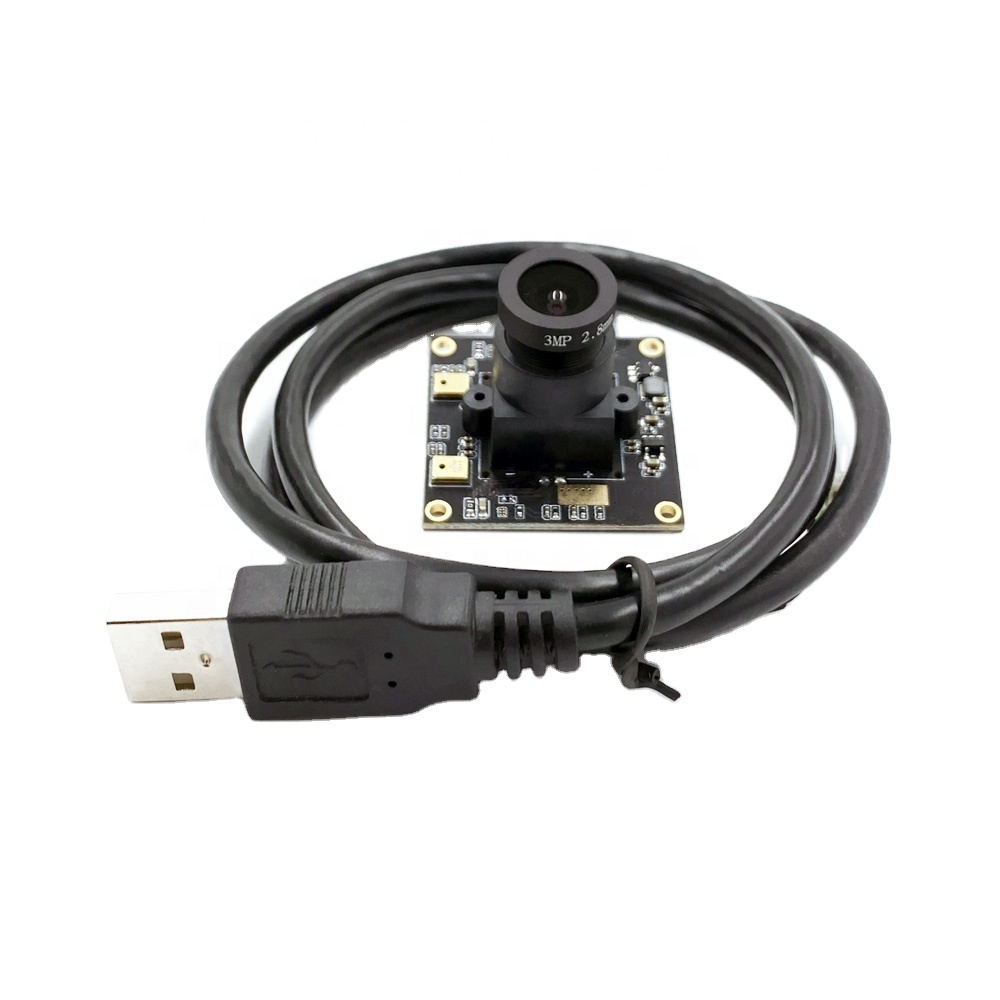
- Sony STARVIS 0.001Lux Starlight
- Compact 32x32mm Form Factor
- H.264 / MJPEG / YUY2 Dual Compression
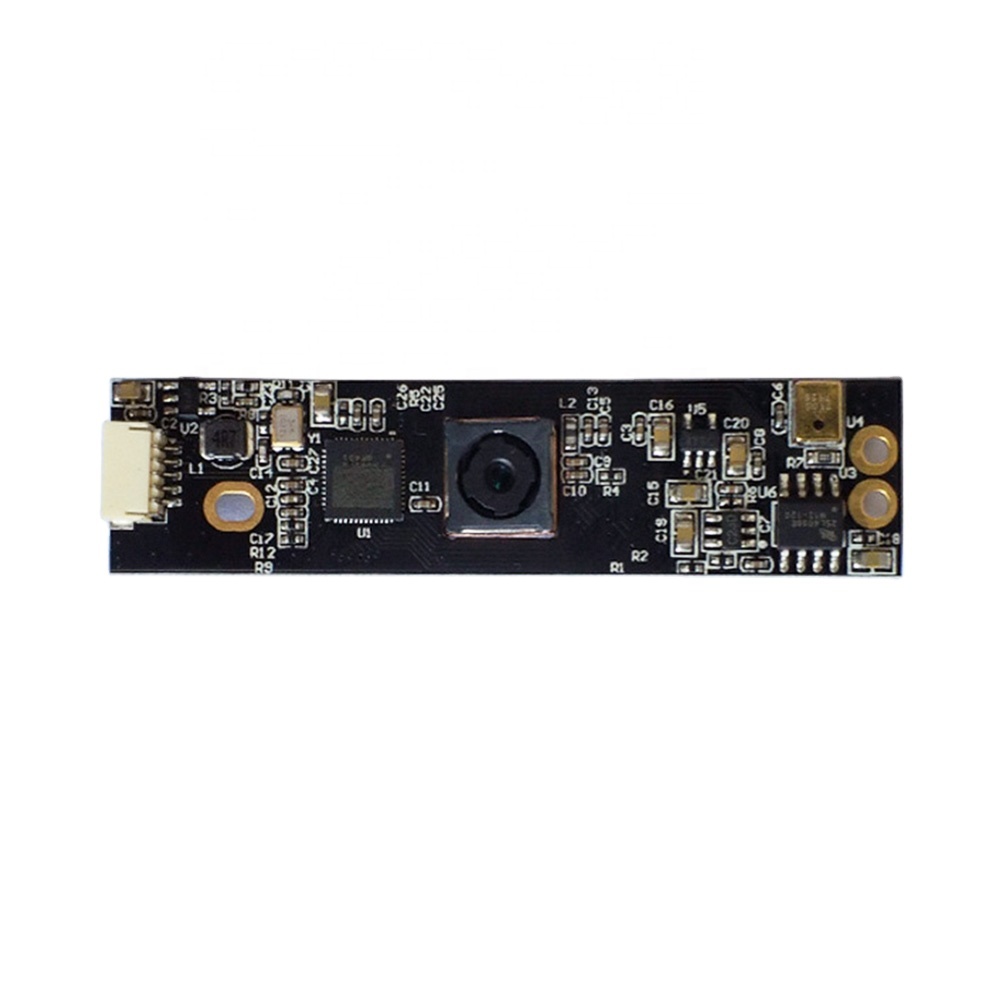
- 8.0MP Ultra HD Resolution (3264x2448)
- Dynamic Fast Autofocus Mechanism
- Slim 62x15mm Strip PCB Architecture
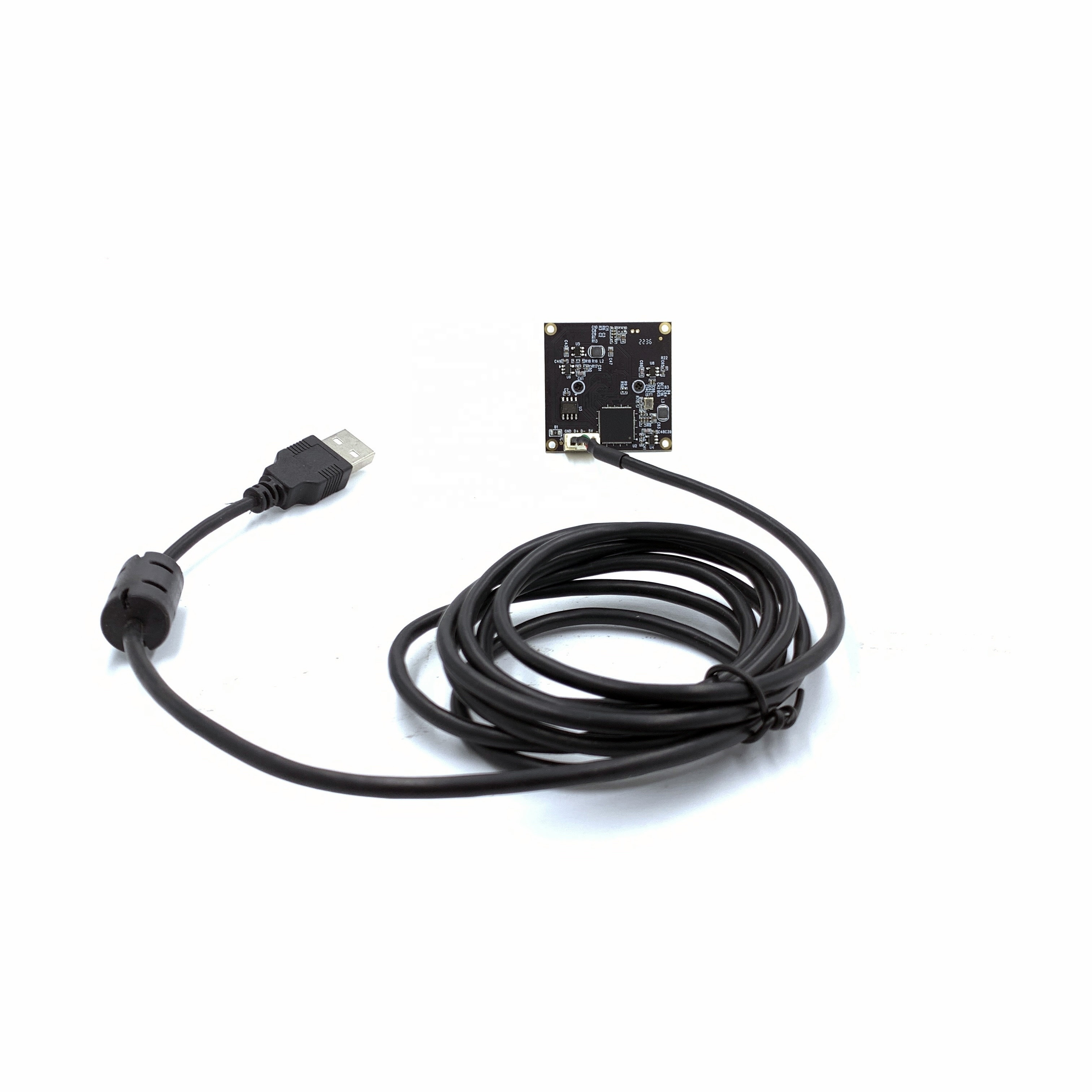
- Ultra High Speed 330 FPS Capture
- Hardware High Dynamic Range (HDR)
- 3.7mm Narrow Angle Precision Lens
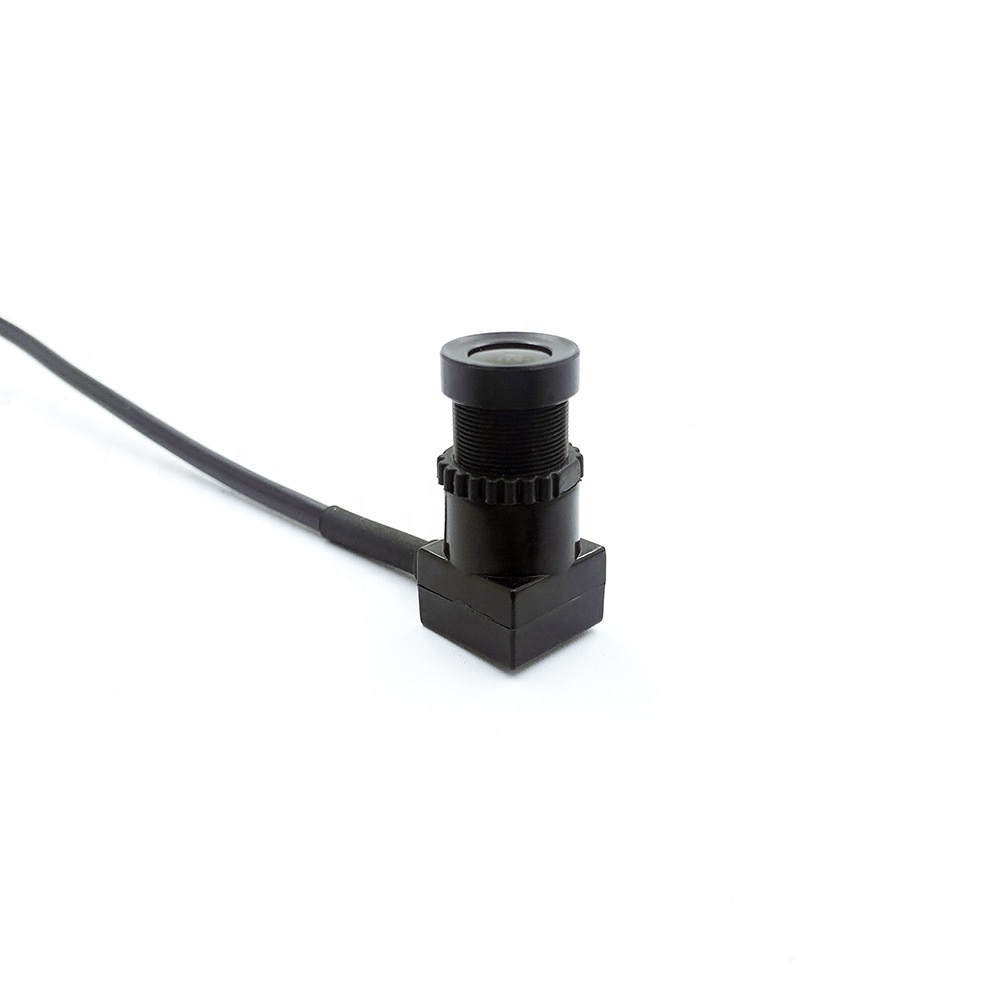
- Ultra-Miniature 15x15mm Micro PCB
- 1080P Full HD Image Quality
- Telephoto 12mm M12 Board Lens
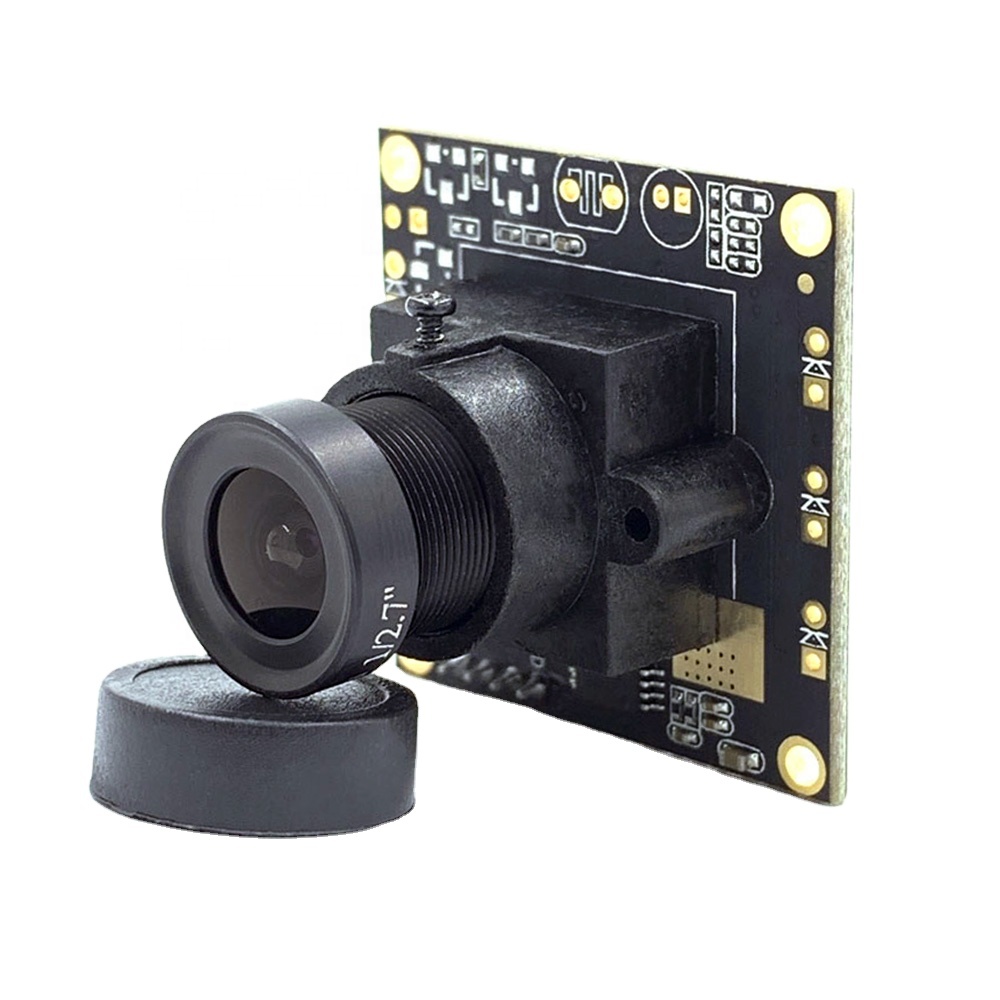
- Industrial Onsemi AR0230 Sensor
- Wide Dynamic Range (WDR) Tech
- Standardized 32x32mm Mounting

- 4mm Optical Non-Distortion Optics
- Optimized for AI Face Recognition
- 0.001 Lux Night Vision Sensitivity
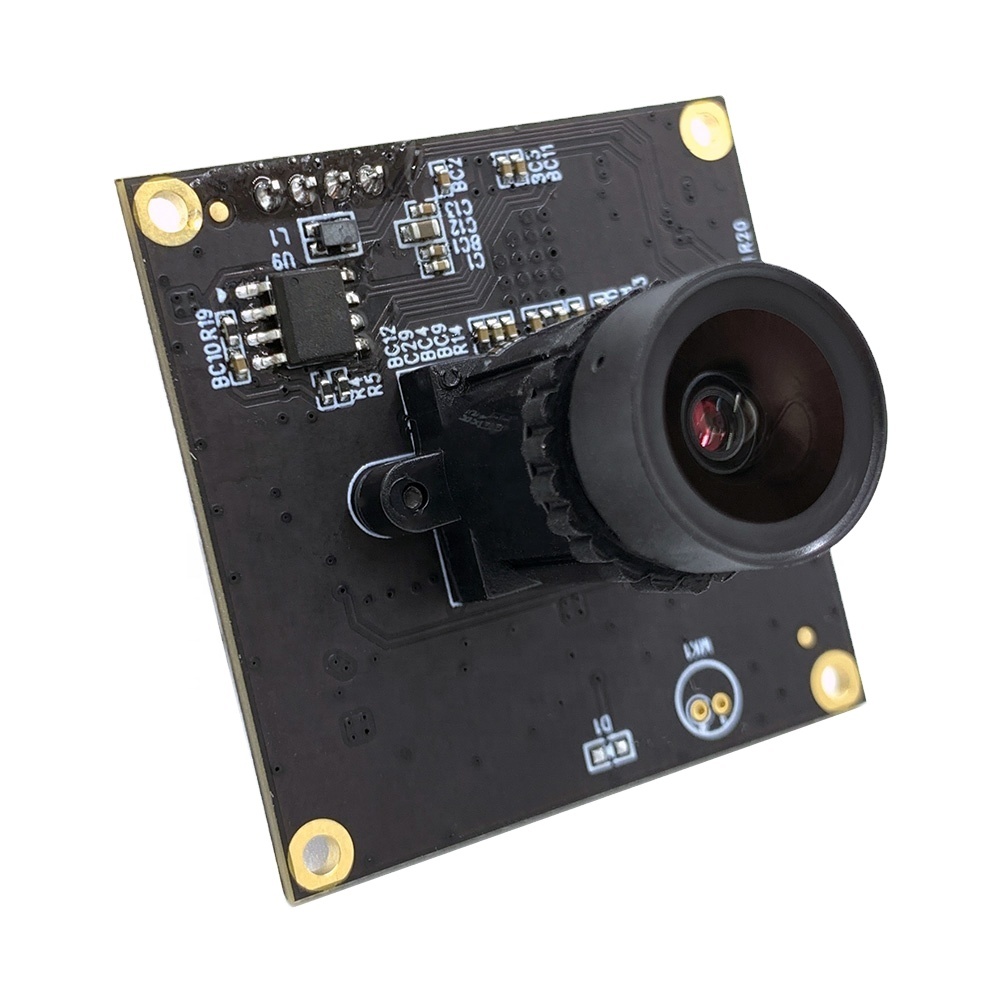
- Extreme 330 FPS High Frame Rate
- 2.1mm Panoramic Wide Angle Lens
- Dual-Frame Hardware HDR Processing
1. Architectural Overview: Embedded Vision Demands in the Greater Tokyo Area
The Greater Tokyo Metropolis represents the global benchmark for automated commercial infrastructure, robotics integration, and high-density smart urban services. From the automated ticket gates of Shinjuku Station to advanced medical technology hubs in Kanagawa and robotics laboratories in Ota Ward, the requirement for high-reliability, micro-sized digital camera modules is evolving rapidly. Hardware design teams in Tokyo demand optical modules that strictly comply with stringent Japanese Industrial Standards (JIS) and VCCI Class B electromagnetic compatibility standards, while providing seamless driverless UVC functionality across diverse operating systems including ROS, Linux, Android, and Windows Embedded.
Shenzhen Brekta Electronics Co., Ltd. serves as an essential direct-from-factory OEM/ODM partner for Tokyo-based system integrators, equipment manufacturers, and wholesale distributors. By bridging state-of-the-art semiconductor sensor technologies—such as Sony STARVIS back-illuminated CMOS and Onsemi High Dynamic Range (HDR) image processors—with custom printed circuit board (PCB) layouts, we eliminate supply chain latency while delivering verifiable Information Gain in imaging precision.
Whether your project involves self-service ordering terminals for nationwide restaurant chains, liveness-detection cameras for financial VTMs (Video Teller Machines), or ultra-high-speed vision systems for automated semiconductor inspection, Brekta’s engineering workflow delivers customized lens mounts, bespoke cable lengths, tailored ISP firmware tuning, and bulletproof mechanical tolerances down to ±0.1mm.
2. Tokyo Localized Application Scenarios & Engineering Benchmarks
Deploying machine vision systems in Tokyo requires solving specific operational challenges native to Japan's high-tech landscape. Below is an engineering breakdown of localized deployment scenarios where Brekta camera modules are actively integrated:
Smart Kiosks & Automated Vending (Jidohanbai)
Tokyo leads the world in automated retail density. Incorporating 32x32mm low-lux 2MP STARVIS modules with WDR ensures clear facial capture and gesture interaction across varying store lighting, preventing dynamic range clipping under bright overhead fluorescent fixtures or dim night streets.
Autonomous Delivery Robots & AMRs
Autonomous Mobile Robots (AMRs) navigating crowded Tokyo sidewalks require 330 FPS high-frame-rate capture modules. High frame rates remove motion blur, enabling real-time SLAM (Simultaneous Localization and Mapping) and obstacle recognition algorithms to function without latency.
Banking ATMs, VTMs & Financial CRS
Financial kiosks inside major transit hubs require micro pinhole 15x15mm USB modules. Low-lux 0.1 Lux sensitivity combined with non-distortion optics provides crisp identification for anti-fraud liveness verification without intruding on mechanical housing design.
Medical Devices & Industrial Inspection
8.0MP Autofocus modules featuring slim 62x15mm PCB geometry permit seamless installation into diagnostic instruments, document scanning readers, and high-resolution industrial endoscopes utilized throughout Tokyo’s precision manufacturing corridor.
3. Technical Deep Dive: Sensor Architecture & Optical Engineering
A fundamental aspect of achieving high Information Gain in machine vision is selecting the optimal balance between sensor pixel pitch, shutter mechanism, dynamic range, and ISP processing. Below, Brekta engineers break down the technical characteristics of the core sensor architectures supplied to the Tokyo market:
Sony STARVIS Back-Illuminated Technology (e.g., IMX291 / Starlight Series)
Sony's STARVIS pixel technology is engineered specifically for low-light starlight sensitivity. By placing the metal wiring layer behind the photodiode array rather than above it, light entrance loss is minimized. This allows our 0.001 Lux to 0.0001 Lux camera modules to output full-color images under illuminances where standard CMOS sensors render monochrome noise. For Tokyo night-time surveillance, security door eyes, and dimly lit service kiosks, STARVIS is the gold standard.
Onsemi AR0230 WDR Architecture
The Onsemi AR0230 CMOS sensor utilizes a multi-exposure staggered HDR method. It captures bright and dark exposures sequentially within a single frame period and merges them via internal ISP hardware. This achieves up to 105dB to 120dB of dynamic range, preventing background blowout when a user stands in front of a glass storefront in Tokyo during midday sunlight while maintaining visibility of their face.
High Frame Rate (Up to 330 FPS) for High-Speed Visual Inspection
When capturing fast-moving objects on conveyor belts or analyzing high-speed motion in laboratory settings, standard 30fps cameras exhibit severe motion blur due to rolling shutter exposure times. Brekta’s 330 FPS high-speed modules output 1920x1080 resolution at frame intervals under 3ms, giving Edge AI algorithms crisp images for zero-defect sorting and automated quality assurance.
| Module Architecture | Sensor Specs | Optical Lens Type | Max Resolution / FPS | Target Local Application |
|---|---|---|---|---|
| Low-Lux Starlight | Sony STARVIS 1/2.8" | 4mm Non-Distortion M12 | 1080P @ 30fps (0.001 Lux) | Face Recognition, Night Kiosks, Security |
| Industrial WDR | Onsemi AR0230 1/2.7" | 2.1mm / 3.6mm Wide Angle | 1080P @ 30fps (HDR 105dB) | ATM, Outdoor Self-Service, Banking VTM |
| High-Speed Vision | Advanced Color CMOS | 3.7mm Narrow / 2.1mm Wide | 1080P @ 330fps High Speed | AMR Navigation, Motion Tracking, QC |
| Micro Strip PCB | 1/3.2" Color CMOS | Fast Autofocus Motorized | 8.0MP (3264x2448) @ 15fps | Medical Devices, Document & Barcode Readers |
| Ultra-Miniature Square | 1/4" Full HD Sensor | 12mm Board Lens / Pinhole | 1080P @ 30fps (15x15mm PCB) | Concealed Security, Compact Hardware Units |
4. Key Technology Trends Shaping the Tokyo Camera Module Industry
Understanding market trajectory is vital for procurement leaders and R&D directors planning long-term product lifecycles. In Japan's commercial technology sector, four primary macro trends are dictating optical module specification requirements:
1. Transition to Edge AI Processing
Local AI inferencing (using NVIDIA Jetson, Raspberry Pi Compute Module 4, or Hailo AI accelerators) requires zero-latency UVC video streams. RAW YUY2 or efficient MJPEG frames with uncompressed chrominance are essential for accurate neural network bounding box detection.
2. Miniaturization without Thermal Throttling
As Tokyo hardware designs grow sleek and space-constrained (down to 15mm internal depth), camera modules must dissipate heat efficiently. Brekta’s multi-layer FR4 PCB layouts optimize heat sinking away from the image sensor, preventing dark current thermal noise and hot pixels.
3. Contactless & Biometric Verification
Post-pandemic commercial infrastructure in Japan prioritizes touchless biometric authentication. Dual-spectrum and WDR modules supporting IR (850nm/940nm) cut filters combined with visible RGB color channels enable reliable liveness detection for contactless access control.
5. Enterprise OEM/ODM Advantages: Why Tokyo Integrators Partner with Brekta
Established in Shenzhen with expanded production facilities in Dongguan, Shenzhen Brekta Electronics Co., Ltd. brings over 13 years of specialized camera module engineering experience to international buyers. We understand that Japanese enterprise clients demand zero-defect quality control, absolute consistency between evaluation samples and mass production runs, and rapid engineering iteration.
In-House PCB Layout & Optical Customization Workflow
Our senior engineering team utilizes advanced EDA software (Protel and Allegro) to design customized multi-layer PCB circuits tailored precisely to your mechanical enclosures. Whether you require a custom board dimensions (e.g., 15x15mm, 32x32mm, 38x38mm, or custom L-shaped strips), specific pinout connectors (JST, Molex, FPC ribbon), or custom IR-cut filter coatings, Brekta delivers tailored engineering prototypes quickly.
Strict ISO-Standard Quality Assurance
100% optical inspection on automatic SMT production lines, rigorous sensor burn-in testing, and individual image resolution calibration using ISO12233 charts guarantee flawless lens focus and zero dead pixels prior to dispatch.
24-Month Warranty & Direct Technical Support
We stand behind every optical product with a comprehensive 24-month replacement warranty and direct engineer-to-engineer technical communication. Our sales and support teams maintain a fast response rate with SLA times under 2 hours.
6. Frequently Asked Questions (FAQ) for Tokyo Hardware Procurement
Below are technical and operational answers to common questions asked by hardware engineers, procurement specialists, and wholesale buyers serving the Tokyo and broader Japanese markets: