1. Technical Architecture & Innovation in Digital Endoscope Camera Manufacturing
In modern non-destructive testing (NDT), municipal engineering, medical diagnostics, and automated manufacturing, the demand for ultra-compact, ultra-high-definition imaging hardware has surged. As a primary economic and logistical hub in northern Haiti, Gonaïves is experiencing a transformation in its industrial infrastructure, maritime port logistics, and agricultural processing equipment maintenance. Sourcing direct from certified digital endoscope camera factories ensures local enterprises access the exact optical architectures required for harsh operational environments.
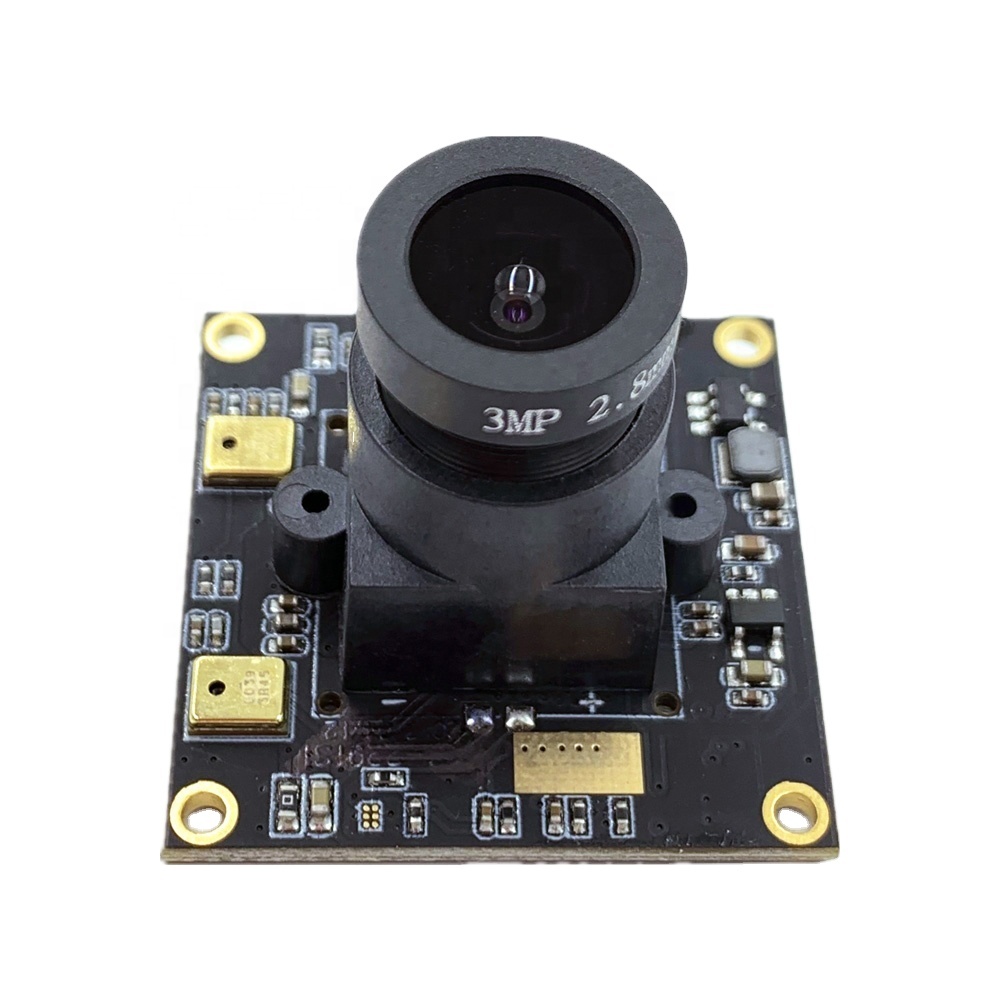
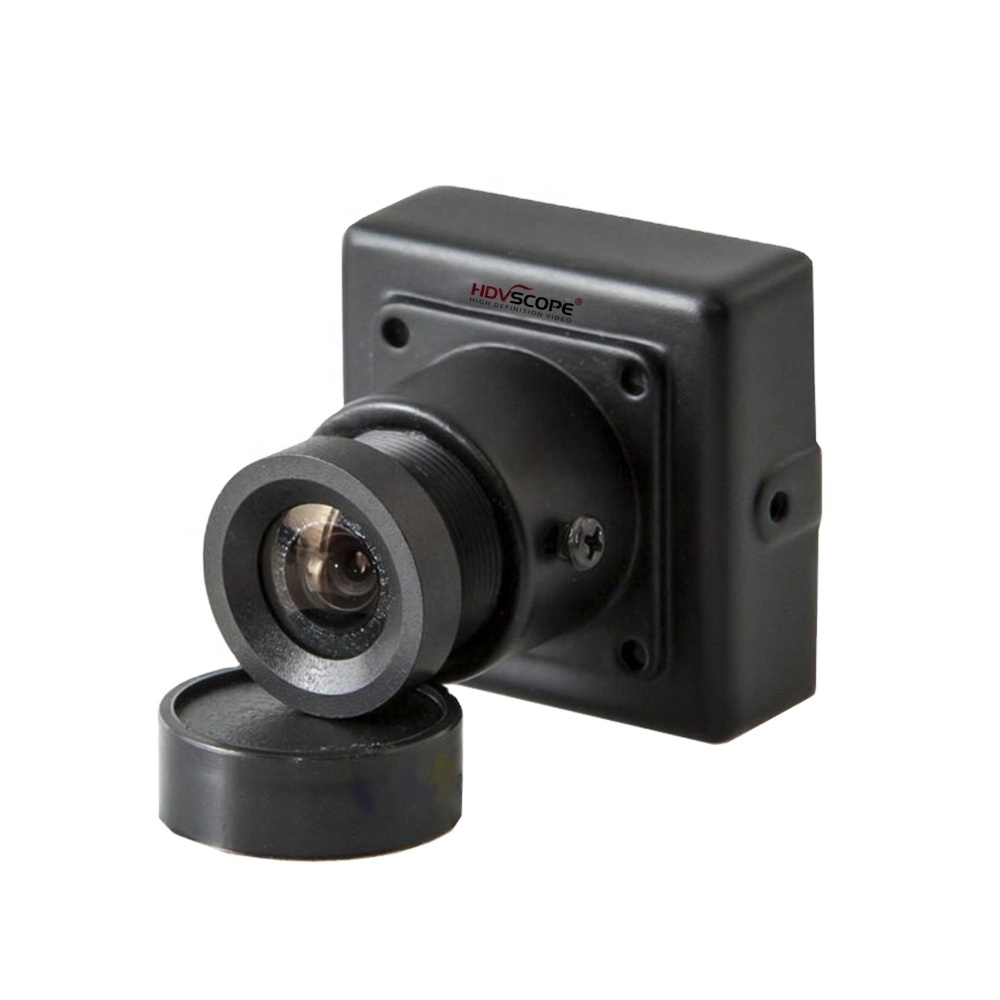
Digital endoscope systems rely on sophisticated optoelectronic components that condense complex vision channels into probe diameters ranging from 1.0mm to 20mm. The underlying core technology combines solid-state CMOS (Complementary Metal-Oxide-Semiconductor) image sensors with customized Digital Signal Processors (DSPs), precision miniature lens stacks, and high-efficiency LED illumination arrays.
Sensor Sensitivity
Utilizing Sony STARVIS BSI technology to achieve ultra-low illumination performance down to 0.001 Lux, vital for dark pipe interiors.
Wide Dynamic Range
Hardware-level Wide Dynamic Range (WDR up to 105dB) neutralizes glaring metallic reflections inside dark machinery channels.
Hermetic IP67/IP68
Ruggedized stainless steel encapsulation rated for prolonged immersion in oil, salt water, and industrial chemical solutions.
Optoelectronic Signal Processing & Fiber Optic Illumination
In digital endoscope assembly, image noise reduction is paramount. Signal deterioration often occurs along flexible insertion tubes exceeding 2 to 10 meters in length. Advanced OEM factories solve signal degradation through differential signaling protocols (such as LVDS or direct MIPI-to-USB/UVC bridge chips) housed directly inside the camera head or connector interface.
Furthermore, thermal management is built into the camera tip. High-lumen LED micro-arrays generate thermal dissipation that can degrade sensor Signal-to-Noise Ratio (SNR). Our production engineers implement thermal conductive copper substrate PCBs paired with ceramic insulation layers, maintaining sensor operating temperatures under 45°C even during continuous multi-hour diagnostic operations.
2. Regional Application Matrix in Gonaïves & Artibonite Department
Gonaïves serves as the crucial capital of the Artibonite Department, acting as Haiti's chief agricultural processing nexus and a major coastal shipping port. Technical diagnostic requirements across local municipal, maritime, and commercial sectors mandate ruggedized digital endoscopes capable of real-time inspection.
| Sector / Application Area | Primary Industrial Challenge | Recommended Endoscope Technical Spec | Operational Impact in Gonaïves |
|---|---|---|---|
| Port of Gonaïves Maritime Logistics | Corrosive saltwater exposure, dark ship hull void inspections, bilge pipe blockages. | IP68 Waterproof, 2.0MP 0.001Lux Low-Lux Starvis, 3.6mm lens, stainless steel housing. | Prevents marine engine failures and reduces costly dry-dock inspection downtime. |
| Artibonite Agriculture & Irrigation | Silt accumulation, motor pump impeller wear, underground borehole well cracking. | 10m - 30m semi-rigid flexible probe, 1080P high frame rate, dual-lighting (front + side view). | Restores critical irrigation water delivery without excavating underground pipelines. |
| Municipal Sanitation & Civil Works | Heavy drainage clogging during rainy seasons, structural concrete void assessment. | Fisheye 180° or 90° Wide Angle, IP67 housing, H.264 high-efficiency video recording output. | Accelerates storm drain maintenance and municipal flood mitigation programs. |
| Automotive & Heavy Fleet Repair | Carbon deposit build-up in diesel injectors, engine cylinder scoring, valve wear. | Auto-focus or short-focal micro camera module (diameter < 5.5mm), high-brightness LED dimming. | Enables non-intrusive engine teardown diagnostics for transport fleets across Route Nationale 1. |
Detailed Localized Use-Case: Maritime Hull & Engine Room Inspection
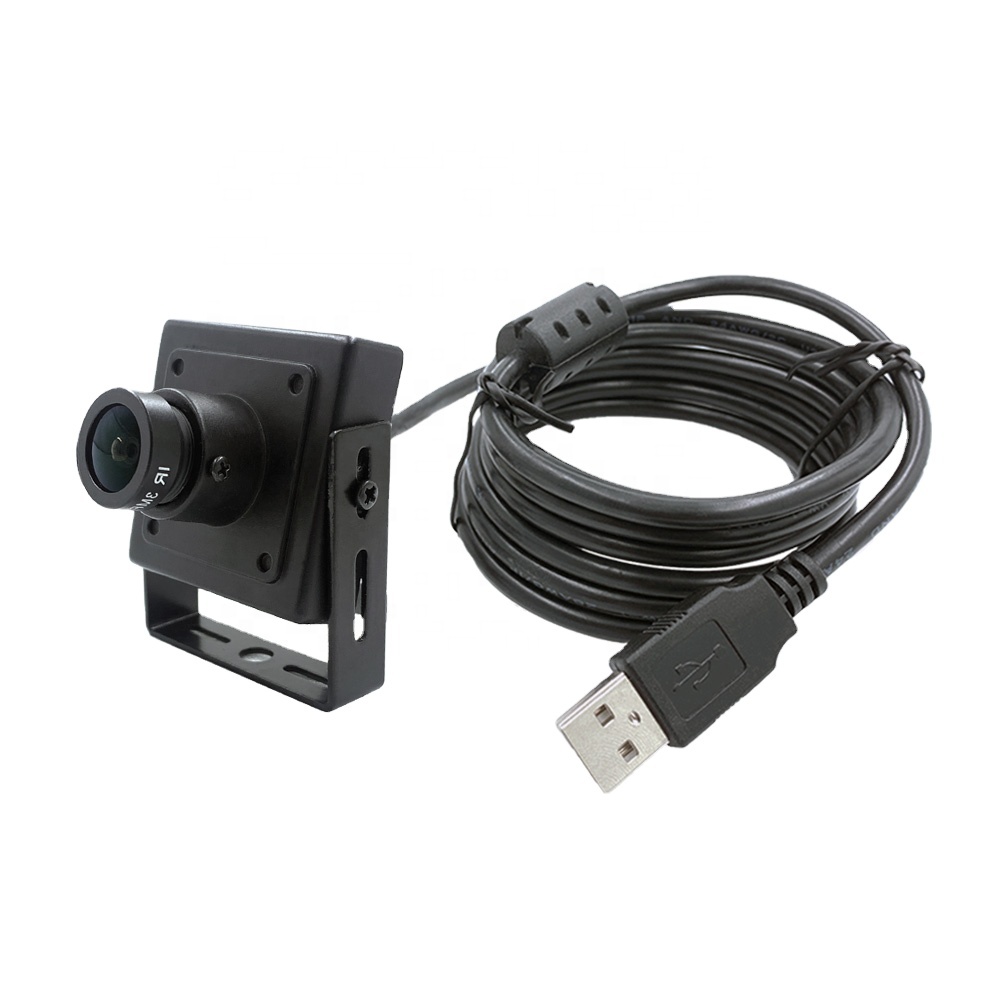
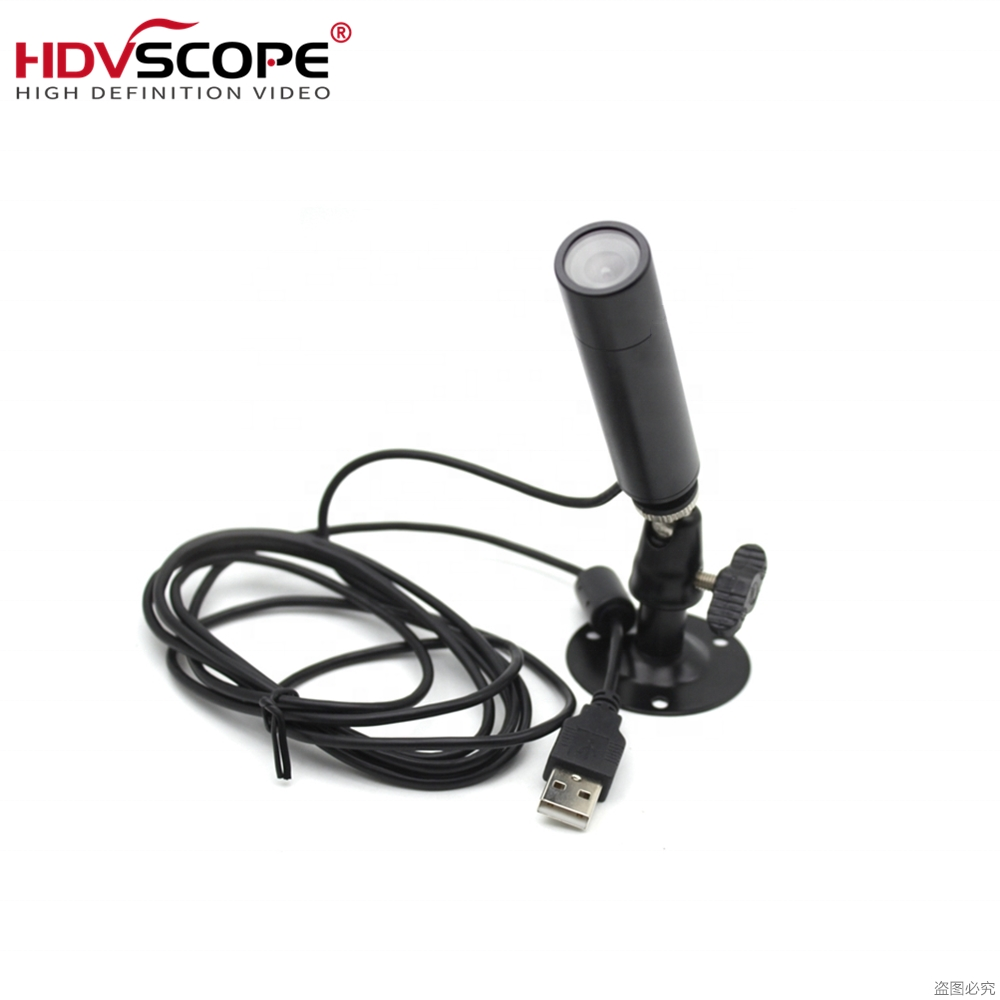
Cargo vessels and regional fishing fleets docking at the Bay of Gonaïves operate under intense humidity and high salinity. Traditional visual inspection of heat exchangers, exhaust manifolds, and ballast tanks requires labor-intensive disassembly. Utilizing our IP67 2.0MP Mini USB Industrial Camera with a 20mm stainless steel casing allows mechanics to slide the probe directly into tight diesel engine valves and raw water intake pipes. Real-time 1080P imagery captured at 30fps allows engineers to spot micro-pitting, scale formation, and rubber gasket degradation before catastrophic seawater ingress occurs.
3. Sourcing Trends & Direct Factory OEM Advantages for Local Buyers
Historically, buyers in Gonaïves and the broader West Indies relied on regional third-party trading intermediaries, incurring high markups and receiving outdated sensor stock. The modern B2B procurement paradigm has shifted toward direct OEM/ODM factory engagement. By connecting directly with specialized production lines in Shenzhen and Dongguan, local procurement officers achieve significant strategic advantages:
- Customized Optical Configuration: Tailoring focal length (from 2.1mm pinhole wide-angle up to 100mm optical zoom) to fit specific machinery enclosures.
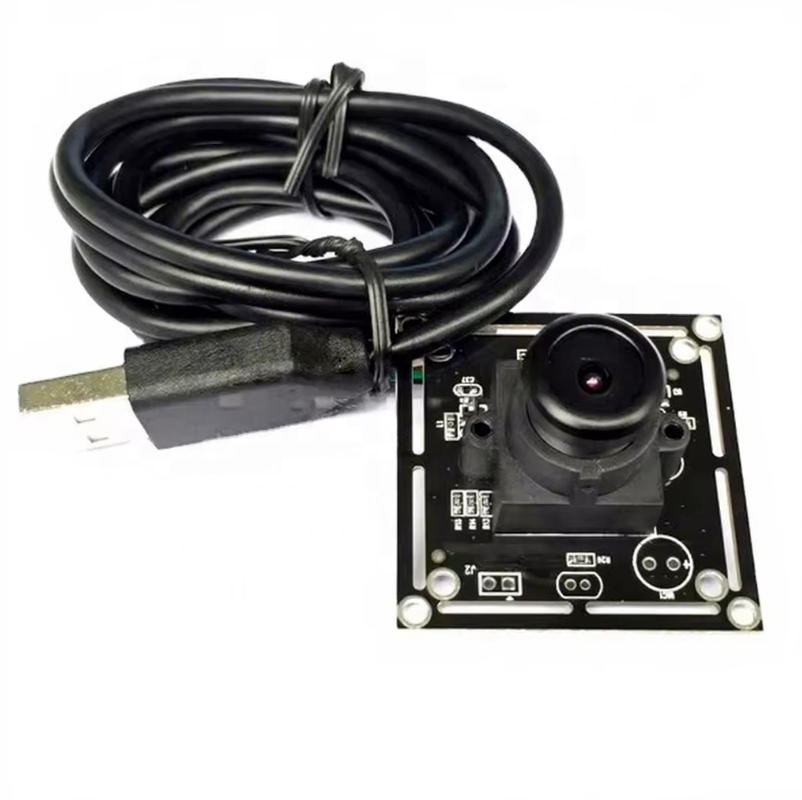
- Firmware & Interface Adaptation: Ordering UVC driver-free USB modules compatible with existing Android field tablets, Windows diagnostic laptops, or embedded Linux SBCs.
- Direct Protocol Customization: Integrating H.264/H.265 compression encoders on board to reduce streaming bandwidth over localized wireless networks.
- Traceable Component Sourcing: Genuine Onsemi, Sony STARVIS, and OmniVision CMOS sensors featuring verified batch numbers and consistent color rendering.
- Strict Cost Optimization: Eliminating distributor margins to lower unit acquisition costs by 35% to 50%, enabling larger fleet deployments.
4. Enterprise Engineering & Quality Control Framework
At Shenzhen Brekta Electronics Co., Ltd., quality engineering forms the foundation of our OEM/ODM operations. Producing high-yield micro camera modules and industrial endoscope assemblies requires rigorous contamination control and precision automated manufacturing.
SMT & Optical Alignment
Class 10,000 cleanroom environments house high-speed Yamaha SMT lines and active optical alignment (AA) machines, ensuring lens centers align with sub-micron accuracy over the CMOS active pixel area.
Multi-Stage Environmental Testing
Every camera batch undergoes extreme temperature cycling (-20°C to +70°C), salt spray corrosion chamber testing (ASTM B117 standard), and 100% water pressure sealing tests prior to dispatch.
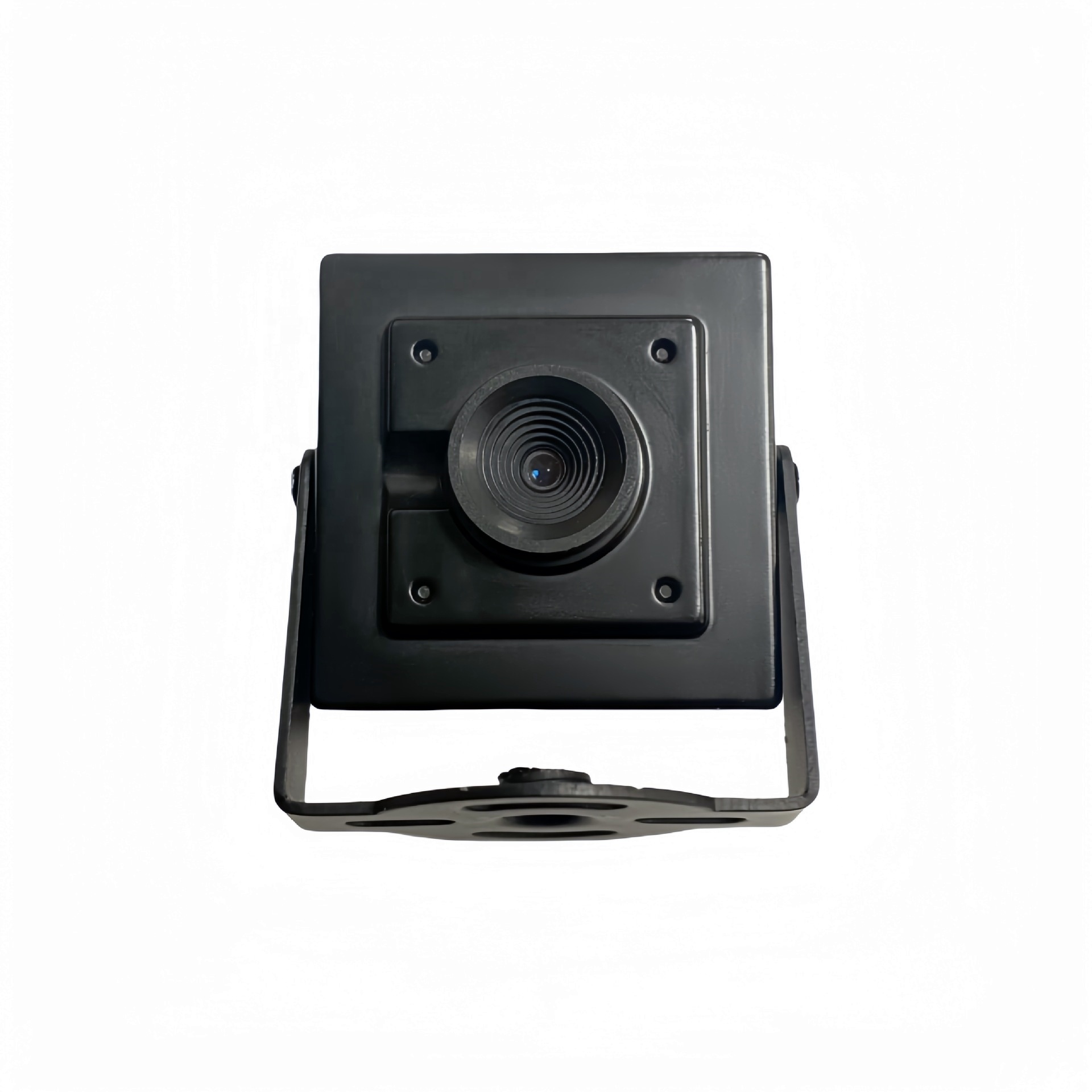
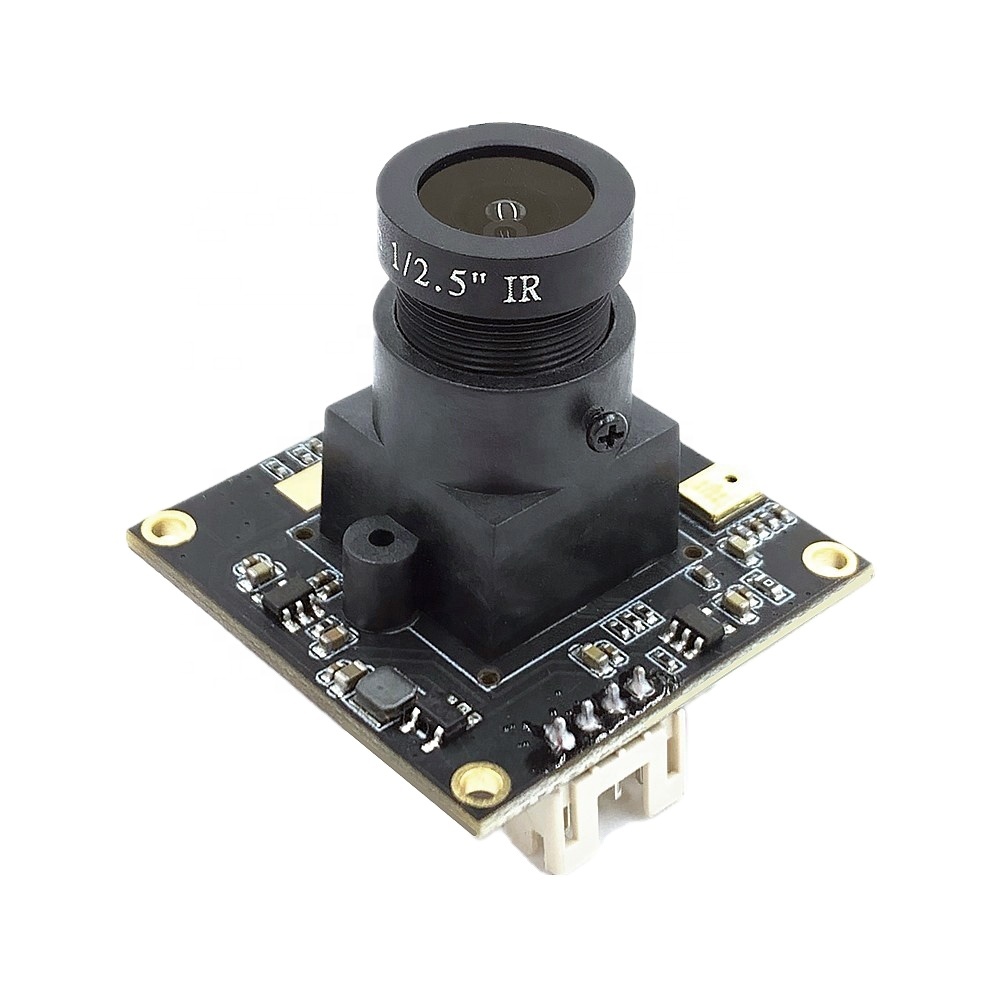
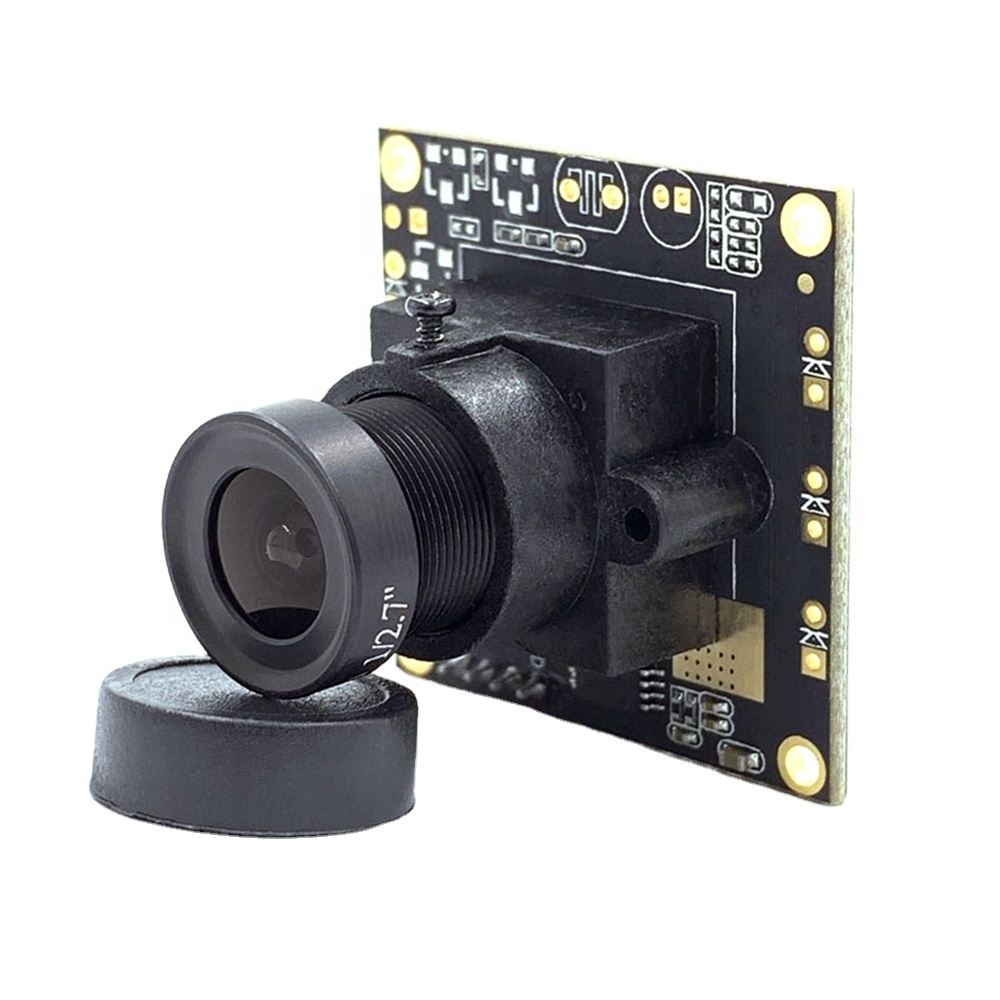
Our circuit design team utilizes Protel and Allegro suites to design compact multi-layer PCB boards (down to 15x15mm and 32x32mm standard form factors). Whether requiring a 60° narrow field-of-view for concentrated tube inspection or a 180° fisheye lens for full spatial awareness inside containers, our optical engineers deliver prototypes within 1 to 3 working days.
5. Technical Selection Guide for Endoscopic Hardware
When selecting an endoscope camera module for local industrial or commercial deployment in Gonaïves, engineers should evaluate key trade-offs across resolution, shutter mechanism, dynamic range, and physical interface:
- Rolling Shutter vs. Global Shutter: For stationary inspections (pipe walls, static engine blocks, structural welds), high-resolution rolling shutter sensors like the Onsemi AR0230 WDR or Sony IMX291 Starvis deliver unmatched low-light color fidelity. For high-speed rotating turbine blades or conveyor belts, global shutter modules eliminate motion blur.
- Focal Range Options: Fixed focus (3.6mm or 2.1mm board lenses) provides plug-and-play simplicity for set inspection distances. For variable depth requirements—such as scanning deep borehole walls or moving down long pipeline segments—high-speed Autofocus (AF) or motorized zoom modules automatically keep objects crisp without manual lens adjustment.
- Compression Protocols: Uncompressed YUY2 provides raw pixel data for precision computer vision algorithms, but requires USB 3.0 or high USB 2.0 bandwidth. Integrated hardware H.264 / MJPEG encoders compress video at the camera head, drastically lowering host processor load and enabling long cable transmission without frame dropping.