Precision Optical Camera Modules Shortlisted for Global & Local Integration
Engineered for high-reliability machine vision, wide-angle surveillance, ATM security, and automated scanning infrastructure.
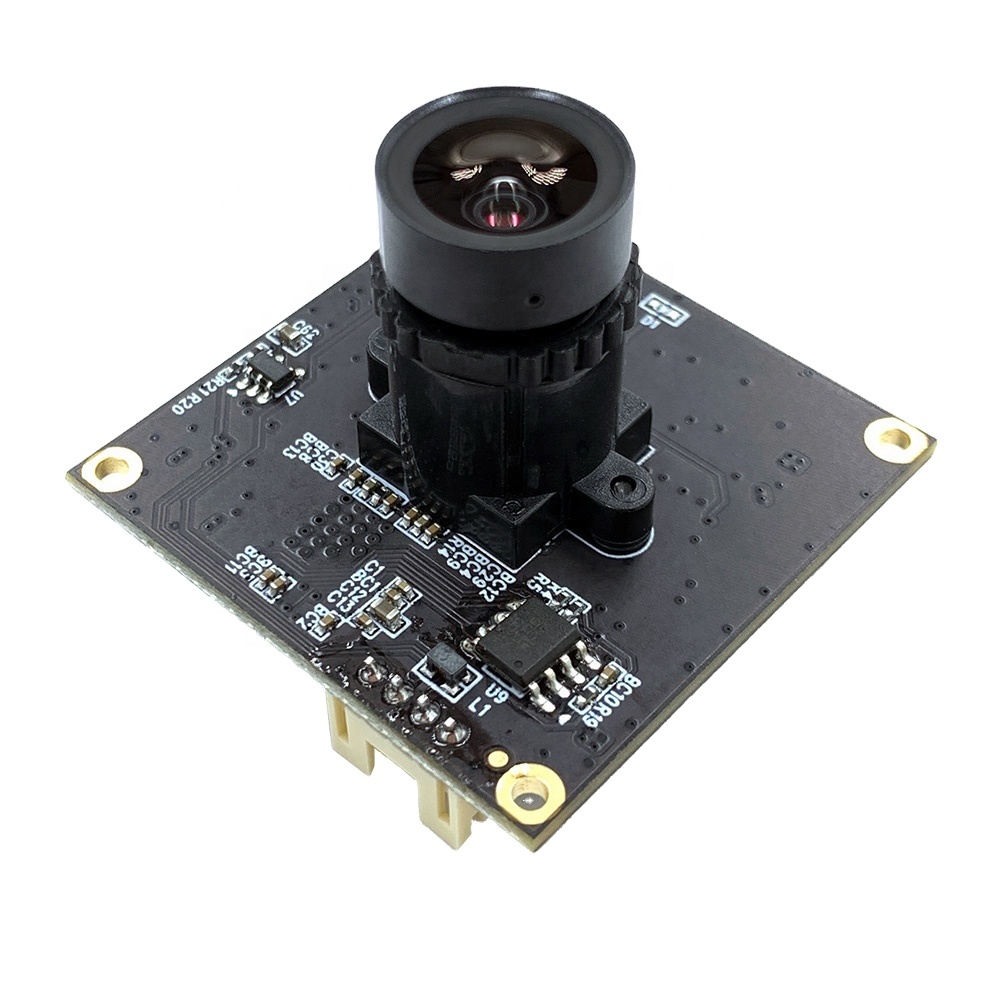
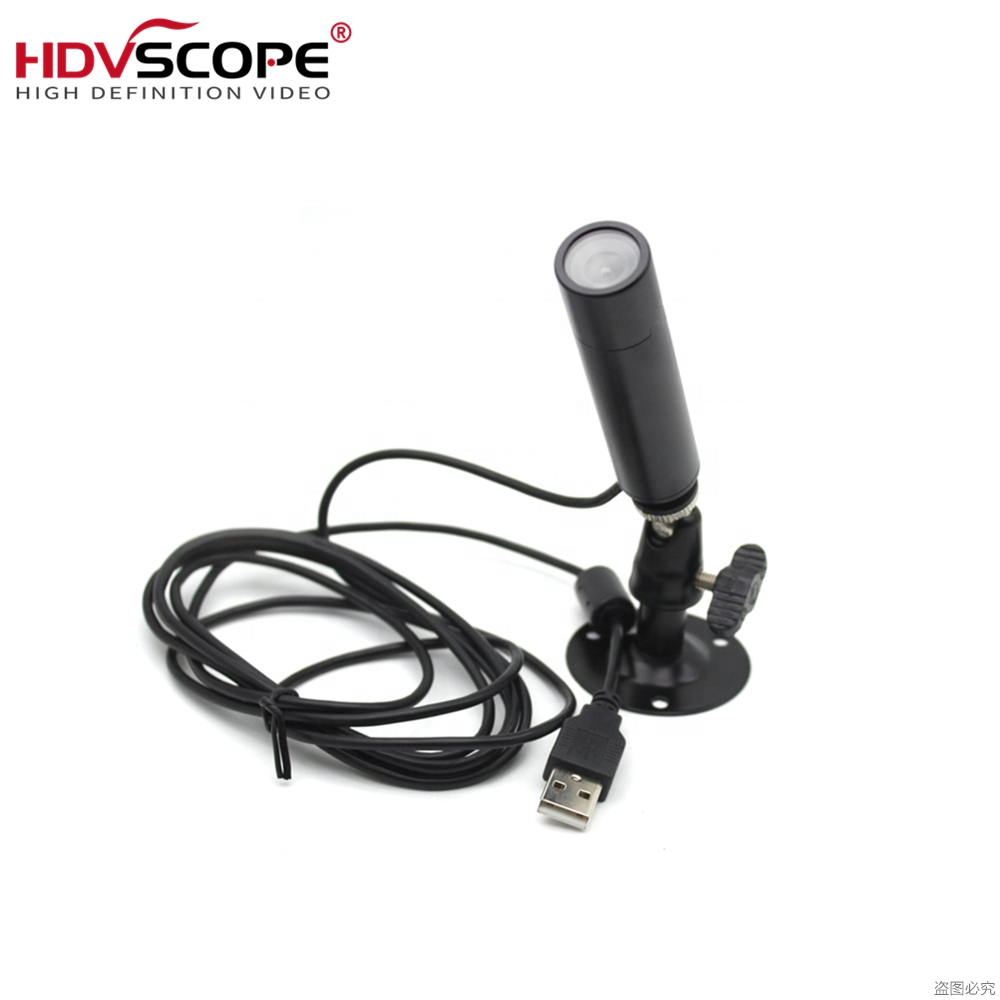
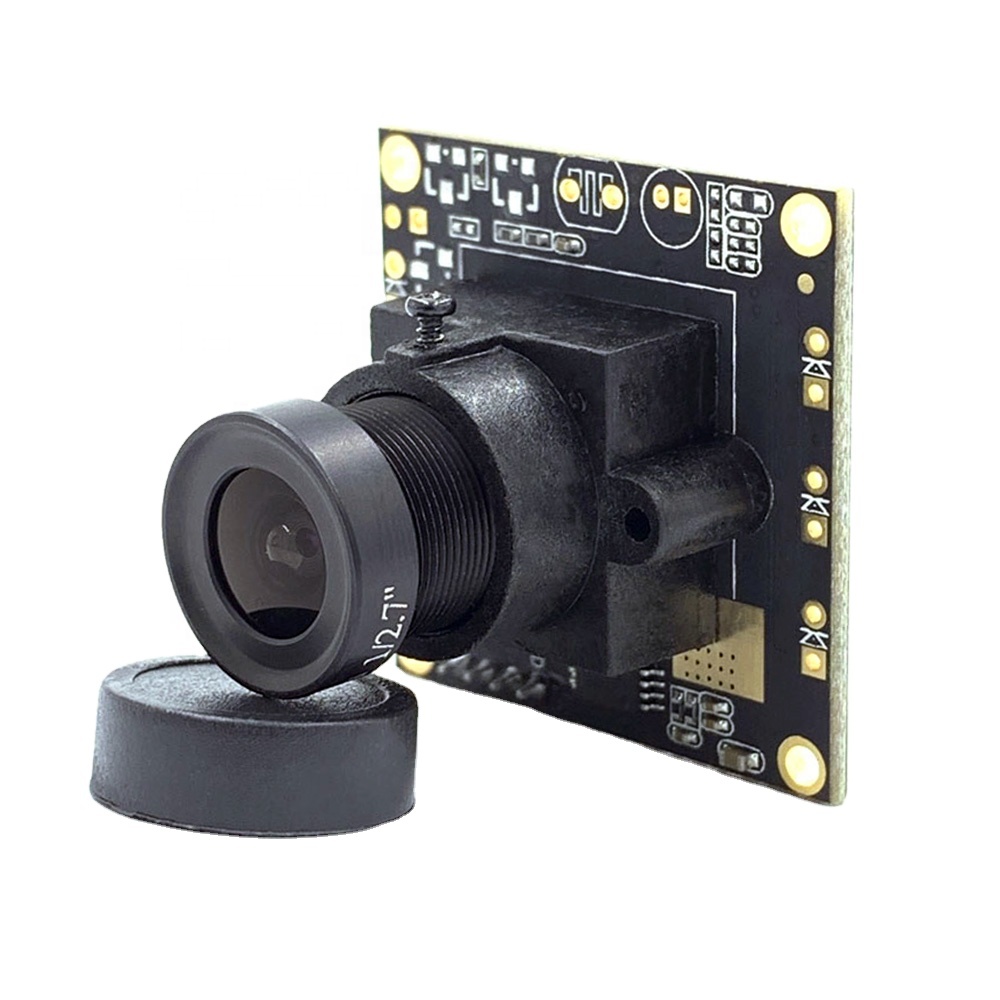

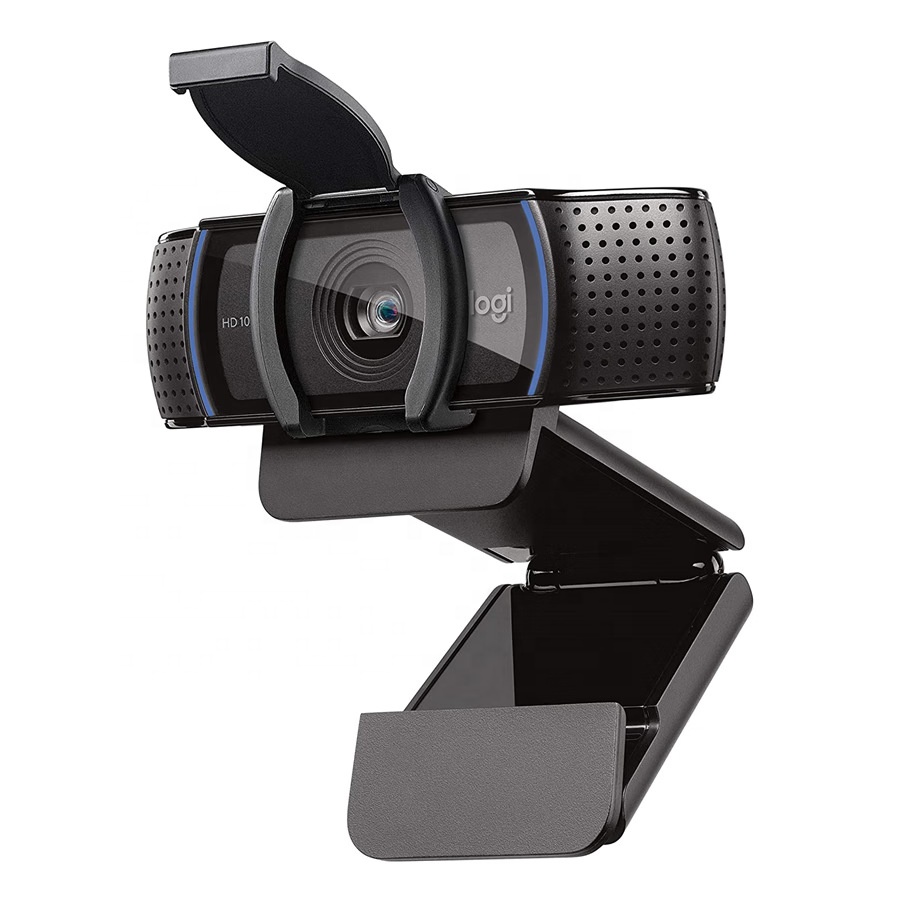
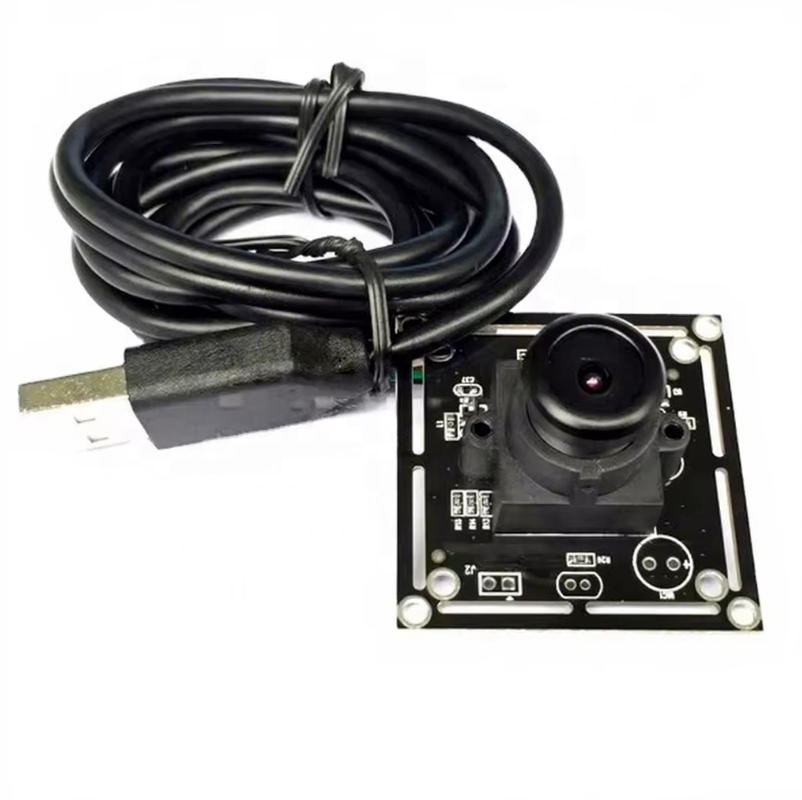
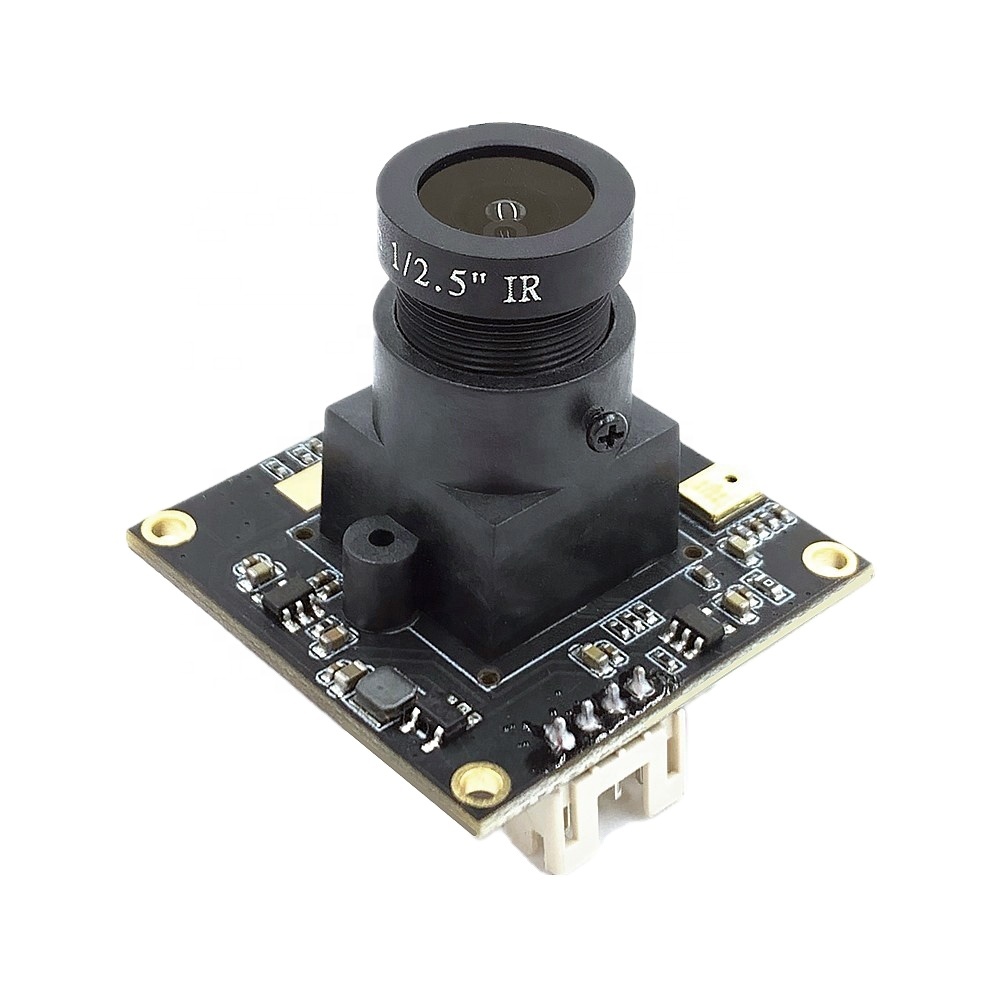
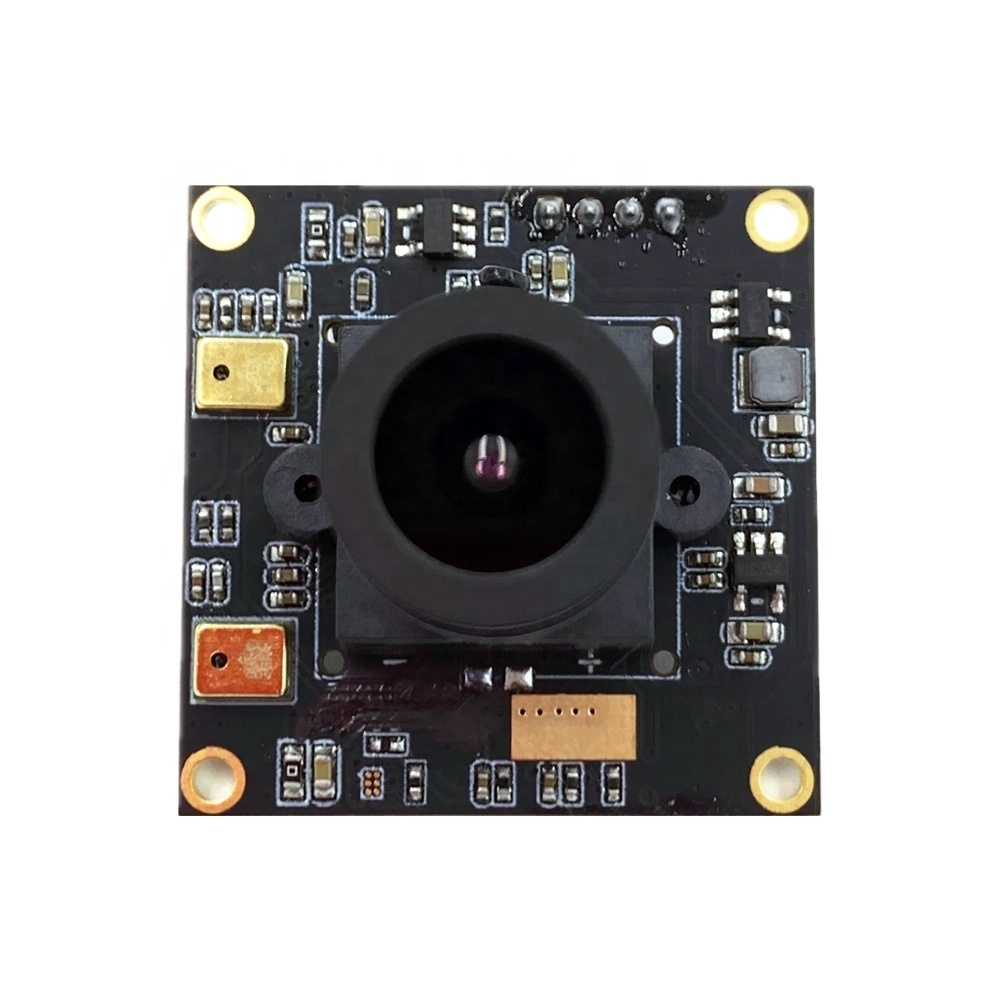
1. Technical Architectural Overview: Fisheye & Wide-Angle Camera Modules
Modern machine vision and smart terminal systems rely heavily on wide Field-of-View (FOV) imaging architectures. Standard narrow-angle lenses (e.g., 60° to 78° FOV) frequently introduce blind spots in commercial kiosk design, industrial quality inspection, traffic telematics, and automated security monitoring. A dedicated fisheye camera module utilizes customized optical lens elements—typically multi-glass (e.g., 4G2P or 6G all-glass assemblies) featuring f-theta equidistant or stereographic projection formulas—to capture ultra-wide angles ranging from 150° to 180° or full 360° hemispherical views onto a single CMOS image sensor.
In high-performance embedded systems, integrating an uncompensated optical fisheye lens creates characteristic barrel distortion. Consequently, system architects must evaluate the interaction between the optical assembly, image signal processor (ISP), and host processing platform. For hardware engineers sourcing solutions from global manufacturing hubs like Shenzhen to deployment destinations such as Quetzaltenango (Guatemala), finding the ideal balance between hardware-level dynamic range (HDR/WDR), low-light sensitivity (Sony Starvis series), sensor resolution, and real-time firmware dewarping is critical for overall system reliability.
Key Hardware Parameters in Miniature Module Engineering
- Optical Projection & Lens Construction: Utilizing all-glass M12 or M8 mounts with high thermal stability to maintain precise focal alignment across temperature fluctuations from 0°C to 50°C.
- Dynamic Range Capabilities: Hardware Wide Dynamic Range (WDR) utilizing dual-exposure or multi-exposure CMOS technology (such as Onsemi AR0230 or Sony IMX sensors) up to 105dB–120dB, ensuring image clarity when faces or objects are backlit by intense daylight against dark interior environments.
- Sensor Sensitivity & Low-Lux Performance: Low-illumination capabilities down to 0.001 Lux, utilizing backside-illuminated (BSI) pixel architectures to provide crisp night vision or ambient light capture without requiring high-power external infrared arrays.
- Interface Protocols: USB Video Class (UVC) compliance for driver-free operation across Linux (Ubuntu/Yocto), Android OS, Windows, and macOS, alongside RTSP/ONVIF streams over IP networks or uncompressed low-latency HD-SDI/AHD coax connections.
2. Regional Application Scenarios in Quetzaltenango & Western Guatemala
As the primary economic, industrial, and educational hub of Western Guatemala, Quetzaltenango (Xela) is experiencing significant modernization across manufacturing, agricultural logistics, retail banking, public transportation, and civic infrastructure. Operating equipment in the high-altitude climate of the Guatemalan highlands (elevated at approximately 2,330 meters above sea level) presents distinct operational demands, including intense direct UV exposure, sharp diurnal temperature swings, dust contamination in rural transport corridors, and voltage fluctuations in power grids. Deploying industrial camera modules in Quetzaltenango requires precise technical optimization tailored to these specific local environments.
Agricultural Processing & Coffee Sorting
Ultra-wide high-speed camera modules deployed over broad sorting belts capture wide areas with high frame rates (up to 330fps) for optical quality control in local coffee and agro-export facilities.
Textile & Apparel Quality Inspection
Quetzaltenango's active textile production zones employ 180° fisheye and wide-angle UVC modules above wide fabric looms to detect weave imperfections, color inconsistencies, and material misalignment in real time.
Banking ATMs & Self-Service Kiosks
Miniature 32x32mm or 38x38mm fisheye camera modules integrated inside financial terminals, ticket dispensers, and utility payment machines offer full transaction monitoring and anti-skimming protection.
Municipal Traffic & Public Transit Monitoring
Compact IP67-rated mini bullet and wide-angle modules installed on transit fleets, micro-buses, and municipal intersections handle extreme backlight during highland sunny hours while capturing broad road contexts.
3. Local Market Trends & B2B Procurement Evolution in Quetzaltenango
When sourcing optical imaging hardware, system integrators, municipal contractors, and local OEMs in Quetzaltenango are shifting away from off-the-shelf consumer webcams and bulky security box cameras. Modern engineering projects require embedded OEM camera boards that integrate directly into custom metallic or plastic enclosures via standardized M12/M8 lens mounts, JST/USB connectors, or ribbon flex cables.
Key Market Drivers in Western Guatemala:
- Rise of Edge-AI & Automated Identification: Local software developers and system integrators are building custom facial recognition, license plate recognition (LPR), and QR/document code scanning solutions running on low-power ARM Linux platforms (e.g., Raspberry Pi 4/5, NVIDIA Jetson Orin Nano, Rockchip RK3588). These platforms require driverless UVC compliant modules outputting clean YUY2 uncompressed video or lightweight MJPEG/H.264 video streams.
- Demand for All-Weather & High Dynamic Range Hardware: Due to the mountainous outdoor ambient lighting conditions in Xela—where shadows in urban corridors contrast sharply with high-altitude sunlight—optical hardware lacking dynamic range (<70dB) results in completely blown-out highlights or underexposed shadows. Demand for hardware-level 100dB+ WDR sensors (such as Onsemi AR0230 or Sony Starvis IMX291) has grown substantially.
- Cost Optimization through Direct Manufacturer Partnerships: B2B buyers in Guatemala seeking competitive margins are establishing direct OEM links with specialized manufacturers in China. This eliminates intermediary markups while providing custom options like modified board dimensions (from standard 38x38mm down to 15x15mm mini square boards), specialized lens focal lengths, custom cable lengths, and tailored USB vendor IDs (VID/PID).
4. Engineering Comparison: Optical Interfaces & Sensor Configurations
Selecting the optimal camera module interface dictates system architecture, power routing, and processing overhead. The table below outlines key technical considerations for engineers evaluating camera configurations for embedded deployments:
| Interface Standard | Supported Resolutions | Max Frame Rates | Ideal Application Context | Key Integration Advantage |
|---|---|---|---|---|
| USB 2.0 / 3.0 (UVC) | 2.0MP 1080p up to 16MP / 4K UHD | 30 fps @ 4K | 330 fps @ 1080p | ATMs, Interactive Kiosks, Medical Devices, Smart Fridges | Plug-and-play across Linux, Android, and Windows; zero driver installation. |
| IP Network (RTSP / ONVIF) | 2MP, 4MP, 5MP, 6MP Blacklight | 25 fps / 30 fps (H.264 / H.265) | Perimeter Security, Remote Fleet Telematics, NVR Integration | Long-distance cabling over CAT5e/6 with optional Power over Ethernet (PoE). |
| AHD / TVI / CVI (4-in-1 Coax) | 720p, 1080p Starlight | 25 fps / 30 fps (PAL / NTSC) | Vehicle Retrofits, Legacy DVR Upgrades, Pinhole Concealed Setup | Zero latency video transmission over coaxial cable up to 500 meters. |
| HD-SDI / Ex-SDI | 1080p Full HD | 30 fps / 60 fps uncompressed | Broadcast, High-Precision Inspection, Live Medical Monitoring | Uncompressed digital output with near-zero latency for critical feedback. |
| WiFi Smart (Tuya / iCSee) | 2MP, 3MP, 4MP Wide-Angle | 15 fps – 20 fps | Smart Home Door Eyes, Peepholes, Wireless Battery Camera Units | Rapid cloud app integration with P2P remote access and TF local storage. |
5. Technical & Logistical FAQ for Buyers in Quetzaltenango
6. Enterprise OEM/ODM Capabilities: Shenzhen Brekta Electronics
Shenzhen Brekta Electronics Co., Ltd. is a specialized manufacturer focused on miniaturized, high-definition camera modules and industrial optical equipment. Backed by dedicated SMT surface-mount manufacturing lines, cleanroom optical assembly facilities, and rigorous quality control testing in Guangdong, China, Brekta provides custom imaging hardware to system integrators, terminal manufacturers, and distributors worldwide.
13+ Years Engineering
Extensive experience in PCB design (Protel / Allegro), ISP tuning, and optical alignment for industrial imaging hardware.
100% Quality Inspection
Every camera module undergoes sensor pixel testing, automated optical alignment (AA), focus calibration, and burn-in before packing.
Global Certifications
Full product compliance with CE, FCC, and RoHS environmental standards for smooth international clearance and local distribution.
24-Month Warranty
Comprehensive two-year factory warranty protection, including lifetime technical engineering support for foreign buyers.
Inquire for Technical Specifications & OEM Pricing
Planning a custom kiosk, industrial machine vision project, or surveillance deployment in Quetzaltenango or Central America? Contact our technical engineering sales team today to request hardware samples, custom optical quotes, and complete product documentation.