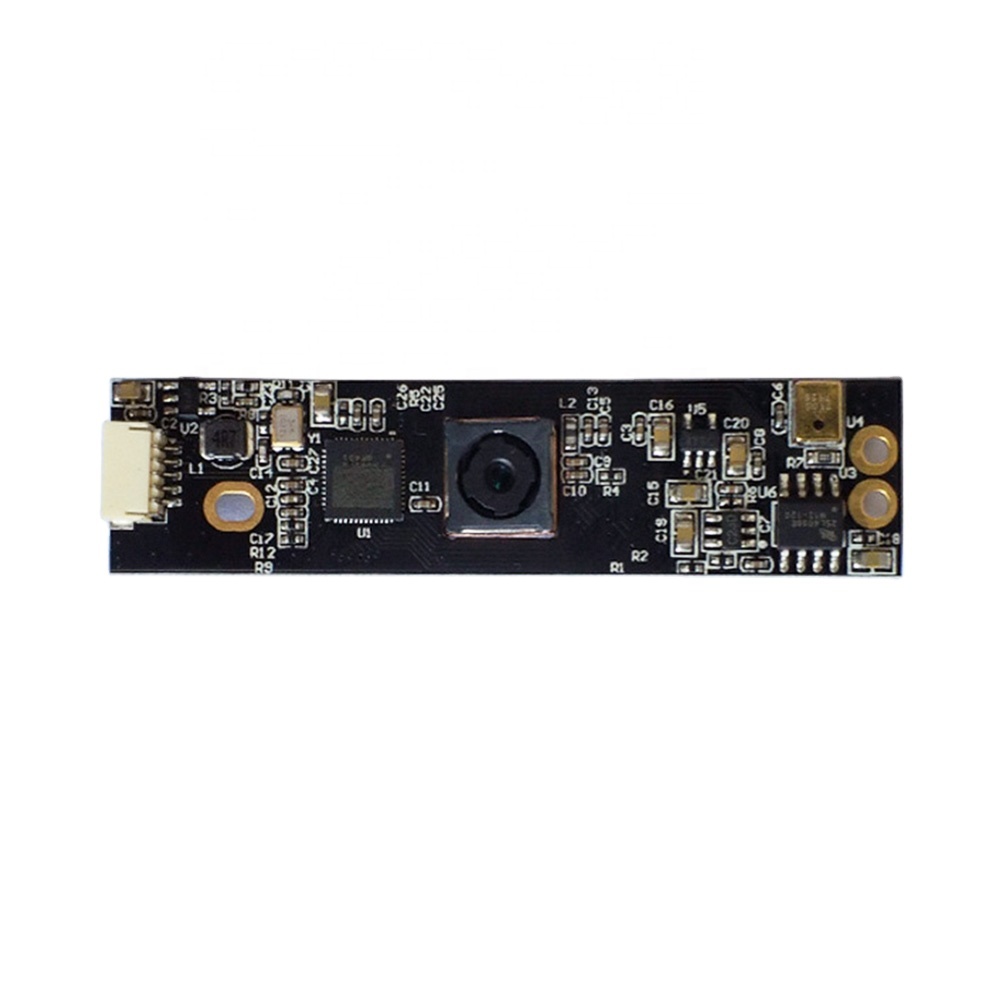
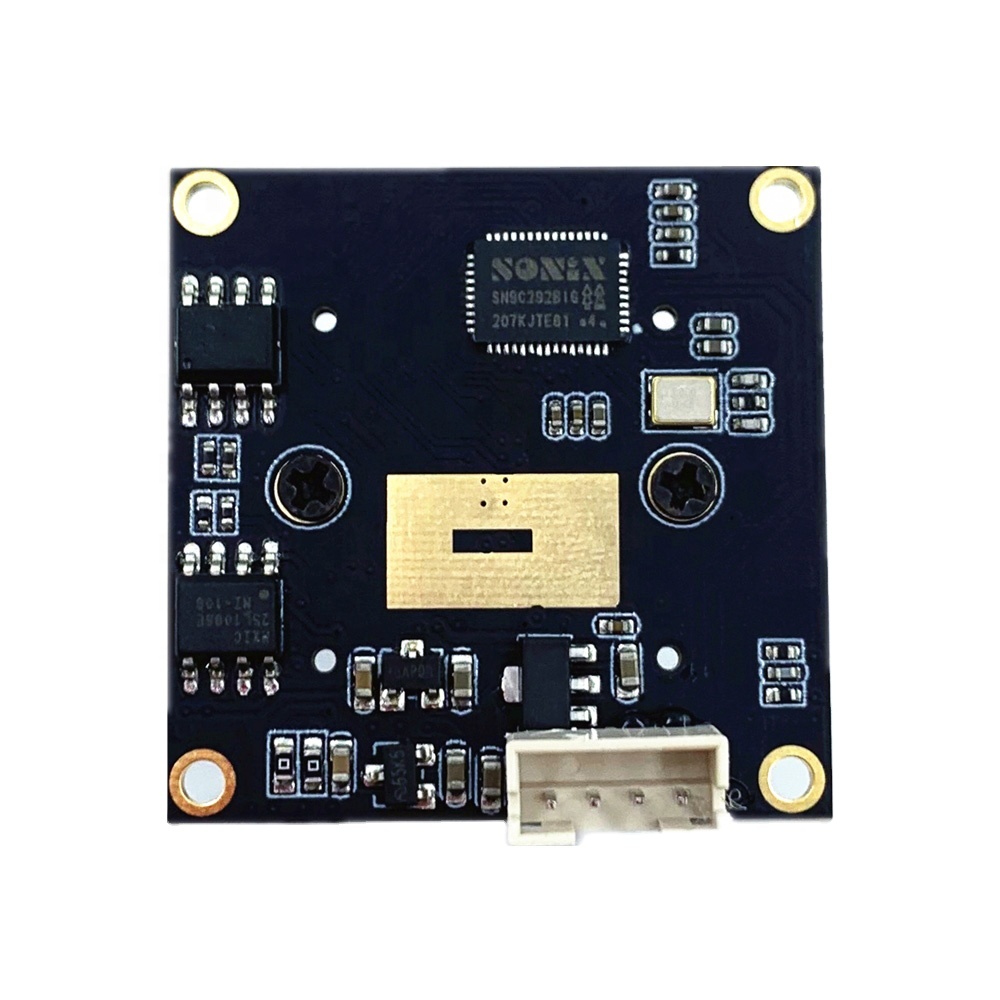
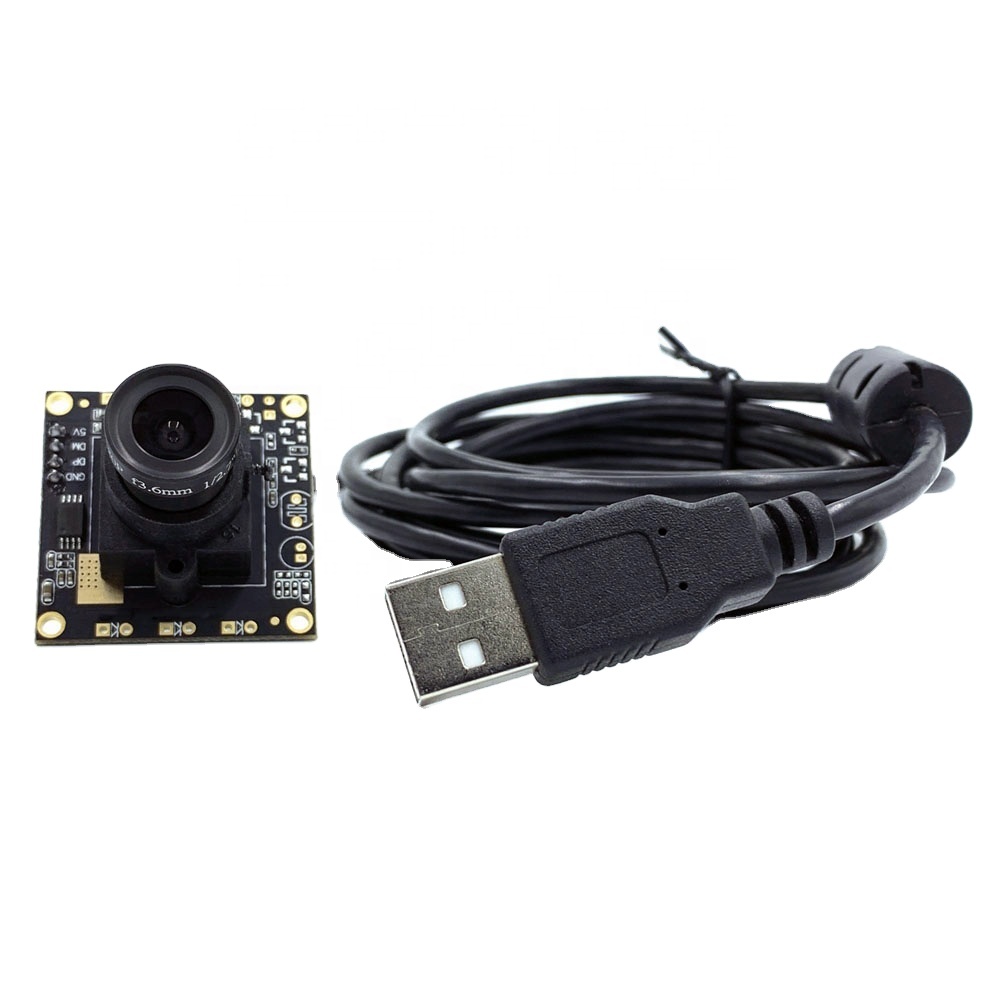
Featured High-Performance Camera Modules
Engineered by Shenzhen Brekta Electronics Co., Ltd. for seamless deployment across European automation, security, and industrial vision frameworks.
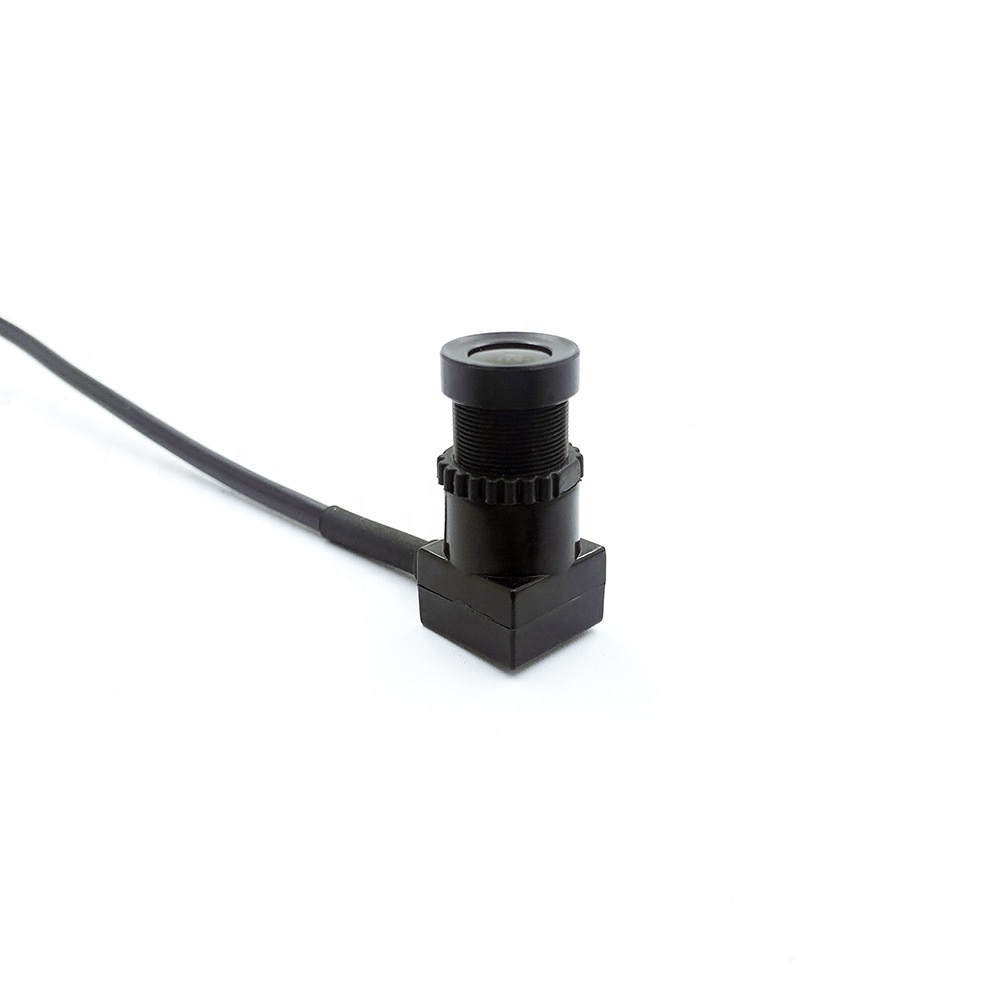
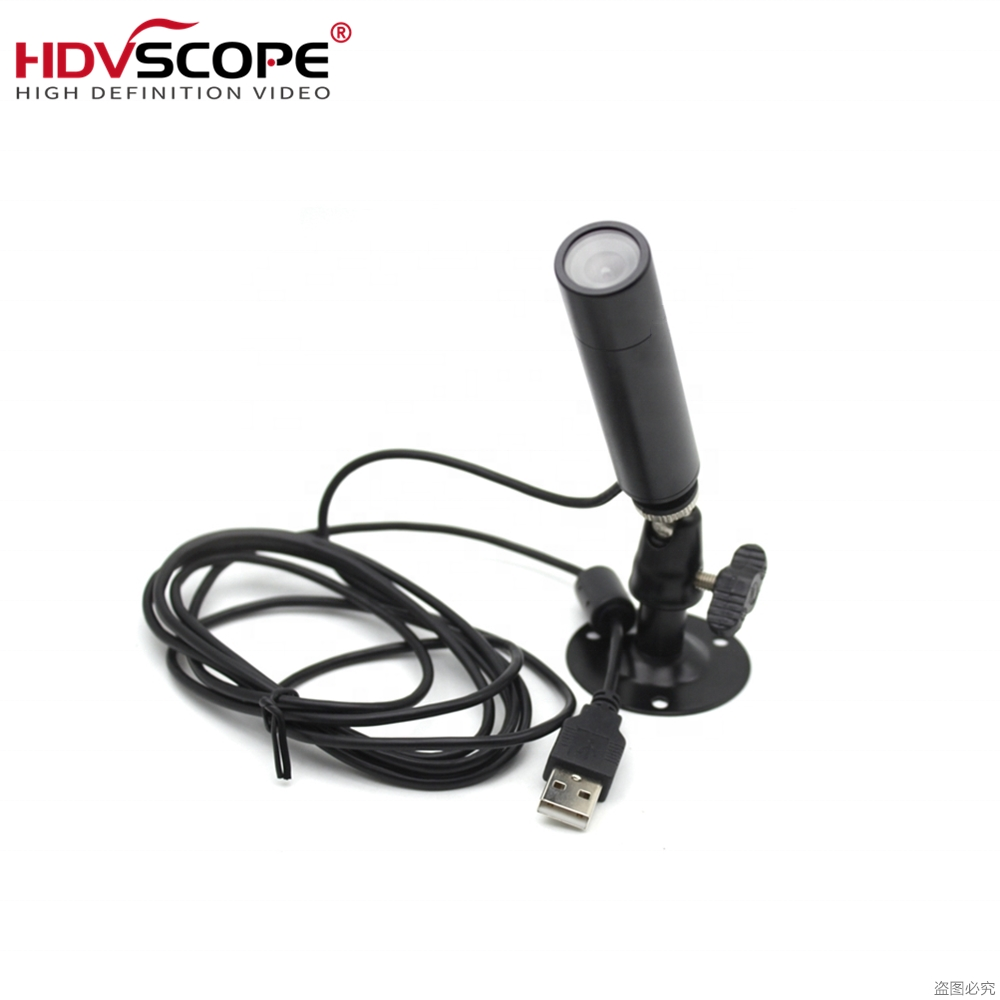
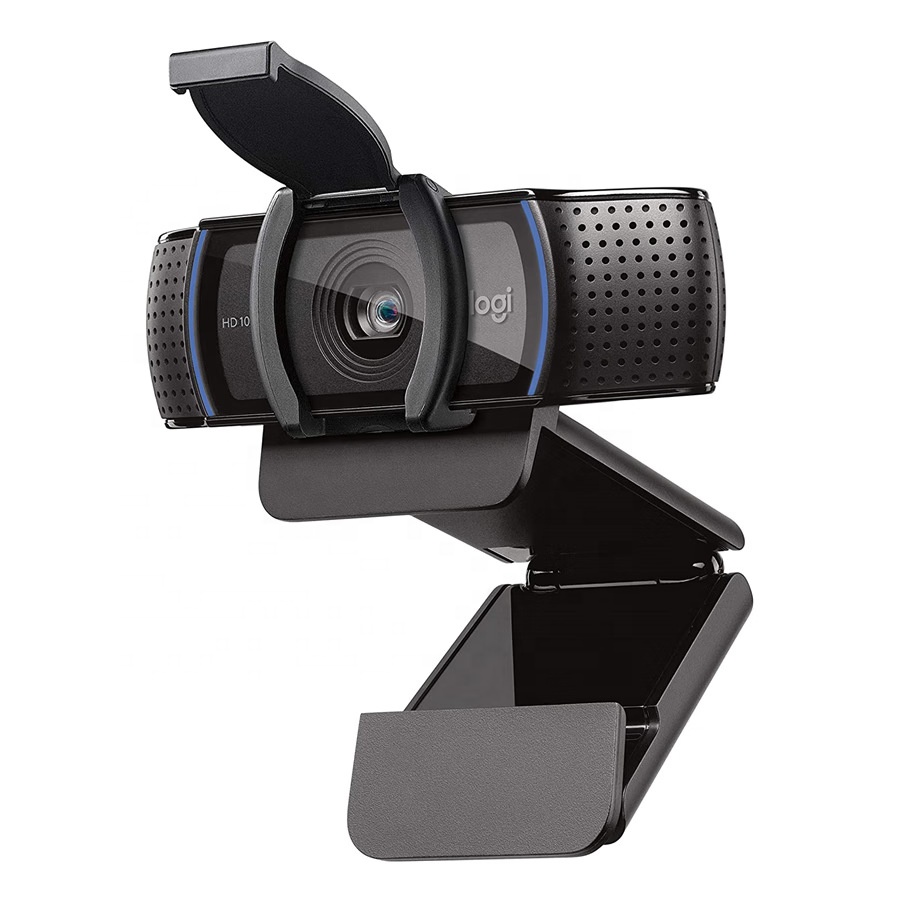
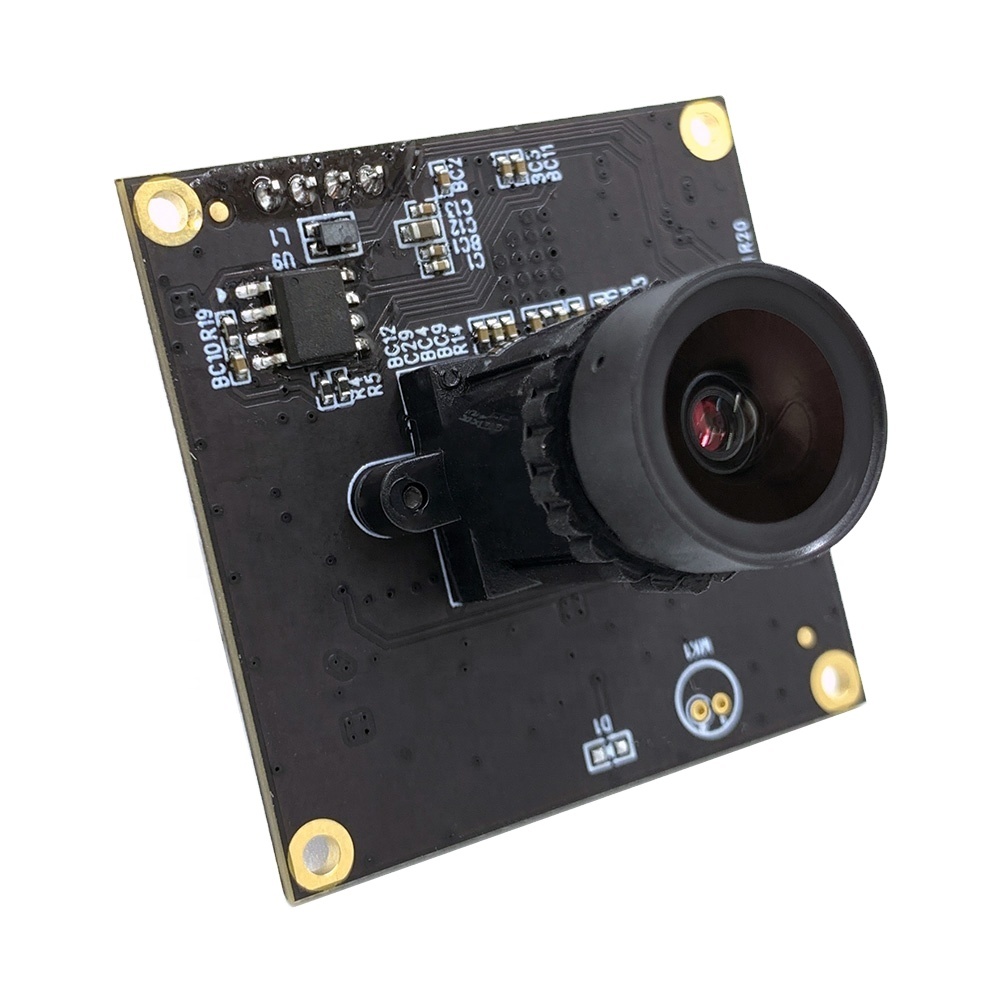

Whitepaper: Deploying HD-SDI Mini Bullet Cameras in Copenhagen's Modern Infrastructure
As Copenhagen continues to solidify its position as a global model for smart city engineering, green urban mobility, and advanced maritime logistics, the demand for precision imaging hardware has evolved significantly. Modern municipal, transport, and industrial projects within the Capital Region of Denmark (Hovedstaden) require video acquisition equipment that balances ultra-compact physical footprints with uncompromising optical performance. Specifically, the adoption of HD-SDI (High-Definition Serial Digital Interface) Mini Bullet Cameras has surged among Danish system integrators, automated security developers, and industrial equipment manufacturers.
Unlike standard compressed IP (Internet Protocol) network cameras, which introduce inherent frame-buffering latencies, bandwidth fluctuations, and vulnerability vectors to cyber-attacks, direct-stream HD-SDI technology delivers raw, uncompressed 1080p and 4K digital video over coaxial cabling with true zero-latency performance. For time-critical automated decision-making engines—such as machine vision quality control on pharmaceutical packing lines in Ballerup or real-time traffic flow telemetry across the Dronning Louises Bro—HD-SDI mini bullet cameras engineered by Shenzhen Brekta Electronics Co., Ltd. offer a crucial operational advantage.
The Shift to Uncompressed Zero-Latency Video in Nordic Automation
System architects operating throughout Zealand and the wider Baltic region face rigorous operational challenges. High-speed rail automation on the S-tog network, port monitoring at Copenhagen Malmö Port (CMP), and autonomous maritime shuttle navigation along the harbour canals demand frame-accurate imaging. When video signals are compressed via H.264 or H.265 encoders inside standard IP camera modules, packetization latencies ranging from 120ms to over 400ms are routinely introduced. In high-speed visual analytics, a 200-millisecond delay at 60 km/h equates to a spatial displacement of over 3.3 meters—an unacceptable margin of error for automated safety stops or optical license plate recognition (ALPR).
Brekta’s OEM HD-SDI Mini Bullet Cameras transmit pristine digital signals following SMPTE 292M and SMPTE 424M standards directly to local Frame Grabbers, Edge AI Processors, or Broadcast Video Switchers. By eliminating onboard video compression, visual data arrives at the host computer with zero frame lag, enabling microsecond algorithmic processing and instant response triggers.
Localized Application Scenarios Across Greater Copenhagen
Custom optical configurations engineered specifically to solve micro-environment challenges in the Capital Region of Denmark.
Copenhagen Harbor & Maritime Patrol
Navigating the Nordhavn basin, Nyhavn canals, and offshore wind service vessels exposes surveillance equipment to harsh Baltic saline spray and extreme humidity. Brekta’s micro bullet cameras feature C4/C5 marine-grade anodized aluminum enclosures, double-sealed O-rings, and hydrophobic glass coatings that prevent salt-crust accumulation, maintaining crystal-clear optical lines of sight 24/7/365.
S-tog & Metro Rolling Stock Security
Compact installation space within train cabs, doorway vestibules, and automated ticket kiosks requires mini bullet cameras measuring under 20mm in diameter. Utilizing high-sensitivity Sony STARVIS CMOS sensors with Wide Dynamic Range (WDR), these units handle rapid light transitions when trains burst out of underground Metro tunnels into bright Scandinavian daylight.
Cycle Superhighway (Cykelslange) Traffic AI
Copenhagen’s world-renowned cycling infrastructure demands non-intrusive traffic counting and safety analytics. Compact HD-SDI bullet cameras discreetly mounted on light poles stream uncompressed video feeds to edge computing boxes, analyzing bicycle density, helmet compliance, and cargo bike dimensions without violating pedestrian privacy or visual municipal aesthetics.
Localized Market & Technological Development Trends in Denmark
1. Strict GDPR Compliance & Cloud-Independent Local Video Streams
Under Datatilsynet (Danish Data Protection Agency) regulations and European Union GDPR mandates, storing raw video feeds on public cloud servers creates stringent legal liabilities for municipal authorities and enterprise integrators. HD-SDI mini bullet cameras address this risk fundamentally: because HD-SDI is a point-to-point physical coaxial protocol without an IP address, MAC address, or network stack, the hardware cannot be remotely intercepted or compromised via network penetration attacks. Danish integrators can process video streams locally on air-gapped processing servers, guaranteeing 100% data sovereignty and regulatory compliance.
2. Cold-Climate Operational Engineering (-30°C Start-up Capabilities)
Winter conditions in Denmark require electronic components engineered to survive freezing temperatures, frost thaw cycles, and persistent condensation. Brekta’s specialized HD-SDI mini bullet series integrates internal thermal management, low-power heating elements, and industrial-grade dielectric circuit boards designed for cold-start performance down to -30°C. This ensures uninterrupted operation across remote weather monitoring stations, highway toll gantries on the Øresund Bridge, and outdoor industrial logistics hubs in Taastrup.
3. Integration with Edge AI Vision Processing Architecture
Modern smart city infrastructure in Copenhagen relies heavily on artificial intelligence models running at the edge (NVIDIA Jetson, Intel OpenVINO, and Hailo AI accelerators). Traditional IP camera compression artifacts—such as blockiness, blur, and color subsampling (4:2:0)—degrade deep learning inference accuracy. HD-SDI delivers uncompressed 4:2:2 chroma video directly into capture cards, preserving sub-pixel details required for high-accuracy facial recognition, optical character recognition (OCR), and subtle industrial defect detection.
Interface Benchmark: HD-SDI vs. IP vs. USB 3.0 for System Integrators
A comparative engineering overview to assist Danish procurement teams in selecting the optimal sensor interface for custom integration projects.
| Performance Criterion | HD-SDI (Uncompressed) | IP Network (H.264/H.265) | USB 3.0 / UVC |
|---|---|---|---|
| Signal Latency | 0 ms (Instantaneous) | 120 ms – 400 ms (Buffered) | 15 ms – 50 ms (Bus dependent) |
| Max Transmission Distance | 100m – 300m (RG59 / Ex-SDI) | 100m (Ethernet, extendable) | 3m – 5m (Without active repeaters) |
| Cyber Security Risk | Zero Risk (Air-Gapped Coax) | High Risk (Requires firmware patch management) | Low Risk (Local host attached) |
| Video Quality | Uncompressed Raw 4:2:2 Color | Lossy Compression Artifacts | Uncompressed / MJPEG / H.264 |
| System Architecture | Point-to-Point Coaxial / BNC | Switched IP Network / Router | Direct PC Bus Master Connection |
| Maintenance Cost | Ultra-Low (Plug & Play Hardware) | Moderate (Network maintenance required) | Low (Local device dependent) |
Why Partner with Shenzhen Brekta Electronics Co., Ltd.?
Shenzhen Brekta Electronics Co., Ltd. is a premier high-tech enterprise backed by over 13 years of specialized manufacturing experience in miniaturized camera engineering, custom PCB design, and optical optimization. With modern manufacturing facilities located in Shenzhen and Dongguan, China, we operate cleanroom SMT production lines and state-of-the-art optical alignment stations capable of delivering industrial-grade imaging solutions tailored to global OEM/ODM specifications.
Tailored Optical & PCB Design
Our senior hardware engineering team utilizes advanced EDA design suites (Protel, Allegro) to develop custom PCB board shapes (including ultra-thin 15x15mm, 32x32mm, and 38x38mm form factors), specialized cable pinouts, custom lens focal lengths (from 1.7mm fisheye to 12mm telephoto), and custom IR-cut filter triggers.
Strict Quality Control & Certification
Every camera module undergoes stringent multi-stage quality assurance: 100% incoming component inspection, automated optical SMT verification, 48-hour high-temperature burn-in testing, and individual image resolution calibration. All products carry official CE, FCC, and RoHS certifications for seamless European import compliance.
Flexibility, Fast Logistics & Warranty
We support Nordic business partners with low order thresholds, offering sample evaluation orders from MOQ 1 piece with rapid sample dispatch within 1 to 3 working days. All products are backed by a comprehensive 24-month factory warranty and lifetime technical engineering support.
Frequently Asked Questions for Nordic B2B Buyers
Clear technical answers addressing procurement, custom engineering, delivery, and compliance questions from Danish system integrators.
Request a Technical Quote or Custom Sample Evaluation
Send us your project specifications, target housing dimensions, optical FOV requirements, or interface preferences. Our engineering team will review your requirements and provide an optimized recommendation within 2 hours.