OEM USB Camera Modules for Machine Vision & Smart Terminals
Explore our most-requested USB 2.0 / USB 3.0 UVC camera boards—engineered with Sony STARVIS, Onsemi CMOS, WDR, and high-speed hardware video compression.

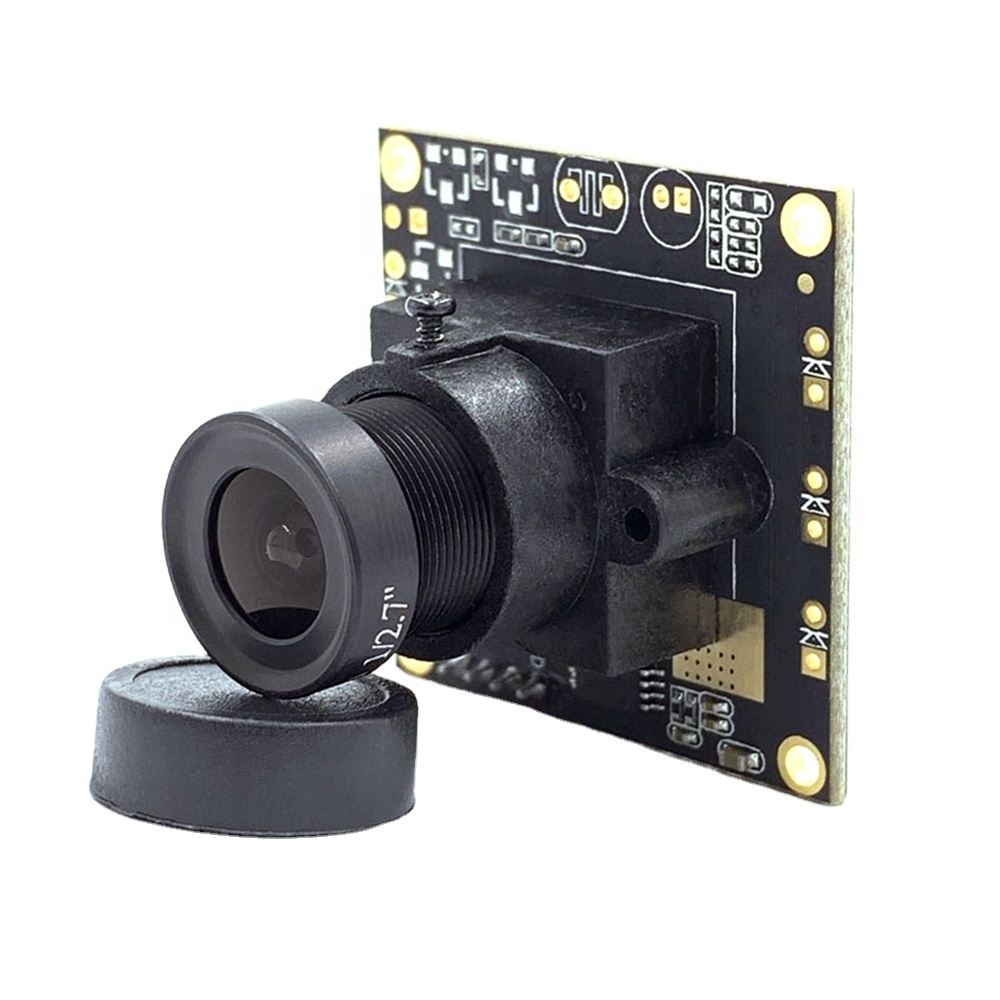
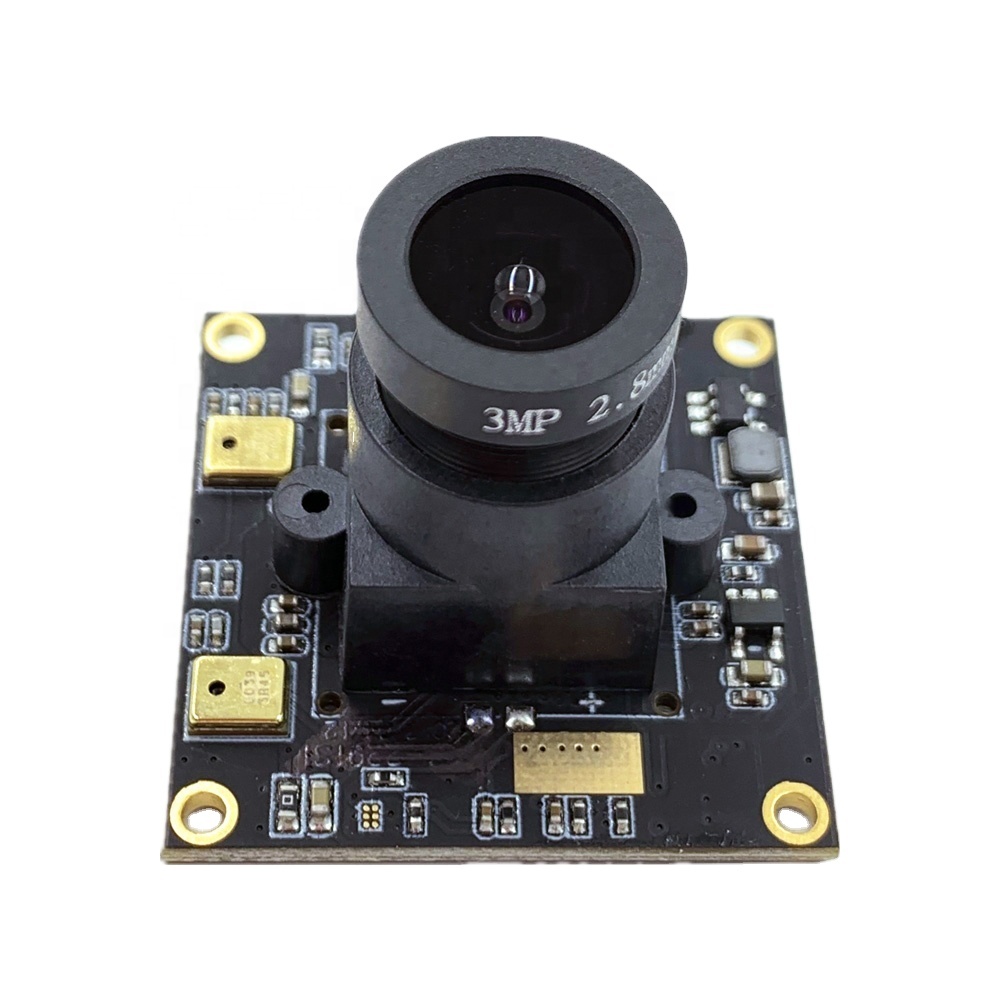
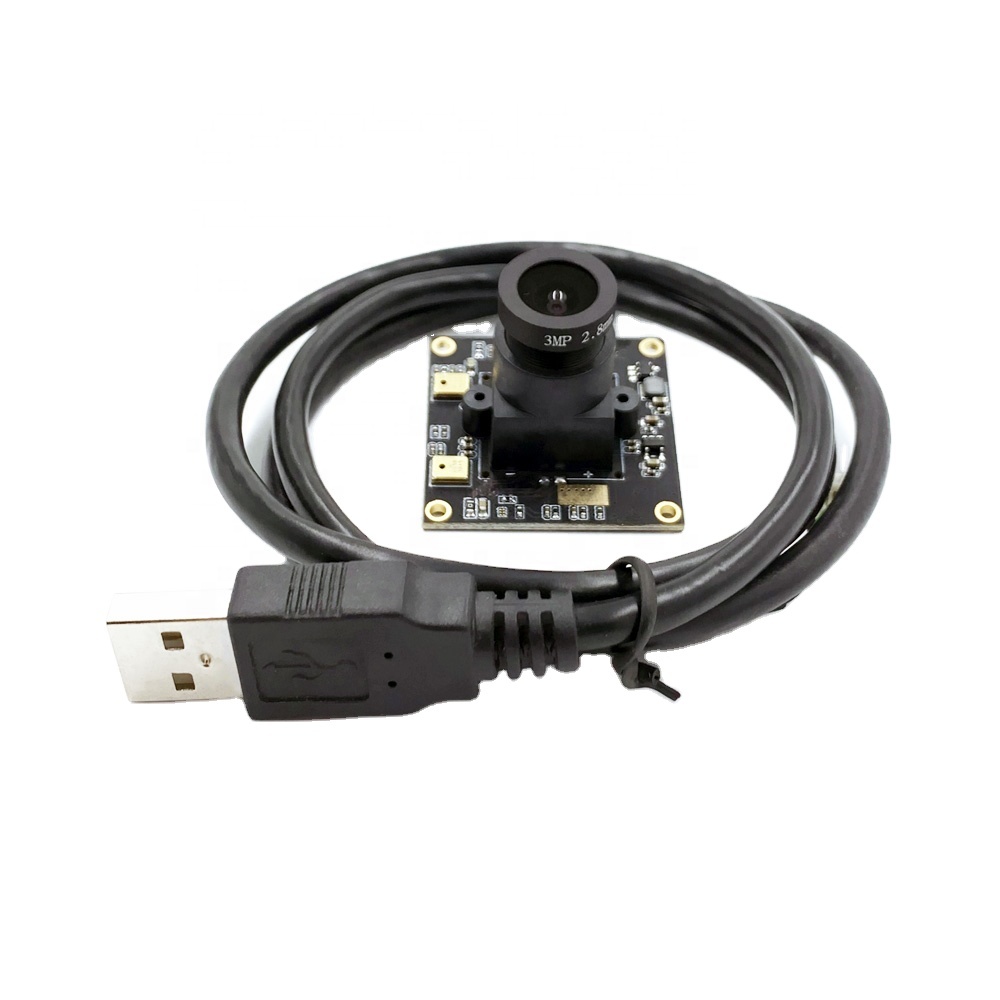
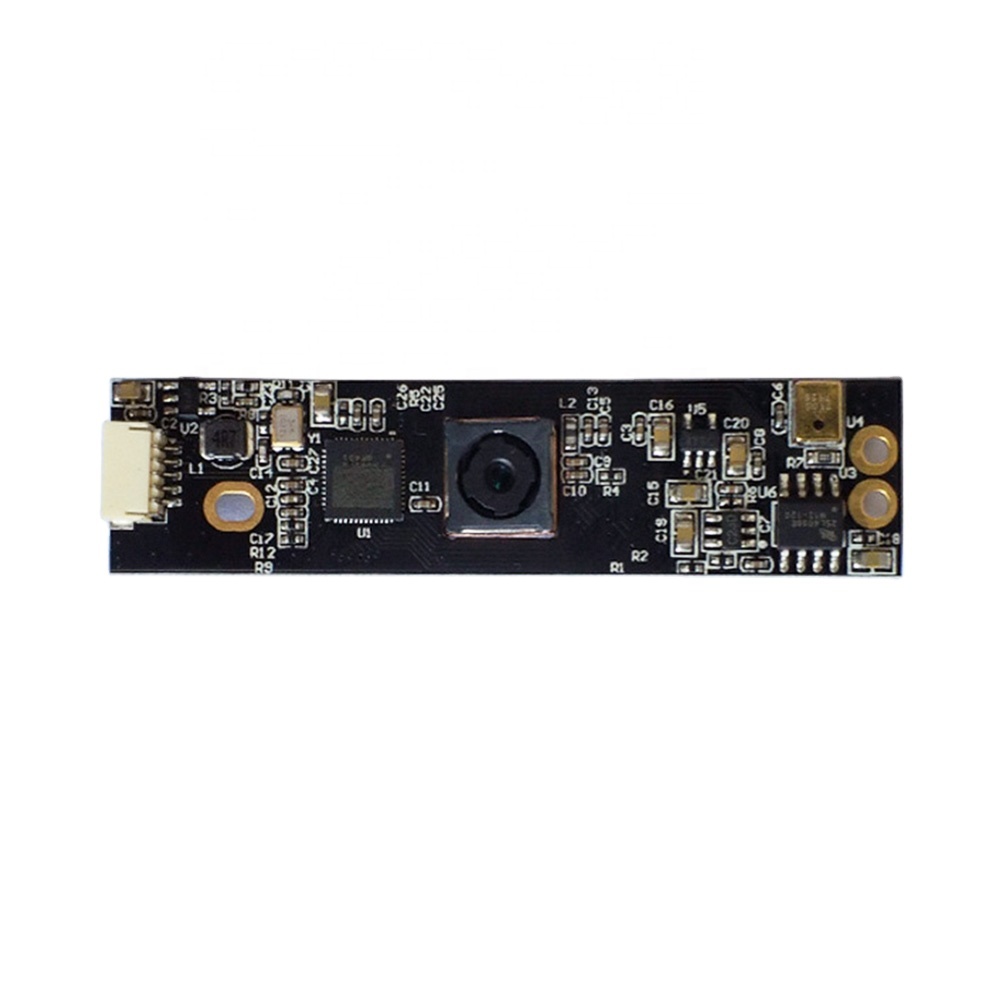
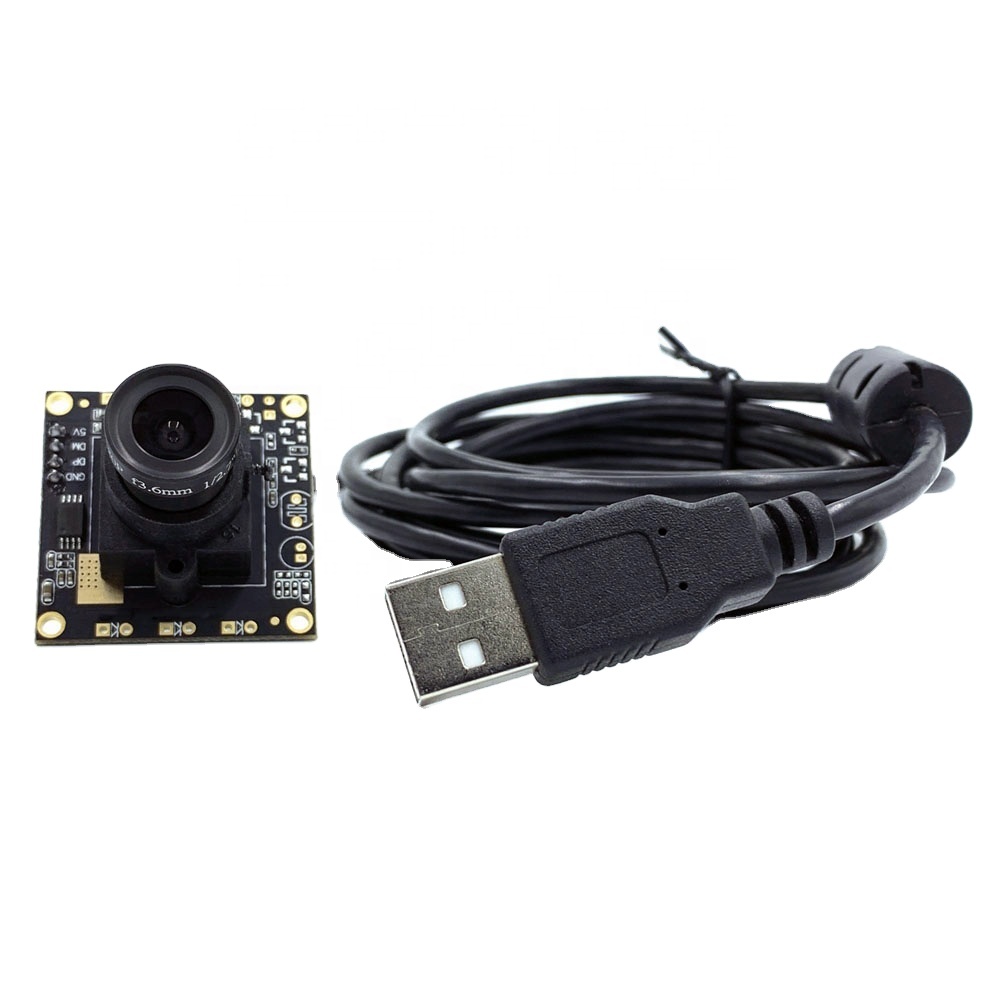
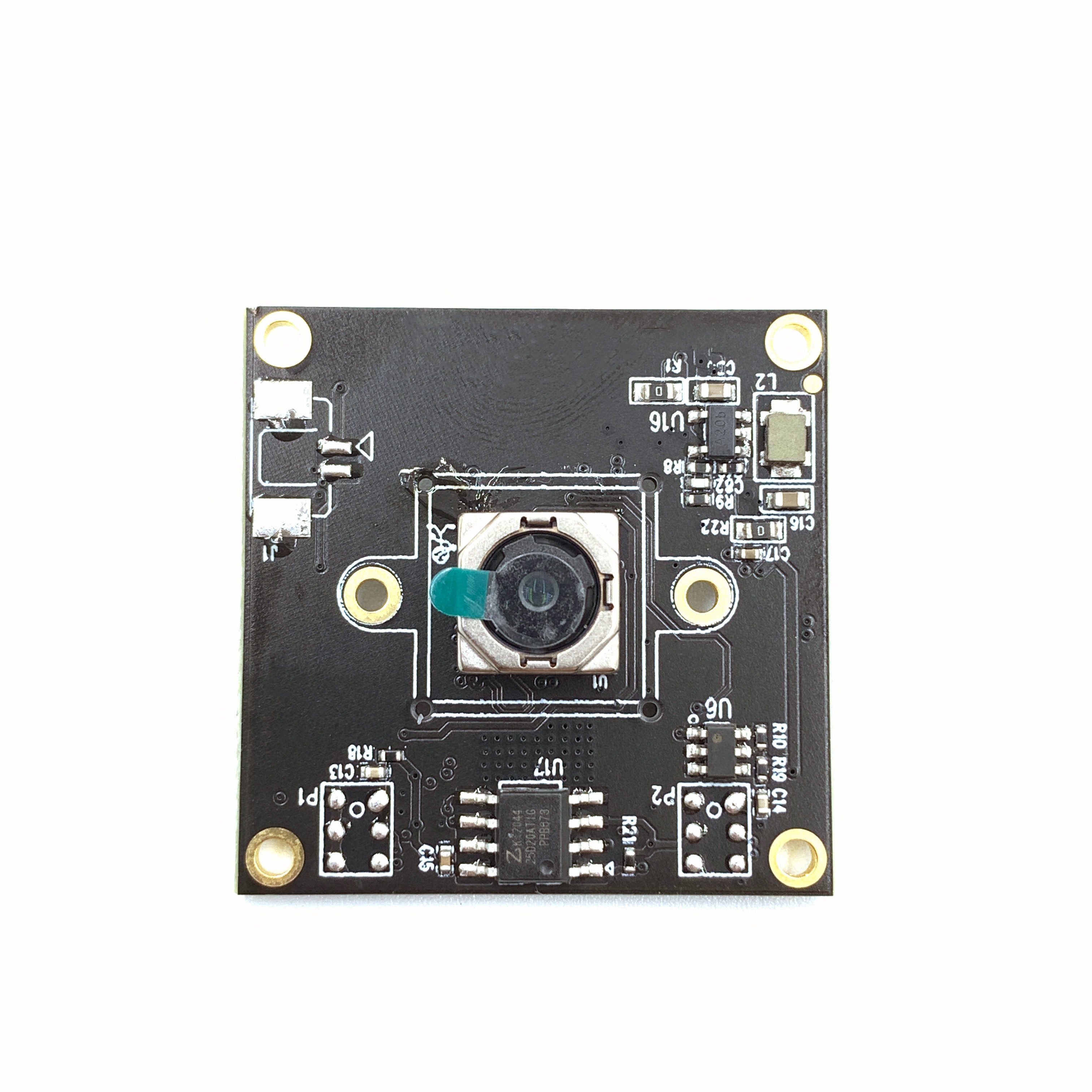
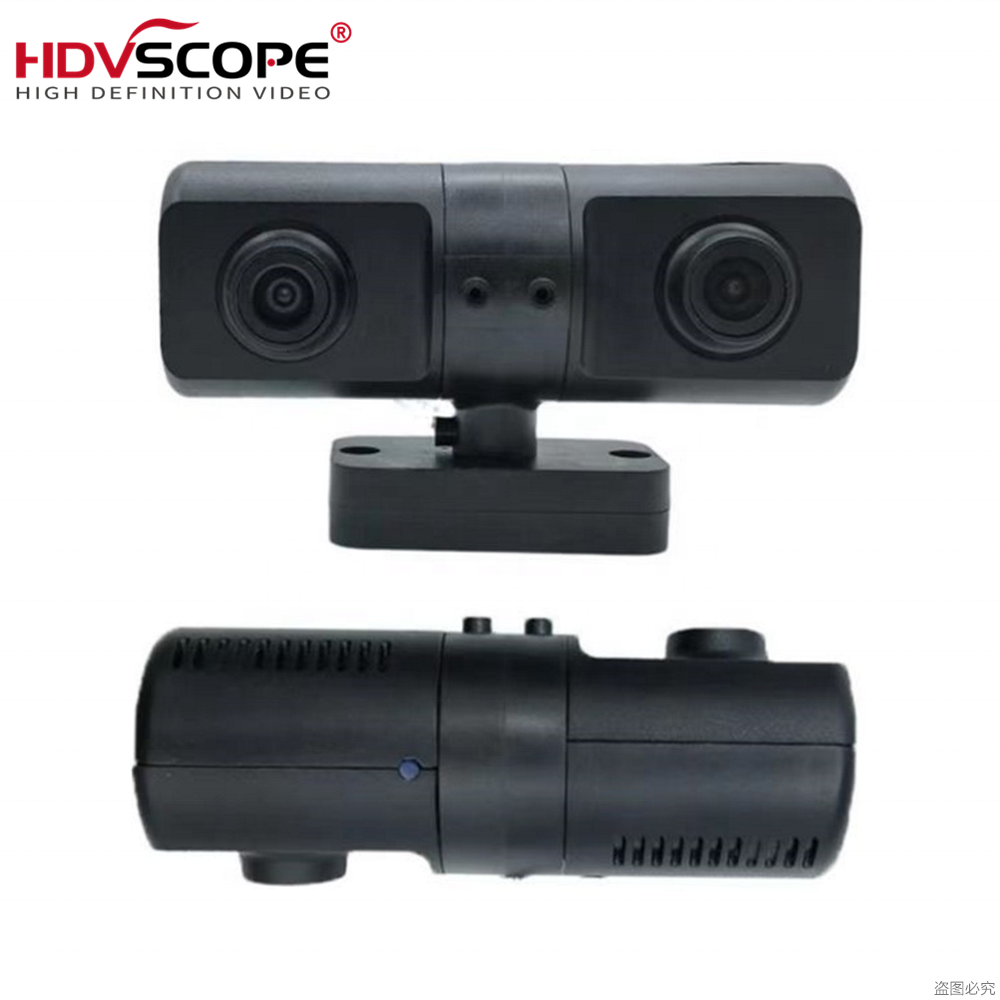
The San Francisco Hardware Ecosystem & High-Precision USB Vision Hardware
As the San Francisco Bay Area and Silicon Valley continue to pioneer advances in Artificial Intelligence, Autonomous Mobile Robots (AMRs), Edge Vision Compute, and Smart Retail Terminals, hardware engineers require zero-compromise embedded imaging components. The demand for reliable, high-resolution, driverless HD USB camera modules has evolved far beyond standard off-the-shelf webcams. Today’s commercial kiosks, medical diagnostic tools, biometric entry gates, and automated financial cash dispensers demand specialized Image Signal Processors (ISP), High Dynamic Range (HDR > 105dB), and sub-lux low-light sensitivity.
Operating as a direct OEM factory exporter catering to North American hardware developers, Shenzhen Brekta Electronics Co., Ltd. bridges the gap between advanced Chinese optoelectronic manufacturing and Northern California’s rapid prototyping culture. Whether your project requires standard UVC USB 2.0 board cameras for Linux ROS robotics, ultra-compact 15x15mm pinhole sensors for covert security, or 4K 60fps uncompressed video capture cards for industrial automation, our direct factory pipeline ensures rapid sample delivery (1–3 days) and full customization flexibility.
Information Gain Insight for Vision Engineers: Standard webcams suffer from severe motion blur, dropped frames under fluctuating lighting, and locked firmware. Brekta’s industrial USB camera modules feature programmable exposure, gain, white balance, saturation, and custom-tuned gamma curves directly inside the onboard EEPROM, preserving CPU overhead on target hardware platforms such as NVIDIA Jetson Orin, Raspberry Pi 5, and Intel NUC.
Technical Deep-Dive: Sensor Architecture, Optics & UVC Driverless Protocol
Selecting the optimal camera module requires evaluating four core architectural pillars: Sensor Optical Format, Dynamic Range & Sensitivity, Video Compression Architecture, and Lens Distortion Profile.
1. Sensor Technology: Sony STARVIS vs. Onsemi WDR Matrix
For low-light surveillance, indoor ATM kiosks, and nocturnal robot navigation, sensor choice dictates image fidelity. Sony STARVIS back-illuminated pixel technology (such as the IMX291 and IMX327) achieves sensitivity reaching 0.001 Lux down to 0.0001 Lux. By positioning the metal wiring grid beneath the light-receiving surface, photon capture efficiency is dramatically multiplied, delivering full-color video even in pitch-dark environments. Conversely, Onsemi AR0230 sensors excel in high-contrast environments—such as a glass-front bank lobby in downtown San Francisco—where glaring sunlight and deep shadows coexist. Its multi-exposure staggered WDR algorithm recovers clipped highlights while brightening shadow detail without artificial noise.
2. UVC (USB Video Class) Driverless Compatibility Across Kernels
Integration speed is critical for Bay Area software engineering teams. All Brekta USB camera boards adhere strictly to the USB Implementers Forum (USB-IF) UVC protocol standard. This guarantees instant plug-and-play driverless operation across major operating systems:
Linux & ROS / ROS2
Full native compatibility with V4L2 (Video4Linux2) framework, OpenCV, GStreamer, and FFmpeg for seamless integration into autonomous robotics pipelines.
Windows 10 / 11 / Embedded
DirectShow and Media Foundation framework support allowing zero-driver deployment for financial POS, self-checkout kiosks, and medical carts.
Android & macOS Kernel
Instant compatibility via standard UVC API stack for intelligent handheld terminal devices, mobile vision systems, and industrial tablet computers.
3. Video Encoding Stream Optimization: YUY2 vs. MJPEG vs. H.264
High frame rate video capture over USB 2.0 bandwidth requires precise compression handling:
- Uncompressed YUY2 (YUV 4:2:2): Delivers zero compression artifacts and minimal frame latency (ideal for real-time AI object detection), limited to lower frame rates over USB 2.0 due to 480 Mbps bus constraints.
- Hardware MJPEG: Compresses individual frames onboard the camera ISP, permitting full 1080P video at 30fps or 60fps with lightweight host CPU decoding.
- Onboard H.264 / H.265 Hardware Encoder: Encodes video streams into high-efficiency bitstreams directly on the camera board PCB, drastically saving network bandwidth and storage space for cloud-connected surveillance systems.
San Francisco Application Scenarios: Where Brekta Cameras Excel
San Francisco’s high concentration of technology hardware firms, smart retail pioneers, and robotics innovators requires robust, application-specific camera modules built for non-stop industrial operation.
1. Smart Retail & Micro-Fulfillment Cabinets
Deployed inside unmanned grab-and-go retail coolers and automated pickup lockers throughout downtown SF. Equipped with anti-fog glass, 160°/180° wide-angle distortionless lenses, and rapid QR code decoding to recognize customer product selections instantaneously.
2. Financial ATMs, VTMs & Ticketing Kiosks
Integrated by leading fintech hardware manufacturers for portrait capture and check scanning. Featuring Onsemi AR0230 WDR sensors that mitigate severe backlight glare from glass store fronts while capturing clear facial details in compliant ISO/IEC format.
3. AMRs & Autonomous Last-Mile Delivery Vehicles
Serving as the visual eye for sidewalk delivery bots and industrial warehouse mobile robots operating across the Bay Area. High frame rate STARVIS sensors with 0.001 Lux capability allow obstacle detection, visual SLAM mapping, and dock alignment 24/7.
4. Biometric Dual-Lens Liveness Detection
Dual-lens RGB + IR camera modules designed for high-security facial recognition entry terminals. Synchronized color visual capture paired with 850nm/940nm infrared illumination prevents photo/video spoofing attacks in corporate headquarters.
Hardware Selection Guide: USB 2.0 vs. USB 3.0 vs. IP vs. Analog HD
Choosing the correct interface architecture early in your engineering cycle prevents costly mechanical redesigns and latency bottlenecks. Use the matrix below to compare performance parameters:
| Interface Standard | Max Bandwidth | Typical Resolution / FPS | Host System CPU Load | Max Cable Length | Primary Target Applications |
|---|---|---|---|---|---|
| USB 2.0 UVC | 480 Mbps | 1080P @ 30fps (MJPEG/H.264) VGA @ 30fps (YUY2) |
Low to Moderate | 3m – 5m (Standard) Up to 15m (Active) |
ATM Kiosks, Self-Service Machines, Document Scanners, Door Systems |
| USB 3.0 SuperSpeed | 5.0 Gbps | 4K @ 30fps / 1080P @ 60fps (Uncompressed YUY2) | Very Low (Zero Compression) | 3m (Direct) | Machine Vision, Medical Inspection, High-Speed Conveyor Tracking |
| IP (RTSP / ONVIF) | 100 / 1000 Mbps | 4MP / 6MP / 4K @ 25fps (H.265+) | Host Offloaded (Network Stream) | 100m (PoE Ethernet) | Perimeter Security, Remote Fleet Monitoring, NVR Integration |
| AHD / TVI / CVI | Analog HD Coax | 1080P / 5MP @ 25/30fps | Zero CPU Load | 300m – 500m (Coax Cable) | DVR Retrofits, Vehicle Fleet CCTV, Long-Distance Telemetry |
San Francisco Industrial Vision Trends & Strategic Procurement Roadmap
As Northern California hardware engineering teams shift toward edge intelligence and compact modular design, procurement strategies are evolving rapidly. Key trends influencing camera specification decisions include:
Trend 1: Micro-Miniaturization & Custom PCB Flex Cables
Modern machine enclosures leave minimal space for vision hardware. Standard 38x38mm camera boards are increasingly replaced by ultra-compact 32x32mm, 25x25mm, or 15x15mm micro-square PCBs. Furthermore, custom flexible printed circuit (FPC) tail extensions allow the optical sensor head to be decoupled from the primary USB bridge processing board, ideal for ultra-thin laptop borders, smart doorbells, and robotic end-effectors.
Trend 2: Integrated High dynamic Range (HDR) for Uncontrolled Lighting
Deploying self-service automated kiosks outdoors or near floor-to-ceiling office windows presents severe illumination challenges. Conventional cameras output silhouetted faces or blown-out white backgrounds. Hardware-based WDR sensors (105dB–120dB) rapidly fuse multiple exposure frames in real time, delivering clear, actionable facial details for AI processing regardless of shifting sun angles in the Bay Area.
Trend 3: Direct Factory Engineering Collaboration over Middlemen
SF startups and established OEMs are moving away from regional catalog resellers that lack deep engineering support. Working directly with an established manufacturer like Brekta Electronics gives hardware architects direct access to PCB layout schematics (designed in Protel & Allegro), optical MTF focus testing data, custom ISP firmware tuning, and private-label packaging.
Why Partner with Shenzhen Brekta Electronics Co., Ltd.?
With over 13 years of specialized manufacturing experience in miniaturized camera engineering, Brekta Electronics operates fully-owned production workshops in Shenzhen and Dongguan, Guangdong. We empower international B2B buyers with complete OEM/ODM customized solutions.
Protel / Allegro PCB Design
Our in-house R&D team can alter PCB dimensions, connector types, mounting hole positions, and multi-sensor configurations to match your enclosure mechanical CAD drawings.
100% Quality Assurance & Burn-In
Every single camera module undergoes SMT automated optical inspection (AOI), MTF optical focus alignment, color temperature calibration, and high-temperature burn-in testing prior to shipment.
Rapid Dispatch & Global Warranty
Standard samples ship within 1–3 working days via air express to California. All products are backed by our 24-month comprehensive factory hardware warranty and free unit replacement guarantee.
Frequently Asked Questions by San Francisco Procurement Teams
Clear, technical answers to streamline your sample evaluation and mass production order workflow.