Precision Image Sensor Modules for Espoo OEMs
Shortlisted standard and customizable UVC, Starvis low-lux, WDR, and high-speed camera board solutions engineered for integration into smart kiosks, medical devices, and industrial automation.

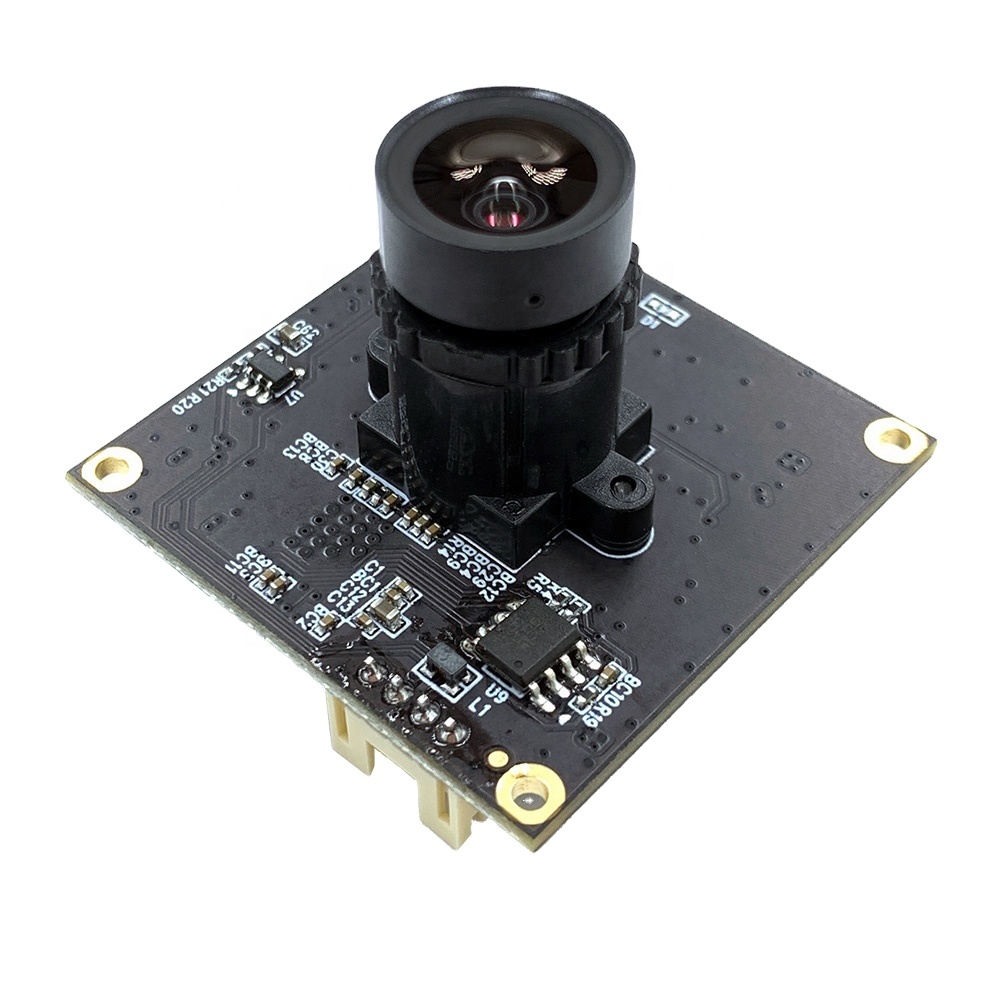
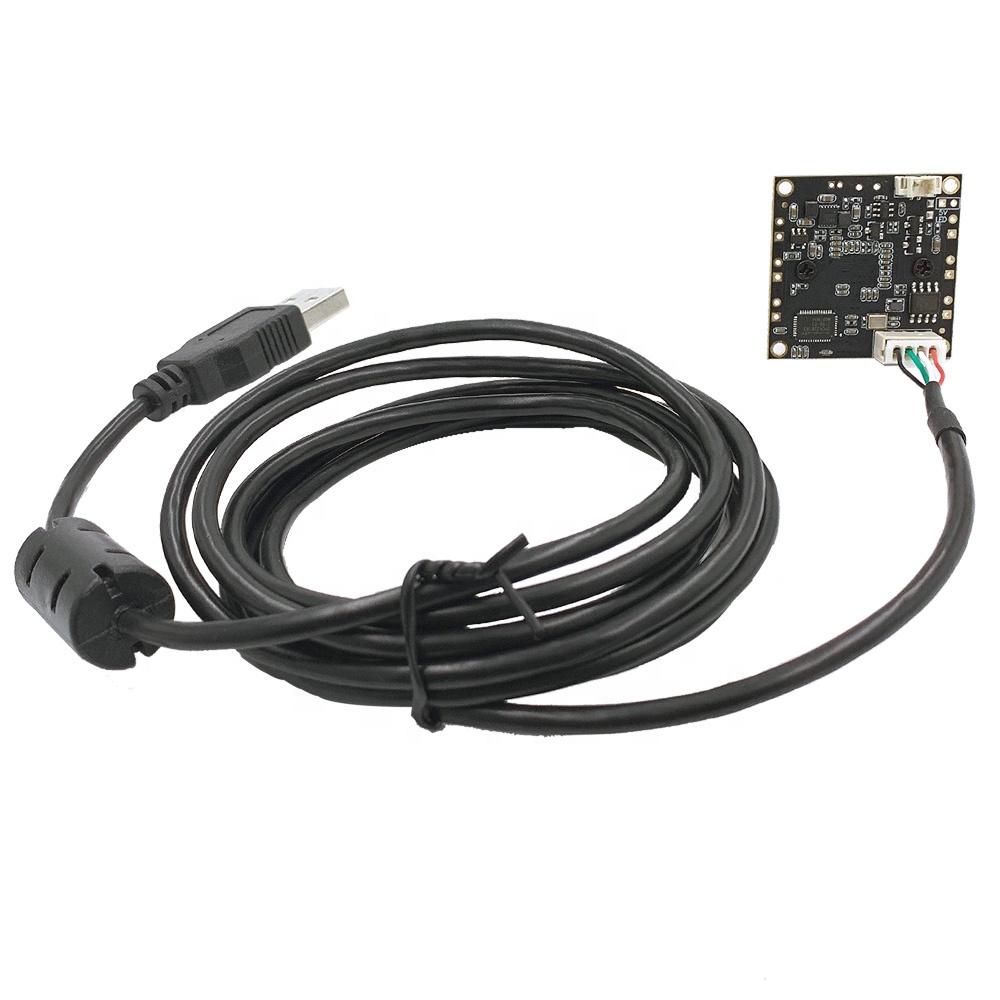
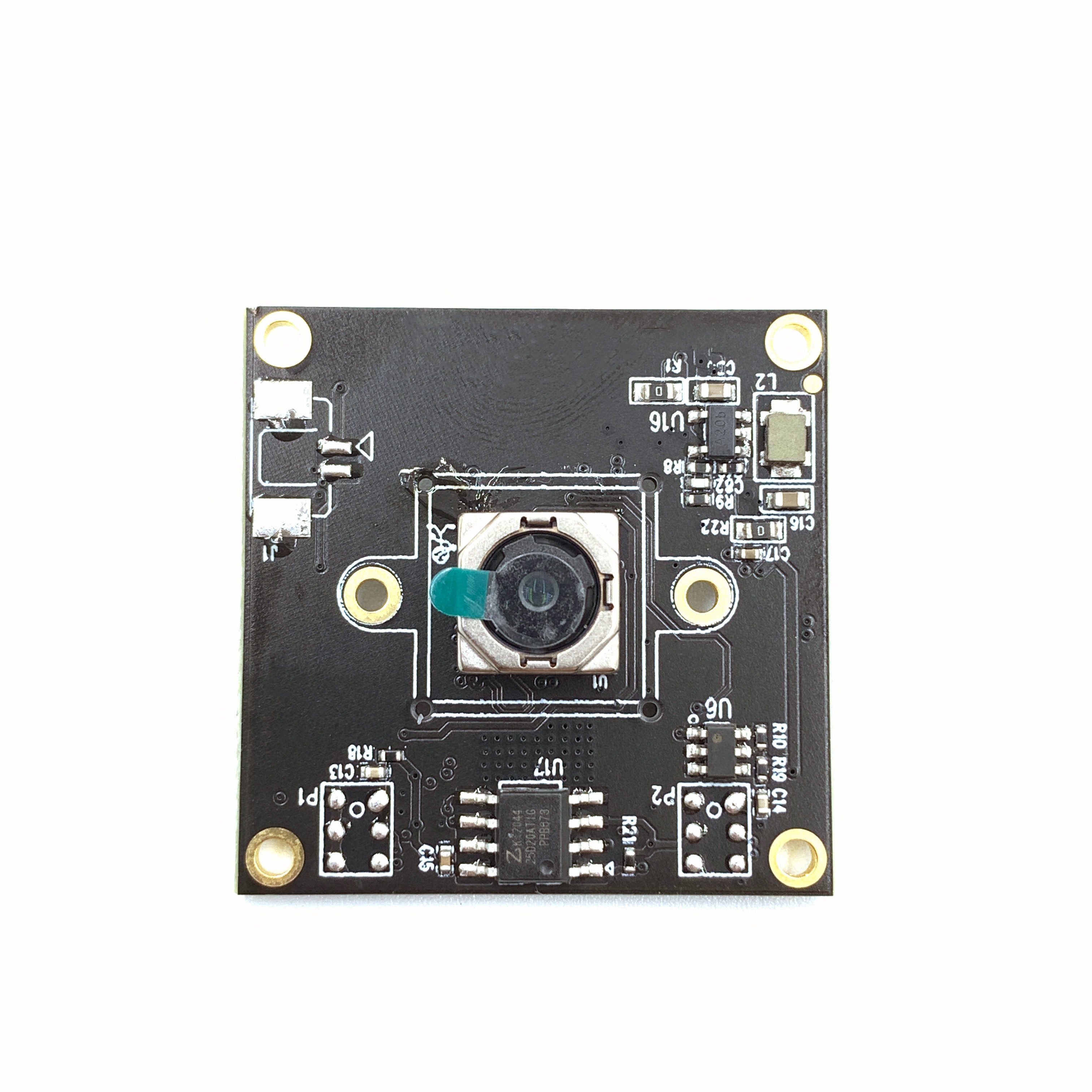
Technical Whitepaper: Precision Electro-Optical Engineering for Espoo’s High-Tech Ecosystem
As Finland’s secondary largest city and the unassailable technology capital of the Nordic region, Espoo stands as a global innovation node. Encompassing world-class research centers such as the VTT Technical Research Centre of Finland, Aalto University’s Otaniemi Innovation Hub, and the Keilaniemi corporate technology belt, Espoo demands rigorous hardware components built for mission-critical reliability. In the realm of machine vision, autonomous robotics, smart urban infrastructure, medical devices, and self-service automation, the selection of high-performance Image Sensor Modules forms the foundational backbone of intelligent perception.
Shenzhen Brekta Electronics Co., Ltd. serves as a premier OEM/ODM manufacturer and exporter of compact USB (UVC), IP (RTSP/ONVIF), and AHD camera modules specifically engineered to meet the stringent optical, thermal, and regulatory standards of Finnish system integrators and technology innovators. This whitepaper analyzes the technical parameters, optical configurations, sub-zero environmental resilience, and custom PCB architectural choices required when deploying image sensor modules across Espoo’s unique industrial and Nordic climate landscape.
1. Sensor Technology Selection: CMOS Architecture & Pixel Dynamics for Nordic Light Conditions
Optical hardware operating in Finland must contend with severe variations in ambient light—ranging from prolonged winter darkness to harsh reflective snow environments. System engineers in Espoo must meticulously evaluate sensor dynamic range, quantum efficiency, and shutter mechanisms during early-stage prototyping:
- Sony Starvis™ & Starvis 2 Back-Illuminated Pixel Arrays: Sensors such as the Sony IMX291, IMX327, and IMX335 achieve stellar sensitivity down to 0.0001 Lux. By relocating the metal wiring layers behind the photocathode surface, these sensors maximize photon collection efficiency, making them essential for 24/7 outdoor surveillance kiosks and smart city traffic terminals along the Turunväylä and Ring I corridors.
- Onsemi Wide Dynamic Range (WDR > 105dB): Solutions leveraging the Onsemi AR0230 CMOS sensor utilize multi-exposure staggered HDR algorithms. This enables clear image capture in high-contrast scenes—such as indoor banking VTMs positioned directly opposite floor-to-ceiling glass facades exposed to low winter sun angles.
- High-Speed Global vs. Rolling Shutter Configurations: For industrial sorting machines, document scanning, and high-speed motion tracking in Otaniemi's automated laboratories, rolling shutter artifacts (skewing) can degrade AI optical character recognition (OCR). High-fps rolling shutter modules (up to 330fps) or dedicated global shutter modules prevent spatial distortion during high-velocity capture.
CMOS Sensor Architecture Comparison Matrix
A side-by-side engineering evaluation guide for selecting optimal image sensor modules based on deployment constraints in Nordic environments.
| Sensor Model | Resolution & FPS | Dynamic Range / Sensitivity | Primary Interface | Ideal Espoo Industry Application |
|---|---|---|---|---|
| Sony IMX291 Starvis | 1080P @ 30fps | 0.0001 Lux / 80dB WDR | UVC USB 2.0 (MJPEG/YUY2) | Outdoor Self-Service Kiosks & Perimeter Vision |
| Onsemi AR0230 | 1080P @ 30fps | 105dB True Hardware WDR | UVC USB 2.0 / Parallel | ATM/VTM Facial Verification & Access Control |
| Sony IMX377 Color | 4K UHD (3840*2880) | 72dB / Low Distortion Lens | High-Bandwidth USB 2.0/3.0 | Medical Inspection & Document Scanning (HUS) |
| High-Speed HDR 2.0MP | 1080P @ 330fps | HDR Supported / High Temporal Res | USB 2.0 High-Speed | Autonomous Robotics & High-Speed Machine Vision |
| OmniVision 8.0MP AF | 3264*2448 @ 15fps | 0.1 Lux / Precise VCM Autofocus | Driver-free UVC USB | Interactive Educational & QR / ID Scanning |
Localized Application Scenarios in Espoo’s Innovation Hubs
Deploying electro-optical solutions in Northern Europe requires intimate alignment with specific sector workflows. Shenzhen Brekta Electronics custom-engineers image sensor modules tailored for four key technological ecosystems in Espoo:
1. Otaniemi Autonomous Robotics & AI Perception
Within the start-up incubators of Otaniemi and Aalto University research labs, autonomous mobile robots (AMRs) and last-mile delivery rovers require high-frame-rate, wide-angle image sensor modules. Brekta’s 330fps high-speed camera modules provide low-latency visual odometry and obstacle detection under changing synthetic and outdoor light conditions.
2. Keilaniemi Financial & Self-Service Kiosks
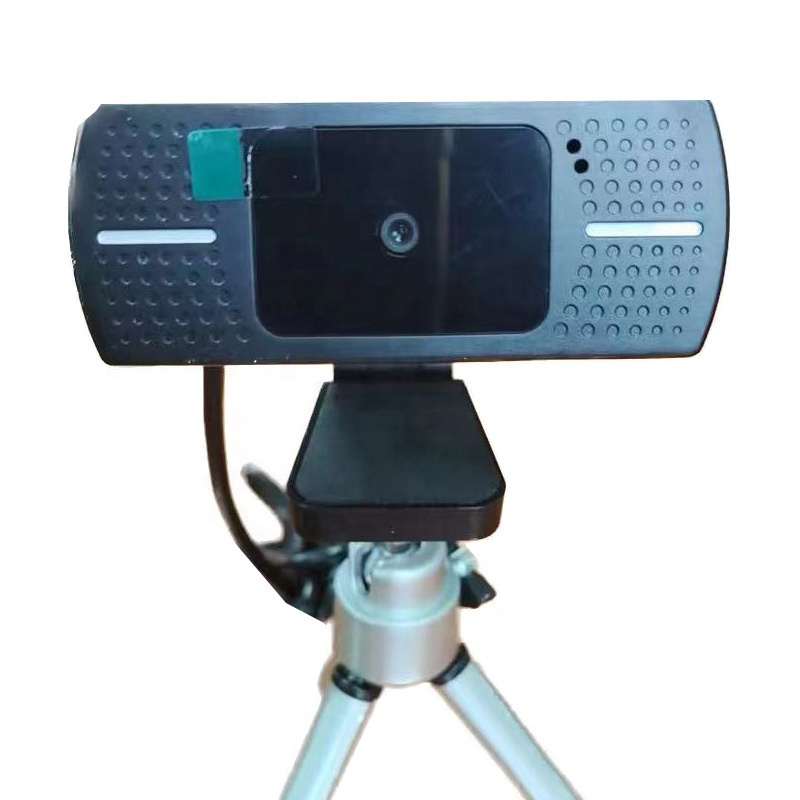
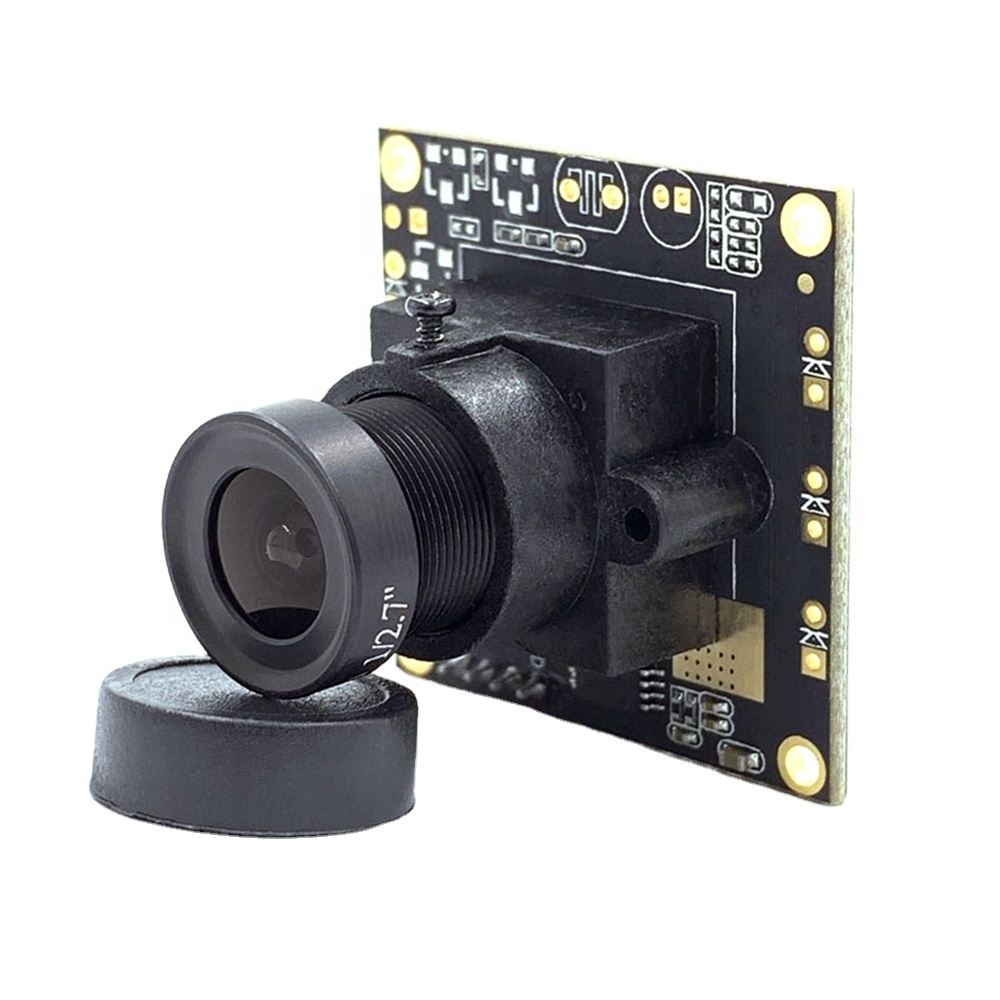
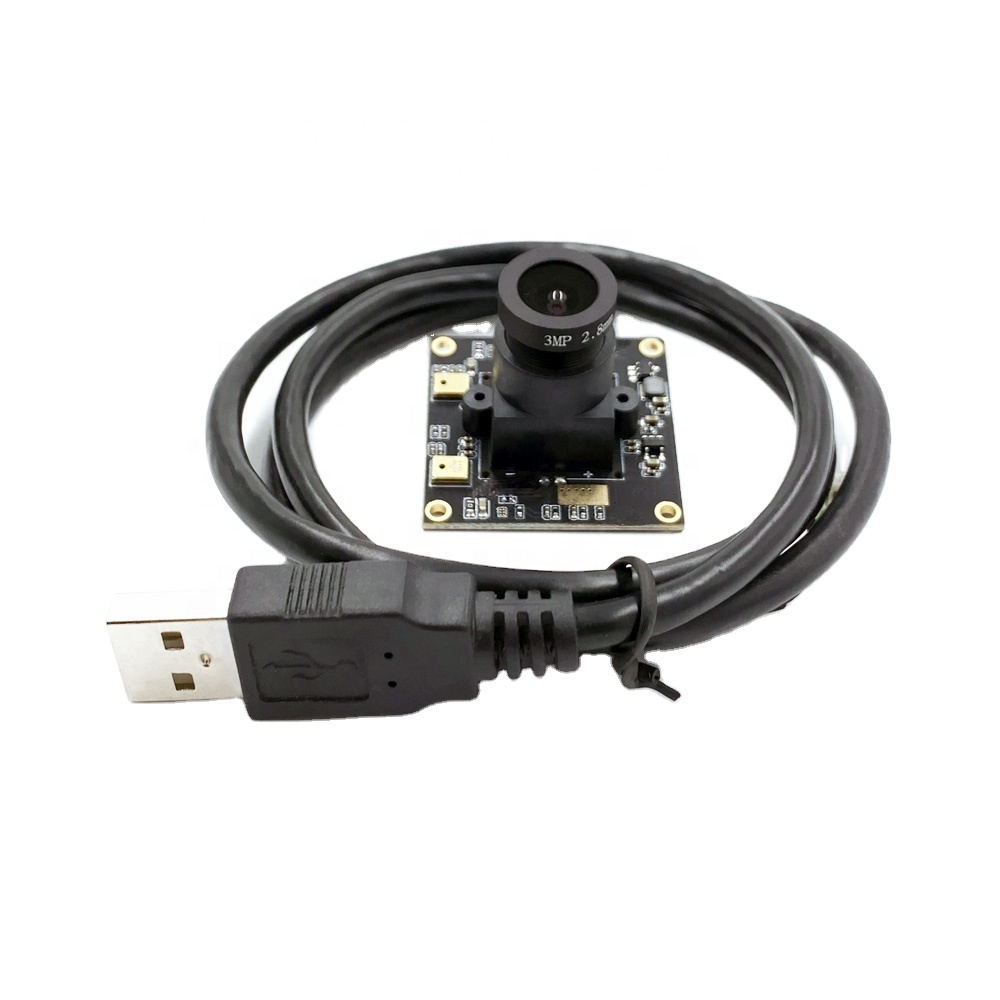
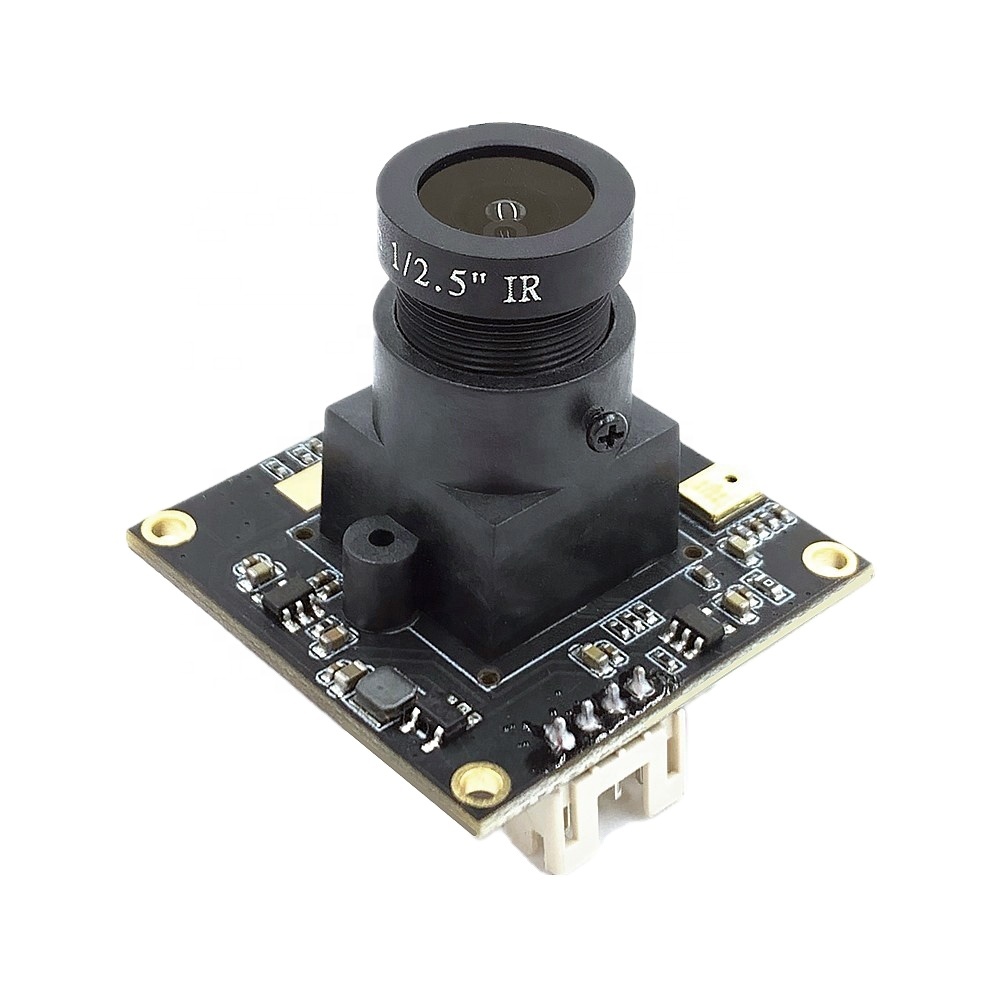
Commercial hubs and transit stations throughout Espoo utilize interactive self-ordering, voting, and ticketing kiosks. Brekta’s 32*32mm AR0230 and Starvis UVC camera modules feature custom non-distortion M12 optics (HFOV 85° to 170°), ensuring flawless facial recognition and biometric authentication under bright overhead LED spotlighting.
3. Espoo HealthTech & Laboratory Diagnostics
Partnering with medical equipment designers serving local hospital networks (such as HUS Jorvi Hospital), Brekta delivers 8MP 4K autofocus camera modules equipped with precise Voice Coil Motors (VCM). These modules capture high-fidelity macro imagery for automated slide scanning, micro-fluidic diagnostic analysis, and surgical endoscopes.
4. Smart Transit & Sub-Zero Outdoor Security
Espoo’s smart stop shelters along the Länsimetro metro extension require optical sensors that endure extreme thermal cycling. Brekta’s industrial-grade PCBs utilize wide-temperature passive components (-30°C to +70°C) with conformal coatings to protect sensor boards against condensation and salt-spray corrosion.
Information Gain: Engineering Thermal Stability for Nordic Winters
Standard commercial USB camera modules suffer from focus drift and dark current noise when operating below 0°C due to thermal contraction of the M12 lens barrel and PCB trace deformation. Brekta’s engineering team implements optimized metal alloy lens holders (aluminum alloy/brass) combined with low-expansion FR4 4-layer PCB routing designed in Protel/Allegro. This ensures zero focus drift and low noise performance even in Finnish outdoor temperatures down to -30°C.
Emerging Electro-Optical Trends in the Finnish Market
The Finnish technology sector is aggressively adopting next-generation optical architectures. Companies seeking competitive advantages in Espoo are integrating several key technological shifts into their product roadmaps:
A. Seamless Linux Kernel & ROS (Robot Operating System) Integration
Because Finland's software ecosystem heavily favors open-source Linux distributions, custom camera hardware must maintain native USB Video Class (UVC) driverless compatibility. Brekta’s USB camera modules use standardized UVC 1.1/1.5 firmware protocols. This enables direct plug-and-play capability across Linux Kernel 2.6.26+, Ubuntu, ROS/ROS2 environments, Android x86, and Windows platforms without requiring third-party kernel extensions.
B. Edge AI Object Detection & Local H.264/H.265 Compression
To reduce CPU loads on host microcontrollers in embedded IoT nodes, sensor modules now offload image processing directly onto onboard Image Signal Processors (ISP). Brekta’s hardware-compression modules (e.g., 2.0MP H.264 Starvis USB board) output stream-ready H.264/MJPEG encoded video, dramatically saving host USB bandwidth and permitting multi-camera synchronized arrays on a single system host.
C. GDPR Compliance & Privacy-Compliant Hardware Switches
Given strict EU General Data Protection Regulation (GDPR) enforcement across Finland, privacy-by-design hardware features are paramount for public-space equipment. Brekta provides custom PCB designs incorporating physical LED hardware status indicators, electronic privacy shutters, and dual-spectrum RGB-IR sensors for secure liveness detection that prevents spoofing attacks without storing unauthorized facial templates.
Why Espoo Engineers Partner with Shenzhen Brekta Electronics
Combining world-class electro-optical engineering agility from Shenzhen with dedicated OEM/ODM support tailored for European technology buyers.
13+ Years Electro-Optical Mastery
Over a decade of dedicated expertise in miniaturized image sensor module engineering, specialized in high-density multi-layer PCB routing, optical alignment, and anti-interference circuit topology.
Full OEM/ODM Protel/Allegro Design
In-house R&D team capable of adjusting PCB dimensions (from micro 15*15mm to standard 32*32mm / 38*38mm), changing lens FOV, adding IR-cut filters, customizing pinouts, and tailoring cable strain reliefs.
Strict ISO & CE / FCC / RoHS Quality
100% incoming component inspection, automated SMT production lines, full optical MTF resolution testing, and multi-stage image burn-in checks guarantee zero-defect shipments to Finland.
24-Month Warranty & Rapid Sampling
We provide a comprehensive 24-month factory warranty with free replacement support. Standard evaluation samples are dispatched within 1–3 business days via DHL/FedEx direct to Espoo.
Frequently Asked Questions for Espoo Procurement & Engineering Teams
Direct technical and commercial answers addressing common inquiries from Finnish equipment manufacturers and purchasing managers.
Ready to Upgrade Your Device's Electro-Optical Capabilities?
Partner with a trusted image sensor module manufacturer and exporter serving Espoo. Consult directly with our senior optical engineers to discuss custom mechanical dimensions, firmware options, and sample dispatch.