High-Performance Industrial USB Camera Modules
Engineered for continuous machine vision, automated optical inspection (AOI), ATM terminals, and smart retail infrastructure across Mandalay and Upper Myanmar.
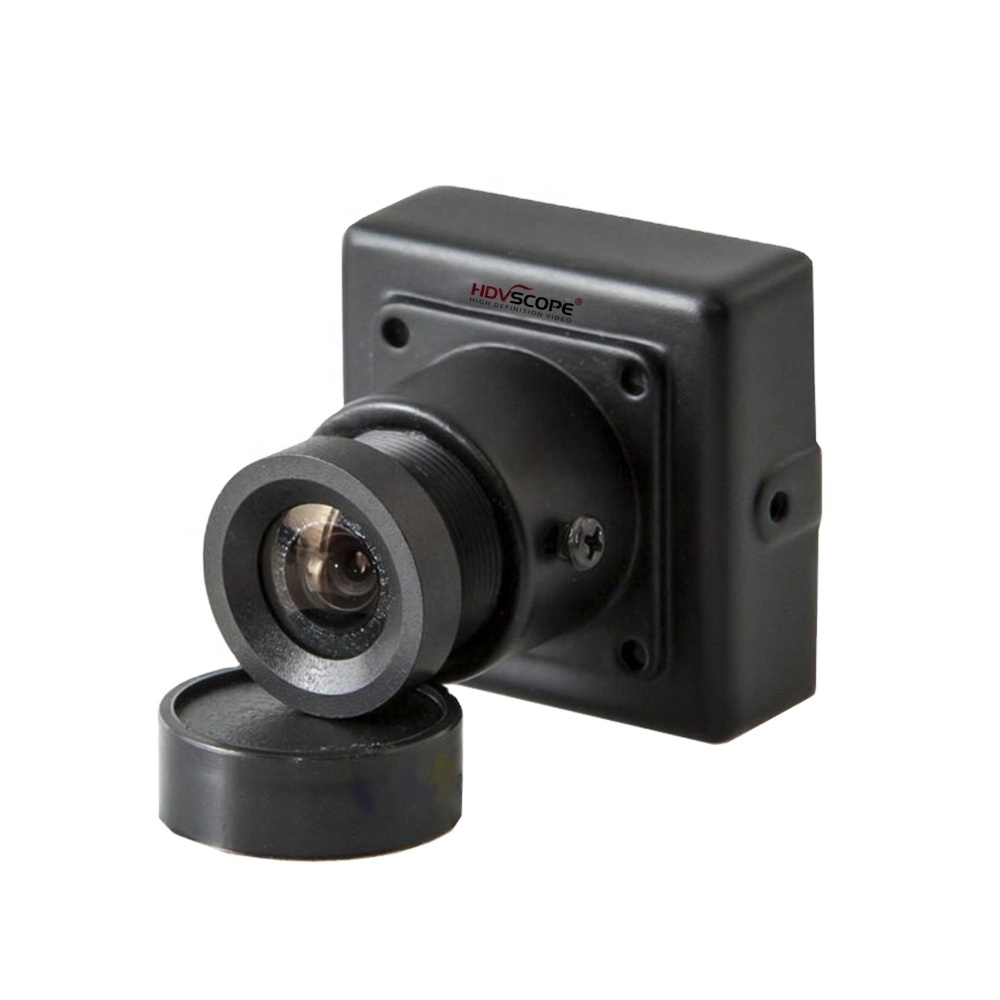
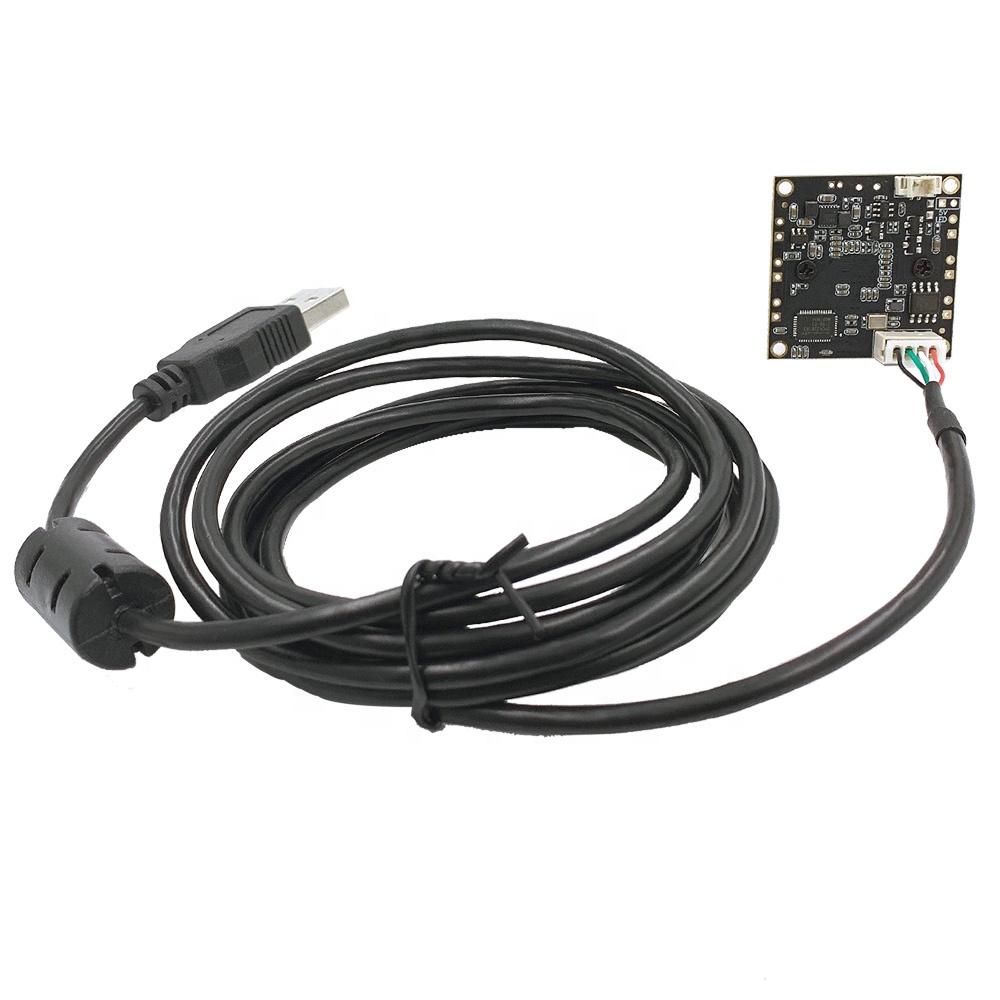
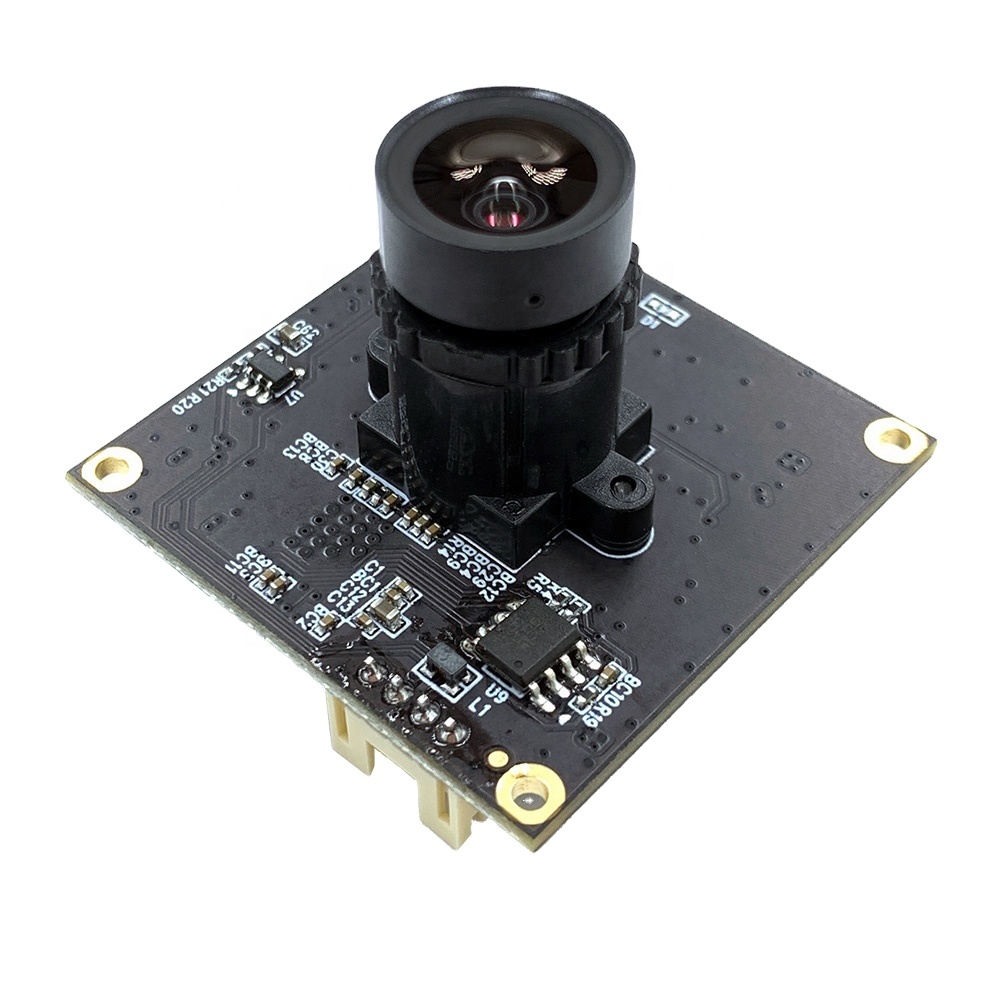

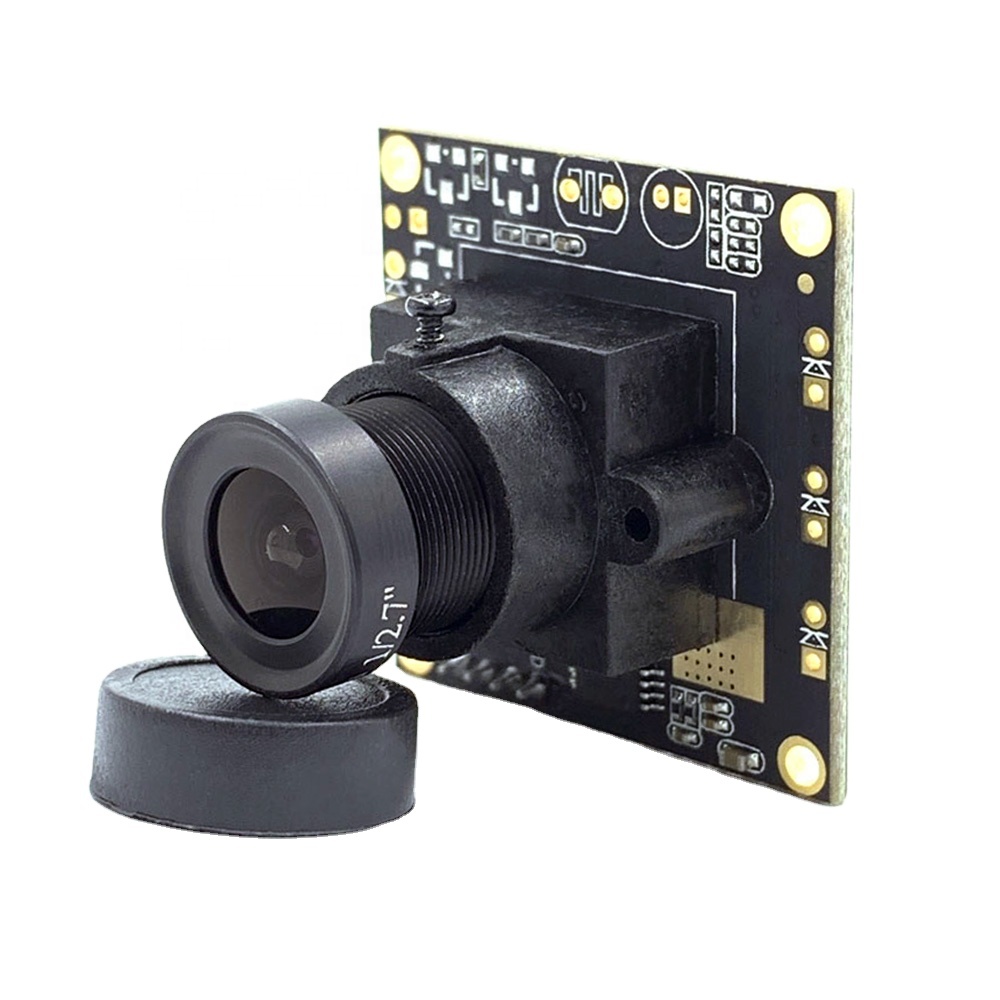
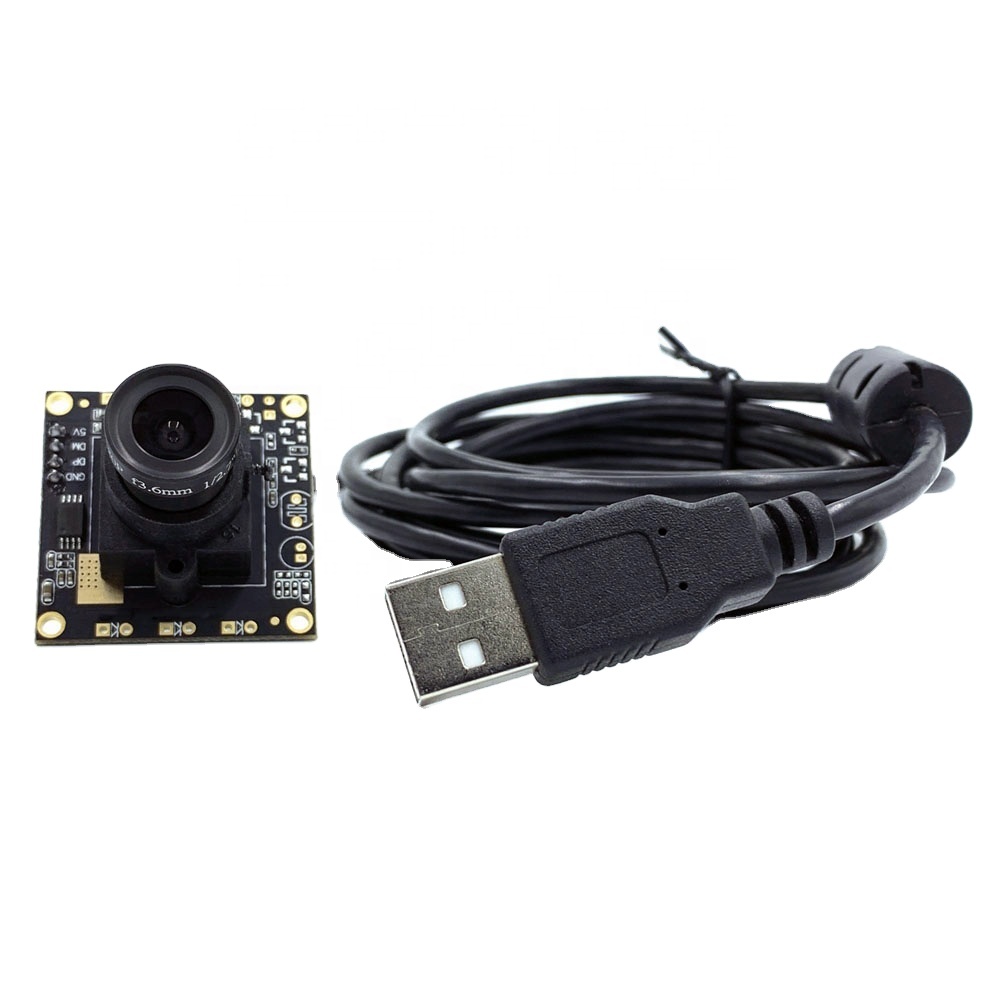
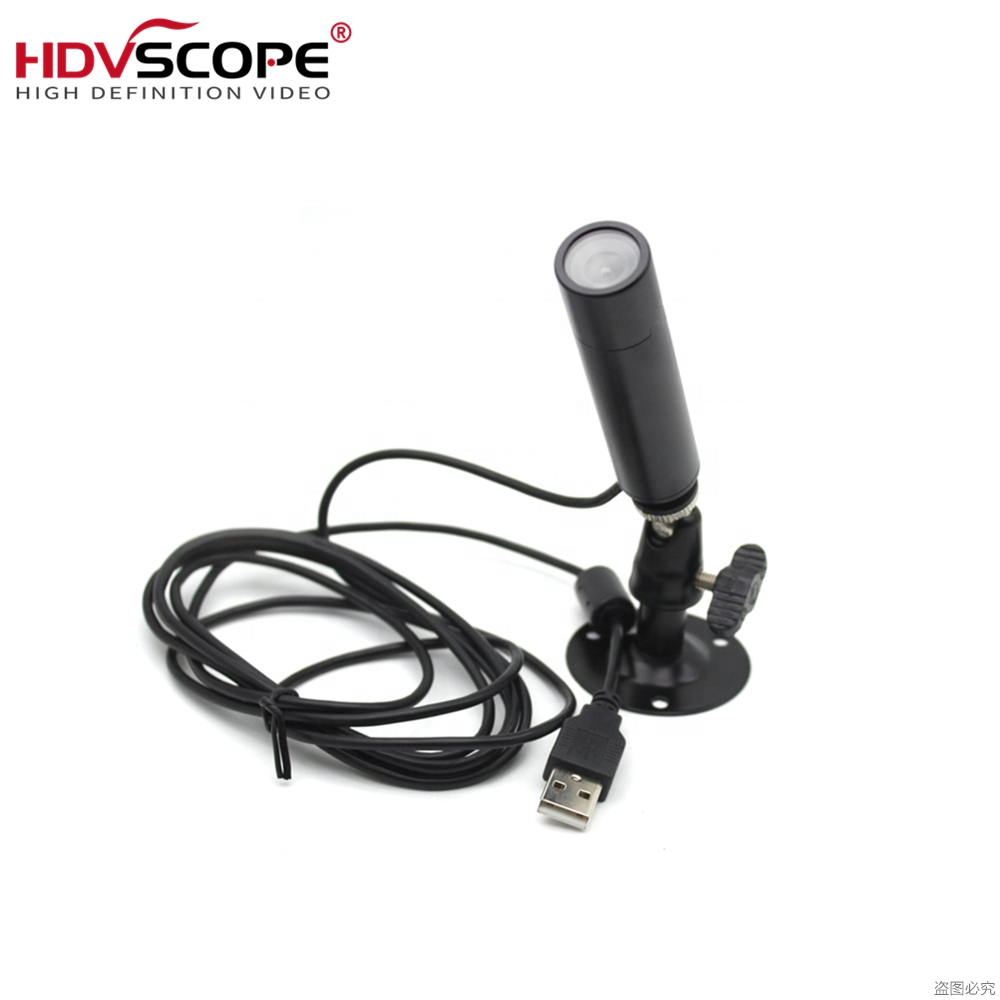
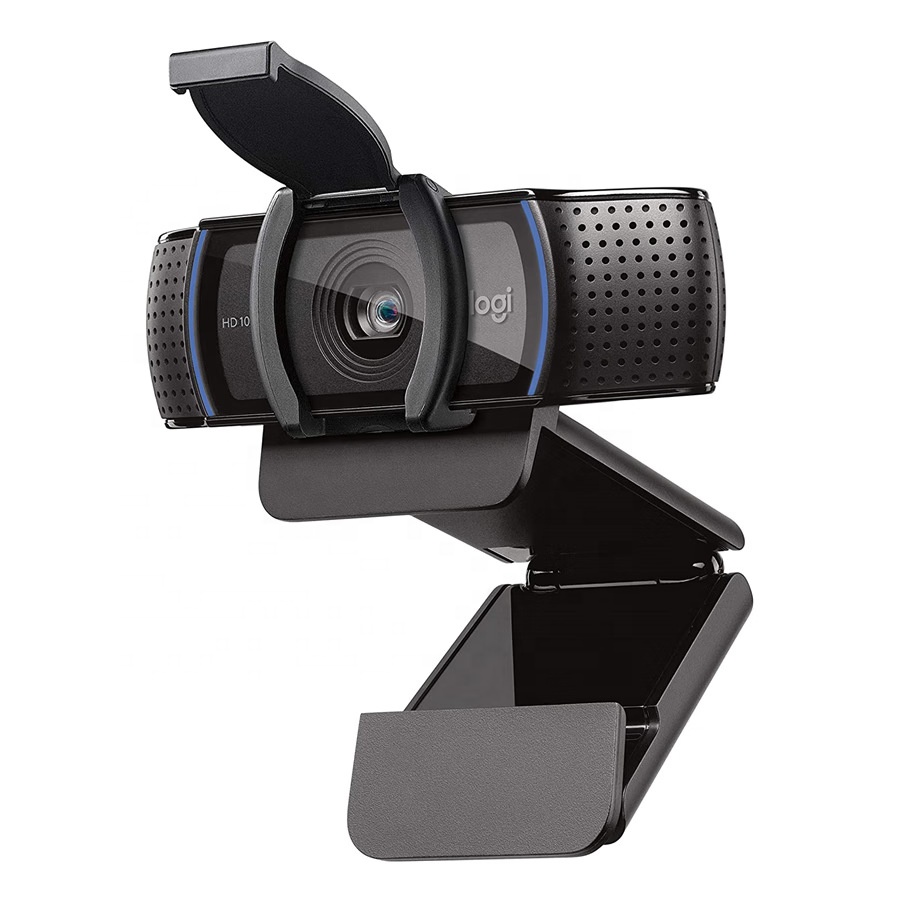
Empowering Mandalay’s Growing Industrial & Automation Sectors
As Upper Myanmar’s primary commercial, manufacturing, and logistical axis, Mandalay requires robust machine vision hardware built to withstand rigorous tropical operating environments.
Gemstone & Optical Sorting
Mandalay is internationally renowned as the hub for jadeite, ruby, and sapphire trading. Our high-resolution 2MP to 16MP USB camera modules, paired with low-distortion macro lenses, enable precise optical stone sorting, clarity verification, and color spectrum analysis under controlled laboratory lighting.
Agricultural Quality Control
Upper Myanmar's massive agricultural output—including pulses, sesame, rice, and timber—demands automated high-speed belt inspection. Our 330FPS high-speed USB camera modules detect grain discoloration, foreign debris, and size irregularities in real-time, drastically reducing labor costs.
Self-Service Kiosks & Smart Banking
With rapid digitalization in Mandalay’s urban banking and retail infrastructure, automated teller machines (ATMs) and ticketing kiosks require reliable face capture. Our Onsemi AR0230 WDR modules deliver clear, non-glare facial imagery even under high-contrast ambient sunlight.
Industrial Outdoor Protection
Mandalay's tropical climate exposes electronic equipment to high humidity, ambient heat exceeding 40°C, and heavy airborne dust in industrial zones like Myotha. Our IP67 bullet USB cameras feature sealed aluminum housings, thermal-dissipating PCBs, and rugged connectors built for harsh environments.
Low-Lux Night Vision Surveillance
For industrial perimeter monitoring and low-light machine enclosures, our Sony STARVIS USB camera modules capture full-color video down to 0.001 Lux illumination. Integrated H.264 compression reduces bandwidth consumption on local machine networks.
Embedded Linux & Android Robotics
Modern assembly plants in Pyin Oo Lwin and Kyaukse rely heavily on ARM-based single-board computers (SBCs). Our UVC-compliant USB modules feature true driverless plug-and-play functionality across Ubuntu Linux, Android, and Windows IoT operating platforms.
Technical Insight for Mandalay Systems Integrators: Unlike standard consumer webcams that suffer from thermal throttling and frame dropping under tropical ambient heat, Shenzhen Brekta’s industrial USB camera modules are built on industrial-grade FR-4 4-layer PCBs with dedicated copper thermal planes, ensuring continuous 24/7 reliability in non-air-conditioned factory environments.
Key Industry Trends Driving Machine Vision Adoption in Mandalay
Understanding the technological transformation shaping Upper Myanmar’s industrial landscape.
1. Accelerated Leapfrogging to UVC Digital Vision
Industrial facilities in Mandalay are rapidly bypassing legacy analog CCTV infrastructures in favor of Direct USB Video Class (UVC) machine vision modules. USB digital cameras allow factory engineers to connect vision hardware directly to localized industrial PCs, Raspberry Pi devices, or Android control units, eliminating expensive capture card hardware and reducing system maintenance overhead.
2. Rise of Edge AI & Embedded Image Recognition
With local infrastructure expanding across the Myotha Industrial Park (MIP), automated object recognition, license plate recognition (ANPR), and face-scanning security gates are becoming standard. Integrators require high-frame-rate (up to 330 FPS) and low-latency USB boards capable of delivering uncompressed YUY2 image streams straight to onboard AI neural network accelerators.
3. Demand for Wide Dynamic Range (WDR) Electronics
Mandalay experiences intense direct sunlight conditions throughout the year. Standard cameras installed in outdoor kiosks, entry turnstiles, or window-facing inspection lines often produce washed-out highlights or pitch-black shadows. Hardware-level WDR (up to 105dB) using sensors like the Onsemi AR0230 has become a non-negotiable procurement requirement for local buyers.
4. Modular Customization and Small Form Factors
Equipment manufacturers in Upper Myanmar are designing increasingly compact, custom-enclosed machinery. Standard 38x38mm boards are often too large for sleek terminal housings. Demand has surged for ultra-compact 25x25mm, 32x32mm, and custom cylindrical lipstick camera modules with tailorable USB cable lengths and pinhead connectors.
| Feature Spec | Standard Consumer Webcam | Brekta Industrial USB Module | Mandalay Market Benefit |
|---|---|---|---|
| Operating Temperature | 0°C to +40°C (Plastic Frame) | -20°C to +70°C (Industrial FR-4) | Resists severe tropical heat inside enclosed metal machinery. |
| Illumination Dynamic Range | Digital WDR (<60dB) | Hardware WDR (Up to 105dB) | Clear capture under direct sunlight glare and deep shadowing. |
| Frame Rate Options | 30 FPS Fixed | 60 FPS to 330 FPS High-Speed | Accurate motion tracking for high-speed conveyor sorting lines. |
| Driver Requirement | Proprietary Executable Drivers | UVC Driver-Free Standard | Seamless integration with Linux, Android, and ROS platforms. |
| Optical Lens Compatibility | Fixed Plastic Lens | M12, CS-Mount, Fisheye, Pinhole | Flexibility to swap lenses based on focal distance & FOV requirements. |
Shenzhen Brekta Electronics: Enterprise Manufacturing Strength
Providing direct wholesale supply, OEM engineering support, and reliable export logistics tailored for Myanmar’s industrial sector.
13+ Years OEM/ODM Expertise
Established in Guangdong, China—the global epicenter of optical manufacturing—Shenzhen Brekta Electronics specializes in miniaturized camera modules, custom PCB design in Protel/Allegro, and precision optical assembly. We support low MOQ starting at 1 piece for engineering evaluation.
Rigorous Quality Assurance
Every industrial camera board undergoes stringent multi-stage inspection: automated SMT verification, thermal chamber stress tests, and 100% optical image resolution calibration using high-precision target charts before final packaging.
Global Certification & 24-Month Warranty
All Brekta products comply fully with international standards including CE, FCC, and RoHS certifications. We back our hardware with a solid 24-month replacement warranty and lifetime engineer-to-engineer technical consultation.
Rapid Sample Dispatch & Logistics
Standard inventory models are dispatched within 1 to 3 working days. We coordinate seamless cargo shipping via established overland and air routes connecting Shenzhen to Mandalay via Muse and Yangon hubs.
Tailored ODM Customization
Need custom PCB dimensions, specific connector pinouts (JST, Molex, USB Type-C), custom infrared wavelength (850nm/940nm IR-cut), or custom firmware parameters? Our engineering team delivers tailored prototypes quickly.
Dedicated Technical Support
Direct communication with experienced optical and firmware engineers ensures rapid troubleshooting during system integration, Linux kernel driver setup, and SDK configuration.
Frequently Asked Questions by Mandalay & Myanmar Procurement Managers
Addressing common queries regarding shipping, compatibility, customization, and wholesale terms.