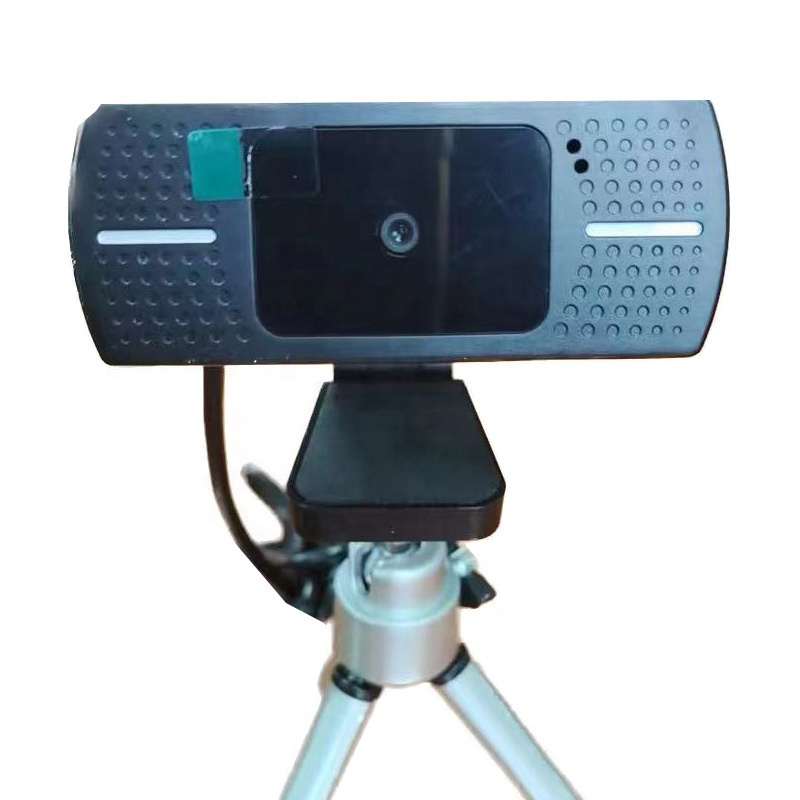
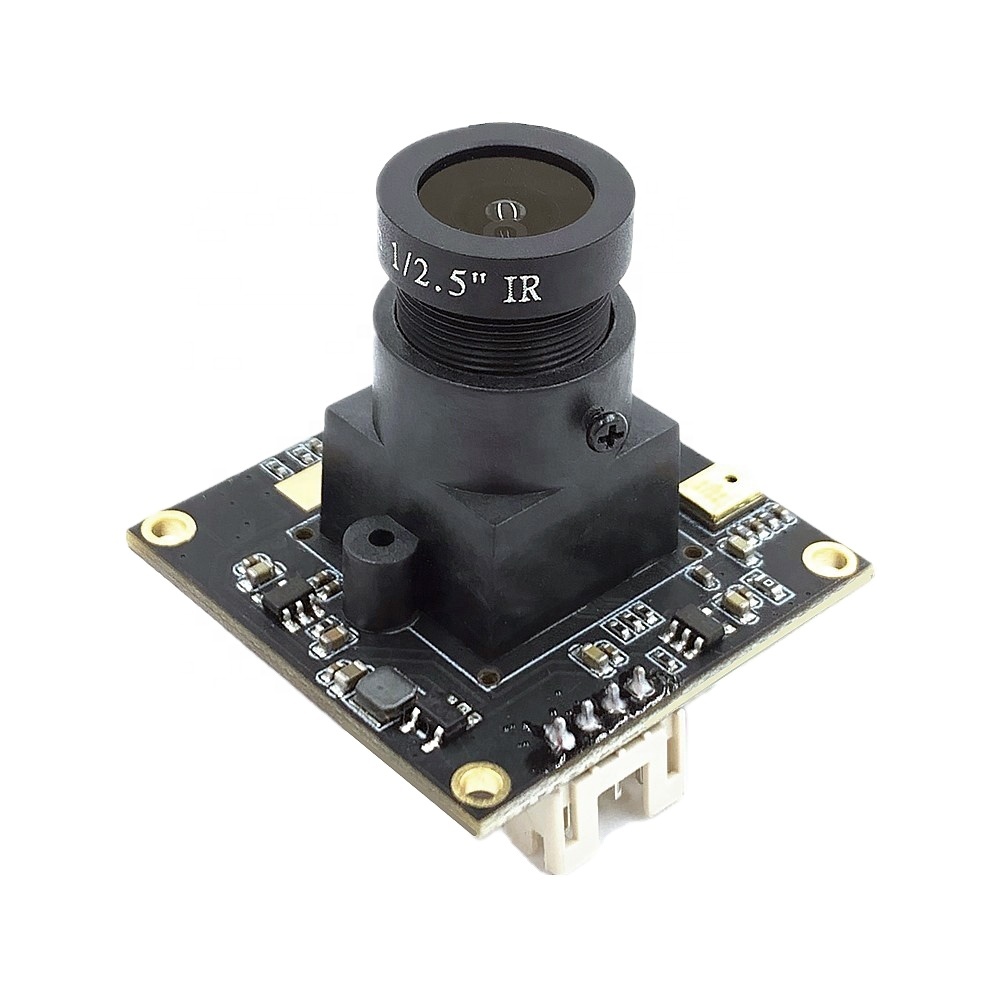
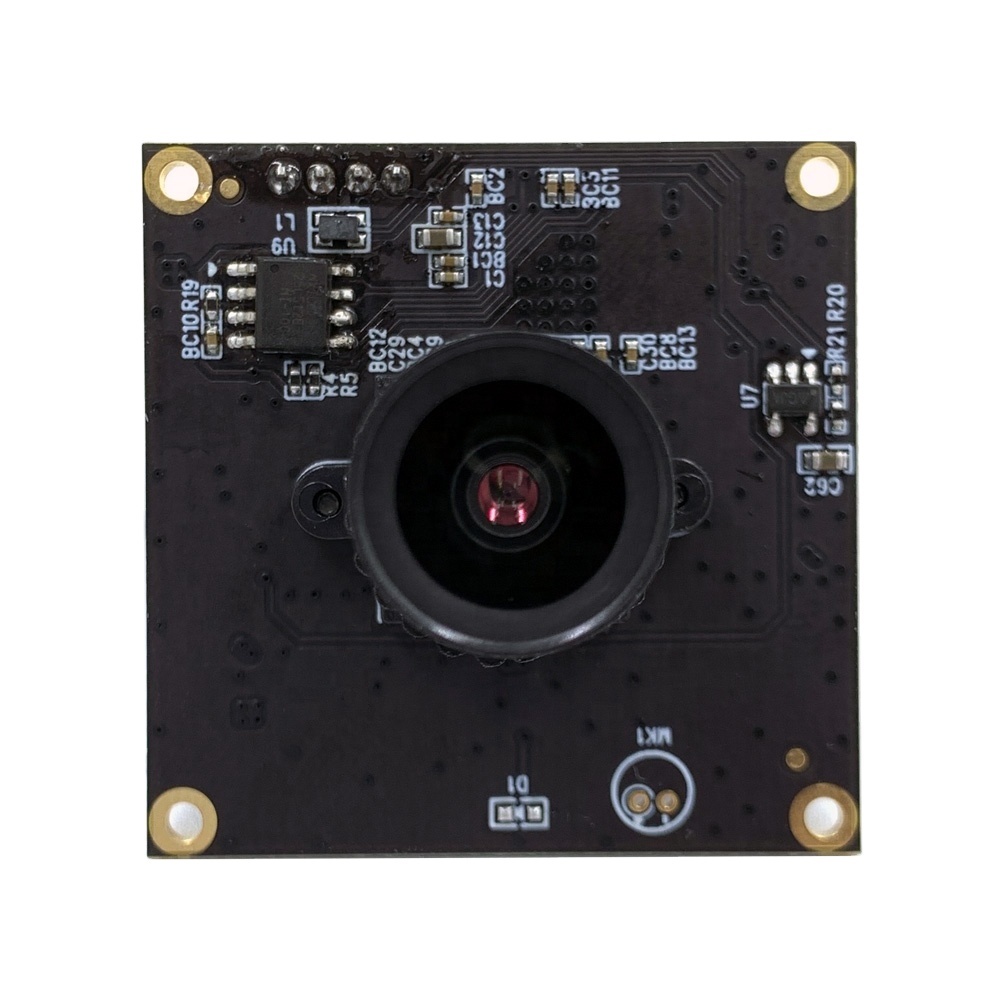
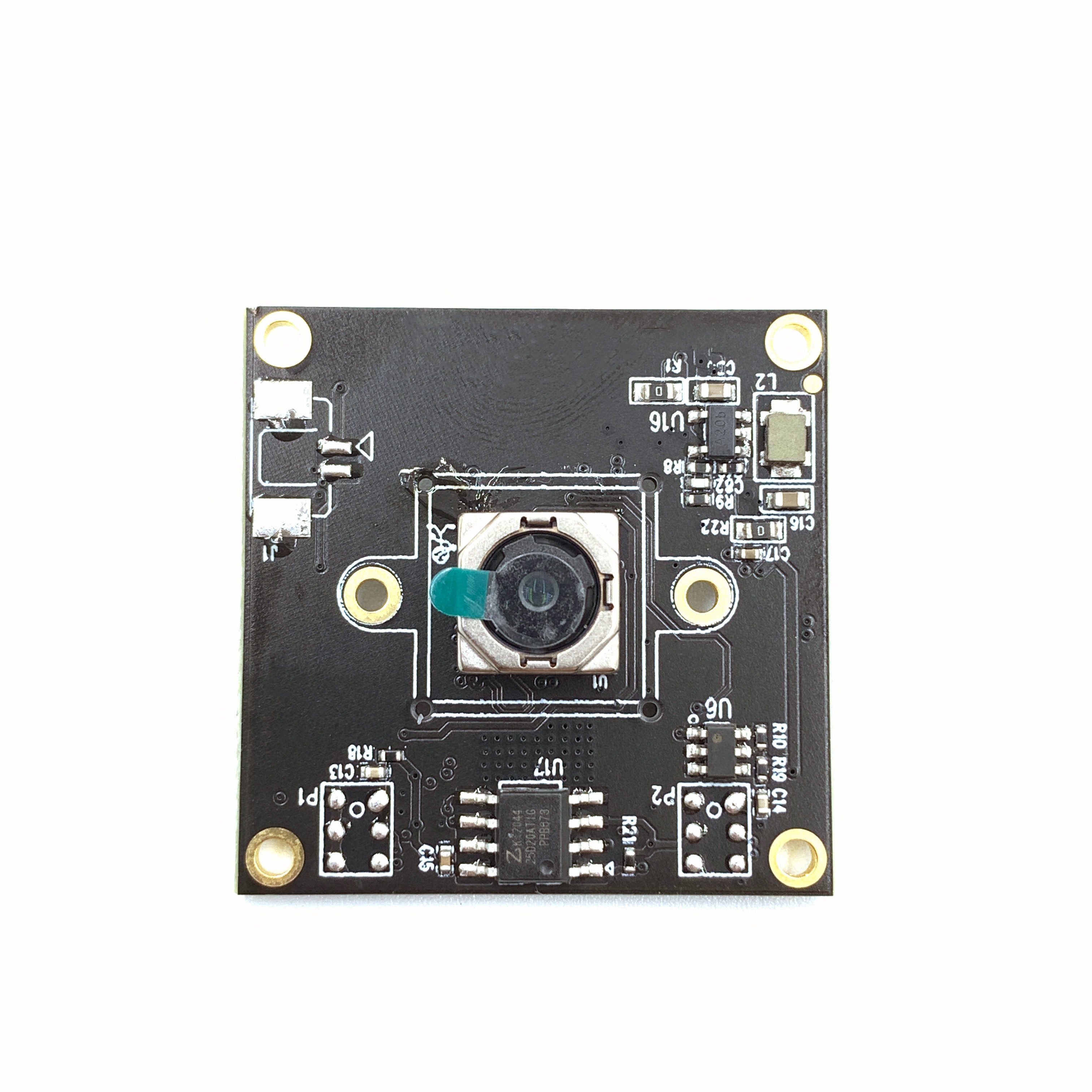
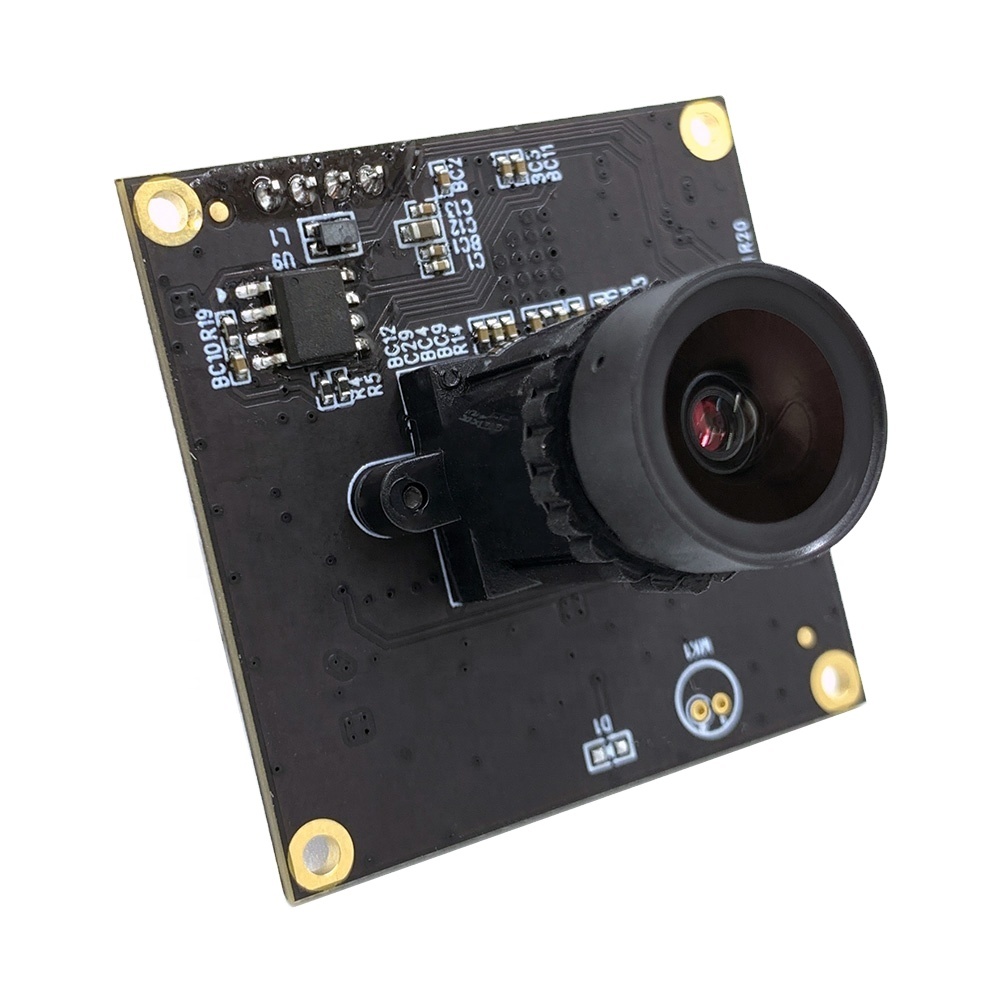
Factory Price 1080P 2.0MP USB Webcam 30fps 1920*1080 Color F2.0 Lens
- Resolution: 1080P (1920*1080) @ 30fps
- Lens: F2.0 Color Autofocus Lens
- Application: Meeting Video & VoIP Terminals
Precision-engineered USB, IP, and High-Frame-Rate CMOS camera boards optimized for thermal monitoring, license plate capture, ATM kiosks, and industrial machine vision in tropical environments.
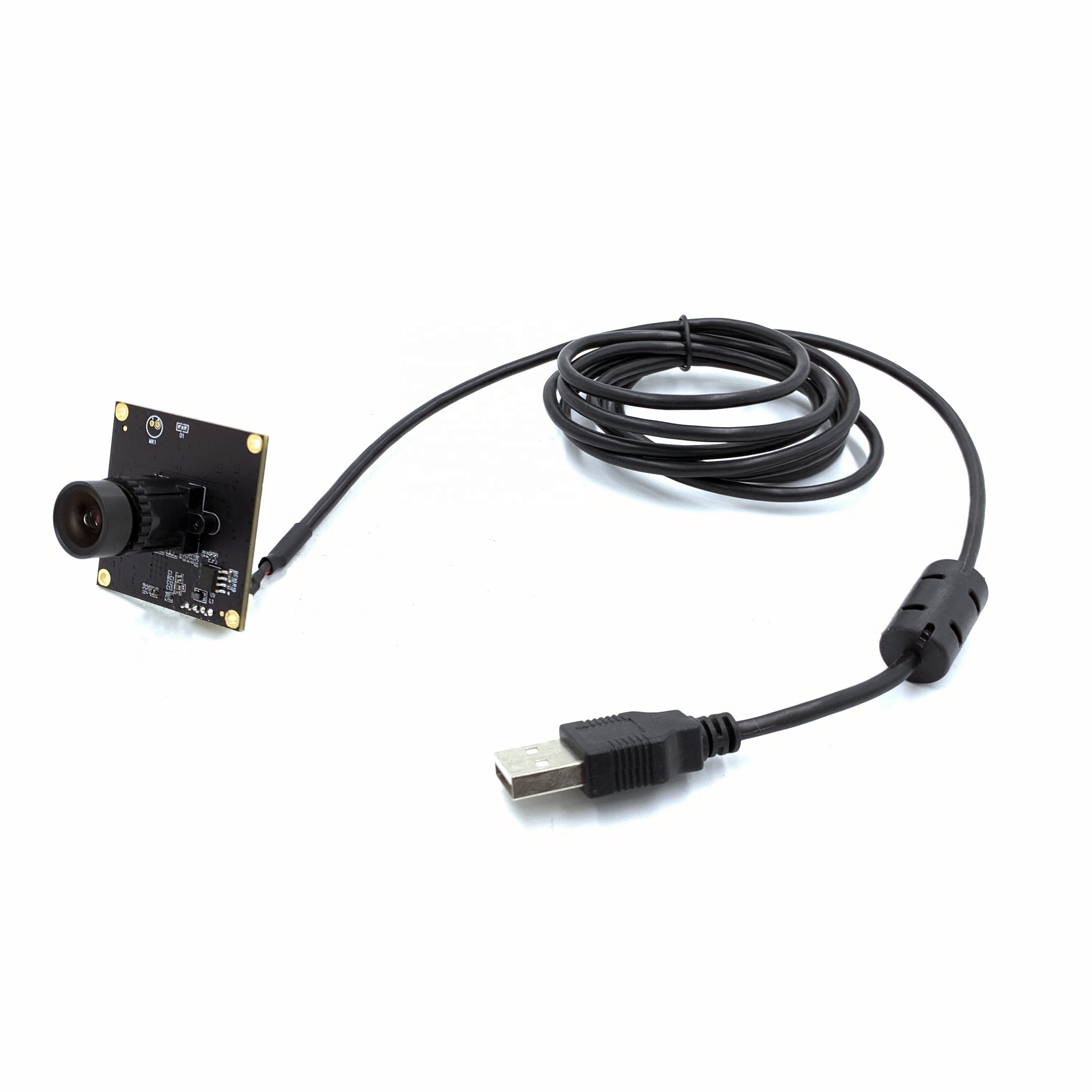
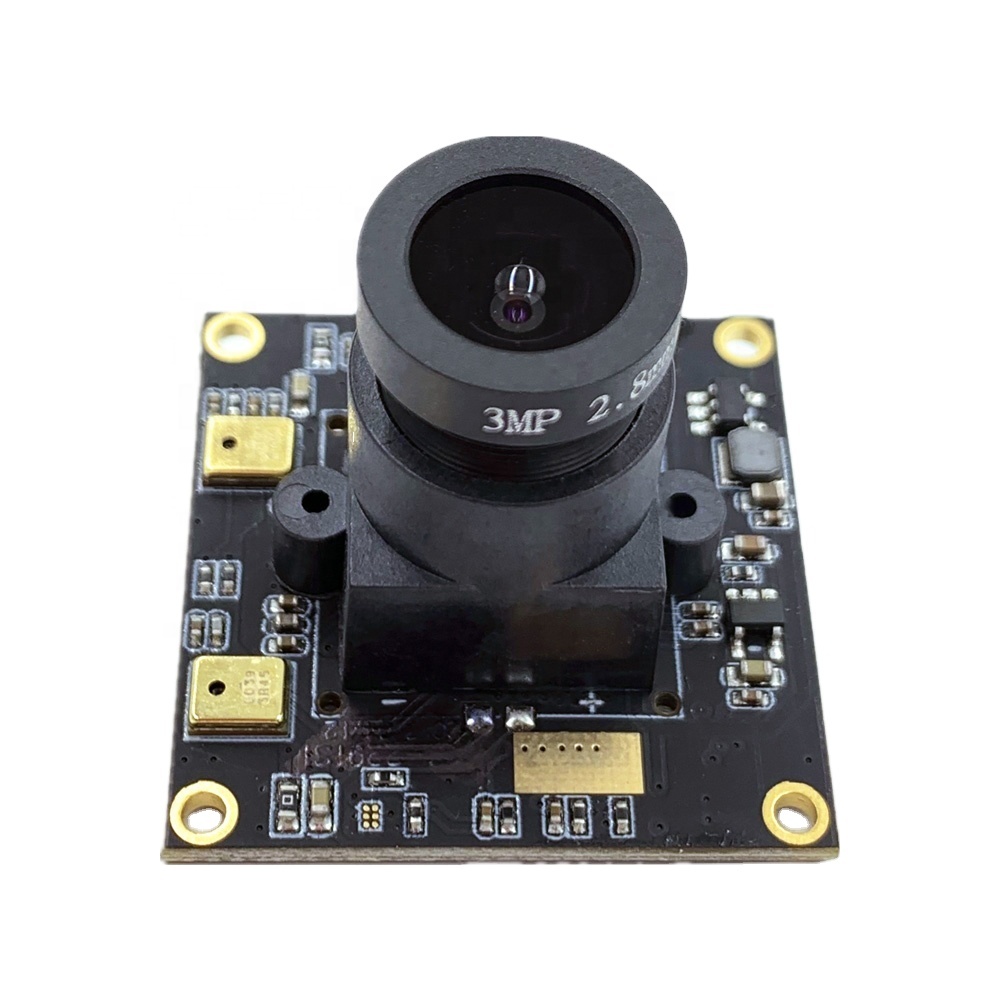
As Northern Vietnam emerges as a premier global hub for electronics manufacturing, smart city infrastructure, and automated logistics, the demand for high-reliability optical sensors has intensified. Hanoi, serving as the economic engine and technological command center of the Red River Delta, represents a unique operating environment where high ambient temperatures, extreme humidity during seasonal moisture surges (the nồm weather phenomenon), and rapid industrial automation converge. Engineering and procuring infrared (IR) camera modules, thermal imaging sensors, and ultra-low-lux starlight vision systems requires a granular understanding of both optical physics and local industrial requirements.
Information Gain Insight: Sourcing industrial infrared cameras for Hanoi’s manufacturing hubs (such as Hoa Lac Hi-Tech Park and the Bac Thang Long Industrial Zone) requires anti-fog optical coatings, dual-bandpass IR-cut filters (850nm/940nm), and robust thermal dissipation PCBs designed to survive ambient humidity exceeding 90% RH without focus drift or moisture ingress.
Infrared vision systems operate across distinct spectral bands, each tailored to specific physical constraints. When specifying camera boards for deployment in Hanoi's industrial and municipal projects, systems engineers must evaluate the trade-offs between Near-Infrared (NIR) illumination, Short-Wave Infrared (SWIR), and Thermal Long-Wave Infrared (LWIR):
Active NIR Illumination (850nm vs. 940nm): Standard security and automated teller machine (ATM) kiosk vision applications rely on NIR illumination. 850nm IR LEDs offer higher quantum efficiency (QE) on CMOS sensors such as the Sony Starvis IMX291, providing approximately 30% brighter night-vision capture at longer distances. However, 850nm produces a faint red glow visible to the human eye. For covert security, biometric verification, or indoor smart banking terminals in Hoan Kiem or Ba Dinh districts, 940nm invisible IR LEDs are preferred to eliminate visible illumination, requiring sensors with enhanced NIR sensitivity to compensate for reduced photon absorption.
Starlight Low-Lux Technology (0.001 Lux to 0.0001 Lux): Modern CMOS sensors utilizing backside-illuminated (BSI) pixel technology achieve full-color video under moonlight conditions without requiring power-hungry active IR illuminators. In high-density urban environments across Hanoi, low-lux sensors lower overall system wattage and prevent insects from being attracted to intense heat sources on outdoor camera housings.
| Optical Sensor Architecture | Sensitivity / Lux Threshold | IR Wavelength / Spectrum | Interface Bus | Primary Industrial Use Case in Hanoi |
|---|---|---|---|---|
| Sony Starvis BSI CMOS | 0.001 Lux - 0.0001 Lux | 850nm NIR / Visible Dual | USB 2.0 UVC / IP RTSP | 24/7 Smart City Traffic & ANPR Monitoring |
| High-Frame-Rate HDR CMOS | 0.1 Lux (High Dynamic) | Dual IR-Cut Switchable | USB High Speed (330FPS) | High-Speed Assembly Inspection (Bac Thang Long) |
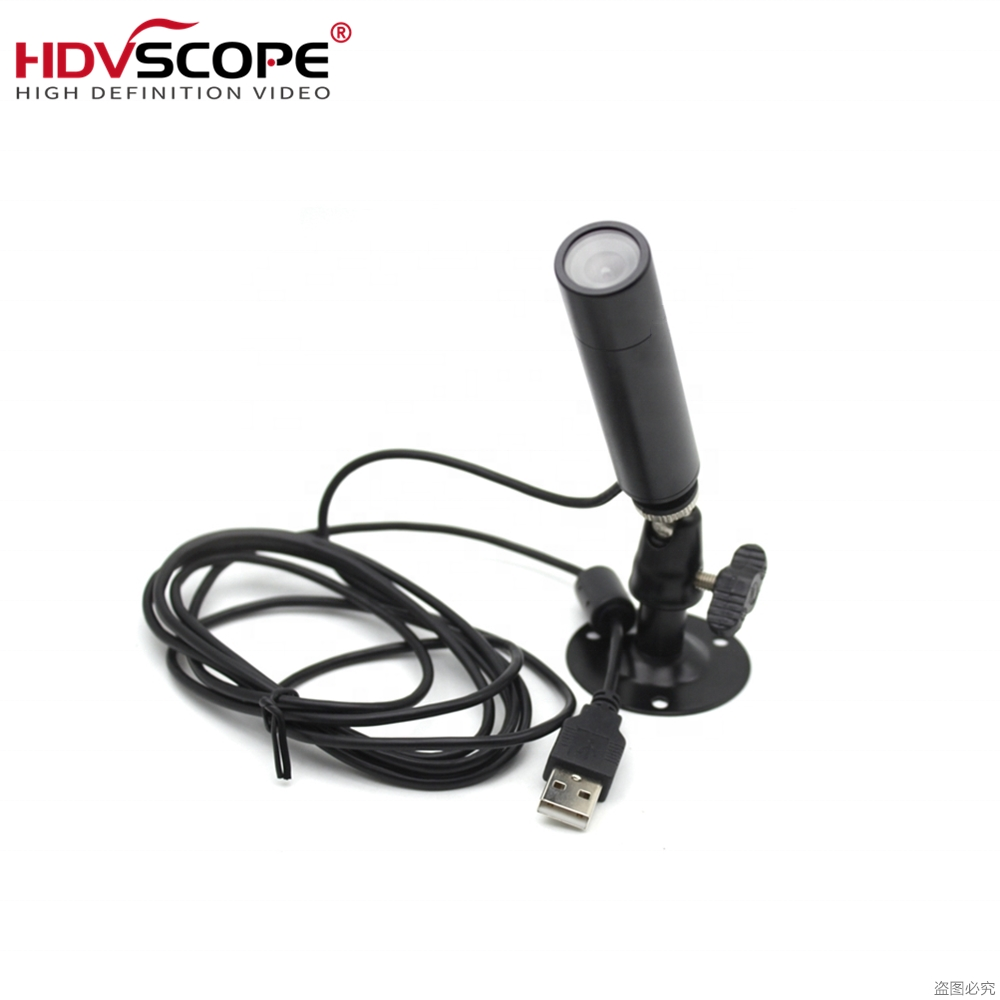
| IP67 Sealed Mini Cylinder | 0.01 Lux Low Illumination | 850nm Integrated Array | USB UVC Direct / AHD | Outdoor Self-Service Kiosks & Vending Terminals |
| Autofocus Macro Vision Board | 0.1 Lux Color | Visible Light + IR Pass Filter | USB 2.0 / USB 3.0 | OCR Document & QR Code Verification Kiosks |
Choosing the correct electrical and signal transport interface dictates the total cost of system integration for machine builders in Northern Vietnam:
Custom-configured camera modules solving real-world operational challenges for system integrators, municipal authorities, and manufacturing enterprises in Vietnam's capital region.
Deploying true WDR (Wide Dynamic Range) starlight camera boards along Nhat Tan Bridge, Ring Road 3, and Highway 5. High-speed shutter controls prevent headlight flare while capturing crystal-clear license plates during severe tropical rainstorms and pitch-black night conditions.
Inside high-tech cleanrooms across Bac Thang Long Industrial Park and Hoa Lac Hi-Tech Zone, automated optical inspection (AOI) systems require anti-fog coated macro lenses and 8.0MP autofocus USB modules to inspect PCB soldering under high humidity without optical distortion.
Compact 15x15mm pinhole and fisheye USB camera boards fitted inside self-service banking terminals in Hoan Kiem, Cau Giay, and Dong Da districts. Integrated 940nm invisible night vision guarantees crisp face identification without alerting subjects or creating visual glare.
8MP autofocus low-lux USB camera boards integrated into government public service kiosks and hotel check-in desks across Hanoi, delivering sub-second barcode, QR code, and passport text scanning under adverse lighting.
Anti-fog panoramic 180-degree wide-angle camera boards operating in refrigerated unmanned retail lockers and smart vending machines, withstanding extreme thermal contrast and humidity without lens fogging.
PoE mini bullet network camera boards paired with long-wavelength thermal sensors for perimeter surveillance along logistics hubs near Noi Bai International Airport, providing automated heat signature detection and intrusion alerts.
Vietnam’s national "Industry 4.0" master plan has accelerated the deployment of computer vision and smart infrastructure throughout Hanoi and surrounding industrial provinces (Bac Ninh, Hung Yen, Hai Phong). Key trends transforming procurement strategies for B2B engineering buyers include:
Traditional camera architectures streamed raw video feeds to centralized servers for processing. Modern system design in Hanoi favors Edge AI vision, where camera modules output pre-compressed H.264/H.265 video or connect via direct USB interface to local NPU (Neural Processing Unit) microcontrollers. Hardware-level High Dynamic Range (HDR) and Starvis low-lux performance are paramount because AI algorithms (such as YOLO or OpenCV facial recognition) fail when fed noisy, under-exposed, or motion-blurred frames.
Northern Vietnam experiences tropical weather swings, with summer temperatures reaching 40°C and winter relative humidity approaching 98%. Wholesalers and OEMs in Hanoi are increasingly discarding consumer-grade webcams in favor of industrial-grade PCB designs featuring conformal coating, anti-moisture sealing, wide operating temperature components (-20°C to +70°C), and reinforced M12 metal lens mounts to prevent thermal focus shift.
As software developers in Hanoi build open-source Linux and Android solutions for smart retail, medical diagnostics, and traffic monitoring, UVC compliant USB modules have become the default standard. Eliminating proprietary third-party driver installations streamlines software deployment and reduces long-term maintenance overhead.
Combining world-class optical engineering, rigid quality control, and flexible factory-direct customization to empower system integrators across Vietnam and global markets.
Over a decade of specialized focus on micro camera module miniaturization, high-speed circuit layout (Protel / Allegro PCB design), and specialized lens tuning for global B2B clients.
Every camera board is manufactured under ISO-standard quality controls, passing rigorous electromagnetic compatibility (EMC) and hazardous substance tests for seamless export into ASEAN, EU, and North America.
We stand behind our optical reliability with a full 2-year warranty, free replacement policy for factory defects, and dedicated lifetime technical engineering support.
Direct answers regarding import logistics, customs compliance, optical customization, sample evaluations, and technical specs for Vietnam procurement.
In-stock camera module samples are dispatched within 1 to 3 working days from our factory. Express air freight to Hanoi (via DHL, FedEx, or SF Express) typically arrives within 2 to 4 days, allowing fast engineering evaluation.
Yes. As a licensed Chinese manufacturer, Shenzhen Brekta Electronics provides official Form E Certificates of Origin (C/O), allowing Vietnamese importers to take advantage of preferential import tariff rates under the ACFTA agreement.
For standard product evaluation, our MOQ starts at just 1 piece. For custom PCB shapes, custom wiring harness lengths, or specialized IR-cut filter coatings, low OEM trial thresholds (typically 5 to 10 pcs) are available to support initial pilot prototyping.
Absolutely. All our USB modules follow standard UVC (USB Video Class) protocol, requiring zero third-party drivers. They connect seamlessly with Android, Ubuntu, Debian, Windows, and macOS operating systems powering smart terminals.
Our industrial modules feature high-grade glass optics, sealed M12/CS lens mounts, optional conformal PCB coatings, and rigorous thermal testing to prevent moisture condensation and focus shift under extreme humidity.
Yes. Our engineering team can tailor board dimensions (15x15mm, 32x32mm, 38x38mm), select specific lens focal lengths (from 1.7mm fisheye to 16mm narrow view), adjust IR LED passband (850nm/940nm), and customize USB/JST cable pinouts.
Connect directly with our engineering sales team to request technical datasheets, CAD drawings, or fast sample evaluation for your upcoming project in Vietnam.
Inquire Now