High-Performance Infrared & Optical Camera Modules for Victoria
Shortlisted by industrial integrators across Melbourne, Geelong, and regional Victoria for high frame rates, low-light sensitivity, and seamless UVC/RTSP software integration.
Victoria’s Electro-Optical Transformation & Industrial Demand Dynamics
Analyzing the shift toward edge-integrated infrared optics across Melbourne’s innovation corridors, Dandenong manufacturing hubs, and regional agricultural zones.
The State of Victoria, Australia, stands as a primary node for advanced manufacturing, automated logistics, precision agriculture, and smart public infrastructure. As OEMs, systemic integrators, and engineering firms across Melbourne, Geelong, Ballarat, and Bendigo accelerate their adoption of Industry 4.0 paradigms, the demand for high-reliability Infrared (IR) Camera Modules has grown exponentially. Standard optical cameras frequently fail in Victoria’s highly variable ambient lighting conditions—ranging from high-glare direct sunlight in open-pit agriculture to pitch-black environments in sub-surface utility vaults and overnight logistics depots.
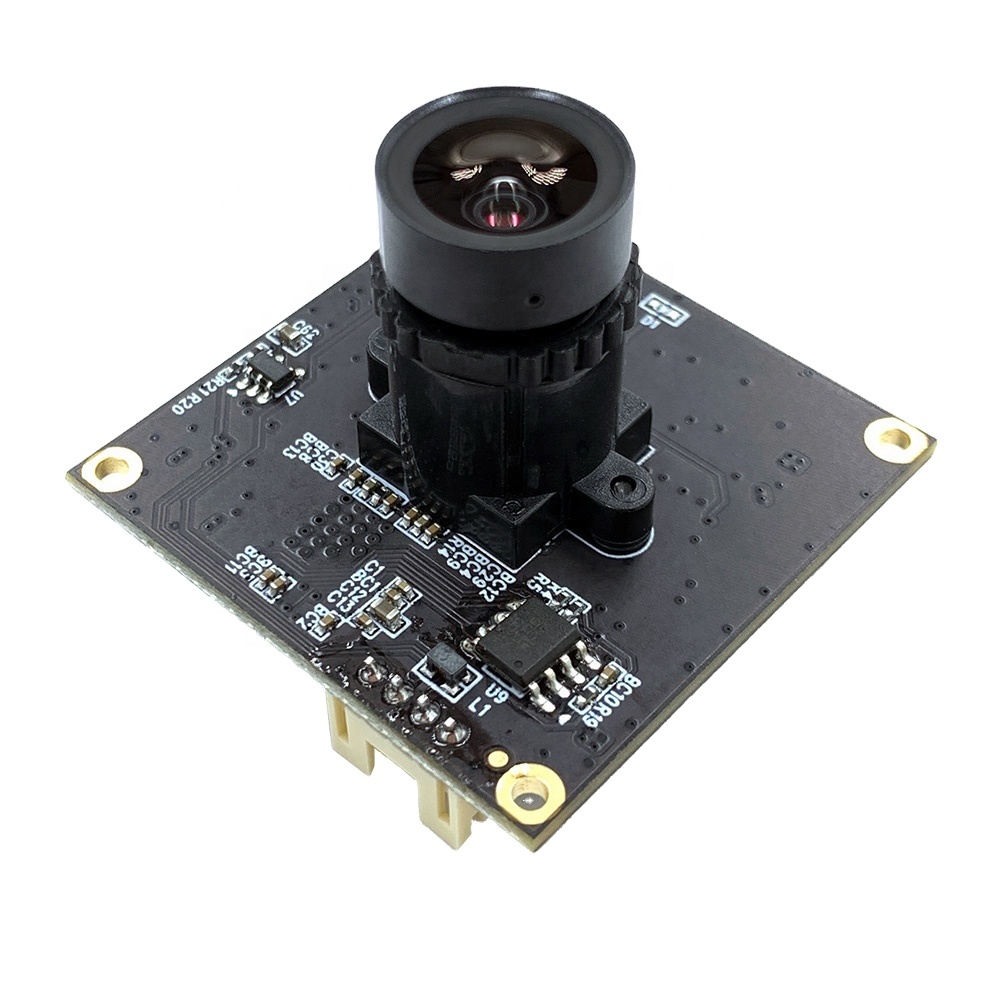
As an established global manufacturer and direct exporter, Shenzhen Brekta Electronics Co., Ltd. bridge this technology gap by supplying custom-engineered, OEM-ready infrared and low-lux vision modules directly to the Victorian engineering ecosystem. By combining high-quantum-efficiency CMOS image sensors (such as Sony STARVIS and Onsemi WDR architectures) with precision 850nm/940nm Narrowband IR Cut filters, integrated IR LED arrays, and UVC plug-and-play micro-PCBs, we empower local integrators to build robust visual monitoring platforms that operate reliably 24 hours a day, 7 days a week.
Information Gain Key Takeaway: Modern Victorian automated infrastructure requires dual-band spectral response. Optical systems must seamlessly transition between RGB color representation during daylight hours and high-contrast Near-Infrared (NIR) monochrome acquisition under 0.0001 Lux darkness without image latency or frame drop.
Technical Architecture of Brekta Infrared Camera Modules
Understanding sensor quantum efficiency, waveband pass filtering, and onboard ISP processing for Victorian integration projects.
850nm vs. 940nm IR Illumination
We configure modules with either 850nm IR LEDs (maximum optical efficiency for long-range perimeter coverage) or 940nm IR LEDs (completely invisible beam emission, ideal for covert banking ATM security and biometric access control in public spaces).
Wide Dynamic Range (WDR / HDR)
Equipped with Hardware HDR up to 105dB (such as Onsemi AR0230 sensors), our modules eliminate dark silhouette effects when cameras face glass storefronts or open sunlight across Victorian transport terminals.
High Frame Rate (Up to 330 FPS)
For high-speed automated packaging, sorting, and vehicle license plate recognition (ALPR), Brekta provides high-speed global and rolling shutter modules capable of capturing crystal-clear unblurred motion.
| Module Category | Sensor Architecture | Wavelength / Lux | Interface Standard | Primary Victorian Target Application |
|---|---|---|---|---|
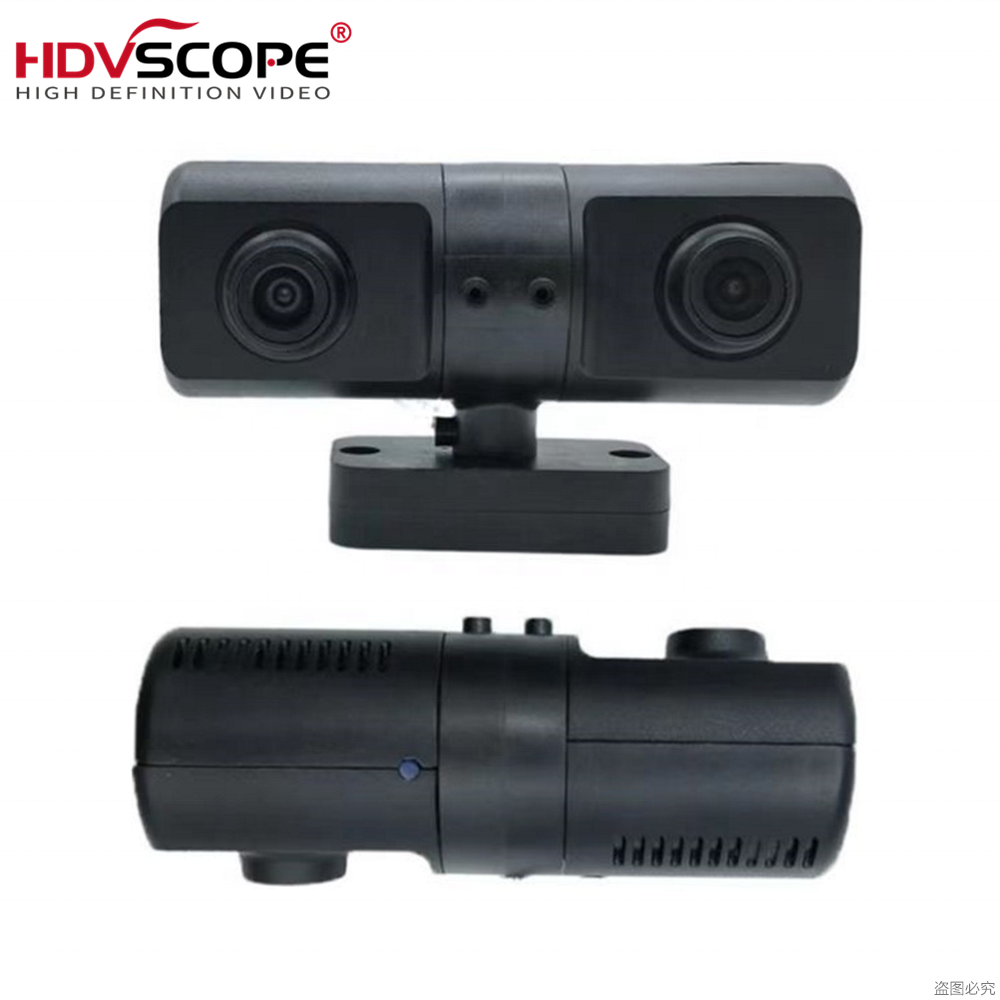
| Dual-Lens RGB + IR | 1/4" or 1/2.7" Dual CMOS | 850nm / 940nm (0.01 Lux) | UVC USB 2.0 (Dual Stream) | Biometric Liveness Detection, Access Control Malls |
| Ultra Low-Lux STARVIS | Sony IMX291 / IMX335 | 0.0001 Lux (Starlight NIR) | UVC USB / RTSP IP / PoE | 24/7 Unattended Vending, Sub-station Surveillance |
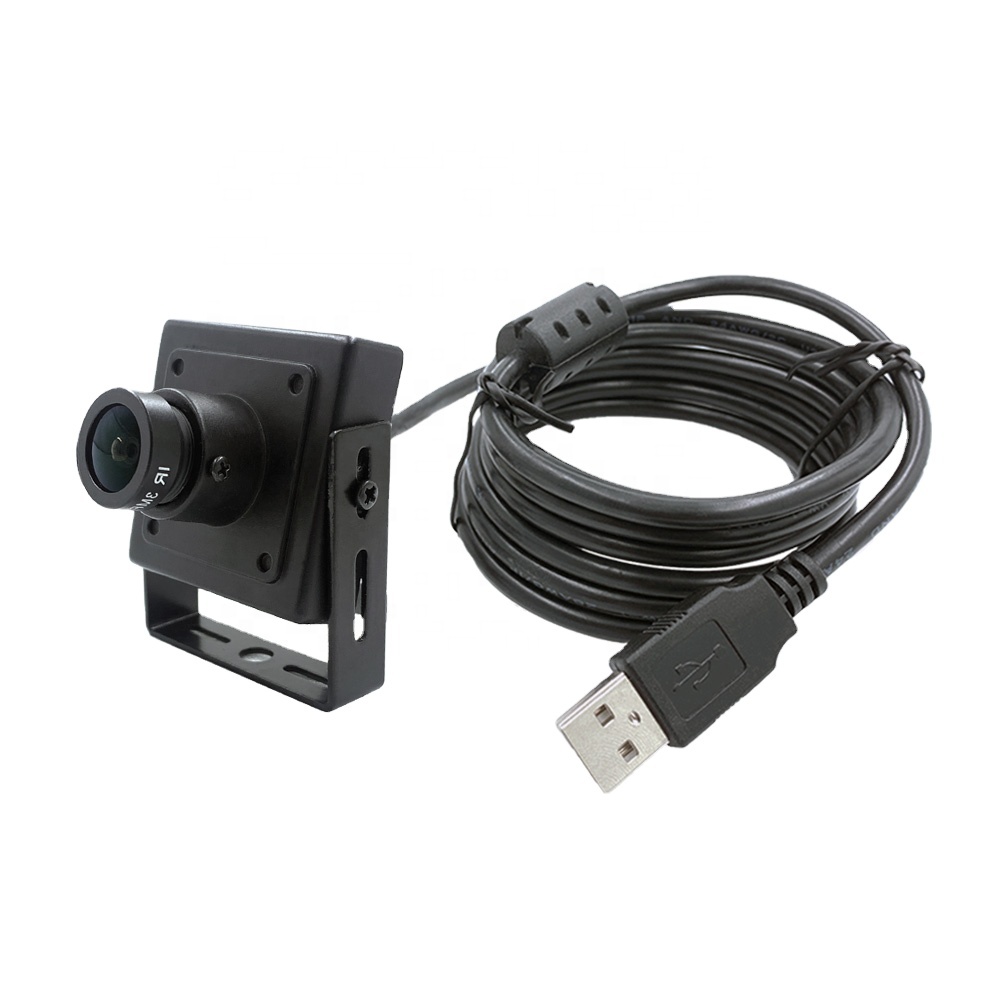
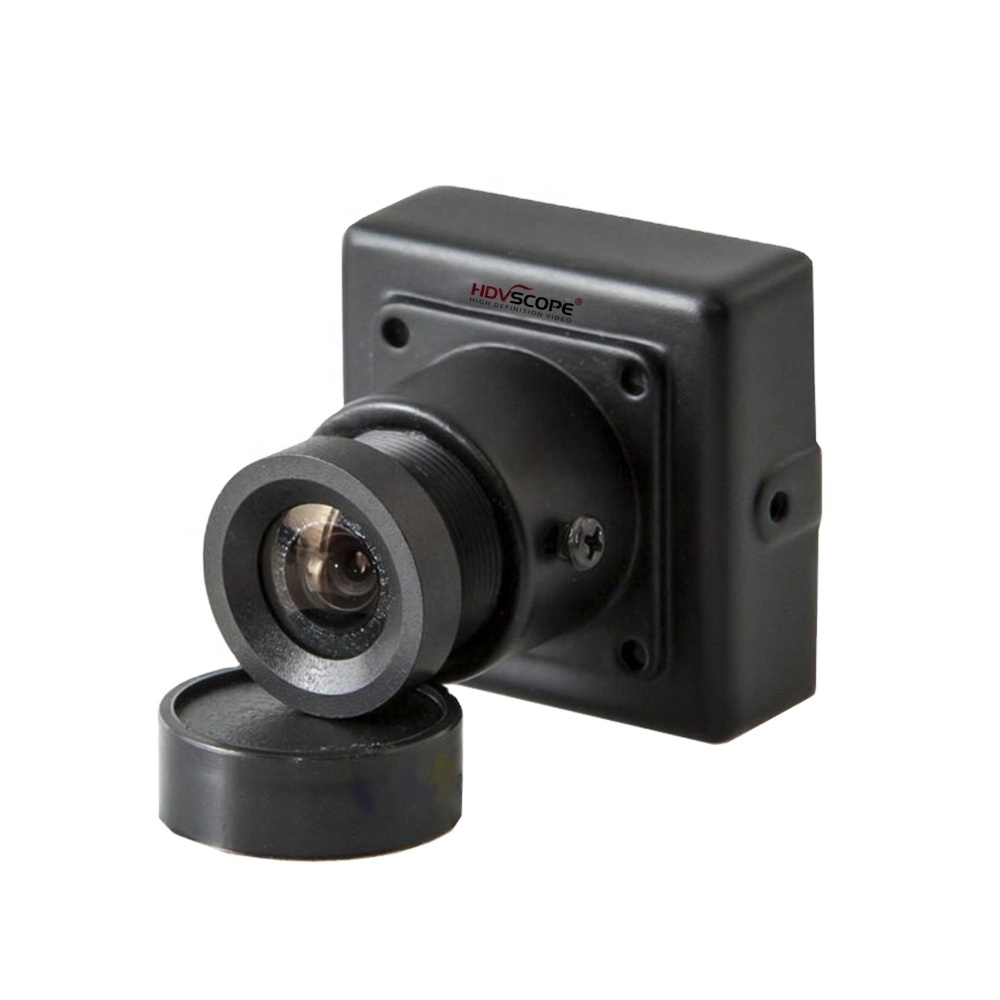
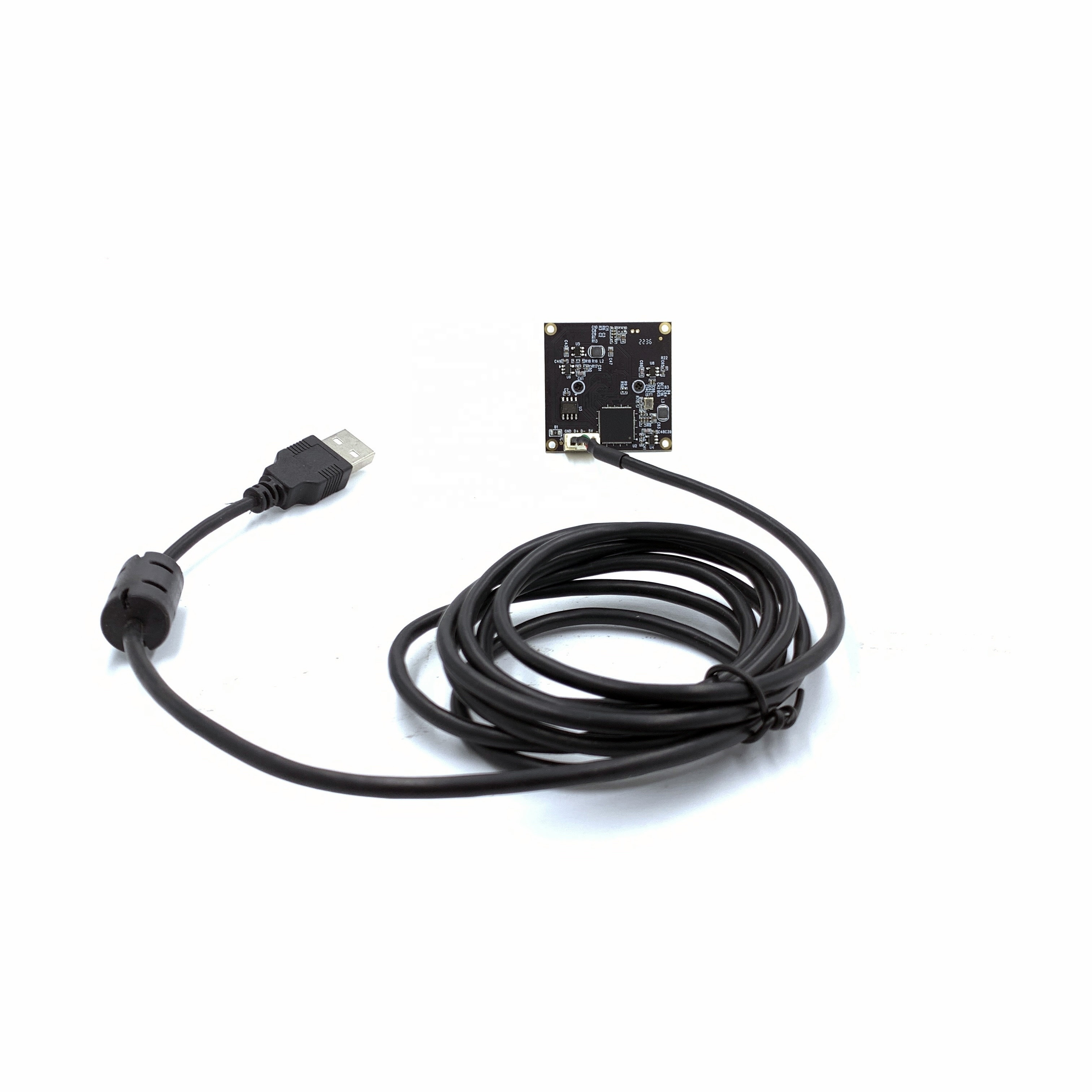
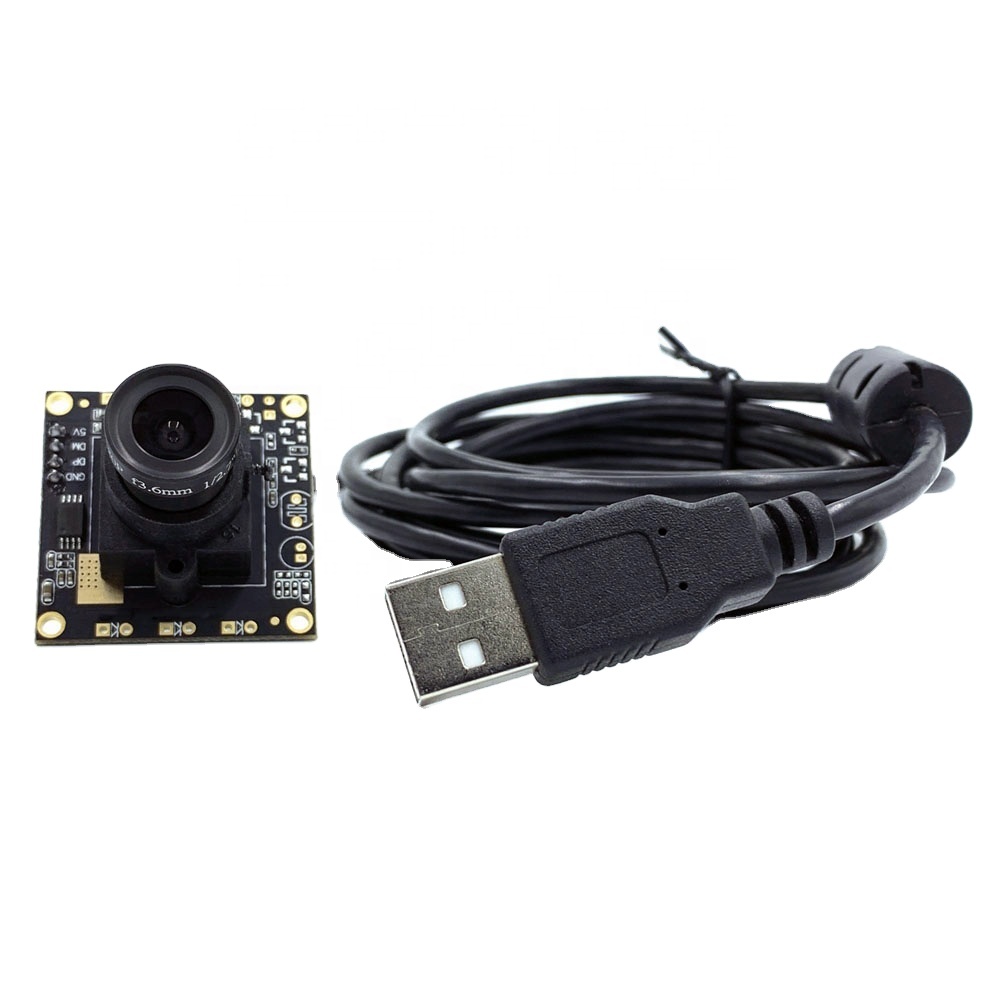
| Ultra-Compact Micro PCB | 1/3" High Sensitivity CMOS | 850nm Filter (0.1 Lux) | USB (15x15mm / 25x25mm) | Embedded ATM Kiosks, Medical Devices, Robotics |
| High-Speed HDR Vision | Onsemi AR0230 / CMOS | Wide Spectrum HDR (105dB) | USB 2.0 (Up to 330 FPS) | High-Speed Conveyor Sorting (Dandenong Industry) |
Infrared Module Applications Across Victoria’s Primary Sectors
Custom electro-optical solutions tuned to local environmental compliance and operational requirements.
1. Banking Kiosks, ATMs & Self-Order Terminals (Melbourne CBD)
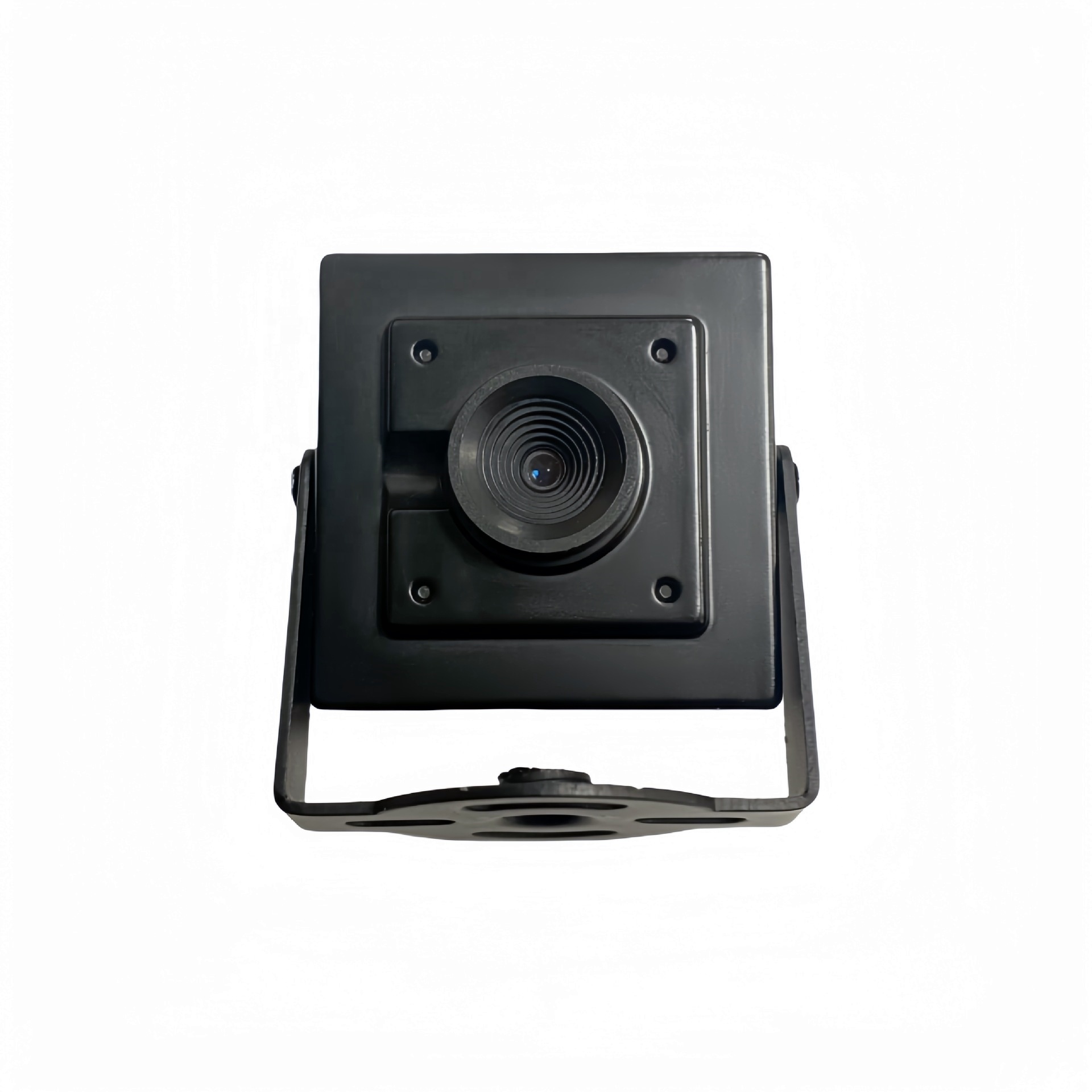
Financial institutions and self-service retail operators across Greater Melbourne require non-intrusive security capture. Brekta’s micro 25x25mm and 32x32mm USB IR modules fit into slim metal bezels. Equipped with 940nm invisible IR LEDs and wide-angle 2.1mm fisheye lenses, they capture high-definition facial profiles without blinding users with visible light glare.
2. Precision AgTech & Viticulture Automation (Yarra Valley & Sunraysia)
Regional Victorian agribusinesses leverage automated crop health monitoring, automated tractor guidance, and fruit-sorting machinery. Our NIR-sensitive image sensors allow machine vision systems to analyze chlorophyll absorption bands, detecting crop water stress and surface bruising long before damage is visible to the human eye.
3. Heavy Manufacturing & Robotic Inspection (Dandenong & Campbellfield)
Victoria's industrial manufacturing hubs deploy Brekta high-frame-rate (330 FPS) HDR modules inside automated weld inspection, robotic assembly, and CNC containment units. Dust-sealed, compact board layouts withstand thermal stress and mechanical vibration while continuously outputting MJPEG or YUY2 streams over industrial USB cables.
4. Perimeter Security & Bushfire Early Warning Systems
Deployments along Victorian railway corridors (Metro Trains Melbourne, V/Line) and remote infrastructure nodes require extreme low-light performance. Brekta’s Sony STARVIS low-lux camera modules deliver clear 1080p monochrome IR footage in total darkness, enabling AI edge analytics to detect track intrusions and thermal hot-spots before ignition occurs.
Emerging Trends Shaping Victoria’s Electro-Optics Landscape
Key regulatory and technical shifts driving camera module specification in Australia.
RCM & EMC Regulatory Alignment
Victorian electrical device importers must meet strict Regulatory Compliance Mark (RCM) standards. Brekta camera modules are fully pre-certified with CE, FCC, and RoHS test reports, streamlining RCM registration under Australian ACMA regulations.
Edge-AI & On-Board Processing
Rather than streaming raw video to centralized cloud servers, Victorian OEMs are integrating camera modules directly with NVIDIA Jetson and Raspberry Pi Compute Modules. Our UVC driverless architecture ensures zero-latency kernel recognition across Ubuntu, Yocto Linux, and Windows IoT.
Modular Sustainability & Lifecycle Support
Local integrators demand long-term component availability. Brekta guarantees a minimum 5-to-7 year supply lifecycle for core industrial PCBA layouts, allowing Victorian system builders to standardize housing molds without redesign risk.
Direct-Factory OEM Capabilities & Exporter Advantages
Eliminating middleman markups while providing custom PCB engineering, fast sampling, and direct air-freight export to Melbourne.
In-House Optical & PCB Design Engineering
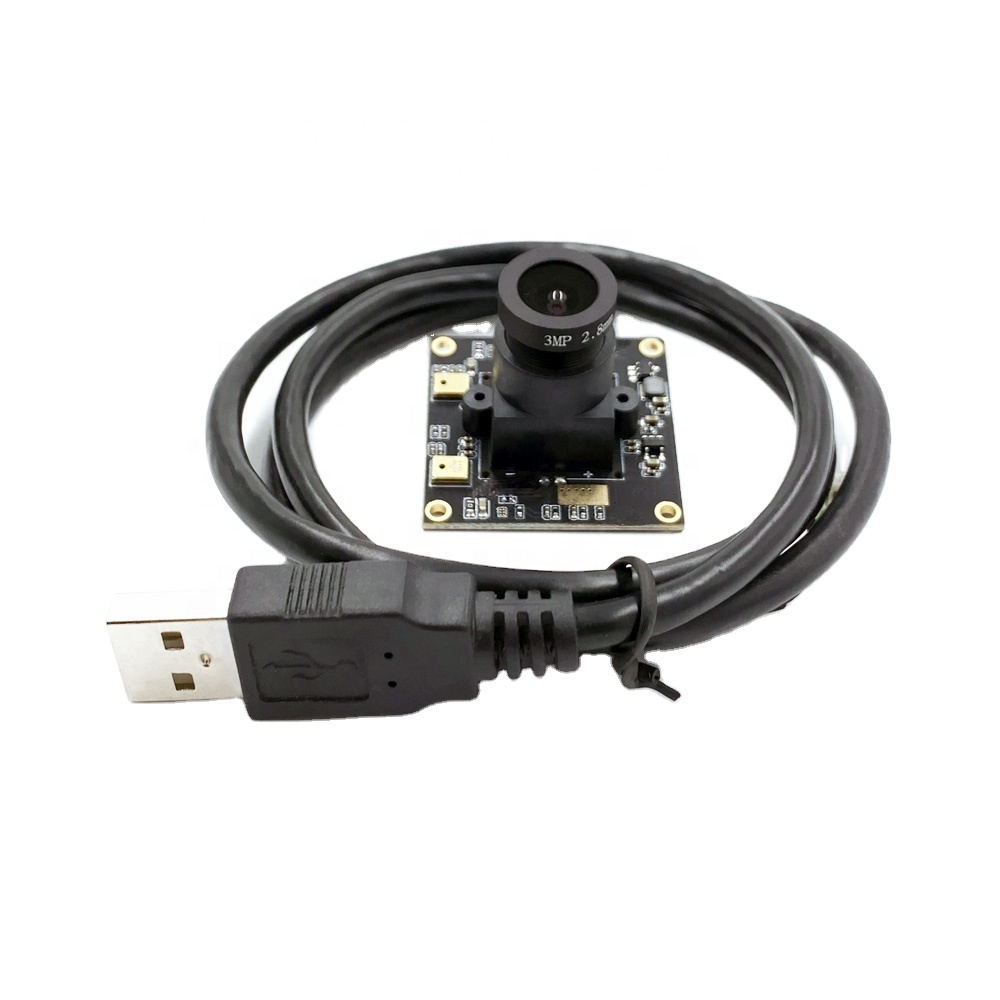
Our engineering team utilizes industrial software suites (Protel, Allegro) to design multi-layer PCBAs tailored to your structural enclosure. Whether you require a custom pinout connector, a specialized FPC ribbon cable length, integrated microphone arrays, or dual-band IR cut-switches, Brekta delivers custom prototypes within 5 to 10 working days.
We maintain strict ISO 9001 quality management across all assembly lines in Shenzhen and Dongguan. Every camera module undergoes automated SMT inspection, dual-station optical focus alignment, dynamic burn-in testing, and 100% video output verification prior to export packaging.
Streamlined Logistics & Support for Victorian Importers
- Express Air Freight to Melbourne (MEL): 3 to 5 business days transit time via DHL/FedEx/TNT direct to your facility in Victoria.
- Flexible Ordering (MOQ from 1 Piece): Evaluate engineering samples with zero risk before committing to mass production volumes.
- 24-Month Factory Warranty: Full replacement warranty backed by lifetime direct technical support from our lead design engineers.
- Complete Intellectual Property Protection: Non-Disclosure Agreements (NDAs) enforced to safeguard your proprietary hardware designs.
Frequently Asked Questions by Victorian Integrators
Addressing import compliance, customization options, and technical support for Australian buyers.
How do Brekta camera modules comply with Australian ACMA RCM requirements?
All Brekta export camera modules are manufactured in compliance with international EMC standards and hold full CE, FCC, and RoHS certifications. We provide accredited laboratory test reports that your local Australian compliance officer or agent can utilize to complete RCM declaration and registration smoothly.
Can you supply custom length USB cables and lockable connectors for embedded kiosks?
Yes. We routinely supply custom cable harnesses—including USB 2.0 4-pin JST connectors, Molex assemblies, right-angle plugs, and custom shielded cables up to 5 meters with ferrite cores to prevent EMI interference in industrial environments.
What is the delivery timeline for orders shipped to Victoria, Australia?
In-stock standard evaluation samples are dispatched within 1 to 3 working days. Custom ODM prototypes require 7 to 10 days. Air express shipments (FedEx/DHL) directly to Melbourne, Geelong, or regional hubs typically arrive within 3 to 5 business days.
Are your USB infrared camera modules compatible with ARM-based edge platforms?
Absolutely. Brekta USB camera modules comply with the standard UVC (USB Video Class) protocol. They operate driver-free across ARM and x86 architectures running Linux (Ubuntu, Debian, Yocto), Android, Windows IoT, and macOS, streaming native MJPEG, YUY2, or H.264 video.
Ready to Standardize Your Vision Hardware in Victoria?
Consult directly with our Senior Engineering Team today. Submit your structural housing drawings, target sensor parameters, or project specifications for a comprehensive technical evaluation and fast-track factory quotation.