Industrial-Grade Iris Recognition & Vision Camera Modules
Engineered for high-contrast ocular biometric capture, contactless access terminals, kiosk integration, and extreme environmental durability across Kanagawa Prefecture.
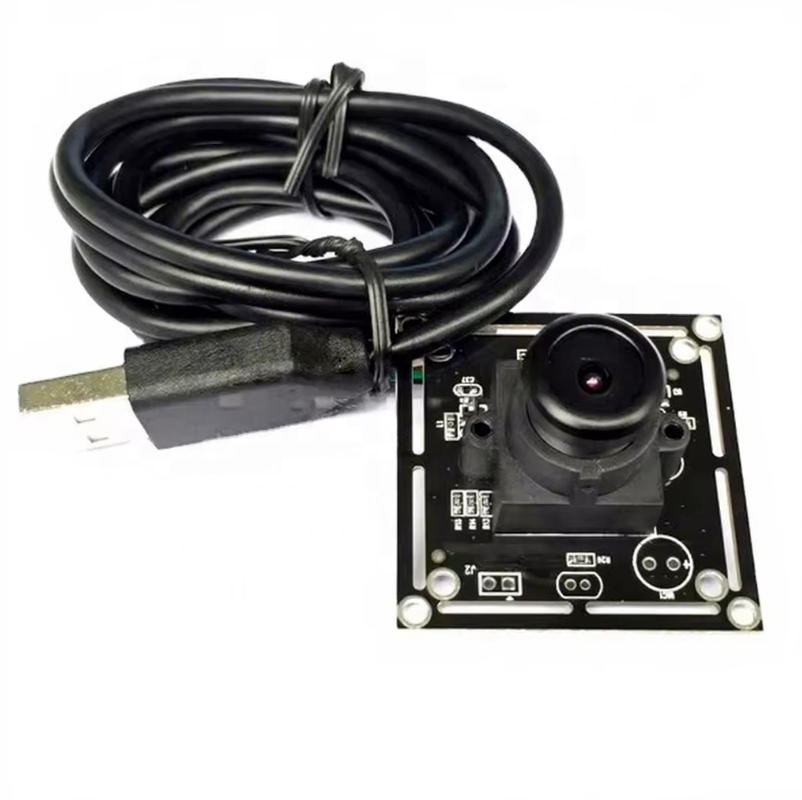
- EX-View WDR Technology
- Compact 32x32mm Form Factor
- Near-Infrared Enhanced Response
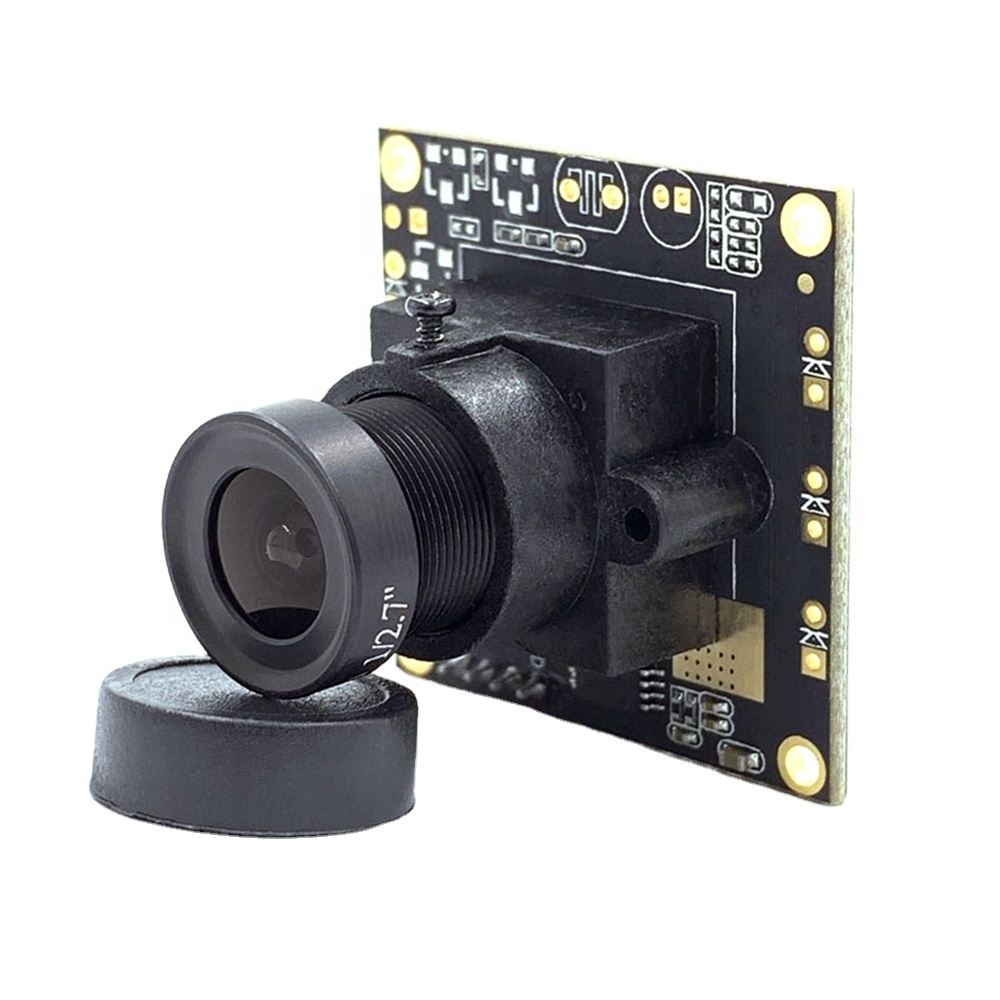
- Onsemi AR0230 High-Dynamic Sensor
- 1080P Full HD Image Stream
- Ideal for Kiosks & Iris Verification
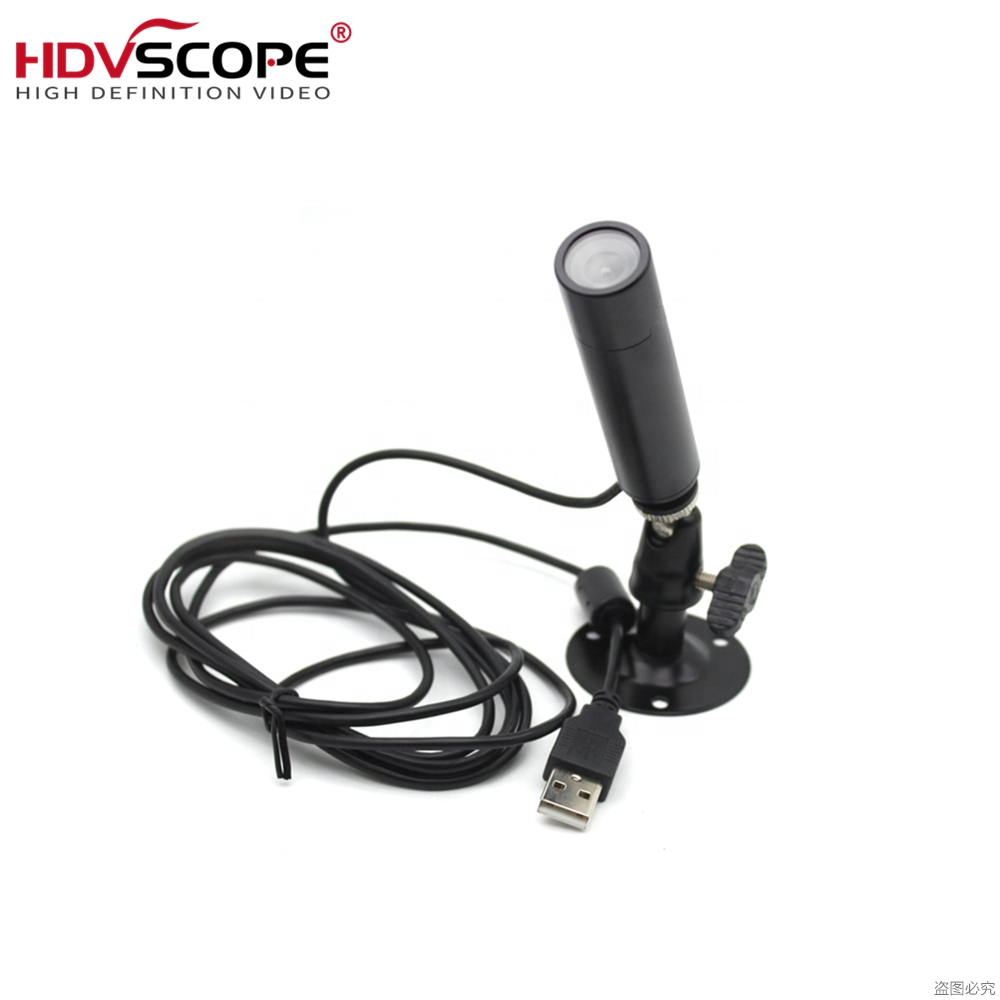
- IP67 Sealed Marine-Grade Housing
- Micro 20mm Cylindrical Profile
- High Sensitivity for Outdoor Gates
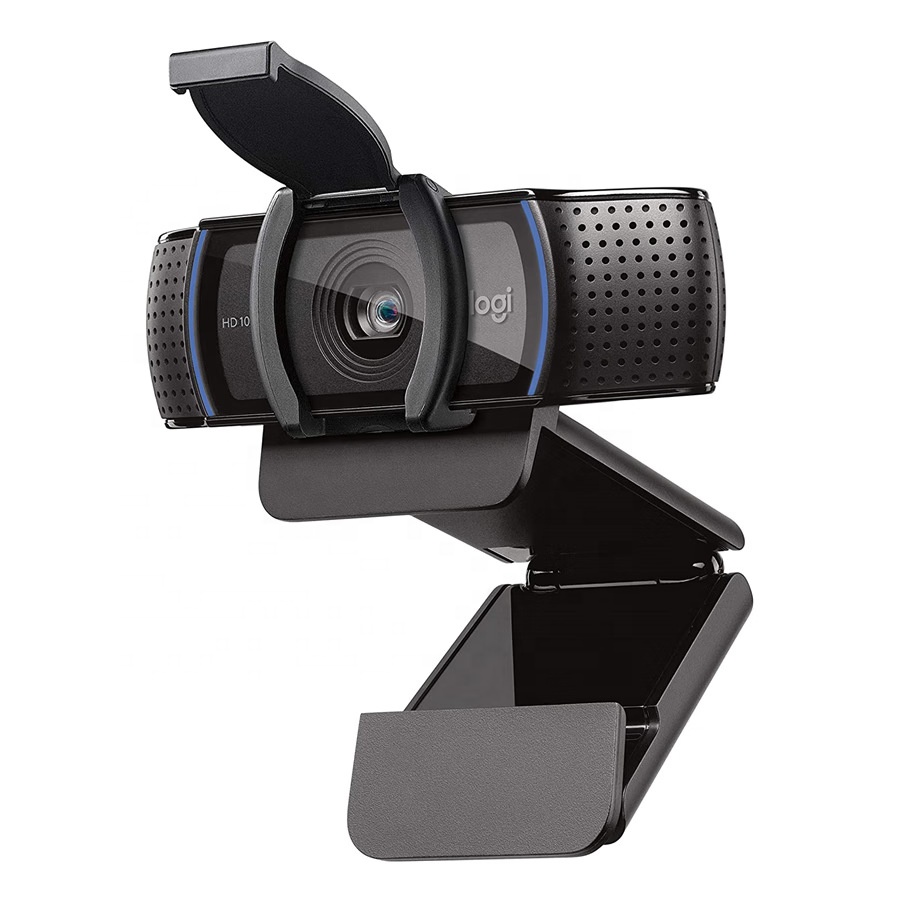
- Rapid Voice-Coil Autofocus System
- 78° Low-Distortion FOV Lens
- Dual Microphones & Privacy Shutter
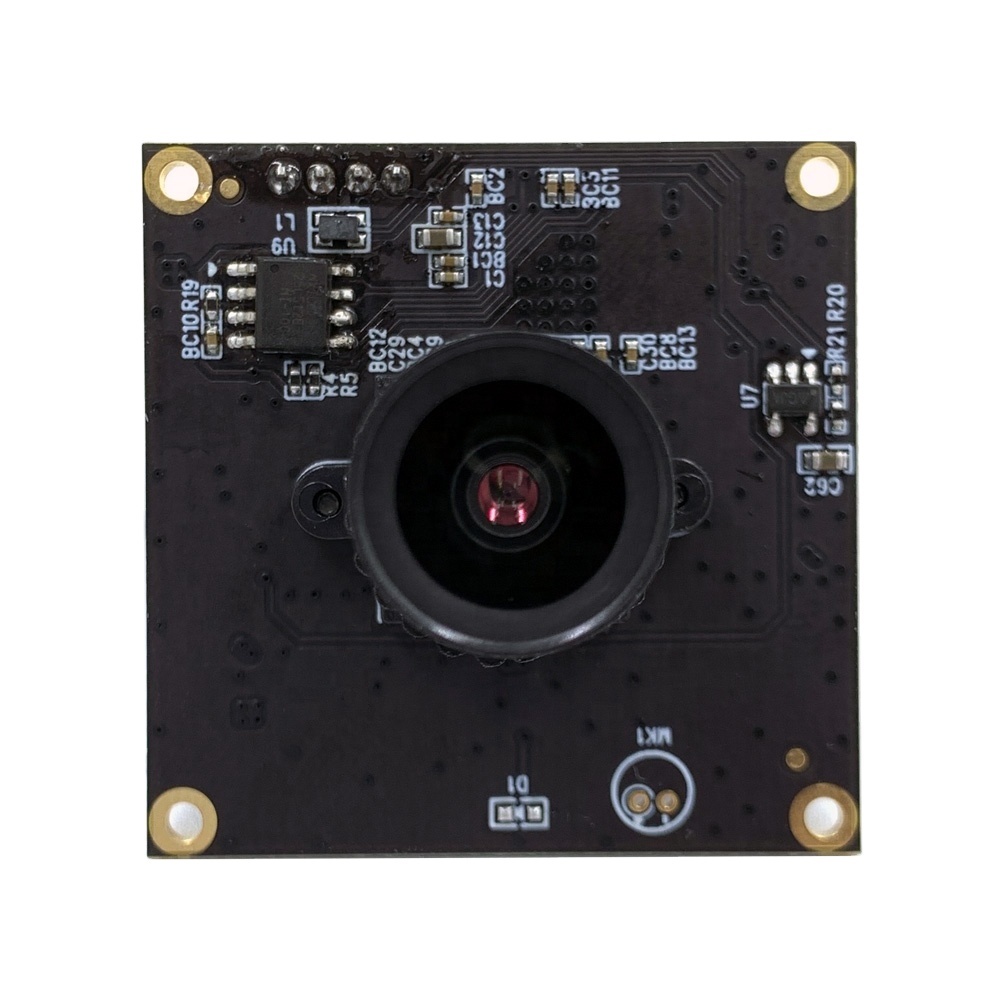
- Ultra-High Frame Rate (Up to 330fps)
- Eliminates Motion Blur During Eye Tracking
- Hardware HDR for Contrast Clarity
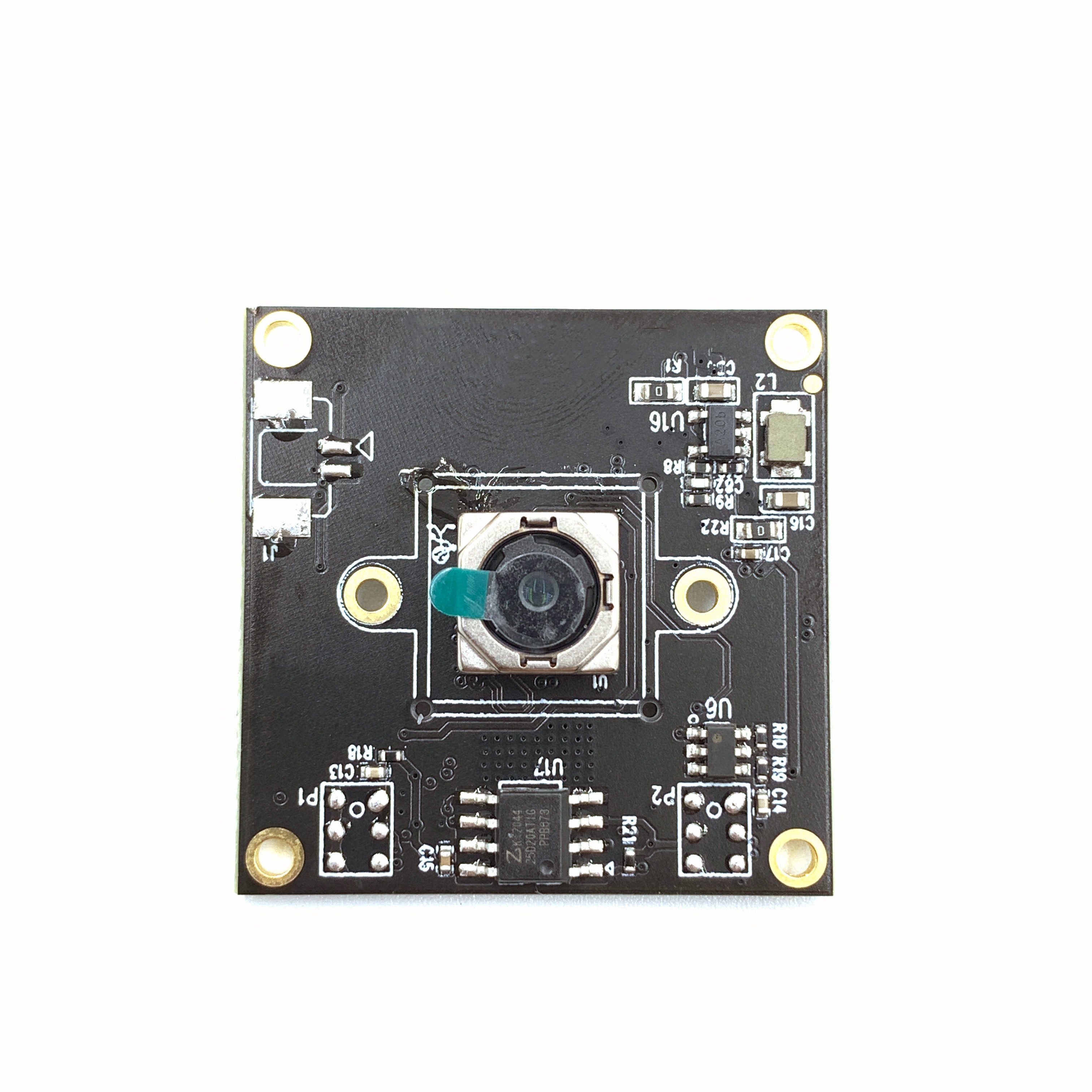
- 8MP Ultra-High Spatial Resolution
- 0.1 Lux Low-Light Illumination
- Sub-Millimeter Iris Fine Detail Capture

- Zero-Distortion Optical Lens Assembly
- 1/3.06" CMOS 4K UHD Sensor
- YUY2/MJPEG Uncompressed Output
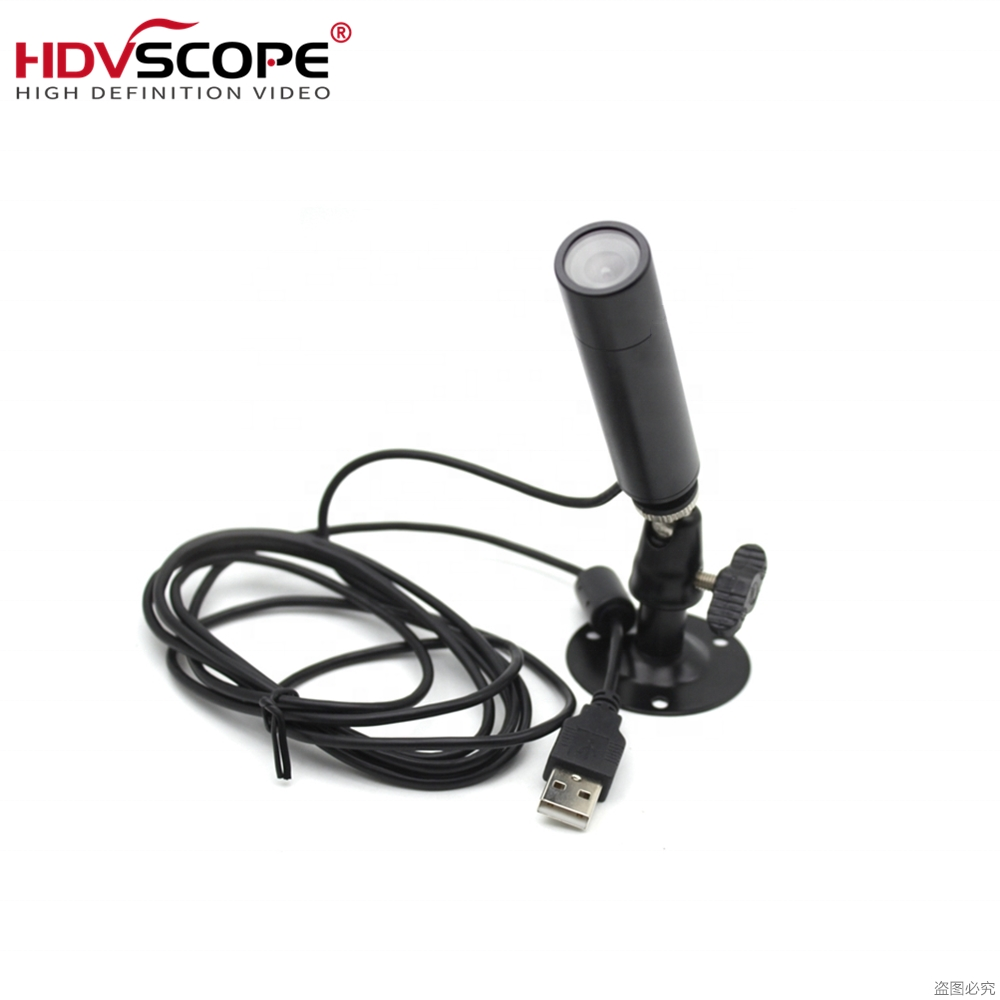
- Industrial Machined Steel Casing
- Plug-and-Play UVC Linux/Windows
- Compact 20mm CCTV Profile
Engineering Iris Recognition Optics for Yokohama's Industrial Landscape
A Whitepaper on Optical Physics, Near-Infrared Spectrum Matching, and APPI-Compliant Hardware Architectures
In high-security urban environments across Yokohama—ranging from the automated container terminals at Yokohama Port to the corporate skyscraper access gates of Minato Mirai 21—traditional biometric modalities such as capacitive fingerprinting and standard 2D facial recognition face severe environmental and operational limitations. Fingerprint readers suffer from hygiene degradation and contact wear, while visible-light facial recognition yields high False Rejection Rates (FRR) under unpredictable ambient lighting, backlit glass facades, or mandatory personal protective equipment (PPE) scenarios.
Iris recognition technology represents the pinnacle of contact-free biometric verification, offering a False Accept Rate (FAR) lower than 1 in 1.5 million per single eye. However, deploying robust iris recognition hardware in the coastal, high-luminance environment of Kanagawa Prefecture demands precise optical alignment, specialized sensor spectral sensitivity, and strict adherence to Japanese privacy frameworks.
1. Near-Infrared (NIR) Illumination Physics for Dark Iris Pigmentation
The human eye iris contains complex trabecular meshworks, ciliary zones, and crypts that provide unique biometric signatures. In East Asian populations predominant in the Yokohama market, high concentrations of melanin absorb visible light (400 nm – 700 nm), causing dark brown irises to appear as featureless dark pupils under standard RGB cameras.
To expose detailed iris textures without triggering pupil contraction, OEM iris recognition cameras must operate within the 850 nm to 940 nm Near-Infrared (NIR) spectrum. At 850 nm, melanin absorption decreases sharply while the Quantum Efficiency (QE) of silicon-based CMOS sensors remains sufficiently high (typically >35%). OEM camera engineering requires narrow bandpass optical filters matched perfectly to narrow-angle LED strobe arrays, ensuring that external sunlight reflections inside glazed lobbies do not oversaturate the sensor photodiode wells.
2. Distortionless Optics & Image Spatial Resolution Constraints
ISO/IEC 19794-6 biometric standards mandate a minimum spatial resolution of 12 to 20 pixels per millimeter across the corneal diameter. To achieve this image clarity at flexible standoff distances (30 cm to 80 cm), camera modules require tailor-made lens assemblies featuring:
- Optical Distortion < 0.1%: Standard wide-angle lenses introduce barrel distortion that warps concentric iris patterns, causing template matching algorithms (such as Daugman Gabor wavelets) to fail.
- High Modulation Transfer Function (MTF): Lenses must maintain over 50% MTF at 100 line pairs per millimeter under NIR illumination to preserve micro-crypt edges.
- Narrow Bandpass IR-Cut Filtering: Custom optical coatings allow only 850nm ±15nm light to strike the pixel array, blocking ambient fluorescent noise common in subway stations and cleanrooms.
| Optical Parameter | Standard Security Camera | Brekta OEM Iris Module | Engineering Benefit in Yokohama Deployments |
|---|---|---|---|
| Spectral Sensitivity | RGB (400-700nm) + Broad IR | Monochrome / Dual NIR (850nm Narrowband) | Exposes high-contrast iris crypts through dark brown melanin pigmentation. |
| Dynamic Range (WDR) | 60 dB - 80 dB | 100 dB - 120 dB (Onsemi AR0230 / Sony) | Mitigates harsh sunlight backlighting inside Minato Mirai glass tower lobbies. |
| Lens Optical Distortion | 3.0% - 15% (Standard M12) | < 0.1% Custom Distortionless Optics | Prevents mathematical distortion during biometric template generation. |
| Frame Rate & Strobe Sync | 30 fps Unsynchronized | Up to 330 fps / Hardware GPIO Strobe Trigger | Eliminates motion blur during rapid passenger motion at transit turnstiles. |
| Driver & Bus Interface | Proprietary IP / SDK | UVC Driver-Free USB 2.0 / USB 3.0 | Seamless Linux, ROS, and Android integration into Japanese OEM kiosk hardware. |
Target Application Scenarios Across the Yokohama Ecosystem
Purpose-built camera modules customized for mission-critical infrastructure, smart city transport, and industrial automation in Kanagawa Prefecture.
Yokohama Port Maritime & Border Gates
Osanbashi International Passenger Terminal and automated container yards require ruggedized, IP67-rated iris authentication cameras. Exposed to saline air, humidity, and variable marine sunlight, our stainless-steel bullet modules (2MP Waterproof IP67) prevent salt mist corrosion while enforcing strict access verification for logistics personnel without requiring badge swipes.
Minato Mirai 21 Smart Office Towers
High-throughput commercial headquarters in Yokohama's central business district demand frictionless, hands-free turnstile entry. Utilizing high-speed HDR USB modules (AR0230 120dB WDR), office gates verify employees at walk-through speeds under glare from floor-to-ceiling glass atrium architecture, achieving hygienic, zero-touch authentication.
Keihin Industrial Cleanrooms & Healthcare
Pharmaceutical cleanrooms and semiconductor fabrication plants in the Keihin Industrial Zone require personnel to wear full PPE suits, masks, and protective goggles. Iris recognition is the only viable biometric method that functions seamlessly without requiring technicians to remove face shields or deglove, maintaining sterile containment integrity.
Yokohama Biometric Trends & Regulatory Compliance (APPI)
Japan’s biometric landscape is undergoing a structural shift driven by technological modernization, municipal smart-city projects, and stringent legislative frameworks:
Compliance with Japan’s Act on the Protection of Personal Information (APPI)
Biometric raw images are classified as sensitive personal data under the revised APPI laws. System integrators in Yokohama increasingly mandate Edge AI processing where feature extraction (generating mathematical iris codes) occurs directly on the local terminal processor via uncompressed UVC streams, rather than transmitting raw optical video over public cloud networks. Brekta’s USB camera modules support direct raw YUY2 output to facilitate secure, local feature extraction algorithms.
Multi-Modal Biometric Fusion (Iris + Facial Liveness)
Modern access terminals in Kanagawa are transitioning from single-feature capture to dual-spectrum fusion. By combining a 2MP RGB sensor for visible 2D facial identification with an 850nm monochrome camera module for deep iris verification, hardware systems execute multi-factor anti-spoofing (liveness detection) to thwart printed photo or 3D mask spoof attacks.
Shenzhen Brekta Electronics: OEM & ODM Manufacturing Excellence
Direct-from-Factory Engineering Capabilities, Rapid Prototyping, and Comprehensive Quality Assurance
Custom PCB & Optics Design
Our senior hardware engineering team utilizes Protel and Allegro to design custom PCB footprints (from micro 15x15mm to standard 38x38mm). We tailor lens focal lengths (2.8mm to 16mm), field of view (30° to 180°), IR-cut switching mechanics, and custom flexible flat cables (FFC) to match your kiosk enclosure.
ISO Line Quality Inspection
Every camera engine undergoes strict optical alignment testing, sensor dead-pixel correction, dynamic range calibration, and extended high-temperature burn-in tests. We guarantee 100% sample-to-mass-production image consistency for international engineering teams.
Agile Supply Chain for Japan
With quick-turn sample dispatch in 1 to 3 working days and low Minimum Order Quantities (MOQ starting at 1 unit for evaluation), Brekta accelerates your NPI (New Product Introduction) cycles. All products carry CE, FCC, RoHS certifications and a 24-month factory warranty.
Frequently Asked Questions for Yokohama B2B Buyers
Technical, logistical, and integration queries addressed by our optical engineering team.
Accelerate Your Biometric Terminal Engineering Project
Partner with an established camera module manufacturer specialized in custom optics, NIR iris recognition engines, and industrial vision solutions tailored for the Japanese market.
Inquire Now