Industrial Vision & Low-Light Engineering for Poznań & Western Poland
As the industrial powerhouse of Greater Poland (Wielkopolska) and a pivotal logistics node along the Baltic-Adriatic Transport Corridor, Poznań demands highly resilient, specialized embedded vision hardware. From the heavy automated assembly lines in Swarzędz and Antoninek to the sprawling logistics platforms in Gądki and the smart municipal transit network (Poznański Szybki Tramwaj - PST), machine vision integrators face demanding optical conditions. Low ambient lighting, dynamic shadows, high-speed movement, and variable thermal environments require camera solutions that go far beyond standard off-the-shelf consumer webcams.
Shenzhen Brekta Electronics Co., Ltd. stands as a premier direct OEM/ODM manufacturer specializing in low-lux USB camera modules (UVC standard), high-dynamic-range (HDR) imaging boards, and miniature inspection optical engines. Engineers and purchasing managers across Poznań’s flourishing technology parks—including the Poznań Science and Technology Park (PSTP)—require hardware suppliers offering rich technical depth, uncompromised component quality, long-term product availability, and frictionless custom engineering capabilities.
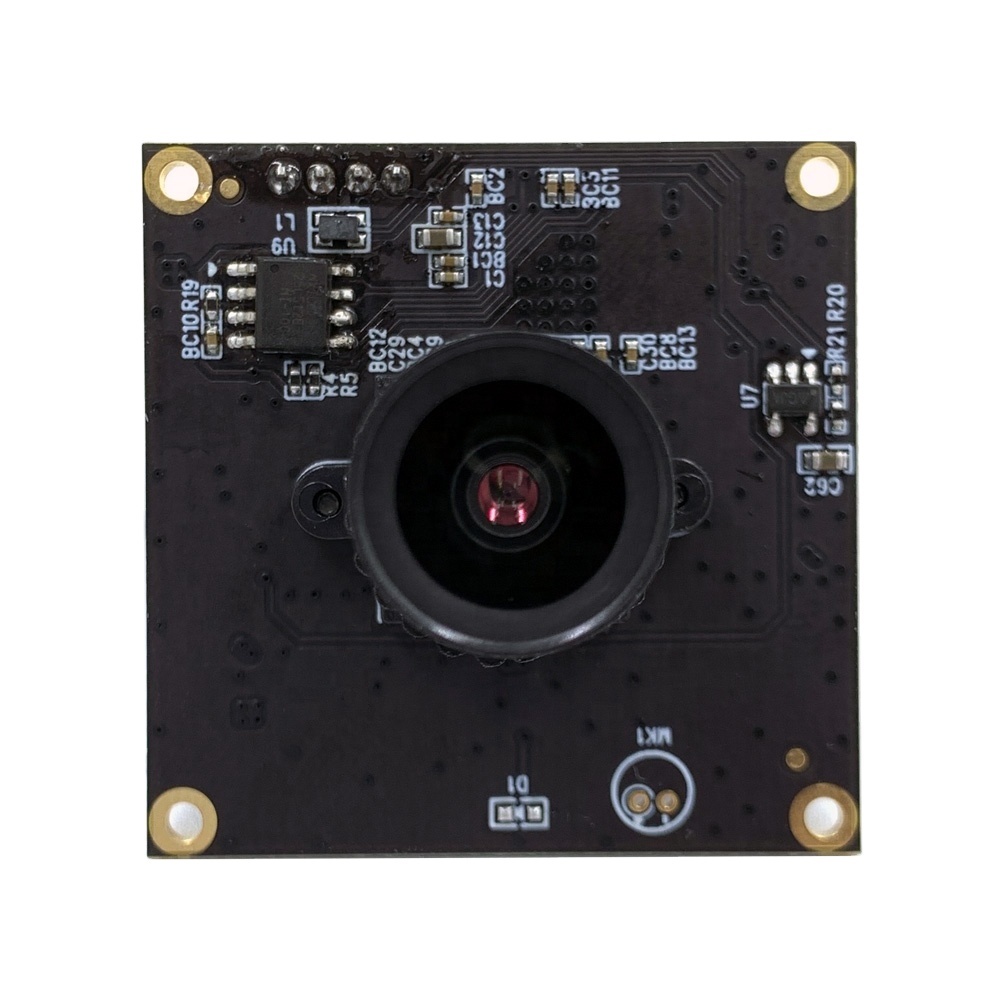
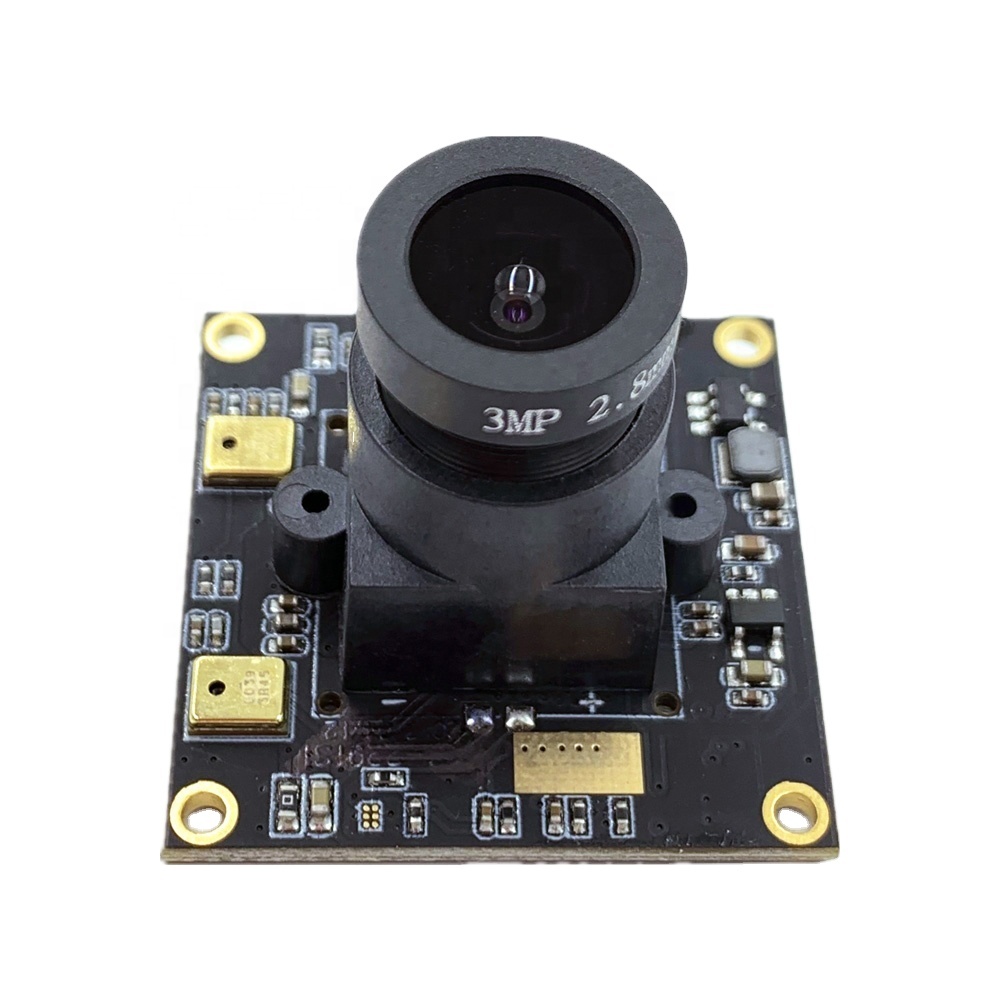
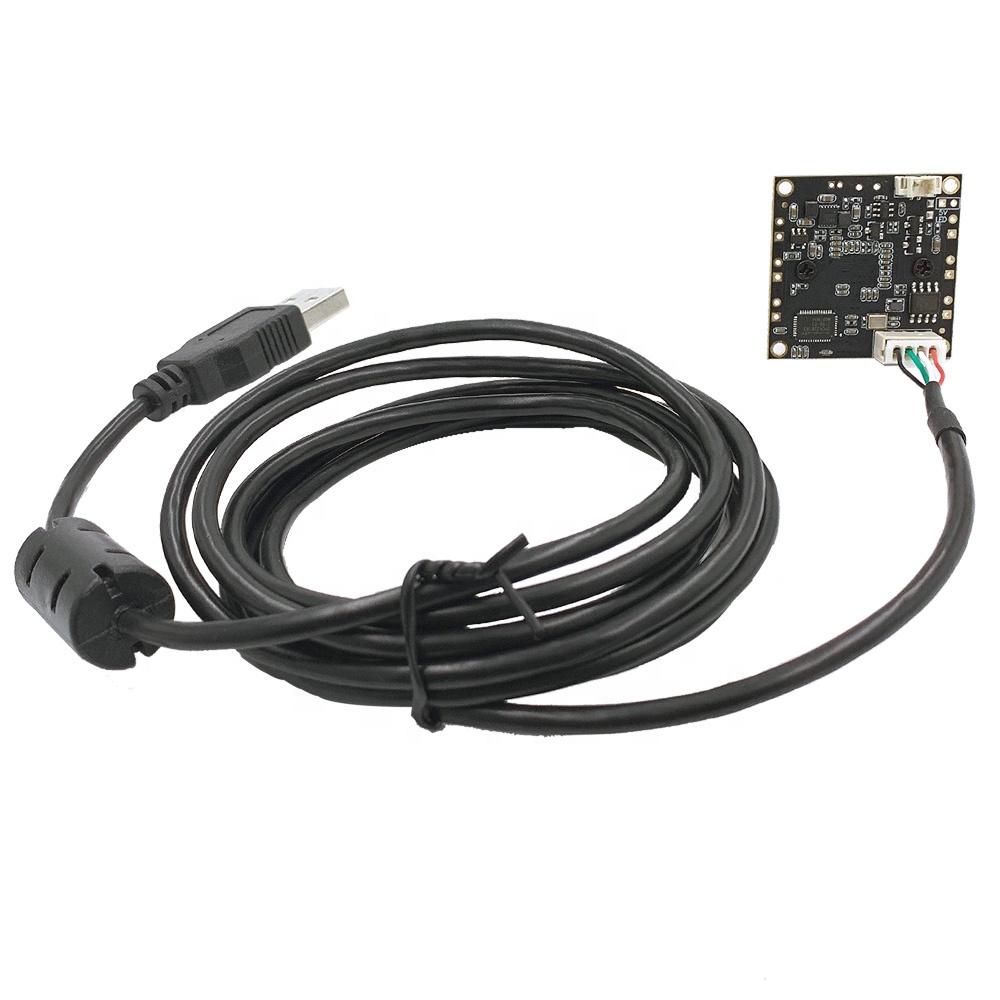
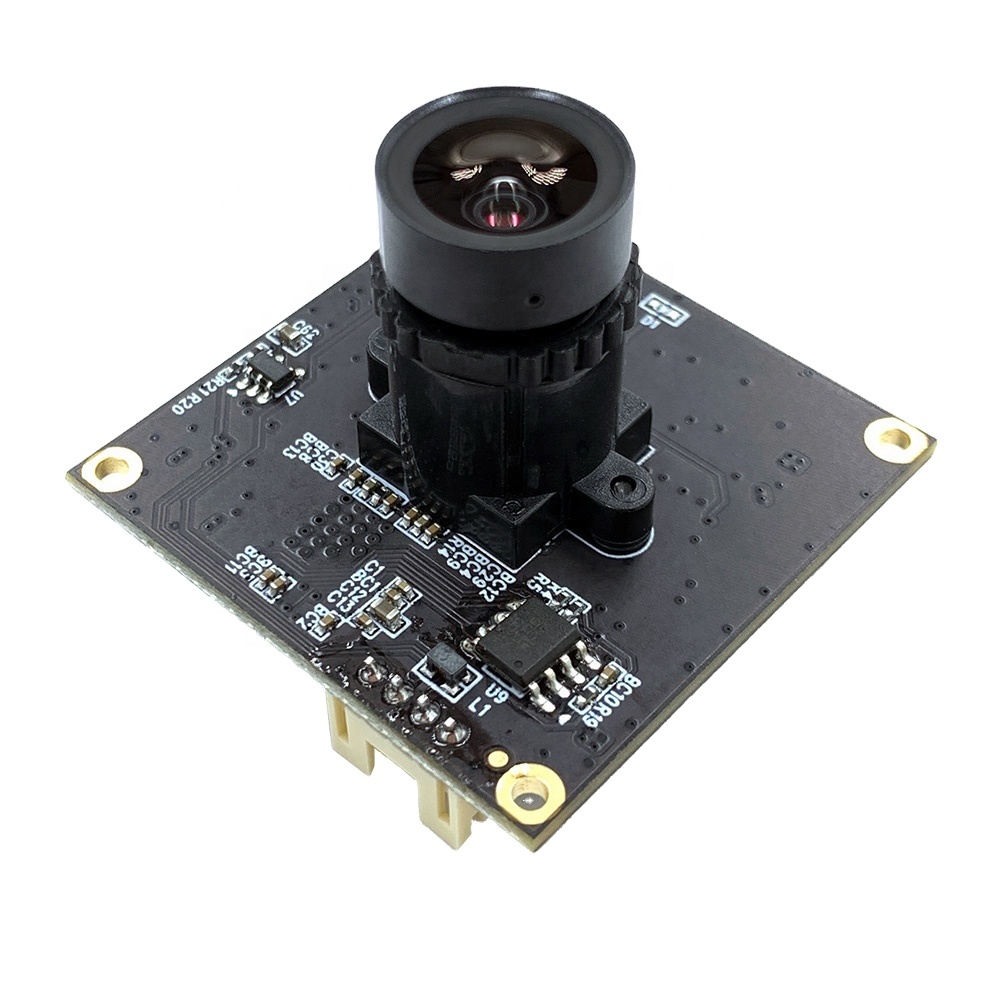
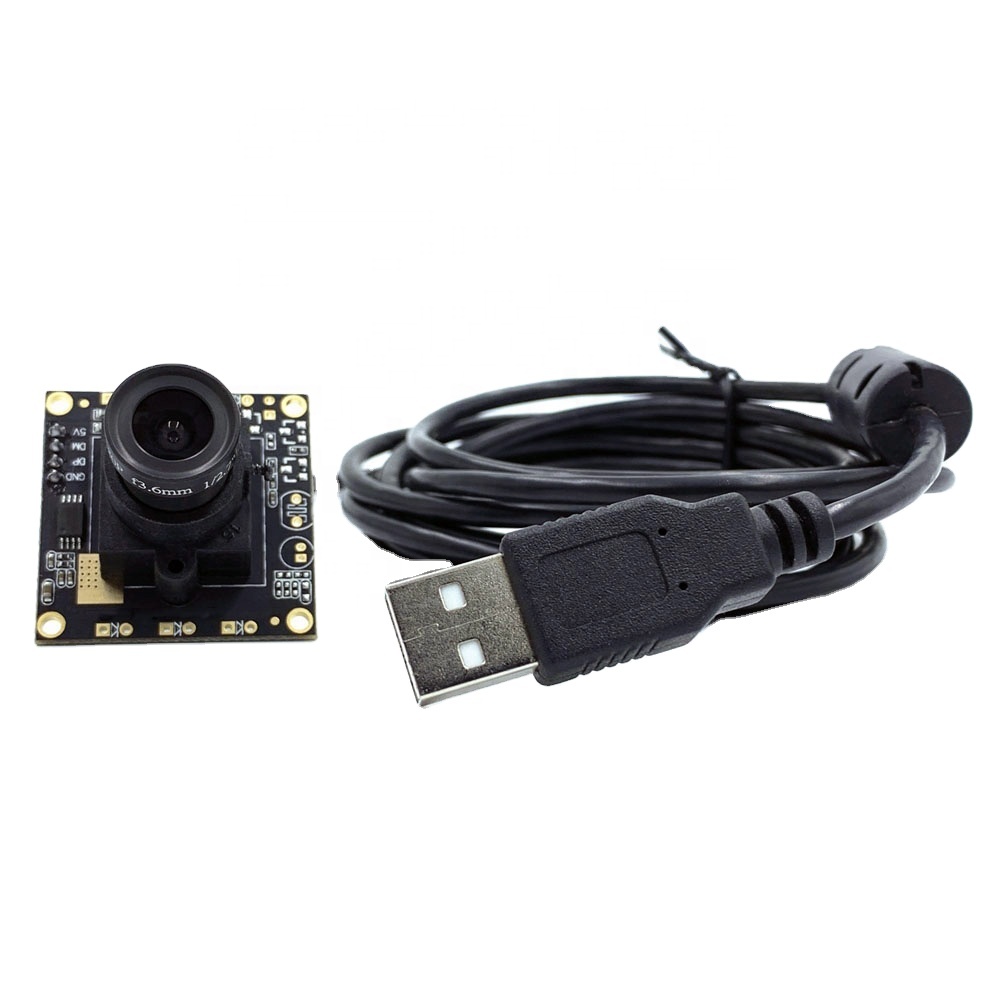
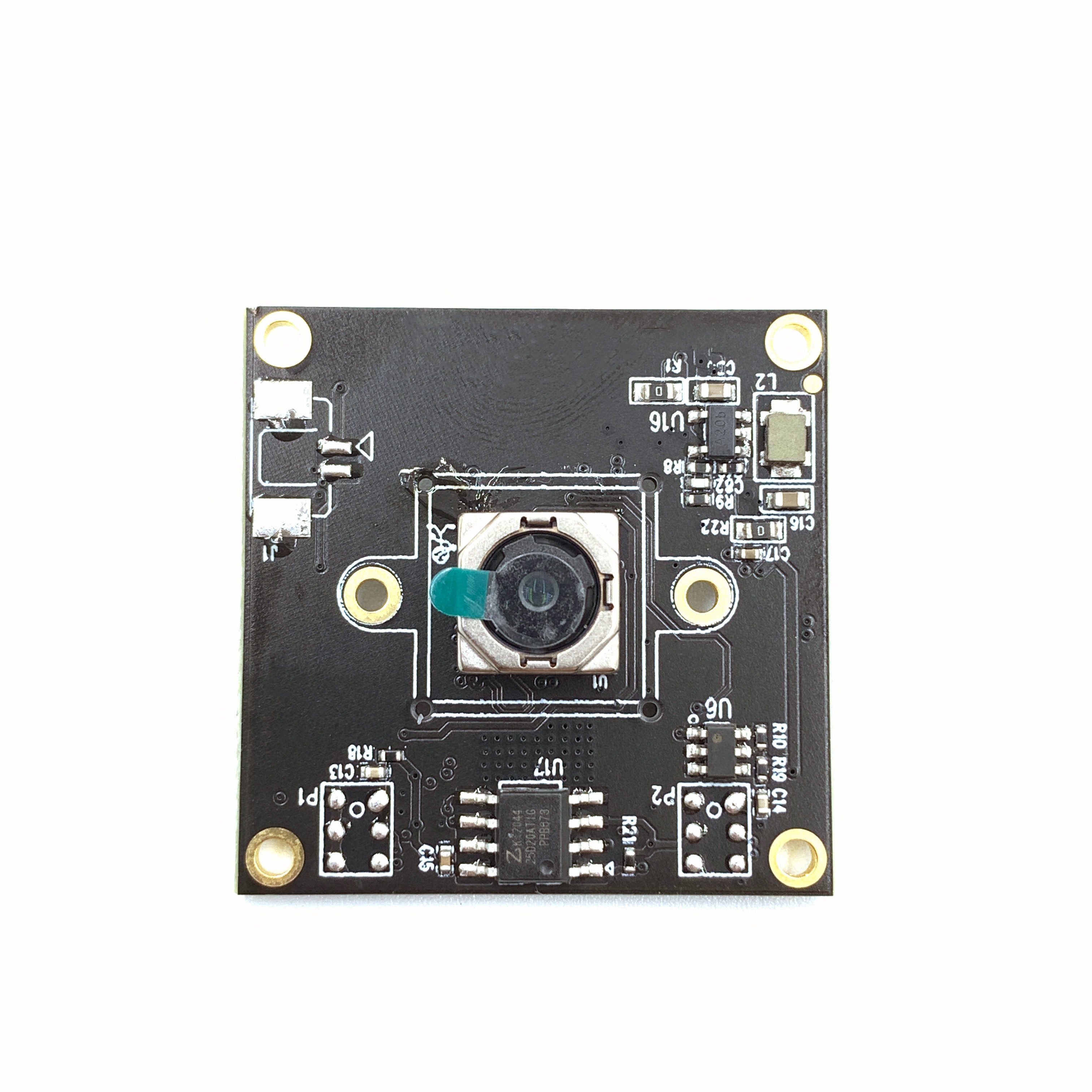
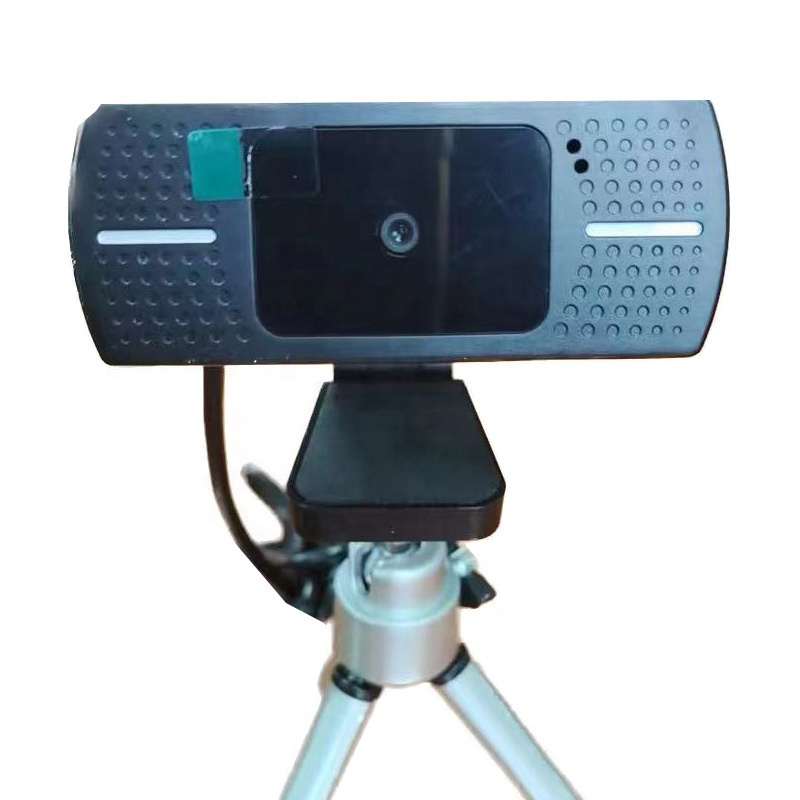
Featured Low-Light & High-Speed USB Camera Modules
Engineered with Sony STARVIS™, Onsemi WDR, and high-speed CMOS sensors. Standard form factors range from ultra-compact 15x15mm mini-boards to standard 32x32mm and 38x38mm industrial modules.
Physics of Low-Light USB Imaging: Engineering Criteria for B2B Buyers
In embedded vision design, "low light" is not merely a marketing buzzword; it is a measurable optical metric governed by quantum efficiency (QE), pixel physical area, noise reduction algorithms, and optical aperture. When selecting a low-light USB camera module for deployments in Poznań’s automated infrastructure, evaluating raw sensor specs is critical:
Sony STARVIS™ BSI Architecture
Back-Illuminated (BSI) CMOS sensors (such as the Sony IMX291) redirect the wiring layer behind the photodiode array. This boosts photon capture efficiency per pixel, achieving illumination sensitivity down to 0.001 Lux to 0.0001 Lux in full color without requiring supplementary infrared floodlights.
WDR vs. HDR Signal Pipeline
Wide Dynamic Range (WDR) sensors like the Onsemi AR0230 utilize dual-exposure or multi-exposure synthesis within an integrated Image Signal Processor (ISP). This resolves extreme lighting contrasts (up to 105dB–120dB), preventing dark face shadows or blown-out backgrounds in outdoor kiosks.
High-Speed 330FPS Motion Capture
For high-speed conveyers, automated inspection, or gesture analysis, motion blur corrupts computer vision models. High frame rate UVC camera modules capturing up to 330 frames per second at 1080P eliminate rolling shutter distortion during rapid movement.
Hardware Specification Comparison Matrix for Embedded Vision Integrators
| Sensor Architecture | Illumination Threshold | Dynamic Range (WDR/HDR) | Primary Target Applications in Poznań | UVC Bandwidth / Output |
|---|---|---|---|---|
| Sony STARVIS (IMX291) | 0.001 Lux - 0.0001 Lux | Up to 80 dB (Enhanced Low Lux) | Night surveillance, municipal transit (PST), unlit outdoor perimeter kiosks | H.264 / MJPEG / YUY2 @ 1080P 30fps |
| Onsemi WDR (AR0230) | 0.01 Lux | 105 dB - 120 dB (True Hardware WDR) | ATM banking terminals, ticket machines, high-contrast outdoor building entry | MJPEG / YUY2 @ 1080P 30fps |
| High Frame Rate HDR | 0.1 Lux | 96 dB HDR | Automotive manufacturing lines (Antoninek), high-speed industrial robotics | MJPEG / YUY2 up to 330fps @ 1080P |
| OmniVision Low-Lux 8MP | 0.1 Lux | 72 dB Standard | Document & QR code scanning, biotech laboratory analysis, detail inspection | MJPEG / YUY2 @ 4K/8MP 15fps |
Localized Application Scenarios across Poznań’s Key Industries
Poznań’s economic landscape relies heavily on modern industrial automation, automotive manufacturing, European logistics hubs, smart retail systems, and public transport infrastructure. Below is how low-light USB camera modules directly solve domain-specific engineering challenges in the local area:
1. Logistics Platforms & AGV Navigational Vision in Swarzędz & Gądki
The logistics parks along the A2 highway corridor surrounding Poznań operate 24/7. Autonomous Guided Vehicles (AGVs) and Autonomous Mobile Robots (AMRs) navigating through dimly lit warehouse aisles require immediate visual odometry and obstacle recognition. Brekta’s 0.001 Lux STARVIS USB Camera Modules provide continuous video feeds to ROS-based onboard computers, avoiding object collision even when ceiling lighting is turned off to conserve energy.
2. Self-Service Kiosks & VTMs for Poznań Public Transit & Municipal Terminals
Outdoors at Poznań Główny railway station or along the PST tram stop platforms, ticket vending machines and Virtual Teller Machines (VTMs) experience aggressive backlighting during the day and deep darkness at night. Installing AR0230 Onsemi WDR 2.0MP USB Modules ensures crystal-clear user identification and document scanning without facial shadow blackout or streetlight flare.
3. High-Speed Quality Control in Automotive & Machinery Manufacturing
In high-volume automotive production facilities across Antoninek and Swarzędz, robot arms inspect weld seams, stamped parts, and component assembly at fast speeds. Brekta’s 330fps High Frame Rate HDR USB Camera Modules capture micro-defects without frame distortion, connecting seamlessly via standard USB 2.0/3.0 to industrial IPCs.
4. Medical & Laboratory Instrumentation in Wielkopolska Research Parks
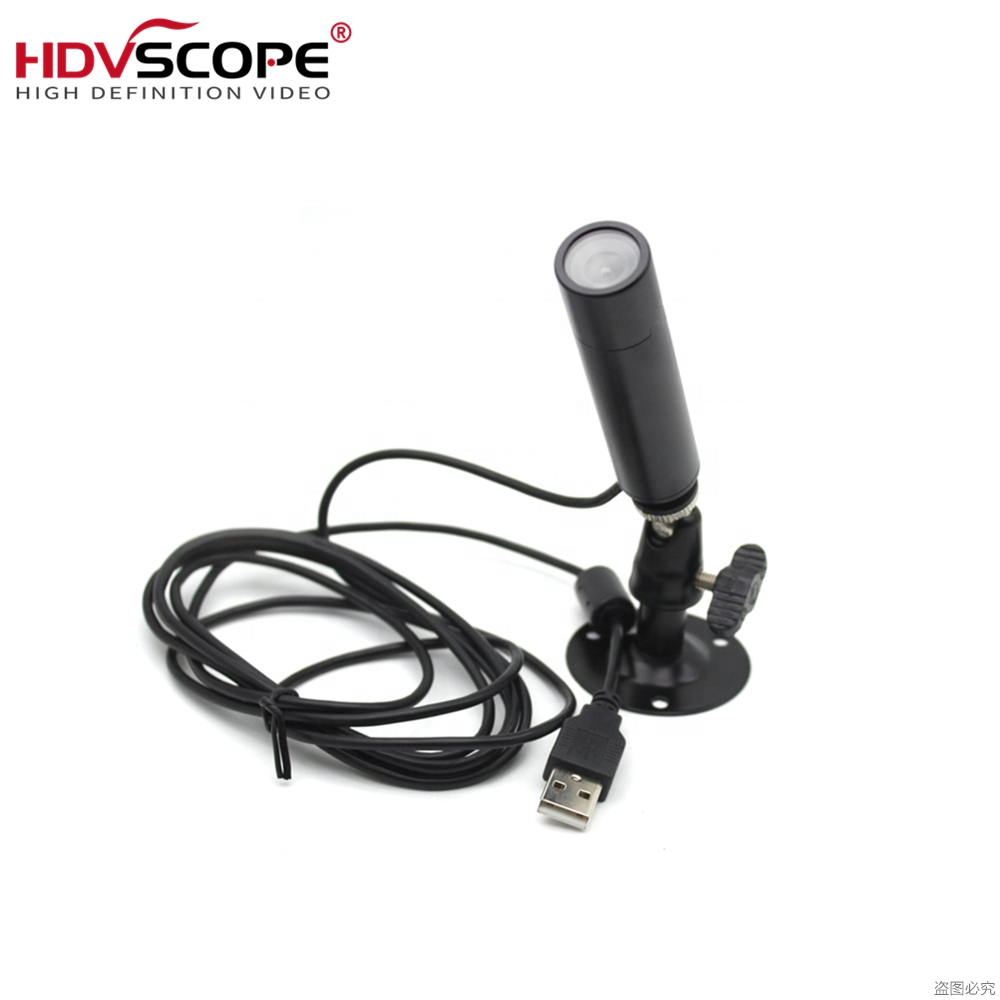
Researchers and OEM biomedical equipment builders at the Poznań Science and Technology Park utilize ultra-compact 8MP Autofocus and 20mm Waterproof IP67 Endoscope/Bullet Cameras for microscopic slide capture, fluidic testing, and non-destructive internal pipe/tube testing.
Market Trends & Regulatory Compliance in Poland and the European Union
Procurement policies across Poland and the broader EU have tightened regarding digital security, environmental standards, and component traceability. Purchasing hardware directly from an established OEM manufacturer like Shenzhen Brekta Electronics ensures full alignment with mandatory directives:
CE, FCC & RoHS Directives
Every camera module supplied to Polish enterprise clients carries authentic CE, FCC, and RoHS certifications. This guarantees hazardous substance compliance (RoHS 2.0) and electromagnetic compatibility (EMC), preventing interference with sensitive industrial controllers.
GDPR & Privacy-By-Design Optics
Under EU GDPR regulations, biometric data collection in public spaces demands precise FOV (Field of View) targeting. Brekta supplies custom M12 board lenses (from narrow 30° to wide 170°) and customizable firmware parameters to limit capture zones to authorized operational areas.
NIS2 Directive & Supply Chain Resilience
With the implementation of the EU NIS2 cybersecurity directive, industrial suppliers in Poland require hardware transparency. Brekta’s UVC camera boards are driver-free, relying on standard OS video class protocols without background bloatware or unverified third-party software risks.
Why Poznań Engineering Teams Partner Direct with Brekta
With over 13 years of specialized manufacturing experience, Shenzhen Brekta Electronics Co., Ltd. bridges the gap between high-end optics customization and cost-effective direct factory procurement:
- ✔ Precision PCB Layout (Protel & Allegro Engineering): Custom circuit board shapes (15x15mm, 32x32mm, 38x38mm, or dual-board stacks) tailored to fit existing client enclosures and thermal heatsinks.
- ✔ Flexible Lens Optics & IR Cut Filters: Select from M12, CS mount, pinhole, fisheye, autofocus, or motorized zoom lenses with standard 650nm filters, 850nm/940nm pass filters, or dual IR-cut switchers.
- ✔ Low MOQ for Prototyping: We support engineering validation tests (EVT) with minimum order quantities starting from just 1 piece, dispatching in-stock samples within 1 to 3 working days.
- ✔ 24-Month Factory Warranty: Complete peace of mind backed by standard 2-year warranty replacement terms and lifetime technical support from our dedicated optical engineering staff.
Frequently Asked Questions (FAQ) for Poznań B2B Procurement
How fast can low-light USB camera samples be delivered to Poznań, Poland?
Are these USB camera modules plug-and-play on Linux industrial systems?
/dev/video* nodes in Linux V4L2.