WDR / 105dB
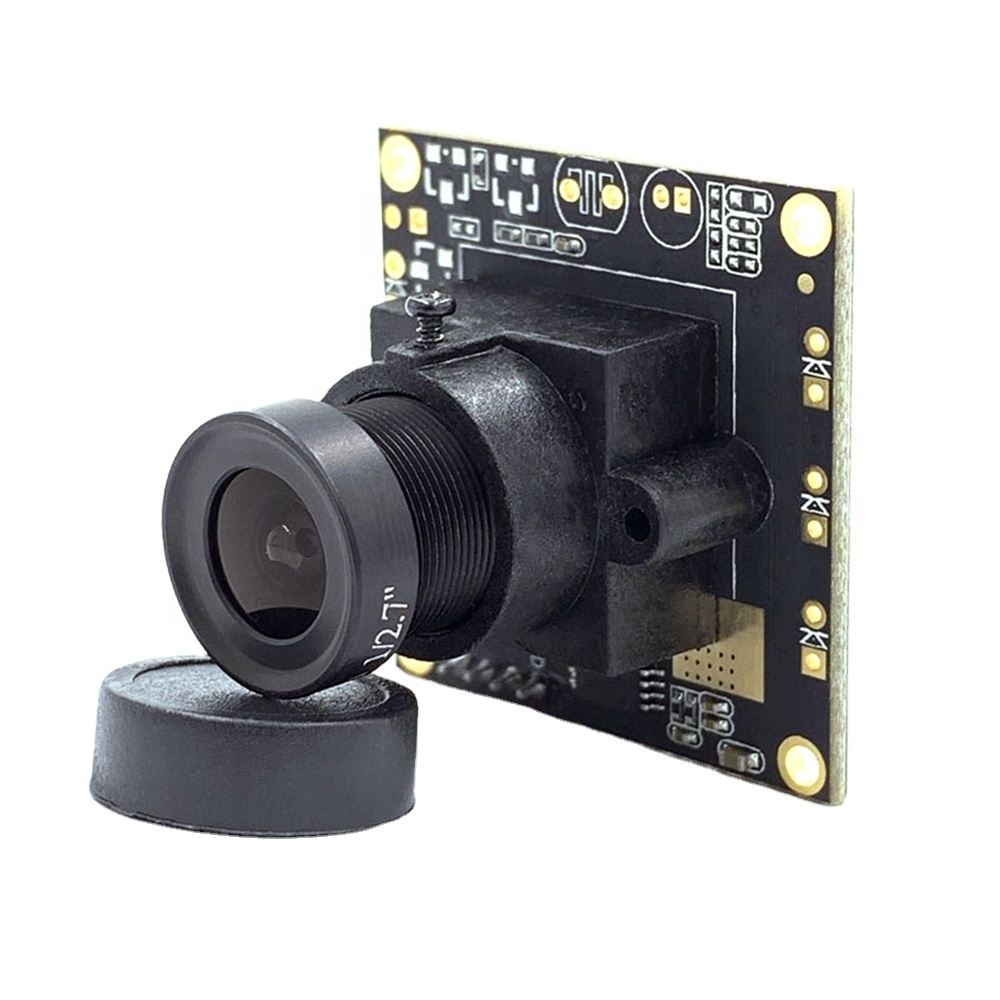
Engineered for ultra-compact medical devices, high-frame-rate surgical feedback, and ultra-low-light diagnostic applications in Bern's healthcare sector.
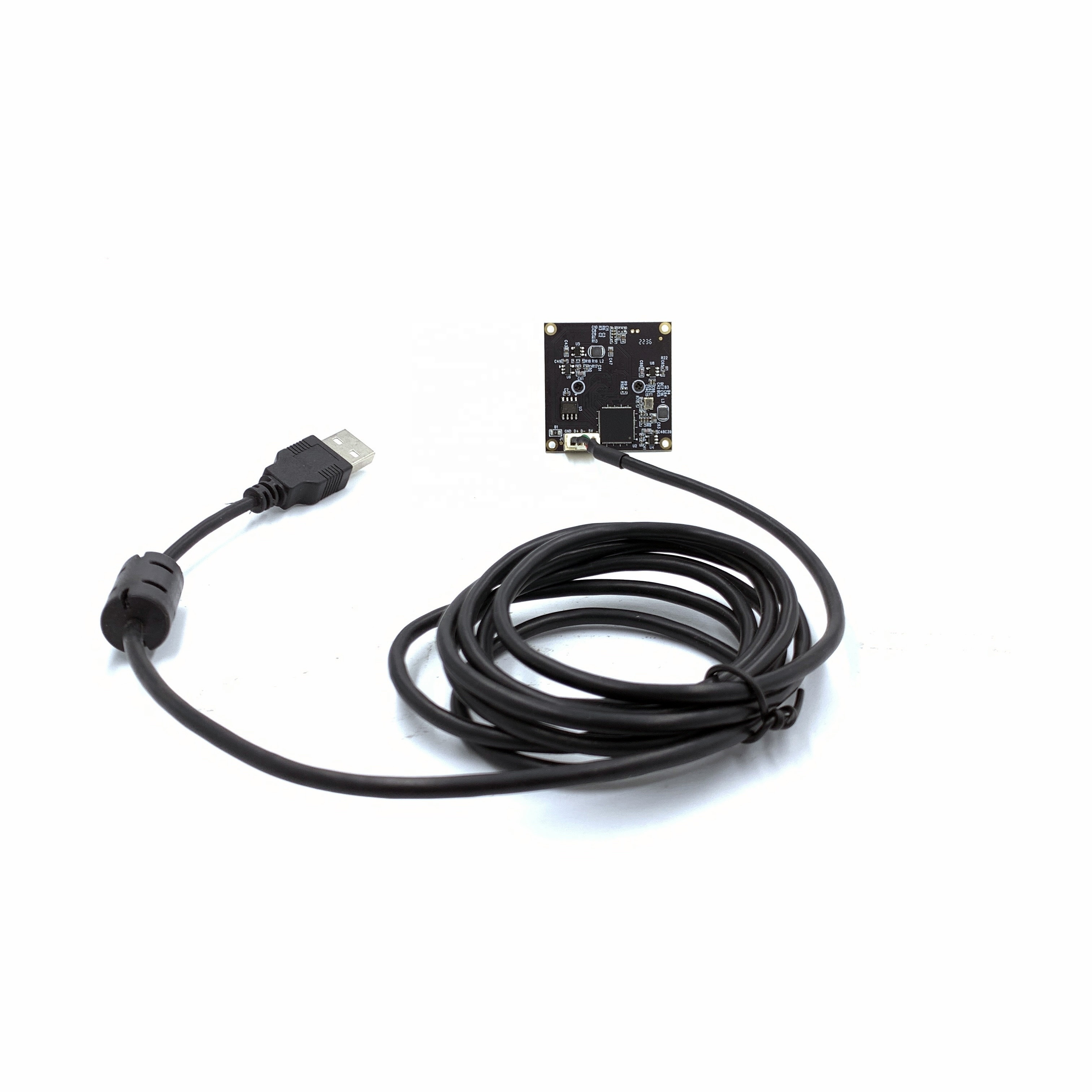
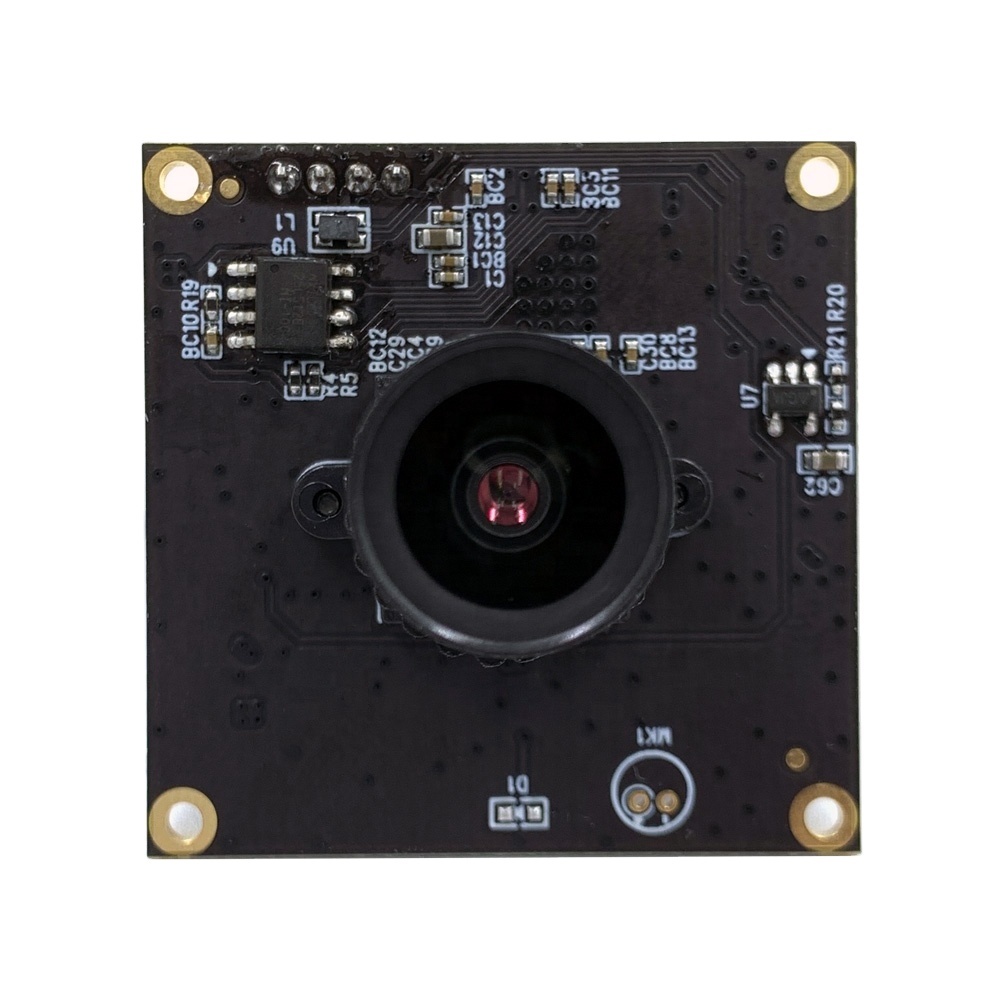
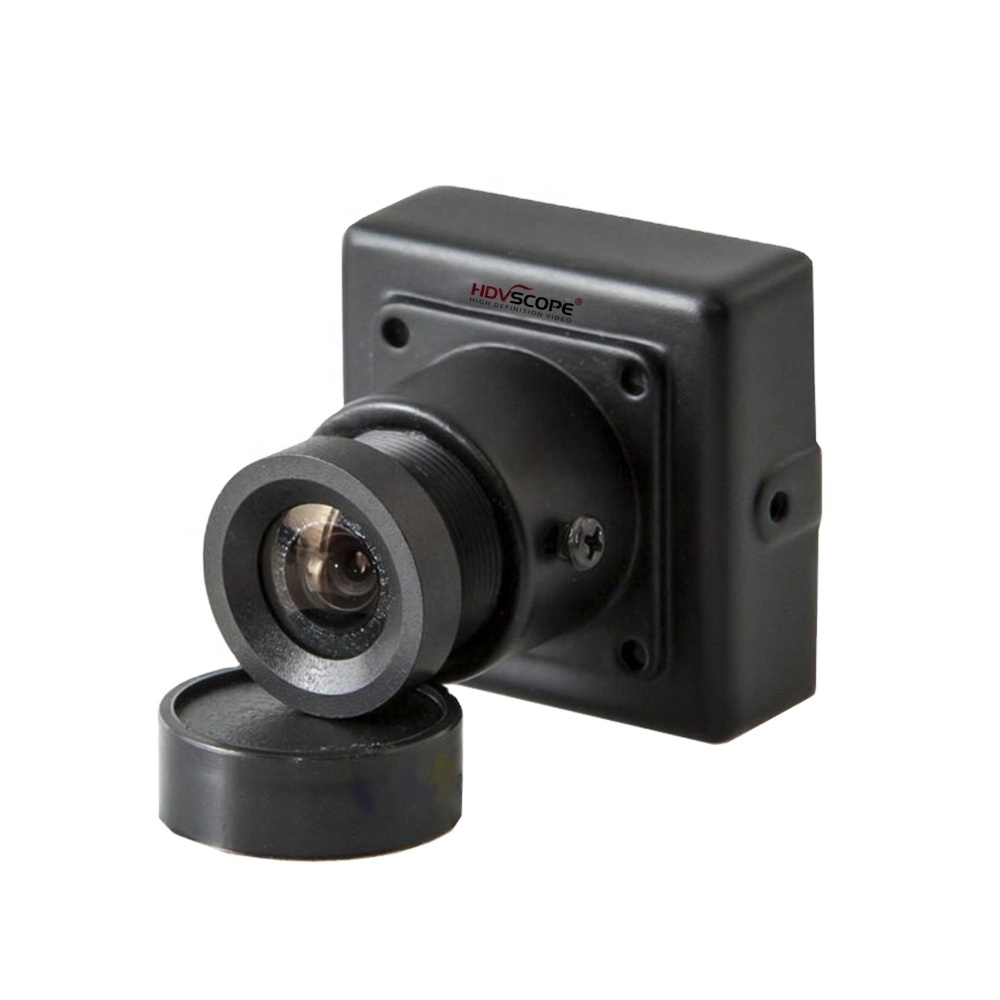
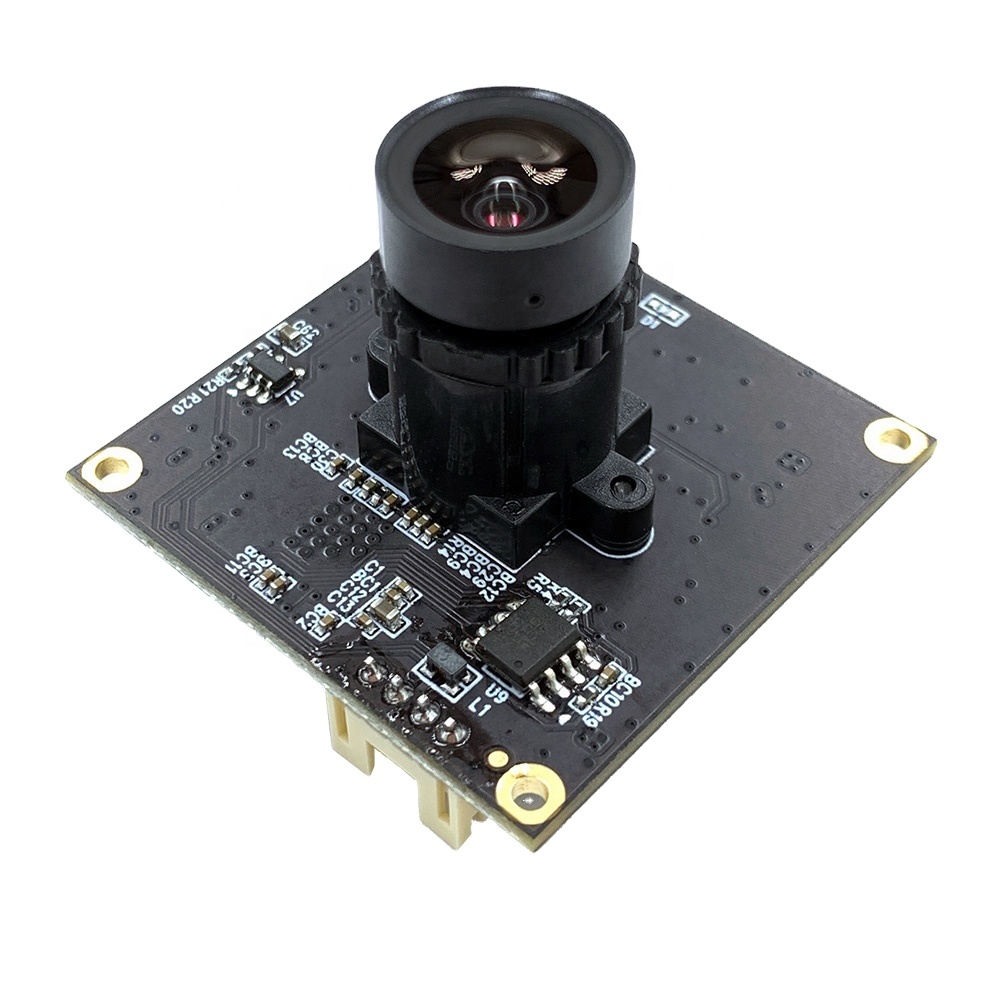
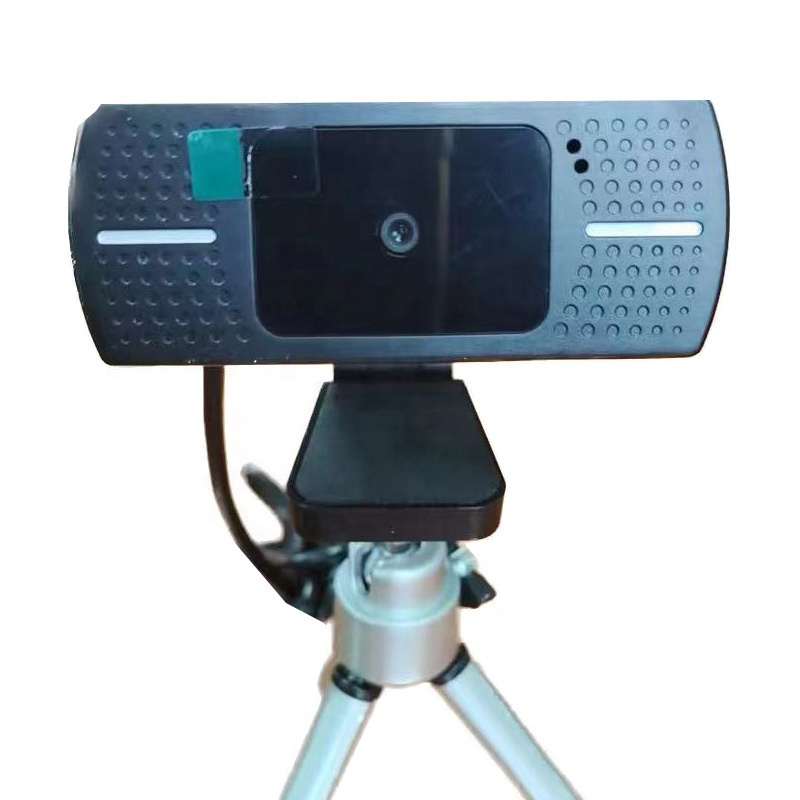
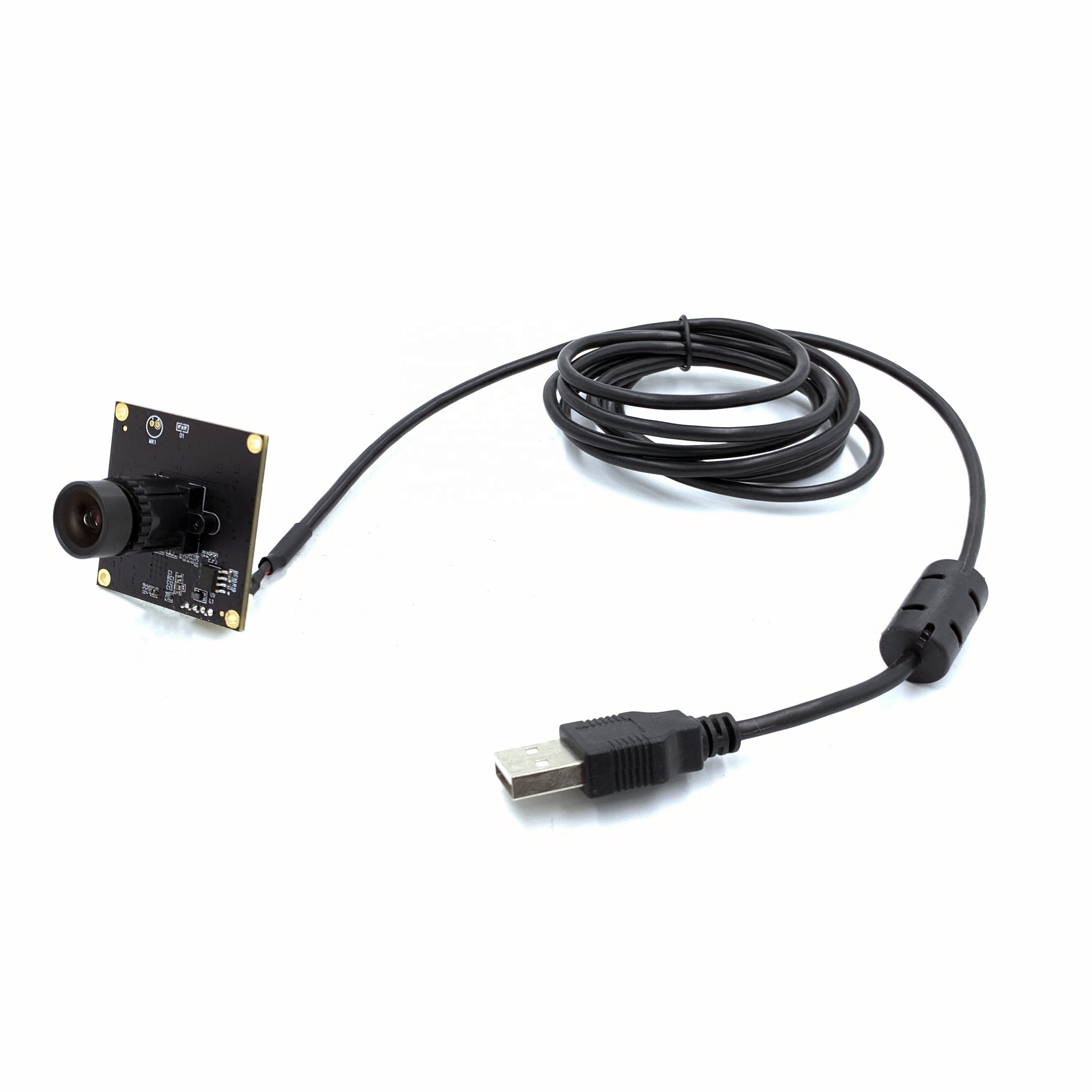
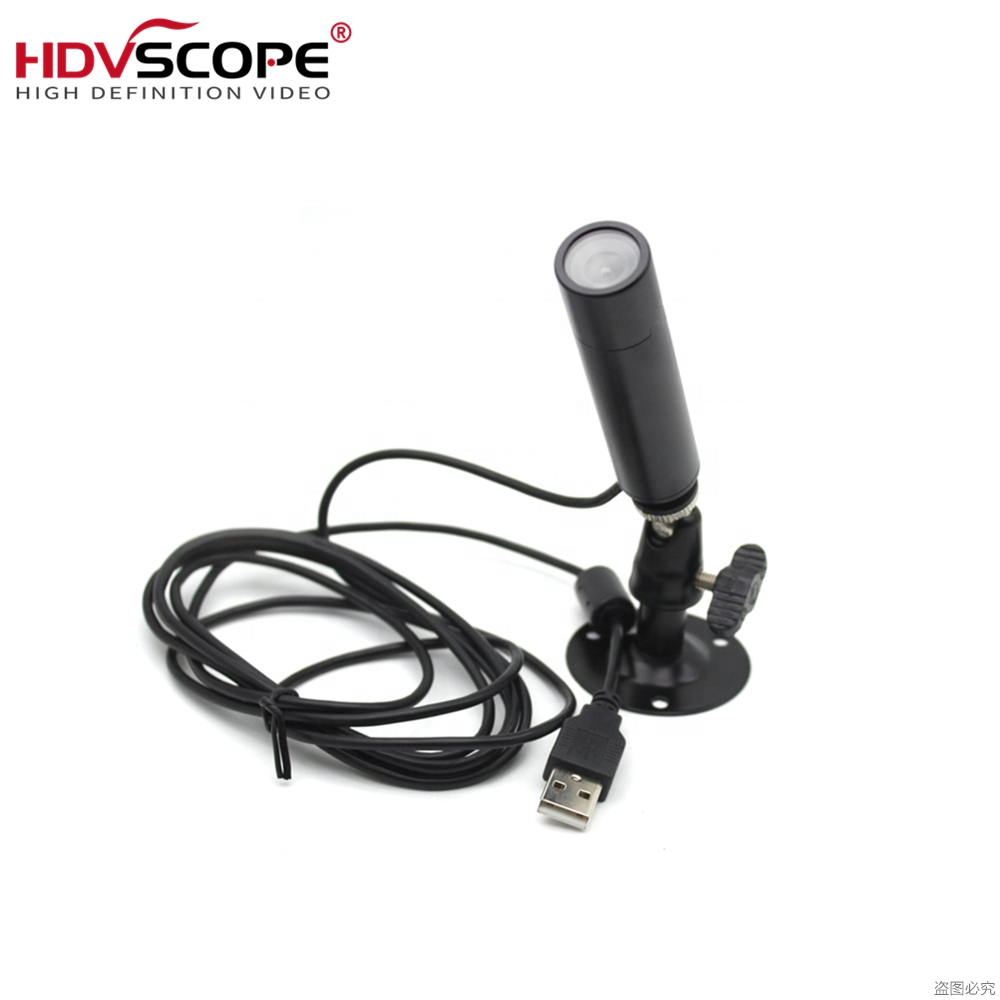
The Canton of Bern stands as a world-renowned epicenter for medical technology, precision engineering, and translational healthcare research. Anchored by prestigious institutions such as Inselspital (University Hospital of Bern), the sitem-insel (Swiss Institute for Translational and Entrepreneurial Medicine), and the bustling MedTech innovation corridors across the Bernese Oberland and Mittelland, local original equipment manufacturers (OEMs) demand optical components that deliver uncompromising fidelity, micro-miniaturization, and rigorous regulatory compliance.
As an established Medical Camera Module Exporter to Bern, our engineering architecture bridges the gap between high-volume semiconductor innovations and specialized Swiss medical device manufacturing. Integrating modern CMOS image sensors—such as Onsemi AR0230 dynamic sensors, Sony Starvis low-lux chips, and high-frame-rate digital Image Signal Processors (ISPs)—our camera modules provide the requisite visual foundation for next-generation laparoscopy, arthroscopy, ophthalmology, dental imaging, and surgical robotics.
Medical device development in Bern is characterized by strict requirements for real-time visual feedback, micro-optics integration, and high reliability. Below are four primary deployment scenarios where our exported camera modules empower Swiss medical solution providers:
In minimally invasive surgical suites, micro-diameter camera modules like the 2MP IP67 Waterproof Snake/Endoscope Probe (Diameter 20mm) are retrofitted into reusable or disposable endoscope shafts. The sub-millimeter optics paired with customized LED light guide rings offer high-contrast illumination inside body cavities without thermal dissipation risks to living tissue.
Robotic-assisted surgical platforms require real-time visual servoing. Our 330 FPS High Frame Rate USB Camera Modules capture fast instrumental maneuvers without motion blur or temporal artifacts. Operating at up to 330 frames per second at 1080p resolution, these modules feed high-frequency image data into visual navigation algorithms.
Diagnostic eye examinations demand flawless color representation and high dynamic range. Incorporating Onsemi AR0230 sensors with 105dB WDR capabilities, our 32x32mm board cameras capture detailed images of corneal structures, retinal fundus reflection, and anterior chamber depth under variable focal lighting.
Swiss biopharmaceutical research labs utilize automated fluid handling workstations and microfluidic chip counters. Compact autofocus cameras (such as our 30x25mm 1080p AF module) enable precision liquid level detection, pipetting tip verification, and high-throughput barcode reading inside sterile biosafety cabinets.
Selecting the appropriate camera interface and sensor architecture is critical during the initial design phase of a medical device. The table below illustrates key technical attributes across our exported product line:
| Model Architecture | Sensor Type | Max Resolution & Frame Rate | Dynamic Range / Sensitivity | Target Medical Device |
|---|---|---|---|---|
| AR0230 WDR USB Module | 1/2.7" Onsemi CMOS | 1920×1080 @ 30 FPS | 105 dB WDR / 0.1 Lux | Diagnostic Slit Lamps, Kiosks |
| 330FPS Ultra High Speed | 1/3" Color CMOS | 1920×1080 @ 330 FPS | Hardware HDR / Standard Lux | Surgical Robotics, Motion Analysis |
| 25x25mm Micro Board | 1/2.7" Rolling Shutter | 1920×1080 @ 30 FPS | 0.1 Lux Low Illumination | Compact Otoscopes, Dental Cameras |
| IP67 Waterproof Probe | 1/2.7" Sealed CMOS | 1920×1080 @ 30 FPS | Standard Color / High SNR | Endoscopic & Industrial Probes |
The Swiss medical device market is undergoing significant technological shifts driven by stringent regulatory frameworks, digitalization, and miniaturization trends. Medical camera exporters serving Bern must align with the following key industry drivers:
Since Switzerland updated its Medical Device Ordinance (MedDO) to mirror the European Union's MDR framework, traceability, bio-compatibility, and risk management (ISO 14971) have become mandatory focal points. Camera modules exported to Bernese medical manufacturers must feature comprehensive documentation, stable component supply chains (guaranteeing 5–10 years of sensor longevity), and compliance with REACH, RoHS, and CE guidelines.
Legacy analog video pipelines in clinical equipment are rapidly being phased out in favor of UVC-compliant USB 2.0 and USB 3.0 interfaces. UVC driverless integration allows medical equipment developers in Bern to build hardware that connects natively to Windows Medical Workstations, Linux Embedded platforms, and Android-based diagnostic displays without requiring proprietary frame grabber cards.
Operating rooms utilize intense xenon or LED spot lights. Standard optical sensors suffer from severe highlight clipping (over-exposure) when viewing moist organic tissues or metallic surgical instruments. By employing hardware-level WDR (such as the Onsemi AR0230 offering 105dB dynamic range), our camera modules capture detailed shadow areas without blowing out specular highlights.
As an established camera module designer and exporter, Shenzhen Brekta Electronics Co., Ltd. combines deep technical domain expertise with agile manufacturing flexibility. Our core enterprise advantages include:
Answers to common technical, regulatory, and logistics queries regarding camera module imports into Switzerland.
Yes. All our exported USB and IP camera modules comply fully with CE, FCC, and RoHS environmental safety directives. While the overall end-device approval falls under Swissmedic or EU MDR frameworks, our modules are manufactured with full material traceability and long-term component availability required for medical device technical files.
Absolutely. We offer customized M12, M6, or pinhole optics, IR-cut filters (650nm standard or 850nm/940nm pass filters for fluorescence imaging), custom USB cable shielding, and bespoke connector interfaces (e.g., JST, Hirose, or USB Type-C) to meet your exact mechanical drawings.
High frame rates drastically reduce motion blur and spatial latency. When fed into image processing algorithms or heads-up displays used by surgeons, a 330 FPS video feed provides smooth, real-time feedback during delicate surgical maneuvers, improving precision and reducing cognitive fatigue.
In-stock evaluation samples are dispatched within 1–3 business days via air express (DHL, FedEx, or UPS), arriving at your facility in Bern or surrounding cantons within 3–5 shipping days. Custom OEM orders typically require 2–3 weeks depending on PCB layout revisions.
Our UVC USB camera modules support uncompressed YUY2 (ideal for high-color-accuracy diagnostic analysis) as well as compressed MJPEG and H.264 video streams for low-bandwidth embedded transmission. They operate seamlessly across Windows, Linux, Android, and macOS without driver installation.
Need a custom optical engineering solution, micro board design, or an evaluation sample shipped to your R&D lab in Bern? Speak directly with our optical engineering team today.
Contact Us