Precision Miniature USB & IP Camera Modules
Industrial-grade micro video hardware optimized for ATMs, self-service kiosks, medical devices, and high-density surveillance across Germany.
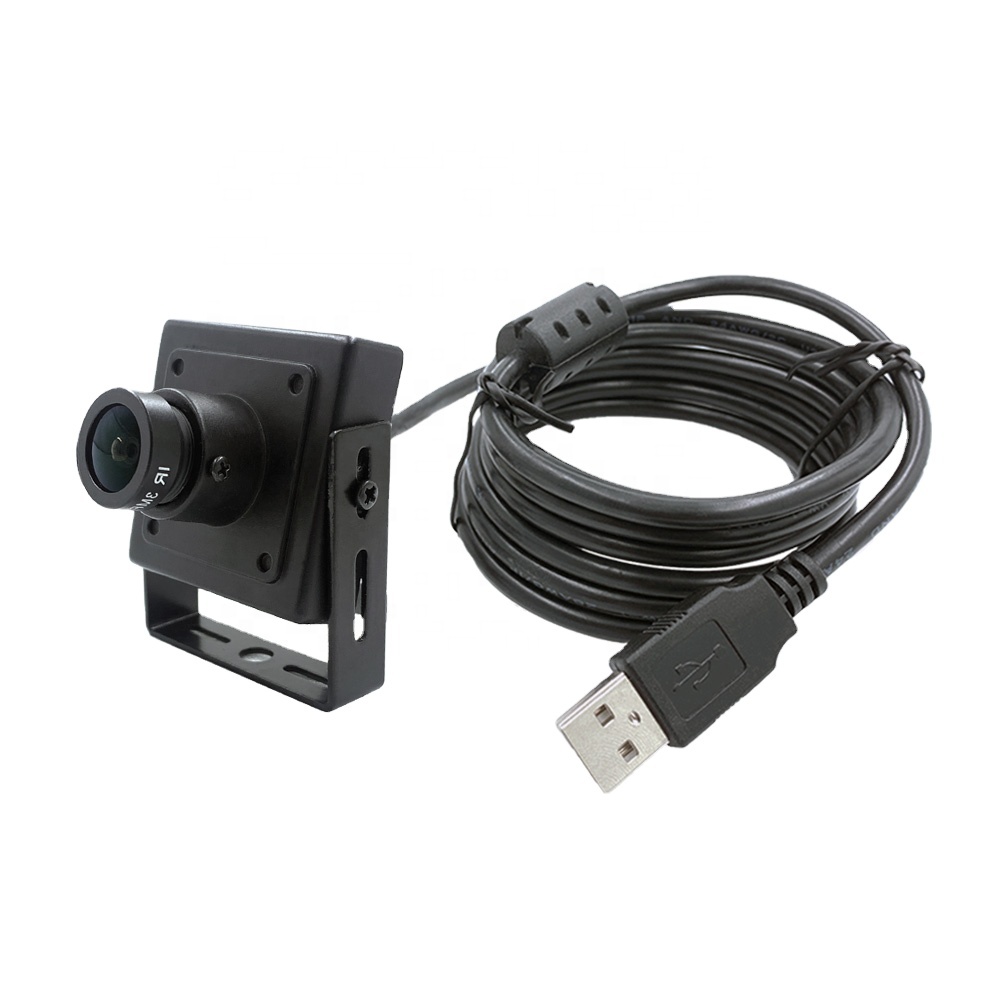
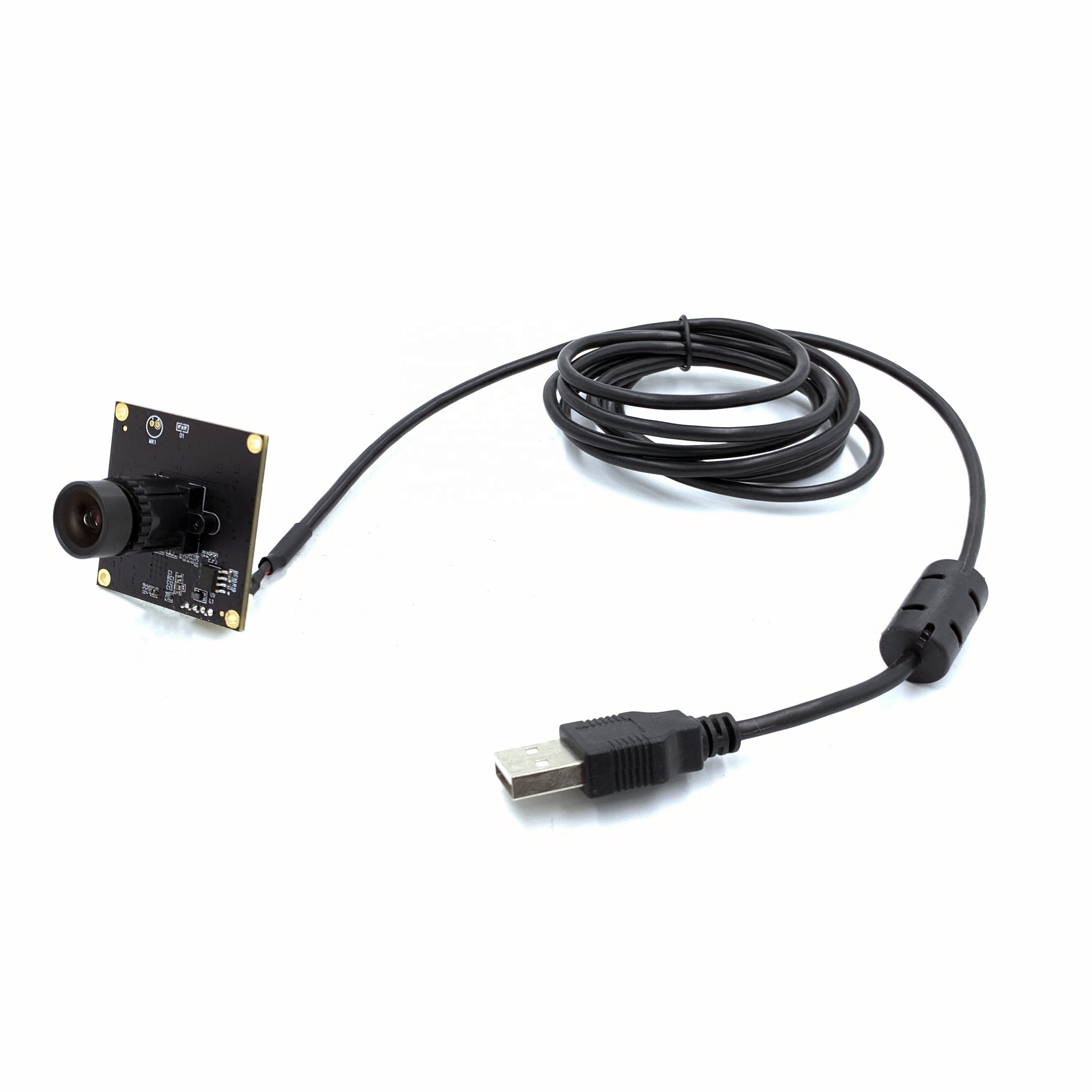
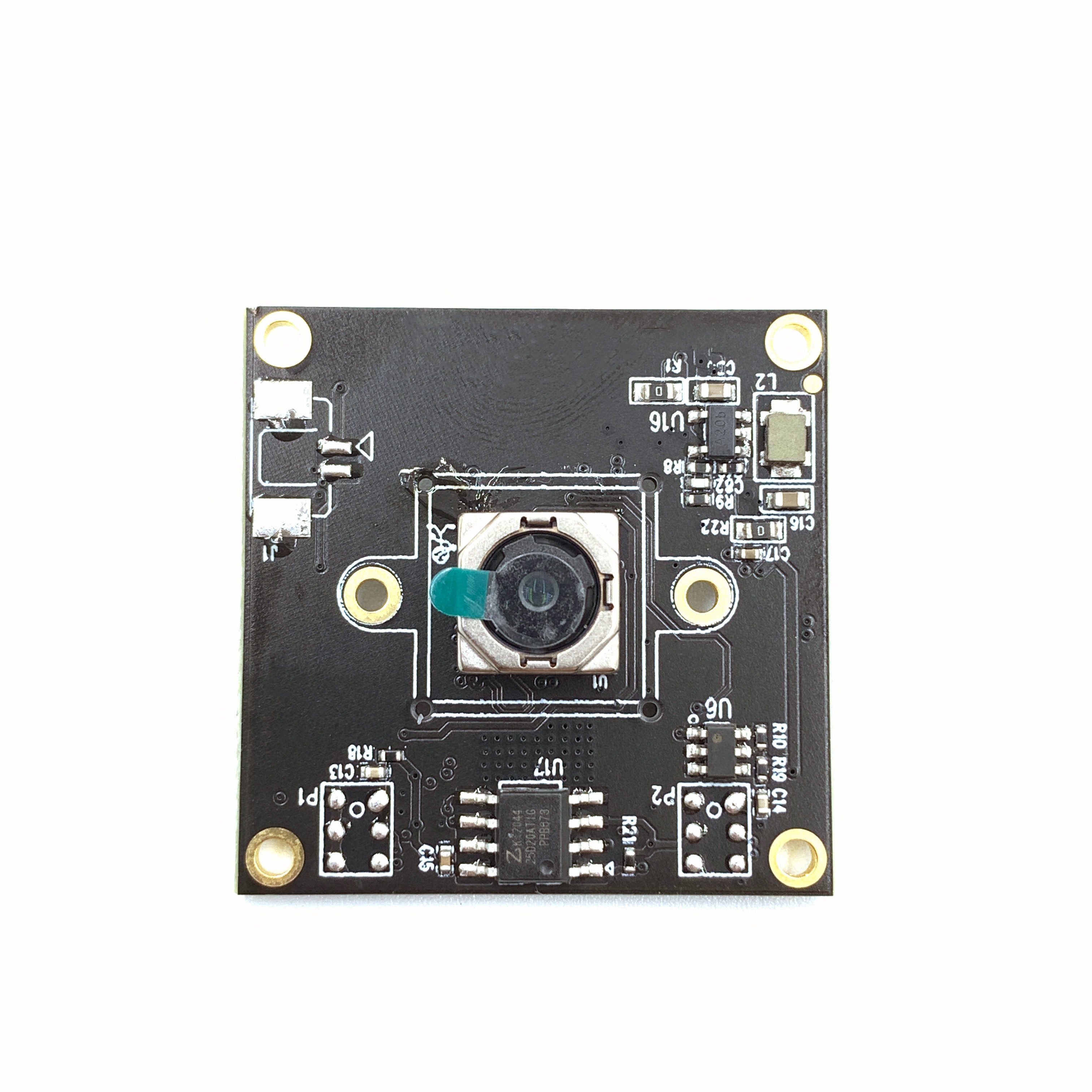
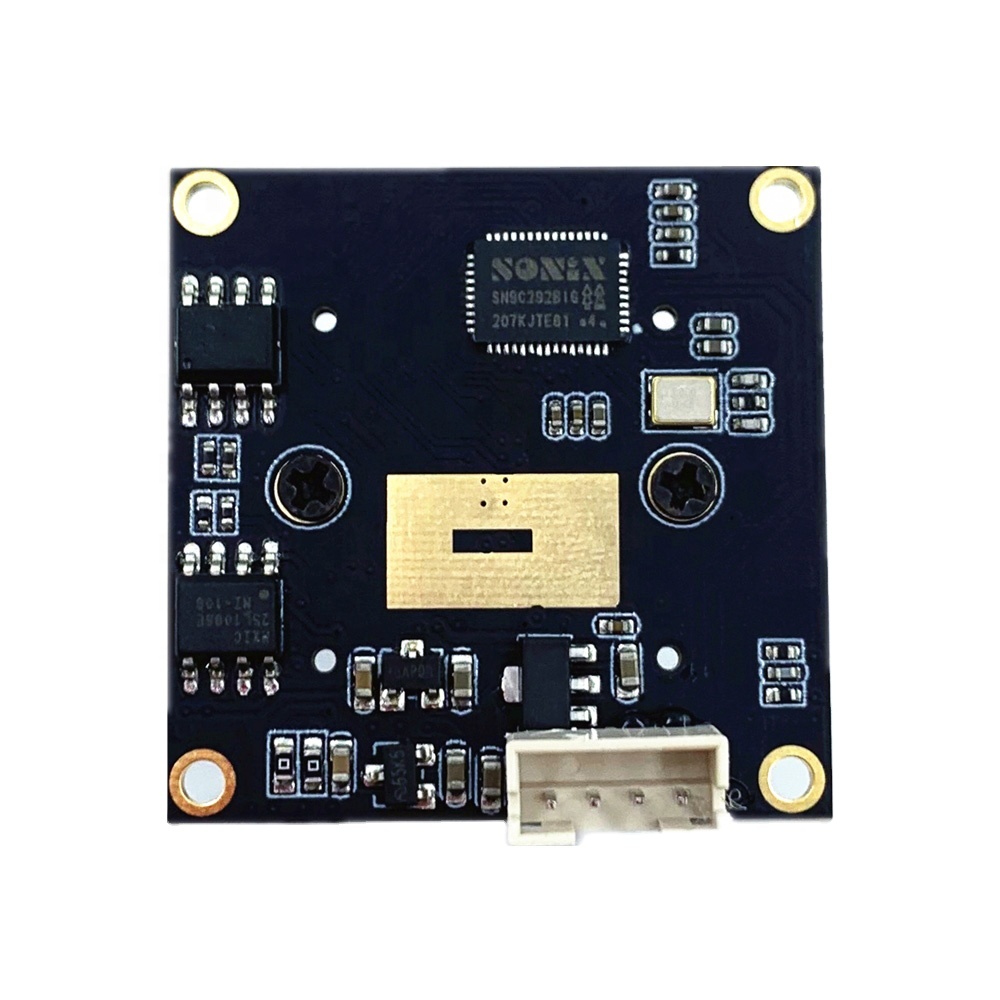
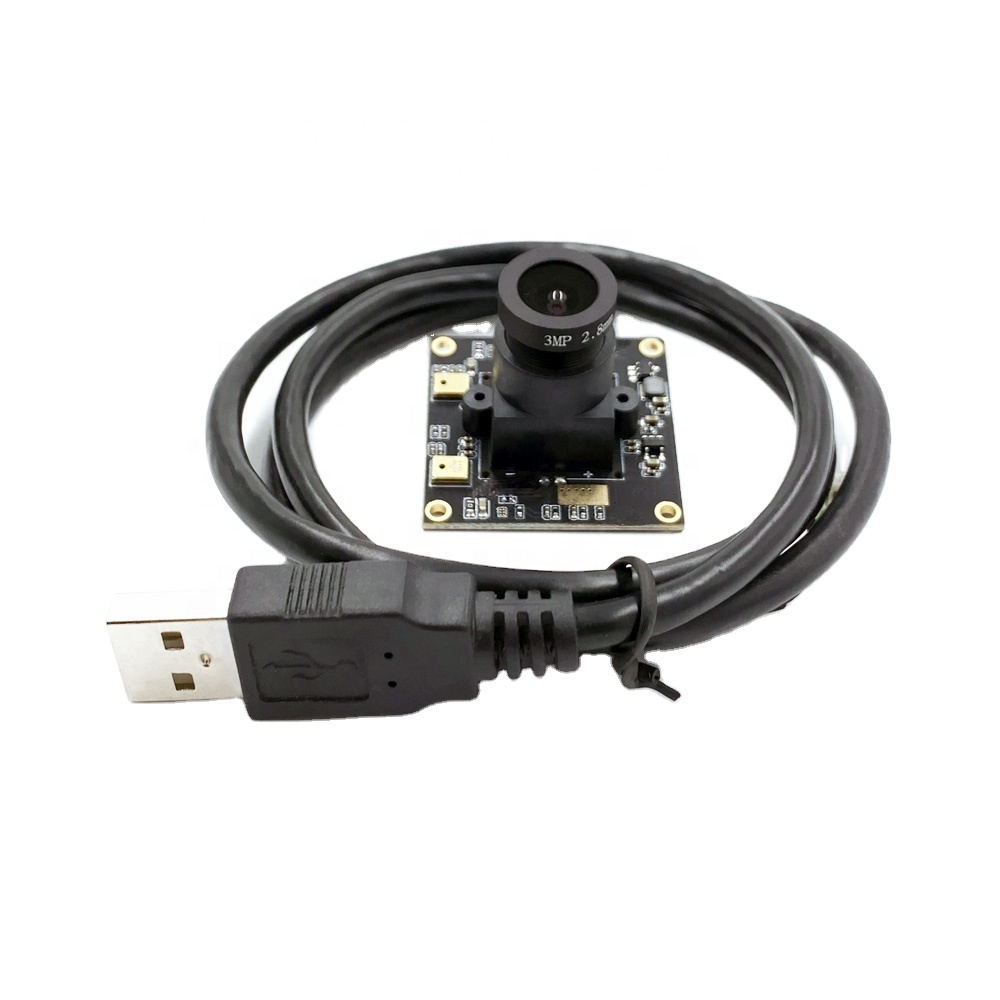
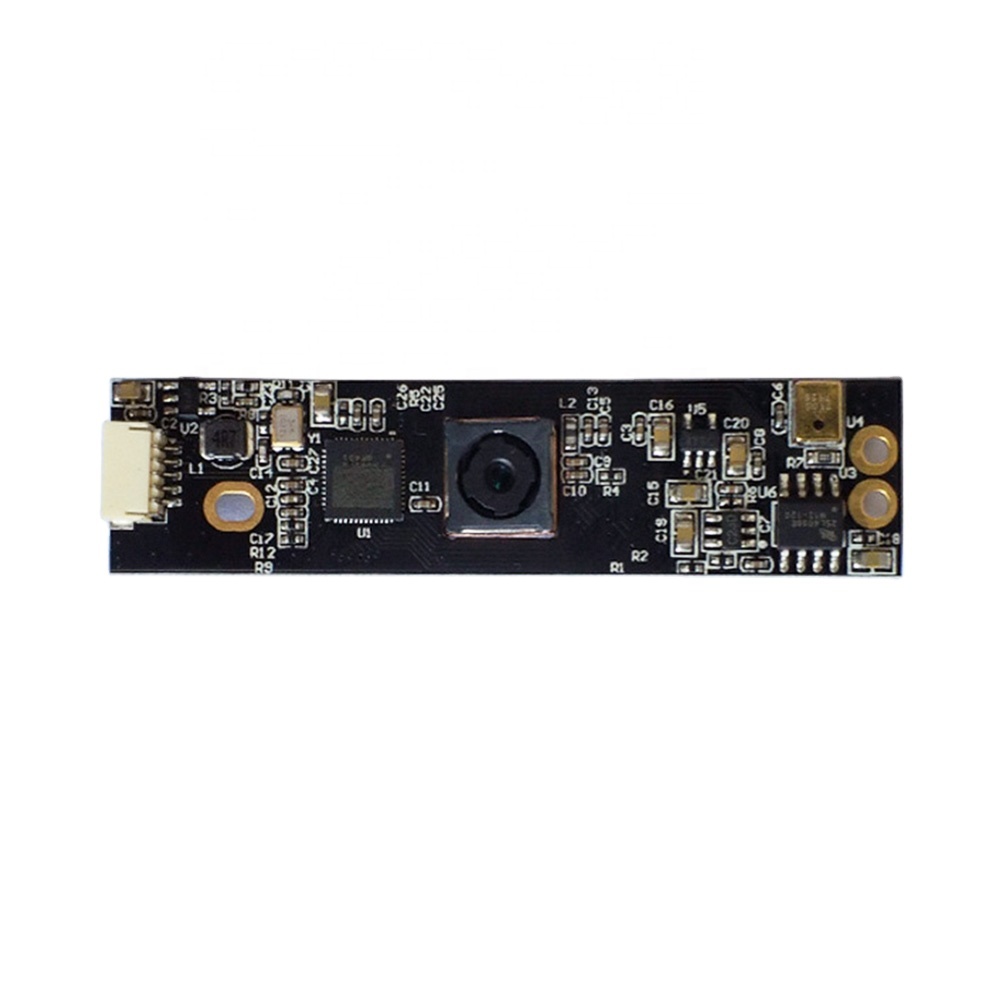
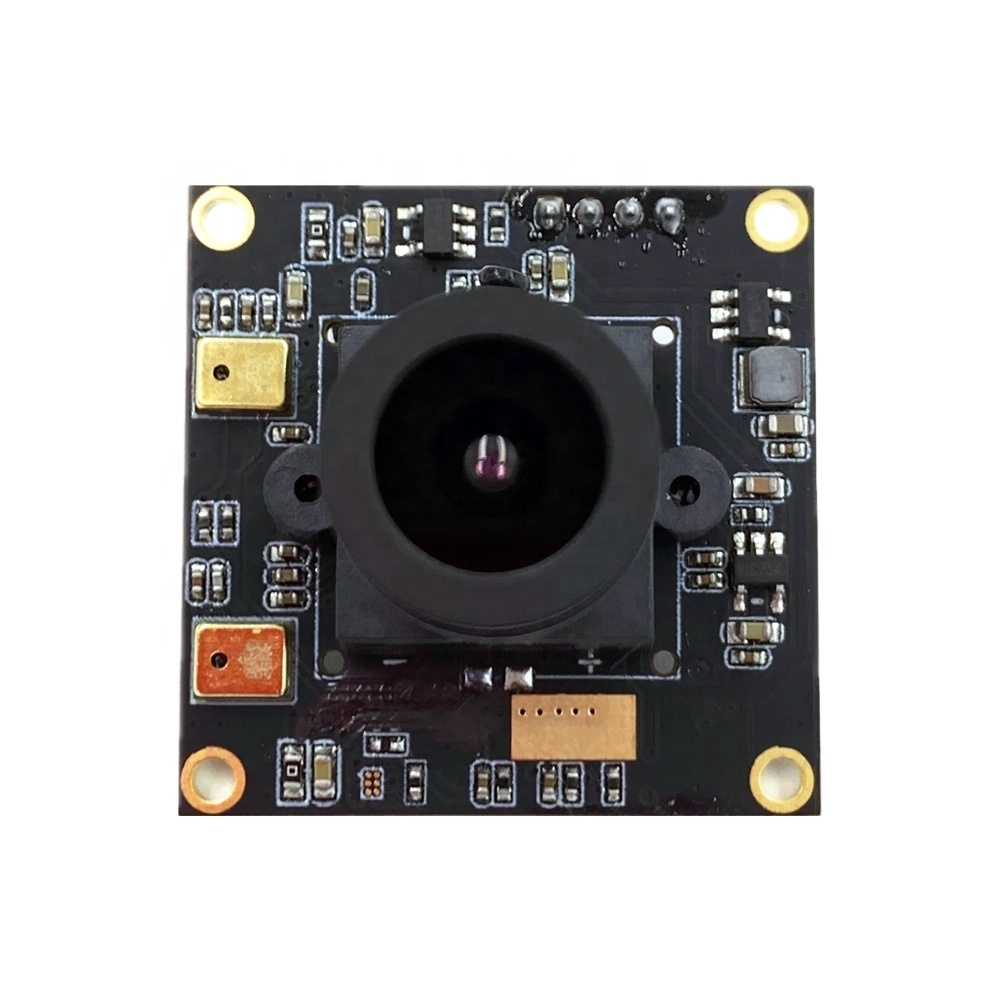
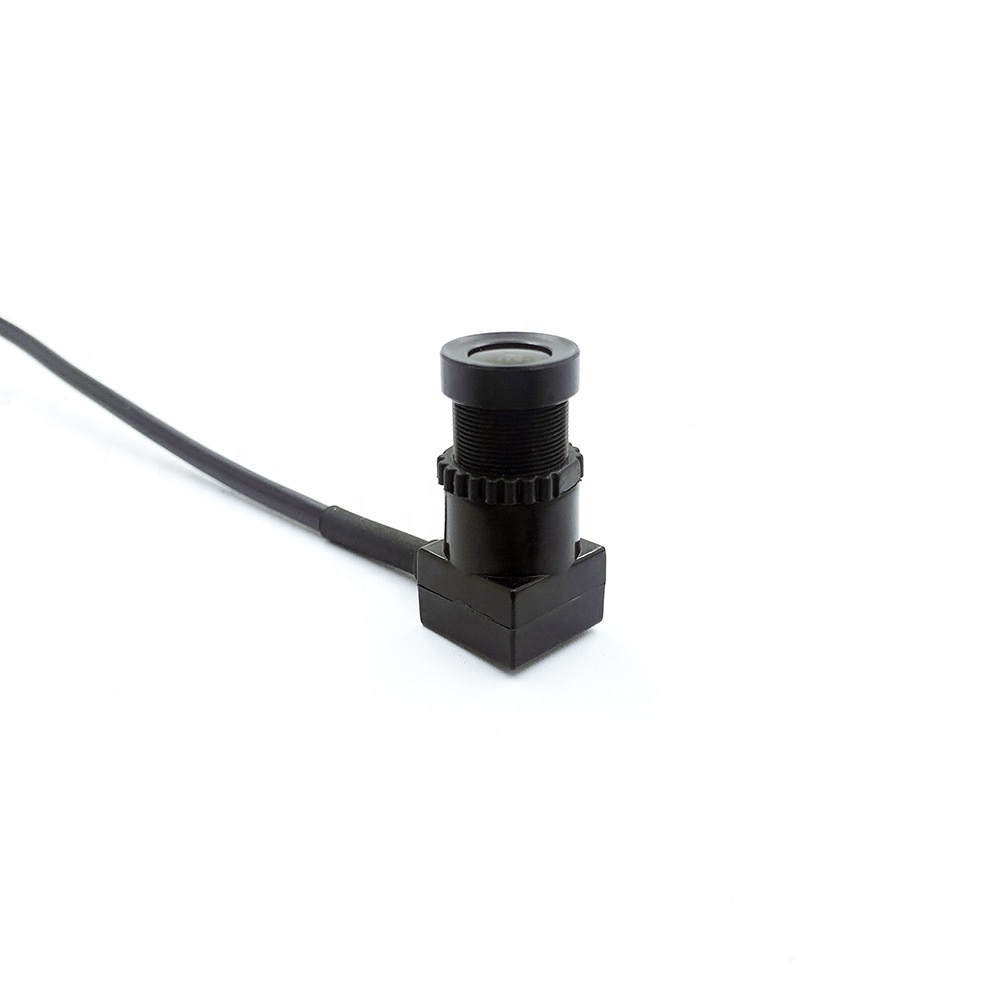
Targeted Optical Solutions for Cologne Industry Sectors
From financial self-service infrastructure to smart retail loss prevention across North Rhine-Westphalia (NRW), our micro surveillance cameras deliver targeted information gain and mechanical precision.
Banking, ATM & VTM Terminals
Cologne’s dense financial node requires reliable, ultra-compact optical sensors inside Automated Teller Machines (ATM) and Virtual Teller Machines (VTM). Our pinhole and 2.1mm wide-angle UVC modules seamlessly embed into narrow bezels, delivering 1080p facial validation and anti-skimming video monitoring under varying lighting conditions.
Smart Retail & Self-Checkout Kiosks
For high-footfall commercial strips like Hohe Straße and Schildergasse in central Cologne, automated self-order and payment kiosks demand discrete, wide-dynamic-range (WDR) cameras. Our rolling shutter Starvis modules eliminate facial shadowing caused by ambient overhead store lighting, facilitating rapid age verification and fraud deterrence.
Intelligent Logistics & Rhine-Ruhr Supply Chain
Cologne’s strategic position as a European multimodal logistics hub makes automated sorting, barcode reading, and package dimensioning essential. Our 330FPS high-frame-rate and 8MP autofocus camera modules integrate into automated conveyor systems to capture high-speed package data with zero motion blur.
Technical Architecture of Modern Micro Surveillance Optics
In the evolving landscape of industrial vision and spatial surveillance, standard webcams and bulky security cameras fail to meet the spatial, thermal, and bandwidth requirements of modern integrated machine enclosures. Micro surveillance camera modules represent a highly specialized engineering discipline where sensor optical format, print circuit board (PCB) thermal layout, digital signal processing (DSP), and UVC/RTSP protocol stacks must operate in absolute harmony.
For system integrators operating in Cologne and the broader European market, selecting the correct optical setup involves balancing resolution against light sensitivity, bandwidth consumption, and sensor interface protocol. Shenzhen Brekta Electronics engineers micro vision boards utilizing premium Sony Starvis back-illuminated (BSI) CMOS sensors and OmniVision image arrays, offering unmatched low-lux sensitivity down to 0.001 Lux in zero-ambient-light environments.
Technical Insight: BSI (Back-Illuminated) CMOS technology shifts the photodiode wiring layer behind the light-received substrate. This increases photodiode light collection efficiency per pixel from ~60% to over 90%, enabling full-color HD imagery in low-light environments without requiring energy-intensive auxiliary IR illumination.
Rolling Shutter vs. Global Shutter in Self-Service Machines
When selecting a camera module for Virtual Teller Machines (VTM), document scanning, or automated cash recycling systems (CRS), engineers must evaluate the image readout method:
Rolling Shutter Sensors (e.g., Sony Starvis IMX291): Read sensor lines sequentially. They offer superior WDR performance (up to 120dB) and exceptional low-lux performance, making them ideal for static facial recognition, identity document capture, and general video surveillance in unevenly lit indoor public spaces.
High Frame Rate & Global Shutter Sensors: Expose all pixels simultaneously. Our 330FPS high-speed module family eliminates the "spatial skew" or distortion artifacts common in rolling shutter sensors when tracking fast-moving items, such as bank notes fed into automated cash handlers or rapidly moving retail products on conveyor belts.
Hardware Specification Matrix
| Model Series | Sensor Type | Max Resolution | Frame Rate | Min. Illumination | Board Size | Interface |
|---|---|---|---|---|---|---|
| Low-Lux Kiosk UVC | 1/2.7" CMOS | 1280 × 720 (HD) | 30 FPS | 0.1 Lux | Mini Form Factor | USB 2.0 (UVC) |
| High-Speed VTM | 1/3" High-Speed CMOS | 1920 × 1080 (FHD) | 330 FPS | 0.1 Lux | 38 × 38 mm | USB 2.0 High Speed |
| Starvis Face Rec. | 1/2.8" Sony Starvis | 1920 × 1080 (FHD) | 30 FPS | 0.001 Lux | 32 × 32 mm | USB 2.0 / H.264 |
| Pro Autofocus 8MP | 1/3.2" CMOS | 3264 × 2448 (8MP) | 15 FPS | 0.1 Lux | 62 × 15 mm Slim | USB 2.0 (YUY2/MJPEG) |
| Micro Square Board | 1/4" Color CMOS | 1920 × 1080 (FHD) | 30 FPS | 0.1 Lux | 15 × 15 mm Ultra-Mini | USB / Network Output |
Local Industry Trends & Regulatory Compliance in Cologne & Germany
The German market for embedded micro surveillance hardware is defined by strict regulatory frameworks and rapid technological convergence. System architects in North Rhine-Westphalia must build devices that conform not only to physical spatial limits, but also to rigorous European cybersecurity and privacy directives.
1. Privacy-by-Design & EU GDPR / BDSG Compliance
Under the European Union’s General Data Protection Regulation (GDPR) and Germany’s updated Federal Data Protection Act (Bundesdatenschutzgesetz - BDSG), surveillance data collected in public spaces—such as Cologne Central Station (Kölner Hauptbahnhof), shopping malls, and municipal transit stops—must adhere to strict data minimization principles. Our micro camera modules feature customized firmware options that support on-board hardware masking, region-of-interest (ROI) cropping, and encrypted stream transmission via H.264 / H.265 compression, ensuring full audit readiness for compliance teams.
2. Edge-AI Computer Vision Integration
There is a rapid industry shift from simple video recording to local edge analytics. Kiosk and vending integrators in Cologne are embedding AI accelerators (such as NVIDIA Jetson, NXP i.MX8, and Raspberry Pi Compute Modules) directly into host systems. Our driverless UVC USB camera modules deliver raw, uncompressed YUY2 or zero-latency MJPEG video streams over standard V4L2 (Video4Linux2) drivers, allowing edge AI algorithms to execute facial detection, gesture analysis, and QR code verification locally without cloud latency.
3. Industrial Longevity & Thermal Stability in Enclosed Housings
Modern outdoor terminals and street-level ticket machines in the Cologne metro area endure wide seasonal temperature fluctuations, ranging from icy winters to hot summer direct sunlight. Standard consumer camera modules frequently suffer from thermal throttling, sensor noise, or optical focus shift caused by thermal expansion of plastic lens barrels. Shenzhen Brekta Electronics mitigates this by utilizing industrial-grade glass-metal hybrid lenses (M12/M8 mounts) and high-thermal-conductivity copper PCB substrates, ensuring stable focal alignment from -20°C to +70°C.
Why Cologne B2B Buyers Partner with Shenzhen Brekta Electronics
As an established original equipment manufacturer (OEM) and custom design factory (ODM) operating for over 13 years, Shenzhen Brekta Electronics Co., Ltd. bridges the gap between high-precision Chinese manufacturing agility and stringent European quality standards.
In-House PCB Layout & Engineering
Our senior hardware team designs multi-layer circuit boards using industry-standard Allegro and Protel platforms. We customize board dimensions (from ultra-mini 15x15mm to custom 62x15mm strips), pinouts, cable lengths, and IR-cut filters based on your mechanical CAD files.
CE, FCC & RoHS Certification
All camera modules exported to Germany and the EU carry full CE (EMC), FCC, and RoHS compliance documentation. Our products undergo rigorous electromagnetic interference testing to ensure seamless integration into sensitive banking equipment.
Flexible MOQ & Rapid Sampling
We empower local Cologne system integrators and startup engineering firms by providing evaluation sample units with a minimum order quantity (MOQ) from just 1 piece. In-stock samples are dispatched within 1 to 3 business days via DHL/FedEx Express to Germany.
24-Month Warranty & Direct Support
Every camera module undergoes 100% full-image optical testing and burn-in before shipment. We back our hardware with an industry-leading 24-month factory replacement warranty and direct engineering support, with typical inquiry response times under 2 hours.
Cologne Procurement FAQ: Micro Camera Sourcing
Common questions answered for purchasing managers, hardware engineers, and solution architects importing vision components into Germany.
Are your USB camera modules fully driver-free (UVC compliant) on Linux and Windows?
How fast can sample orders be delivered to Cologne or North Rhine-Westphalia?
Can you supply customized board dimensions, lens mounts, and cable assemblies?
What certifications are provided for German customs clearance and industrial audits?
What is the minimum order quantity (MOQ) for custom OEM orders?
Request a Custom Camera Module Quotation
Partner directly with a trusted manufacturer for your micro surveillance hardware requirements in Cologne and across Europe. Our engineering team is standing by to evaluate your mechanical drawings, optical specifications, and project deadlines.
Get a Quote