High-Performance Miniaturized Optics in Detroit’s Advanced Manufacturing Era
A comprehensive engineering guide on selecting, integrating, and procuring embedded USB/UVC, IP, and High-FPS camera modules for OEM applications in Michigan.
1. Executive Summary & Market Dynamics in Metro Detroit
The Greater Detroit metropolitan area—spanning Wayne, Oakland, and Macomb counties—is undergoing an unprecedented technological metamorphosis. Long acknowledged as the historic heart of global automotive manufacturing, Detroit has evolved into a premier epicenter for Industry 4.0 automation, autonomous mobile robots (AMRs), electric vehicle (EV) battery assembly testing, and smart urban self-service infrastructure. As computer vision becomes the foundational baseline for automated quality control, vehicle telematics, and interactive kiosks, procurement officers and engineering leads require specialized mini camera module suppliers and wholesalers capable of delivering severe-environment-grade optical assemblies.
Standard consumer webcams and off-the-shelf security cameras fail to meet the rigorous specifications demanded by Detroit’s industrial ecosystem. Automotive production lines in Warren and Sterling Heights operating 24/7 generate high electromagnetic interference (EMI), extreme vibration profiles, and variable thermal environments ranging from Michigan sub-zero winters (-40°C) to high-heat paint booths (+85°C). Furthermore, real-time machine vision requires precise spatial imaging—utilizing high frame rates (up to 330 FPS), zero-latency UVC driverless protocols, true Wide Dynamic Range (WDR / HDR), and low-lux Sony STARVIS sensors capable of rendering crisp imagery under harsh factory illumination or dim ambient outdoor light.
2. Technical Architecture of Industrial Mini Camera Modules
To establish competitive advantage in high-stakes OEM deployment, engineering teams must evaluate mini camera modules across four critical technical pillars: Sensor Integration, Optical Architecture, Interface Protocols, and Environmental Hardening.
Advanced CMOS Sensors
Integration of Sony STARVIS (IMX291, IMX335, IMX377) and OnSemi WDR (AR0230) CMOS technology guarantees optical clarity under extreme illumination contrast (up to 120dB WDR) and low-light thresholds down to 0.0001 Lux.
Form-Factor & Optics
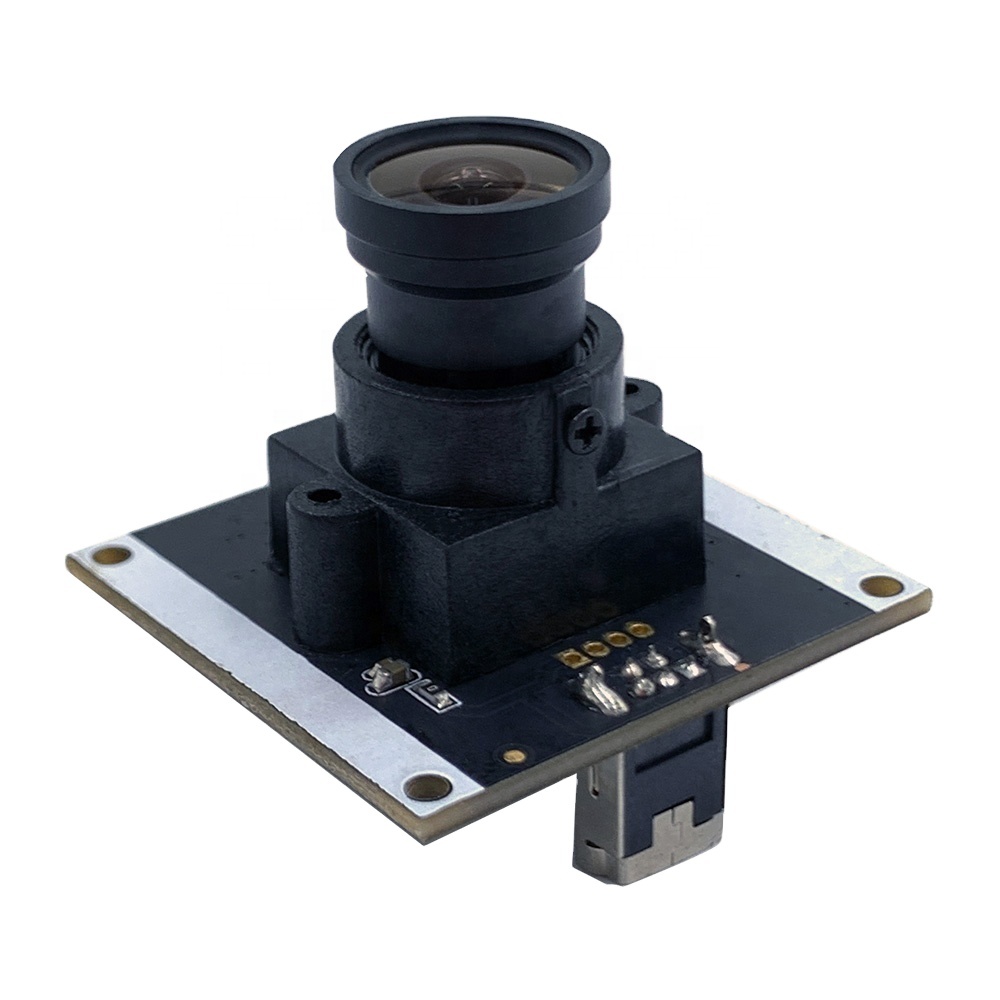
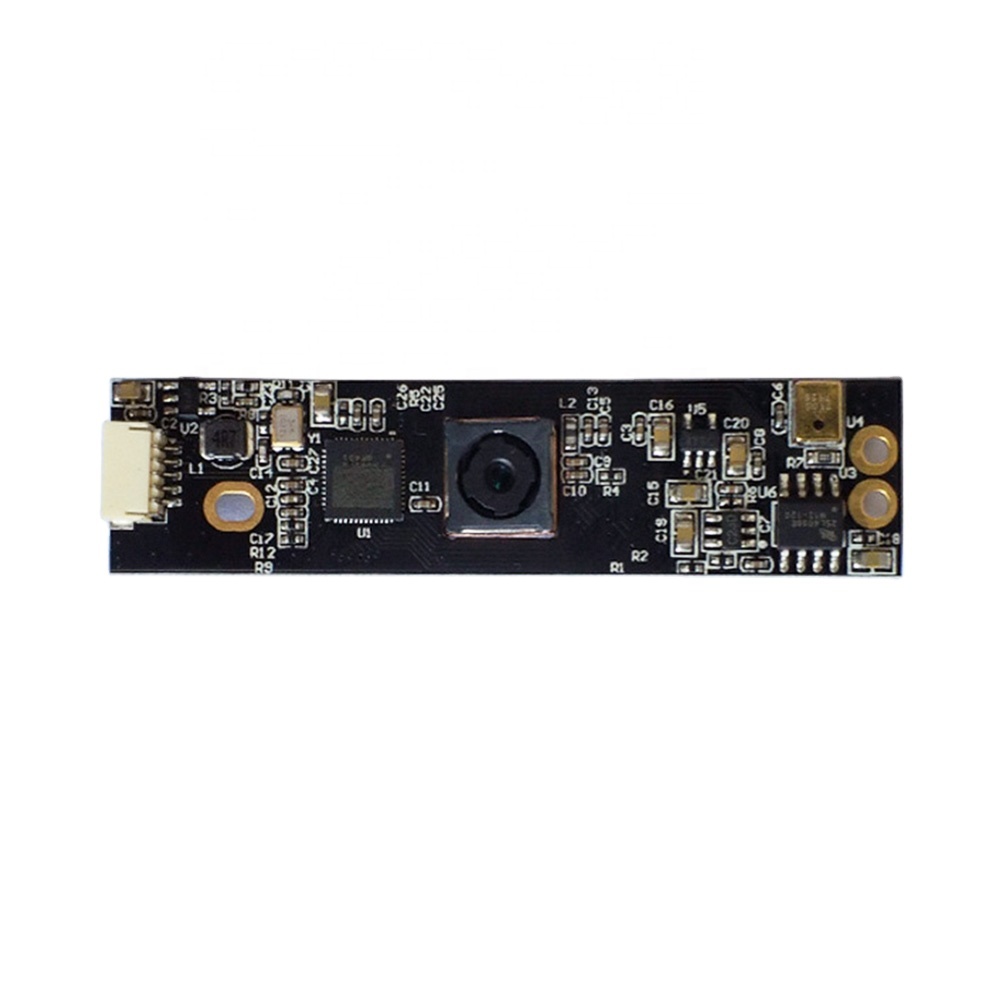
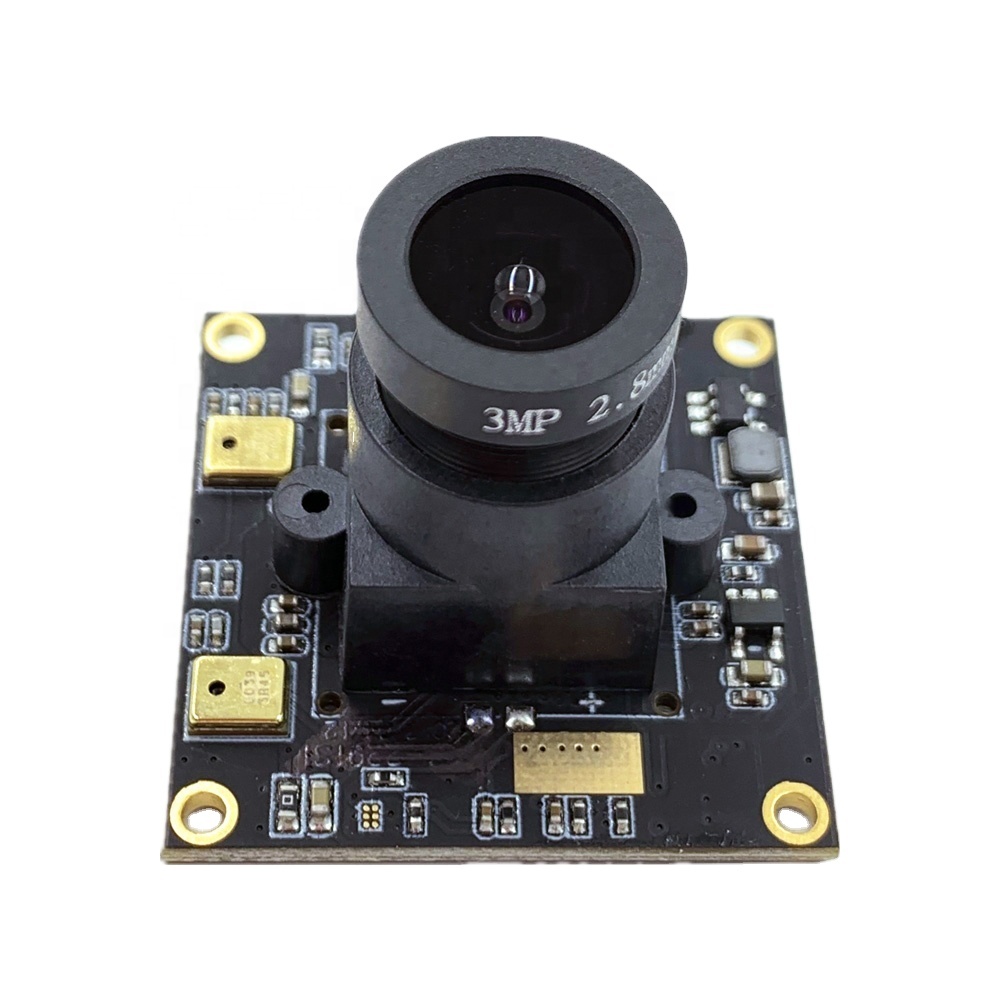
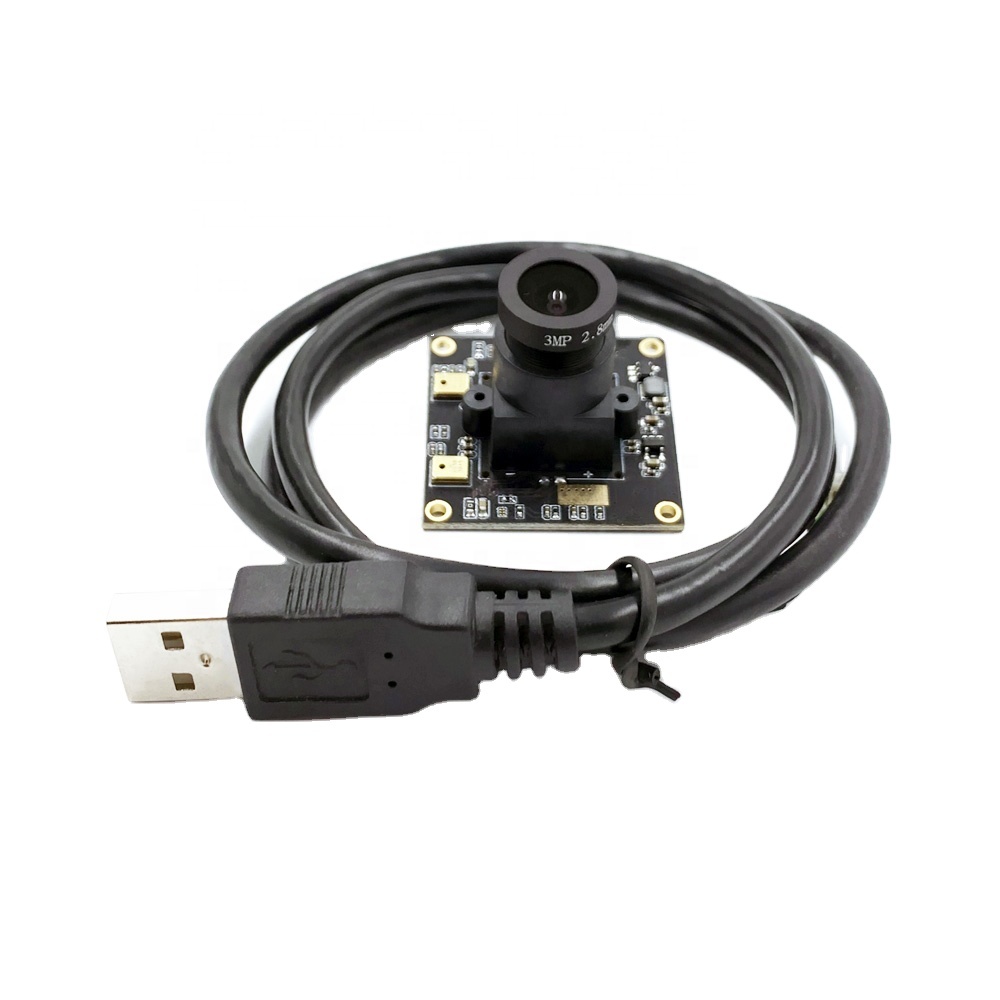
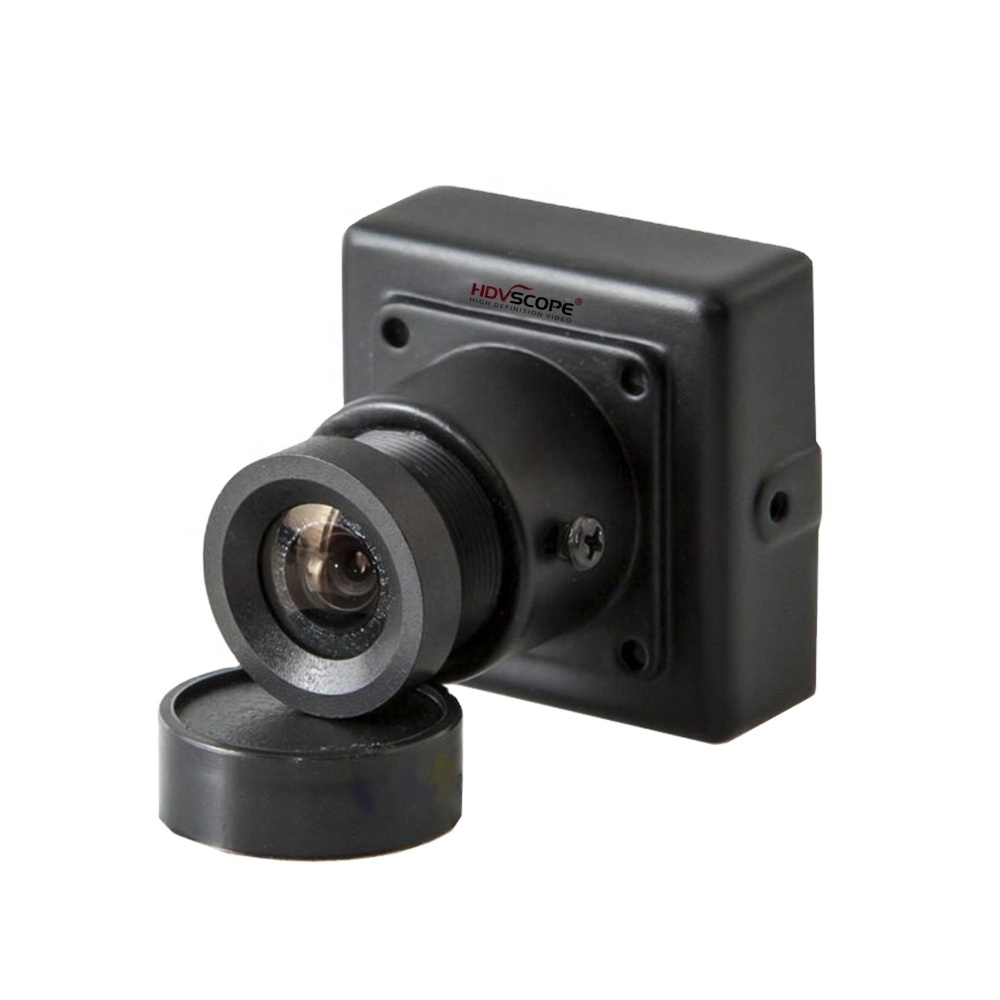
Miniaturized PCB footprint profiles starting at 15×15mm, 25×25mm, 32×32mm, up to 38×38mm. Matched with distortion-free M12/M8 board lenses, fisheye ultra-wide glass, pinhole options, and C/CS varifocal optics.
Bus Protocols & Streaming
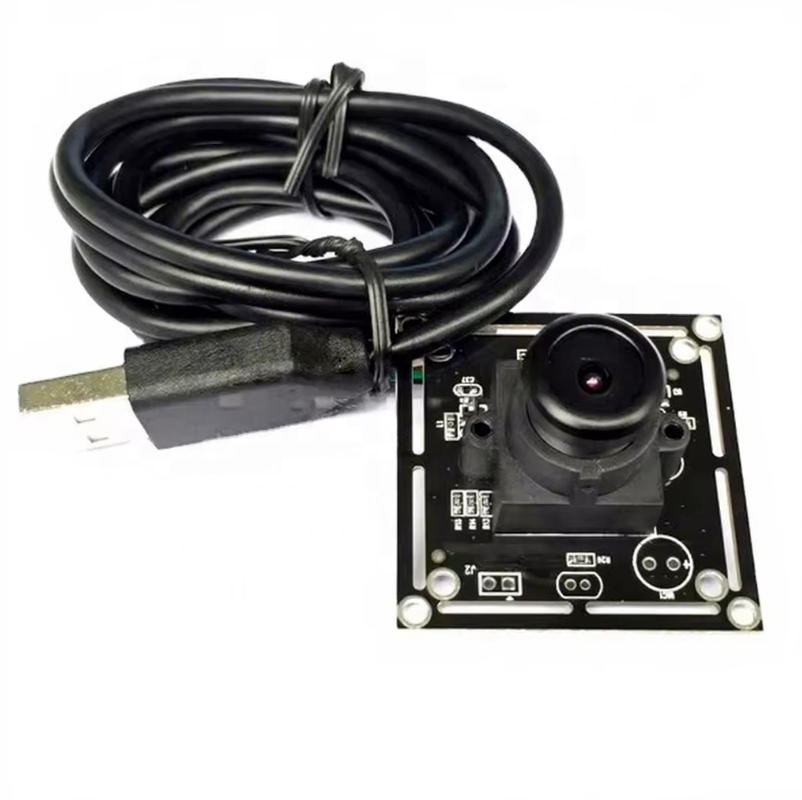
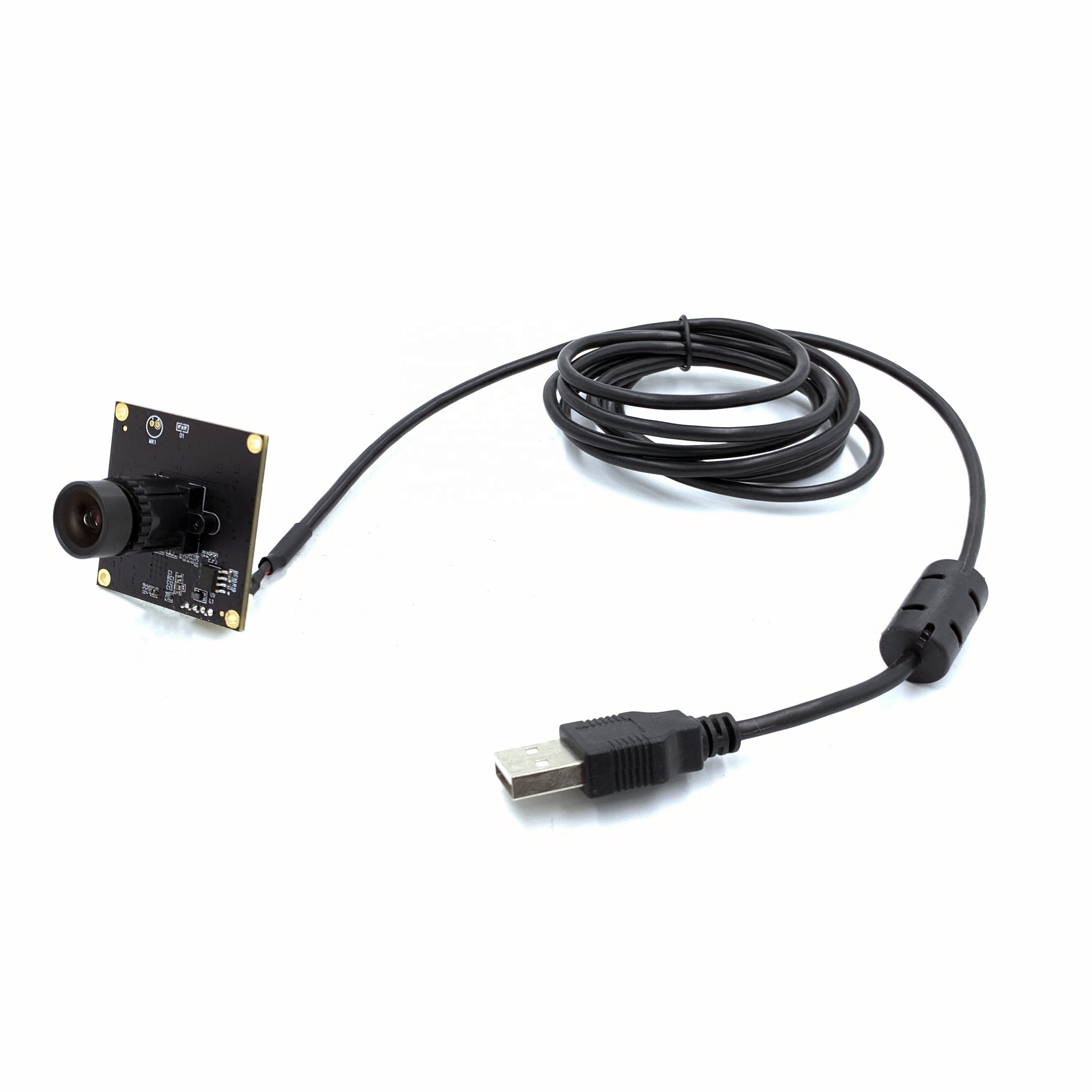
UVC (USB Video Class) driver-free operation across Linux, ROS, Android, Windows, and macOS. H.264/H.265 hardware compression, RTSP/ONVIF IP streaming, and low-latency HD-SDI/AHD coaxial links.
2.1 Sensor Technology: Rolling Shutter vs. High-FPS Motion Capture
Selecting the right sensor technology directly dictates machine vision accuracy. Rolling shutter CMOS modules (such as the 8MP Autofocus YUY2/MJPEG or 6MP IMX335) offer ultra-high spatial resolution for document verification, facial recognition, and static component scanning. However, high-speed robotic sorting and high-velocity conveyor lines require specialized high-frame-rate sensors—such as our OEM 1/3" CMOS HD HDR 330FPS Module. By recording at 330 frames per second, system integrators eliminate motion blur and rolling shutter distortion, enabling precision optical character recognition (OCR) and high-speed robotic guidance.
2.2 Wide Dynamic Range (WDR) and Low-Lux Engineering
Automotive components often possess metallic, reflective surfaces that create specular highlights and severe glare under factory floor spotlighting. OnSemi AR0230 sensors utilize multi-exposure WDR (up to 105dB–120dB) to capture both dark shadow details and overexposed metallic highlights simultaneously. In outdoor applications—such as Detroit outdoor fuel dispensers, parking meters, and ATM Virtual Teller Machines—Sony STARVIS back-illuminated pixel architecture maintains vivid color reproduction down to 0.001 Lux, ensuring round-the-clock operational security without relying on intrusive external floodlights.
3. Local Detroit Application Scenarios for Industrial Camera Modules
To provide actionable Information Gain for local engineering leads, the following matrix details how mini camera modules are integrated into specific regional industry sectors across Michigan:
| Industry Sector | Detroit Region Focus | Primary Camera Module Requirement | Technical Advantage Provided |
|---|---|---|---|
| Automotive OEM & Assembly | Dearborn, Warren, Detroit | 330FPS High-FPS HDR / 2.0MP Global-like USB | Captures fast-moving weld points, stamping alignment, and robotic arm pathing with 0ms blur. |
| Robotics & AGV Navigation | Sterling Heights, Troy | IP67 Waterproof / 180° Fisheye Wide Angle | Provides 360-degree spatial awareness for autonomous warehouse vehicles in dusty assembly plants. |
| Smart Kiosk & ATM VTM | Detroit Metro Core, Southfield | AR0230 WDR 1080P / Low-Lux Starvis H.264 | Driverless UVC integration into Windows/Linux host PCs with anti-glare facial capture under bright sunlight. |
| EV Battery Inspection | Auburn Hills, Rochester Hills | 8MP Autofocus 0.1 Lux / 5MP Endoscope Probe | High-resolution micro-crack inspection on battery cells and thermal runaway containment housing. |
| Smart Retail & Vending | Ann Arbor, Novi | Anti-Fog 180° Panoramic / WiFi Tuya Mini | Moisture-proof sealed glass elements operating flawlessly inside sub-zero commercial display freezers. |
4. Deep-Dive Use Cases in Michigan’s Industrial Landscape
Scenario A: Automated In-Line Quality Inspection in Automotive Stamping
In tier-1 automotive supplier facilities in Warren, Michigan, sheet metal stamping presses operate at relentless cadence. Inspecting edge burrs, rivet placement, and spot-weld geometry requires micro cameras mounted inside tight machine enclosures. Our 25×25mm Ultra-Small 2.0MP USB Camera Module fits seamlessly into custom robotic end-effectors. Its UVC plug-and-play architecture connects directly to Linux-based IPCs running ROS (Robot Operating System) or OpenCV, sending raw YUY2/MJPEG streams without processor-hogging software conversion.
Scenario B: Autonomous Mobile Robots (AMRs) in Logistics Hubs
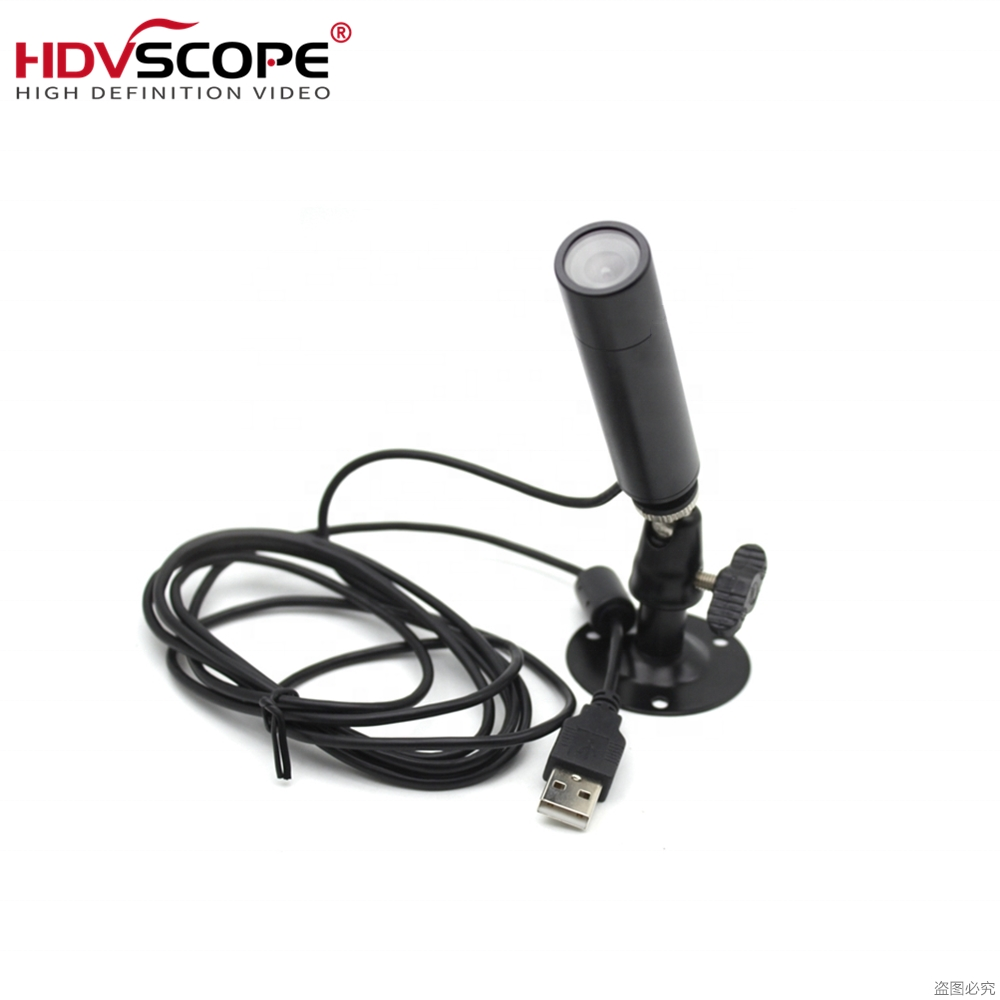
Logistics hubs near Detroit Metropolitan Airport (DTW) rely on AMRs for palette transportation. These robots require rugged vision systems that withstand structural shocks when negotiating dock plates. The IP67 Waterproof 2.0MP Mini USB Camera features an integrated 20mm outer diameter steel tube housing with sealed O-rings. Resistant to oil, hydraulic splash, and ambient dust, this module guarantees continuous visual SLAM (Simultaneous Localization and Mapping) in harsh industrial environments.
Scenario C: Financial ATMs & Interactive Self-Service Kiosks
Bank drive-thru ATMs and retail self-checkout terminals deployed throughout Michigan face intense sunlight backlighting during daytime and pitch-black conditions at night. Incorporating the OnSemi AR0230 WDR USB Module allows system builders to implement dual-stream biometrics: high-definition facial scanning for transaction security and wide-angle document image acquisition for check imaging, fully compliant with federal banking privacy standards.
5. Enterprise Advantages of Partnering with Shenzhen Brekta Electronics
As a global pioneer in miniaturized vision engineering, Shenzhen Brekta Electronics Co., Ltd. serves as a direct OEM factory partner to wholesalers, technology integrators, and equipment manufacturers in Detroit and across North America.
Custom Engineering & Hardware Tailoring
Utilizing high-precision Protel and Allegro PCB layout software, our R&D team custom-designs circuit board dimensions (down to 15×15mm), custom pinout harnesses (JST, Molex, Micro USB, Type-C), tailored FOV lenses (60° to 190°), IR-cut filter switching, and custom firmware parameter pre-flashing.
Stringent Quality Assurance & Compliance
Every camera module undergoes rigorous 100% optical alignment testing, sensor dead-pixel screening, dynamic range calibration, and burn-in aging. All products hold comprehensive CE, FCC, and RoHS certifications, backed by an industry-leading 24-month factory warranty and lifetime technical support.
5.1 Rapid Prototyping & Flexible Supply Chain Logistics
We understand that automotive engineering schedules and tender deadlines require quick turnaround. Standard evaluation units ship within 1 to 3 working days directly to Michigan engineering facilities. We maintain flexible Minimum Order Quantities (MOQ starting at 1 piece for evaluation models), allowing engineering teams to validate optics before committing to high-volume manufacturing contracts.
6. Frequently Asked Questions (FAQ) for Detroit Wholesale & OEM Buyers
Accelerate Your Detroit Vision Project Today
Whether you require standard UVC evaluation samples or custom-engineered camera module manufacturing, our technical sales engineers are standing by to review your CAD drawings and optic specifications.