Featured Miniature Camera Modules
Explore our core engineering lineup: high-frame-rate, low-lux Starvis, WDR, and compact board cameras available for immediate evaluation and wholesale delivery to Riga.
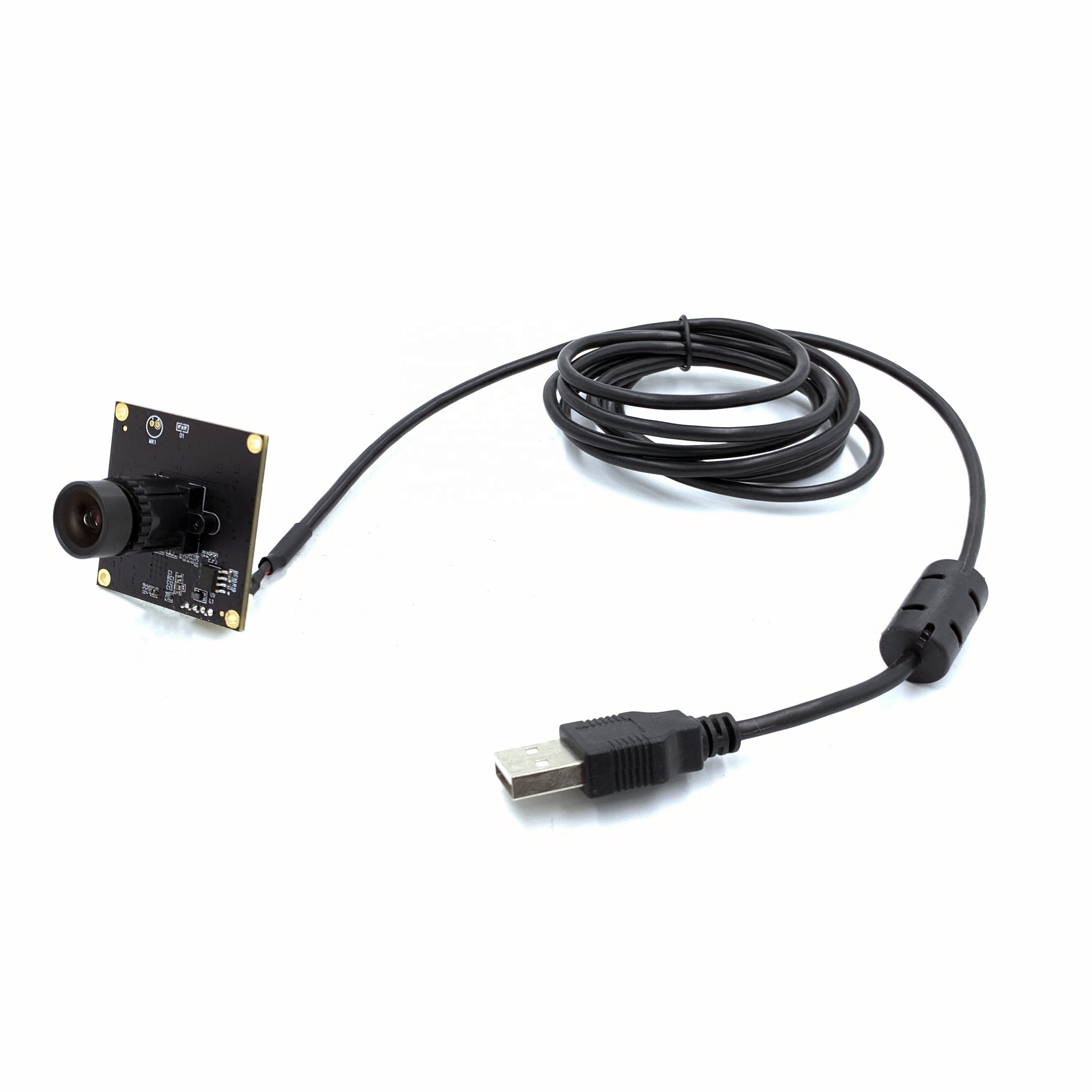
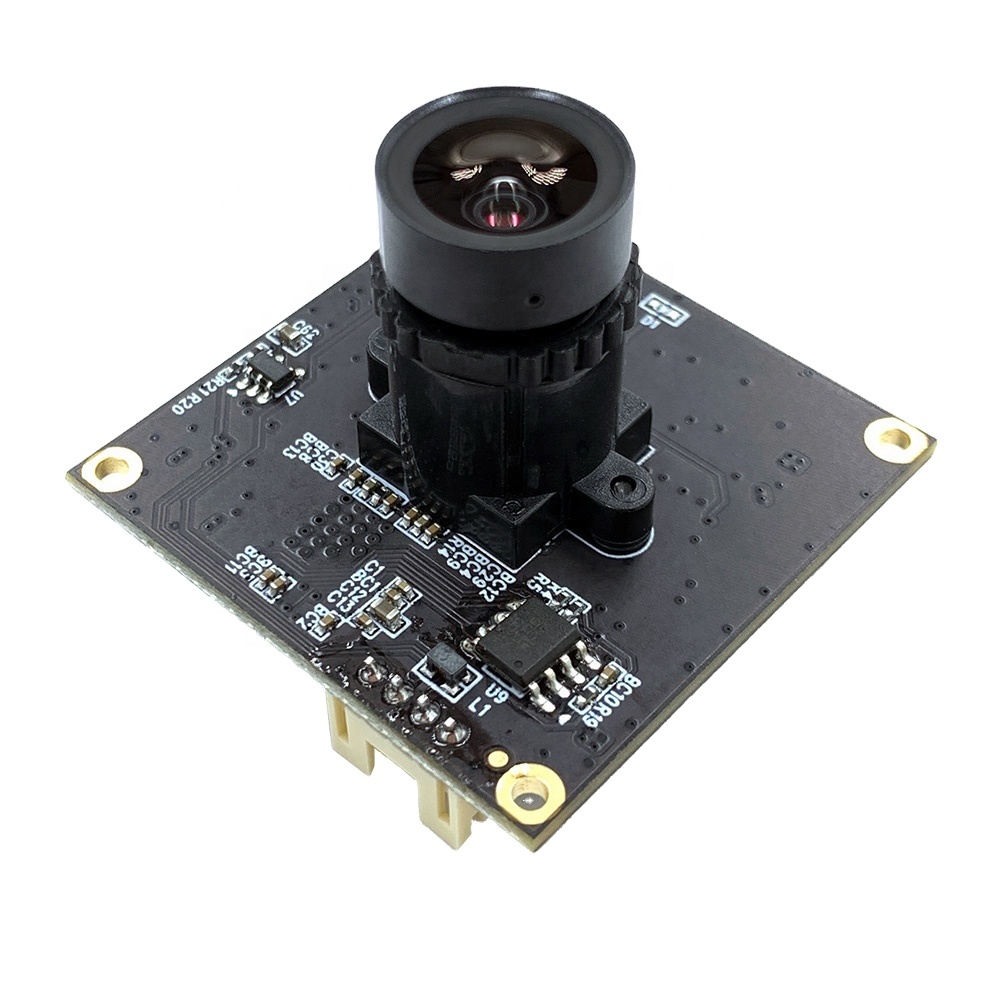
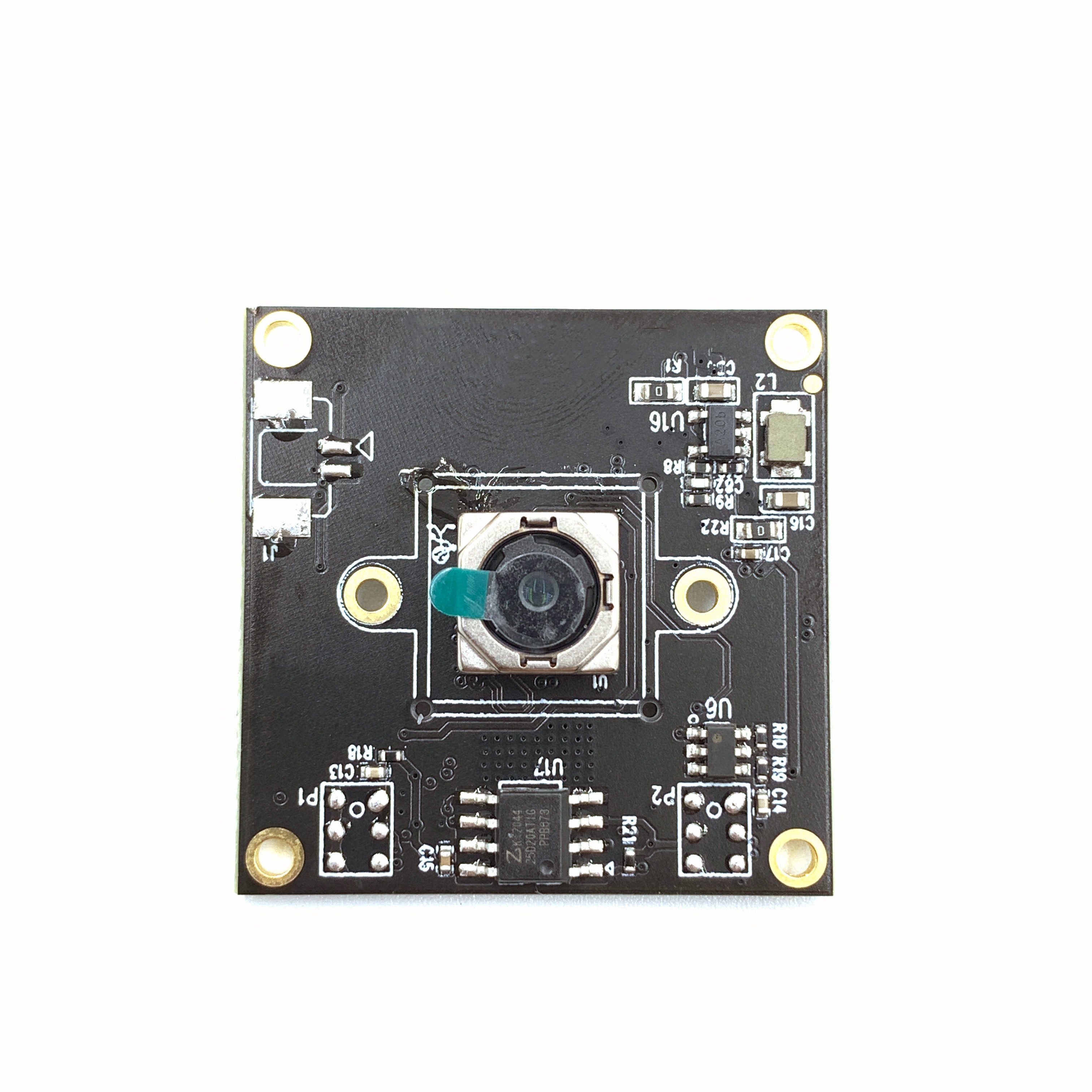
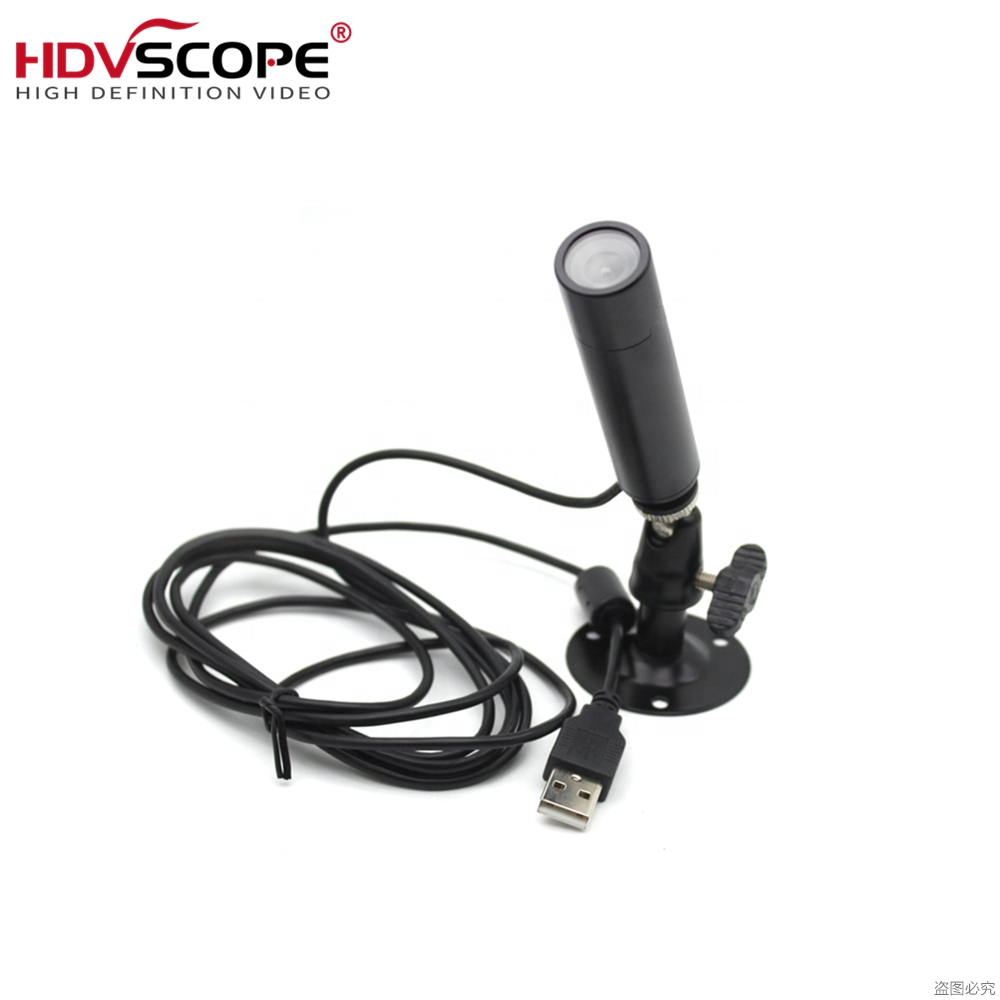
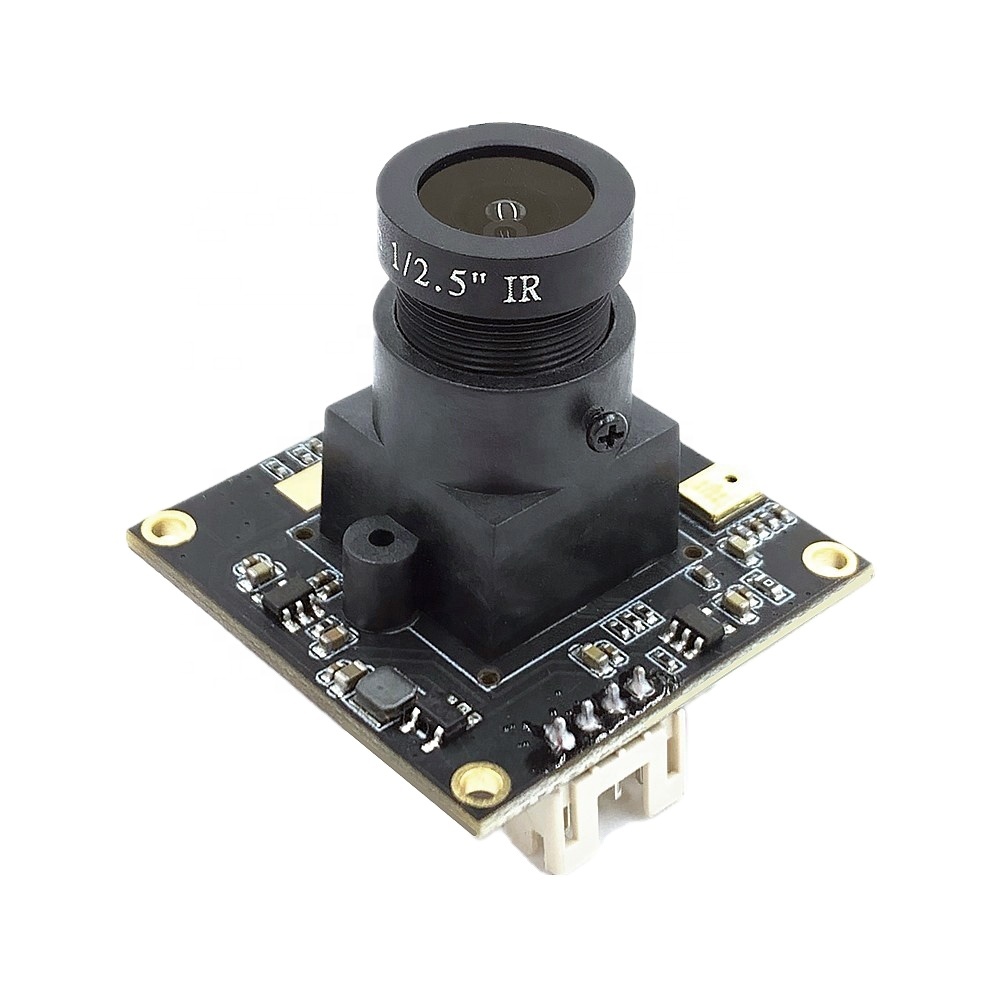
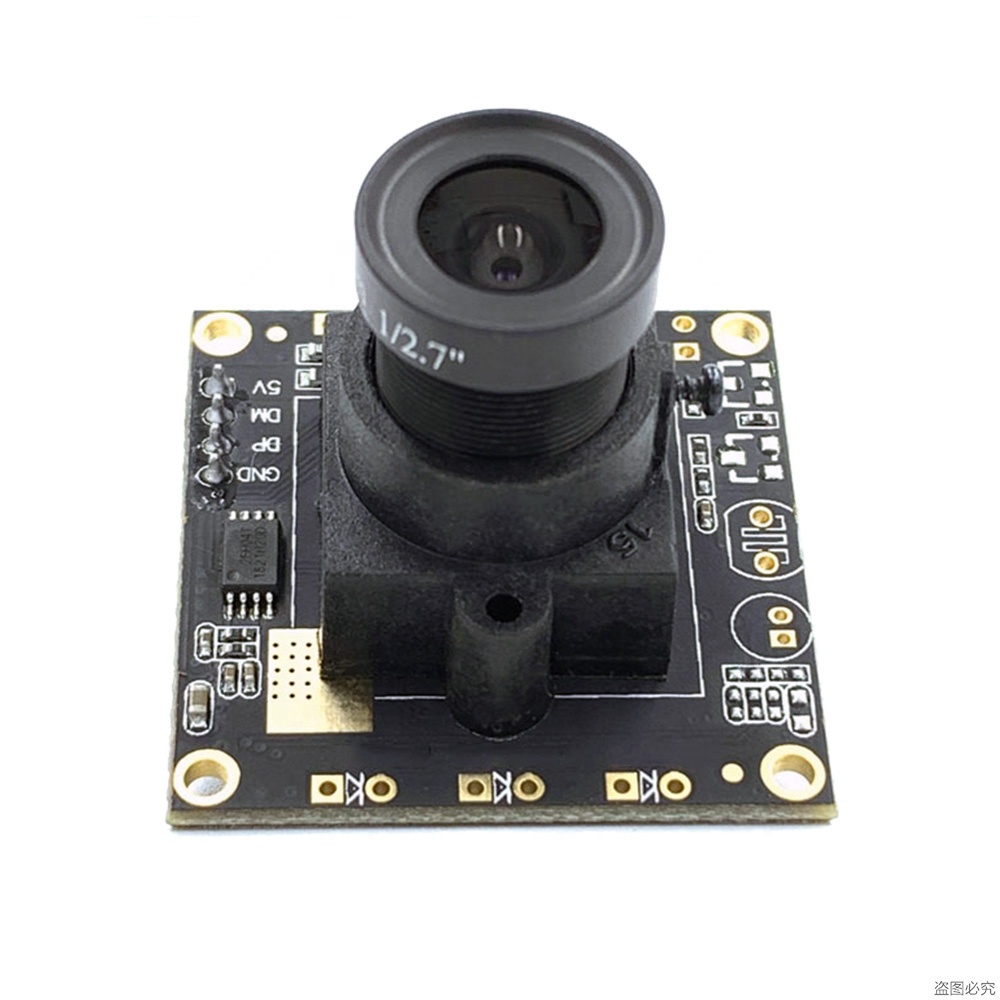

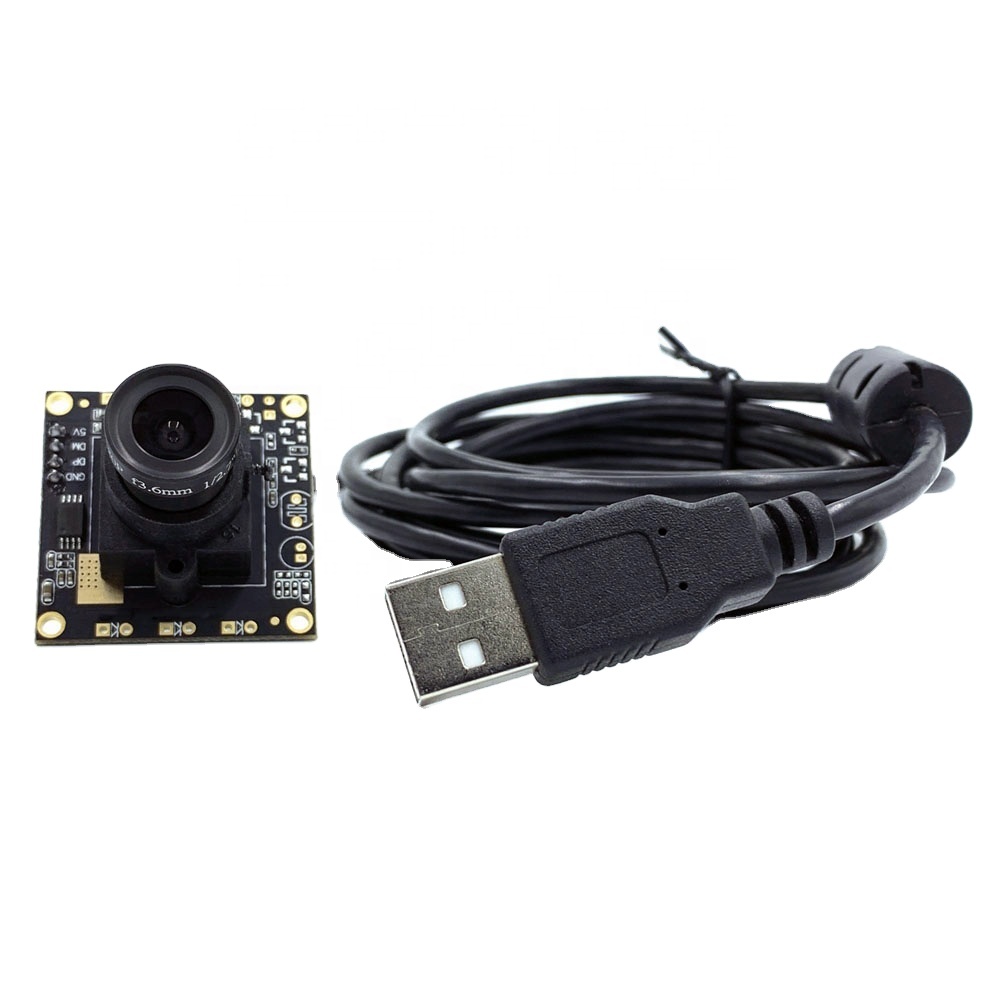
Technical Whitepaper: Precision Miniature SDI Signal Architectures in Modern Vision Systems
In the rapidly evolving landscape of professional video production, high-speed industrial inspection, and specialized security deployments throughout Riga and the wider Baltic region, Serial Digital Interface (SDI) technology remains the undisputed benchmark for uncompressed, zero-latency digital video transmission. While packet-based IP infrastructures and UVC USB interfaces have captured significant market share in commercial applications, miniature SDI cameras engineered on SMPTE standards (SMPTE 252M, 292M, 424M, and Ex-SDI protocols) offer technical advantages that network switches and host-processed USB pipelines simply cannot replicate.
At Shenzhen Brekta Electronics Co., Ltd., our engineering division approaches the manufacture of Mini SDI cameras from a component-level optics and signal integrity perspective. Traditional digital cameras rely on heavy compression algorithms (such as H.264, H.265, or MJPEG) to stream video over ethernet or USB buses. This compression introduces a mandatory latency buffer ranging from 80 milliseconds up to 400 milliseconds—a delay threshold that renders real-time tracking, live broadcast switching, and automated machine vision feedback loops ineffective.
Our micro HD-SDI and Ex-SDI camera modules bypass the host OS driver stack entirely. By converting raw CMOS pixel array signals directly into a 75-ohm serialized stream via high-frequency BNC coaxial lines, our modules achieve sub-1 millisecond glass-to-glass latency. For broadcasting crews operating in Riga Arena, maritime automated cranes at the Free Port of Riga, or high-speed document processing facilities across Latvia, this raw, uncompressed 1080p 60fps feed ensures frame-accurate clarity without jitter, frame drops, or CPU overhead on the receiving host system.
Localized Applications: Engineering Solutions for Riga's Key Industries
From broadcast television centers to maritime port automation and sub-zero outdoor monitoring, explore how our mini SDI camera modules solve regional engineering challenges in Riga, Latvia.
1. Riga Broadcast Studios & Live Sports OB Vans
Riga serves as a central media hub for Baltic television production, sports broadcasting, and live theatrical streaming. Broadcast engineers require micro SDI "lipstick" and block cameras to embed in goal posts, stage rigging, and discreet studio corners. Brekta’s micro 3G-SDI modules offer exact color space matching (Rec.709), precise white balance tuning, and direct output into SDI video switchers without requiring external converters.
2. Free Port of Riga: Maritime & Cargo Automation
Logistics terminals operating at the Free Port of Riga demand 24/7 visual verification on container crane spreaders and automated guidance vehicles (AGVs). Electromagnetic interference (EMI) from heavy electric motors ruins consumer IP feeds. Our shielded 38x38mm Ex-SDI camera modules utilize high-grade 75-ohm coaxial lines that resist high EMI while delivering zero-delay video to operator control booths up to 120 meters away.
3. Riga Municipal Traffic & Bridge Monitoring
Monitoring vehicular flow across the Vanšu and Akmens bridges in Riga requires robust optical clarity during harsh Baltic winters. Featuring Sony STARVIS IMX291 sensors and wide dynamic range (WDR) processing up to 120dB, our low-lux mini SDI cameras capture crystal-clear license plates through driving snow, fog, and glare from oncoming headlights without frame degradation.
4. Automated Retail Kiosks & VTMs across Latvia
Self-service banking terminals (VTMs) and smart ticketing kiosks deployed in Riga Central Station require ultra-compact cameras fitted into restricted bezel depths. Brekta’s 15x15mm mini board cameras integrated with SDI and USB dual-outputs provide hidden facial identification, user document optical scanning, and anti-tamper security recording inside tight metal housings.
5. High-Precision Machine Vision Manufacturing
Latvian high-tech electronics manufacturers in Mārupe and Olaine utilize automated optical inspection (AOI) lines. Mini SDI cameras feed uncompressed video directly into frame grabber hardware cards. This guarantees zero frame jitter during component alignment, robotic soldering inspection, and high-speed PCB defect detection.
6. Sub-Zero Northern European Medical & Lab Vision
Research facilities and specialized clinics in Riga demand mini cameras capable of operating within cold storage units and cleanrooms. Operating reliably between -30°C and +70°C with custom thermal drift compensation circuits, Brekta SDI camera modules preserve focal sharpess and optical fidelity even under extreme temperature gradients.
Baltic Video Infrastructure Trends: Why Riga Systems are Transitioning to Hybrid SDI Architecture
As Latvia accelerates its regional digital transformation under European Union Smart City initiatives, system integrators in Riga face a unique architectural dilemma: balancing legacy coaxial wiring with modern high-definition demands. The industry is seeing three dominant trends across the Baltic procurement landscape:
1. Coaxial Infrastructure Preservation vs. HD Upgrades: Re-cabling historic buildings in Riga Old Town (Vecrīga) or expanding industrial complexes in Granīta Iela with CAT6 network cables involves prohibitively high labor costs and strict heritage modification permits. Ex-SDI technology allows integrators to upgrade legacy analog coax networks to 1080p and 4K digital video feeds over existing 75-ohm cabling without re-trenching or installing expensive network switches.
2. Strict EU Compliance & Electromagnetic Directive Requirements: Commercial installations within Latvia must adhere strictly to European Union CE, FCC, and RoHS 2.0 regulations, specifically EN 55032 Class A electromagnetic compatibility standard. Low-cost unshielded camera modules frequently fail EMC testing due to harmonic radiation. Brekta’s mini SDI cameras are designed with multi-layer PCB ground planes, onboard power filtering, and fully shielded enclosures, ensuring seamless compliance approval for Baltic enterprise tenders.
3. Low-Latency Edge Vision for AI Analytics: Machine learning algorithms running on edge computing hardware rely on deterministic frame arrivals. When IP streams experience variable bitrate (VBR) network congestion, AI object recognition engines drop precision. By supplying a constant bit-rate, uncompressed SDI stream directly to local edge inferencing processing cards, system integrators in Riga achieve 99.8% accuracy in face recognition, vehicle counting, and anomaly detection.
Interface Comparison Matrix for Riga System Engineers
Evaluate video transmission protocols to determine whether Mini SDI, USB, or IP camera architectures match your specific hardware parameters.
| Feature / Parameter | Mini HD-SDI / Ex-SDI | USB Camera Module (UVC) | IP / Network Module (RTSP) |
|---|---|---|---|
| Transmission Latency | < 1 ms (Uncompressed) | 30 ms - 100 ms (OS Dependent) | 120 ms - 400 ms (Buffered) |
| Max Cable Distance | Up to 120m (RG6 Coax) / 300m (Ex-SDI) | 3m - 5m (Without Active Hubs) | 100m (CAT6 / PoE) |
| Host CPU Utilization | 0% (Hardware Processing) | Medium to High (UVC Driver) | Low to Medium (RTSP Decoding) |
| Signal Interference (EMI) | Extremely High Resistance (Shielded) | Moderate (Requires Shielded Cable) | Moderate (Susceptible to Network Jitter) |
| Form Factor Options | 15x15mm, 32x32mm, 38x38mm, Bullet | 15x15mm, 32x32mm, 38x38mm | 38x38mm, Bullet, Box |
| Primary Riga Use Case | Broadcasting, Maritime Port, Traffic, AOI | ATMs, VTMs, Kiosks, Medical Scanners | Building Security, Perimeter, NVR Lines |
Why Choose Shenzhen Brekta Electronics as Your Mini SDI Camera Partner
Founded over 13 years ago, Shenzhen Brekta Electronics Co., Ltd. has grown into a premier OEM/ODM manufacturer specializing in miniaturized visual imaging solutions. Headquartered in Shenzhen's high-tech manufacturing corridor with expanding production lines in Dongguan, our state-of-the-art facilities bridge cutting-edge optical engineering with stringent European quality management standards.
Our in-house R&D team utilizes advanced CAD suites including Protel and Allegro to engineer high-density, multi-layer circuit boards (15x15mm micro boards, 32x32mm double-deck boards, and standard 38x38mm industrial modules). Unlike traders or re-sellers, we maintain direct engineering control over SMT placement, lens alignment optical calibration, sensor gain tuning, and thermal burn-in testing.
24-Month Factory Warranty
We stand behind every commercial camera module dispatched to Latvia with an industry-leading 24-month warranty, free direct replacements, and lifelong technical support from our engineering department.
Flexible MOQ & Fast Dispatch
To support prototype development for startups and integrators in Riga, standard models have an order threshold from just 1 piece, with sample dispatch taking only 1 to 3 working days.
Full OEM/ODM Customization
From pinhole lenses, M12 fixed optics, and C/CS varifocal mounts to custom cable pinouts, IR-cut switching filters, and private label firmware branding, we build to your precise specifications.
Frequently Asked Questions by Riga Procurement & Engineering Teams
Clear technical answers addressing customs, shipping, hardware compatibility, and operating parameters for buyers in Riga and Latvia.
How fast can custom or wholesale orders be delivered to Riga, Latvia?
Standard stock samples are dispatched from our factory within 1–3 business days. Air express shipments (via DHL, FedEx, or UPS) to Riga typically take 4–7 business days to deliver directly to your office or warehouse, complete with tracking and commercial invoice support for smooth Latvian customs clearance.
Are Brekta Mini SDI cameras fully compliant with European CE and RoHS standards?
Yes. All our security cameras and industrial modules are rigorously tested and certified to CE, FCC, and RoHS standards. We provide complete compliance documentation, Declaration of Conformity (DoC), and test reports required for EU market entry and public tender submissions in Latvia.
Can your mini SDI cameras withstand Baltic winter conditions (-20°C to -30°C)?
Absolutely. We manufacture wide-temperature industrial camera variants equipped with low-temperature operational components and thermal compensation circuits that operate reliably from -30°C up to +70°C, making them ideal for unheated outdoor enclosures across Latvia.
What coaxial cable types do you recommend for maximum SDI distance in local setups?
For standard 3G-SDI 1080p video feeds, high-quality RG6 75-ohm coaxial cables support distances up to 100–120 meters without signal repeaters. For longer distances, our Ex-SDI modules transmit Visually Lossless Compressed digital streams up to 300 meters over standard coaxial lines.
What is the minimum order quantity (MOQ) for custom PCB sizes or tailored pinouts?
While standard evaluation samples carry an MOQ of 1 piece, fully customized OEM/ODM projects (such as custom PCB shapes, specialized connector wiring, or custom lens mounts) typically begin at flexible thresholds between 10 to 50 pieces depending on hardware complexity.
Do your camera modules support non-distortion lenses for document scanning or face ID?
Yes. We offer a wide range of optical lenses including 2.1mm, 2.8mm, 3.6mm, 4mm, 6mm, pinhole, and 0% distortion flat-field lenses designed specifically for facial recognition terminals, document readers, and high-accuracy machine vision applications.
Ready to Upgrade Your Vision Systems in Riga?
Whether you need a single sample for bench testing or a full production run of customized Mini SDI, USB, or IP camera modules, our engineering sales team is standing by to assist you.
Inquire Now