Recommended Mini USB Camera Modules for Daejeon Integrators
High-performance USB Video Class (UVC) image capture boards engineered specifically for automated teller machines (ATM), cash recycling systems (CRS), virtual teller machines (VTM), self-service checkouts, and biometric access kiosks.
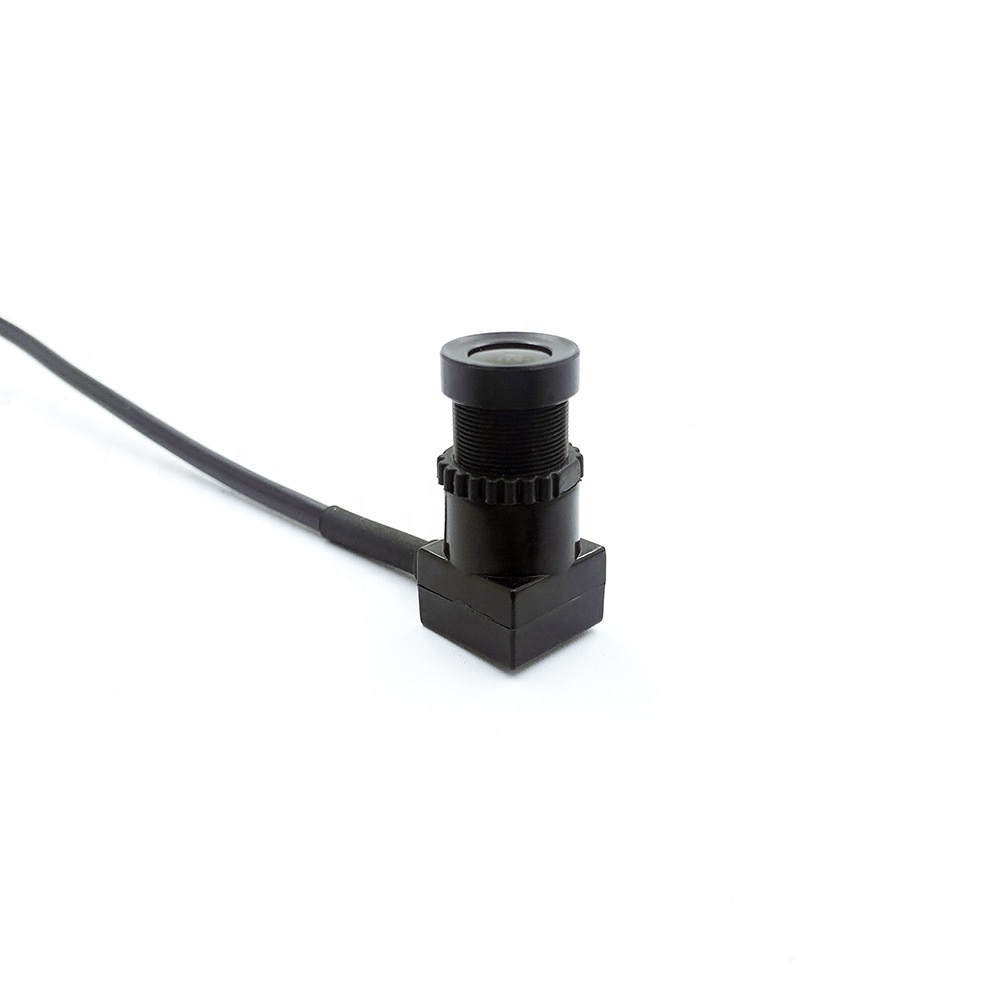
- Form Factor: Ultra-micro 15x15mm PCB
- Illumination: 0.1 Lux Low Light Performance
- Optics: 12mm Board Lens for focused capture
- Output: Full HD 1080P UVC Plug & Play
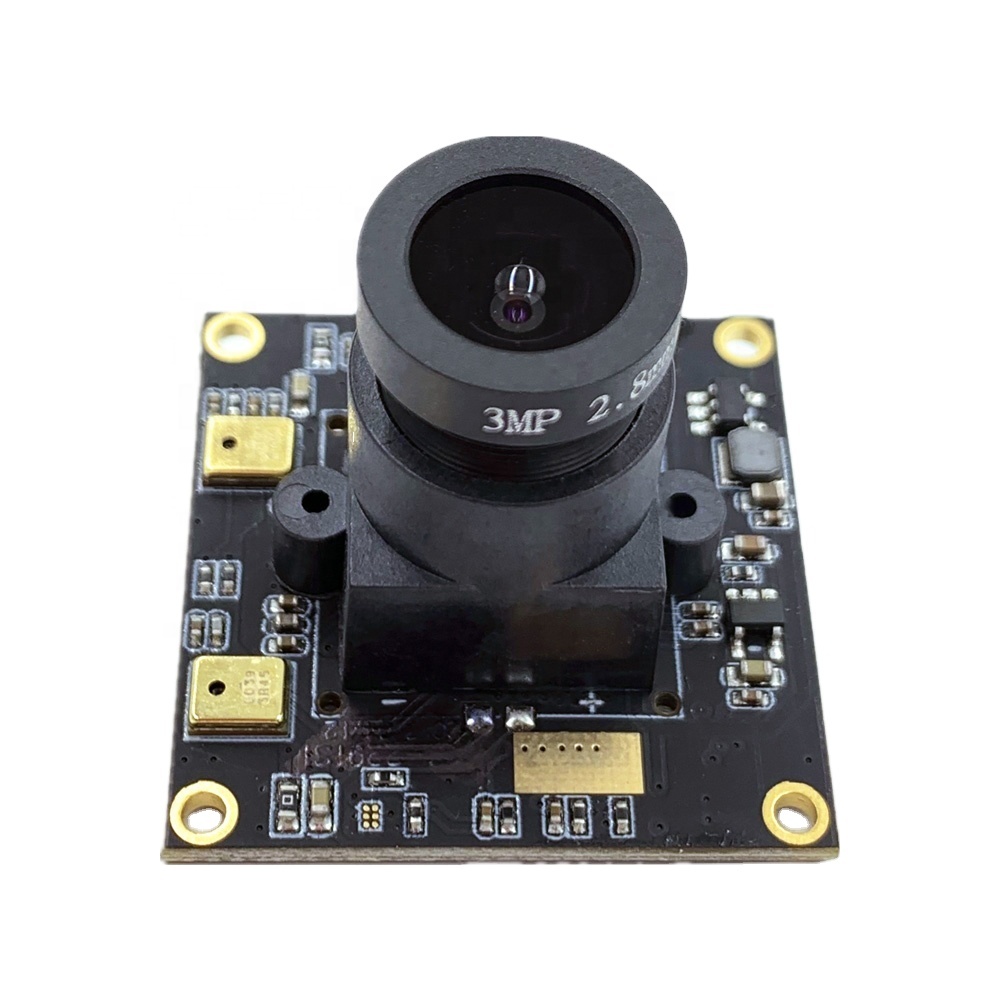
- Sensor: Sony Starvis Ultra Low Light (0.001 Lux)
- Dynamic Range: True Hardware WDR (>105dB)
- Compression: On-board H.264 / MJPEG / YUY2
- Dimensions: Standard 32x32mm industrial footprint
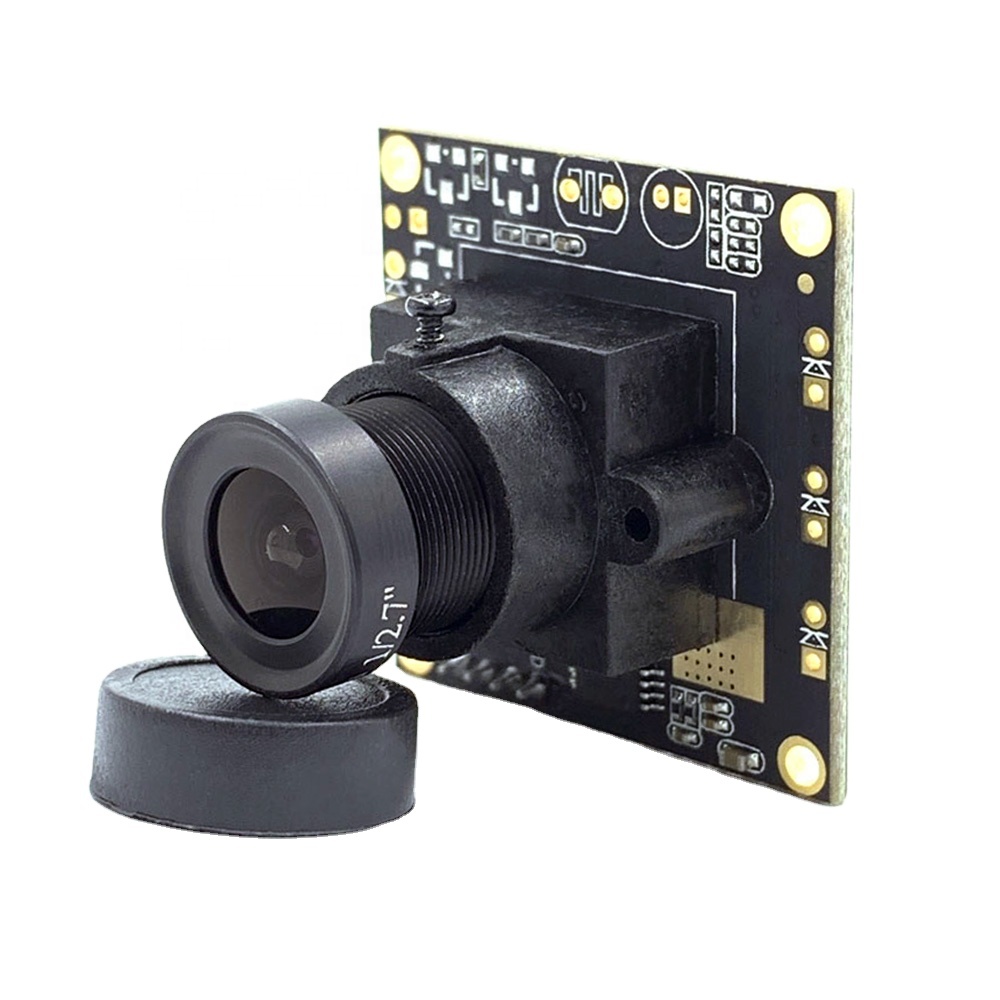
- Optical Sensor: Onsemi AR0230 Industrial CMOS
- Backlight Compensation: Wide Dynamic Range (WDR)
- Resolution: 1080P @ 30fps Full HD
- Application: Information Kiosks & ATM Terminals
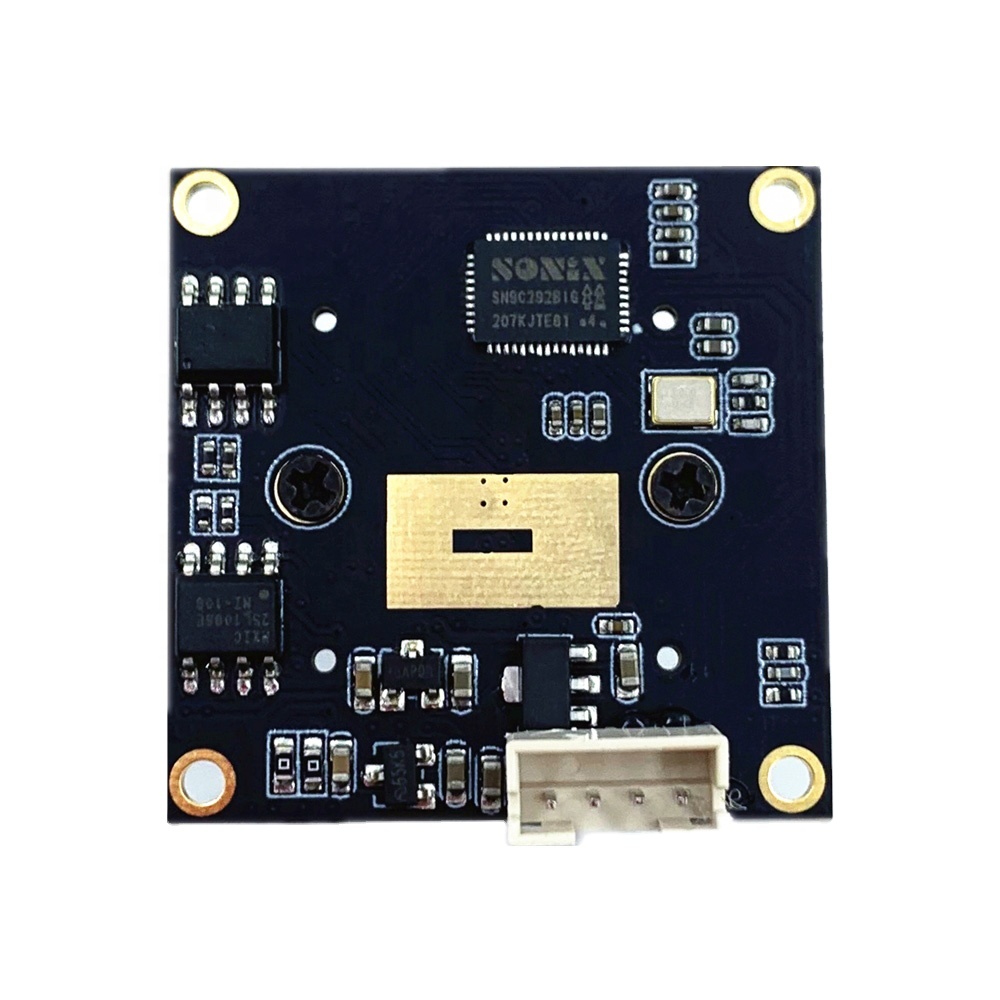
- AI Optimization: Calibrated for Facial Recognition / Liveness
- Night Vision: Starlight 0.001 Lux Starlight Capture
- Board Size: 32x32mm with mounting holes
- Interface: High-speed USB 2.0 UVC compliant
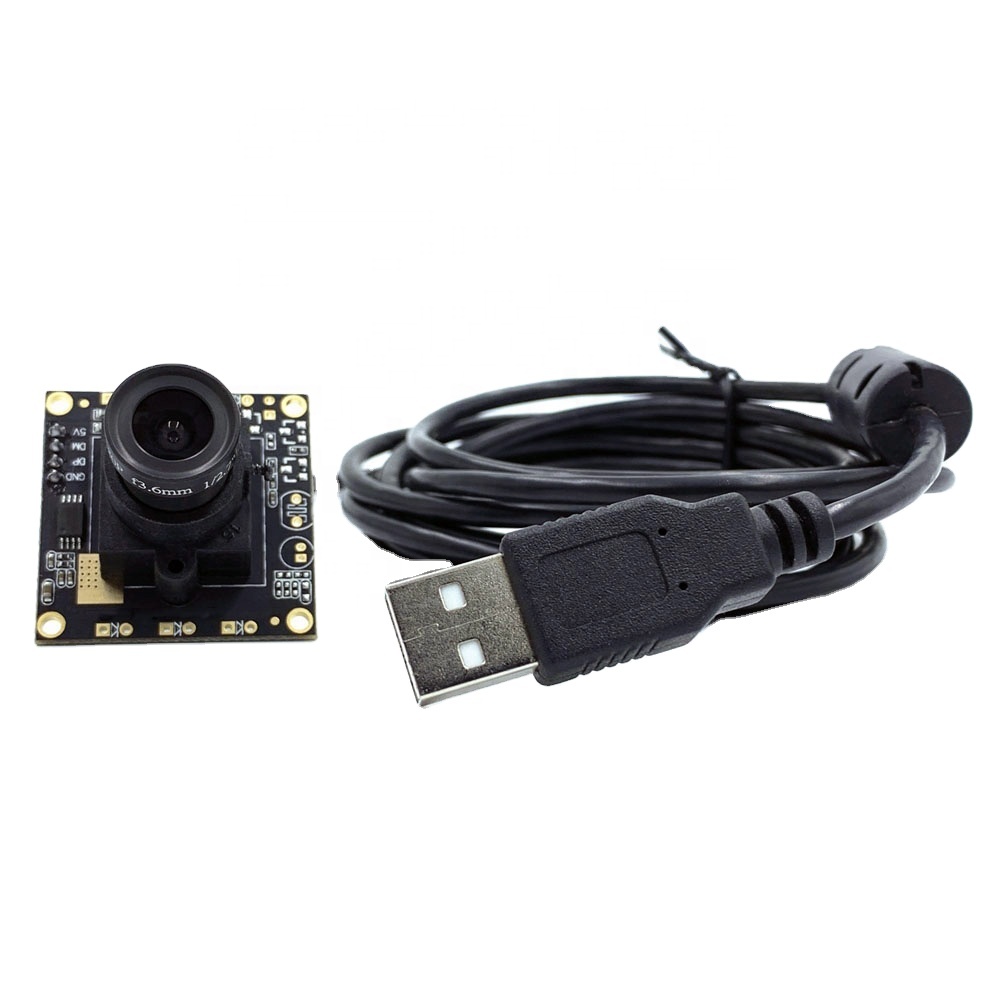
- Design Target: ATM Cash Slot & User Face Capture
- Optics: High-definition distortion-free lens
- HDR Support: Clear imaging under direct glare/sunlight
- OS Support: Windows, Linux, Android, macOS
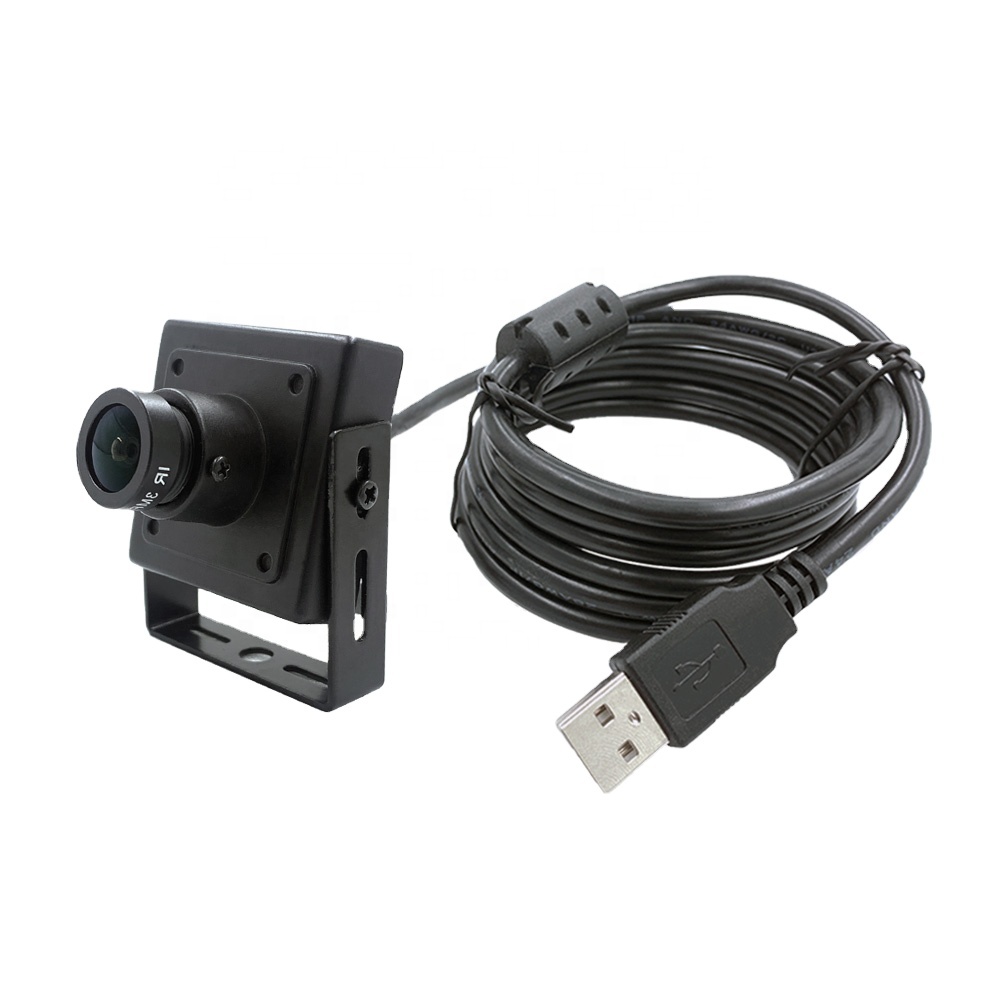
- Wide FOV: 2.1mm Ultra Wide Angle Lens
- Low Power: Optimized thermal design for 24/7 run
- Enclosure Fit: Compact footprint for pinhole cash points
- Reliability: Industrial grade MTBF > 50,000 hours
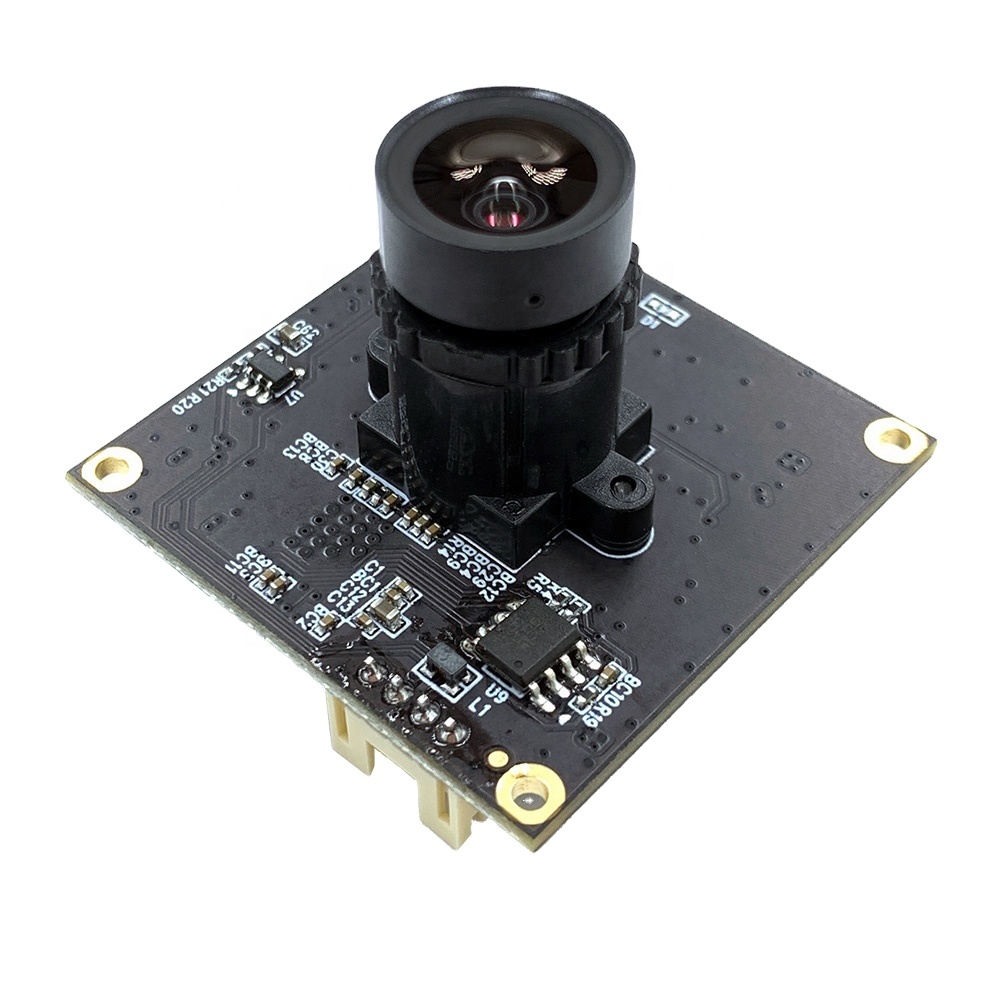
- Frame Rate: Ultra High Speed 330 FPS Video Capture
- Anti-Blur: Freeze high-speed movement & cash dispensing
- Wide Dynamic Range: Multi-exposure HDR processing
- Size: 38x38mm dual-board structure
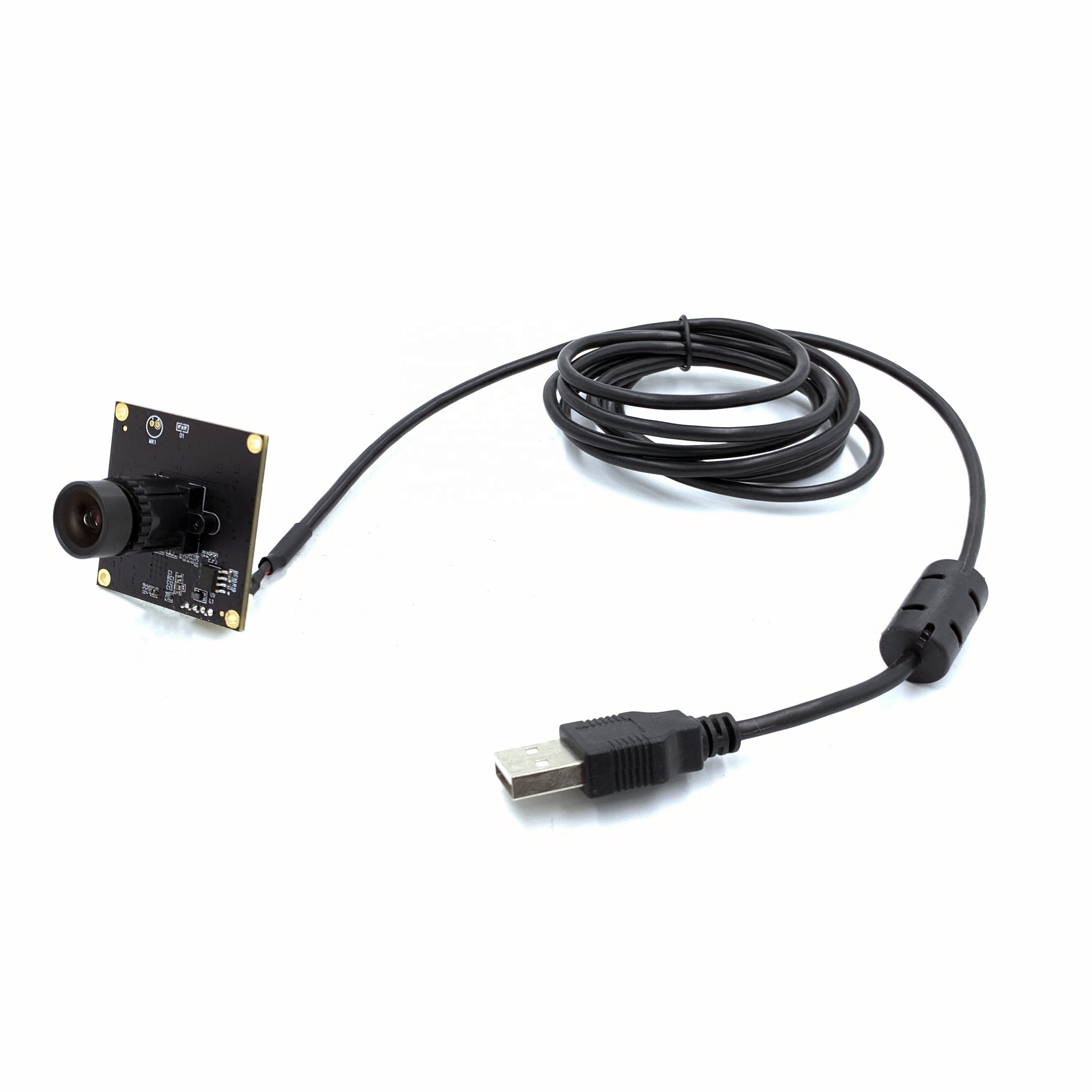
- Sensor Format: Premium 1/3" CMOS Image Sensor
- Optics: 2.8mm Wide Angle M12 Lens
- Speed Performance: Up to 330 FPS zero-latency capture
- Target System: Virtual Teller Machines & Smart Lockers
High-Gain Technical Whitepaper: Optical Engineering for Korean ATM & Kiosk OEMs
In South Korea's advanced technological landscape—centered around the research hubs of Daejeon (Daedeok Innopolis)—the demand for precision optical components in automated financial terminals and unattended interactive kiosks has transitioned from basic video capture to multi-spectral, high-dynamic-range (HDR), and zero-latency biometric verification. Modern Automated Teller Machines (ATMs), Cash Recycling Systems (CRS), and Virtual Teller Machines (VTMs) engineered by Daejeon-based systems integrators require micro-USB camera modules that can withstand harsh operating environments while delivering flawless image fidelity.
As a specialized manufacturer and global exporter, Shenzhen Brekta Electronics Co., Ltd. supplies customized USB Camera Modules specifically designed to overcome the optical and structural challenges faced by South Korean equipment manufacturers. From tight steel bezel cutouts measuring a mere 15x15mm to complex lighting variance between indoor bank lobbies and direct sunlight reflective street glass, our UVC-compliant USB camera solutions deliver measurable performance increments.
Field-Proven Application Scenarios Across Daejeon & South Korea
Daejeon serves as the premier R&D backbone of South Korea's smart city and robotics industries. Our camera modules are tailored for real-world Korean deployment environments.
1. Financial Banking Terminals (ATM / VTM / CRS)
In high-security banking installations across Daejeon's financial districts, our 1080P WDR USB camera modules are mounted flush behind pinhole anti-vandal acrylic glass. They monitor user facial transactions and cash dispenser slots simultaneously under glare-heavy fluorescent lighting without blowing out highlights or losing shadow details in cash slots.
2. Unattended Smart Retail & KTX Ticketing
Deployment in Daejeon Central Station and transit terminals demands rapid barcode/QR scanning combined with customer presence verification. Using our high-speed 330fps and 0.1 Lux low-light boards, self-service ticketing kiosks prevent fraud and quickly read smartphone barcodes even under dim nighttime station conditions.
3. AI Facial Biometrics & Liveness Detection
Collaborating with Daedeok Innopolis AI vision researchers, our dual-wavelength (RGB + IR) and Starvis low-lux sensor modules feed pristine, uncompressed video streams directly into Linux/Android AI inference edge chips (e.g., Rockchip RK3588, NVIDIA Jetson) for anti-spoofing facial recognition access.
Core Sensor & Optical Architecture Comparison
Selecting the optimal camera architecture depends heavily on the specific mechanical constraints and environmental factors of your kiosk housing. Below is an engineering benchmark of our primary ATM camera configurations supplied to overseas OEMs:
| Specification Parameter | Sony Starvis Low-Lux Series | Onsemi AR0230 WDR Series | High-Speed 330FPS Series |
|---|---|---|---|
| Primary Sensor Model | Sony IMX291 / IMX307 | Onsemi AR0230 / Aptina | 1/3" High-Speed Industrial CMOS |
| Minimum Illumination | 0.001 Lux (Color Starlight) | 0.01 Lux | 0.1 Lux |
| Dynamic Range Performance | Up to 96 dB | >105 dB True WDR | 85 dB HDR |
| Max Frame Rates | 1080P @ 30fps | 1080P @ 30fps | 1080P @ 300-330fps |
| Supported PCB Dimensions | 32x32mm, 38x38mm | 32x32mm, 15x15mm | 38x38mm Dual Board |
| UVC Protocol Compliance | UVC 1.1 / 1.5 Driver-Free | UVC 1.1 / 1.5 Driver-Free | UVC High-Bandwidth Protocol |
| Primary Local Use-Case | Nighttime Outdoor ATMs & Lobbies | Sunlight-Exposed Glass Kiosks | High-Speed Document & Cash Motion |
South Korean Market Trends & Daejeon Sourcing Dynamics
South Korea remains one of the world's most automated economies. The Ministry of Science and ICT (MSIT) and Daejeon Metropolitan City have heavily funded smart city infrastructure, pushing unattended self-service systems into medical facilities, unstaffed convenience stores (24/7 unmanned shops), and autonomous banking kiosks. Three macro trends drive camera hardware selection in this region:
A. Transition to Contactless Biometrics & Liveness Detection
Traditional fingerprint sensors on Korean ATMs are increasingly augmented or replaced by non-contact facial recognition and palm-vein aligners. To prevent spoofing with printed high-resolution photos or curved tablet screens, camera modules must capture infrared reflection alongside crisp RGB imagery, demanding synchronized dual-sensor modules or specialized NIR-pass filter switches.
B. Extreme Miniaturization for Flush Vandal-Proof Bezels
Kiosk industrial designers in Daejeon prioritize sleek, ultra-thin kiosk profiles. Thick camera housings are rejected in favor of micro 15x15mm or split-board camera designs where the image sensor board is separated from the ISP main board via a flexible ribbon cable, allowing mounting inside 10mm stainless steel bezel frames.
Regulatory & Compliance Readiness: Exporting machine hardware to South Korea requires strict adherence to KC (Korea Certification) EMC standards. Brekta Electronics' USB camera modules are engineered with low-EMI 4-layer PCB stackups and shielded USB cables to ensure seamless system-level KC certification for Korean equipment exporters.
Why Daejeon Manufacturers Partner with Shenzhen Brekta Electronics
With over 13 years of specialized experience in miniaturized camera module engineering, Shenzhen Brekta Electronics Co., Ltd. operates state-of-the-art SMT lines and optical alignment cleanrooms in Shenzhen and Dongguan, China. We serve as a direct OEM/ODM manufacturer rather than a trading middleman, affording key strategic advantages to Daejeon hardware integrators:
Custom board dimensioning, mounting hole relocations, and pinout header adaptations completed within 3-5 business days.
Standard evaluation samples shipped via fast air express directly to Daejeon, Innopolis, or Incheon tech parks.
Comprehensive replacement coverage backed by rigorous burn-in thermal testing and 100% optical inspection.
Frequently Asked Questions by Daejeon Procurement & Optical Engineers
Detailed technical answers addressing driver integration, optical tuning, thermal endurance, and bulk export logistics.
Accelerate Your Kiosk Development with Brekta Optical Modules
Partner directly with an established OEM/ODM manufacturer. Get custom mechanical drawings, UVC SDK guidance, and express sample delivery to your Daejeon R&D facility.