High-Performance Miniature Vision Modules
Engineered for seamless integration into medical diagnostic equipment, automated teller machines, voting terminals, industrial robotics, and high-speed inspection systems.
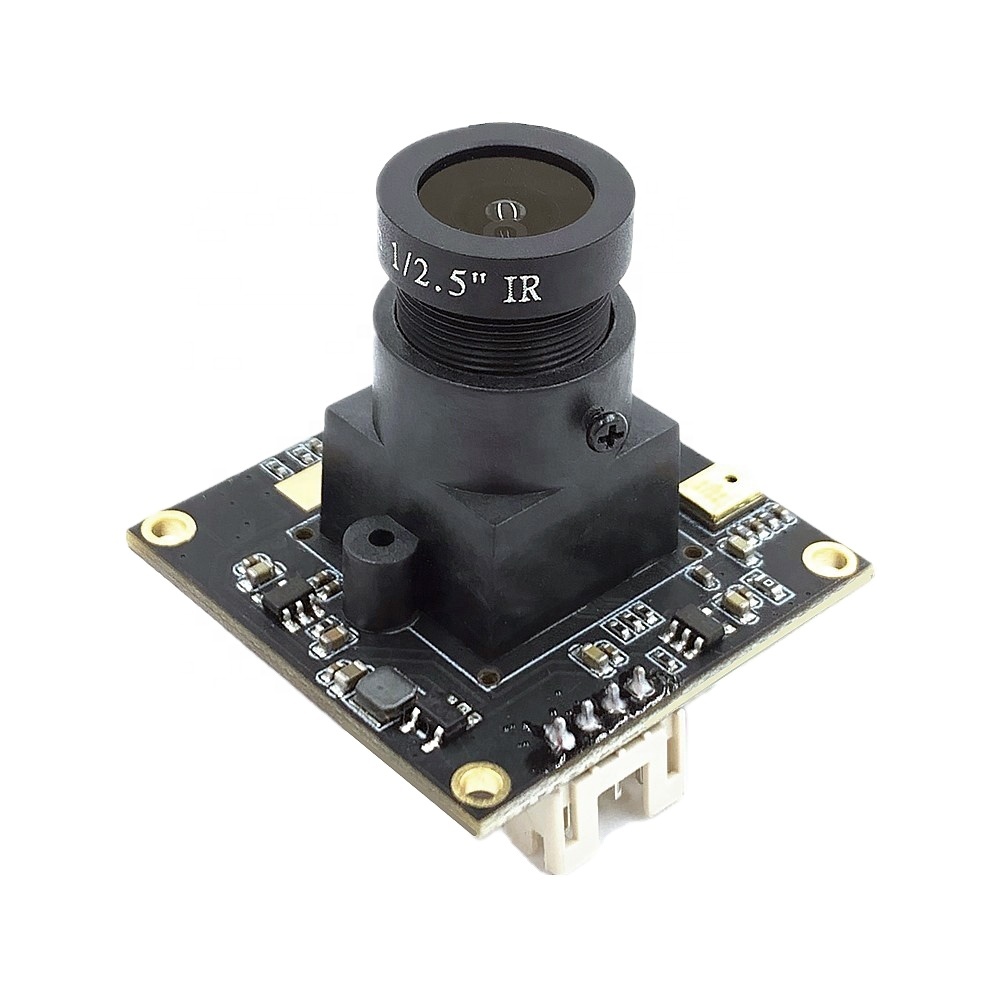
Rolling Shutter 0.001Lux H.264 Starvis & WDR 2.0MP 1920*1080 32*32mm Color USB Camera Module for Voting System Exam System
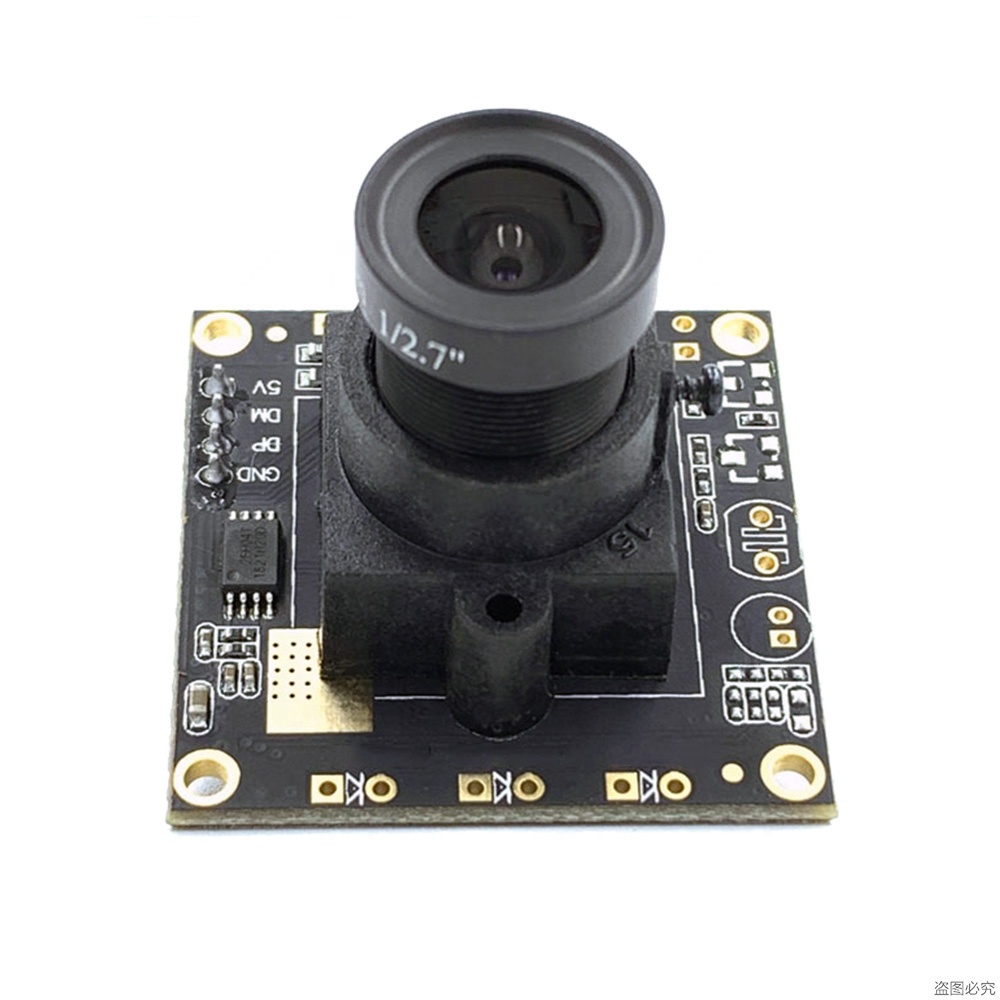
WDR 2.0MP 1920*1080 32*32mm Color USB Camera Module 1/2.7" AR0230 Onsemi CMOS for ATM KIOSK Scanning Machine Hot Sale
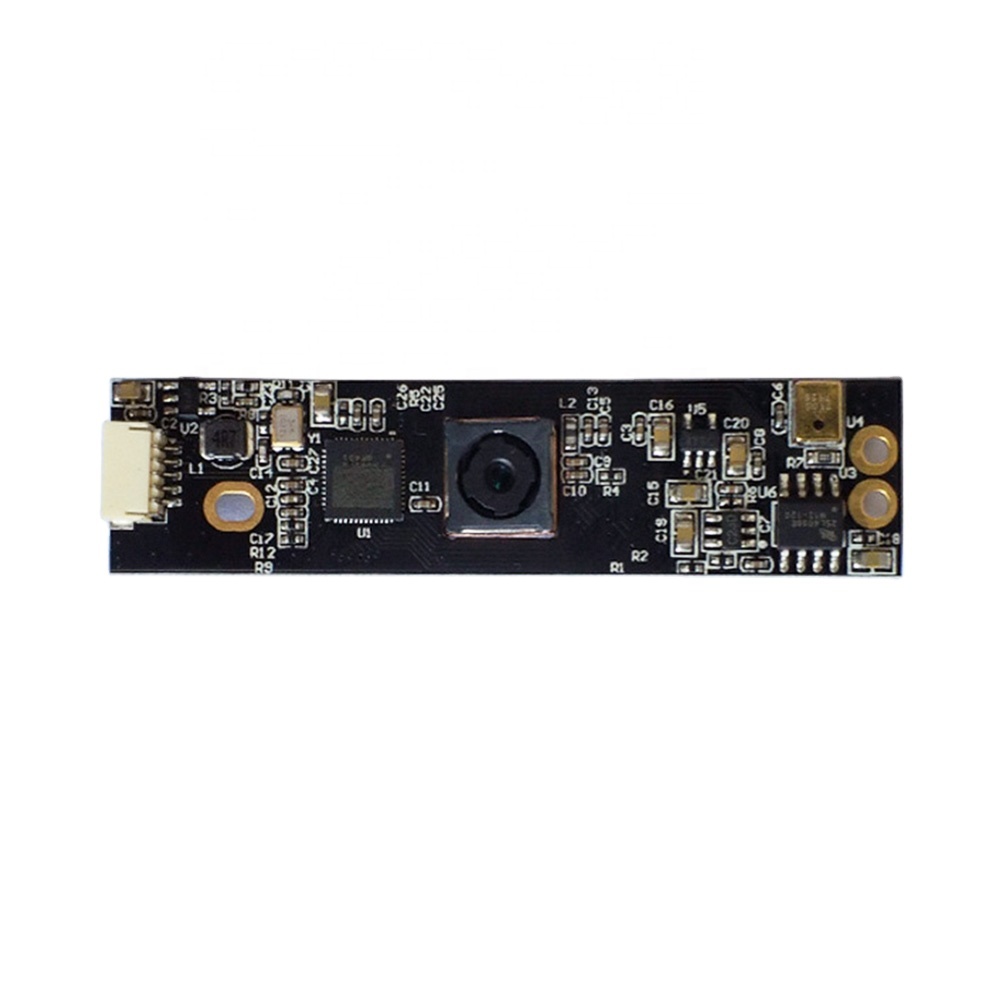
Low Lux 0.1 Customized 1/3.2" CMOS Autofocus 8.0MP 3264*2448 15fps 62*15mm Color USB Camera Module YUY2 MJPEG Rolling Shutter

32*32mm Starvis & WDR 0.001Lux 2.0MP 1920*1080 Color USB Camera Module Face Recognition 4mm Non-distortion Lens for Video Wall
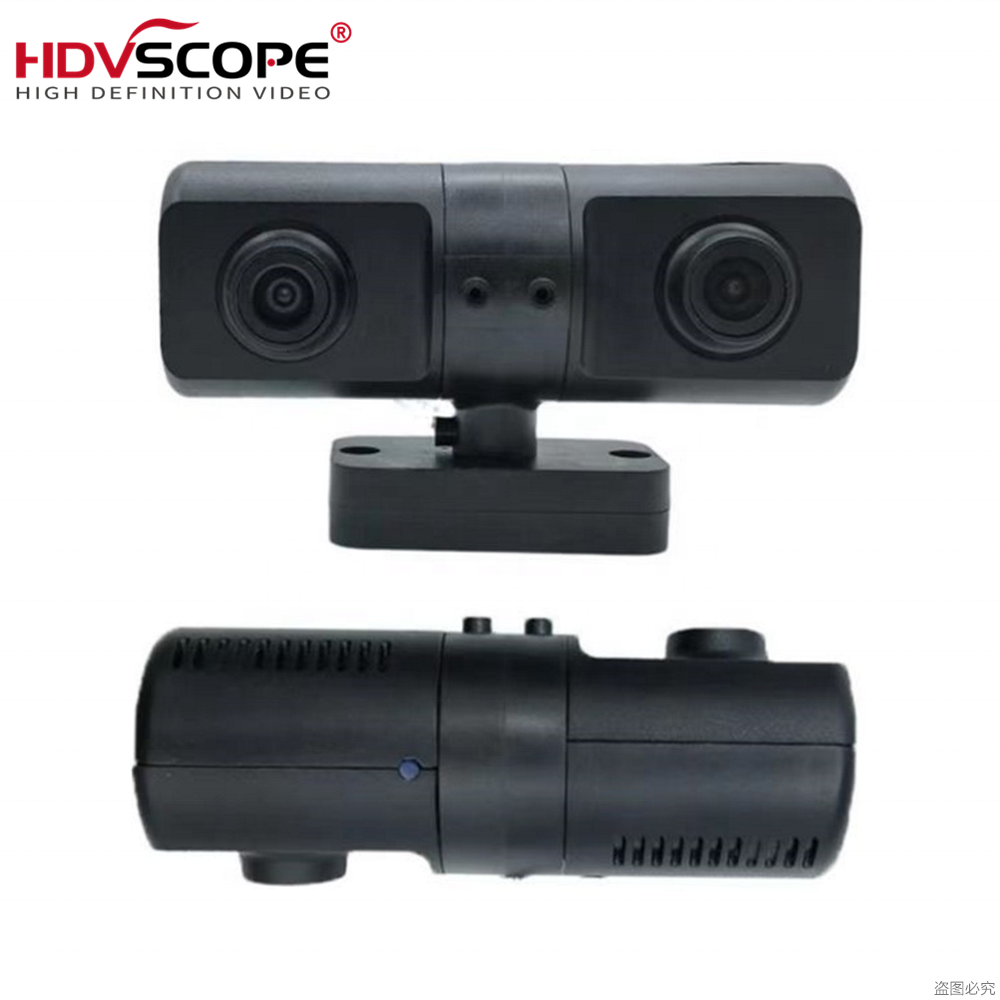
1/4" CMOS Dual Lens 1.0MP 1280*720 Night Vision USB Front Camera 125 Degree Wide Angle Lens 6PCS IR-Leds for CCTV Lenses
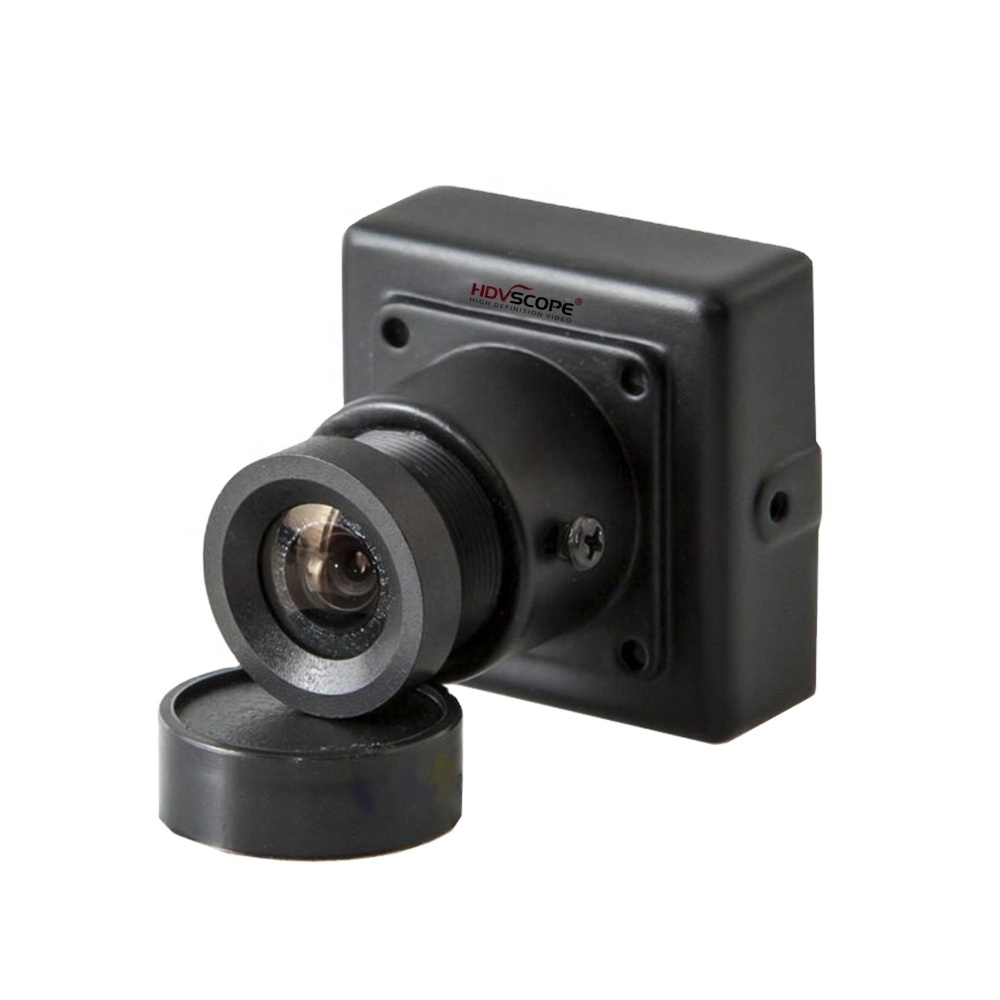
Rolling Shutter 2.0MP 0.1Lux 25*25mm Ultra-small Size Color USB Camera 3.6mm Board Lens Wide Angle 90 Degrees
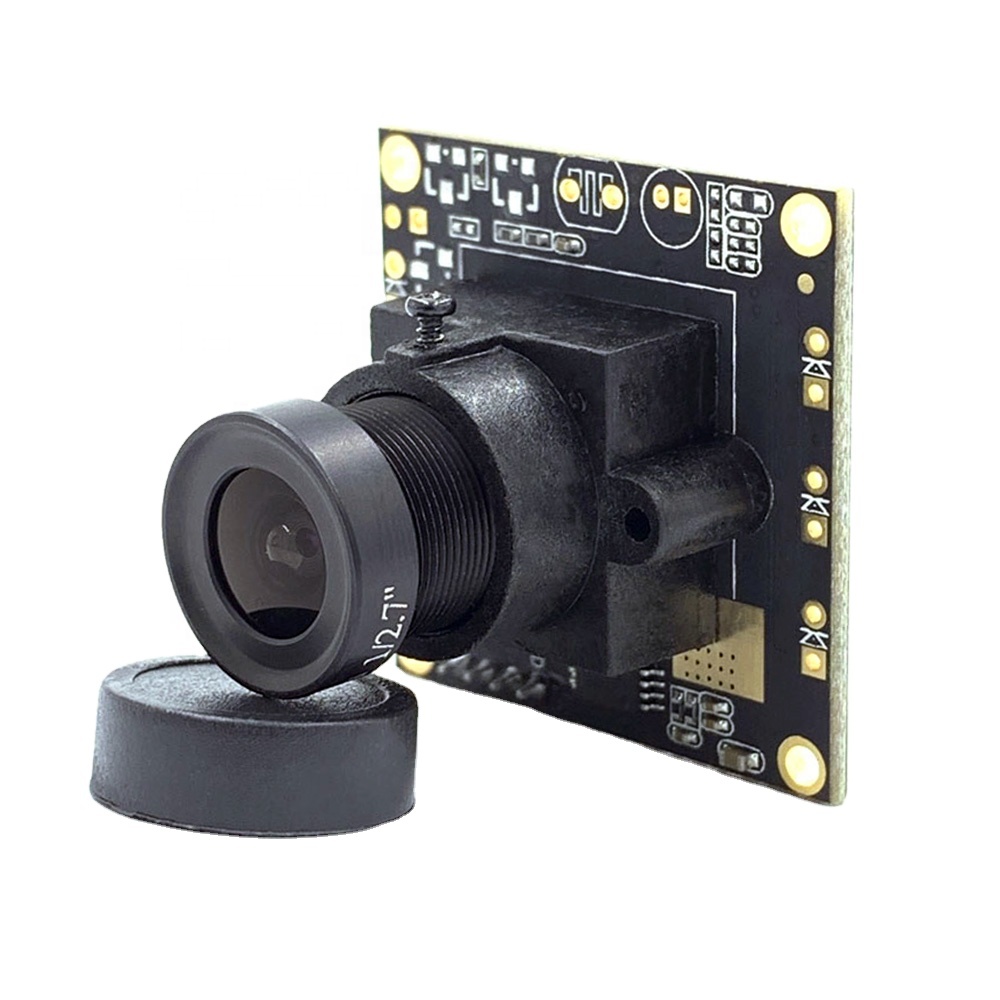
1920*1080 32*32mm AR0230 Onsemi CMOS WDR 2.0MP Color USB Camera Module for Information Technology Solutions
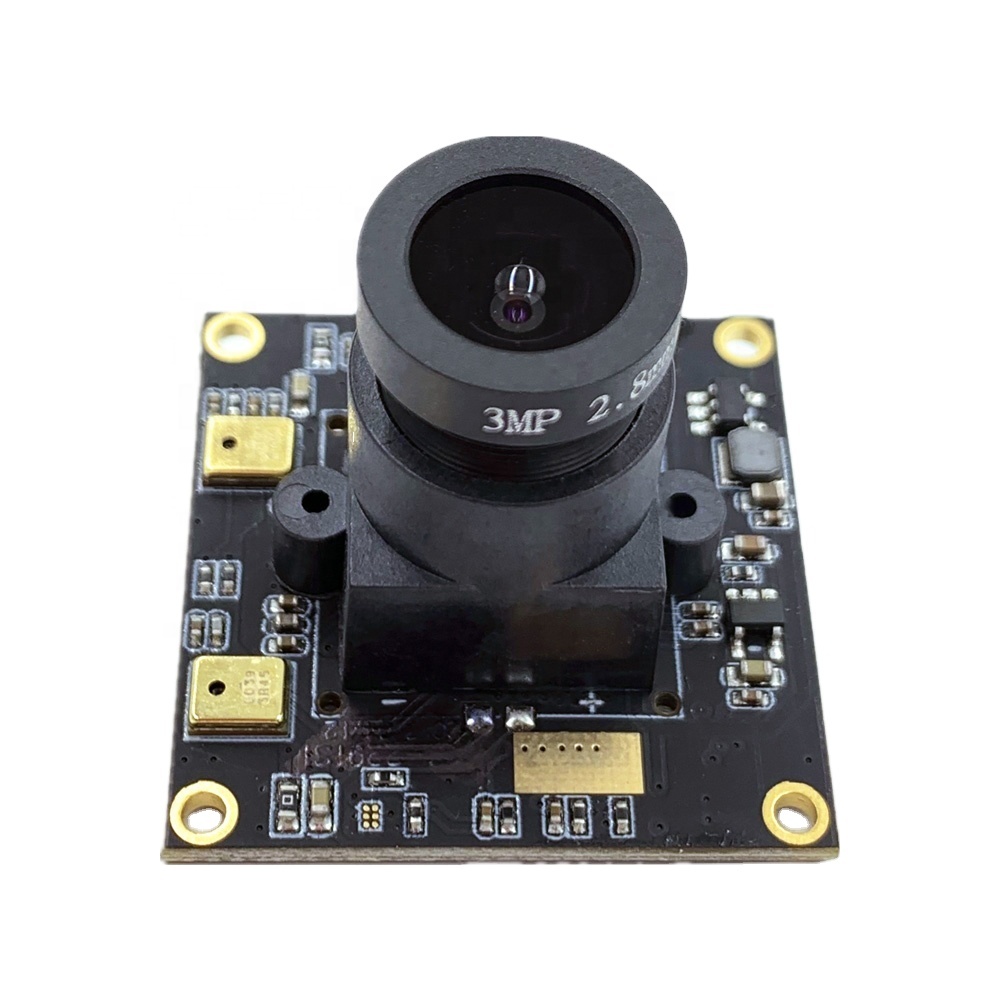
60 Degree 0.001Lux H.264 Rolling Shutter Starvis & WDR 2.0MP 1920*1080 32*32mm Color USB Camera Module for Project Video Capture
1. Whitepaper Overview: Miniature CCD & Advanced CMOS Vision Architecture in Tetovo
As industrial automation, biomedical diagnostics, and intelligent public infrastructure accelerate across North Macedonia, the demand for precision optoelectronic components has shifted dramatically. Historically dominated by traditional Charge-Coupled Device (CCD) architectures known for frame-transfer fidelity and low spatial noise, the modern embedded vision ecosystem now integrates next-generation back-illuminated (BSI) CMOS and ultra-low-light Sony Starvis sensors alongside legacy CCD hardware. This technical report serves as an engineering blueprint for system integrators, automated machinery manufacturers, and technology deployment agencies in Tetovo and the surrounding Polog region.
In high-density industrial assembly facilities—such as those operating within the Technological Industrial Development Zone (TIDZ) Tetovo—micro-camera modules are tasked with executing complex computer vision routines under harsh environmental parameters. These include variable illumination, high electromagnetic interference (EMI), ambient thermal fluctuations, and strict space restrictions. Modern miniature CCD and high-sensitivity USB/IP camera modules bridge the gap between heavy industrial imaging and ultra-compact mechanical footprints, offering resolution profiles ranging from High Definition (1080p) to 4K Ultra HD (3840*2160) housed in ultra-compact 15*15mm, 25*25mm, and 32*32mm printed circuit board (PCB) layouts.
2. Optoelectronic Physics: SMT PCB Layouts, ISP Tuning, & Sensor Mechanics
Achieving true signal-to-noise ratio (SNR) optimization in micro-imaging arrays requires a deep understanding of sensor physics, read-noise floor characteristics, and substrate thermal management. When choosing between classic CCD sensors and contemporary CMOS active-pixel sensors (APS) like the ON Semiconductor AR0230 or Sony Starvis IMX series, optical engineers must evaluate several fundamental variables:
Quantum Efficiency & Low Lux
By leveraging Back-Illuminated (BSI) architecture, light penetrates directly to the photosensitive silicon layer without metal interconnect scattering. Achieving signal conversion at 0.001 Lux allows clear color capture in pitch-black environments.
- NIR Sensitivity: High responsiveness at 850nm / 940nm
- Read Noise Floor: < 1.5 e- RMS
- Pixel Pitch: 2.8µm - 3.75µm high-gain arrays
Wide Dynamic Range (WDR)
Dual-exposure and triple-exposure frame synthesis (up to 105dB-120dB WDR) eliminates highlight clipping and shadow detail loss in severely backlit scenes, such as outdoor payment kiosks or glass-encased transit hubs.
- Onsemi AR0230: Hardware HDR engine onboard
- Tone Mapping: Adaptive local contrast enhancement
- Anti-Glare Coatings: M12 non-distortion optics
Form Factor & Thermal Thermal Sinks
Sub-miniature double-layer 32*32mm and ultra-small 25*25mm / 15*15mm PCB assemblies utilize multi-layer FR4/polyimide substrates engineered to conduct heat away from the sensor die, preventing thermal dark current noise.
- PCB Sizes: 15*15mm, 25*25mm, 32*32mm, 62*15mm
- Interfacing: UVC Plug-and-Play USB 2.0 / USB 3.0
- DSP Compression: H.264 / MJPEG / YUY2 streams
| Architecture Feature | Legacy Miniature CCD | Modern Starvis / WDR CMOS | System Integration Benefit |
|---|---|---|---|
| Shutter Type | Global Shutter (Inherent) | Rolling / Fast Electronic Global | Zero focal plane distortion during movement |
| Illumination Limit | 0.01 Lux to 0.1 Lux | 0.001 Lux to 0.0001 Lux | Color capture under moonlight/ambient shadow |
| Dynamic Range | 60 dB - 72 dB | 96 dB - 120 dB (Hardware WDR) | Balances harsh sunlight and indoor shadows |
| Power Consumption | 1.8W - 3.5W (High Voltage Clock) | 0.6W - 1.2W (5V DC USB Bus) | Prevents thermal buildup in enclosed chassis |
| Driver Protocol | Custom Frame Grabber / Analog Output | UVC (USB Video Class) Standard | Driverless operation on Linux, Windows, Android |
3. Localized Application Engineering: Deployments in Tetovo & Polog Valley
Tetovo has emerged as a crucial industrial and educational hub in Western North Macedonia. The region's unique blend of light manufacturing, automotive parts production, textile processing, agricultural technology, and municipal digitalization requires specialized vision hardware tailored to local operating conditions.
Automotive Assembly & Component Verification (TIDZ Tetovo)
Automotive supplier plants within TIDZ Tetovo require micro-cameras integrated into robotic arms and automated inspection jigs. Compact 32*32mm 1080p Onsemi AR0230 WDR modules are installed directly within pneumatic grippers to perform real-time surface flaw detection, solder joint integrity verification, and QR code tracking under flickering LED industrial lighting.
Textile Quality Control & Pattern Inspection
Tetovo's historical textile sector relies on high-speed automated weaving and stitch verification systems. Linear-array and narrow-form-factor camera boards (such as the 62*15mm 8MP Autofocus module) monitor thread tension, dye consistency, and weave defects across wide looms, streaming uncompressed YUY2 video directly to edge AI processing units.
Self-Service Kiosks & Municipal Exam Terminals
Smart city initiatives across Tetovo's public institutions and financial centers employ embedded voting machines, self-service ticketing kiosks, and ATM banking terminals. Incorporating H.264 Starvis 0.001Lux dual-lens and wide-angle cameras ensures secure face recognition, document optical character recognition (OCR), and 24/7 transaction logging without requiring external illumination lamps.
Agricultural Processing & Optical Sorting
Facilities processing regional agricultural yields employ specialized vision modules inside sorting hoppers. Non-distortion 4mm and 3.6mm board lenses combined with high frame rate sensor drivers enable precise sorting of grains, fruits, and processed foods based on color spectrum anomalies and physical dimensions.
4. Regional Market Trends & Industrial Supply Chain Dynamics in North Macedonia
The manufacturing landscape in North Macedonia is undergoing a profound digital transformation. Driven by nearshoring strategies from Western European original equipment manufacturers (OEMs), local factories are upgrading legacy lines to Industry 4.0 standards. Key trends shaping vision technology procurement in Tetovo include:
1. Shift Toward Embedded Machine Vision at the Edge: Industrial systems are abandoning bulky standalone box cameras in favor of modular, board-level imaging engines that fit directly inside custom machinery chassis. This reduces total system volume, cuts material costs, and improves mechanical resistance to high-vibration factory environments.
2. Standardized Cross-Platform Compatibility: Local system integrators increasingly demand UVC-compliant USB cameras that operate seamlessly on lightweight Linux single-board computers (NVIDIA Jetson, Raspberry Pi, industrial ARM gateways) without proprietary kernel drivers, drastically shortening software deployment cycles.
3. Low-Light & High-Contrast Reliability: Unpredictable lighting in indoor logistics warehouses and outdoor security checkpoints requires sensors that dynamically switch between high-dynamic-range color modes and near-infrared (NIR) night-vision modes without suffering from chromatic aberration or image blur.
Frequently Asked Questions for Local Buyers in Tetovo
Essential engineering and commercial insights for purchasing directors, system designers, and technical integrators.
Why choose Back-Illuminated Starvis CMOS over traditional CCD modules for industrial machines in Tetovo?
While traditional CCD sensors provided excellent global shutter characteristics, modern BSI Starvis CMOS sensors surpass legacy CCDs in signal sensitivity (down to 0.001 Lux), power efficiency, and dynamic range. Furthermore, CMOS boards integrate directly with USB 2.0/3.0 UVC protocols, eliminating the need for expensive frame grabbers and complex high-voltage clock drivers, significantly lowering the total cost of ownership for local machinery builders.
What environmental protective measures are available for cameras deployed in dusty or humid factory environments?
Our factory provides customized optical enclosures, conformal PCB coatings (protecting electronics against moisture, industrial oil mist, and chemical airborne particulates), anti-fog lens coatings, and sealed M12 lens mounts rated up to IP65/IP67. These configurations are ideal for harsh textile, agricultural, and outdoor kiosk applications across North Macedonia.
How do you guarantee image quality and technical consistency between prototype samples and volume orders?
Every single camera module undergoes a rigorous 100% automated optical inspection (AOI), Modulation Transfer Function (MTF) lens sharpness alignment, high-temperature burn-in testing, and dark-current noise evaluation before dispatch. Our ISO 9001-certified manufacturing workflow ensures that mass-produced units maintain identical chromatic performance, register focal distances, and firmware ISP registers as the initial engineering samples provided.
Can you supply custom board sizes, non-standard cable lengths, or specialized pinout connectors?
Yes. Our in-house hardware engineering team utilizes advanced PCB layout tools (Protel, Allegro) to design custom circuit boards matching your exact physical dimensions (e.g., 15*15mm, 25*25mm, or dual-lens elongated strips). We also supply custom FPC flex cables, shielded industrial USB cables up to 10 meters, and lockable Molex / JST wire-to-board connectors to suit your mechanical enclosure requirements.
What international certifications accompany shipments to Tetovo and Western Balkan markets?
All camera modules are fully compliant with European Union regulations, carrying full CE, FCC, and RoHS certifications. We provide comprehensive documentation packages to assist local procurement teams with swift customs clearance, environmental compliance reporting, and technical import validation under North Macedonia's trade frameworks.
5. Enterprise Advantages: Direct Factory Customization & Quality Excellence
Shenzhen Brekta Electronics Co., Ltd. stands as a global leader in miniaturized optoelectronic development, combining over 13 years of specialized manufacturing experience with state-of-the-art surface-mount technology (SMT) production facilities. Serving clients across North America, Europe, and the Western Balkans, our commitment to technical precision and operational reliability makes us the primary OEM/ODM partner for high-demand imaging applications.
Advanced Manufacturing Facilities
Operating high-speed SMT assembly lines, Class 10,000 cleanroom optical mounting stations, and automated active-alignment systems guarantees clean sensor glass surfaces and perfectly centered optical axes on every unit.
Uncompromised Quality Assurance
100% rigorous product testing: every camera board undergoes multi-stage inspections including image sensor pixel defect screening, dark current noise measurement, ISP color tuning calibration, and thermal cycling stress tests.
Full OEM / ODM Customization
From initial schematic capture and multi-layer PCB routing to custom ISP firmware tuning (exposure tables, white balance matrix, distortion correction), we turn your mechanical and electronic concept drawings into certified mass production units.
Whether you require low-MOQ evaluation samples delivered in 1-3 business days or full-scale OEM manufacturing runs with dedicated buffer stock management, our engineer-led technical sales team provides comprehensive support at every project milestone, backed by a 24-month replacement warranty and lifetime engineering consultation.
Ready to Upgrade Your Embedded Vision Architecture?
Contact our engineering specialists today to receive detailed technical datasheets, request evaluation samples, or discuss custom PCB and lens customization for your projects in Tetovo and worldwide.
Get a Quote