1. Strategic Overview: The Network Surveillance Hardware Landscape in North Korea
The procurement landscape for physical security architecture, network surveillance infrastructure, and industrial vision hardware within the North Korean market requires specialized engineering alignment. Unlike consumer-grade security ecosystems reliant on public cloud services and global peer-to-peer (P2P) relay servers, industrial and enterprise network surveillance projects in North Korea are predominantly constructed upon strictly controlled, air-gapped local networks (LANs), intranet topologies, and standalone digital/network video recorders (NVR/DVR).
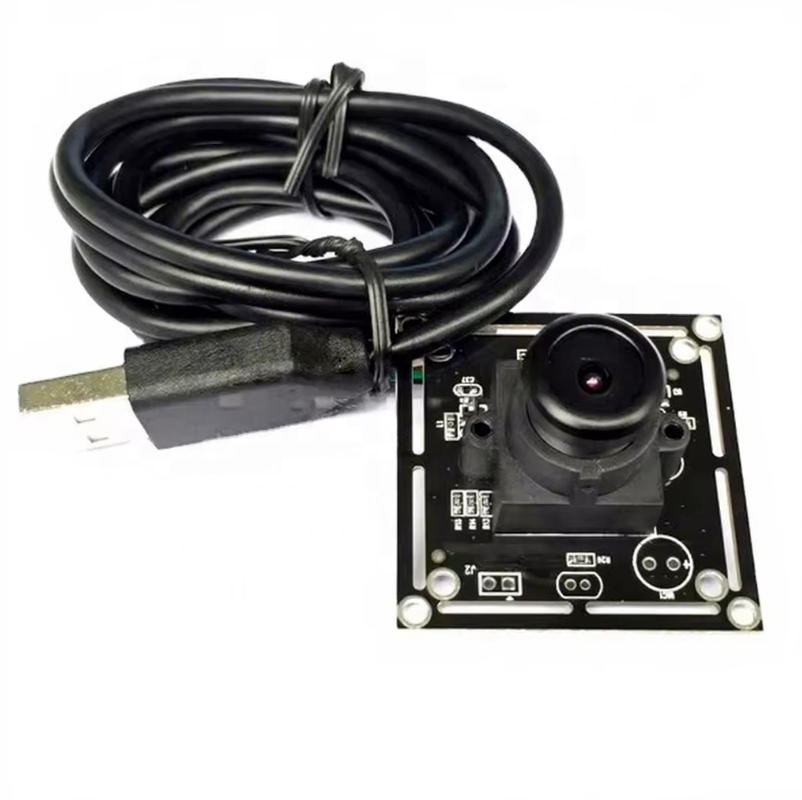
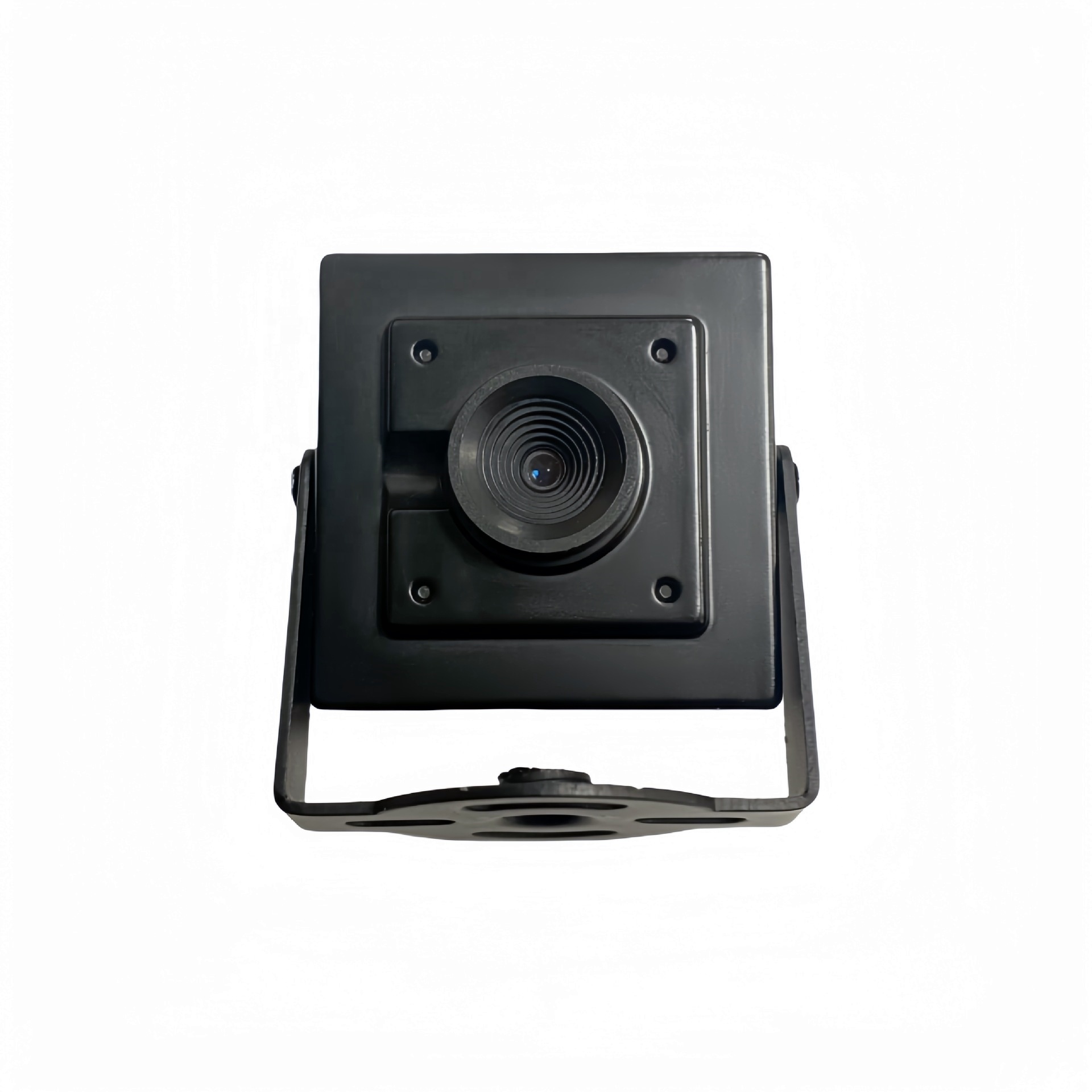
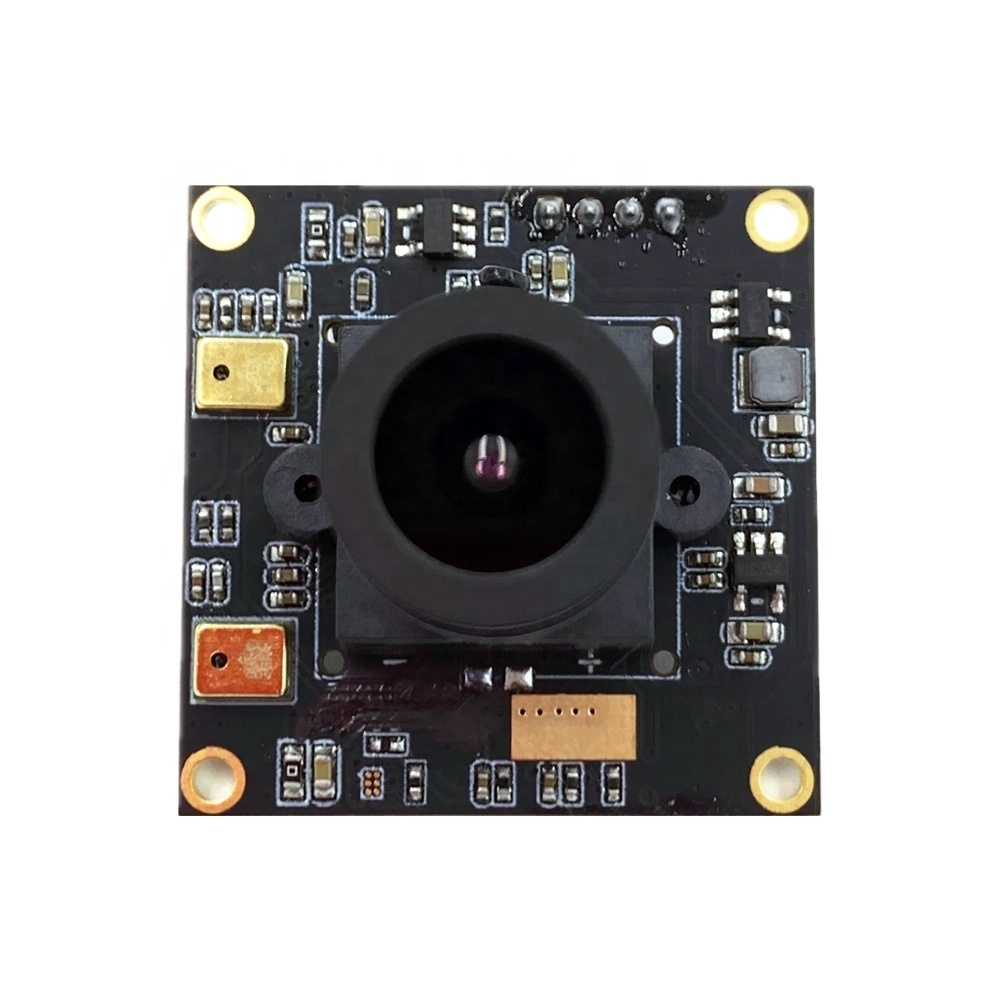
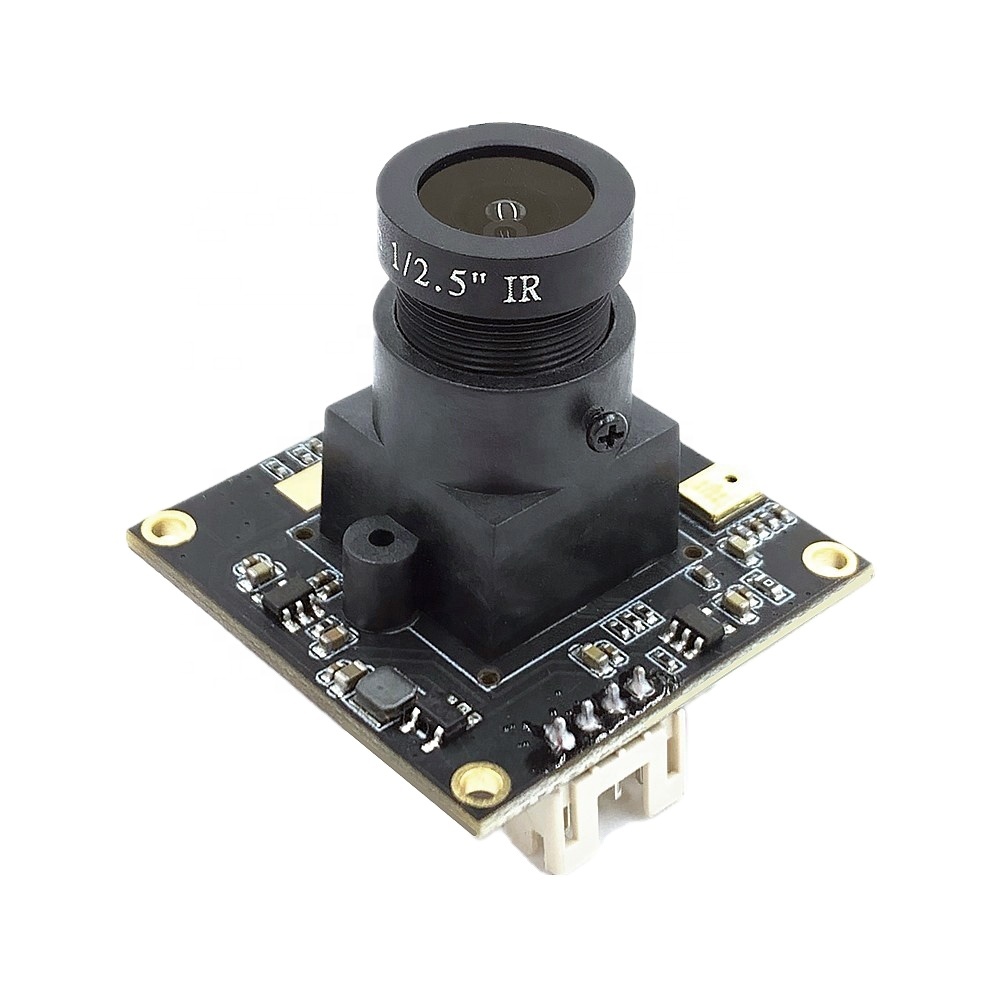
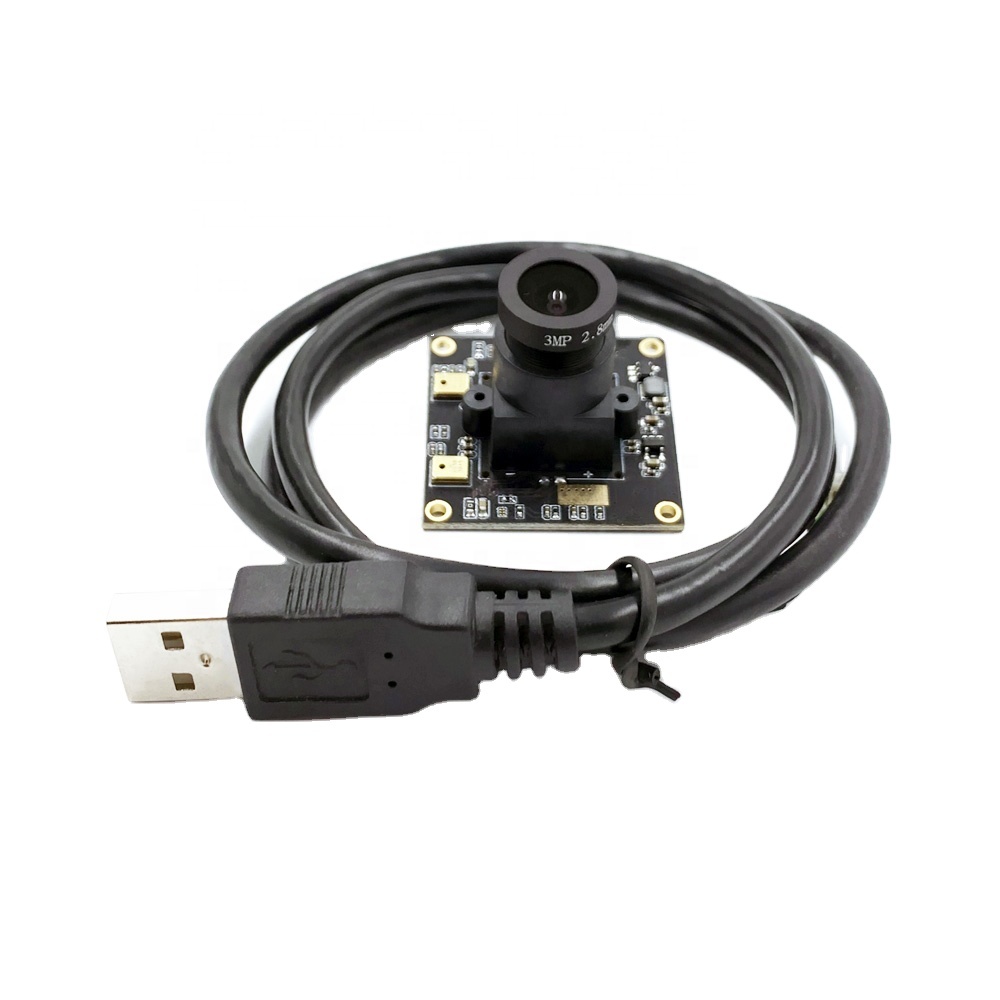
System integrators, state-backed enterprise buyers, and security hardware wholesalers supplying the regional market face distinct operational challenges. Network camera modules and embedded optical systems must feature robust standalone firmware, local RTSP (Real-Time Streaming Protocol) multicasting, universal ONVIF profile compliance, and driverless UVC (USB Video Class) functionality. As a leading primary camera module manufacturer based in Shenzhen, Shenzhen Brekta Electronics Co., Ltd. supplies customized OEM/ODM imaging modules explicitly optimized to function autonomously within closed-circuit architectures without requiring external server verification or internet-dependent licensing.
2. Macro Applications & Localized Use Cases in the North Korea Market
Hardware deployments across North Korea's developing industrial hubs, border trade corridors, and urban security networks mandate specific performance metrics. Below is an engineering analysis of how specialized camera board modules are implemented across core localized sectors:
Border Logistics & Transit Stations
Key trade portals such as Sinuiju, Rason Special Economic Zone, and the Nampho maritime port require high-frame-rate, WDR-enabled surveillance nodes. Modules such as our 330fps High Speed HDR USB Camera allow automatic container code reading, vehicle license plate capturing, and real-time border gate inspection under intense outdoor glare and nocturnal low-light conditions.
Civil Infrastructure & Hydro Surveillance
Public utility monitoring—including hydroelectric facilities, regional power sub-stations, and municipal rail transit in Pyongyang—demands ultra-low-light operation. Modules integrated with Sony Starvis (0.001 Lux) sensors provide continuous 1080p color video monitoring in unlit underground tunnels and night facility perimeters without requiring power-hungry external illumination arrays.
Self-Service Kiosks & Commercial Terminals
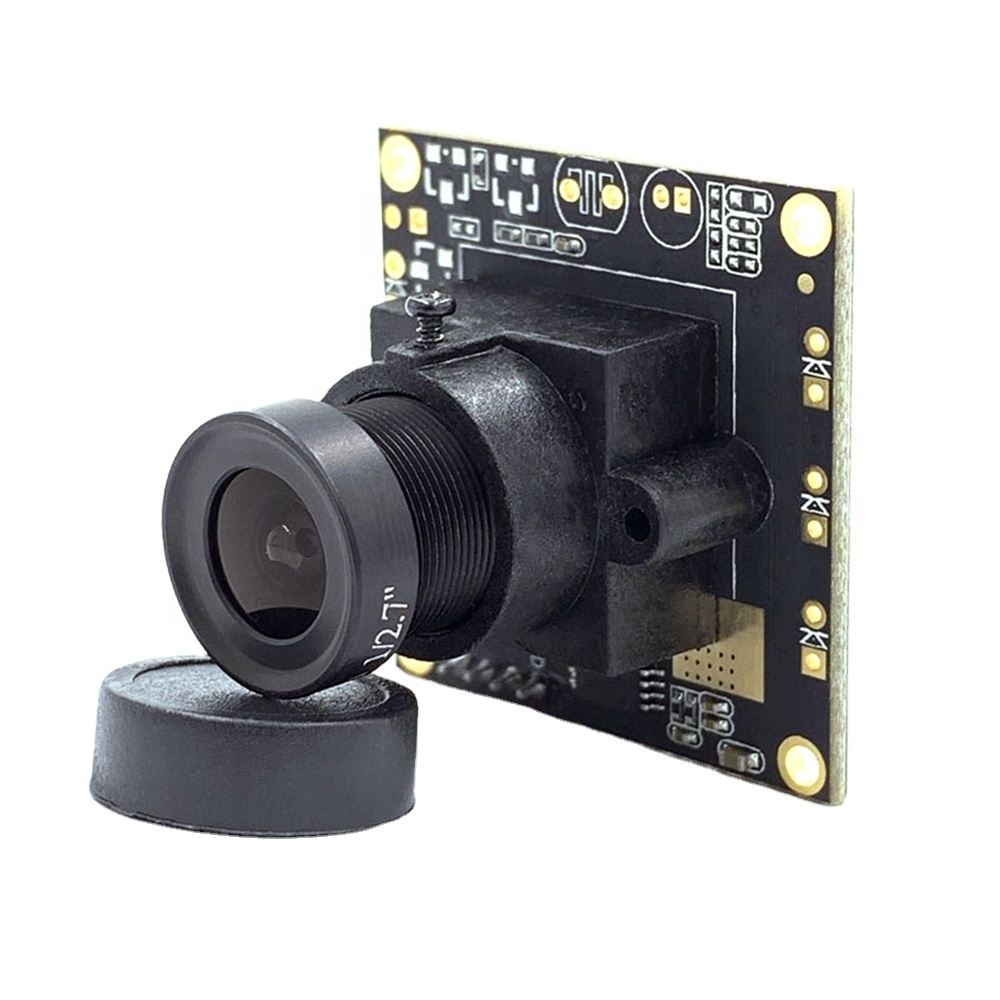
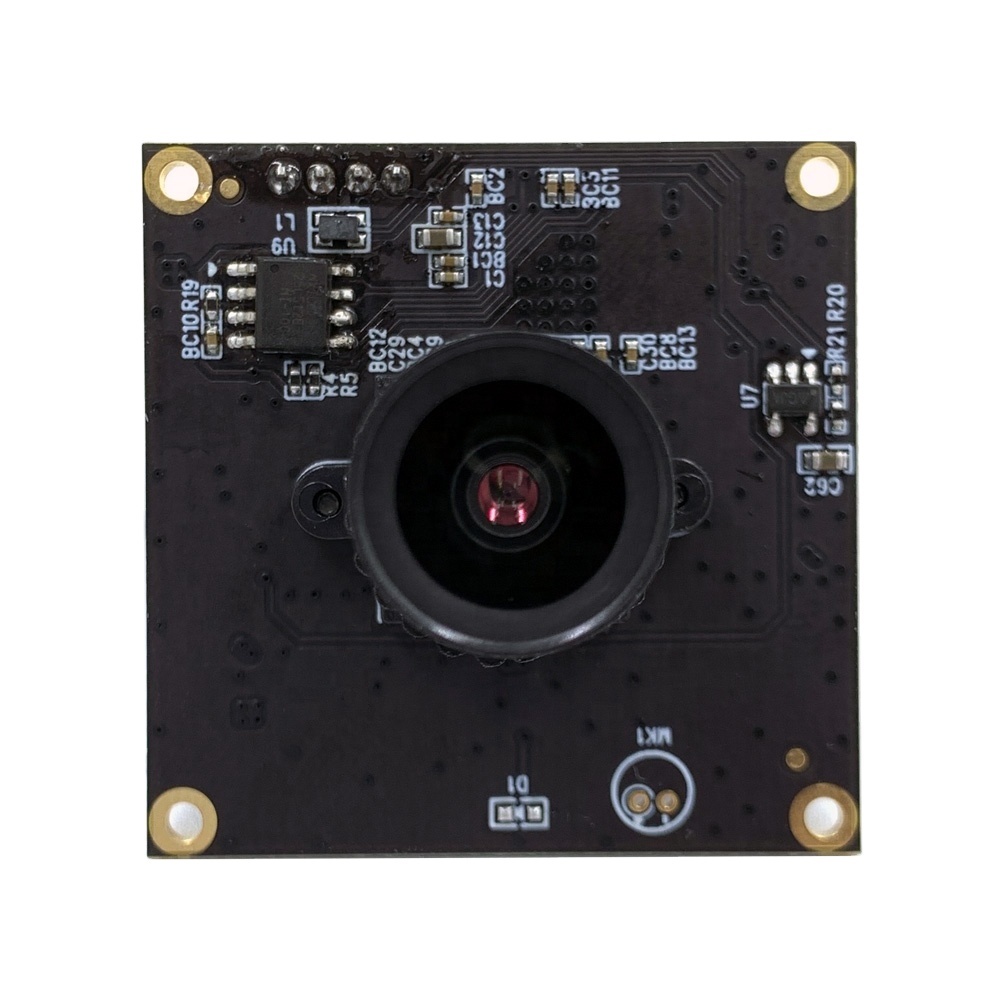
As state commercial centers, internal banking kiosks, automated ticketing terminals, and access verification booths expand, compact 32x32mm and 38x38mm embedded camera modules are needed. Equipped with Onsemi AR0230 WDR or 4K Autofocus sensors, these cameras capture crisp user facial images, ID credentials, and QR validation codes, even when installed directly opposite bright glass lobbies.
3. Technical Trends & Engineering Requirements for Local Integrators
When selecting network surveillance camera wholesale suppliers for North Korean projects, procurement directors prioritize technical parameters that address environmental harshness and network isolation. Our engineering team at Brekta Electronics highlights five pivotal hardware trends currently shaping local procurement specifications:
A. Closed-Loop Protocol Standardization (RTSP, CGI & ONVIF)
Because cloud-managed security platforms are non-viable in air-gapped environments, network camera modules must natively stream video using standardized local protocols. Brekta’s IP mini camera modules utilize H.264/H.265 compression engine encodings to deliver direct RTSP stream URLs (`rtsp://ip_address/live/main`). This ensures seamless compatibility with offline Linux-based NVRs, national VMS software, and custom C++/Python surveillance management applications.
B. Thermal Resilience & Electrical Surge Suppression
Northern regional winters present extreme temperature drops reaching -25°C to -30°C, while summer months bring humidity and electrical grid variance. Industrial camera PCBs produced by Brekta undergo industrial temperature screening (-30°C to +70°C operational endurance). Furthermore, our multi-layer PCB design engineered in Allegro and Protel incorporates ESD protection and power regulation ICs to safeguard sensor components against micro-fluctuations in local power supply lines.
C. High Dynamic Range (HDR) & True Wide Dynamic Range (WDR)
In facilities with high-contrast lighting—such as warehouse entryways, security gates, and indoor-outdoor transit lobbies—standard CMOS sensors suffer from severe highlight blowouts or complete shadow clipping. Utilizing hardware WDR technology (such as Onsemi AR0230 dynamic pixel architecture offering >105dB WDR, and Sony Starvis dual-exposure HDR), Brekta modules simultaneously capture highlight and shadow detail, outputting clear, identifiable faces and asset numbers.
D. Bandwidth-Efficient H.265 Hardware Encoding
Local industrial network backbones frequently operate on constrained switch hardware. Brekta’s embedded H.265/H.264 compression co-processors drastically reduce video bitrates—saving up to 50% storage capacity on local NVR hard drives and preserving internal network throughput without compromising 1080p or 4K image sharpness.
4. Comparative Architecture: USB (UVC) vs. IP Network vs. Analog HD Modules
Choosing the correct signal interface dictates total system cost, installation complexity, and hardware lifespan. The technical chart below outlines the engineering trade-offs between Brekta's major camera module categories for wholesale buyers:
| Camera Interface | Video Stream Format | Max Transmission Distance | Ideal North Korea Market Application | Key Hardware Advantage |
|---|---|---|---|---|
| UVC USB Board | MJPEG, YUY2, H.264 | 5 meters (Direct USB) / 15m (Active) | Embedded ATM, Kiosks, Access Gates, PCs | Driverless plug-and-play across Linux, Android, Windows; low latency. |
| Mini IP (PoE) | RTSP, ONVIF, H.265+ | 100 meters (Cat6 Ethernet) | Facility perimeter, remote plant monitoring | Single-cable power + data transmission; direct connection to local NVR. |
| 4-in-1 AHD / TVI | Analog HD Coaxial | 500 meters (75-3 Coax) | Legacy DVR system retrofits, long distances | Zero network latency, highly cost-effective coaxial cable reuse. |
| HD-SDI Broadcast | Uncompressed Digital SDI | 100 meters (HD Coax) | Medical displays, critical process control | Uncompressed pixel-accurate video stream with zero compression artifacts. |
5. Enterprise Strengths & Information Gain: Why Partner with Brekta Electronics
As a seasoned original manufacturer based in the high-tech hardware hub of Shenzhen, China, Shenzhen Brekta Electronics Co., Ltd. brings direct factory capabilities, rigorous quality control, and deep engineering experience to every wholesale procurement order.
Custom Board Design (Protel & Allegro)
We do not simply resell generic components. Our in-house hardware engineers design custom multi-layer PCBs using Protel and Allegro. We modify PCB shapes (15x15mm, 32x32mm, 38x38mm, or circular), adapt pinout connectors (JST, Molex, USB Type-C, FPC), and fine-tune lens optical holders to match your exact chassis enclosure.
Stringent QC & CE/FCC/RoHS Compliance
Every camera module undergoes a comprehensive multi-stage testing process: raw optical sensor inspection, SMT automated optical inspection (AOI), 24-hour high-temperature aging burn-in, dynamic resolution adjustment, and final image color calibration. All product lines fully comply with CE, FCC, and RoHS standards.
Rapid Sampling & Low MOQ Policy
To support system testing and prototype validation for regional technical engineering projects, standard model samples are dispatched within 1 to 3 working days. We support low minimum order quantities (MOQ starting at 1-10 pieces for stock items) and extend a 24-month comprehensive warranty on all shipments.
6. Frequently Asked Questions (FAQ) for North Korea Market Buyers
7. B2B OEM Procurement Roadmap & Consultation
Initiating a custom camera module procurement or wholesale supply order with Shenzhen Brekta Electronics follows a streamlined 6-step engineering protocol designed to guarantee product accuracy and delivery efficiency:
- Requirement Specification & Drawing Review: Share your structural dimensions, target sensor model, FOV angle, and interface requirements.
- Engineering Feasibility Proposal: Brekta engineers evaluate PCB layout, thermals, and lens combination, providing an OEM proposal within 24 hours.
- Rapid Sample Fabrication: Prototype sample modules are produced, tested, and dispatched within 1 to 3 working days.
- System Integration & Image Tuning: Validate optics, driver compatibility, and image performance inside your host hardware terminal.
- Batch SMT & Mass Assembly: Upon sample sign-off, automated SMT lines and rigorous 100% inspection processes execute batch production.
- Global Logistics & Warranty Protection: Products are packaged with ESD anti-static protection and delivered with comprehensive 24-month factory support.
Partner with a Primary Camera Module Manufacturer
Need customized network surveillance modules, UVC USB camera boards, or ultra-low lux optical hardware for your projects? Contact our engineering team today for technical documentation, datasheets, and factory-direct wholesale quotes.