Featured Industrial & Night Vision Camera Modules
Designed for critical low-light operational demands across Central Europe. Fully UVC compliant, ultra-compact form factors, engineered for high thermal stability and seamless integration into Polish industrial systems.
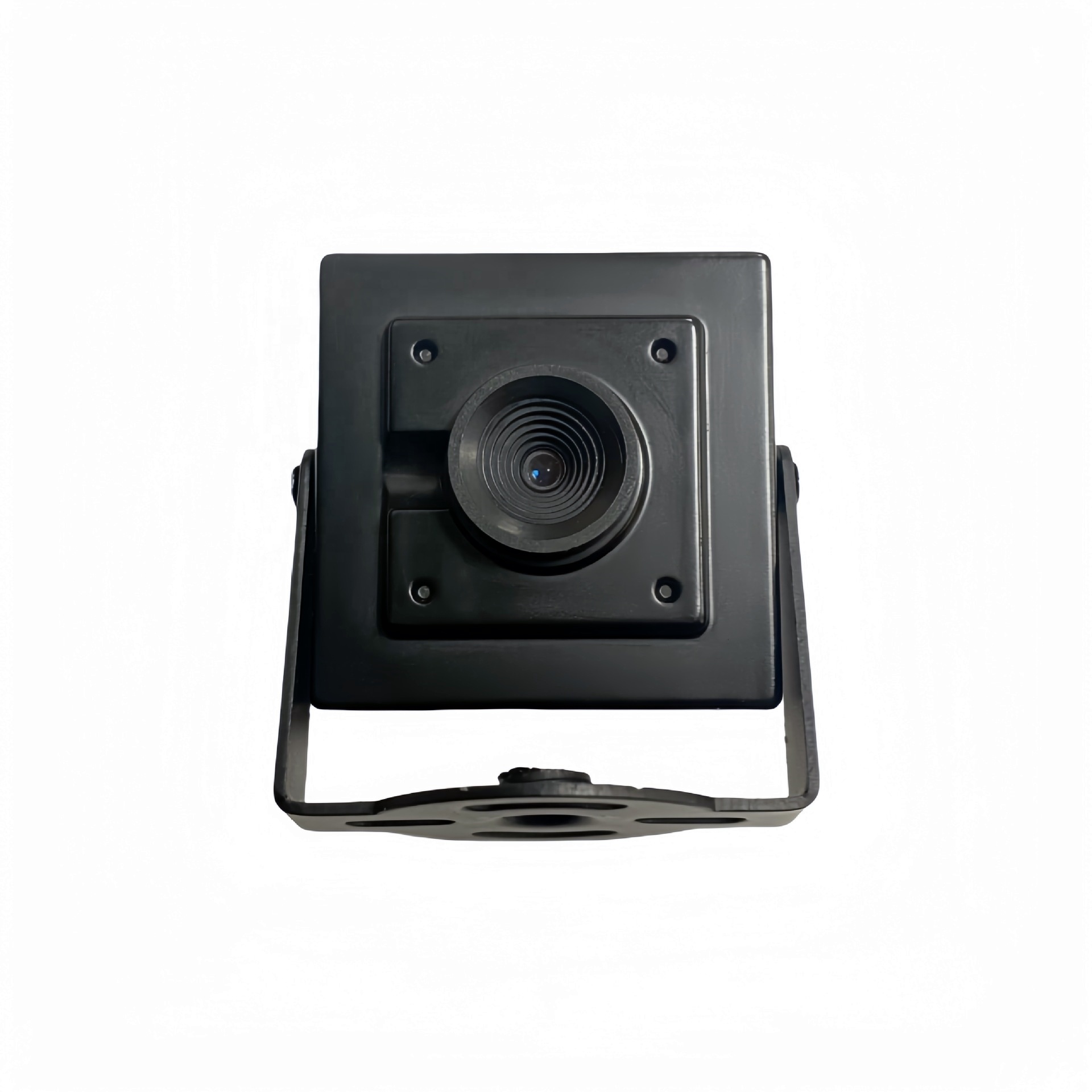
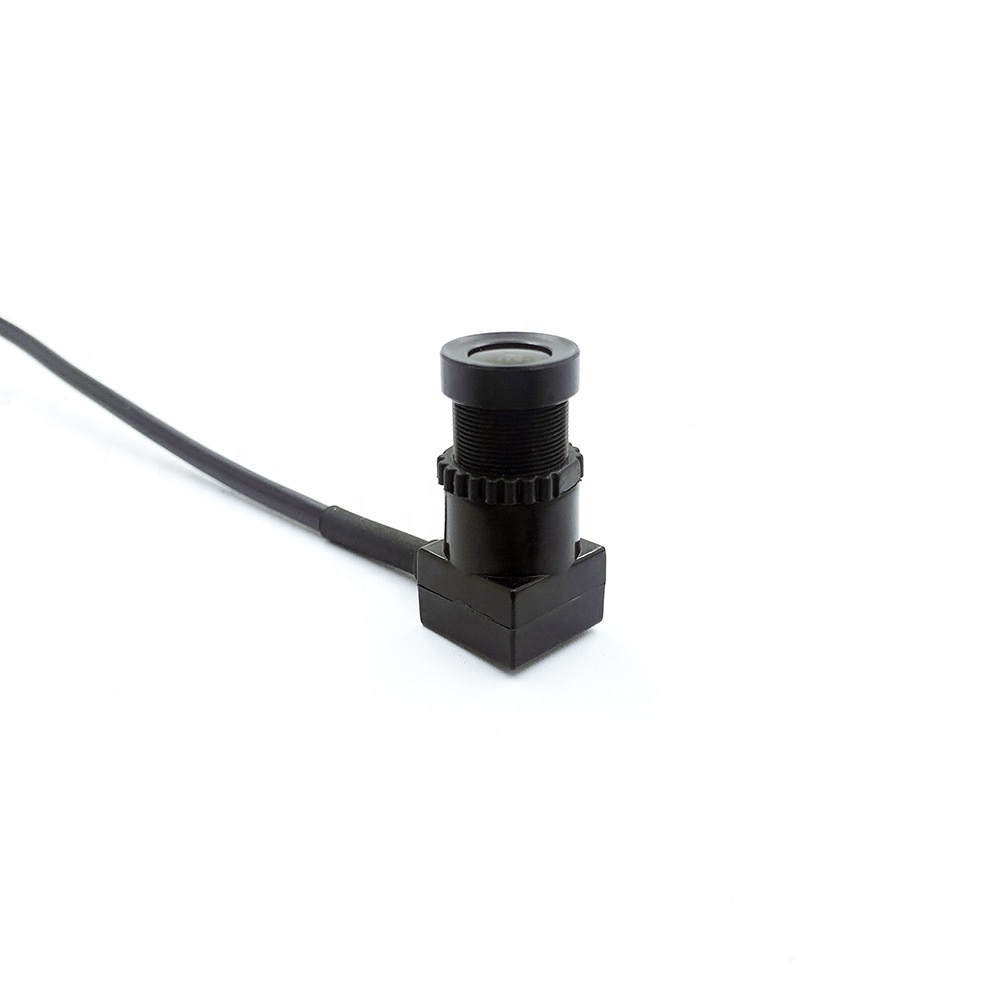
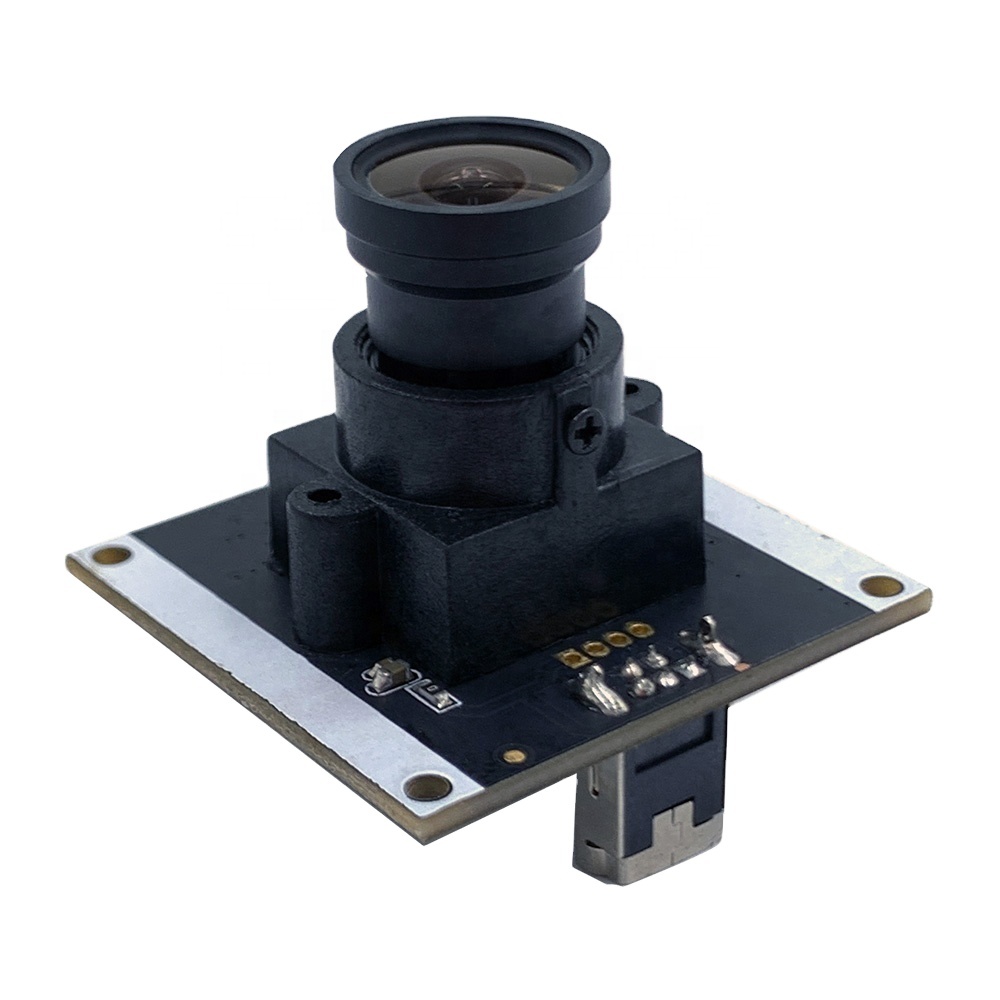
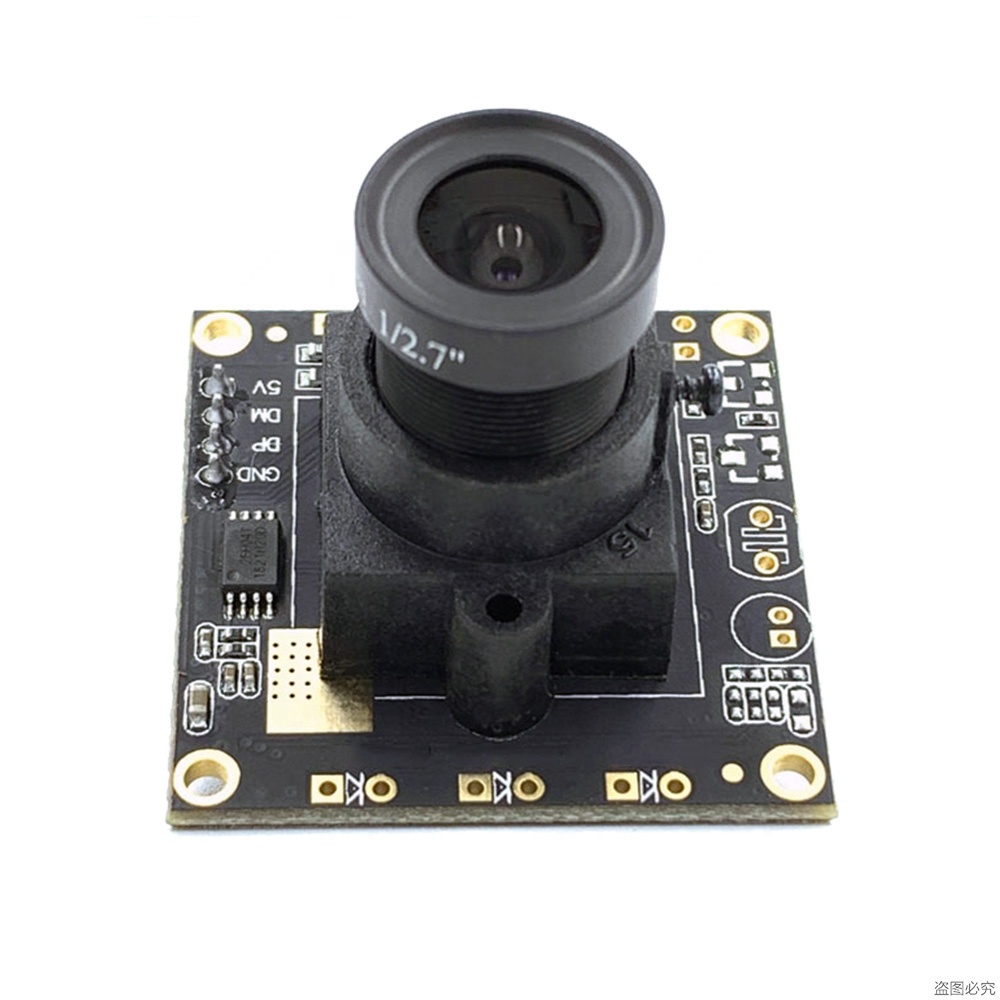
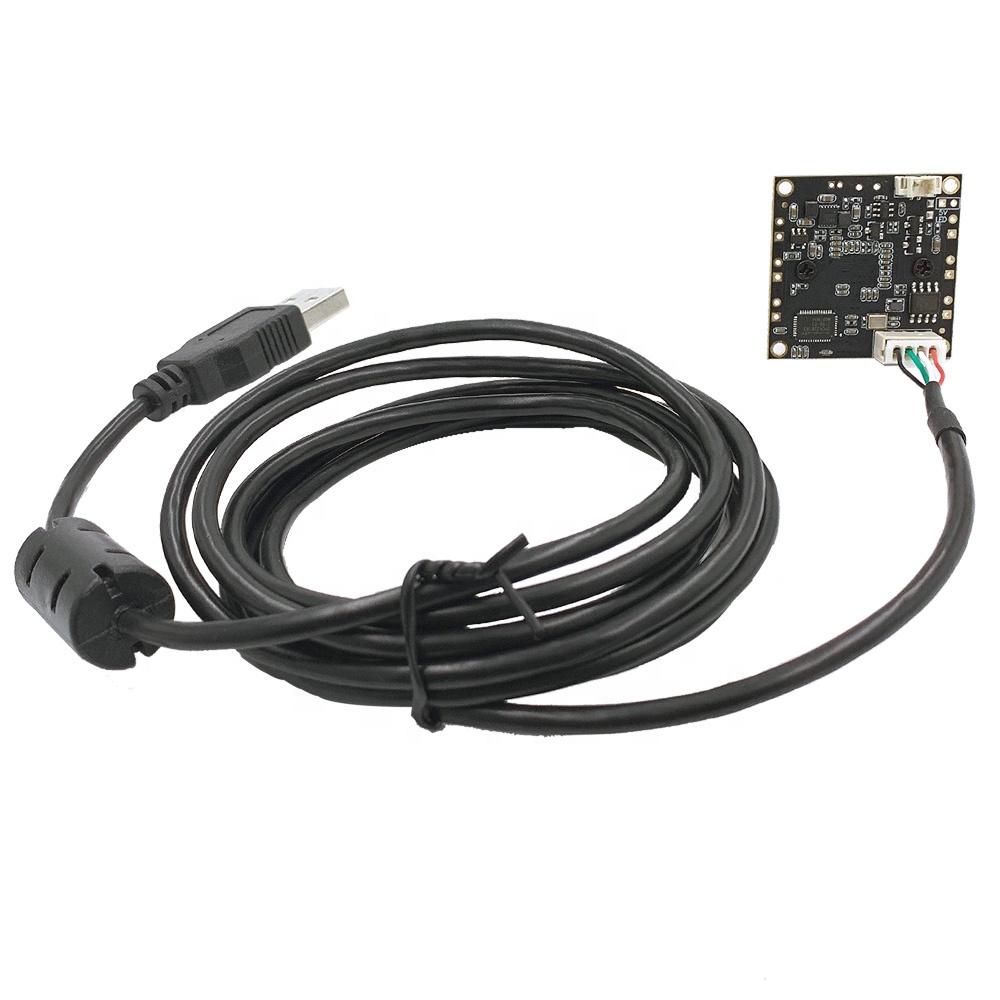
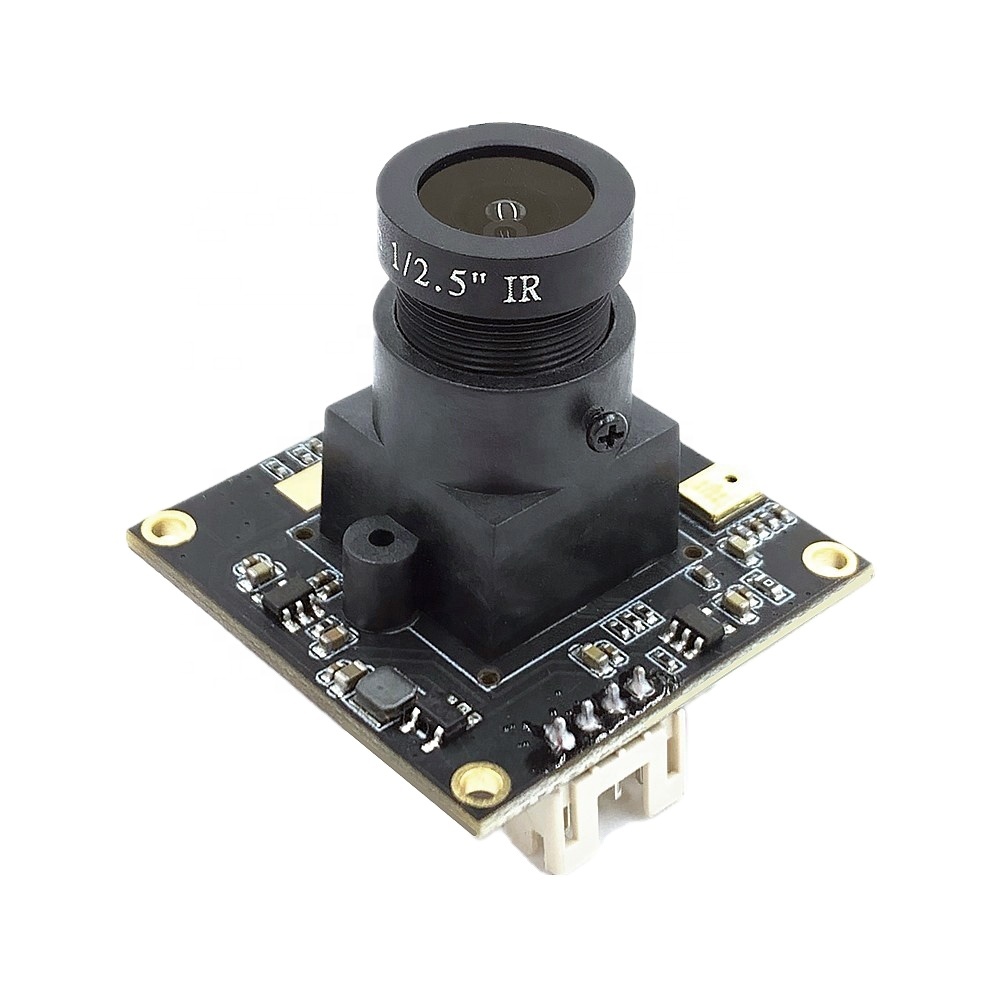
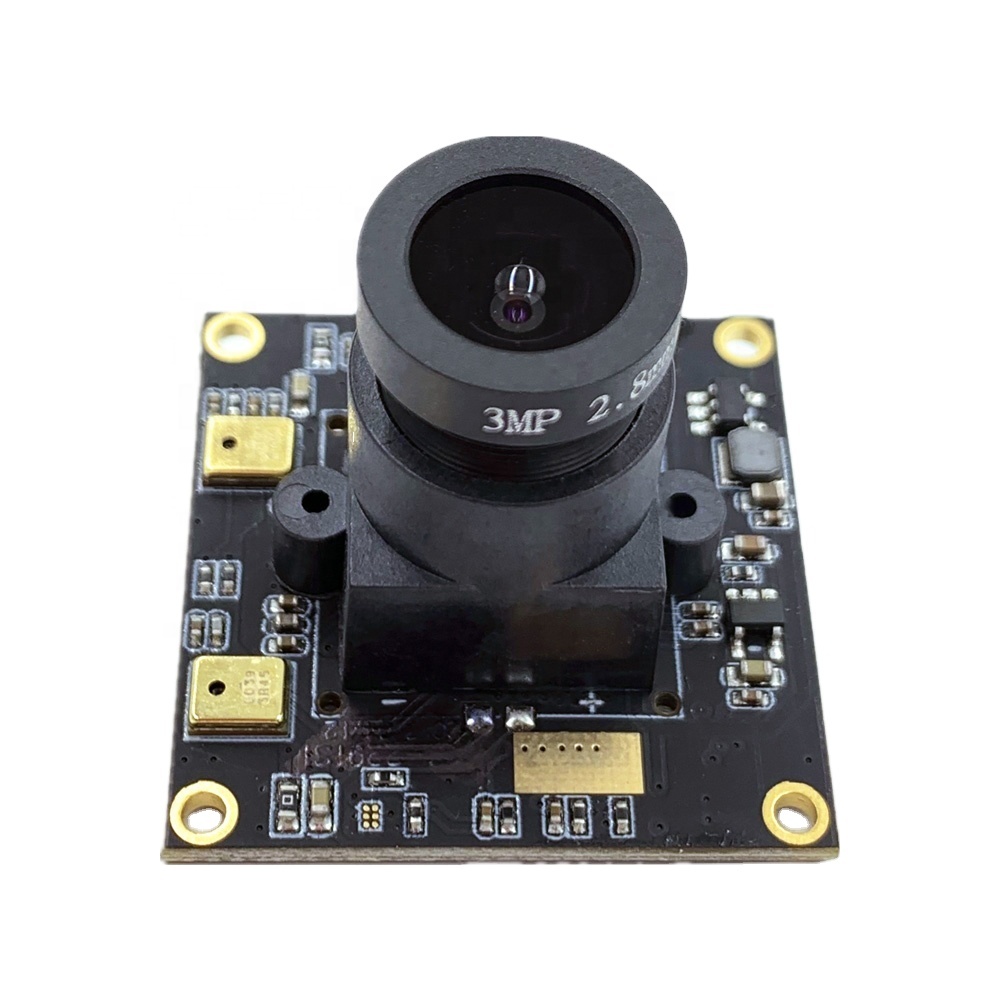
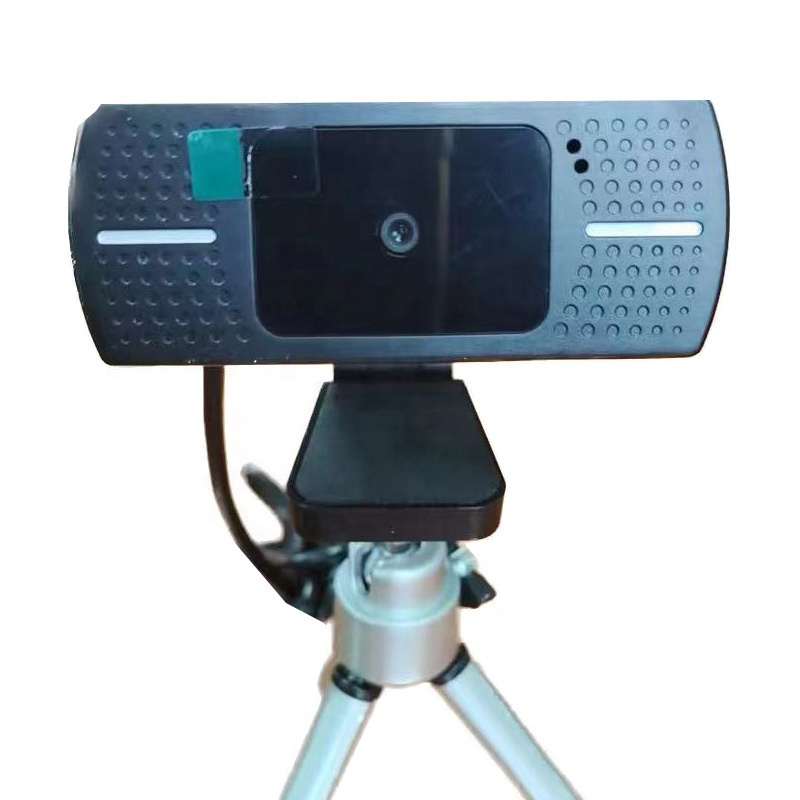
Engineering Whitepaper: Advanced Low-Light Optical Sensing in Central Europe
In the rapidly expanding Polish technology landscape—encompassing smart logistics in Warsaw, automated industrial corridors in Katowice, automated parcel locker networks across Kraków, and high-tech manufacturing in Wrocław—the operational mandate for video acquisition hardware has shifted dramatically. Conventional vision modules fail under harsh ambient lighting variations, extreme thermal fluctuations, and low-lux environments without heavy IR illumination. As an established direct OEM factory and global exporter specializing in miniaturized high-sensitivity optical assemblies, Shenzhen Brekta Electronics supplies precision-engineered night vision camera modules engineered to solve these structural engineering hurdles.
Modern semantic search queries from Polish system architects emphasize parameters far beyond raw megapixel counts: SNR1s optical performance, 850nm vs. 940nm Near-Infrared (NIR) quantum efficiency, Wide Dynamic Range (WDR > 105dB), and hardware-level UVC driverless stability. This whitepaper establishes the benchmark criteria for selecting, integrating, and deploying micro USB, IP, and analog camera modules designed for sub-zero operating environments, continuous 24/7 video capture, and AI edge vision inference.
Optical Architecture: Low-Lux Physics and Sensor Dynamics
Capturing usable, low-noise video frames in low-illumination environments without introducing excessive blur or image artifacting requires deliberate alignment between sensor architecture, Image Signal Processor (ISP) firmware tuning, and optical lens transmission coatings.
1. Sony STARVIS / STARVIS 2 Back-Illuminated (BSI) Pixel Physics
Unlike traditional Front-Side Illuminated (FSI) sensors where metal wiring layers reflect incoming light before reaching the photodiode, Back-Side Illuminated (BSI) architecture—such as the Sony IMX291 and IMX335 sensors featured in Brekta's night vision lineup—places the photosensitive area directly below the color filters and micro-lenses. This structural change maximizes the fill factor and yields exceptional sensitivity in the Near-Infrared (NIR) spectrum (specifically at 850nm and 940nm wavelengths).
For system integrators in Poland deploying equipment outdoors or in unlit kiosk housings, BSI technology yields an SNR1s index capable of producing crisp 1080p video at light levels down to 0.0001 Lux. When combined with dual 3D noise reduction (3DNR) algorithms embedded within our ISPs, high-contrast imagery is maintained without sacrificing target frame rates (30fps/60fps).
2. Onsemi AR0230 WDR Implementation for High-Contrast Lighting
Night vision in semi-outdoor environments—such as ATM vestibules exposed to direct vehicular headlights, or parcel delivery stations facing high-voltage street lamps—requires extreme dynamic range. The Onsemi AR0230 CMOS sensor utilizes a multi-exposure staggered HDR method, capturing alternate long and short exposure frames simultaneously. The embedded hardware ISP merges these exposures frame-by-frame, outputting a balanced 120dB HDR video stream that preserves both deep shadows and bright specular highlights.
Dual IR-Cut Switcher
Automatic mechanical ICR switching blocks IR during daylight to ensure true color fidelity, then swivels to pass 850nm/940nm light during night mode.
Industrial Heat Dissipation
Multi-layer FR-4 PCBs engineered with thermal vias and copper pours prevent thermal throttling and sensor dark-current noise build-up.
Custom UVC Firmware
Customized UVC descriptor settings, MJPEG/YUY2/H.264 stream controls, and fixed OS device mapping for automated unattended terminal reboots.
Localized Application Scenarios across Poland Industry Sectors
Poland's role as a major European logistics, manufacturing, and self-service kiosk hub demands specialized camera module configurations optimized for domestic application scenarios.
| Polish Industry / Sector | Deployment Environment | Technical Challenge | Recommended Module Configuration |
|---|---|---|---|
| Autonomous Parcel Lockers (Paczkomaty) | Outdoor suburban & urban hubs across Warsaw, Poznań, Kraków | Extreme winter cold (-20°C), bright streetlamps vs dark night, vandalism risk | 2.0MP Starvis IMX291 USB Module, 0.001 Lux, anti-fog wide-angle M12 lens, extended cable with latching connector. |
| Banking & Financial Kiosks (ATMs/VTMs) | Indoor/Outdoor banking vestibules (PKO, Pekao, Santander retrofits) | Backlit glass storefronts, facial shadow zones, high transaction volume | 2.0MP AR0230 Onsemi CMOS WDR (120dB), 32x32mm form factor, pinhole or 1.7mm fisheye lens option. |
| Industrial Robotics & Quality Vision | Automotive & electronics assembly in Silesia & Wrocław tech corridors | High-speed production lines, changing plant illumination, continuous vibration | 4K 12MP / 8MP Autofocus USB Camera Module with Sony IMX377, high frame rate (60fps), precise optical macro focus. |
| Smart City Transit & Exit Detection | Ticket vending machines, bus stops, tram monitoring in Gdańsk | Compact enclosed spaces, variable ambient daylight to zero-lux night | Mini Square 15x15mm 0.1Lux Full HD USB Module, discreet mounting, H.264 video compression for bandwidth saving. |
| Cold-Chain & Warehouse Automation | Logistics centers along A2/A4 motorways | Condensation, freezing temperatures, high-contrast rack inspection | IP67 Mini Bullet/Endoscope Waterproof Module with integrated adjustable LED ring lights. |
Market Trends & Regulatory Compliance in Poland (2025–2030)
Procurement officers and R&D engineers in Poland face shifting regulatory and technological landscapes. Incorporating computer vision hardware requires strict alignment with European Union directives and technical standards.
1. Compliance with NIS2 Directive & GDPR Hardware Boundaries
As Poland enforces national legislation aligning with the EU NIS2 Directive for cybersecurity and supply chain integrity, automated terminals and smart infrastructure cannot rely on closed-source, unverified network camera hardware. Brekta’s UVC-compliant USB camera modules process raw video locally on the host machine (x86 or ARM industrial PC), ensuring that video frames are processed within secure software environments without unauthorized third-party cloud streaming or hidden background telemetry.
2. Transition from Analog Coaxial to High-Speed AI Edge USB3.0/USB2.0
Polish OEM equipment manufacturers are phasing out legacy AHD/CVBS grabber card setups in favor of high-throughput UVC USB modules. Combined with edge AI platforms (NVIDIA Jetson, Intel OpenVINO, Raspberry Pi 5), night vision USB modules provide low-latency video feed for AI model processing—such as facial recognition, license plate reader (LPR) capture, and automated document/QR code verification in total darkness.
3. Harsh Climate Engineering & Thermal Management
Polish winter conditions present a severe test for optical sensors. Condensation on internal lens elements and micro-cracks in solder joints caused by repeated thermal expansion cycles (-20°C to +40°C) can cause unrated consumer-grade cameras to fail within months. Brekta’s industrial camera modules undergo rigorous high-and-low temperature chamber validation, employing automotive-grade passive components and industrial FR-4 PCB substrates to guarantee zero field failures.
Why Polish Engineers & Importers Partner with Brekta Electronics
Shenzhen Brekta Electronics Co., Ltd. is a specialized OEM/ODM manufacturer of micro USB, IP, and high-definition optical camera modules, headquartered in Shenzhen with dedicated assembly operations in Dongguan. Over 13 years of optical innovation enables us to serve system integrators across Europe, North America, and Asia.
Direct SMT & Optical Cleanroom Assembly
In-house High-Precision SMT lines, automated sensor placement, and ISO 6 dust-free optical alignment rooms guarantee zero dust specks on CCD/CMOS glass covers.
Rapid Customization (PCB & Optics)
Protel/Allegro layout design team capable of customizing PCB outlines (15x15mm, 32x32mm, 38x38mm), flexible FPC connections, IR-cut logic, and custom lens focal lengths within 7 days.
Full CE / FCC / RoHS Compliance
Every module batch comes certified for frictionless European customs clearance, backed by our 24-month factory warranty and lifetime engineering technical support.
Frequently Asked Questions for Polish B2B Buyers & Integrators
Addressing common technical and commercial queries raised by engineering leads, purchasing managers, and hardware architects in Poland.
Request a Custom Technical Quote or Sample Evaluation Kit
Planning a new kiosk design, upgrading parcel locker security vision in Poland, or searching for a reliable direct factory supplier with low-lux expertise? Speak directly with our optical senior application engineers today.
Inquire Now