
Engineering Blacklight Low-Lux Vision for Hokkaido's Winter Lighting Dynamics
Operating optical imaging systems in Sapporo and broader Hokkaido presents a severe environment engineering challenge. The geographical location of Sapporo (43.0621° N latitude) creates drastic daylight fluctuations: summer days extend over 15 hours, whereas winter days compress down to under 9 hours, leaving extended periods of ambient twilight, heavy fog, and polar night conditions. Compounding this dark ambience is the optical contrast created by snow accumulation. Fresh snow has an albedo of 0.80 to 0.90, reflecting up to 90% of available light, while non-snow-covered objects (pedestrians, vehicle tires, metallic machinery, asphalt) absorb light. Standard image sensors suffer catastrophic overexposure in snow highlights alongside pitch-black shadow under-exposure.
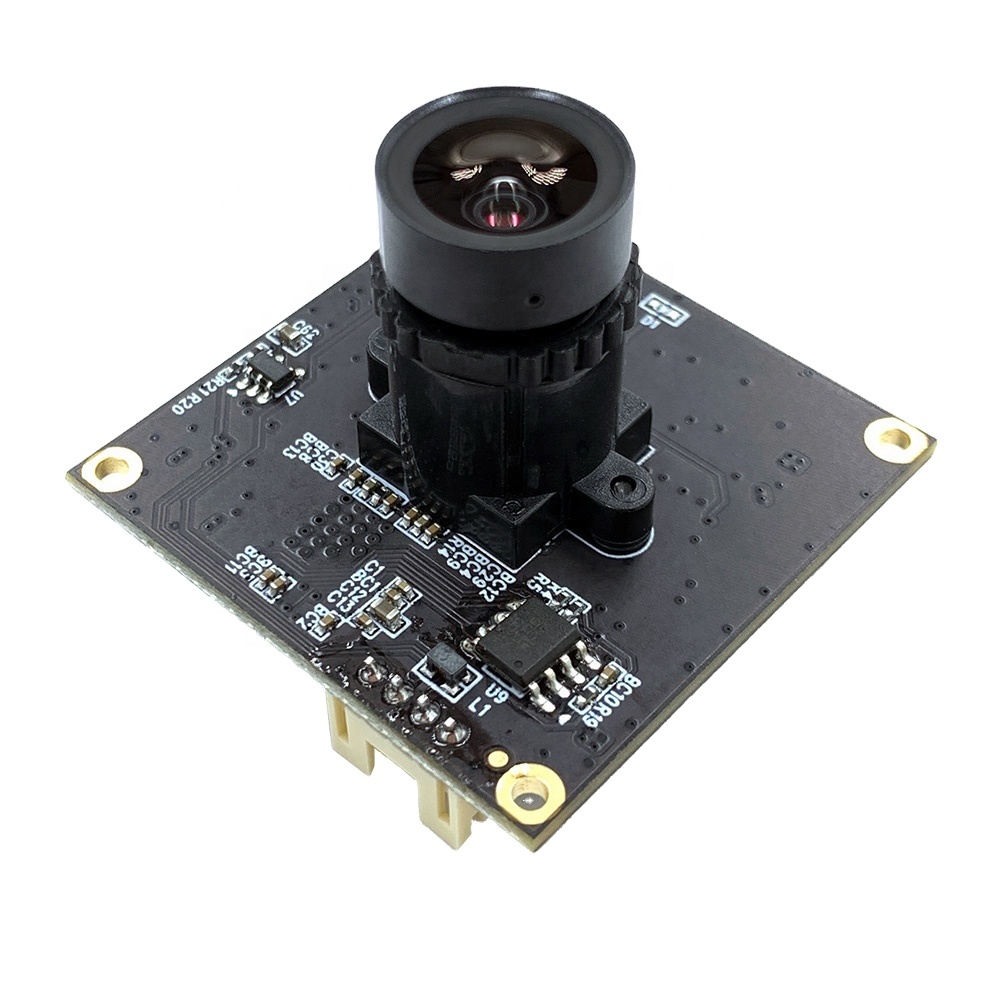
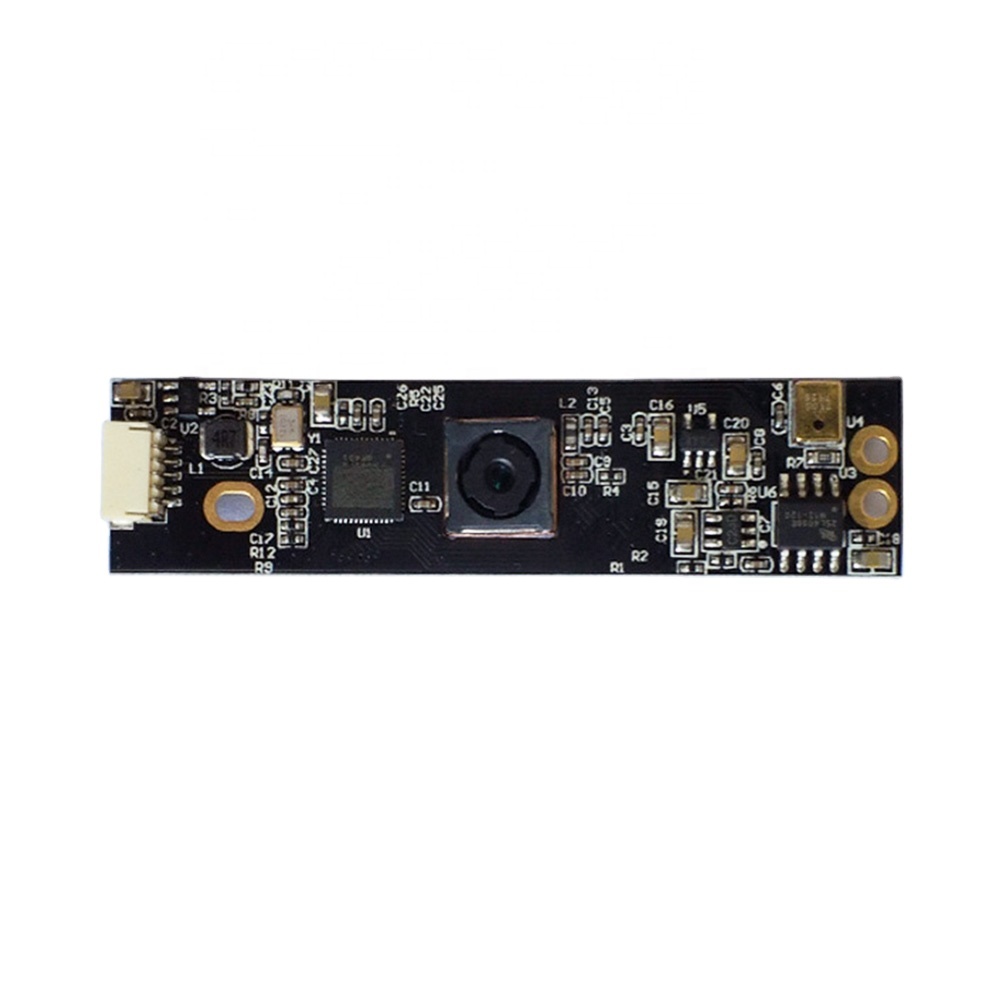
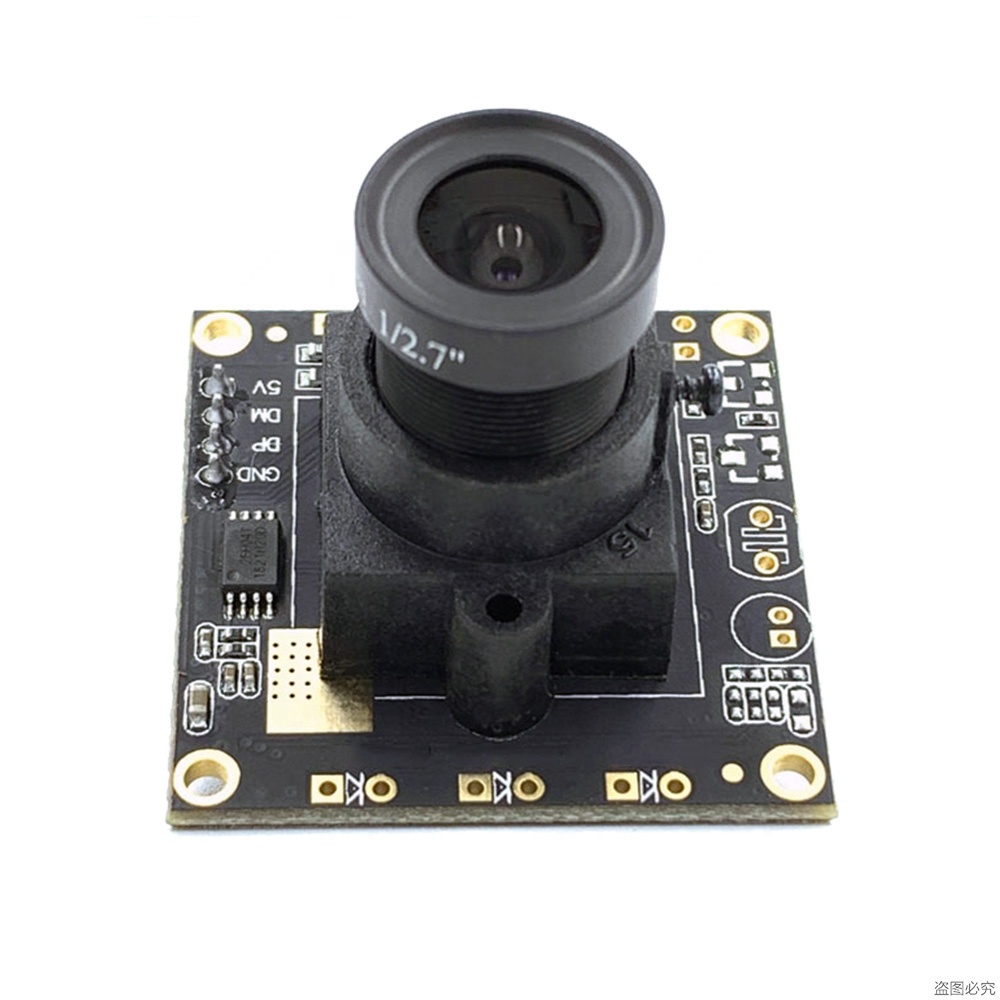
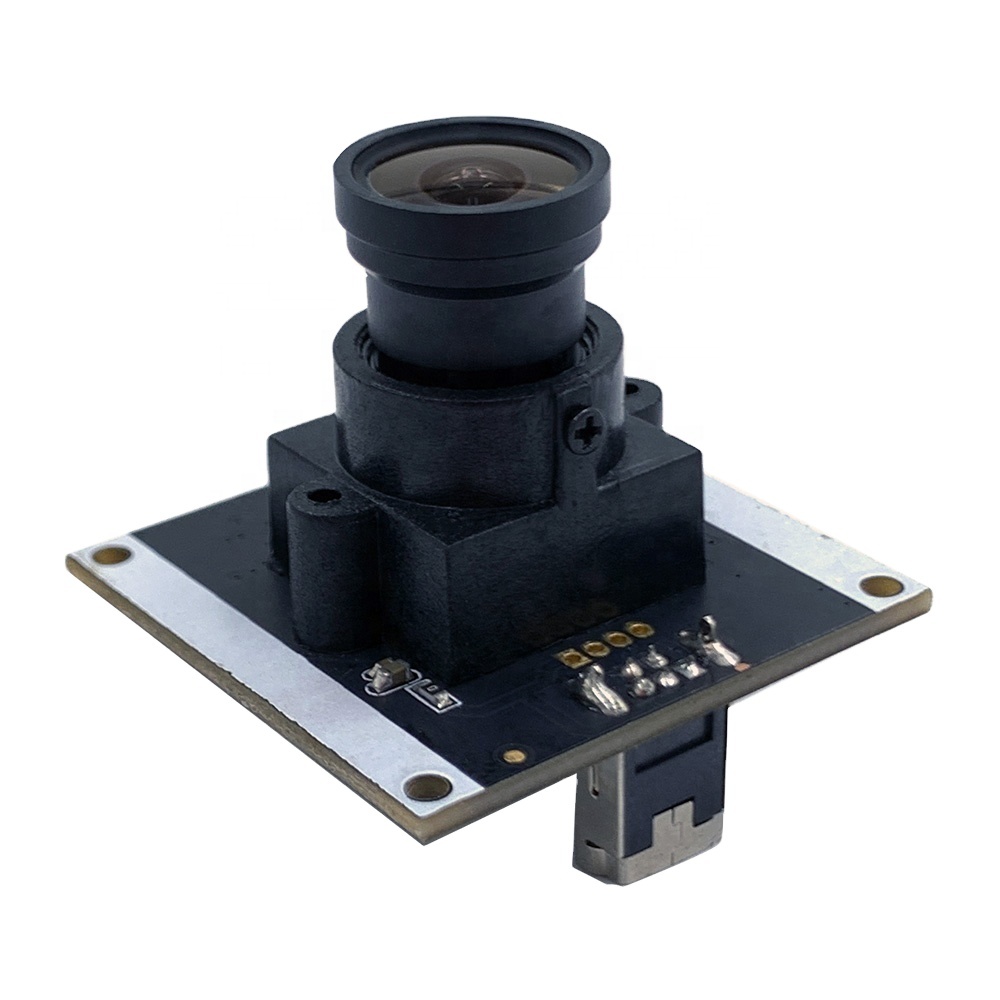
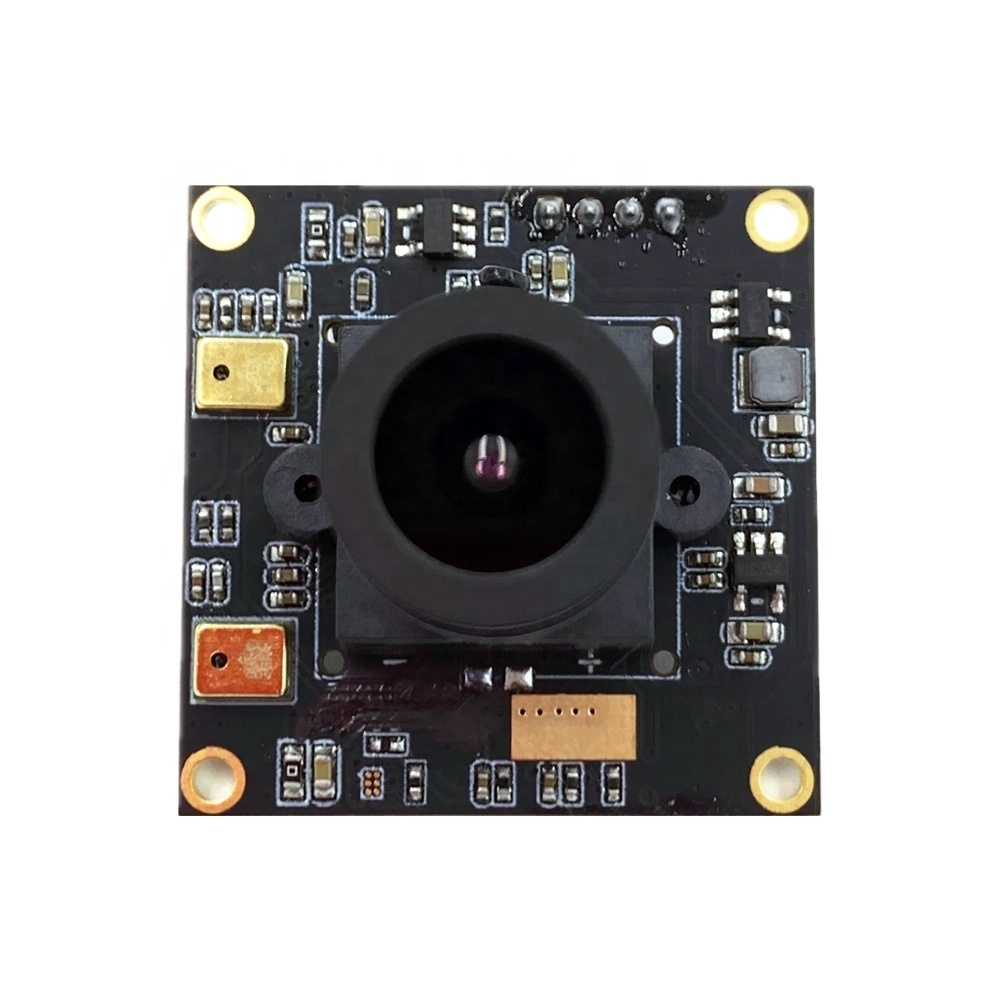
As a specialized OEM/ODM exporter of Blacklight Low-Lux IP Camera Modules, Shenzhen Brekta Electronics engineers solutions specifically designed to solve these high-latitude, low-light imaging bottlenecks. Our ultra-low-lux IP camera modules incorporate state-of-the-art Sony STARVIS™ and STARVIS™ 2 back-illuminated CMOS sensors (such as IMX327, IMX335, IMX678, and IMX291) combined with ultra-large F1.0 / F1.2 super-aperture optical lenses and custom ISP (Image Signal Processor) firmware.
Utilizing 2.9µm to 3.75µm enlarged pixel formats with back-illuminated architecture. By placing the wiring layer beneath the silicon photodiode substrate, light absorption efficiency is increased by 200% compared to front-side illuminated (FSI) sensors, delivering full-color rendering down to 0.0001 Lux without IR illumination.
Sapporo winters regularly plunge to -10°C to -15°C in urban areas and below -25°C in mountain passes. Our IP camera PCBs integrate wide-temperature components (-40°C to +85°C rated), multi-layer low-loss FR-4 substrates, and optional PTC glass heating elements to eliminate lens fogging, frost, and condensation.
To master the extreme contrast between reflective snow and dark target objects, our multi-frame staggered WDR/HDR processes long and short exposures simultaneously at the sensor level, preventing blowout highlights while maintaining vivid detail in shaded foregrounds.
Deploying robust, low-light machine vision modules tailored to Sapporo's unique urban layout, commercial infrastructures, and extreme sub-zero weather requirements.
The 520-meter Chikaho underground walkway connecting Sapporo Station to Odori Station experiences heavy daily foot traffic, especially during freezing months. Local system integrators utilize our 38*38mm Micro Low-Lux IP Camera Modules inside low-profile security domes and AI demographic kiosks. With low ambient artificial lighting, our modules deliver crystal-clear 1080p/4K RTSP streams for real-time crowd density analysis, slip-and-fall detection, and facial recognition without disturbing pedestrians with harsh infrared LED glare.
Sapporo's Municipal Bureau deploys heavy snow-clearing fleets during nighttime hours (midnight to 5:00 AM) under total darkness and blowing snow conditions. Our Blacklight Low-Lux IP Camera Modules with H.265+ Compression are embedded directly into vehicle cabins and exterior monitoring housings. Operating reliably down to -40°C, these modules provide low-latency video feedback to vehicle operators and central municipal AI fleet servers, detecting roadside obstacles, parked vehicles, and curbs obscured by snow drifts.
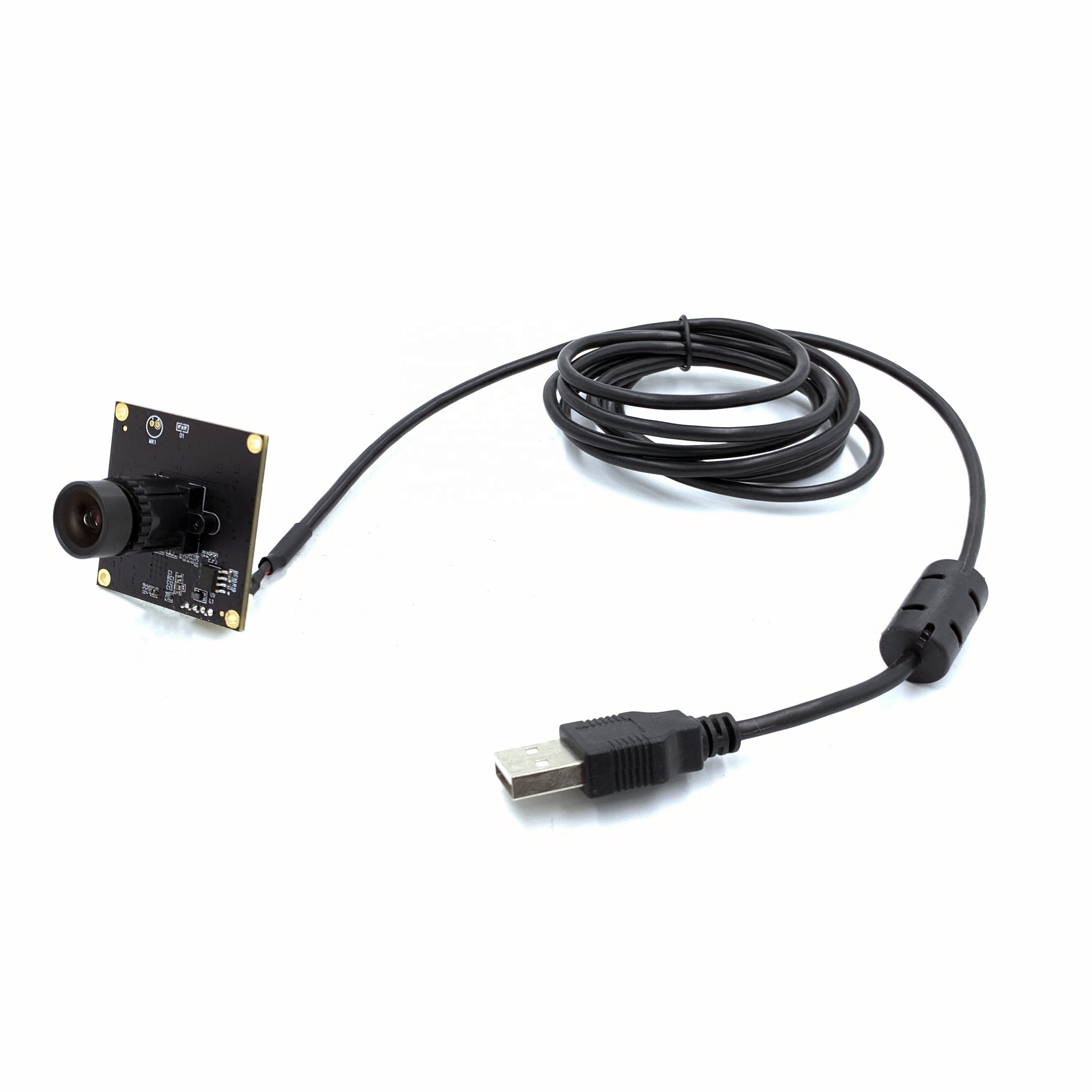
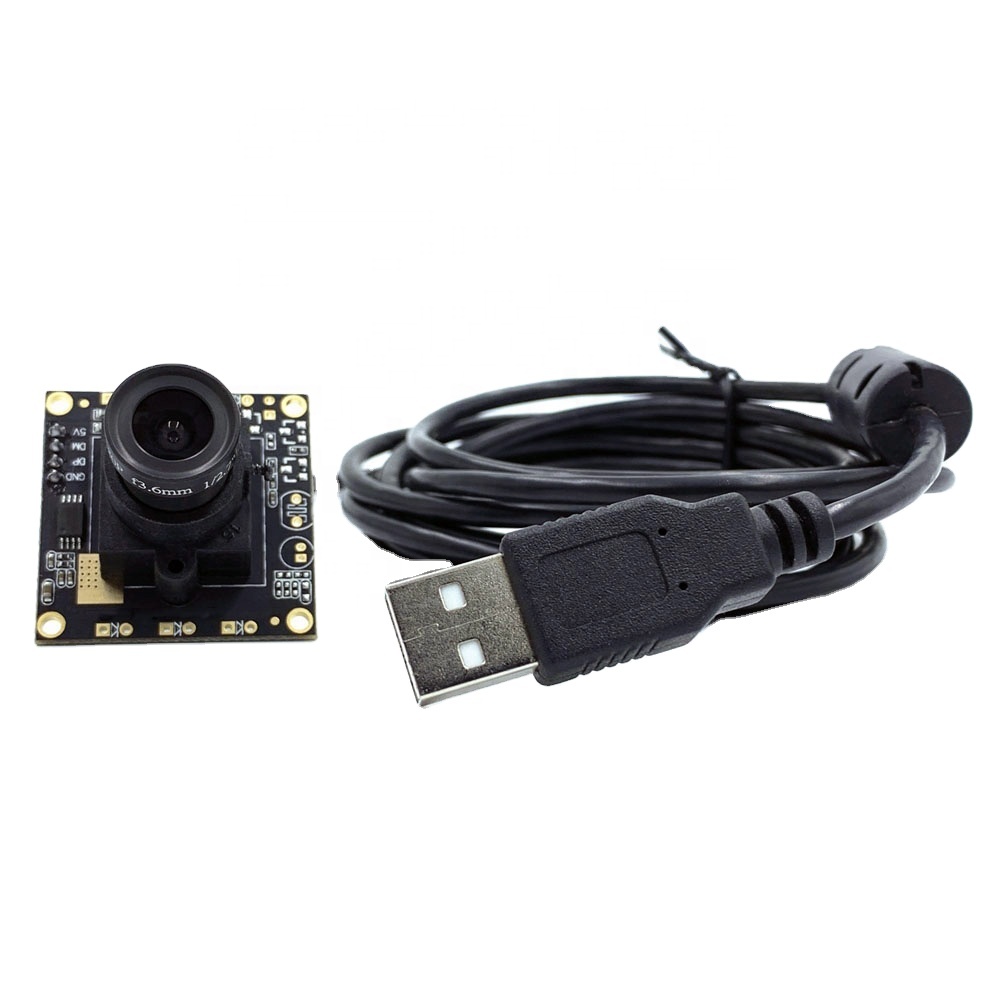
Japan is famous for outdoor automated vending machines, and Sapporo's bustling Susukino entertainment district features 24/7 self-service kiosks operating in freezing outdoor conditions. Integrators embed our custom USB / IP dual-interface WDR Camera Modules for age verification, contactless payment security, and anti-vandalism recording. Our modules feature anti-fog coated glass elements and wide-angle 1.7mm to 2.8mm distortion-free lenses designed to fit ultra-compact 32*32mm cabinet spaces.
Major ski resorts surrounding Sapporo require automated lift-ticket validation and vehicle license plate recognition (ANPR) at parking gates operating in sub-zero whiteout conditions. Brekta’s High-Frame-Rate 330fps & Low-Lux Starvis Modules capture high-speed moving targets cleanly without motion blur. The high quantum efficiency in the Near-Infrared (NIR) spectrum (850nm/940nm) allows seamless integration with stealth IR illuminators for zero-light night gates.
From the agricultural hubs in the Ishikari Plain to the cold-storage warehouses handling seafood near Odori Market, automated guided vehicles (AGVs) and robotic sorters require continuous visual feedback inside refrigerated environments (-25°C). Our OEM custom camera boards feature gold-plated connectors, conformal PCB anti-corrosion coating, and moisture-sealed lens mounts to prevent ice crystal formation on optical sensors.
During the annual Sapporo Snow Festival (Sapporo Yuki Matsuri), millions of visitors gather at Odori Park. Temporary wireless security towers and mobile surveillance units require plug-and-play IP modules with low power consumption (PoE IEEE 802.3af compatible). Our low-lux modules draw under 2.5W of power while maintaining 24/7 color rendering, making them ideal for solar-assisted temporary deployments.
Hokkaido Market Trends: The Shift to Edge-AI Blacklight IP Sensing
The security and industrial automation market in Hokkaido is undergoing a rapid technological evolution driven by three key factors: severe regional labor shortages, municipal smart-city mandates, and the shift from centralized cloud recording to localized Edge-AI processing.
1. Transition from IR Cut-Filter Switching to Continuous Blacklight Color: Traditional IP cameras rely on mechanical IR-cut filters that switch to monochrome black-and-white mode at night with infrared LEDs. However, in Sapporo's snowy urban environments, IR light reflects off falling snowflakes, causing severe backscatter glare (known as the "snowstorm blinding effect"). Japanese integrators are aggressively replacing conventional IR cameras with Blacklight Low-Lux Modules that maintain full color vision without active IR LEDs, eliminating snowflake glare completely.
2. Compliance with Japanese Privacy & Data Standards (APPI & VCCI): Procurement managers in Sapporo strictly require compliance with Japan’s Act on the Protection of Personal Information (APPI). Our IP camera modules support hardware-level privacy masking, secure RTSP encryption (TLS/SRTP), and custom SDK integration that allows edge masking of pedestrian faces before video leaves the camera board. Furthermore, our PCB layouts adhere to VCCI Class B EMI standards, preventing radio interference with nearby Japanese wireless networks and transit sensors.
| Technical Performance Metric | Standard Security Camera Board | Conventional Sony STARVIS (1st Gen) | Brekta Blacklight Low-Lux IP Module |
|---|---|---|---|
| Minimum Color Illumination | 0.1 Lux to 0.5 Lux (F1.4) | 0.01 Lux to 0.005 Lux (F1.2) | 0.0001 Lux to 0.0005 Lux (F1.0 Super Aperture) |
| Sub-Zero Cold Boot Temp | -10°C (Standard Components) | -20°C (Standard FR-4) | -40°C (Industrial Grade Wide-Temp PCB & PTC Heating) |
| WDR Contrast Capability | 60 dB to 80 dB (Digital WDR) | 100 dB (Double Exposure) | 120 dB to 140 dB (Multi-Frame Staggered True Optical WDR) |
| Snowfall Reflection Handling | Poor (IR Glare & Overexposure) | Moderate (Requires IR Tuning) | Superior (No IR LED Required, Full Color Ambient Vision) |
| Form Factor Customization | Fixed 38*38mm Only | Limited Board Sizes | Tailored PCB (15*15mm, 32*32mm, 38*38mm, Dual-Board Stacks) |
| Interface Support | CVBS / Standard IP Only | Standard RTSP / ONVIF | Dual IP (RTSP/ONVIF) + USB (UVC) + AHD/TVI + Custom FPC |
Why Sapporo OEM/ODM Buyers Trust Shenzhen Brekta Electronics
With over 13 years of specialized manufacturing experience in miniaturized camera modules, Shenzhen Brekta Electronics Co., Ltd. serves as an authority in high-sensitivity imaging solutions. Our engineering facility operates under rigorous ISO9001 quality management protocols, providing full-stack ODM capabilities from schematic circuit design to mass production packaging.
Our senior hardware team utilizes advanced Protel and Cadence Allegro PCB layout software to develop multi-layer high-density interconnect (HDI) circuit boards. We design custom board dimensions (down to 15*15mm), tail flex cables (FPC), and specialized connectors (JST, Molex, USB-C, Hirose) specified by local Sapporo machinery designs.
Camera hardware is only as good as its ISP tuning. Our optical laboratory utilizes automated collimators and ISO12233 resolution charts to calibrate white balance, 3D noise reduction (3DNR), lens shading correction (LSC), and dynamic contrast curves specifically for low-lux snow and twilight conditions.
Every camera module undergoes automated optical inspection (AOI), 48-hour high/low temperature burn-in testing (-40°C to +85°C chamber), and image resolution checking before packing. We back all exported modules with a 24-Month Replacement Warranty and lifetime technical support.
We maintain a frictionless procurement workflow for Japanese business partners: MOQ starts from 1 piece for initial engineering evaluation, in-stock sample dispatch within 1 to 3 working days, direct DDP shipping options to Sapporo, and rapid technical response within 2 hours.
Accelerate Your Next Vision Project in Sapporo
Whether you require a standard low-lux evaluation sample or a fully customized optical-PCB module designed for sub-zero industrial applications, our engineering team is ready to assist you.