Recommended Industrial & Enterprise Camera Modules
Engineered for seamless system integration in self-service kiosks, AI retail systems, automated access control, and industrial machine vision throughout the Greater Amsterdam Metropolitan Area and the Netherlands.
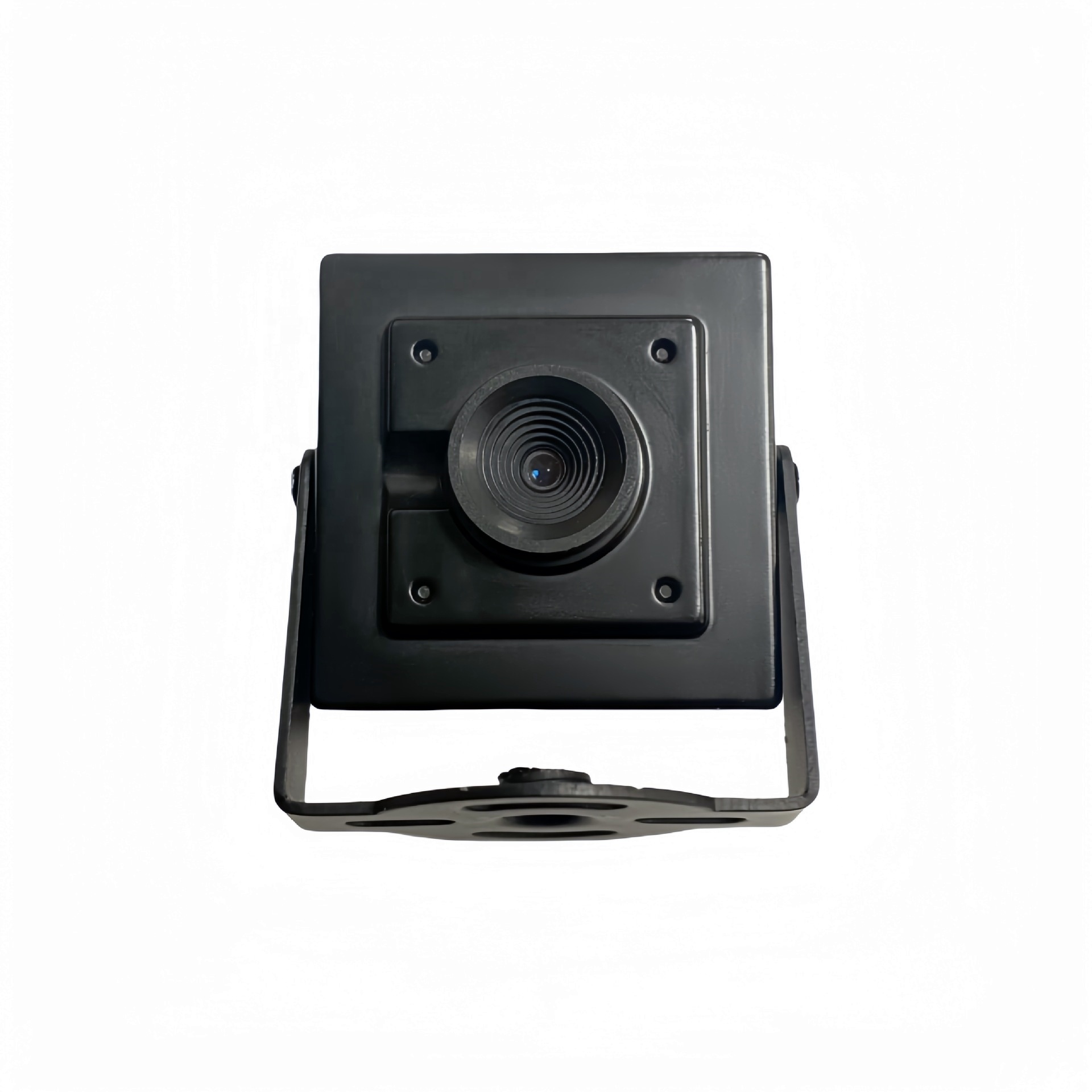
High Speed Auto Focus 4K UHD CMOS 12MP Color USB Camera Module for AI Self Check Out Retail Application Security Solution
Designed for automated Dutch micro-markets and smart self-checkout counters, providing high-frame-rate 12MP resolution for instantaneous barcode optical recognition and AI item verification.
- Resolution: 12MP 4K Ultra HD CMOS
- Optics: High-Speed Voice Coil Motor Auto-Focus
- Interface: USB 2.0 / UVC Plug-and-Play
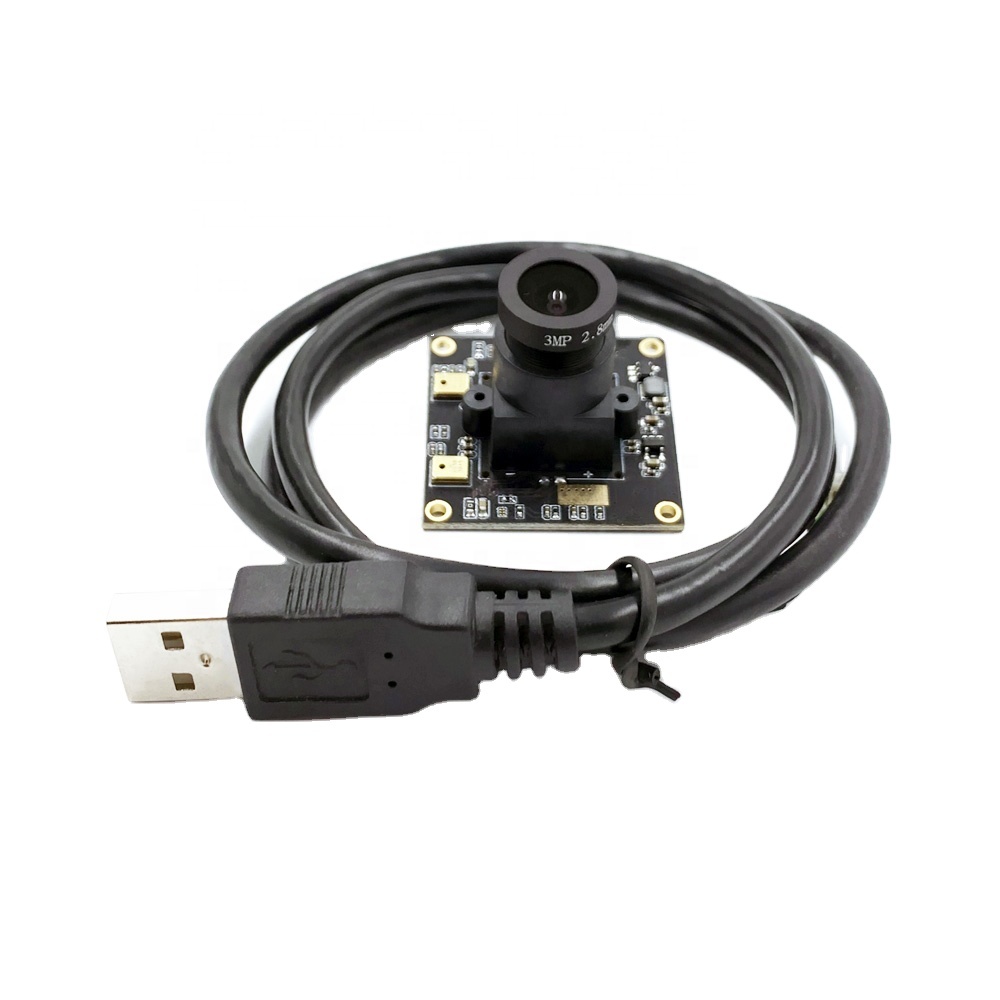
H.264 Rolling Shutter Starvis & WDR 0.001Lux 2.0MP 1920*1080 32*32mm Color USB Camera Module for Door Bell and Button System
Compact 32x32mm form factor with Sony Starvis low-light sensor and physical WDR. Ideal for residential door entry, intercoms, and outdoor security terminals in historic Amsterdam canal houses.
- Low-Light Sensitivity: 0.001 Lux Starlight
- Compression: Onboard H.264 / MJPEG / YUY2
- Board Dimensions: Ultra-compact 32×32mm
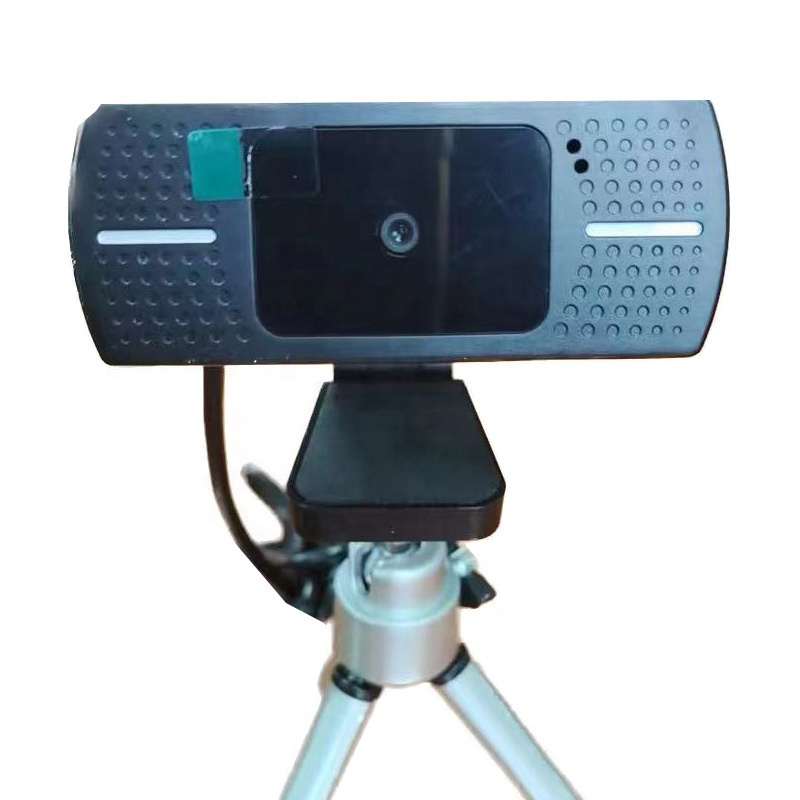
Factory Price 1080P 2.0MP USB Webcam 30fps 1920*1080 30*25mm Color F2.0 Autofocus Lens Multi-purpose Clip for Meeting Video VoIP
Versatile 1080P resolution module tailored for commercial office setups in Zuidas district. Features crisp F2.0 optics, autofocus performance, and seamless multi-platform VoIP integration.
- Video Output: 1080P @ 30fps Smooth Stream
- Aperture: F2.0 Wide-Aperture Autofocus Lens
- Form Factor: 30×25mm with Multi-Purpose Clip
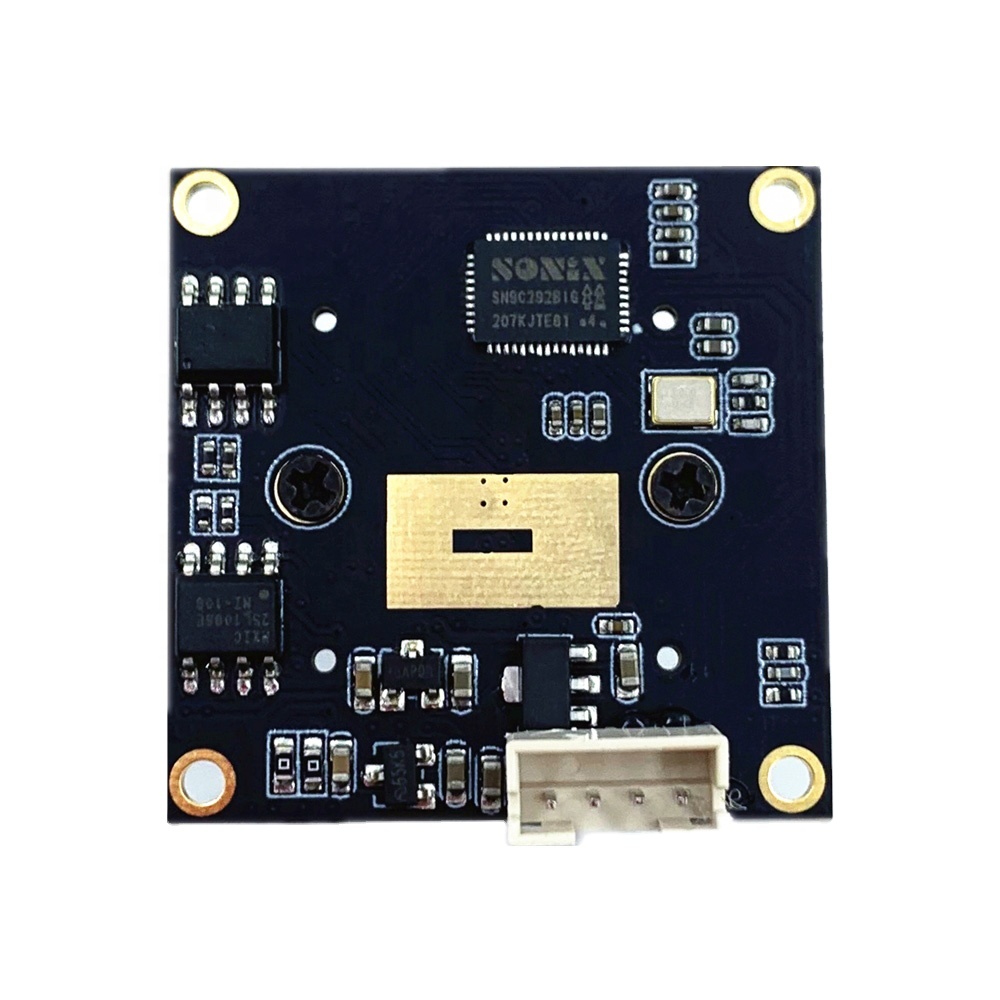
0.001Lux H.264 Rolling Shutter Starvis & WDR 2.0MP 1920*1080 32*32mm Color USB Camera Module Face Recognition for Video Wall
High-precision facial biometric capture card for Dutch government, airport transit terminals, and corporate video walls requiring high-fidelity image acquisition under harsh backlight.
- Sensor: Sony Starvis High Dynamic Range
- Hardware WDR: Dual-Exposure Real-Time ISP
- Algorithm Optimized: Biometric Liveness Verification
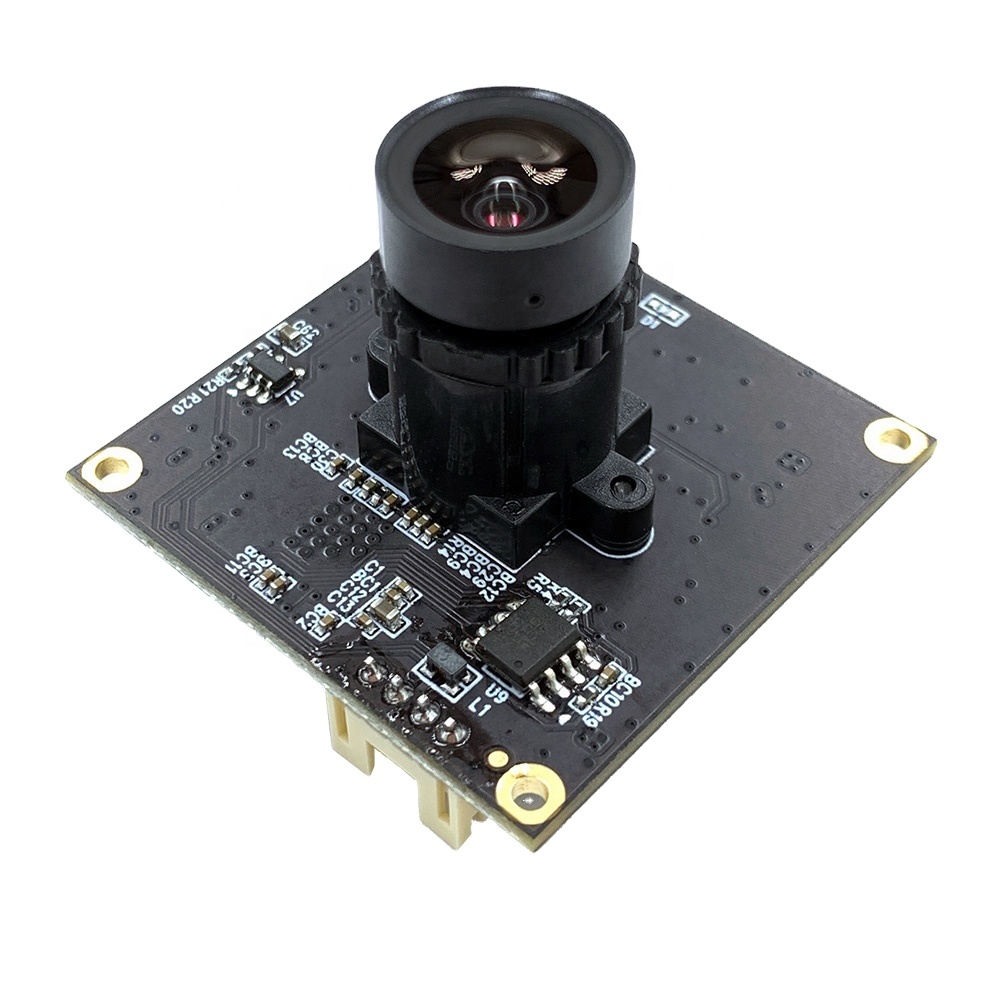
High Speed HDR 330fps 2.0MP 38*38mm USB Camera Module Wide Angle with 3.6mm Board Lens, Video Format Support YUY2 & MJPEG
Industrial-grade 330 FPS camera module engineered for high-speed automated sorting, industrial robotics, and packaging quality control in Schiphol Logistics Park facilities.
- Frame Rate: Up to 330 FPS High-Speed Capture
- Dynamic Range: Wide Dynamic Range HDR Support
- Lens: 3.6mm Low-Distortion Board Lens
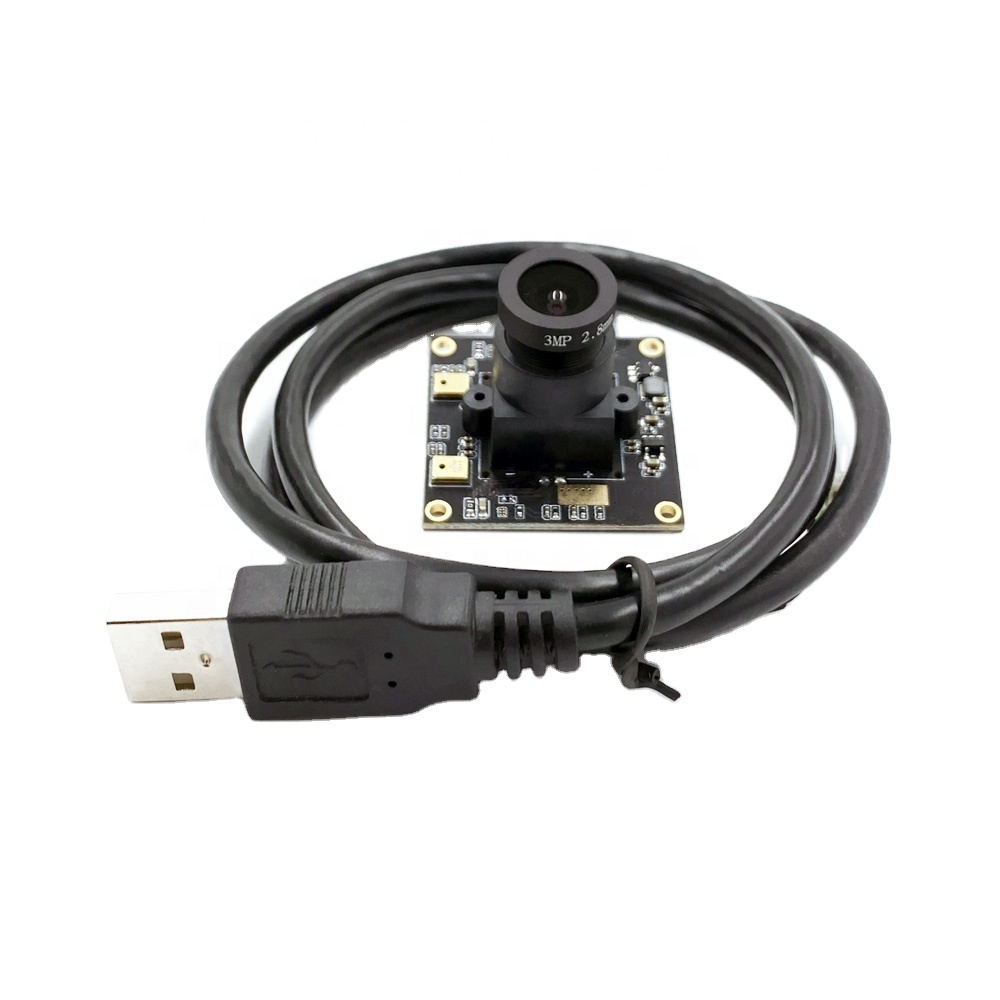
2.0MP 1920*1080 32*32mm Rolling Shutter 0.001Lux H.264 Starvis & WDR Color USB Camera Module for Food Self Order Kiosk
Purpose-built for Dutch hospitality, QSR, and self-ordering terminals. Delivers high contrast clarity under ambient indoor overhead lighting with low latency H.264 output.
- Sensitivity: Starlight 0.001 Lux Night Vision
- Size: 32×32mm Standard Kiosk Mounting
- Features: Hardware WDR & Anti-Glare Filter
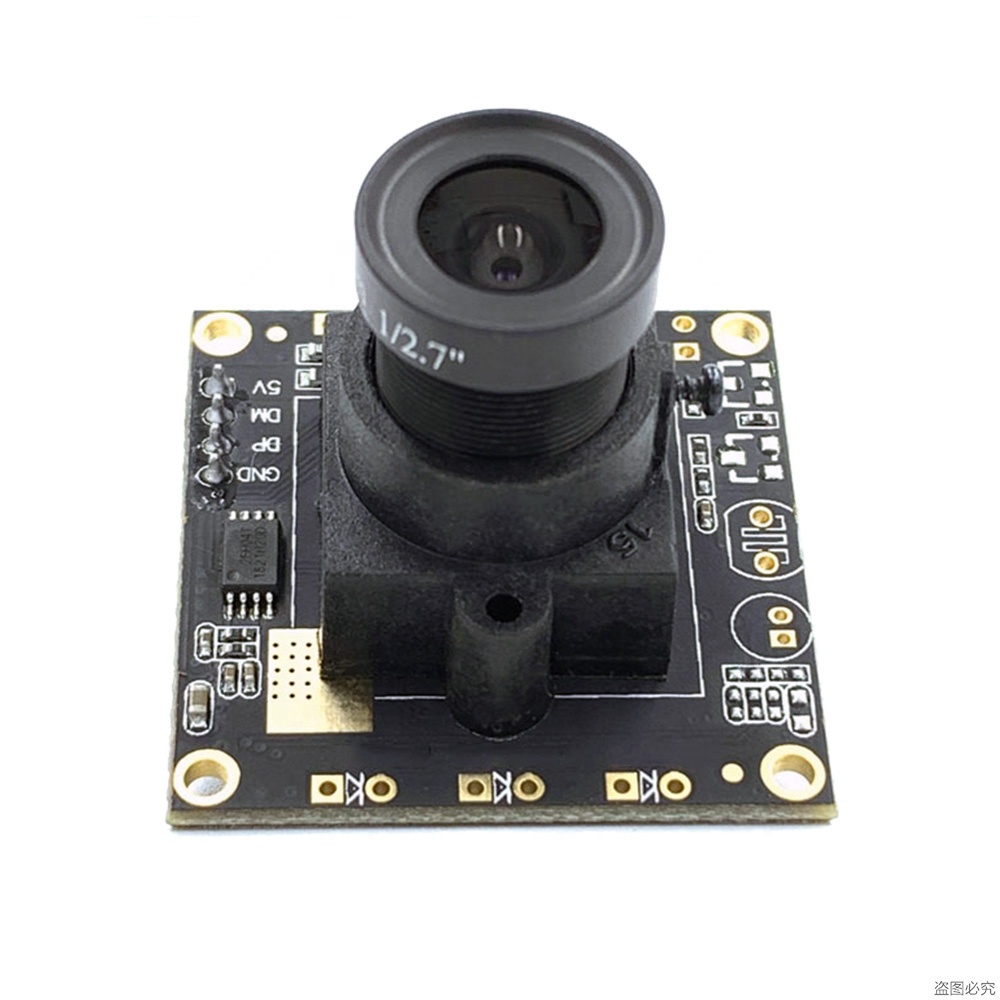
WDR 2.0MP 1920*1080 32*32mm Color USB Camera Module 1/2.7" AR0230 Onsemi CMOS for ATM KIOSK Scanning Machine Hot Sale
Industrial OnSemi AR0230 CMOS sensor with true digital WDR (up to 105dB). The premier selection for cash dispensers, ticketing machines, and banking terminals across Western Europe.
- Sensor: 1/2.7" OnSemi AR0230 High-Grade CMOS
- Dynamic Range: True WDR up to 105dB
- Operational Life: 24/7 Continuous Duty Cycle
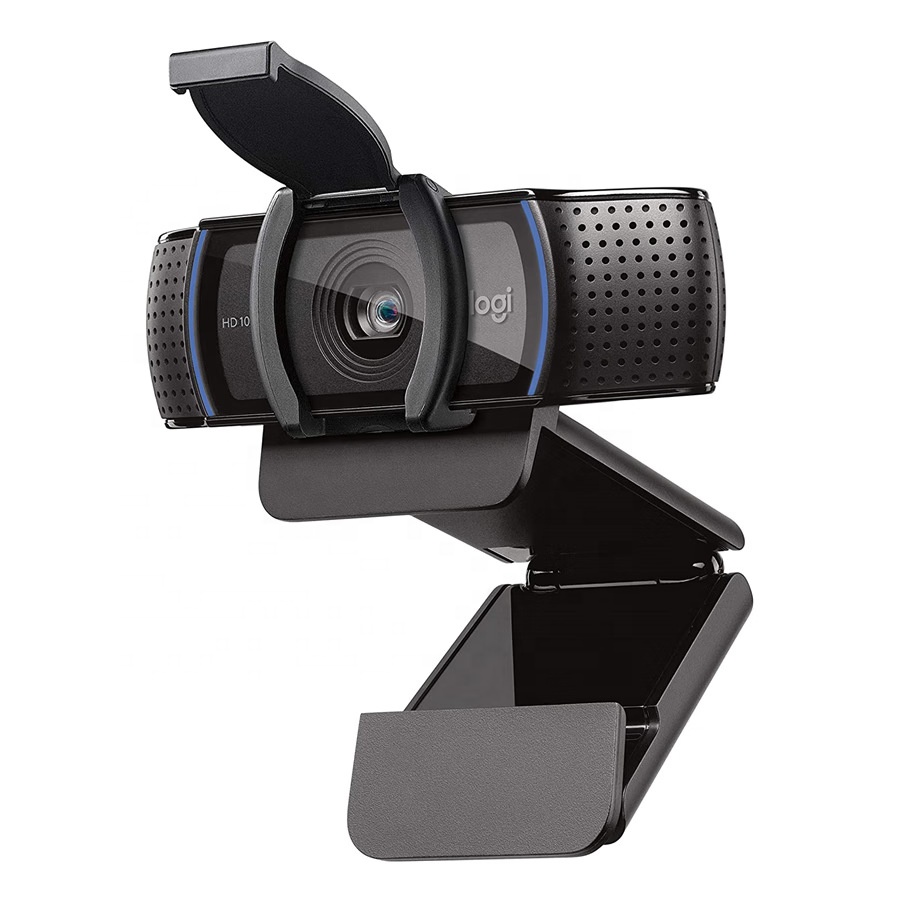
2MP FHD Color Autofocus USB Webcam Multi-Purpose Meeting Video Conference Call with 78° VFOV Dual Mics Privacy Shutter Shutters
GDPR-compliant video conferencing module featuring an integrated physical mechanical privacy shutter and noise-canceling dual stereo microphones for executive boardroom installations.
- Privacy: Integrated Mechanical Sliding Shutter
- Audio: Dual Digital Beamforming Microphones
- Field of View: 78° Precision Distortion-Free VFOV
Architectural Engineering of Embedded Vision Systems for Western European OEM Markets
As the European Union accelerates its digital transformation, machine vision has shifted from passive video capture to real-time, edge-processed data intelligence. Modern original equipment manufacturers (OEMs) and original design manufacturers (ODMs) serving North Holland, Amsterdam, and the wider Benelux region demand hardware engineered for stringent operational parameters. Key factors include variable lighting environments, high duty-cycle thermal tolerance, non-standard mechanical enclosures, and full compliance with European regulatory standards.
At Shenzhen Brekta Electronics Co., Ltd., our engineering core centers on solving the complex optical, electrical, and ISP (Image Signal Processing) challenges faced by system integrators. Operating out of our specialized R&D facilities in Shenzhen and Dongguan, our team leverages advanced CAD suites—including Protel and Allegro—to design custom PCB architectures. Whether converting legacy analog systems to high-speed UVC (USB Video Class) camera modules or engineering ultra-low lux Sony Starvis sensors for nighttime logistics, Brekta delivers information-rich imaging hardware built for zero-downtime reliability.
Sensor Architecture Deep Dive: Sony Starvis vs. OnSemi WDR vs. High-Speed CMOS
Selecting the optimal CMOS sensor requires balancing pixel pitch, quantum efficiency, dynamic range, and output protocol bandwidth. The table below outlines the core sensor paradigms deployed across our OEM module portfolio:
| Sensor Platform | Illumination Threshold | Dynamic Range (WDR) | Primary Target Application | Host Bus Standard |
|---|---|---|---|---|
| Sony Starvis IMX291 / IMX335 | 0.0001 to 0.001 Lux | Hardware WDR (Up to 120dB) | Outdoor ATM Kiosks, Peephole, Night Security | UVC USB 2.0 / RTSP IP / PoE |
| OnSemi AR0230 / OV Sensor | 0.01 to 0.1 Lux | Digital WDR (Up to 105dB) | Banking Terminals, Document / QR Scanning | USB 2.0 (MJPEG / YUY2) |
| High-Speed Global/Rolling Shutter | 0.1 to 1.0 Lux | Standard Dynamic Range (HDR) | Industrial Robotics, High-FPS Package Inspection | High-Bandwidth USB 2.0 / 3.0 |
Localized Application Scenarios in Amsterdam & Benelux Markets
Custom-engineered optical modules tailored for the specific technical infrastructure and deployment demands of the Greater Amsterdam area.
1. Automated Financial Terminals & ATM Kiosks (Geldmaat Network)
The consolidation of Dutch banking self-service points under unified networks like Geldmaat requires specialized camera modules. Our 32x32mm AR0230 OnSemi WDR camera modules fit into compact fascias, delivering clear facial imagery without washouts caused by low winter sun angles or high-contrast street reflections in Amsterdam City Centre.
2. AI Self-Checkout & Unmanned Micro-Retail
Dutch supermarket innovations and autonomous grab-and-go kiosks around the Zuidas business district rely on 4K Auto-Focus USB camera modules. Featuring high frame rate macro focusing, these cameras quickly read QR codes, identify produce without barcodes, and verify shopper liveness, accelerating transaction throughput.
3. Logistics & Automated Freight Handling at Schiphol Airport
In logistics hubs near Amsterdam Airport Schiphol, high-speed 330 FPS camera modules provide automated barcode scanning, package dimensioning, and defect detection on fast-moving conveyor belts. UVC compliance ensures effortless integration into Linux-based ROS (Robot Operating System) frameworks.
4. EV Charging Infrastructure & Smart Parking Guidance
With Amsterdam leading Europe in EV charging density, charging stations and automated parking garages use wide-angle Starvis low-lux cameras. These units operate reliably in rain, fog, or dark underground structures, assisting with license plate recognition (ANPR) and automated cable docking.
5. Smart Residential Peepholes & Multi-Tenant Intercoms
Historic residential buildings in Amsterdam Oud-West and De Pijp demand discreet security hardware. Brekta’s 15x15mm mini square USB and Tuya WiFi peephole cameras bring 170-degree fisheye coverage and invisible 940nm IR illumination to compact door frames without altering building exteriors.
6. Waterway Monitoring & Environmental Telemetry
For municipal canal monitoring and automated watercraft guidance along the IJ river, our IP67-rated endoscope and bullet IP modules capture detailed visual telemetry under constant moisture exposure and variable water light conditions.
Precision Manufacturing & Quality Control Infrastructure
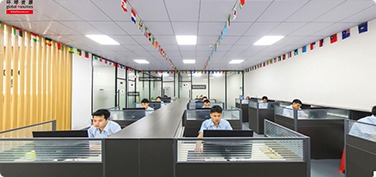
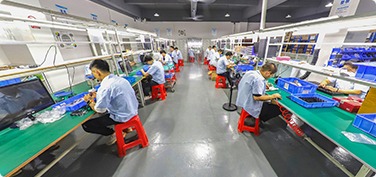
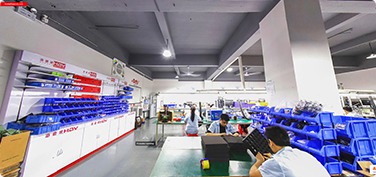
Every camera module leaving Brekta facilities undergoes rigorous multi-stage quality assurance. Components are pre-inspected before SMT assembly, followed by automated optical alignment, high-temperature burn-in, and full image quality calibration. This meticulous process ensures consistent performance across single evaluation units and full production runs.

Emerging Market Trends Driving Camera Module Selection in Benelux
1. Hardware-Level GDPR Compliance & Edge Processing: European data privacy laws have prompted a shift from continuous cloud streaming to local processing. Dutch integrators increasingly select camera modules featuring onboard ISP cropping, region-of-interest dynamic masking, and optical privacy shutters. This allows edge AI platforms to process visual data locally while keeping personal identifiers protected.
2. Standardized UVC Driverless Integration: Modern Linux industrial controllers, Android kiosks, and Windows IoT enterprise platforms require true UVC compliance. Eliminating external driver dependencies accelerates software integration, simplifies kernel updates, and reduces system maintenance overhead across distributed device networks.
3. Demand for Low-Light Color Performance: Netherlands weather conditions—characterized by frequent overcast skies, rain, and short winter daylight hours—make standard monochrome night vision insufficient. High-sensitivity Sony Starvis back-illuminated pixel architecture provides full-color video down to 0.001 Lux, maintaining visual clarity without heavy reliance on power-consuming external infrared illuminators.
4. Sustainable Hardware Lifecycle & Modular Repairability: In line with Dutch circular economy policies, equipment manufacturers favor modular component designs. Brekta’s standardized board sizes (15x15mm, 32x32mm, 38x38mm) and detachable lens mounts (M12 / C / CS) allow field engineers to replace or upgrade optical components without swapping out entire host terminal assemblies.
Full Regulatory Certification for EU Customs & Deployment Compliance
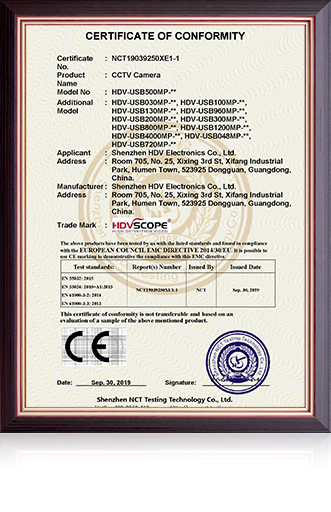
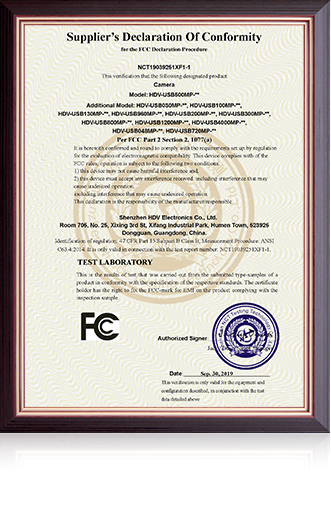
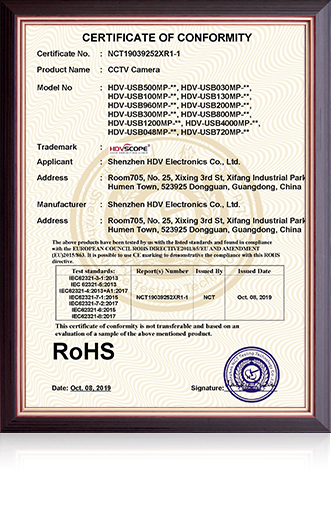
Importing hardware into the Netherlands requires strict compliance with European directives. Brekta camera modules maintain official CE, FCC, and RoHS certifications, facilitating smooth customs clearance at Port of Rotterdam and Schiphol Logistics Hub.
Frequently Asked Questions for Dutch Procurement & Engineering Teams
Direct technical and logistical answers regarding sample procurement, lead times, customization, and local support in Amsterdam.
Accelerate Your Embedded Vision Project in Amsterdam
Whether you are developing next-generation AI self-checkout systems, updating ATM terminal networks, or building high-speed logistics inspection setups, Brekta provides the hardware engineering expertise, custom manufacturing, and regulatory compliance required for success in the Netherlands.