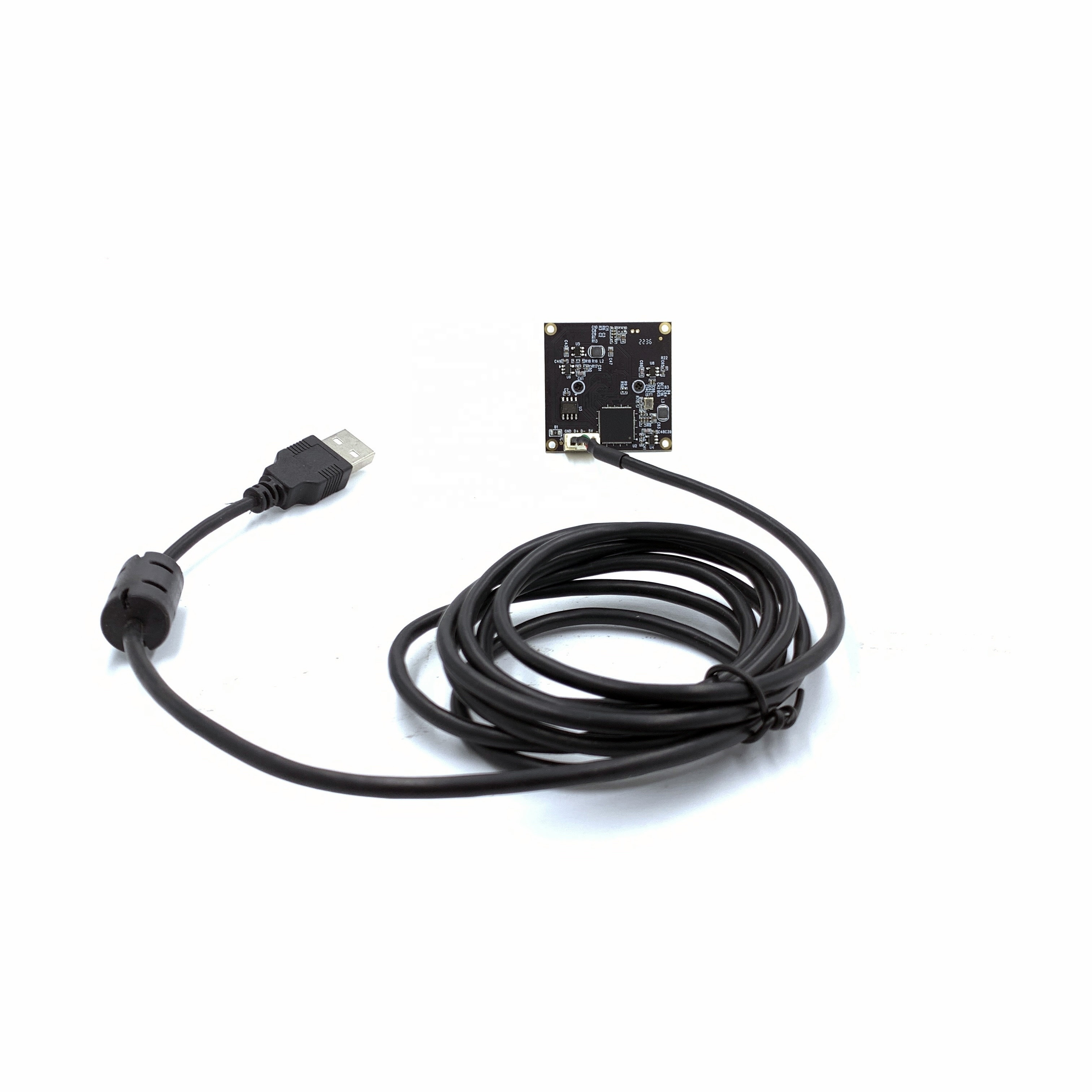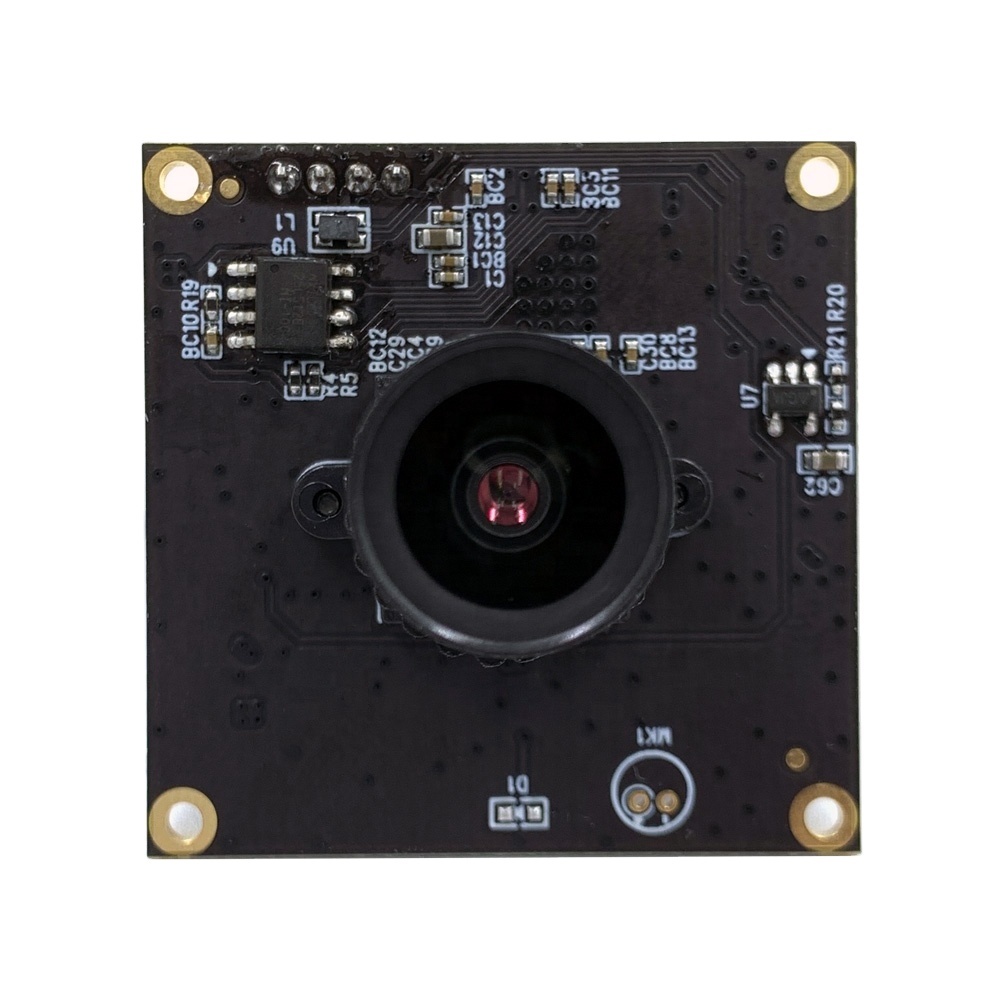
JIS-Compliant Machine Vision Engineering

OEM/ODM Industrial Vision Camera Factory & Exporters for Japan

High-Speed (330FPS), Sony Starvis Low-Lux & Onsemi WDR USB/IP Camera Modules Tailored for Japanese Factory Automation, Robotics, & Smart Self-Service Terminals.

High-Precision Camera Modules for Japanese Integrators

Engineered for seamless integration with Linux, Windows, ROS, and Android industrial platforms. Browse our core OEM vision modules below.
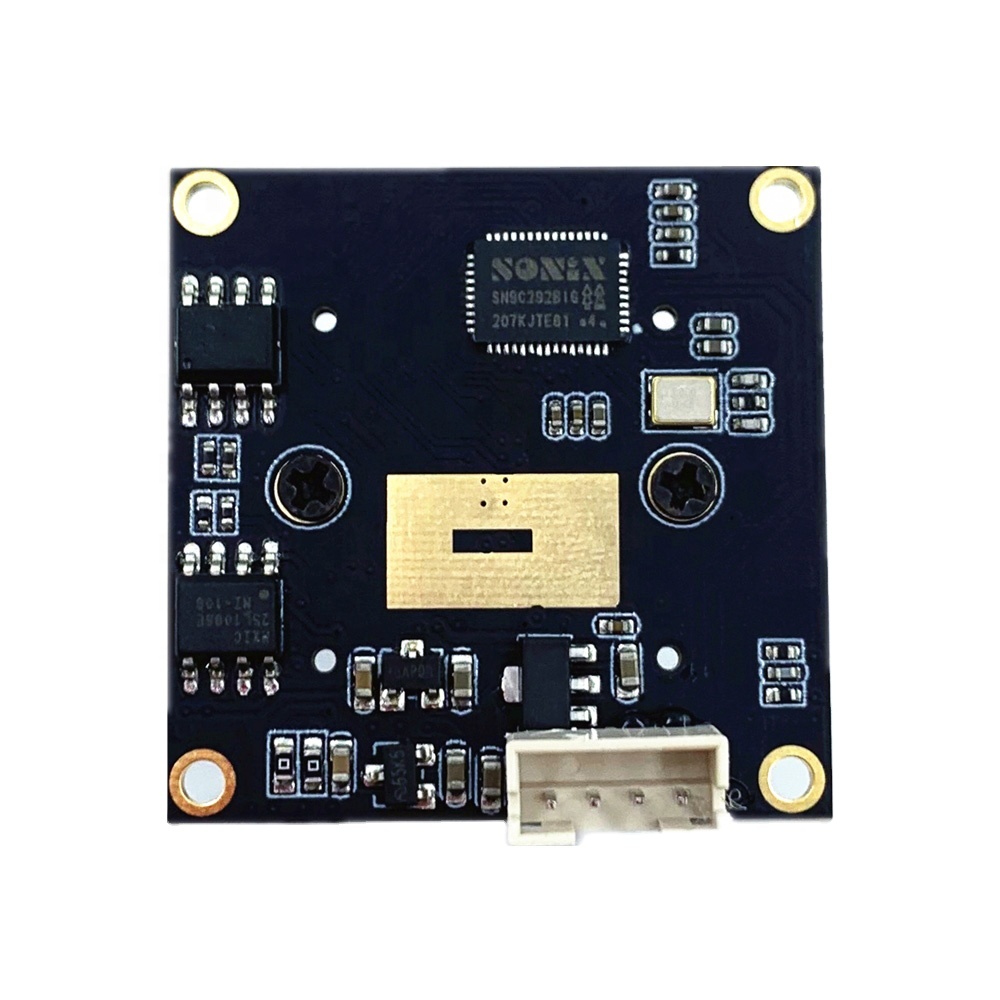
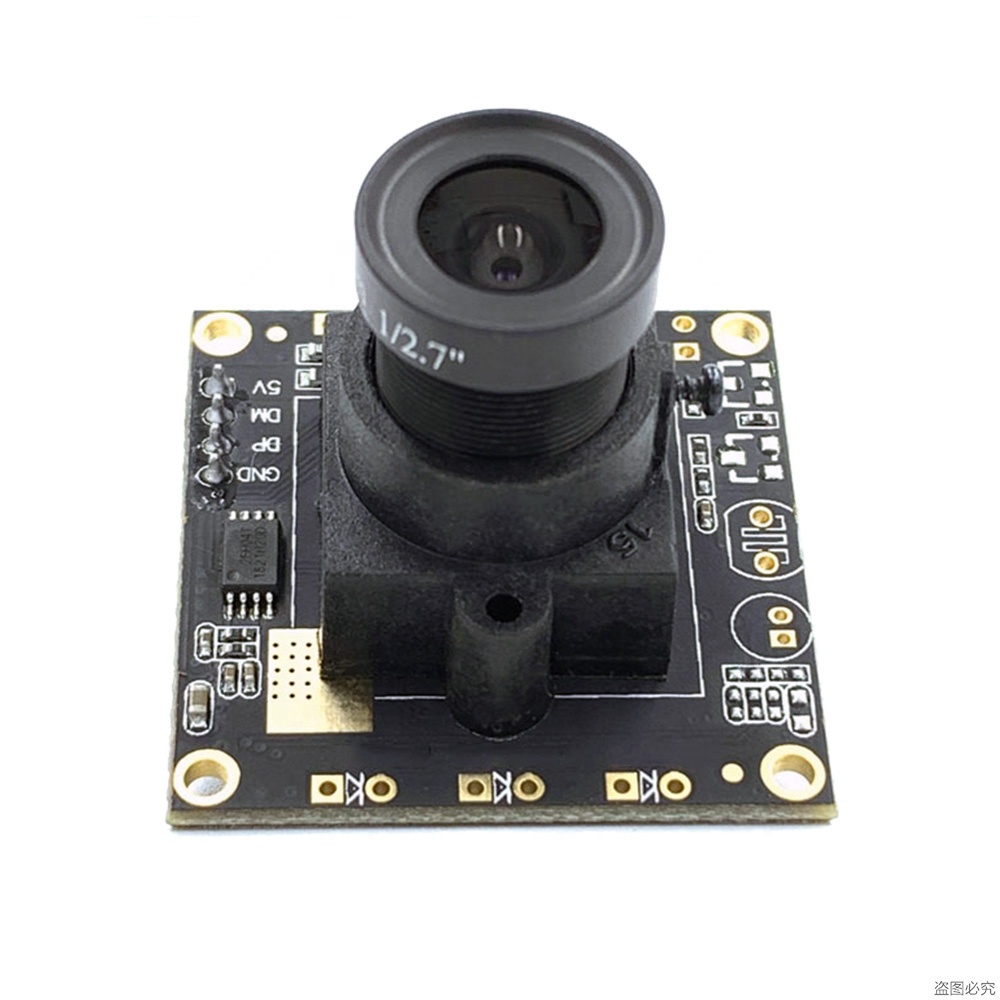
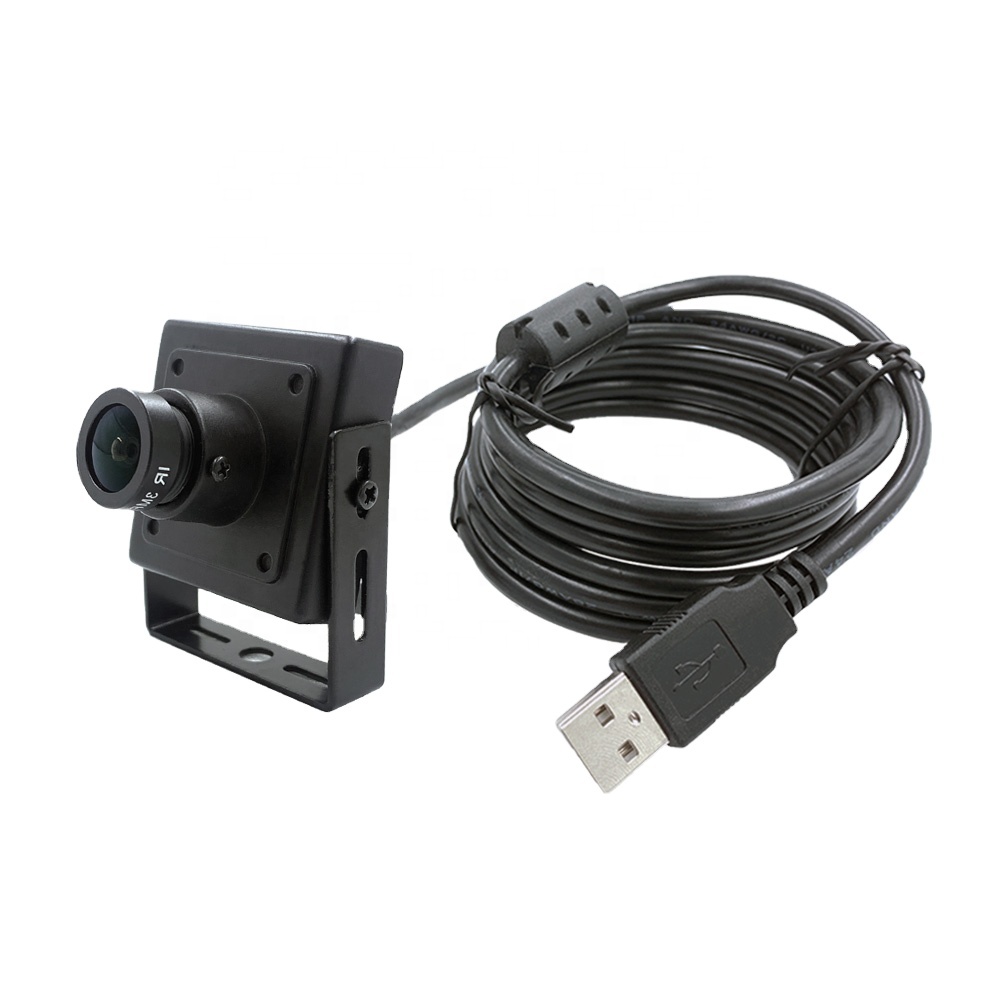
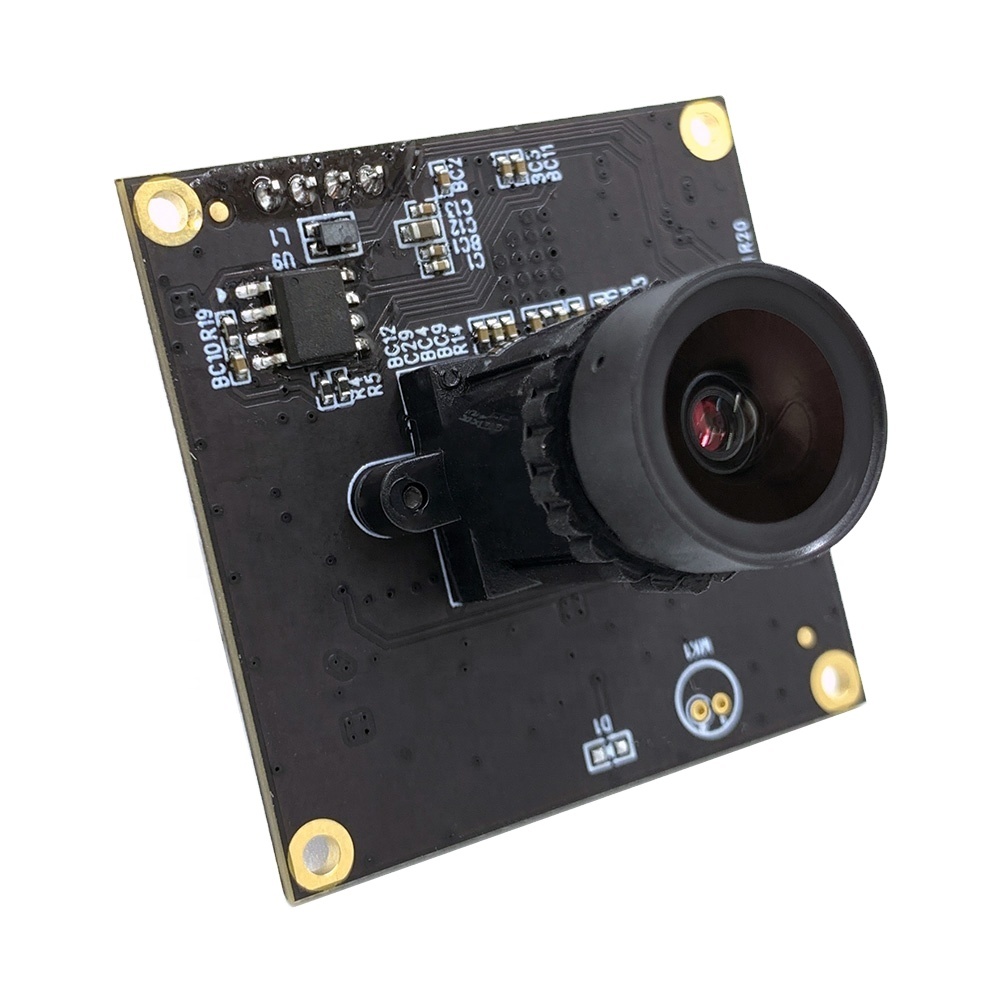
High Speed HDR 2.0MP 330fps Wide Angle USB Camera Module
High Frame Rate · 330 FPS

High Speed HDR 2.0MP 1920*1080 38*38mm 330fps High Frame Rate Color Wide Angle USB Camera Module with 2.8mm Board Lens

View Specs
0.001Lux Starvis Rolling Shutter WDR USB Camera Module
Sony Starvis · Low Lux

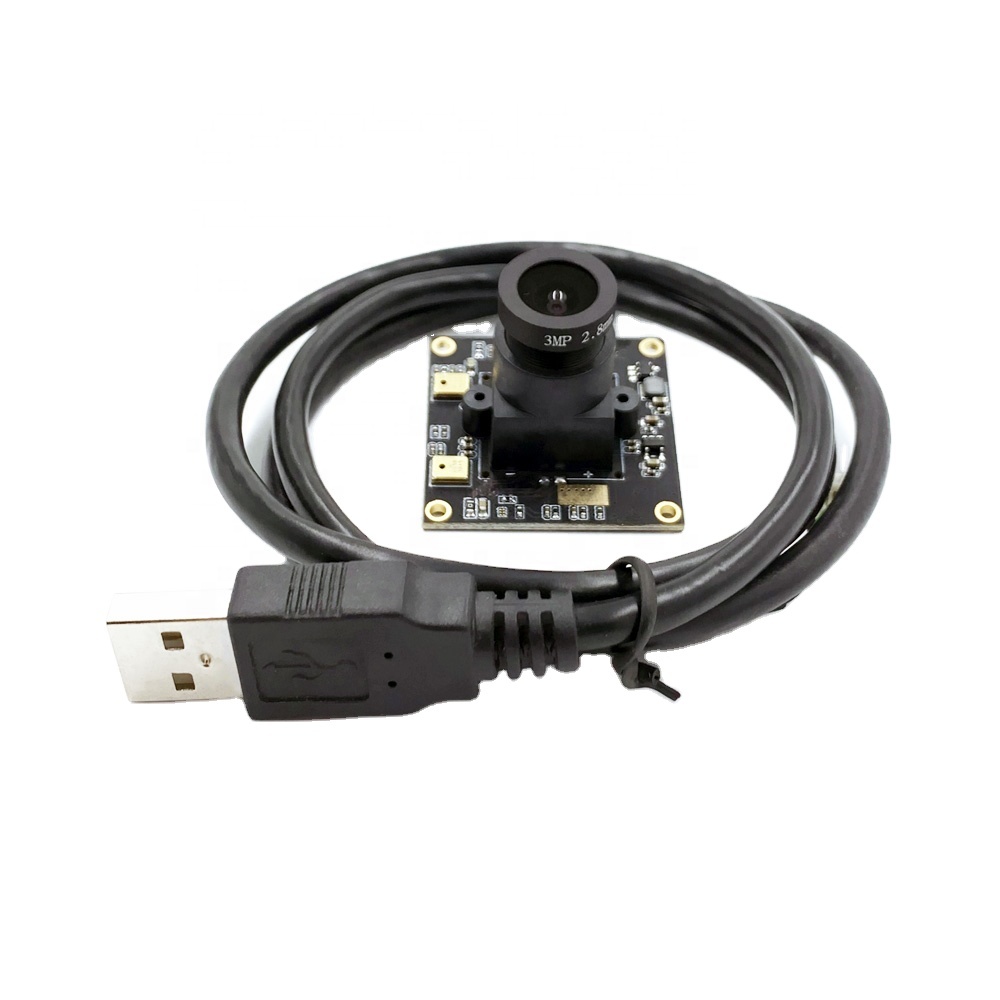
0.001Lux H.264 Rolling Shutter Starvis & WDR 2.0MP 1920*1080 32*32mm Color USB Camera Module Face Recognition for Video Wall

View Specs
WDR 2.0MP AR0230 Onsemi CMOS USB Camera Module
Onsemi AR0230 · ATM / Kiosk

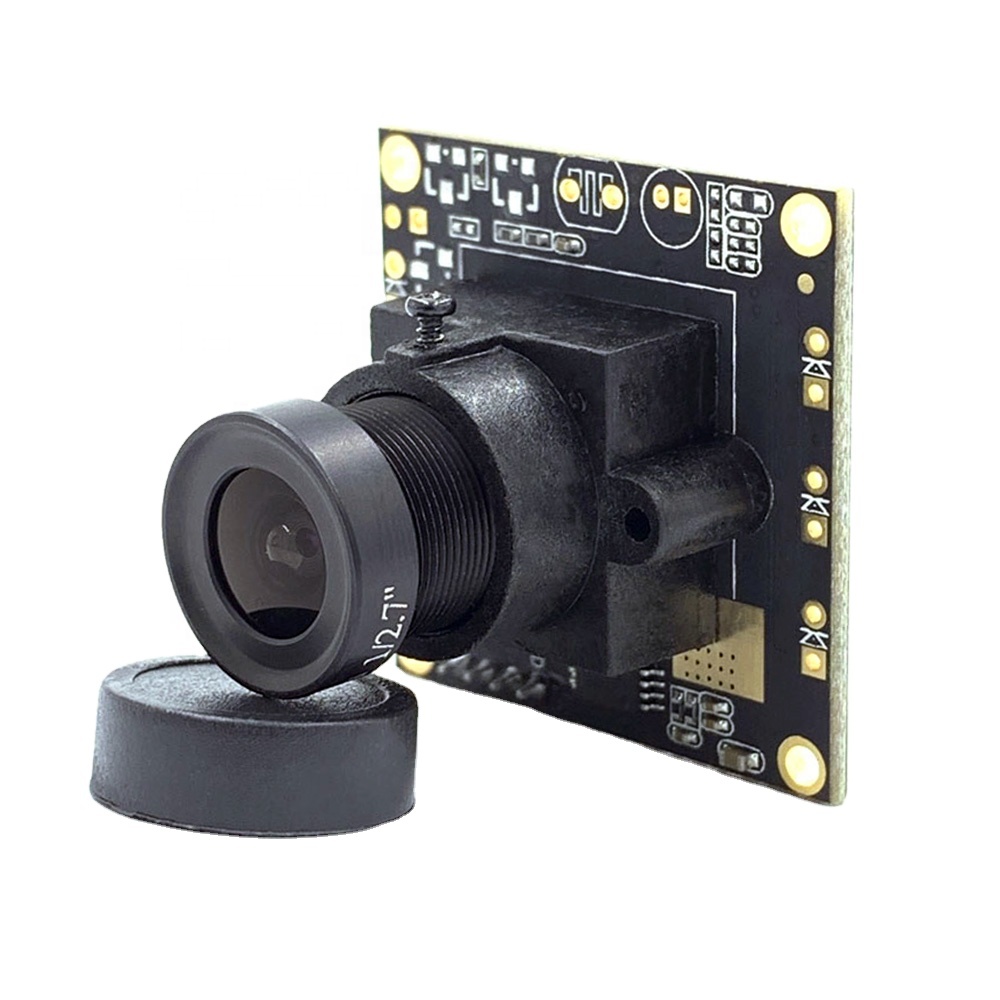
WDR 2.0MP 1920*1080 32*32mm Color USB Camera Module 1/2.7" AR0230 Onsemi CMOS for ATM KIOSK Scanning Machine Hot Sale

View Specs
HD 720P Low Lux UVC Mini USB Camera Module
Ultra Compact · UVC Plug & Play

HD 720P 0.1 Low Lux UVC 2.1mm Wide-angle Lens MINI USB Camera Kiosk VTM CRS ATM Intelligent Machine Camera Module

View Specs
Customized High Speed HDR 330fps USB Camera Module
Custom Optical · 2.1mm Lens

Customized High Speed HDR 330fps 2.0MP 38*38mm High Frame Rate USB Camera Module Wide Angle with 2.1mm Board Lens

View Specs
H.264 Rolling Shutter Starvis WDR Camera Module
H.264 Hardware Compression

H.264 Rolling Shutter Starvis & WDR 0.001Lux 2.0MP 1920*1080 32*32mm Color USB Camera Module for Door Bell and Button System

View Specs
1080P Onsemi AR0230 WDR USB Camera Module
Industrial IT & IoT Solutions

1920*1080 32*32mm AR0230 Onsemi CMOS WDR 2.0MP Color USB Camera Module for Information Technology Solutions

View Specs
High Frame Rate 330fps Narrow Angle USB Camera Module
Narrow Angle · High Precision

2.0MP 1920*1080 38*38mm High Speed HDR 330fps High Frame Rate Color Narrow Angle USB Camera Module with 3.7mm Lens

View Specs
13+
Years Manufacturing Excellence
330 FPS
Ultra High-Speed Imaging
0.001 Lux
Sony Starvis Starlight Sensitivity
24 Months
Global Extended Warranty

Technical White Paper: Tailoring Embedded Machine Vision Hardware for Japan’s Automation Industry

Japan’s industrial ecosystem is undergoing an unprecedented transformation driven by the national Society 5.0 initiative and severe demographic shifts (Shoshikoka). To maintain global competitiveness, Japanese manufacturers in Tokyo, Nagoya, Osaka, and Kyushu are rapidly automating production lines, logistics nodes, and self-service financial terminals. Central to this automated revolution is high-reliability machine vision hardware.

As a specialized OEM/ODM Industrial Vision Camera Factory based in Guangdong with dedicated engineering export channels to Japan, Shenzhen Brekta Electronics bridges the gap between ultra-compact sensor engineering and the stringent quality benchmarks expected by Japanese System Integrators (SIs) and Original Equipment Manufacturers (OEMs).

1. Critical Engineering Parameters required by Japanese Machine Vision Architects

Industrial vision systems deployed in Japanese factory floors require far more than high megapixel counts. Japanese optics engineers prioritize four key pillars: frame rate stability, low-light signal-to-noise ratio (SNR), Wide Dynamic Range (WDR), and long-term thermal resistance.

  • High Frame Rate Motion Capture (Up to 330 FPS): Traditional 30fps or 60fps USB webcams introduce severe motion blur when monitoring high-speed conveyers, automated component placement, or spinning mechanical assemblies. Our 330fps 1080P high-frame-rate USB camera modules capture sub-millisecond motion, enabling precise automated optical inspection (AOI) without slowing down manufacturing throughput.
  • Sony Starvis Back-Illuminated Pixel Technology (0.001 Lux): Industrial enclosures, dark warehousing, and outdoor self-service kiosks frequently operate under variable or near-zero illumination. Employing Sony Starvis sensors (such as the IMX291) guarantees crisp color reproduction down to 0.001 Lux, eliminating the need for high-power external strobe lighting that generates excessive heat inside sealed Japanese machine enclosures.
  • Hardware WDR via Onsemi AR0230 (Up to 105dB): ATMs, financial VTMs, and ticketing kiosks installed in brightly lit Japanese train stations or glass-fronted lobbies suffer from extreme backlighting. Our Onsemi AR0230 CMOS modules feature multi-exposure staggered WDR, ensuring facial features and document scans remain clear regardless of ambient glare.
  • Driverless UVC Protocol Compliance: Operating system lock-in is a significant hurdle. Our USB vision modules adhere strictly to the USB Video Class (UVC) standard, functioning driver-free across industrial PC environments running Ubuntu Linux, Windows 10/11 IoT Enterprise, ROS (Robot Operating System), and Android.
Feature Spec High Speed 330FPS Series Sony Starvis Low-Lux Series Onsemi AR0230 WDR Series
Primary Target Sensor High-Frame-Rate Color CMOS Sony Starvis IMX291 / IMX323 1/2.7" Onsemi AR0230 CMOS
Max Frame Rate 1920x1080 @ 330 FPS 1920x1080 @ 30 FPS / 60 FPS 1920x1080 @ 30 FPS
Illumination Threshold 0.1 Lux (Color) 0.001 Lux (Ultra Starlight) 0.01 Lux
Dynamic Range Digital HDR (up to 85dB) Software WDR (80dB) Hardware WDR (Up to 105dB)
PCB Dimensions 38x38mm (Customizable FPC) 32x32mm / 38x38mm 32x32mm Compact Single Board
Japanese Application Focus High-Speed AOI, Robotics Pick-and-Place 24/7 Security Walls, Low-Light Kiosks ATM, VTM, Smart Retail & Scanning Kiosks

Localized Machine Vision Applications Across Japan’s Industrial Prefectures

Our OEM/ODM vision camera modules are engineered to satisfy the rigorous operational demands of specific regional industrial clusters throughout Japan.

Automotive & Mechatronics Assembly (Aichi / Nagoya Region)

Nagoya and the broader Chubu economic zone host world-leading automotive production facilities. Our 330FPS high-frame-rate 38x38mm USB cameras are widely integrated into robotic arm end-effectors, high-speed fastener inspection cells, and engine block traceability systems, ensuring zero visual latency during fast movement.

Semiconductor & Electronics Manufacturing (Kyushu / Saitama)

In Japan’s "Silicon Island" (Kyushu) and the precision electronics clusters of Saitama, board space inside inspection machinery is at a premium. Our ultra-compact 32x32mm Onsemi AR0230 WDR modules fit effortlessly into automated optical inspection (AOI) equipment for wafer positioning, alignment verification, and micro-Solder inspection.

Smart Financial Terminals & Kiosks (Greater Tokyo / Osaka)

Japan’s major transit systems and banking networks demand ultra-reliable identity verification cameras. Featuring hardware H.264 compression, WDR, and wide-angle low-distortion lenses (2.1mm / 2.8mm), Brekta’s camera modules power next-generation ATMs, Video Teller Machines (VTM), face-recognition gates, and ticket vending systems in Tokyo and Kansai.

Macro Market Trends Driving Camera Module Sourcing in Japan

Procurement teams and machine vision engineers in Japan follow strict sourcing guidelines known for emphasizing Monozukuri (craftsmanship and quality assurance). Understanding these local purchasing drivers is why Brekta has become a trusted partner for Japanese industrial exporters:

1. Accelerated Shift to Edge-Processed Embedded Vision

Japanese machine builders are moving away from traditional, bulky industrial GigE cameras requiring power-hungry desktop host PCs. The modern trend favors low-power, direct-bus USB3/USB2 UVC camera modules embedded directly into compact IPCs (Industrial PCs) or ARM-based edge AI devices (such as NVIDIA Jetson and Raspberry Pi Industrial platforms).

2. Stringent Environmental & Compliance Standards

Exporting industrial finished products out of Japan requires strict compliance with international and local environmental regulations. All Brekta industrial vision camera modules are certified to comply with CE, FCC, and RoHS directives, featuring halogen-free PCBs, low power consumption, and REACH-compliant component supply chains.

3. Request for Flexible Low-MOQ Prototyping

Japanese engineering design cycles involve multiple iterative testing stages (EVT/DVT/PVT). Unlike rigid manufacturers that impose high minimum order quantities, Brekta supports Japanese OEMs with sample orders starting from 1 piece, accompanied by full CAD step files, lens distortion curves, and direct engineering consultation.

Shenzhen Brekta Electronics: Enterprise Advantages for Japanese Partners

Shenzhen Brekta Electronics Co., Ltd. operates state-of-the-art manufacturing lines in Shenzhen and Dongguan, China, specializing exclusively in micro USB, IP, and analog HD vision hardware. Our structural engineering superiority guarantees seamless adaptation for Japanese client designs:

  • Advanced Hardware CAD Engineering: Our in-house layout engineers utilize professional EDA suites including Protel and Allegro to design custom multi-layer PCBs, custom flexible printed circuits (FPC), and specialized board geometry (15x15mm mini square, 32x32mm, 38x38mm, or dual-sensor pinhole arrangements).
  • Optical Customization & Precise Focus Calibration: We offer a vast selection of optical lens choices, including M12 board lenses, CS mounts, 2.1mm wide-angle distortion-free glass, and 1.7mm fisheye options. Each module undergoes rigorous Modulation Transfer Function (MTF) chart optical alignment during SMT and final assembly.
  • Multi-Stage Quality Control: To meet the zero-defect expectation of Japanese buyers, 100% of finished camera modules undergo high-temperature burn-in testing, image noise analysis, USB connection stability checks, and physical connector strain testing prior to export shipment.
  • 24-Month Warranty & Technical Response: All standard and customized vision modules are backed by a comprehensive 24-month factory warranty, lifetime technical firmware support, and guaranteed fast inquiry response times (under 2 hours during business operations).

Frequently Asked Questions by Japanese Procurement & Integration Engineers

Key technical, logistics, and customization queries answered for system integrators importing vision hardware into Japan.

Q1: Are Brekta USB camera modules fully driverless on Japanese Linux/Windows industrial PCs?
Yes. All our USB vision camera modules strictly comply with standard UVC (USB Video Class) protocols. They operate plug-and-play without installing third-party drivers on Windows 10/11 IoT Enterprise, Ubuntu/Debian Linux, Android, macOS, and ROS (Robot Operating System). They support standard video capture frameworks such as OpenCV, DirectShow, V4L2, and ffmpeg.
Q2: Can you customize the PCB dimensions, FPC cable length, and connector pinouts for Japanese machinery?
Absolutely. Customization is our core competency. Our engineering team routinely customizes PCB substrate dimensions (e.g., shrinking standard 38x38mm down to 32x32mm or 15x15mm), tailors FPC ribbon cables to specific lengths, integrates custom JST/Molex connectors, and modifies firmware parameters (such as default exposure, gain, auto-focus speed, or USB Product ID/Vendor ID).
Q3: What certifications and regulatory compliance documentation do you provide for export to Japan?
Our products are certified to CE, FCC, and RoHS standards. We provide official test reports, certificates of conformance (CoC), material compliance declarations (REACH), and full customs documentation necessary for seamless clearance through Japanese customs facilities in Narita, Haneda, Kansai, or Nagoya ports.
Q4: Why choose a 330FPS high-speed camera module over standard 30fps webcams for factory automation?
Standard 30fps or 60fps cameras suffer severe frame smearing and inter-frame image distortion when monitoring fast-moving objects on automated conveyor lines. A 330FPS high-frame-rate camera module exposes and outputs 330 individual frames per second, allowing AI vision algorithms and OCR engines to analyze crystal-clear, freeze-frame details without halting the production line.
Q5: How does Brekta maintain long-term supply stability for key sensors like Sony Starvis and Onsemi AR0230?
We maintain long-term direct sourcing channels with authorized component distributors for Sony, Onsemi, OmniVision, and SmartSens CMOS sensors. For Japanese OEM programs with 3-to-5 year lifecycle requirements, we provide End-Of-Life (EOL) advance notifications and safety stock buffer management to guarantee uninterrupted production runs.
Q6: What is the sample lead time and bulk order production turnaround time for Japanese orders?
Standard in-stock camera samples are dispatched within 1 to 3 business days via air express (DHL/FedEx/UPS), delivering to major Japanese prefectures in 2 to 4 days. Custom OEM board samples typically take 10 to 15 working days depending on PCB fabrication and tooling complexity. Mass production orders are fulfilled within 2 to 3 weeks.

Accelerate Your Machine Vision Integration Project

Partner with an experienced OEM/ODM vision camera manufacturer trusted by international system integrators. Request full engineering datasheets, CAD step files, or evaluation samples today.

Get Catalog