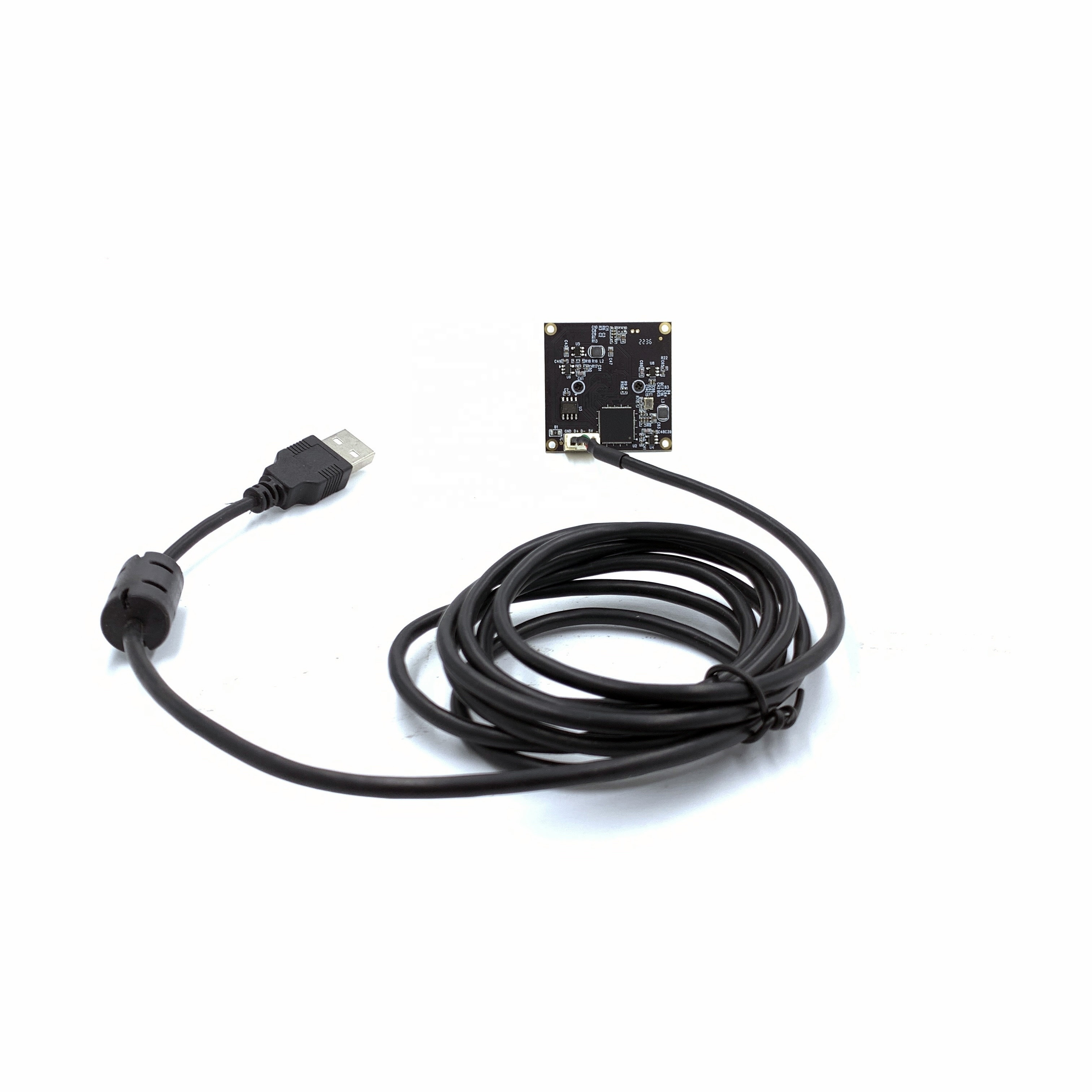
Featured Industrial Pinhole & Miniaturized Camera Modules
Engineered for seamless integration into space-constrained host systems, high-speed vision inspection, low-light marine observation, and autonomous kiosks.
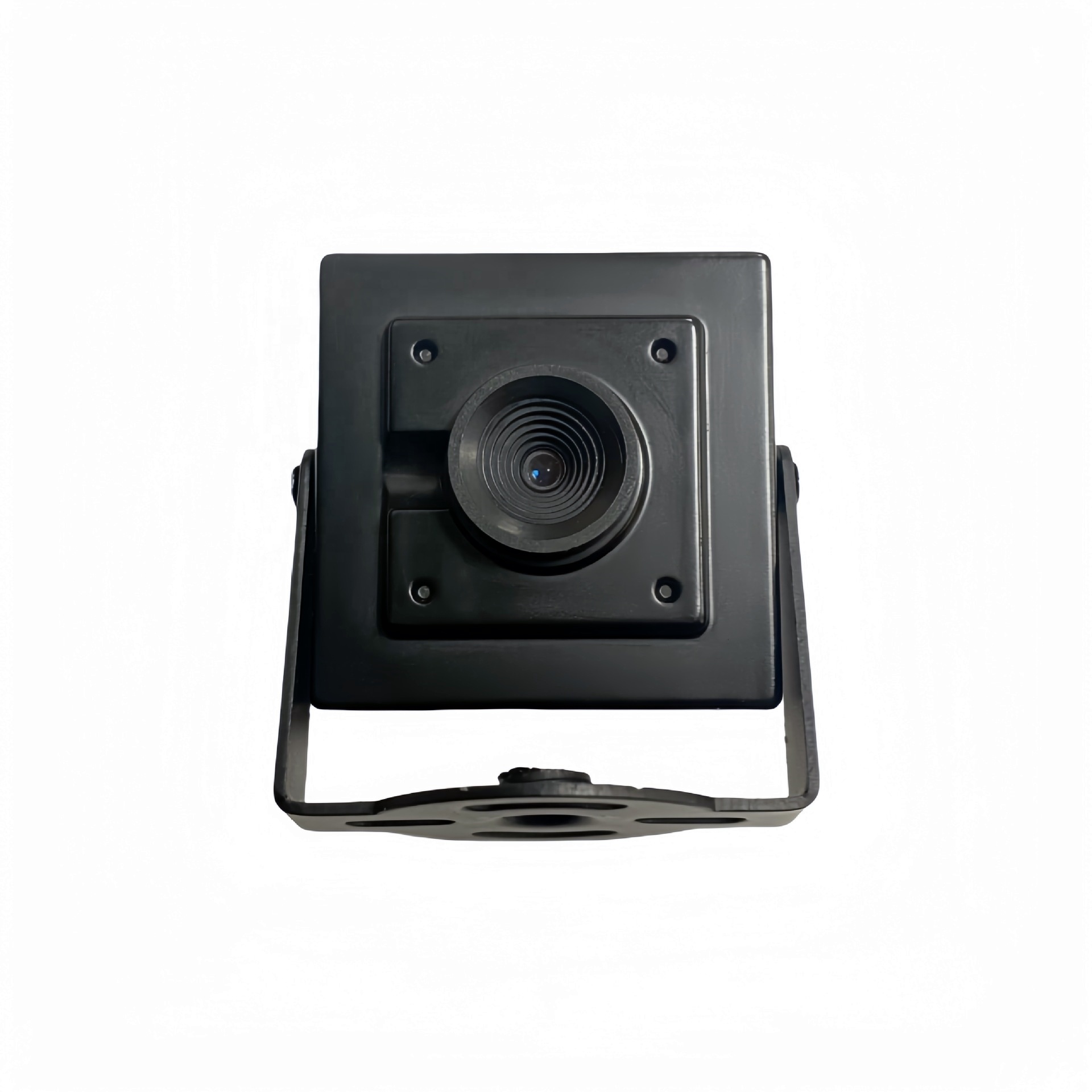
High Speed Auto Focus 4K UHD CMOS 12MP Color USB Camera Module for AI Self Check Out Retail Application Security Solution
View Product Details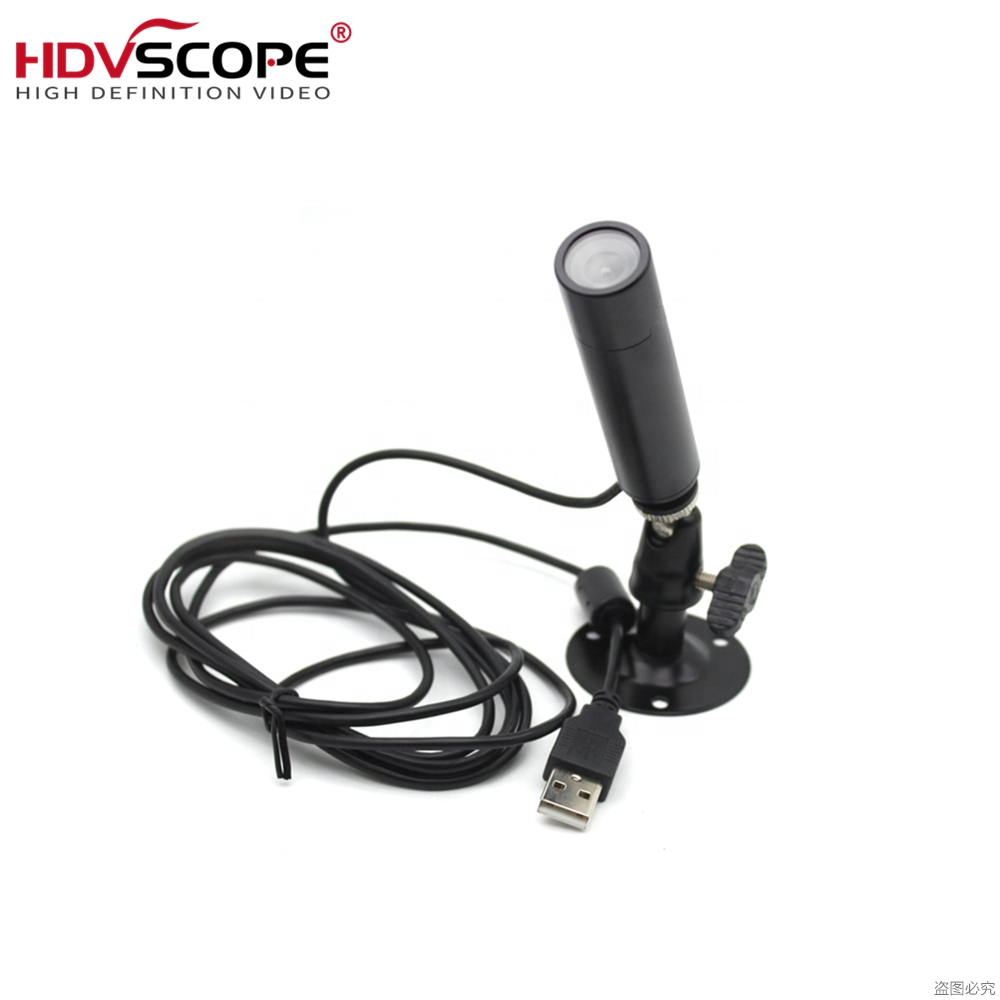
2MP 1/2.7" CMOS USB Camera 2.8mm Board Lens Waterproof IP67 Mini Bullet/Snake/Endoscope/Lipstick 1920*1080 Diameter 20mm CCTV
View Product Details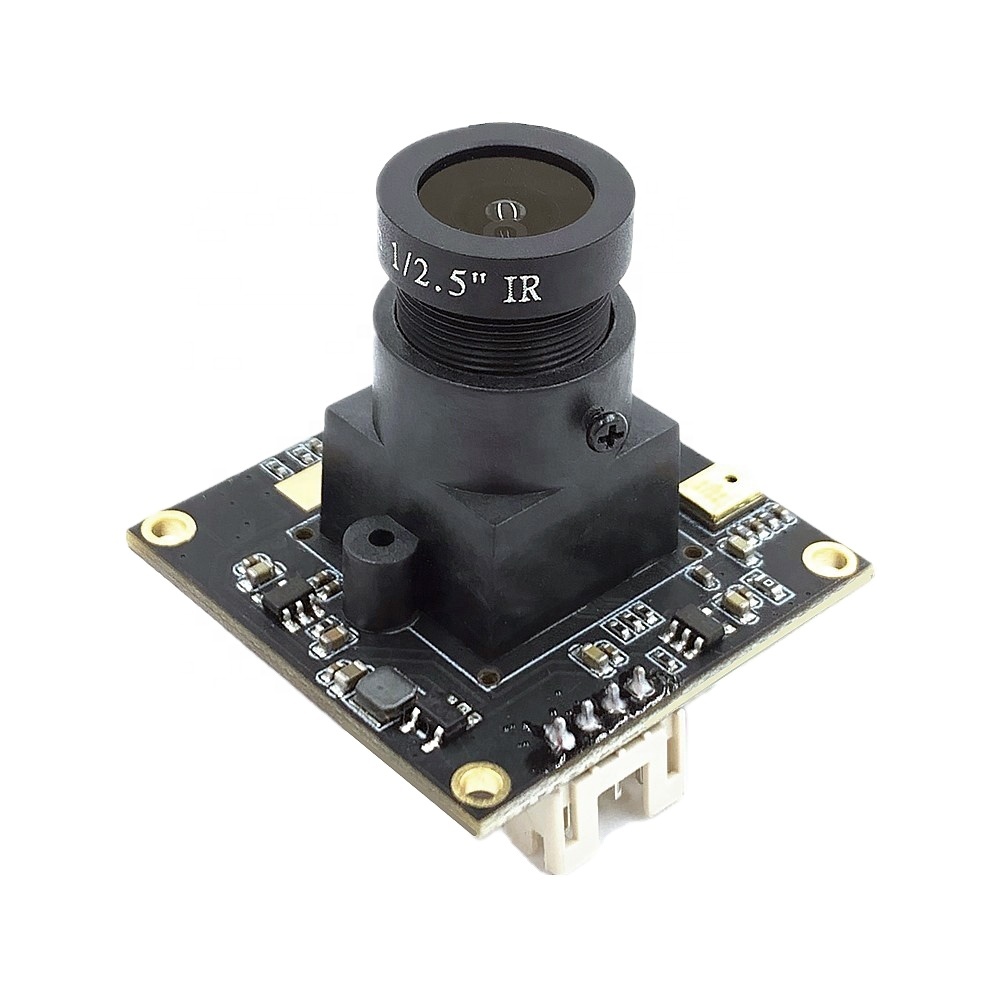
Rolling Shutter 0.001Lux H.264 Starvis & WDR 2.0MP 1920*1080 32*32mm Color USB Camera Module for Voting System Exam System
View Product Details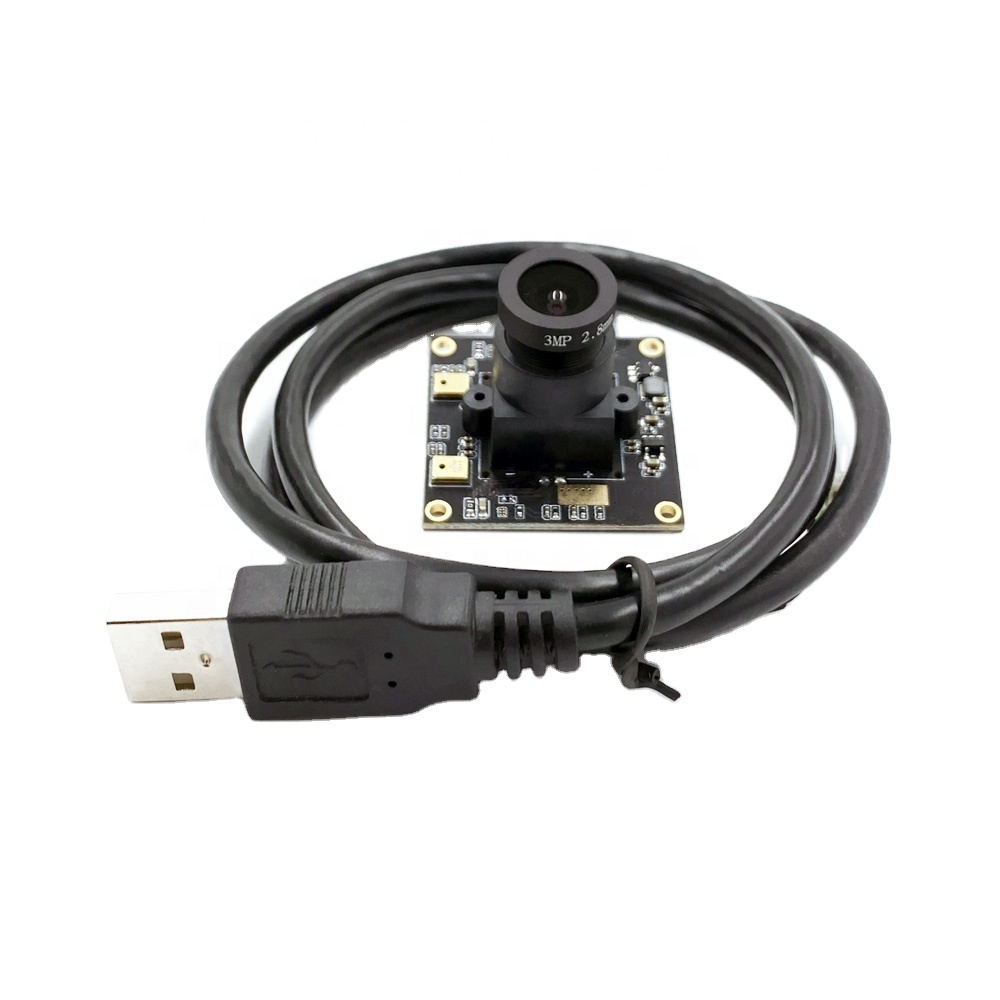
2.0MP 1920*1080 32*32mm Rolling Shutter 0.001Lux H.264 Starvis & WDR Color USB Camera Module for Food Self Order Kiosk
View Product Details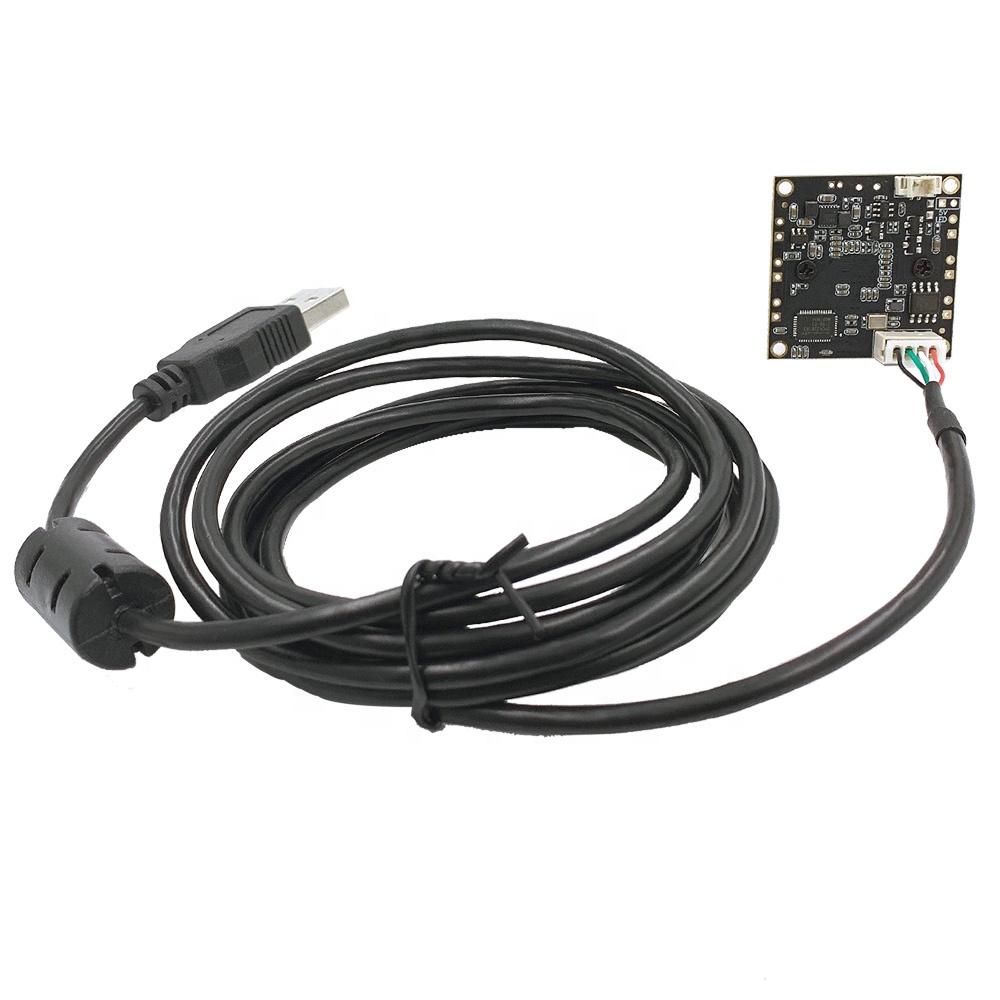
2.0MP Lens Color USB Camera Module for ATM KIOSK Scaning Machine HOT SALE AR0230 Onsemi CMOS WDR 1920*1080 32*32mm
View Product Details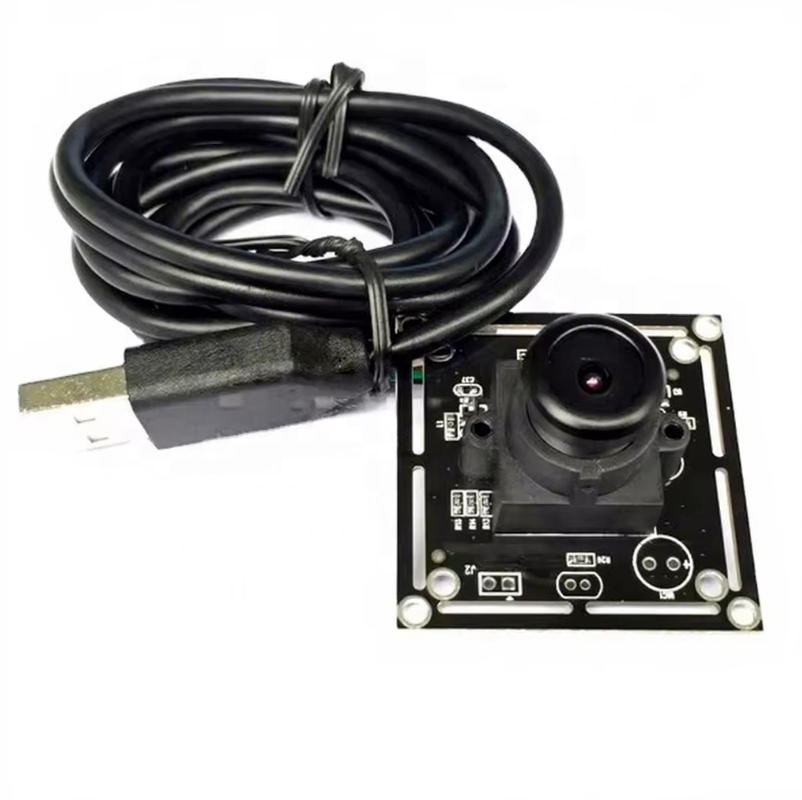
3.6mm Board Lens EX-View WDR 1.3MP 32*32mm Color USB Camera Module for Advertising Playing Equipment Electronic Equipment
View Product Details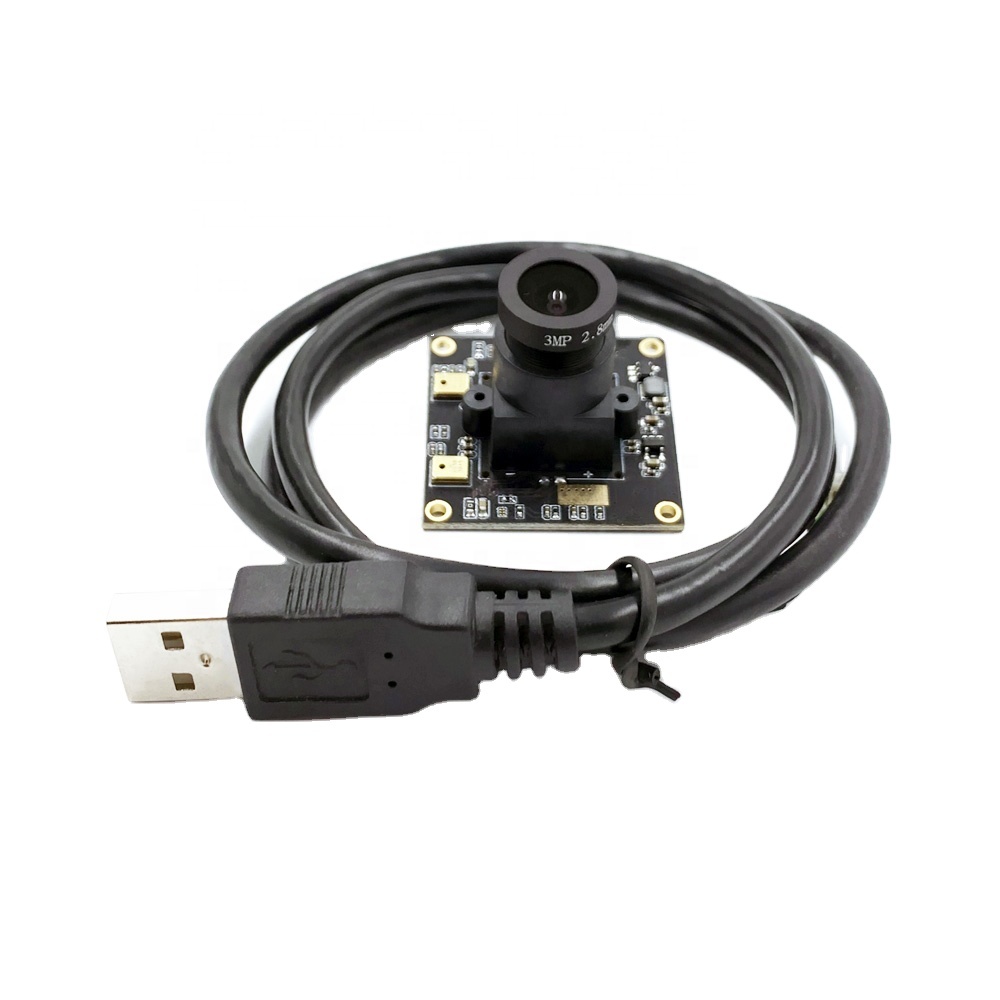
H.264 Rolling Shutter Starvis & WDR 0.001Lux 2.0MP 1920*1080 32*32mm Color USB Camera Module for Door Bell and Button System
View Product DetailsEngineering High-Gain Micro-Vision Architecture for St. John’s OEM Integrators
In the demanding industrial and maritime ecosystems of St. John’s, Newfoundland and Labrador, embedded vision systems operate under extreme environmental constraints. From subsea Remotely Operated Vehicles (ROVs) operating in the North Atlantic to automated terminal kiosks exposed to freezing marine spray, standard consumer-grade imaging components fail prematurely due to thermal shock, lens fogging, sensor noise, and signal degradation.
As a leading OEM/ODM Pinhole Camera Module Factory & Exporter, Shenzhen Brekta Electronics bridges the gap between state-of-the-art CMOS sensor architecture and custom physical form factors. We specialize in micro-board layout design (utilizing multi-layer Protel and Allegro CAD environments), precision pinhole optics engineering (cone, flat, and button pinhole geometries), and firmware-level tuning for UVC (USB Video Class), RTSP/ONVIF IP, and coax HD-SDI/AHD video output standards.
Information Gain Insight: Unlike standard webcams, pinhole camera modules engineered for industrial sub-assemblies utilize a tiny focal aperture (typically 1.0mm to 3.7mm pinhole front elements) combined with high-transmission optical glass elements. This design permits non-intrusive mounting through sub-millimeter enclosures without compromising light throughput or introducing optical distortion at the sensor boundary.
Technical Matrix: Comparative Interface & Sensor Performance
To assist system engineers across Atlantic Canada in specifying the optimal camera architecture for custom hardware enclosures, the table below outlines core hardware parameters across our primary product vectors:
| Module Category | Sensor Architecture | Dynamic Range / Lux | Max Resolution & Frame Rate | Target Local Application |
|---|---|---|---|---|
| High-Frame-Rate USB | 1/2.7" High-Sensitivity CMOS | HDR (>105dB) / 0.1 Lux | 1080P @ 330fps / 720P @ 330fps | High-speed industrial sorting, robotics, marine particle analysis |
| Sony Starvis Low-Lux | Sony IMX291 / IMX335 Back-Illuminated | WDR (>120dB) / 0.0001 Lux | 1080P / 5MP @ 30fps H.264/MJPEG | Offshore platform monitoring, subsea lighting visual tools, night security |
| Micro Pinhole USB/IP | OnSemi AR0230 / OmniVision | Hardware WDR / 0.01 Lux | 1080P @ 30fps (USB / RTSP) | Peephole door eye, covert marine security, self-service financial kiosks |
| 4K AI Vision Autofocus | 1/2.3" 12MP UHD CMOS | Standard WDR / 0.5 Lux | 3840*2160 @ 30fps / 12MP @ 15fps | Automated retail checkouts, document scanning, biological sampling |
| Subsea IP67 Bullet / Snake | 1/2.7" Sealed CMOS Unit | Auto-Gain Control / 0.05 Lux | 1080P @ 30fps UVC Plug-and-Play | Pipe inspection, marine hull observation, aquaculture pen cameras |
Localized Application Scenarios in St. John’s & Atlantic Canada
Deploying micro-camera modules tailored to the unique economic, geographical, and industrial demands of Newfoundland and Labrador.
Subsea ROV & Offshore Energy Inspection
St. John’s is North America’s hub for ocean technology and offshore oil exploration (Jeanne d’Arc Basin). Our IP67/IP68 micro bullet cameras and low-lux 0.0001 Lux Sony Starvis pinhole boards are integrated directly into ROV manipulator arms, underwater pipe crawlers, and wellhead inspection rigs. They provide crisp 1080P color streaming in total pitch-black oceanic depths using auxiliary LED arrays.
Aquaculture & Marine Biology Monitoring
With salmon and shellfish farming expanding across Atlantic Canada, automated biomass monitoring and sea lice detection require continuous 24/7 visual data. Our custom high-frame-rate (330fps) and HDR camera modules withstand saltwater environment enclosures, allowing AI edge processors to track fast-moving marine life and monitor feeding patterns without motion blur.
Automated Port & Municipal Kiosks
From ticket vending at the Port of St. John’s ferry terminals to self-service check-in kiosks at St. John's International Airport (YYT), our OnSemi AR0230 and 4K autofocus modules deliver reliable face identification, document scanning, and QR verification under extreme backlight or dark ambient terminal conditions.
Sub-Zero Cold Weather Surveillance
Newfoundland winter temperatures frequently plunge below -25°C, causing conventional capacitors and optical adhesives to crack or drift out of focus. Brekta’s OEM pinhole camera modules utilize industrial-wide temperature components (-30°C to +85°C rated), low-freeze thermal paste, and anti-fog coated pinhole glass to maintain crystal-clear focus across severe seasonal shifts.
Remote Mining & Heavy Equipment Tooling
In Labrador’s remote iron ore mines and heavy industrial processing facilities, pinhole camera modules are integrated into machine enclosures to monitor drill heads, conveyor belt aligners, and automated mechanical arms where space is measured in millimeters and vibration levels are extreme.
Defense & Autonomous Systems (UAVs/UGVs)
Partnering with ocean research institutes like Memorial University’s C-CORE and local defense contractors, our custom micro USB and RTSP boards provide low-latency, uncompressed video streams for autonomous surface vehicles (ASVs) and airborne surveillance drones operating along the coast.
Localized Technology Trends Shaping Embedded Vision in Atlantic Canada
The demand for OEM pinhole camera modules in St. John’s is undergoing a rapid technical evolution, driven by three major industrial trends across Canada's East Coast:
1. Convergence of Edge Artificial Intelligence and Micro-Optics
Local engineering teams are no longer satisfied with passive video feed transmission. Today’s embedded systems running NVIDIA Jetson Orin, Raspberry Pi CM4, or custom NPU hardware require direct camera module input optimized for neural network inference. Pinhole cameras must deliver high signal-to-noise ratios (SNR > 42dB) and high frame rates (up to 330fps) to enable real-time object classification, biometric identification, and automated defect detection directly at the edge.
2. Transition to Back-Illuminated (BSI) Starlight Sensors in Extreme Marine Environments
Traditional camera sensors require external infrared illuminators that attract marine growth or create glare against icy surfaces. The adoption of Sony Starvis and Starvis 2 sensors—featured prominently across Brekta's pinhole camera lineup—allows vision systems in St. John's to capture vivid, full-color video down to 0.0001 Lux without active illumination, drastically cutting power draw on battery-operated subsea equipment.
3. Strict Adherence to International Hardware Compliance (CE, FCC, RoHS, ICES)
Canadian original equipment manufacturers exporting finished systems to the United States and European Union require supply chain provenance. Brekta Electronics manufactures all PCB assemblies under strict ISO-certified cleanroom conditions, backed by comprehensive CE, FCC, and RoHS certifications to guarantee effortless customs clearance through the Canada Border Services Agency (CBSA) at Port St. John's or St. John's International Airport (YYT).
Why Global Engineers & Exporters Choose Shenzhen Brekta Electronics
With over 13 years of specialized manufacturing experience, Shenzhen Brekta Electronics Co., Ltd. stands as a world-class OEM/ODM supplier of miniaturized camera solutions. Our state-of-the-art manufacturing facility in Guangdong houses automated SMT placement lines, high-precision active alignment optical stations, and environmental burn-in testing chambers.
Our Quality Commitment: 100% Optical Focusing Inspection on Every Unit | 24-Month Factory Warranty | Lifetime Technical Support | Fast Sample Dispatch within 1–3 Business Days for In-Stock Models.
Our 6-Step Custom Engineering Workflow
- Requirement & CAD Review: Share your enclosure dimensions (15x15mm, 32x32mm, 38x38mm, or round stick), target FOV, interface (UVC USB, RTSP, AHD), and operating environment.
- Optical & Circuit Design: Our engineers design custom multi-layer PCBs using Protel/Allegro and select optimal pinhole optics (cone, flat, or wide-angle fisheye lens).
- Rapid Prototyping: We manufacture test samples with tailored cables, pinouts, and custom firmware parameters (ISP tuning, exposure tables, auto-gain limits).
- Environmental & Focus Validation: Prototyped modules undergo temperature cycle testing (-30°C to +80°C) and image resolution chart alignment.
- Mass Production & Quality Control: Automated SMT assembly followed by 100% manual optical inspection and dust-free packaging.
- Express Global Shipping: Direct door-to-door air freight via DHL/FedEx/UPS directly to your facility in St. John’s, Mount Pearl, Conception Bay South, or Corner Brook.
Frequently Asked Questions by St. John’s Procurement Engineers
Clear, authoritative answers regarding technical specifications, minimum order quantities, and Canadian logistics.
What is the difference between a flat pinhole, cone pinhole, and standard board lens?
A flat pinhole lens features a flat front element with a tiny aperture (approx. 1mm diameter), making it ideal for flush installation behind thin metal plates or glass panels. A cone pinhole lens tapers toward the tip, allowing it to protrude through thicker housing walls without revealing the camera assembly. Standard M12 board lenses feature wider front optics that require a larger housing opening but deliver slightly higher light gathering efficiency.
Are your USB pinhole camera modules driverless for Linux and ROS (Robot Operating System)?
Yes. All Brekta USB camera modules comply fully with the UVC (USB Video Class) standard. They operate standard plug-and-play without installing third-party drivers across Linux (Ubuntu, Debian, CentOS), ROS / ROS2, Windows 10/11, Android, and macOS. They stream in MJPEG, YUY2, or H.264 video formats over standard USB 2.0 or USB 3.0 interfaces.
How do your camera modules perform in extreme low-temperature North Atlantic winters?
Our industrial-grade camera modules utilize automotive-grade electronic components rated for operation down to -30°C (-22°F). For subsea or outdoor applications in Newfoundland experiencing extreme freeze cycles, we offer optional PCB conformal coating to prevent condensation short-circuits and customized thermal heating elements integrated into the lens holder.
What is the Minimum Order Quantity (MOQ) for custom OEM pinhole camera orders?
We support innovation across Atlantic Canada’s ocean tech sector by offering low MOQ evaluation terms. Standard camera modules can be ordered from 1 piece for evaluation. Customized PCB sizes, special cable lengths, or custom firmware settings carry an evaluation prototype MOQ of just 2 to 10 pieces, with full production scaling available up to tens of thousands of units.
What is the typical shipping timeline to St. John’s, NL, Canada?
Sample orders of in-stock models ship within 1 to 3 business days from our Shenzhen factory. Express air shipping via DHL Express or FedEx International Priority delivers directly to St. John’s (A1A/A1B/A1C postal regions) within 4 to 6 business days. All commercial invoices include full HS Code classification (HS 8525.80) to facilitate seamless Canadian customs clearance.
Request a Custom Pinhole Camera Module Quote Today
Need a tailored micro-board size, specific focal length pinhole lens, high frame rate sensor, or low-lux Sony Starvis configuration? Our senior engineering team is ready to review your mechanical drawings and technical specifications.
Send an Inquiry