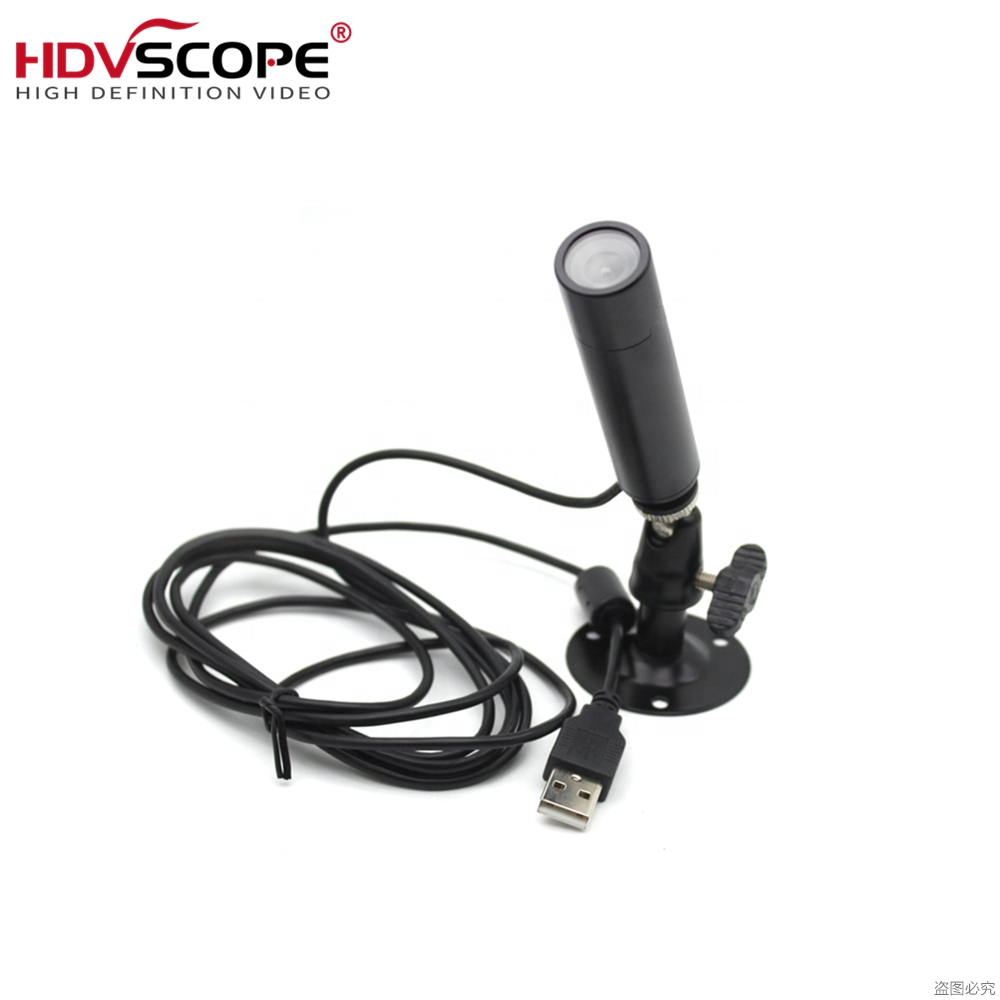
2MP 1/2.7" CMOS USB Camera 2.8mm Board Lens Waterproof IP67 Mini Bullet/Snake/Endoscope/Lipstick 1920*1080 Diameter 20mm CCTV
View Technical Details →
Explore our standard and fully customizable CMOS vision boards engineered for self-service terminals, ATM security, industrial inspection, and embedded machine vision.
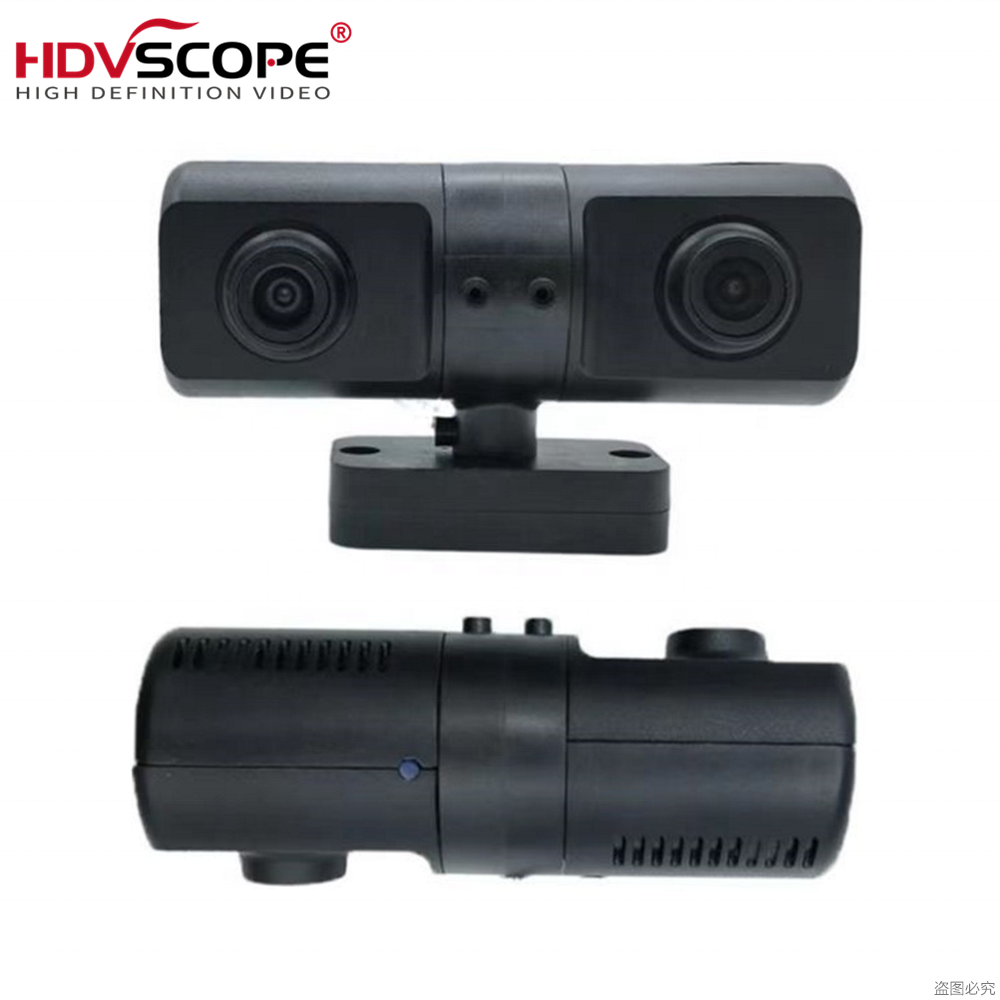
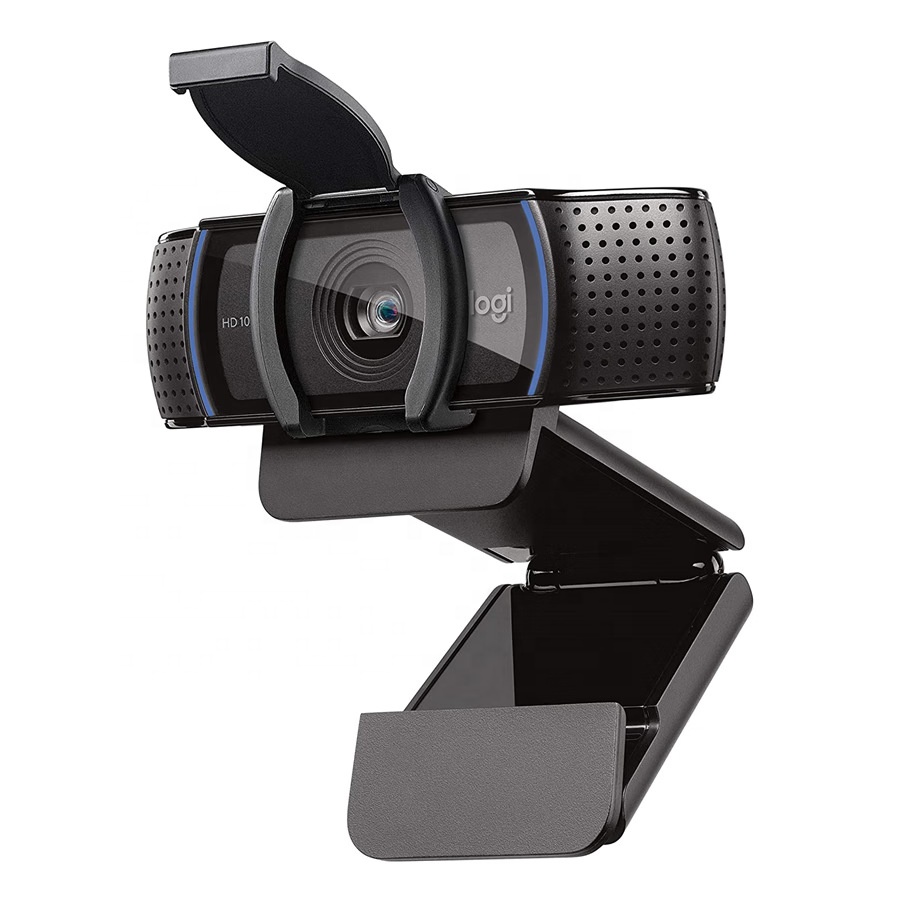
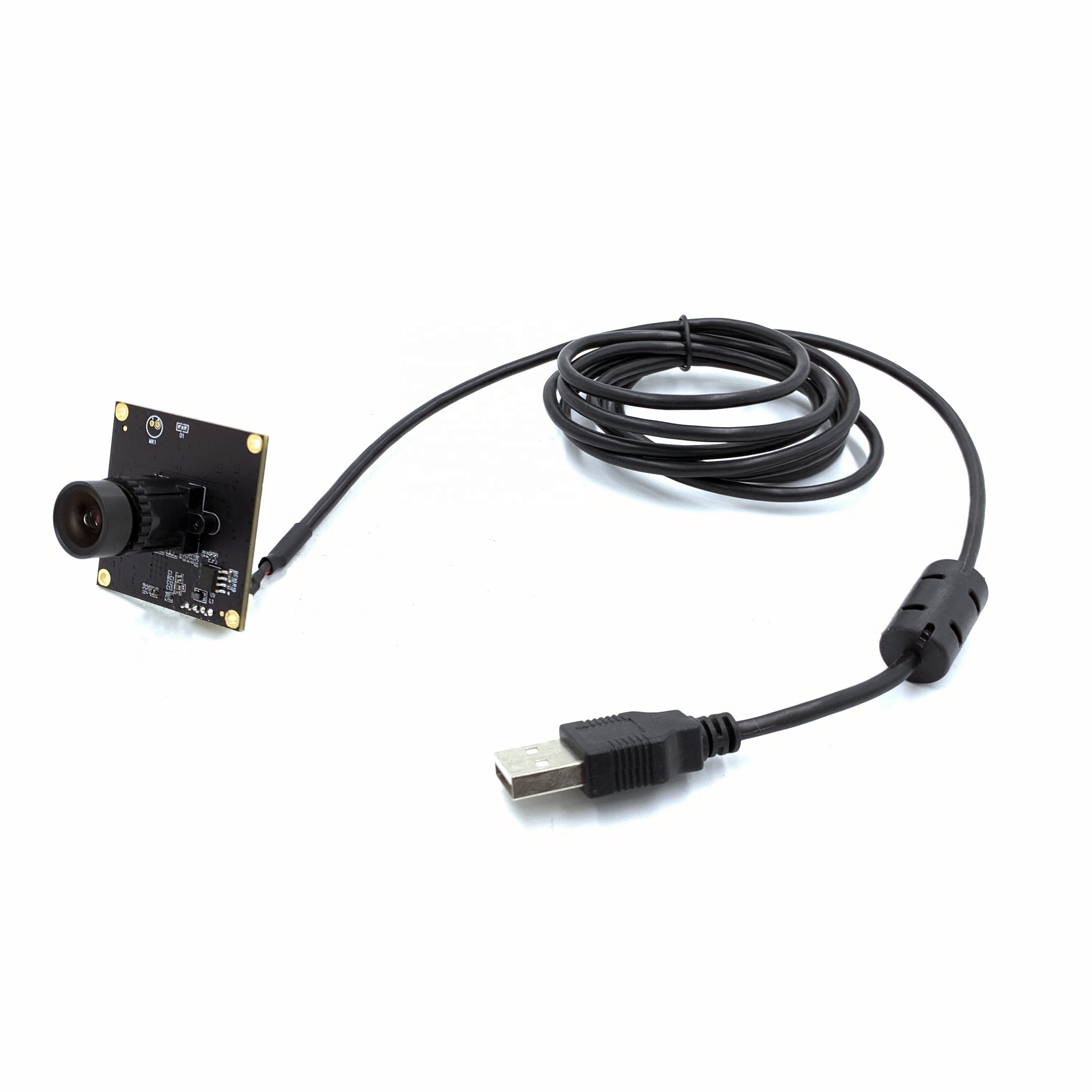
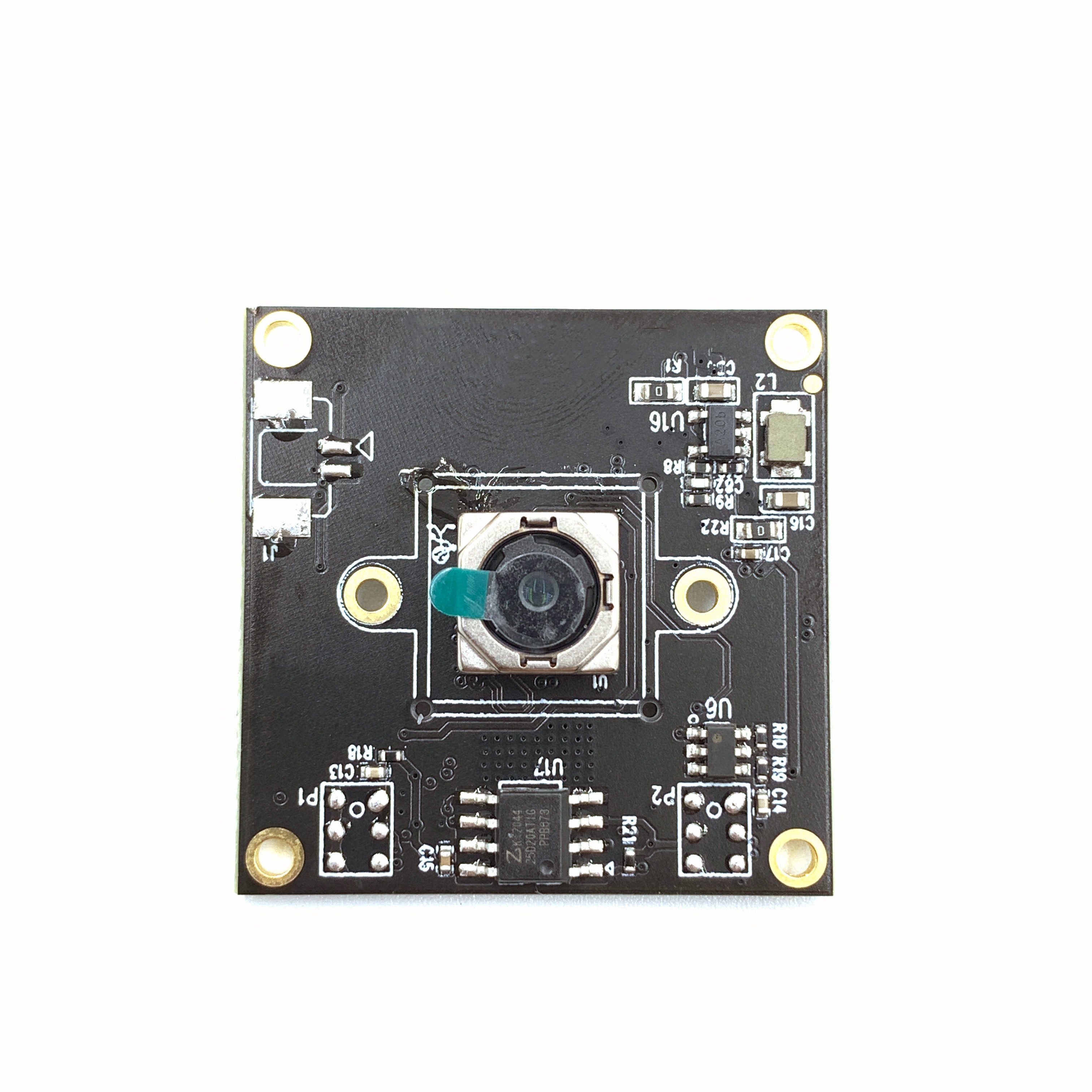
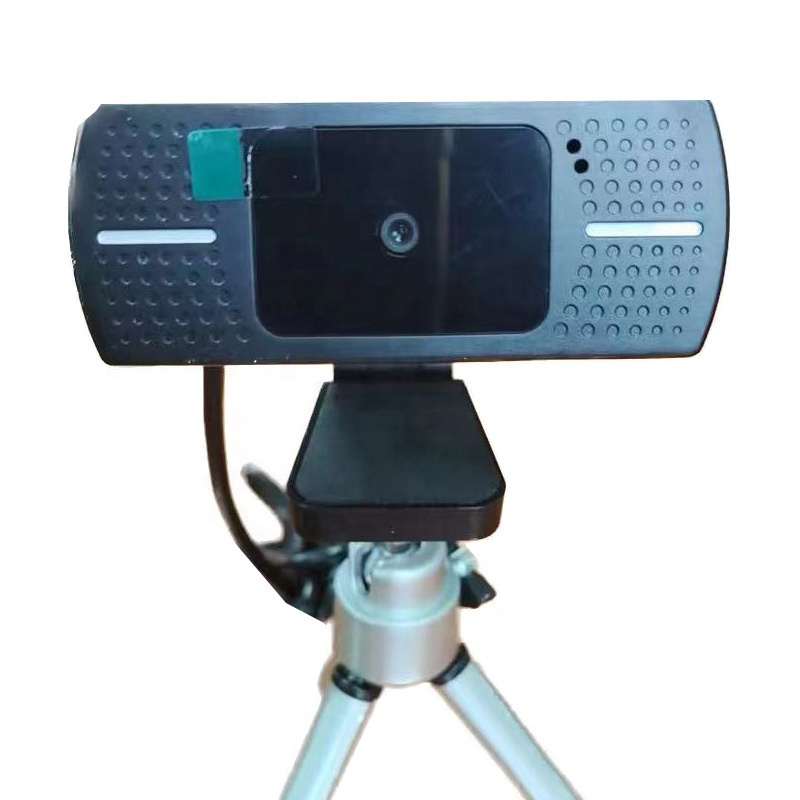

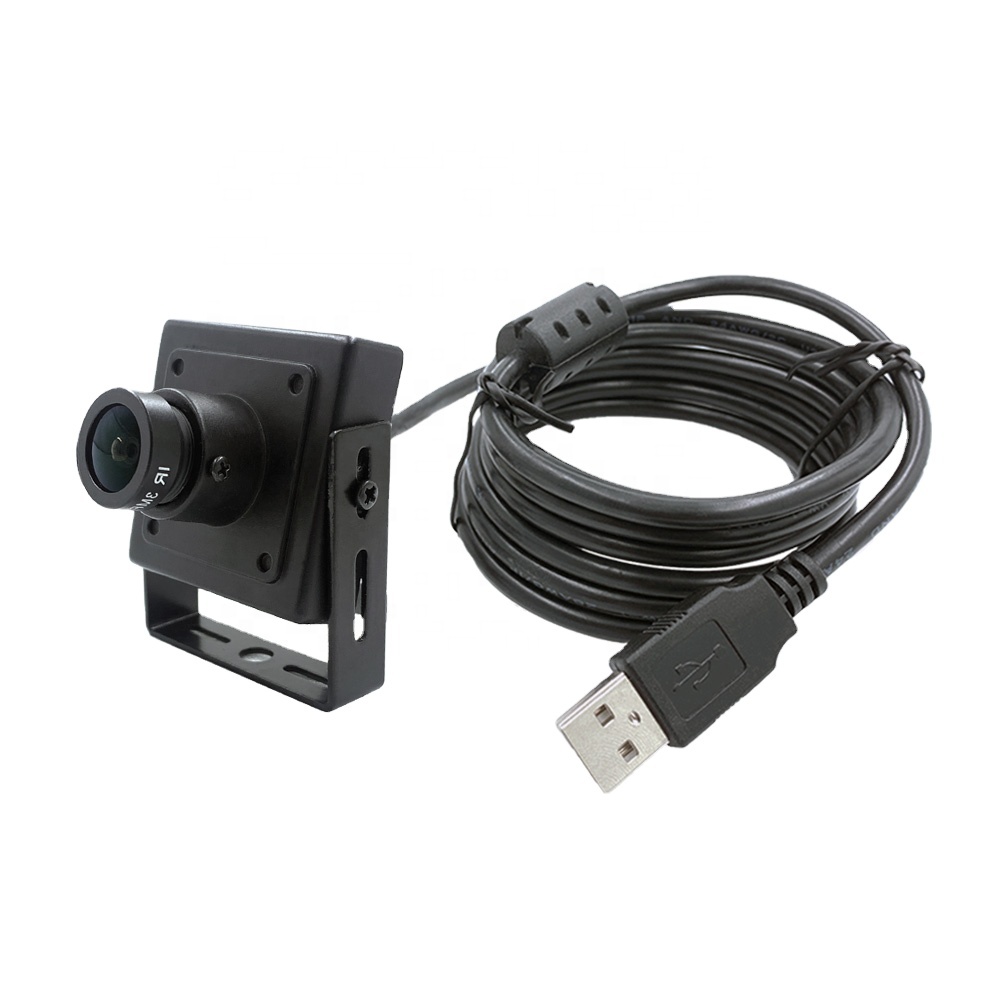
Guadalajara, widely celebrated as the "Silicon Valley of Mexico" (El Valle de Silicio Mexicano), has rapidly evolved into North America’s premier advanced manufacturing and electronic engineering hub. Anchored by sprawling industrial corridors in Zapopan, El Salto, Tlaquepaque, and Tlajomulco de Zúñiga, the region hosts global EMS (Electronic Manufacturing Services) giants, automotive original equipment manufacturers, automated retail pioneers, and financial self-service system integrators. As global supply chains realign through nearshoring, industrial buyers across Jalisco demand high-precision, industrial-grade optoelectronic components that combine miniature form factors with unyielding performance.
In this high-velocity manufacturing ecosystem, embedded machine vision serves as the foundation for automated quality control, biometric authentication, identity verification, and process automation. Standard consumer-grade webcams fail when deployed inside unconditioned outdoor kiosks, sealed banking terminals, high-vibration conveyor systems, and dust-prone industrial plants. The Guadalajara industrial market requires specialized OEM/ODM USB pinhole camera modules and miniature UVC CMOS board cameras designed to operate continuously under severe thermal stress, varying light environments, and tight spatial enclosures.
Shenzhen Brekta Electronics Co., Ltd. serves as a strategic optoelectronic manufacturing partner for system integrators, kiosk builders, and automated equipment manufacturers throughout Jalisco and greater Mexico. By bridging advanced Chinese optoelectronic engineering with local Mexican technical specifications—including support for IMMEX program duty-free component importing and alignment with NOM-001-SCFI safety parameters—Brekta ensures rapid delivery of custom vision modules engineered directly to client schematics.
Our OEM/ODM pinhole USB cameras, micro IP board modules, and low-lux Starvis sensors are purpose-built to address specific operational challenges faced by Guadalajara integrators across four primary domain sectors:
Deploying surveillance cameras within automated teller machines (ATMs), cash recycling systems (CRS), and Virtual Teller Machines (VTMs) across financial networks like Banorte, BBVA, and Santander requires ultra-compact pinhole form factors. Our 15x15mm micro USB camera modules fit behind 1mm pinhole bezels to capture clear facial images of transaction users without drawing attention.
Equipped with Hardware Wide Dynamic Range (HDR up to 120dB) and 330FPS ultra-high-frame-rate options, these cameras effortlessly resolve extreme backlighting caused by glass bank lobbies or bright Mexican sunlight while preventing motion blur during high-speed transaction logging.
In the electronics manufacturing parks of Zapopan and El Salto, Surface Mount Technology (SMT) pick-and-place machines require high-frame-rate, distortionless vision boards for component alignment and solder joint inspection. Our 4K UHD 13MP and 2MP 330FPS high-speed USB camera modules utilize specialized 3.24mm distortionless optics and low-rolling-shutter timing.
They integrate directly into Linux and Windows ROS (Robot Operating System) setups via standard UVC drivers, allowing Mexican automated machinery builders to execute real-time AI optical inspection (AOI) with sub-millimeter precision.
Along the Tequila industrial corridor and Tepatitlán agricultural zones, liquid filling lines, barrel inspection facilities, and packaging automation demand ruggedized optoelectronic systems. Our IP67 waterproof mini bullet cameras (diameter 20mm) and flexible USB endoscope modules allow engineers to inspect internal stainless-steel piping, monitor bottle fill levels, and inspect wash cycles in humid environments.
Outfitted with anti-fog glass and chemical-resistant housings, these cameras withstand continuous exposure to moisture and cleaning solutions without image degradation.
Driven by Industry 4.0 modernization and smart infrastructure expansion throughout the Guadalajara Metropolitan Area, four distinct technology trends are redefining the requirements for imported USB and IP camera modules:
Legacy video capture systems requiring proprietary Windows drivers are rapidly being phased out. Integrators in Jalisco favor UVC (USB Video Class) compliant modules that natively interface with ARM-based Linux single-board computers (NVIDIA Jetson, Raspberry Pi, NXP i.MX8) and Android embedded kernels, eliminating software maintenance headaches.
24/7 unassisted outdoor kiosks, automated parking payment machines, and municipal access control points frequently operate in near-total darkness. The integration of Sony Starvis back-illuminated sensors (such as the IMX291 and IMX335) achieves color rendering at 0.0001 Lux, replacing harsh infrared illuminators that attract insects and blind users.
With smart retail, automated parcel lockers, and secure access systems surging in Zapopan, dual-lens camera modules combining visible RGB and infrared (IR) monochrome sensors on a single PCB have become mandatory. This setup enables hardware-level 3D facial liveness detection, preventing spoofing attempts via printed photos or screen displays.
As self-service kiosks become slimmer, standard square 38x38mm board cameras no longer fit inside narrow bezel frames. Demand has shifted heavily toward micro 15x15mm pinhole boards, strip PCBs, and split-type camera designs where the sensor head is decoupled from the main board via a flexible ribbon cable.
Selecting the optimal camera interface depends heavily on host processor architecture, cable run distance, image bandwidth, and latency targets. The benchmark table below outlines key hardware parameters for system designers in Guadalajara:
| Interface Standard | Supported Resolutions | Max Latency | Effective Cable Distance | Host OS Compatibility | Best Local Application |
|---|---|---|---|---|---|
| USB 2.0 (UVC) | 720P, 1080P, 4K (MJPEG/H.264) | < 30 ms | Up to 5 m (Direct USB) | Windows, Linux, Android, macOS | ATMs, VTMs, Kiosks, Biometric Readers |
| USB 3.0 / High-Speed | 2MP @ 330FPS, 13MP, 16MP Uncompressed | < 10 ms | Up to 3 m (Passive) / 10 m (Active) | Windows 10/11, Linux ROS, Ubuntu ARM | High-Speed AOI, SMT Component Inspection |
| Mini IP (RTSP / ONVIF) | 1080P to 6MP Blacklight | 120 - 250 ms | Up to 100 m (Cat5e/Cat6 PoE) | Independent Network Protocol (H.265) | Perimeter Security, Remote Fleet Monitoring |
| Analog HD (AHD/TVI/CVI) | 1080P Starlight, 5MP Coax | < 5 ms (Zero) | Up to 500 m (75-3 Coax Cable) | Requires DVR / Capture Card Interface | Retrofit Machinery, Vehicle Rear Surveillance |
Shenzhen Brekta Electronics Co., Ltd. operates state-of-the-art optoelectronic manufacturing facilities in Shenzhen and Dongguan, China, specializing exclusively in compact, miniaturized camera module engineering. We serve as a direct factory supplier for international B2B buyers who require customized optoelectronic hardware backed by robust quality systems.
Our engineering team works directly in Protel and Allegro to layout PCB dimensions tailored to your exact mechanical CAD files. Choose from standard M12 board lenses, ultra-wide 1.7mm fisheye optics, zero-distortion 3.24mm flat lenses, pinhole cone/flat lenses, or motorized zoom assemblies. Custom IR-Cut dual filters (850nm / 940nm) ensure flawless day/night auto-switching.
We provide full firmware customization at the sensor controller level. Modify default brightness, contrast, hue, saturation, Automatic Gain Control (AGC), exposure bounds, and Auto White Balance (AWB). We can lock custom vendor IDs (VID), product IDs (PID), and camera device string names directly into the onboard EEPROM to match your system's software licensing.
Every camera module undergoes stringent incoming material inspection (IQC), automated SMT surface mounting, cleanroom optical alignment, 100% full-frame image testing, and burn-in chamber stress tests prior to packaging. All products comply with CE, FCC, and RoHS standards, complete with full documentation for seamless customs clearance into Mexico.
Here are clear answers to the most common questions raised by Mexican purchasing directors, embedded engineers, and logistics specialists when sourcing camera modules from our factory:
Evaluation samples of standard in-stock camera modules ship within 1 to 3 working days via air express (DHL, FedEx, UPS), reaching Guadalajara (Miguel Hidalgo y Costilla International Airport - GDL) in approximately 4 to 6 business days. For bulk production orders, we support DAP, DDP, and FOB terms. We work seamlessly with Mexican customs brokers to facilitate IMMEX program duty-free temporary imports for manufacturing plants in Zapopan and El Salto, as well as sea freight routing through the Port of Manzanillo.
Yes. Our low-voltage USB and IP camera modules (operating at 5V DC via USB or 12V DC / PoE) are engineered to comply with international electromagnetic compatibility and safety standards including CE, FCC, and RoHS. Because they operate as low-voltage sub-assembly components, they fall within parameters that easily align with Mexican NOM-001-SCFI and NOM-019-SCFI equipment safety evaluations conducted by accredited Mexican testing bodies like NYCE or ANCE.
Yes. Outdoor kiosks and unconditioned metallic enclosures in Jalisco often experience extreme interior heat during summer months. Our industrial-grade camera PCBs are built using high-TG FR4 circuit board substrates and industrial-rated CMOS image sensors capable of operating reliably across extended temperature ranges from -20°C to +70°C (-4°F to +158°F). Custom aluminum heat-sink brackets are also available for continuous high-load video compression applications.
To support prototyping and engineering evaluation, standard catalog USB and IP camera modules carry a Minimum Order Quantity of just 1 piece. For custom OEM/ODM development—such as custom PCB shapes, specialized pinhole lenses, modified cable lengths, or custom VID/PID firmware coding—the initial prototyping batch is quoted according to project scope, with low MOQ flexibility for mass production rollout.
Absolutely. All our USB camera modules strictly adhere to the UVC (USB Video Class) 1.0/1.5 protocol standard. They function completely driverless across Linux (Ubuntu, Debian, CentOS, Yocto, ROS), Android 4.0+, Microsoft Windows 7/10/11, and macOS. They stream standard YUY2, MJPEG, or H.264 video formats, allowing immediate integration into OpenCV, Python, C++, and GStreamer machine vision software stacks without installing third-party drivers.
We provide a comprehensive 24-month factory warranty on all security and machine vision camera modules. If any unit exhibits manufacturing defects during the warranty period, we supply free warranty replacements. Furthermore, our dedicated optoelectronic engineering team offers lifetime technical support via direct email, video conference, and remote troubleshooting, typically responding to technical inquiries within 2 hours during active business shifts.
Whether you are designing next-generation ATMs in Zapopan, upgrading SMT inspection lines in El Salto, or launching smart retail kiosks in central Guadalajara, Shenzhen Brekta Electronics provides the precision camera boards your engineering team requires.