High-Performance Machine Vision Camera Modules
Engineered for high-speed tracking, sub-zero operational stability, and plug-and-play UVC integration in Nordic automated environments.
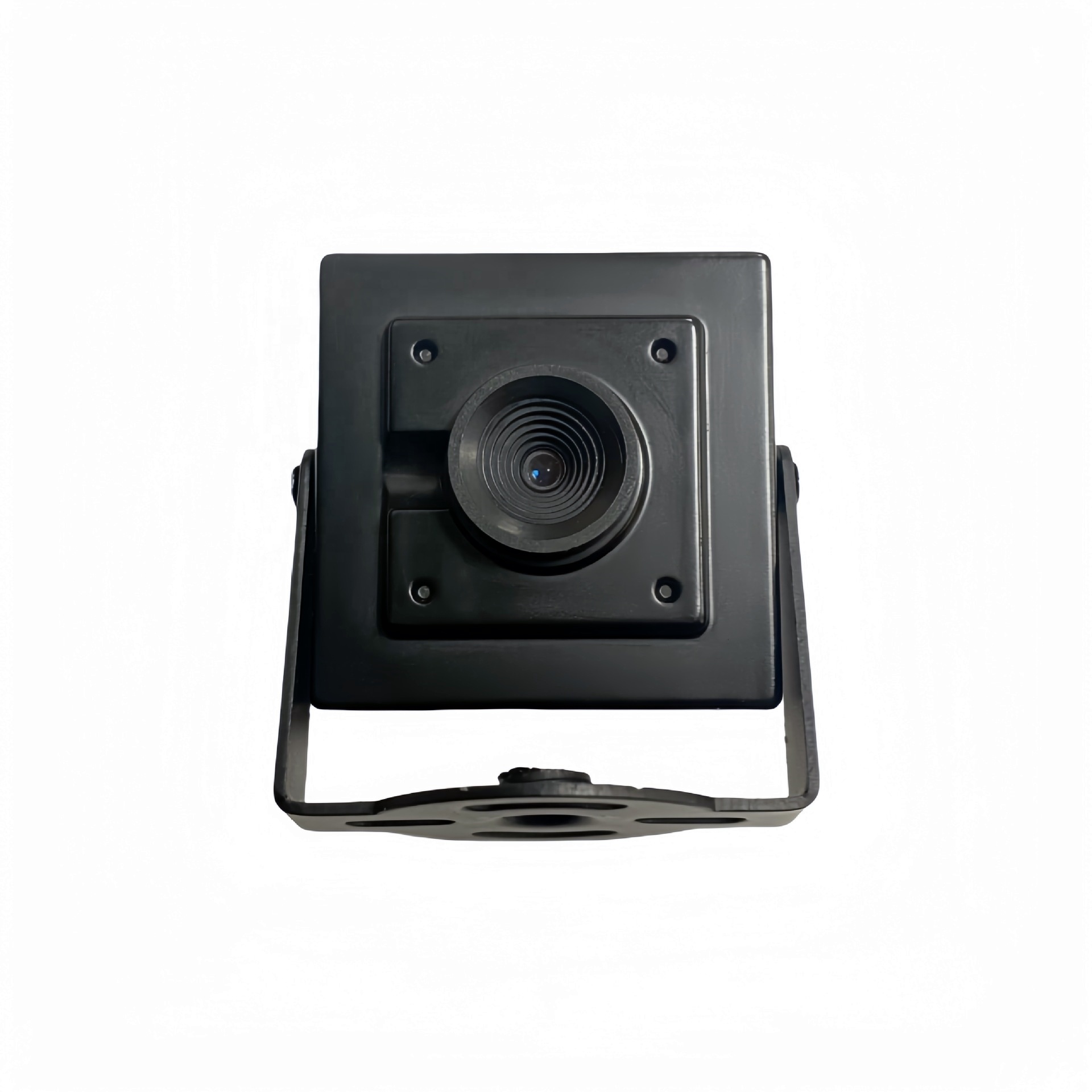
- 12MP 4K Ultra HD Resolution
- Fast Instant Optical Autofocus
- Driver-Free UVC Protocol
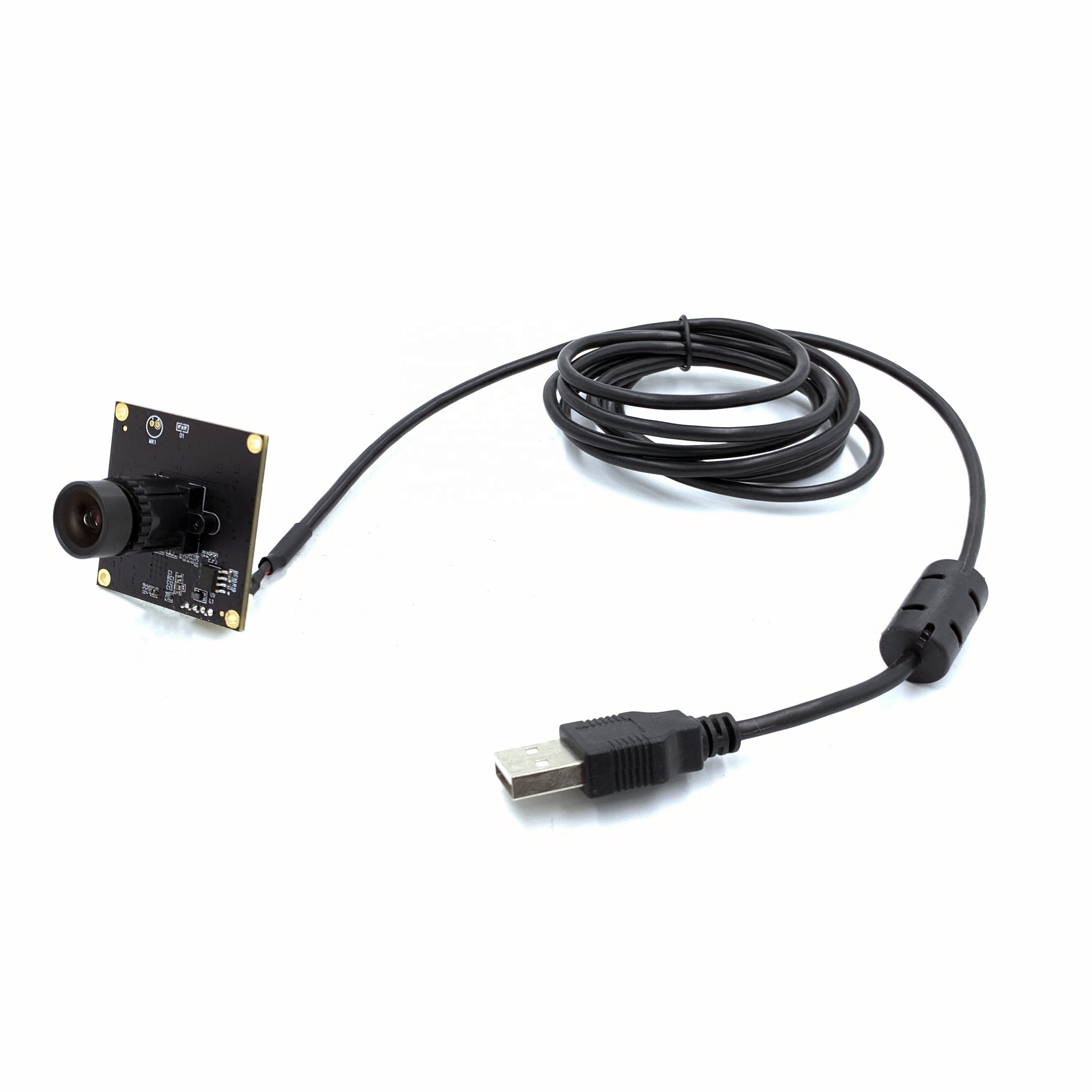
- 330FPS High Frame Rate
- Hardware HDR Dynamic Range
- Compact 38*38mm Form Factor
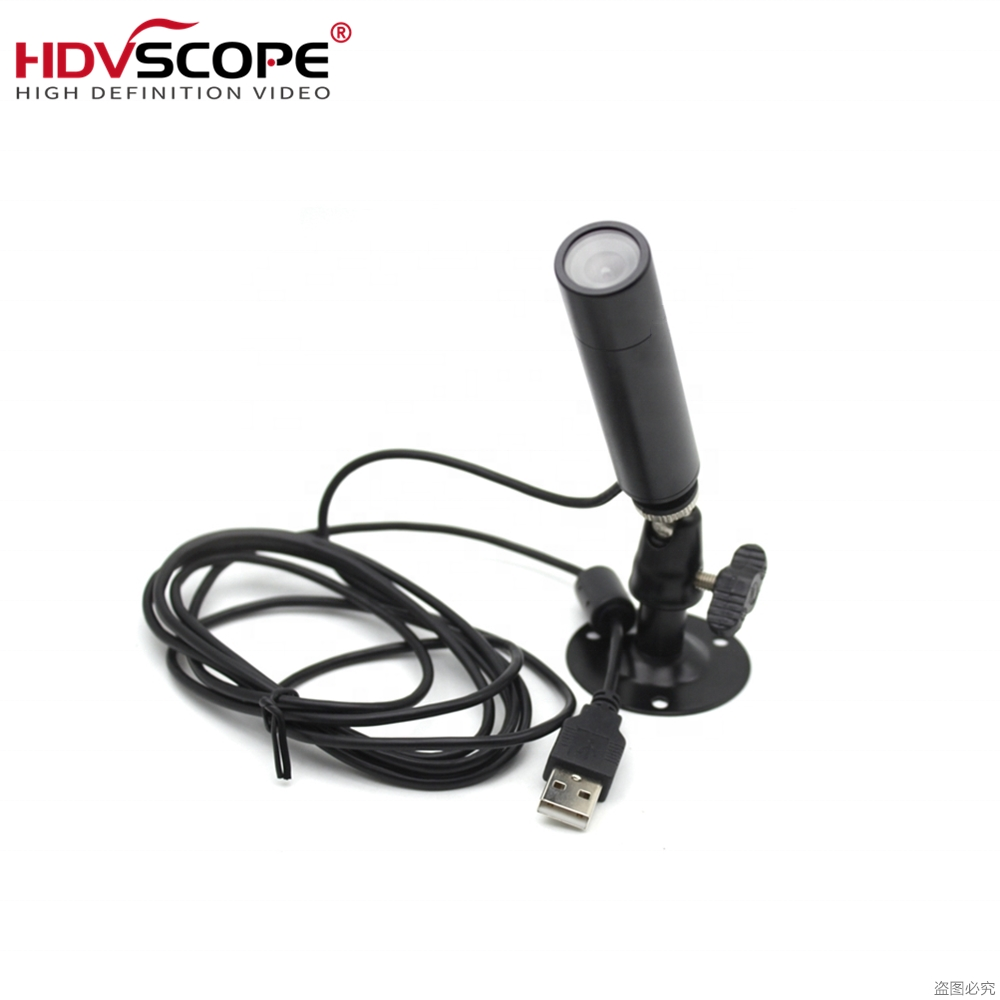
- IP67 Waterproof Certification
- 20mm Ultra-Slim Diameter
- Crisp 1280*720P Optics
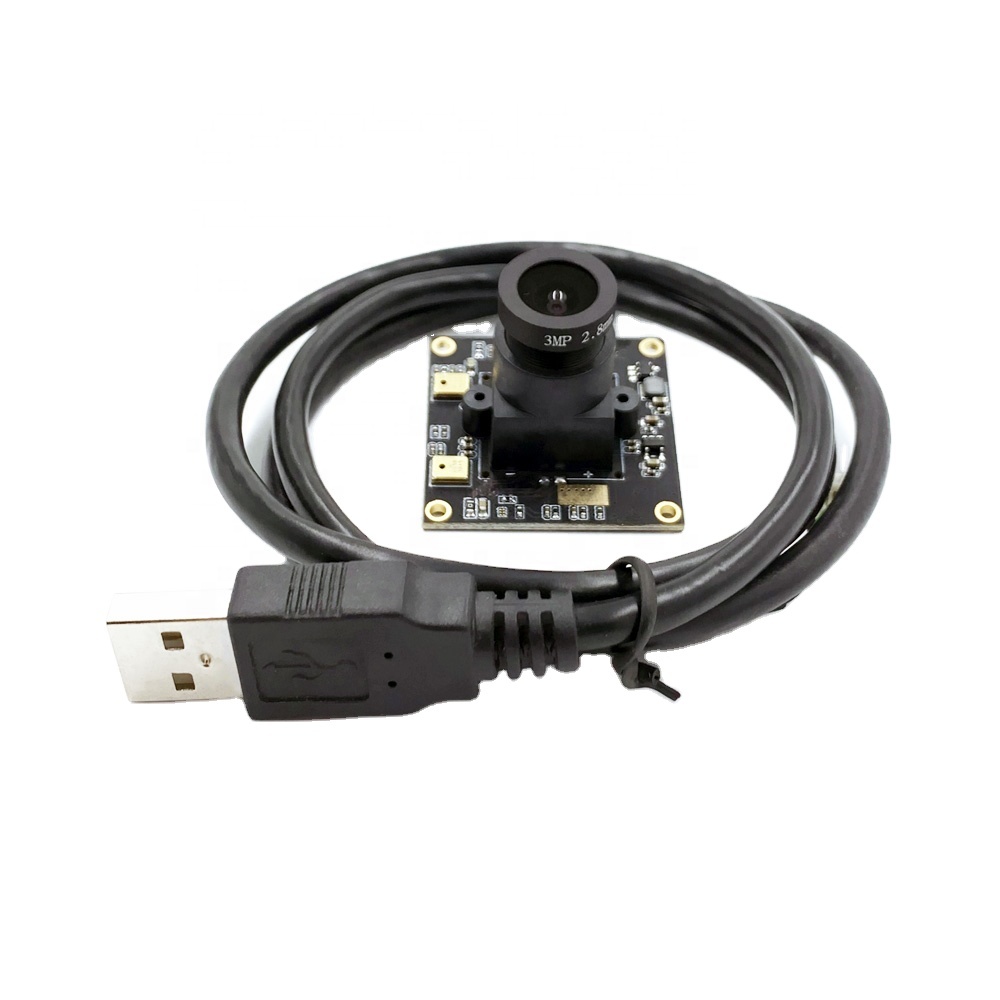
- Sony Starvis Low-Lux Sensor
- H.264 Hardware Compression
- Compact 32*32mm PCB Size

- 160° Wide FOV Optics
- Low-Illumination 0.001Lux
- Adjustable Focus Lock
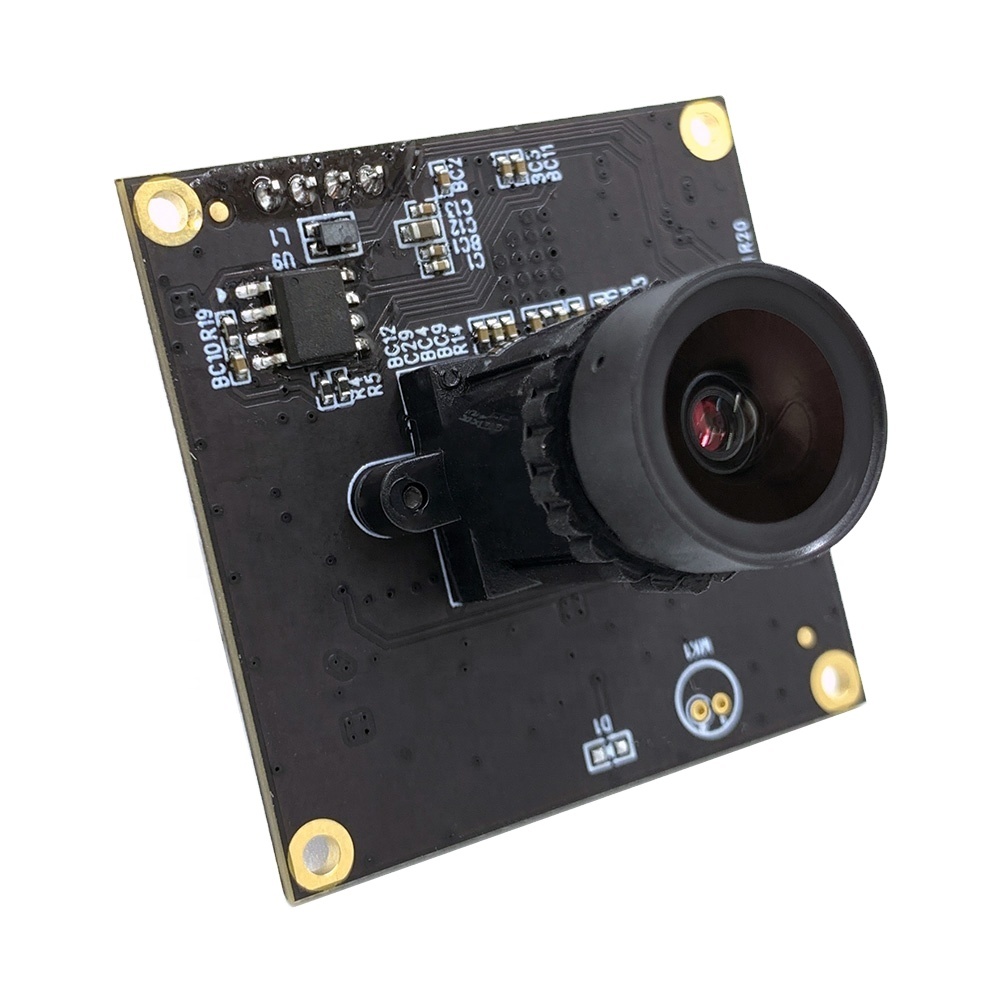
- 330fps Real-Time Motion
- 2.1mm Wide Board Lens
- Custom Cable & Pinout Available
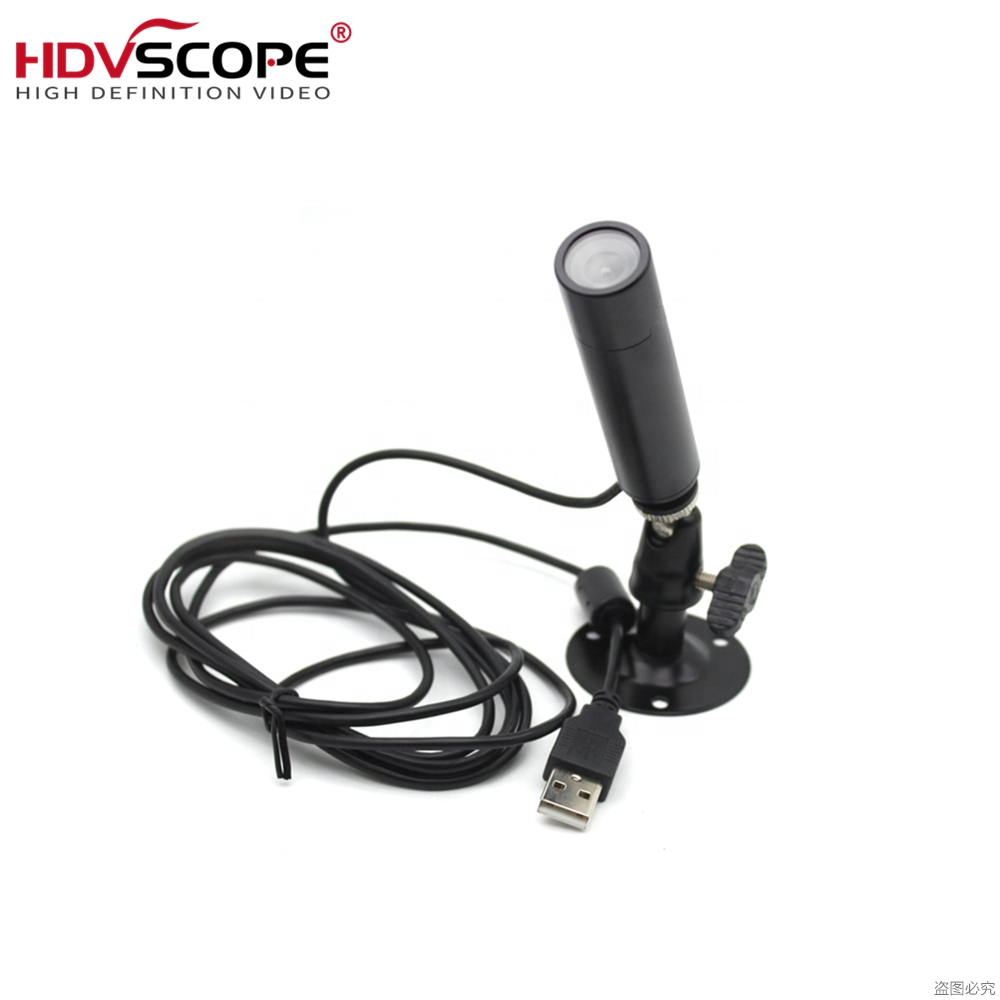
- Full HD 1080P Resolution
- 20mm Micro Housing
- Heavy-Duty IP67 Sealing
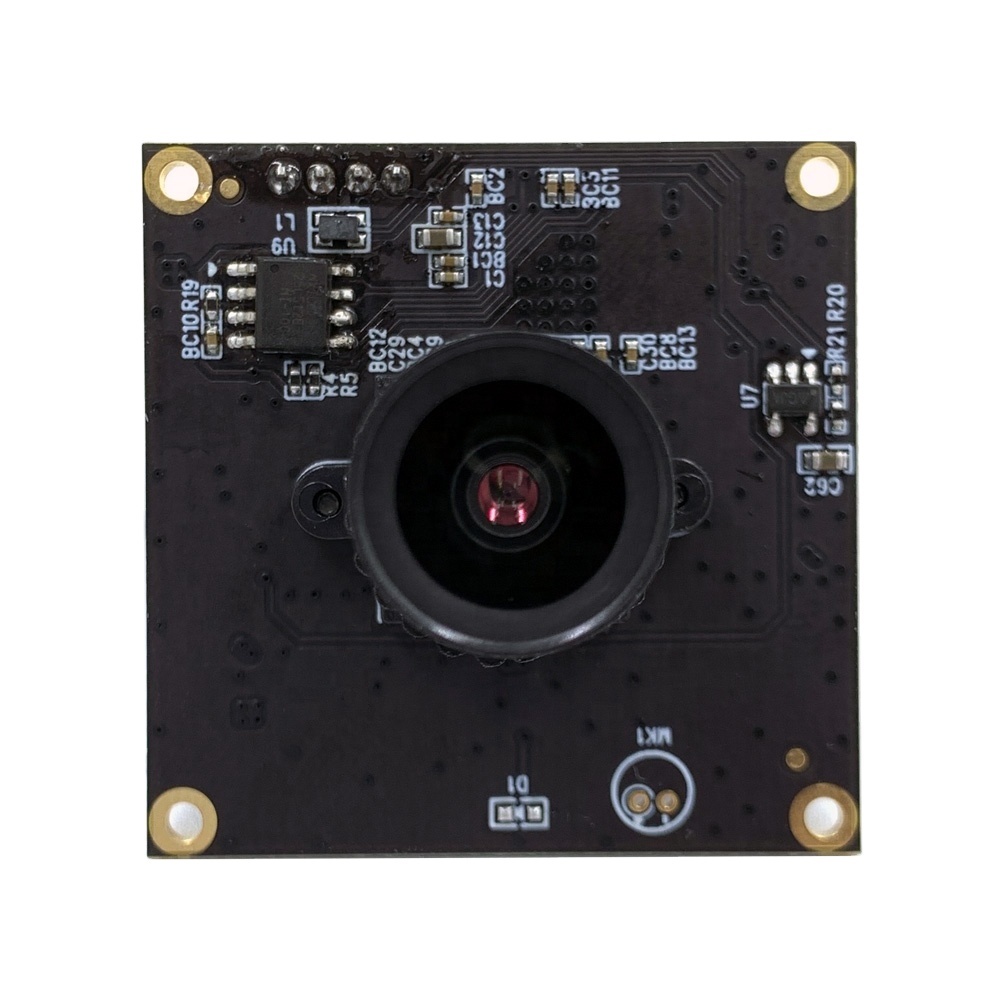
- 330 FPS High-Speed Stream
- Wide Angle 2.8mm Lens
- WDR Backlight Compensation
Technical Whitepaper: Machine Vision Hardware Architecture for Southwestern Finland
As the industrial capital of Southwest Finland (Varsinais-Suomi), Turku stands at the forefront of Northern Europe's high-tech manufacturing, autonomous marine technology, and cleanroom biotechnology sectors. In modern automated operations, the selection of optics and optical sensors directly determines algorithm processing speed, defect detection rates, and physical space optimization. This industrial briefing analyzes the optical engineering requirements for system integrators, OEM machinery builders, and wholesale buyers sourcing vision modules in Turku.
Industrial visual processing has transitioned from basic surveillance monitoring to active Edge-AI decision making. Machine vision modules deployed across Turku’s shipbuilding yards, automated port logistics, and pharmaceutical production lines face stringent hardware constraints: sub-zero thermal operational ranges (-30°C to +70°C), immune resistance to electromagnetic interference (EMI) from heavy machinery, high frame rates (up to 330FPS) to eliminate motion blur, and driverless UVC protocol compatibility for Linux ROS2 (Robot Operating System) environments.
High Frame Rate Sub-Sampling
Capable of reaching 330FPS at Full HD 1080P resolution. Essential for real-time tracking of high-speed conveyor belts, robotic picking, and motion-blur-free visual odometry.
Starvis Low-Lux Imaging
Utilizing Sony Starvis back-illuminated CMOS technology, achieving vivid color rendition in extreme low-light environments down to 0.001 Lux without artificial IR illumination.
UVC & Linux ROS2 Compatibility
Native USB Video Class compliance guarantees driver-free, zero-latency plug-and-play operation across Ubuntu, Debian, ROS2, Windows, and Android embedded boards.
Targeted Optical Vision Applications in Southwestern Finland
Specific hardware deployment cases mapped to the core economic and industrial clusters of Turku and the surrounding Varsinais-Suomi region.
1. Autonomous Maritime Vision & Shipyard Automation
Turku hosts Meyer Turku, one of Europe's premier cruise ship building yards, alongside a thriving marine technology hub focused on autonomous sea vessels in the Archipelago Sea. Our IP67 waterproof mini USB cameras and high-dynamic-range (HDR) modules are integrated directly into robotic hull welding crawlers, automated laser cutting gantries, and remote autonomous vessel navigation platforms that require resistance to sea-spray and rapid ambient light contrast.
2. Smart Port Logistics & Autonomous AGVs at Port of Turku
At the Port of Turku, automated guided vehicles (AGVs) and autonomous terminal tractors handle high-density cargo movement. Incorporating our 160° Wide-Angle 2MP Starvis modules gives mobile robots 360-degree situational awareness, obstacle detection, and container optical character recognition (OCR) capabilities during dark Nordic winter nights and extreme fog conditions.
3. Cleanroom Life-Science & Biotech Automation
Turku Science Park is world-renowned for pharmaceutical and diagnostics innovation. Machine vision in cleanrooms demands ultra-compact, chemical-resistant optical heads. Our 15x15mm micro square cameras and 4K 12MP auto-focus modules are customized for automated pipetting verification, high-throughput microplate readers, and automated packaging inspection lines requiring high spatial resolution.
4. Heavy Forest Machinery & Outdoor Mobile Robotics
Southwestern Finland’s forestry and heavy equipment manufacturers mandate visual hardware that tolerates harsh mechanical shock, continuous vibration, and sub-zero temperatures. Our custom PCB vision boards feature wide-voltage regulation, industrial-grade industrial sensor glass, and glued lens mounts for long-term vibration resistance.
Machine Vision & Automation Trends in Finland (2025–2030)
Strategic insights for procurement managers and engineering teams sourcing optical vision hardware in Turku.
1. Transition to Embedded Edge-AI & On-Board Pre-Processing
Traditional vision setups relying on uncompressed video sent to centralized industrial PCs are rapidly being replaced in Finland. Local engineering firms are demanding hardware-level compression (H.264 / MJPEG) and camera modules capable of outputting pre-filtered data streams directly to Edge compute devices like NVIDIA Jetson, Raspberry Pi Compute Module 4, and NXP i.MX8 platforms. This reduces system power draw and eliminates bandwidth bottlenecks on internal AGV CAN-bus networks.
2. Cold-Climate Thermal Calibration & Anti-Fog Optics
Operating optical hardware in Finland requires engineering solutions for dramatic condensation and low-temperature environmental transitions. Rapid temperature shifts when mobile machinery moves from warm indoor warehouses to sub-zero outdoor docks (-25°C) can fog standard optical lenses. Our specialized vision modules utilize nitrogen-sealed, anti-fog coatings and industrial wide-temperature CMOS chips rated for seamless operation from -30°C to +70°C.
3. Standardized ROS2 Integration for Industry 4.0 Factories
Finland’s Industry 4.0 push emphasizes modular, interoperable robotics software. Vision sensors must provide native Linux V4L2 (Video4Linux2) compliance to allow immediate binding with ROS2 nodes. Our UVC camera hardware allows system architects in Turku to instantly deploy vision node packages without custom kernel driver compilation, reducing software integration cycles from weeks to minutes.
Optical Sensor Parameter Comparison Guide
Match your specific robot vision application requirements with our hardware specification parameters.
| Camera Module Model | Sensor Architecture | Resolution & FPS | Min. Illumination | Optimal Application |
|---|---|---|---|---|
| 4K Auto-Focus 12MP | 1/2.3" Color CMOS | 3840*2880 @ 30FPS | 0.1 Lux | Cleanroom inspection, AI retail, high-res OCR |
| High-Speed 330FPS HDR | 1/3" Industrial CMOS | 1920*1080 @ 330FPS | 0.05 Lux WDR | High-speed picking arms, dynamic sorting, fast motion track |
| Mini IP67 Waterproof | 1/4" Sealed CMOS | 1280*720P @ 30FPS | 0.1 Lux | Maritime splash zones, pipe inspection, outdoor AGVs |
| Starvis Low-Lux WDR | 1/2.8" Sony Starvis | 1920*1080 @ 30FPS | 0.001 Lux | 24/7 Outdoor surveillance, dark warehouse navigation |
| 160° Wide-Angle Starvis | 1/2.8" Sony Starvis | 1920*1080 @ 30FPS | 0.001 Lux | AGV perimeter protection, obstacle avoidance, DMS |
Why Turku Integrators Choose Brekta Electronics
Over 13 years of direct manufacturing experience, customized board layouts, and stringent ISO quality control.
Full OEM/ODM PCB Engineering
Our senior hardware engineers utilize Protel and Allegro to design custom PCB dimensions (15x15mm, 25x25mm, 32x32mm, 38x38mm, or custom geometric outlines), tailored lens focal lengths, flexible pinout connectors, and custom firmware parameter locks.
100% Quality Testing & CE/FCC/RoHS
Every single camera module undergoes multi-stage optical focus calibration, image distortion verification, sensor burn-in, and spectral response testing prior to shipment. Certified to CE, FCC, and RoHS standards for seamless European import clearance.
Prototyping Agility & Low MOQ
Evaluate our vision hardware with low risk: standard evaluation samples dispatch within 1 to 3 working days with a minimum order quantity (MOQ) starting from just 1 piece. Accelerated engineering turnaround for customized prototypes.
Frequently Asked Questions by Technical Buyers in Turku
Direct answers to common engineering, procurement, and logistics inquiries.
Are your USB camera modules driver-free under Linux ROS / ROS2?
Can these cameras operate reliably in Finnish sub-zero winter temperatures?
What is the Minimum Order Quantity (MOQ) for prototypes and custom orders?
How fast is shipping from your factory to Turku, Finland?
Can you customize lens focal lengths, cable lengths, and IR-cut filters?
What warranty and technical support do you provide?
Accelerate Your Robot Vision Engineering Project
Download our complete product matrix, request technical CAD drawings, or consult directly with an optical vision hardware engineer for your Turku automation deployment.