Featured Self-Checkout & Kiosk Camera Modules
Direct OEM factory supply for Norwegian system integrators, kiosk builders, and retail tech engineering teams.
The Evolution of Self-Checkout & Retail Automation in Oslo
The retail landscape in Greater Oslo (Stor-Oslo) and across Norway has achieved one of the highest levels of self-checkout (SCO) and autonomous micro-market penetrations in the European Union and Nordic region. Driven by elevated labor costs, high digital payment adoption (such as Vipps and contactless BankAxept), and consumer preference for friction-free shopping, major Norwegian grocery conglomerates—including NorgesGruppen (KIWI, Meny, Joker), Rema 1000, and Coop Norge—have aggressively modernized their physical store infrastructure.
However, the shift toward unmanned and self-service terminals presents unique engineering and operational challenges. Modern self-checkout terminals are no longer simple barcode scanners connected to a weight scale. They are complex multi-sensor AI ecosystems requiring specialized optical inputs to combat retail loss ("sweethearting", item swapping, un-scanned items), automate non-barcoded inventory recognition (fresh produce, bakery goods), and guarantee compliance with strict European and Norwegian privacy regulations (*Personopplysningsloven* overseen by *Datatilsynet*).
"To succeed in the Oslo retail OEM market, vision components must balance sub-millisecond motion capture, high dynamic range under harsh LED overheads, low-light performance for 24/7 unstaffed stores, and zero-driver UVC Linux integration."
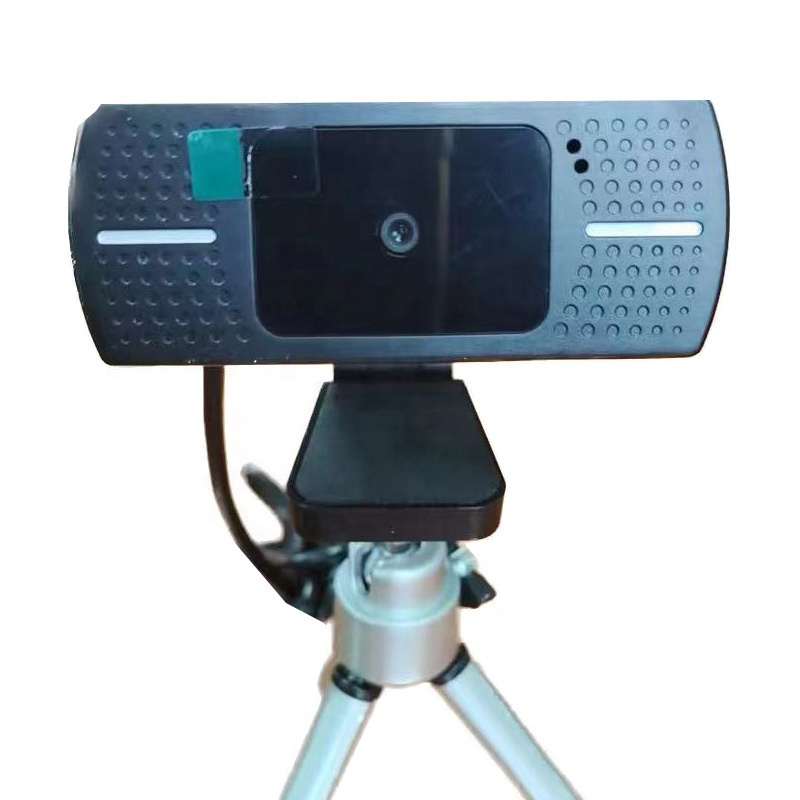
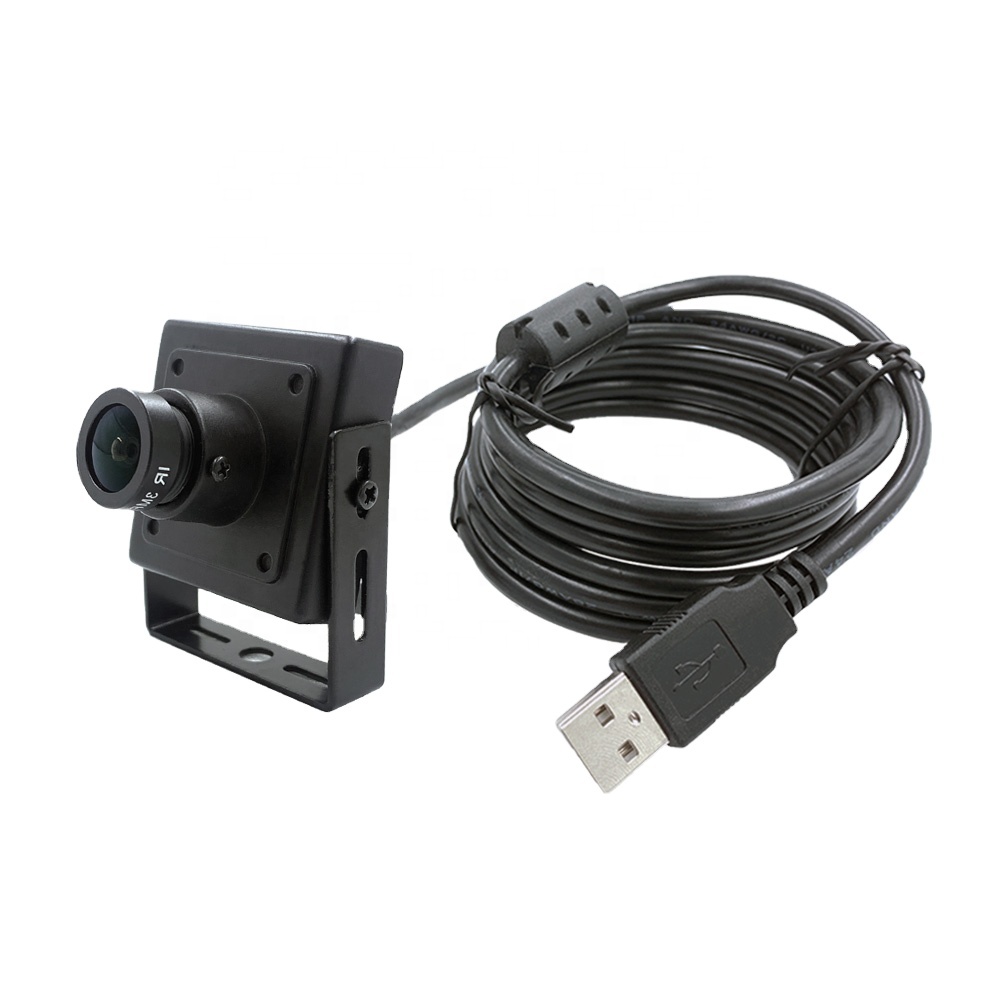
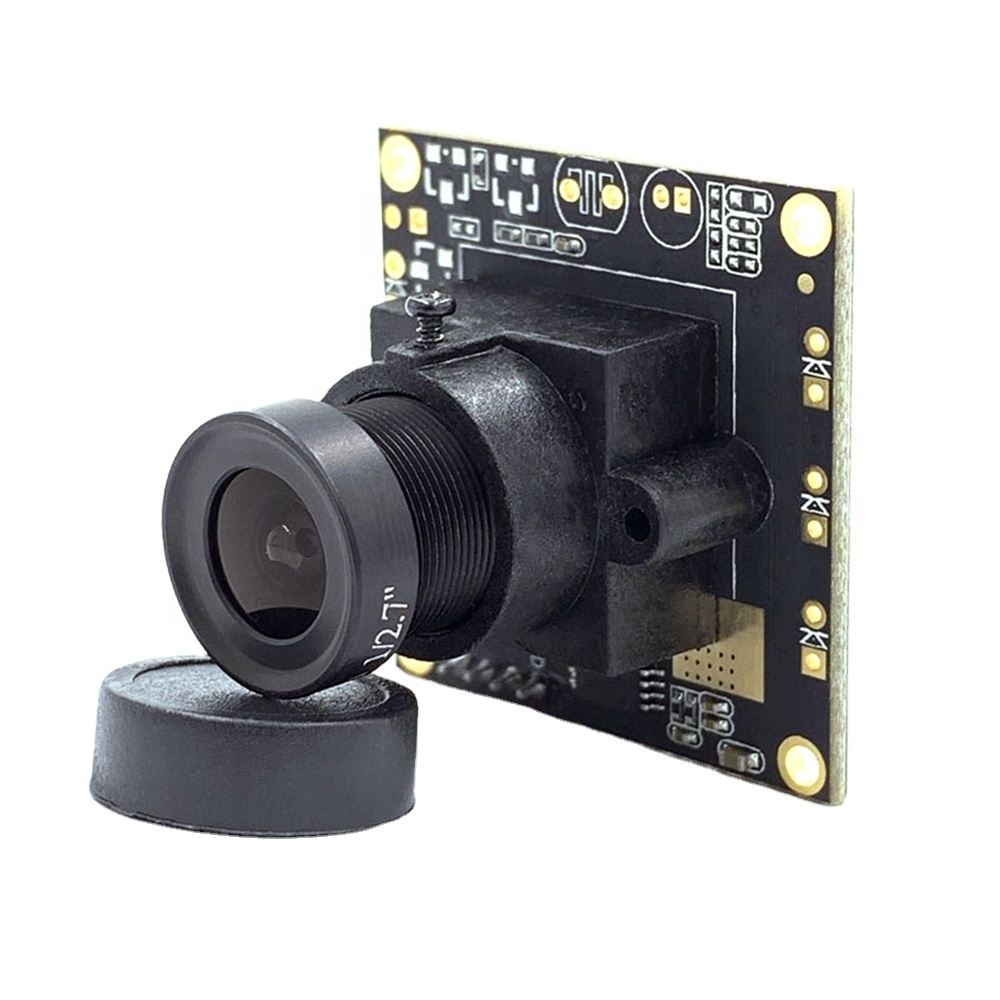
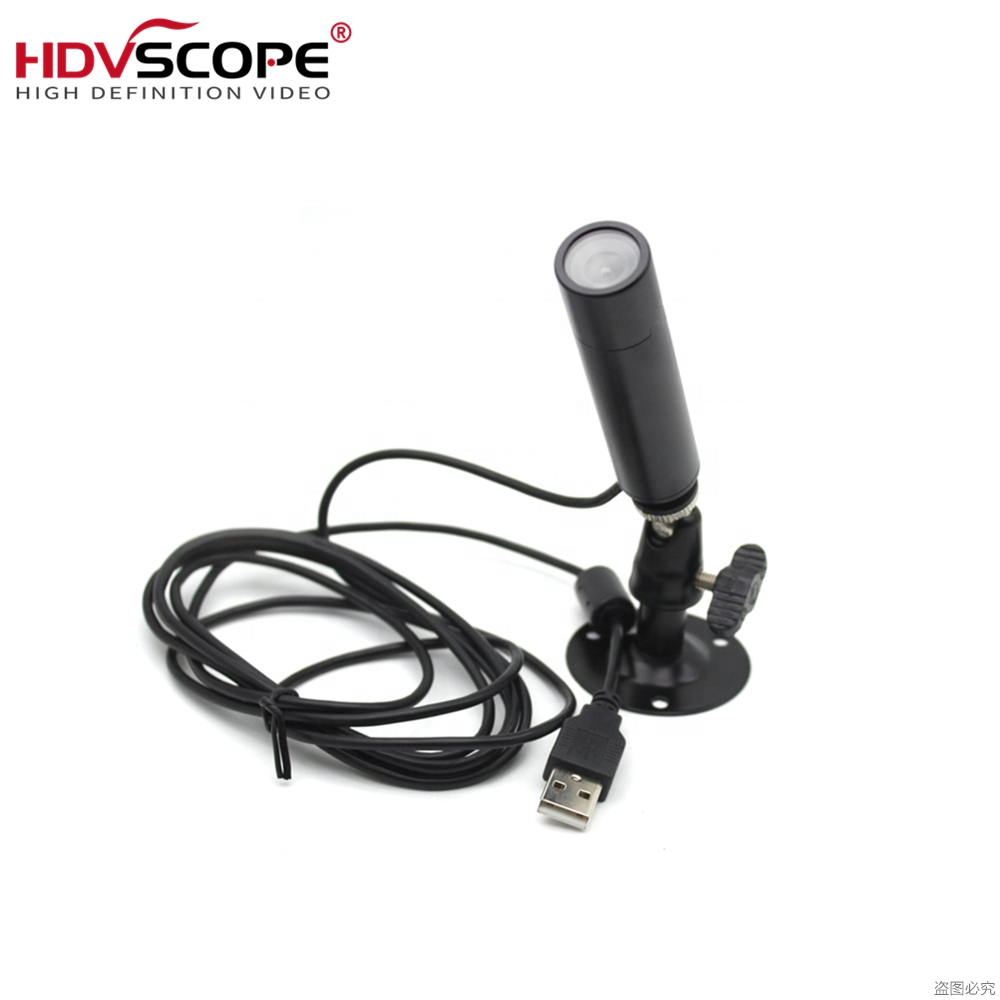
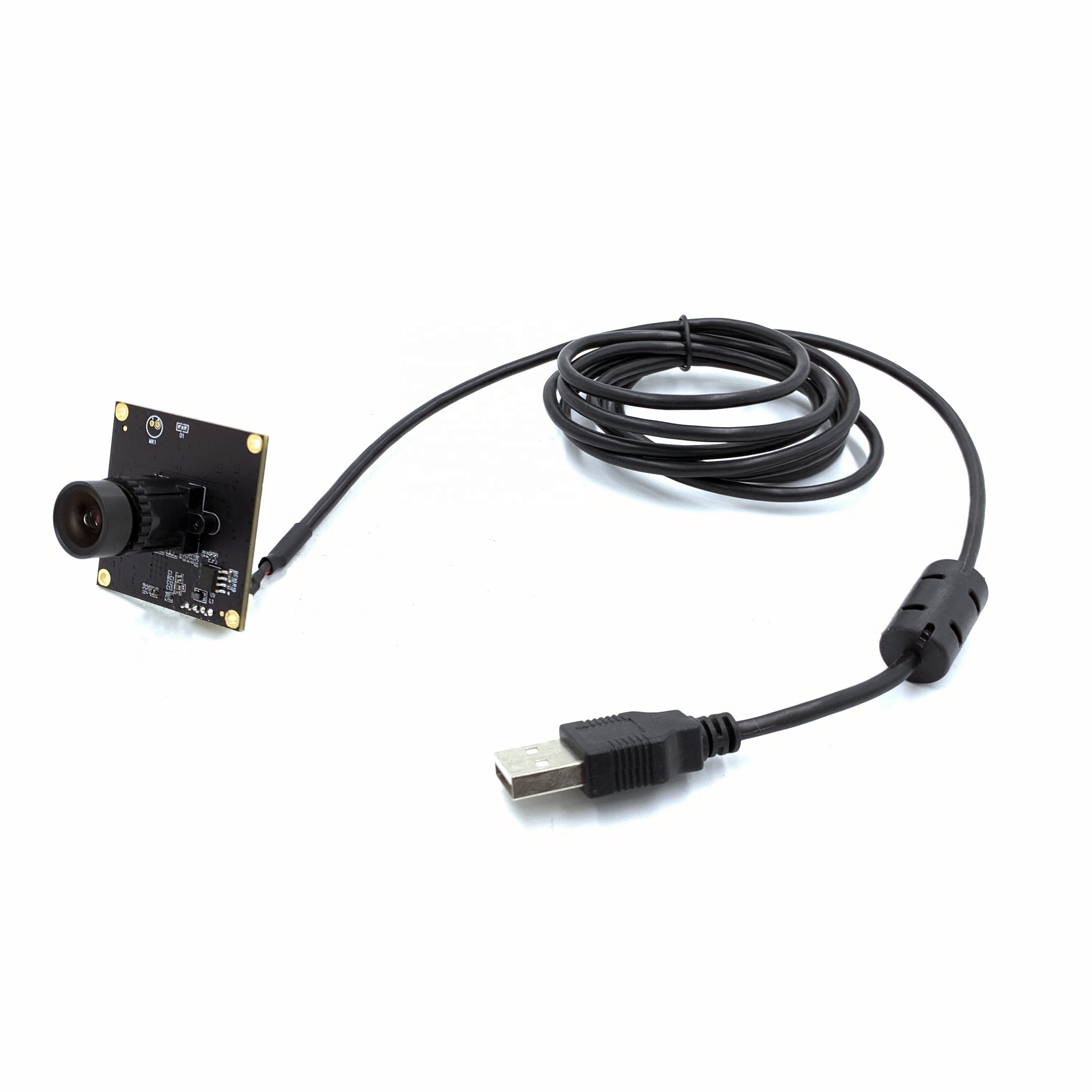
As a specialized manufacturer and B2B wholesaler, Shenzhen Brekta Electronics Co., Ltd. supplies customized mini USB (UVC) and IP camera modules engineered specifically for terminal integrators, kiosk OEMs, and loss-prevention software vendors operating in the Oslo market. By combining high-speed imaging sensors (up to 330 FPS), Sony STARVIS low-lux illumination, Onsemi WDR optics, and compact PCB architectures (15x15mm to 38x38mm), Brekta provides the precise optical foundation required for next-generation automated checkout systems.
Specialized Application Scenarios across Greater Oslo
Tailored embedded camera hardware solving real-world operational bottlenecks in Nordic automated retail setups.
AI Produce & Unpackaged Goods Detection
Embedded 8MP autofocus and high-resolution color USB camera modules mounted above weight scales allow computer vision algorithms to instantly identify unpackaged fruits, vegetables, and bakery items without requiring shoppers to manually navigate menu sub-trees.
High-Speed Loss Prevention & Anti-Shrinkage
Using 330 FPS high-frame-rate 1080P WDR camera modules embedded in the scanner bezel, AI software tracks rapid hand movements, detecting "sweethearting" (passing items around the barcode scanner) or item swapping in real time before transactions close.
GDPR-Compliant Edge Anonymization
Brekta’s UVC modules feature custom optical lenses and localized field-of-view parameters. They allow edge devices to crop, obscure, or extract feature maps directly on the POS host controller, ensuring full compliance with Datatilsynet privacy directives.
Age Verification for Restricted Sales
Dual-lens RGB + IR binocular camera configurations enable liveness detection and automated facial age estimation for restricted items (alcohol/tobacco) under Norwegian *Alkoholloven* compliance, minimizing staff intervention requirements.
24/7 Unmanned Autonomous Micro-Stores
Sony STARVIS ultra-low-lux modules operating down to 0.0001 Lux capture crisp color video in dim lighting environments during off-peak night-time operating hours in unstaffed urban express markets across Oslo.
Slim Terminal & Kiosk Integration
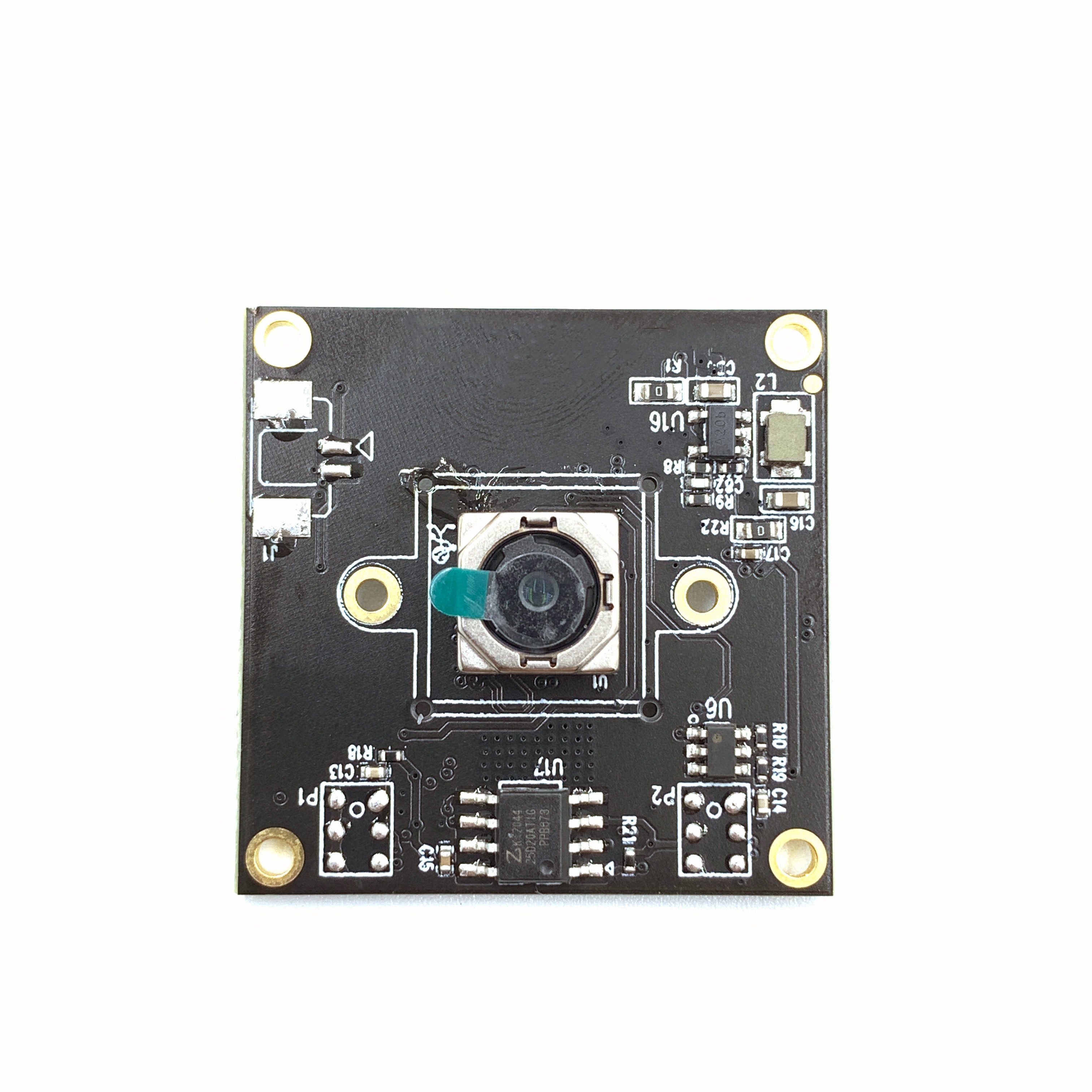
Micro-sized PCB footprints (15x15mm, 32x32mm, 38x38mm) with custom cable assemblies easily fit into ultra-slim self-checkout stands, reverse vending machines (RVMs), and desktop cash-management POS terminals.
Technical Architecture: Engineering SCO Cameras for Nordic Retail Requirements
Integrating machine vision into self-checkout infrastructure requires overcoming multiple environmental and technical obstacles unique to retail settings in Oslo and the wider Nordic market:
1. Wide Dynamic Range (WDR / HDR) under Modern Retail Lighting
Scandinavian supermarket interiors heavily utilize energy-efficient LED spotlights juxtaposed against expansive exterior glass storefronts. This creates severe backlighting and specular reflections on plastic packaging, shrink-wrap, and glass bottles. Standard camera webcams wash out or create deep shadows under these conditions. Brekta incorporates true hardware WDR sensors—such as the Onsemi AR0230 (105dB WDR) and Sony STARVIS IMX291 (up to 120dB WDR)—to maintain image clarity across extreme highlight and shadow zones simultaneously.
2. Ultra-High Frame Rate Motion Capture (Up to 330 FPS)
Retail loss prevention algorithms rely on continuous spatio-temporal tracking of customer hand trajectories. When a shopper moves an item past the POS scan zone at high speed, traditional 30 FPS cameras suffer from motion blur, causing AI models to misidentify or fail to detect un-scanned items. Our high-speed 330 FPS 1080P USB camera modules capture high-velocity motion with crisp clarity, allowing AI models to draw precise bounding boxes around fast-moving products.
3. Linux Native UVC Plug-and-Play Driverless Integration
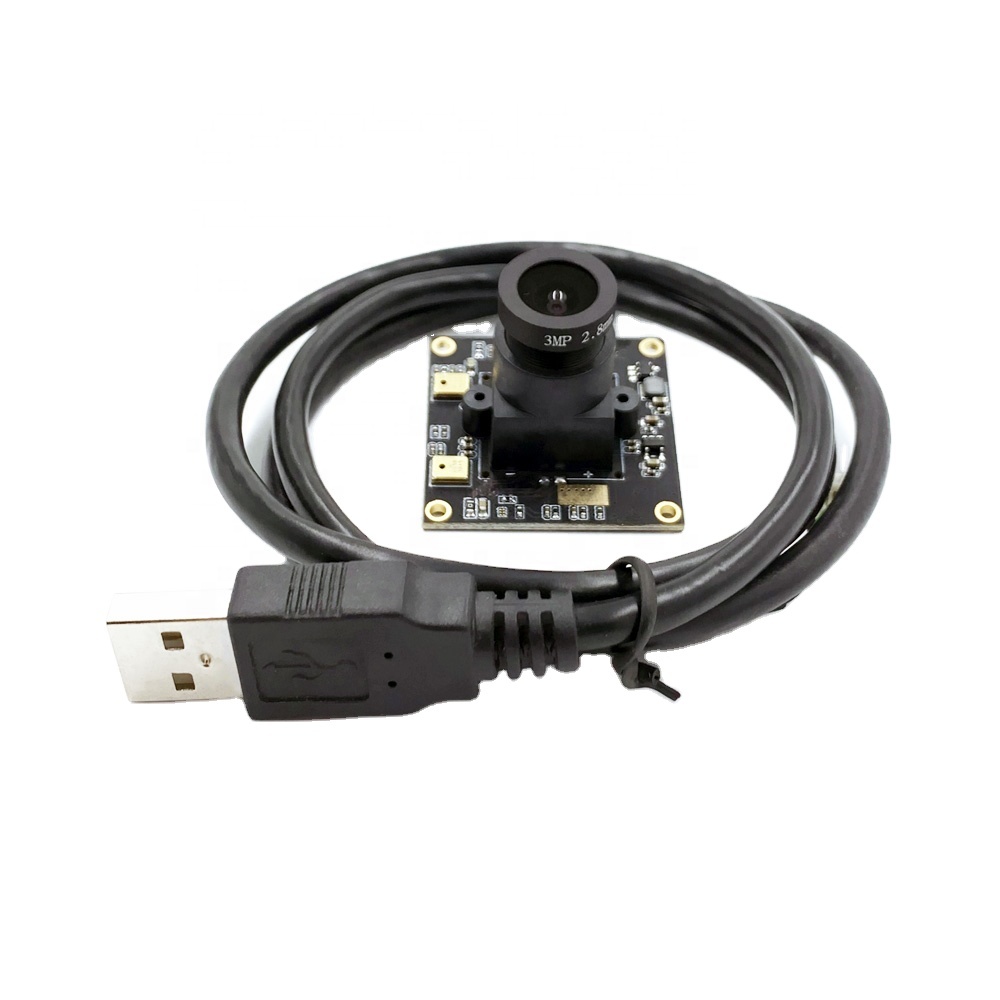
The vast majority of self-checkout kiosks built by Scandinavian and European integrators run customized Linux distributions (Ubuntu LTS, Debian, or Yocto Linux) alongside Windows IoT Enterprise. Brekta’s USB camera series strictly adheres to the UVC (USB Video Class) protocol standard. They operate driver-free across kernel versions without installing third-party drivers or proprietary software stacks, outputting raw YUY2, compressed MJPEG, or hardware-encoded H.264 streams directly into OpenCV, ROS 2, or custom GStreamer pipelines.
4. Optical Customization & Low Distortion Lenses
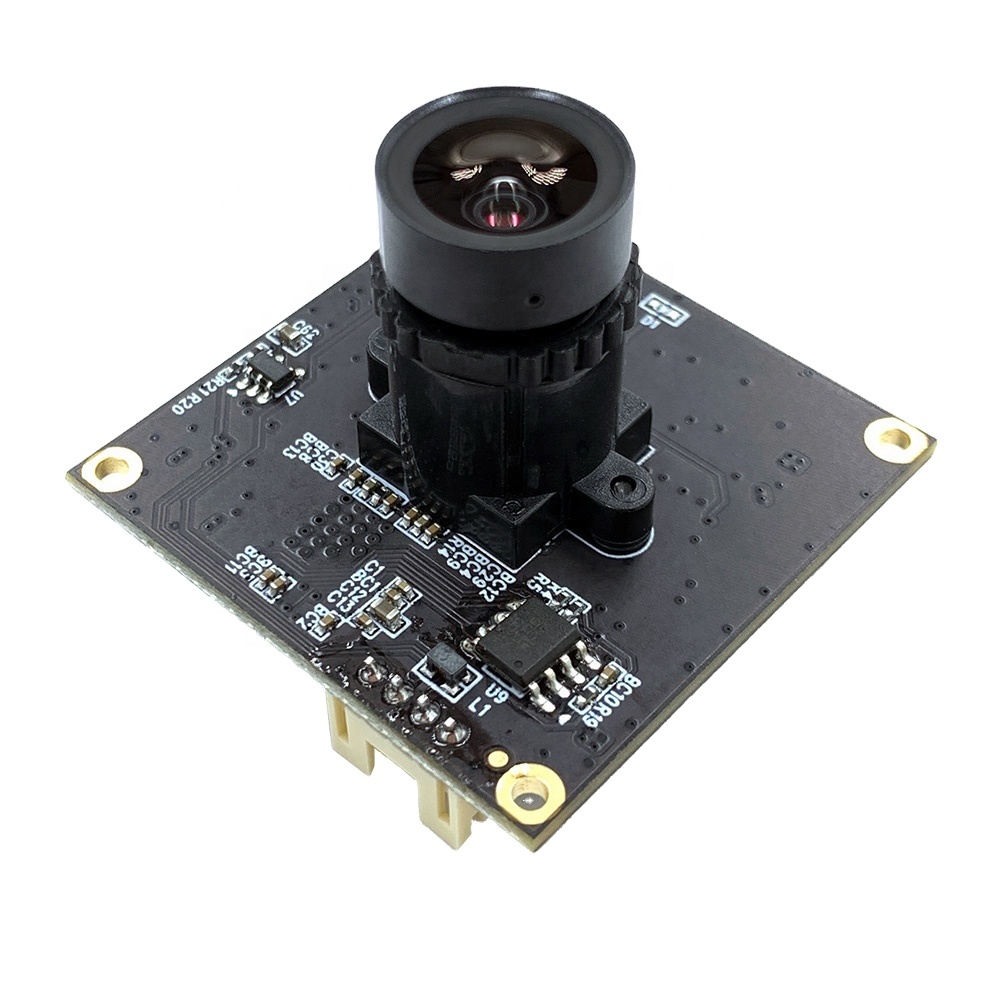
Barcode recognition and produce classification require predictable geometric metrics. Standard fisheye lenses introduce radial barrel distortion that can distort product aspect ratios and skew optical barcode readers. Brekta offers engineered M12 optical lenses ranging from ultra-wide 1.7mm fisheyes to low-distortion 2.8mm, 3.6mm, and 6mm board lenses, complete with IR-Cut filters tuned for 650nm visual spectra or dual-band 850nm/940nm IR illumination for liveness detection.
Self-Checkout OEM Camera Technical Decision Matrix
Compare key optical architectures to select the ideal hardware configuration for your POS terminal project.
| Camera Architecture | Primary Sensor Model | Resolution & Max FPS | WDR / Low-Lux Rating | Target SCO Application |
|---|---|---|---|---|
| High-Speed Motion Capture | 1/3" High-Speed CMOS | 1080P @ 330 FPS / 720P @ 330 FPS | HDR / 0.1 Lux | Overhead Loss Prevention & Fast Scan-Bypass Detection |
| Low-Lux Night Vision | Sony STARVIS IMX291 / IMX323 | 1080P @ 30 FPS | 120 dB WDR / 0.0001 Lux | 24/7 Unmanned Autonomous Retail & Low-Light Kiosks |
| True Dynamic Range Scanning | Onsemi AR0230 CMOS | 1080P @ 30 FPS | 105 dB True WDR / Color | High-Reflective Packaging & Glass Front Supermarket SCOs |
| High-Res Produce Recognition | 8.0MP Low-Lux CMOS / Sony IMX377 | 3264*2448 @ 15 FPS / 4K UHD | 0.1 Lux / Color Autofocus | AI Weight Scale Produce & Unpackaged Bakery Vision |
| Ultra-Compact Space-Constrained | 1/4" & 1/2.7" Mini CMOS | 720P / 1080P @ 30 FPS | 0.1 Lux / Compact PCB | Slim POS Bezel, Micro Kiosks & Reverse Vending Machines |
Why B2B Integrators & Wholesalers in Oslo Partner with Brekta
Shenzhen Brekta Electronics Co., Ltd. operates a fully integrated R&D and manufacturing facility in Guangdong, China (Shenzhen HQ & Dongguan manufacturing branch), specializing exclusively in compact, micro, and customized camera modules for international B2B OEMs.
In-House PCB Circuit Design
Our senior engineering team utilizes Allegro and Protel for custom multi-layer PCB design. We can tailor board sizes (down to micro 15x15mm layouts), reposition USB/FPC connectors, modify component height profiles, and integrate micro-controllers to meet precise housing parameters.
Strict Optical Quality Control
Every single camera module undergoes rigorous SMT inspection, automated optical alignment (AA), resolution chart MTF testing, thermal stress testing (-20°C to +70°C), and 100% video output burn-in verification prior to final packing.
- Low Evaluation Barrier: Standard evaluation samples ship with an MOQ starting at just 1 piece, permitting rapid prototyping for Norwegian R&D engineering teams.
- Rapid Global Logistics: In-stock samples dispatch within 1–3 business days via DHL/FedEx Express, reaching Oslo Airport (OSL Gardermoen) in 3–5 days.
- Regulatory Compliance: Full CE, FCC, and RoHS certification documentation supplied to ensure seamless customs clearance into Norway and the wider EEA.
- Comprehensive Warranty: 24-month replacement warranty backed by lifetime direct technical support from our engineering department.
Oslo Procurement & Technical Engineering FAQ
Clear answers to common questions asked by system integrators, software vendors, and wholesale buyers in Norway.
How do Brekta’s camera modules ensure compliance with GDPR and Norwegian Datatilsynet privacy regulations?
What is the typical delivery timeline and customs handling for camera orders shipped to Oslo, Norway?
Are these USB camera modules natively compatible with Linux POS terminals used by Nordic retail integrators?
Which camera optics work best for automated produce recognition on checkout scales?
Can Brekta customize board dimensions, cable pinouts, and housing brackets for micro SCO terminals?
Upgrade Your Self-Checkout Vision Architecture Today
Partner directly with Shenzhen Brekta Electronics Co., Ltd. for factory-direct wholesale pricing, custom optical engineering, and reliable supply chain delivery tailored for the Oslo retail market.