Ultra-Low Lux Optical Hardware for Harsh Coastal & Industrial Environments
High-sensitivity Sony STARVIS & Onsemi CMOS camera modules custom-engineered for maritime port monitoring, urban infrastructure, hospitality zones, and automated kiosk integrations.
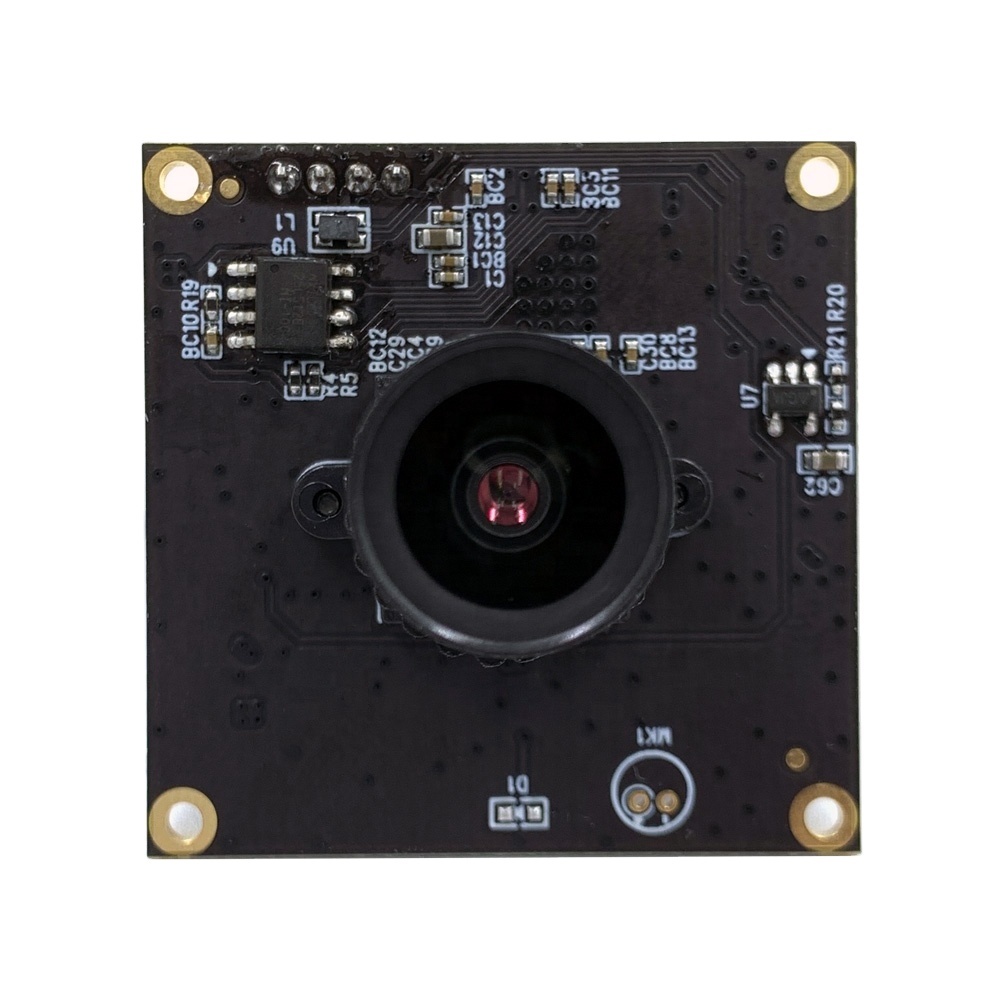
- Frame Rate: Ultra High 330fps
- Resolution: Full HD 1080P
- Board Size: Standard 38x38mm
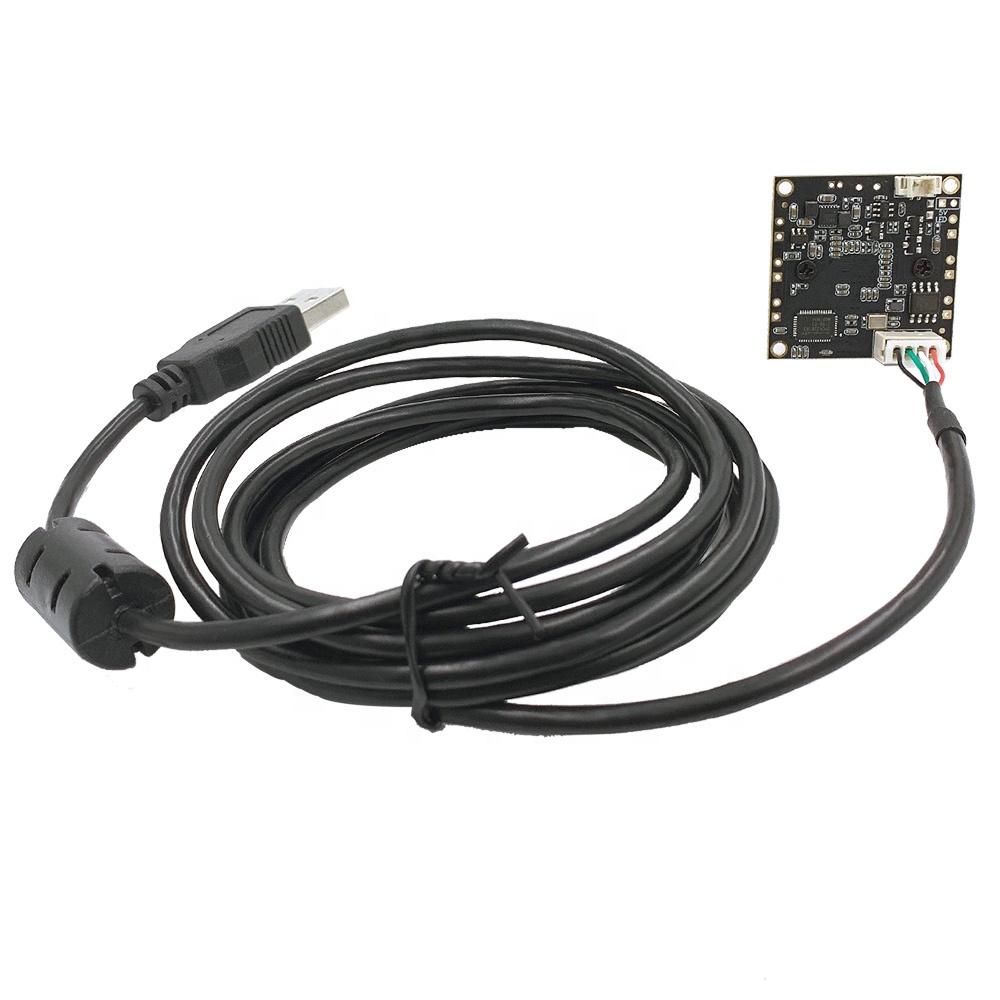
- Sensor: Onsemi AR0230 WDR
- Application: ATM & Kiosk Terminals
- Form Factor: Compact 32x32mm
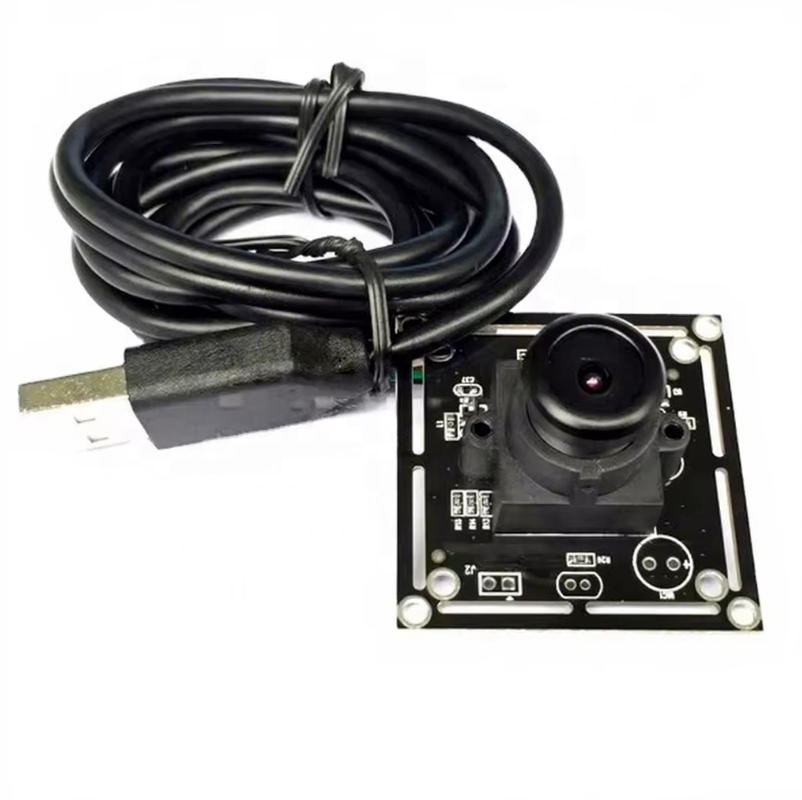
- Optical Tech: EX-View WDR Sensitivity
- Lens: 3.6mm Fixed Focal Board Lens
- Targeted Use: Digital Signage & Media
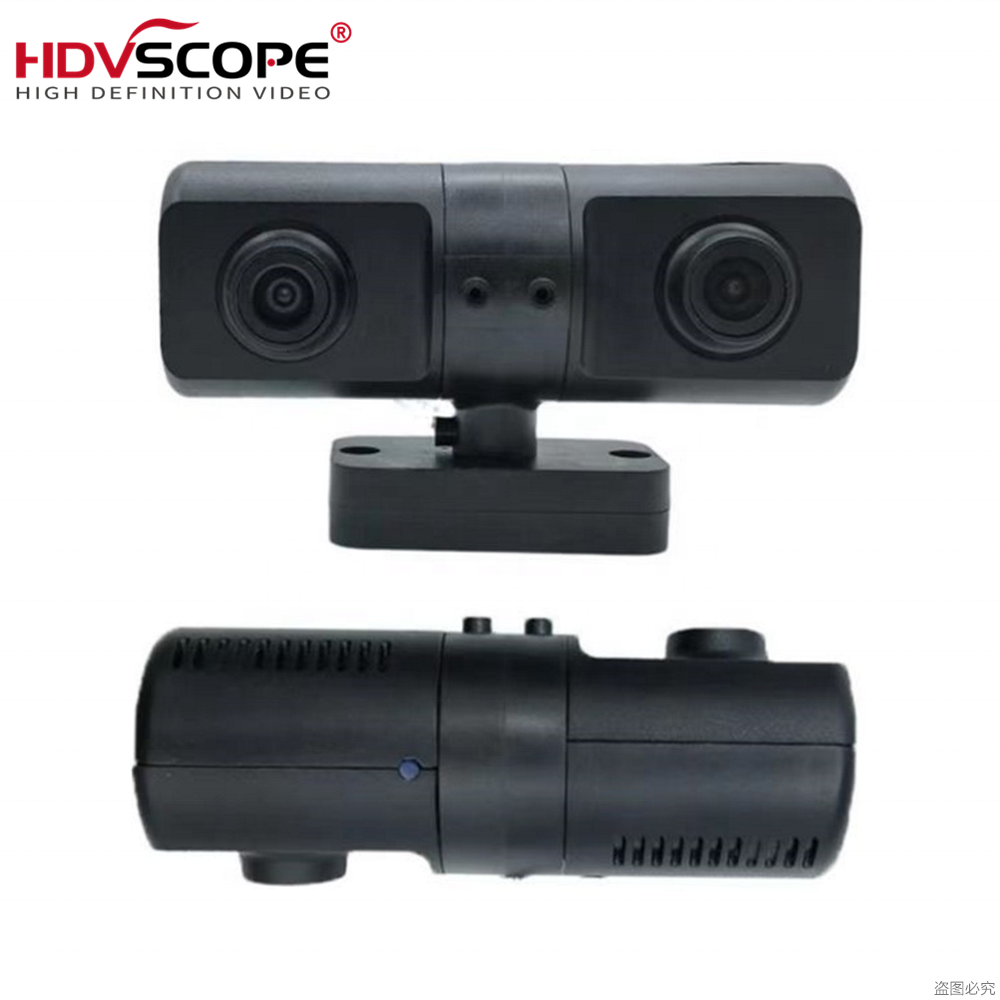
- Design: Stereo Dual-Lens Configuration
- Field of View: 125° Wide Angle
- Illumination: 6PCS Onboard IR LEDs
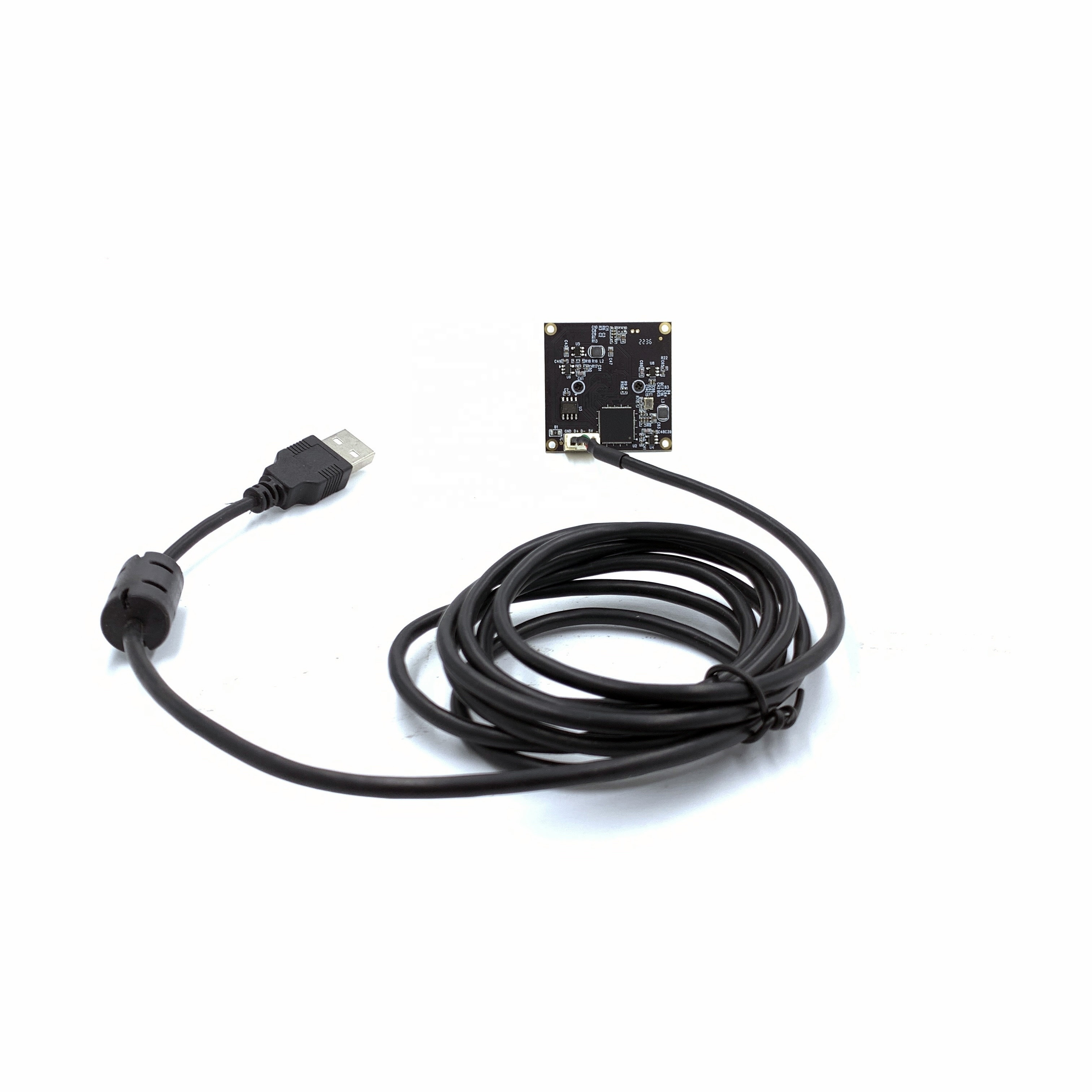
- Speed: 330fps Zero Frame Latency
- Optics: 3.7mm Narrow Angle Lens
- Dynamic Range: Advanced HDR Mode
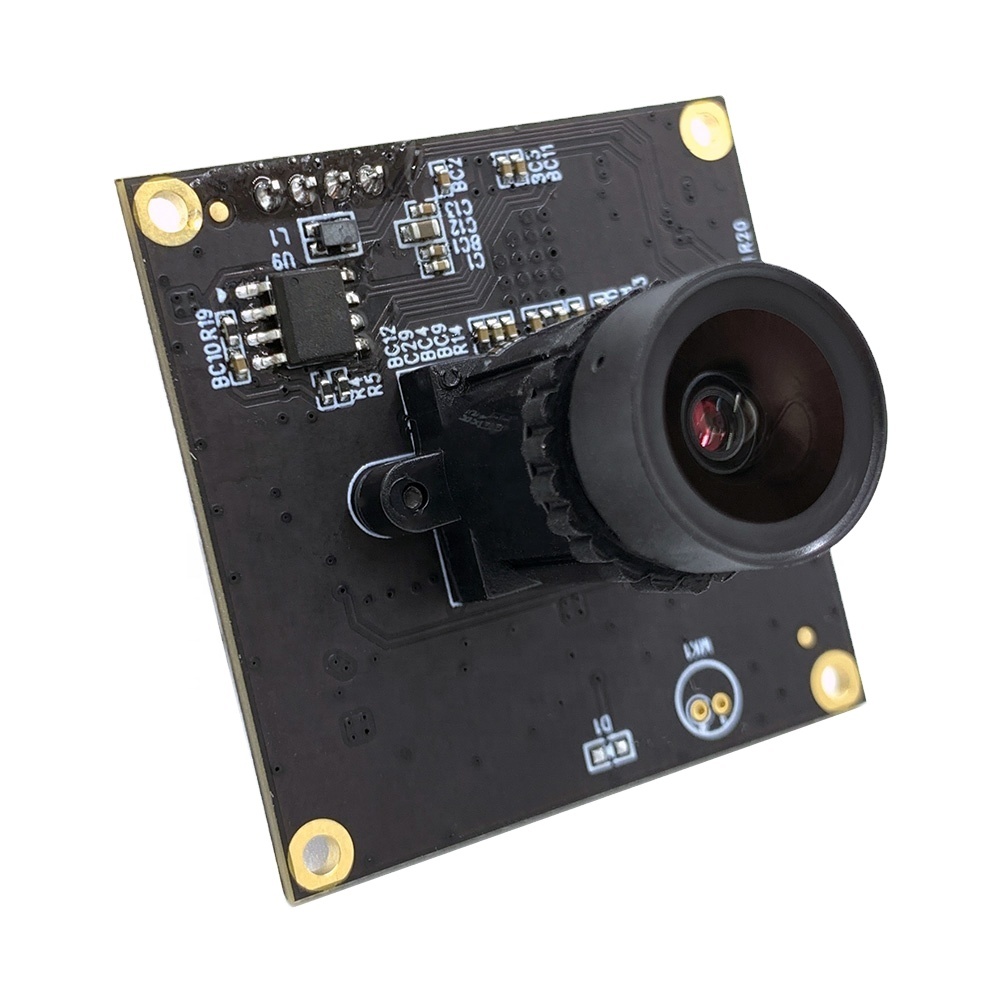
- Customization: OEM PCB & Firmware
- FOV: Ultra-Wide 2.1mm Lens
- Output: Driverless UVC USB Stack
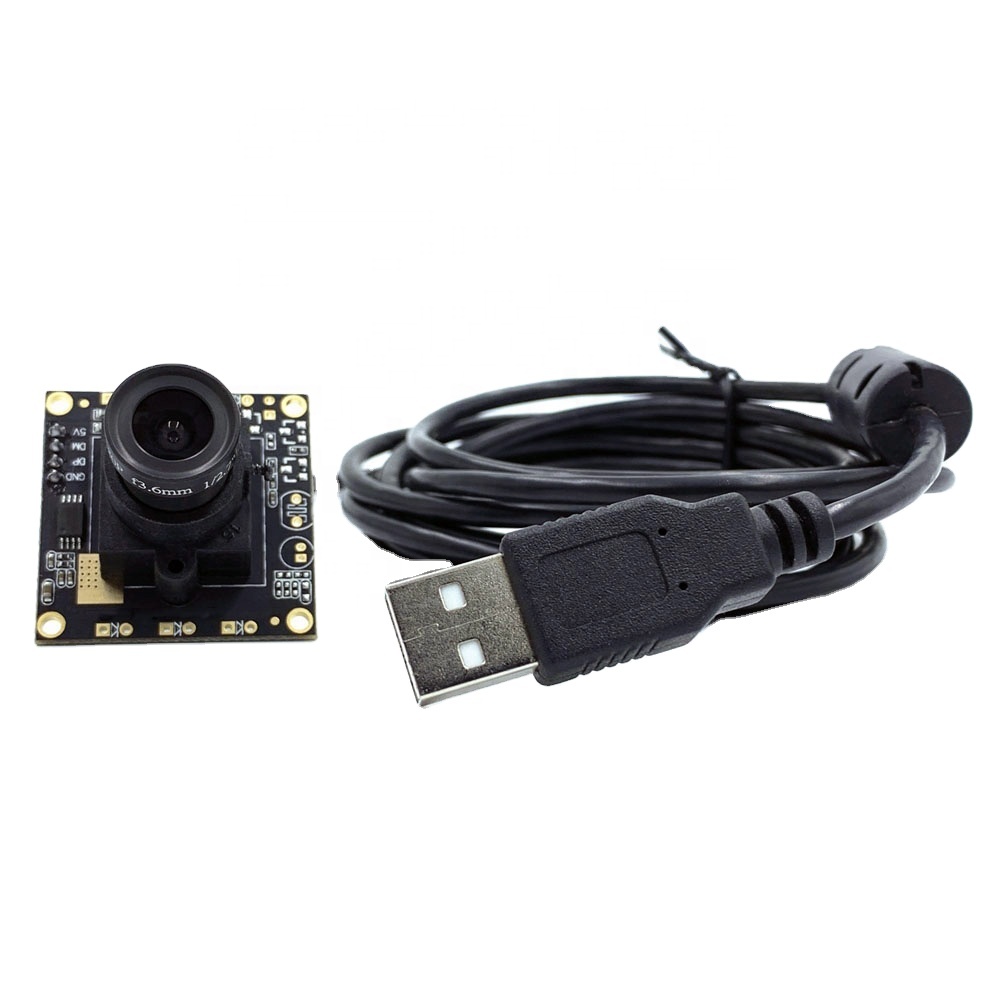
- Reliability: Continuous 24/7 Duty Cycle
- Dynamic Range: True Hardware WDR
- Interface: USB 2.0 / UVC Plug-and-Play
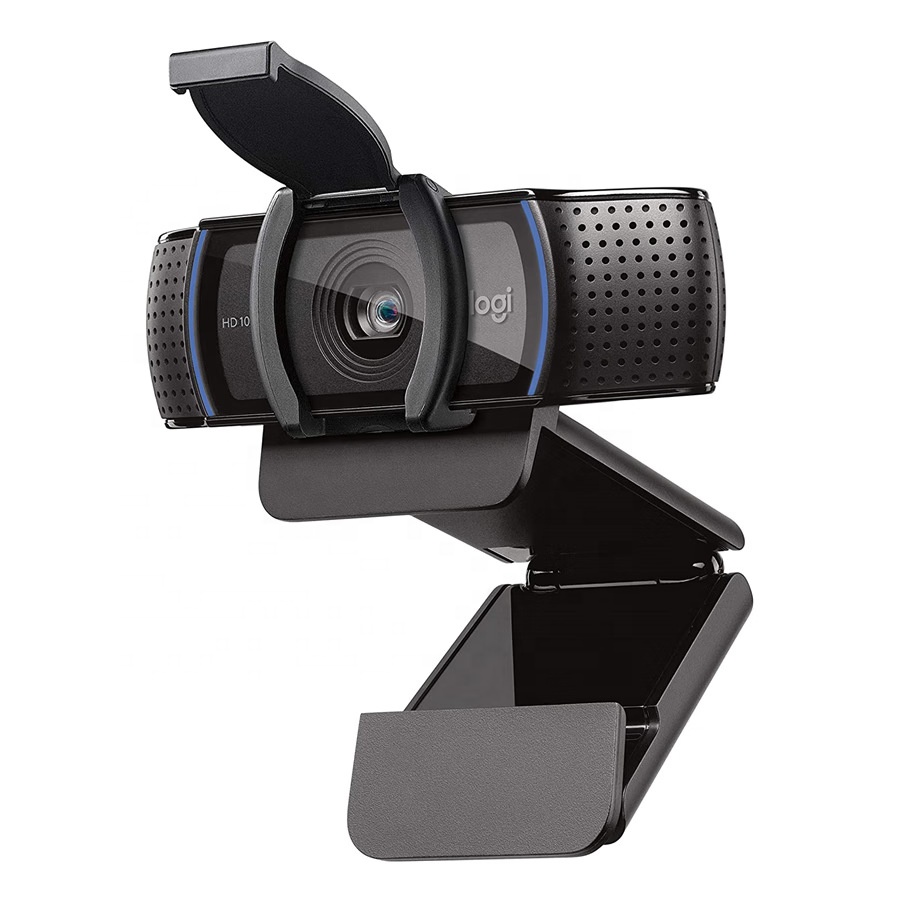
- Lens Mechanism: High-Precision Autofocus
- Audio: Integrated Noise-Canceling Dual Mics
- Security: Physical Mechanical Privacy Shutter
1. Technical Foundations of Starlight Optical Sensors in Extreme Low-Light Surveillance
In modern industrial machine vision and municipal security infrastructure, the transition from conventional Near-Infrared (NIR) monochrome imaging to true color low-lux performance represents a monumental paradigm shift. The core physics of Starlight imaging technology lies in maximizing the Quantum Efficiency (QE) of the image sensor across the visible light spectrum (380nm–740nm) while maintaining an exceptionally low Signal-to-Noise Ratio (SNR).
When evaluated according to the Sony SNR1s benchmark—the industry-standard metric quantifying the light intensity required to achieve an SNR of 1 in a 1µm² pixel area—Starlight-grade sensors (such as the Sony STARVIS and STARVIS 2 series, alongside Onsemi High-Dynamic-Range sensors) consistently demonstrate superior performance under light levels below 0.001 Lux. For procurement specialists, system integrators, and engineering wholesalers operating within the Wonsan market, understanding these sensor architectures is critical when selecting vision hardware capable of operating reliably in pitch-black maritime environments, foggy harbor zones, and unlit urban industrial corridors.
Back-Illuminated (BSI) Pixels
By placing the wiring layer beneath the photodiode substrate, BSI architecture eliminates light obstruction, boosting photon collection efficiency by up to 180% compared to legacy Front-Illuminated (FSI) sensors.
Hardware-Level WDR / HDR
Dual-exposure and triple-exposure staggered HDR algorithms merge high and low gain frames at the ISP level, preventing highlight blowouts in high-contrast coastal lighting and bright headlight flare.
UVC Driverless Architecture
Compliant with USB Video Class (UVC) standards, allowing seamless zero-driver plug-and-play operation across Linux, Android, Windows, and ROS (Robot Operating System) embedded platforms.
2. Localized Application Scenarios for Starlight Cameras in the Wonsan Industrial & Municipal Ecosystem
Wonsan, as a vital port city, industrial hub, and emerging tourist infrastructure zone in Kangwon Province, presents distinct environmental and operational challenges for electro-optical installations. High atmospheric salinity, frequent maritime sea fog, low ambient municipal illumination at night, and extreme thermal fluctuations demand specialized camera module configurations. Below are four key deployment domains where Shenzhen Brekta Electronics' OEM camera solutions excel:
A. Maritime Navigation, Dockyard Surveillance & Harbor Security
Wonsan Port and surrounding vessel traffic lanes require 24-hour visual tracking of watercraft, cargo cranes, and dock perimeter fences. Standard security cameras equipped with traditional infrared illuminators suffer from severe light backscatter caused by dense coastal fog and water droplets. By deploying 0.0001 Lux Starlight USB and IP camera modules fitted with large-aperture F1.0 to F1.2 M12 optical lenses, port operators achieve full-color night vision using only the natural ambient starlight and distant harbor lighting. This eliminates IR fog glare while preserving color fidelity for vessel registration and cargo container inspection.
B. Wonsan-Kalma Coastal Tourist Zone & Hospitality Kiosk Terminals
The extensive commercial, resort, and airport developments across the Kalma Peninsula require automated self-service kiosks, ATM cash dispensers, facial recognition turnstiles, and smart vending systems. Embedded camera modules in these public-facing terminals must handle unpredictable lighting—ranging from harsh direct morning sunlight off the ocean to complete pitch-dark conditions on beach promenades at night. Our Onsemi AR0230 WDR 32x32mm camera modules feature 105dB true hardware WDR, ensuring accurate facial biometric capture and QR code scanning without blinding or underexposing the subject.
C. Industrial Automation & High-Speed Machinery Monitoring
Manufacturing facilities and automated processing plants in the regional industrial corridor demand high-frame-rate computer vision to detect micro-defects on fast-moving conveyor belts, robotic arms, and packaging lines. Utilizing our 330fps High-Speed HDR 2.0MP camera modules, engineers can capture crystal-clear, blur-free motion frames without dropping video packets, even in factory floors with inconsistent overhead fluorescent or low-bay LED lighting.
D. Municipal Traffic Control & Extreme Weather Public Infrastructure
Coastal roads, bridges, and municipal intersections in Wonsan experience harsh sub-zero winter temperatures, icy sea blasts, and salt-laden air. Brekta’s OEM camera PCBs are engineered with industrial-grade wide-temperature components (-30°C to +85°C) and feature dual-layer conformal coatings to resist oxidation. Combined with 125-degree wide-angle optics and high-efficiency H.264/H.265 compression options, these boards integrate smoothly into traffic monitoring boxes and compact pole-mounted enclosures.
3. Localized Development Trends & Engineering Demand in Wonsan
As regional infrastructure modernizes, purchasing managers and engineering wholesalers in Wonsan are shifting away from standalone consumer-grade CCTV units toward highly integrated, modular OEM components. Key engineering trends reshaping procurement decisions include:
- Edge-AI Integration & Low-Latency Video Feeds: System integrators are pairing compact 38x38mm and 32x32mm UVC camera modules directly with ARM-based single-board computers (NVIDIA Jetson, Raspberry Pi, NXP i.MX) for real-time edge processing, license plate recognition (ANPR), and object classification.
- Demand for High-Speed Image Processing: High-frame-rate capture (120fps to 330fps at 1080P) is becoming a strict requirement for specialized counting devices, high-speed sorting machines, and scientific research apparatus.
- Transition to Multi-Protocol Hardware: B2B buyers increasingly favor camera factories that supply flexible interface options—including USB 2.0/3.0, RTSP/ONVIF IP, PoE, AHD/TVI/CVI analog HD, and uncompressed HD-SDI—allowing a single OEM design to serve diverse host controller architectures.
- Ruggedization & Miniaturization: Compact form factors down to 15x15mm mini square boards and 20mm mini bullet housings are required to fit into tight mechanical spaces without compromising heat dissipation or optical resolution.
4. Electro-Optical Hardware Selection Matrix for System Integrators
To assist technical directors and procurement teams in choosing the optimal camera board for their specific deployment environment in Wonsan, the following comparative engineering matrix breaks down key sensor attributes and operational parameters:
| Sensor / Model Architecture | Min. Illumination | Dynamic Range | Primary Interface | Optimal Wonsan Deployment Scenario |
|---|---|---|---|---|
| Sony STARVIS IMX291 | 0.0001 Lux (Color) | 85dB WDR | USB 2.0 (UVC) / IP | Wonsan Port night perimeter, unlit coastal roads |
| Onsemi AR0230 CMOS | 0.01 Lux | 105dB Hardware WDR | USB 2.0 / Parallel | Kalma resort ATMs, outdoor self-service kiosks |
| High-Speed HDR 330fps Engine | 0.1 Lux | 96dB HDR | High-Speed USB 2.0 | Industrial conveyor inspection, high-speed motion tracking |
| 1/4" Dual-Lens IR System | 0 Lux (IR LED On) | 68dB Standard | USB 2.0 Dual Channel | Access control turnstiles, binocular facial liveness verification |
| 4-in-1 Starlight Coax (AHD/SDI) | 0.0008 Lux | 90dB WDR | BNC Coaxial / SDI | Long-distance retrofits, marine vessel bridge displays |
5. Enterprise Advantages of Shenzhen Brekta Electronics Co., Ltd.
As a leading Chinese designer and manufacturer of miniaturized optical camera modules, Shenzhen Brekta Electronics Co., Ltd. serves as a direct factory supplier for system integrators, OEM equipment manufacturers, and B2B wholesalers across Asia, Europe, and the Americas. Our engineering operations in Shenzhen and production facilities in Dongguan are tailored specifically to solve complex optical integration problems.
In-House PCB Circuit Design
Our senior hardware engineers utilize Protel and Cadence Allegro to design custom multi-layer PCBs, optimizing signal integrity, EMI/EMC shielding, and heat dissipation for compact enclosures.
Strict Darkroom & ESS Testing
Every single camera module undergoes 100% optical alignment, darkroom resolution chart calibration, and Environmental Stress Screening (ESS) burn-in prior to final vacuum packaging.
International Certifications & Warranty
All Brekta products hold full CE, FCC, and RoHS compliance certificates. We back our hardware with an industry-leading 24-month factory replacement warranty and lifetime technical support.
Whether you require a custom lens focal length (pinhole, 1.7mm fisheye, 2.8mm wide angle, or C/CS telephoto varifocal), modified ribbon cable pinouts, integrated IR-Cut filters, or tailored ISP firmware parameters, our rapid prototyping team delivers evaluated engineering samples within 1 to 3 working days.
6. Frequently Asked Questions (FAQ) for Local Procurement & Engineering
Request Direct Factory Engineering Support & Pricing
Connect with Shenzhen Brekta Electronics' optical engineering team today. Send your optical, mechanical, or interface specifications for instant technical evaluation and factory wholesale quotes.
Get a Quote