Precision Board Camera Modules for Kuala Lumpur OEMs
Engineered for immediate deployment across commercial kiosks, automated banking terminals, examination systems, and tropical industrial environments.
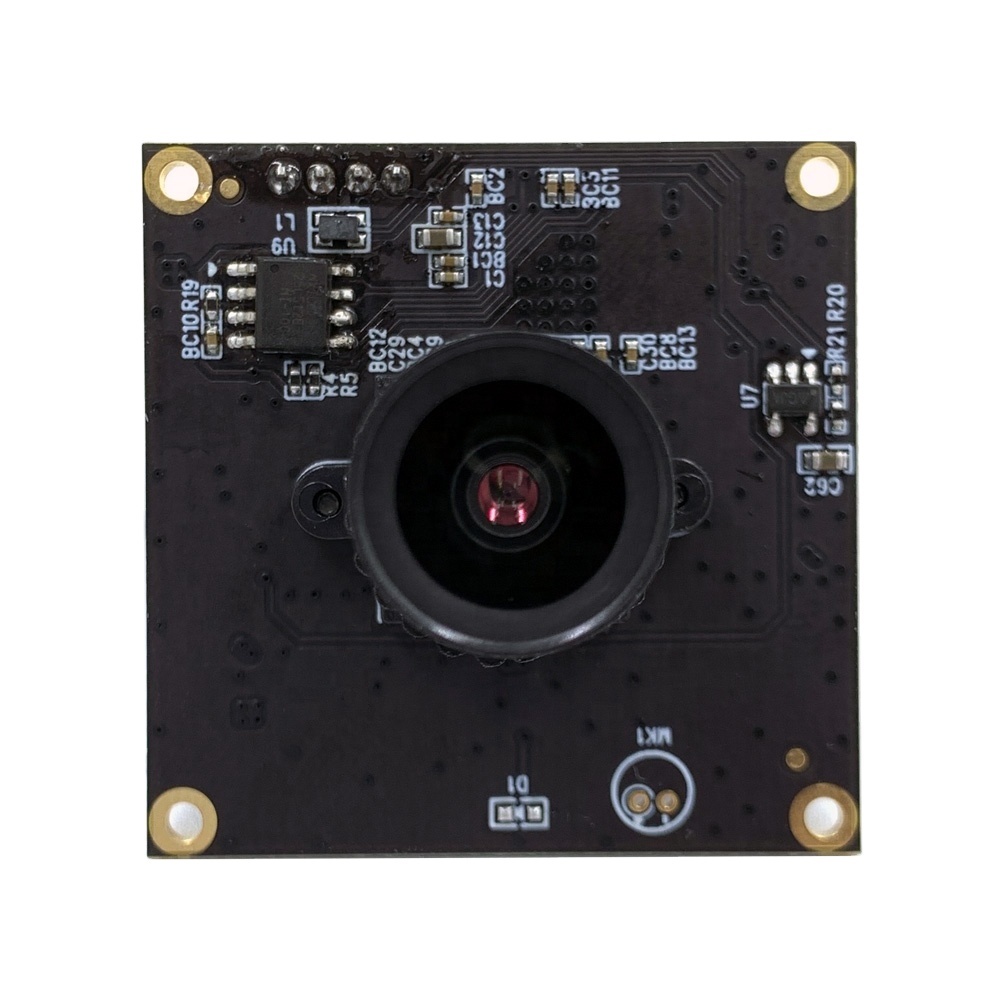
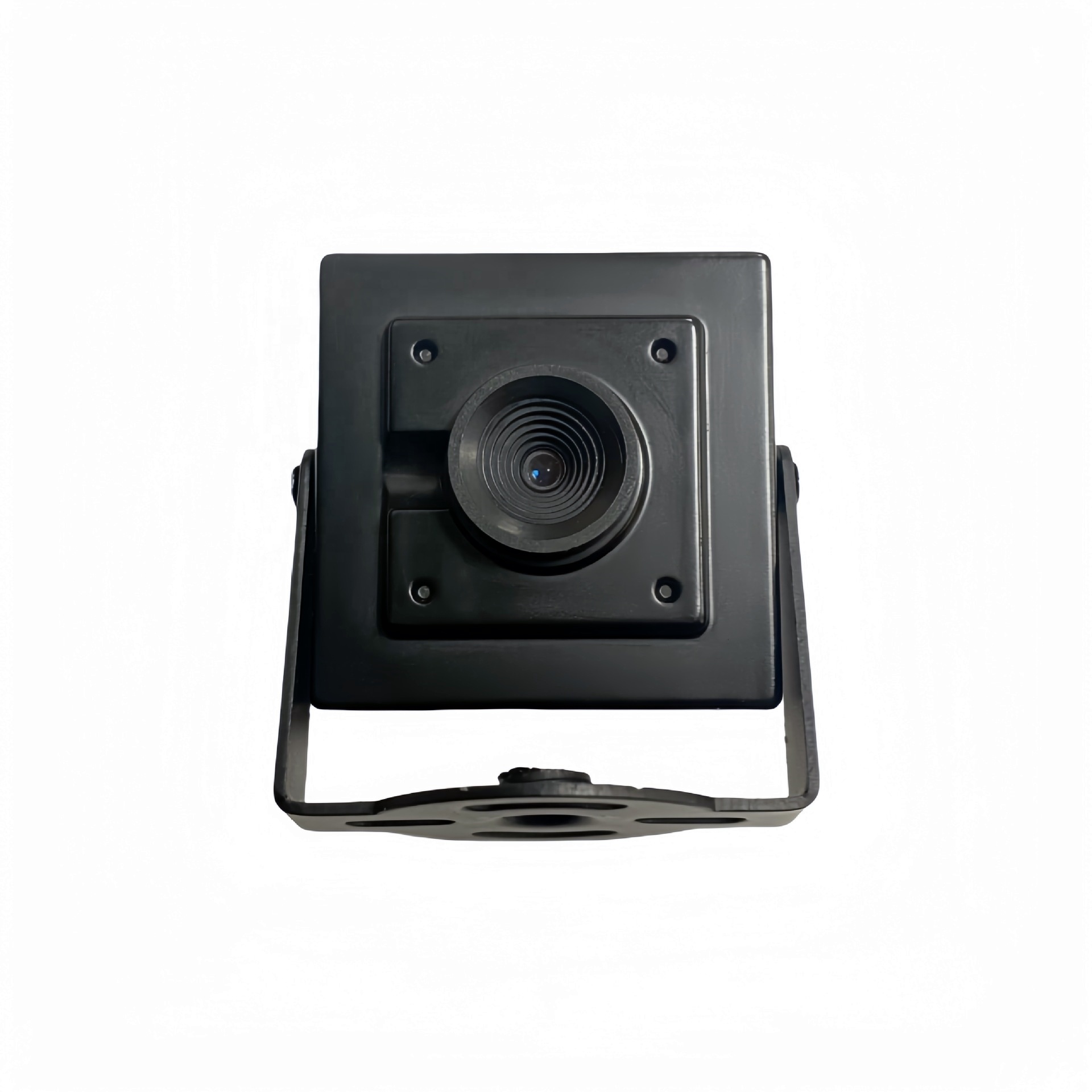
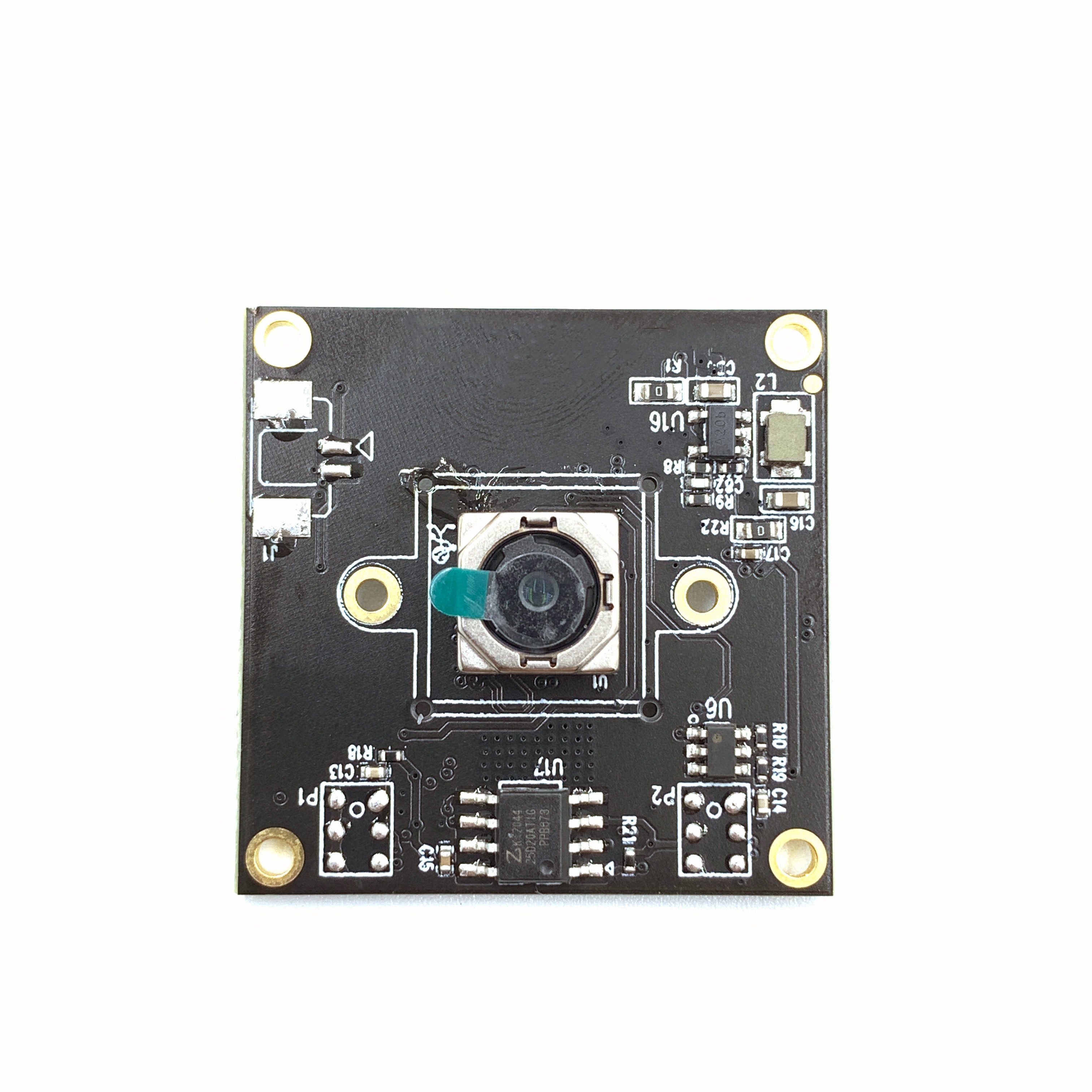
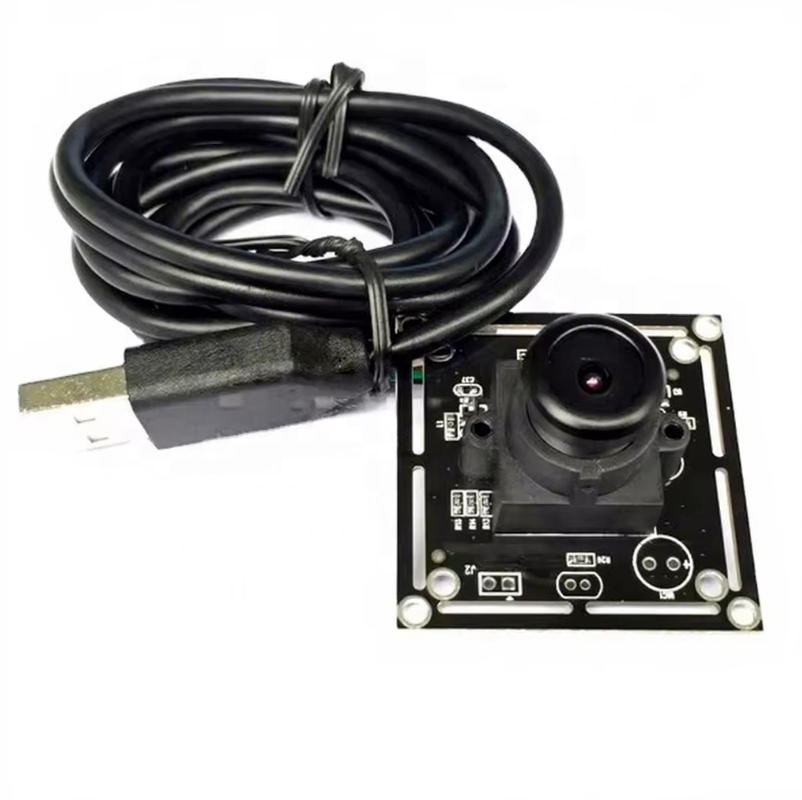
Navigating Board Camera Module Selection for Greater Kuala Lumpur’s Industrial & Smart City Blueprint
As Kuala Lumpur rapidly evolves into a premier Southeast Asian smart city nexus—driven by the government's MyDIGITAL initiative, Industry4WRD framework, and expanding IoT ecosystems across the Klang Valley—the demand for high-reliability embedded vision systems has reached an all-time peak. System integrators, kiosk engineering firms, smart retail vendors, and security equipment manufacturers operating in Wilayah Persekutuan, Selangor, and Cyberjaya face unique operational challenges. Selecting the right board camera module supplier requires balancing precise optical performance with micro-climatic endurance, driverless software integration, and regional regulatory compliance.
This whitepaper provides an exhaustive technical analysis for procurement executives and hardware architects evaluating board camera module suppliers serving the Kuala Lumpur market. It examines key sensor architectures, tropical environmental engineering, supply chain logistics via Port Klang and KLIA, and critical integration paradigms.
1. The Technical Architecture of Modern Board Camera Modules
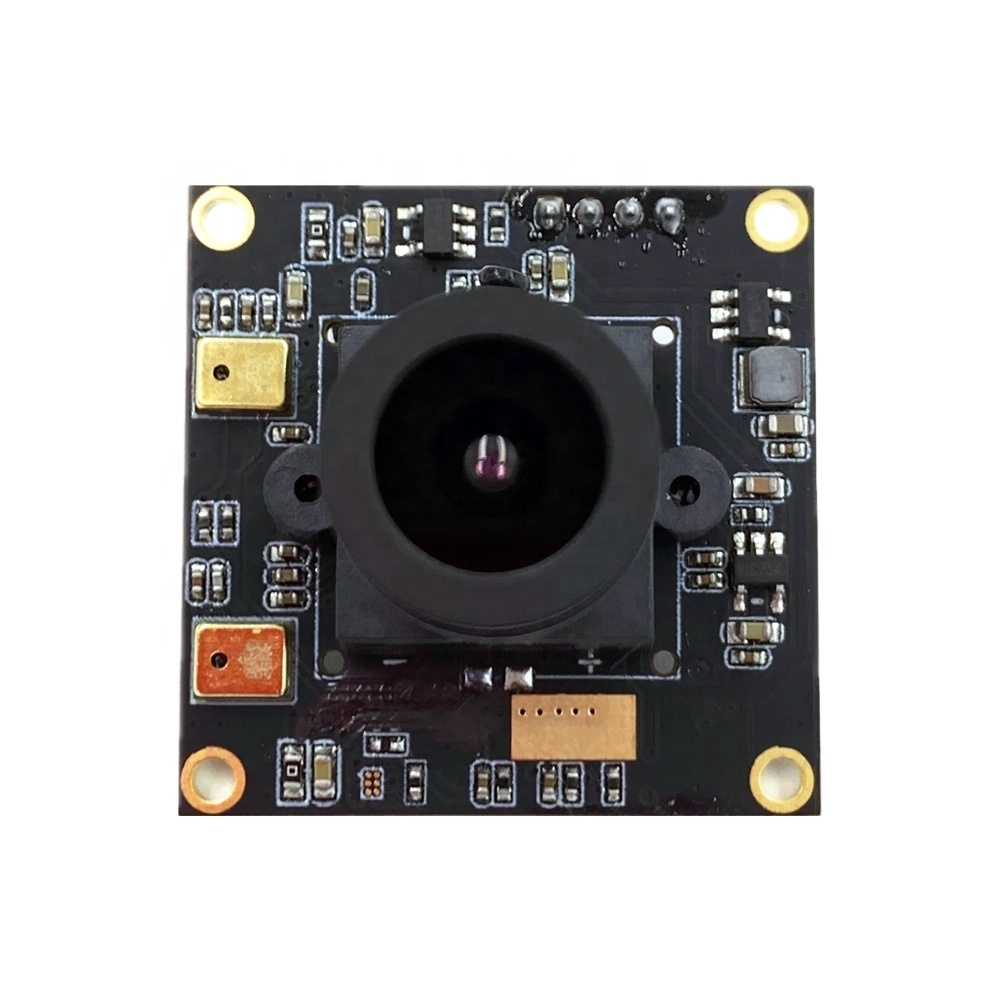
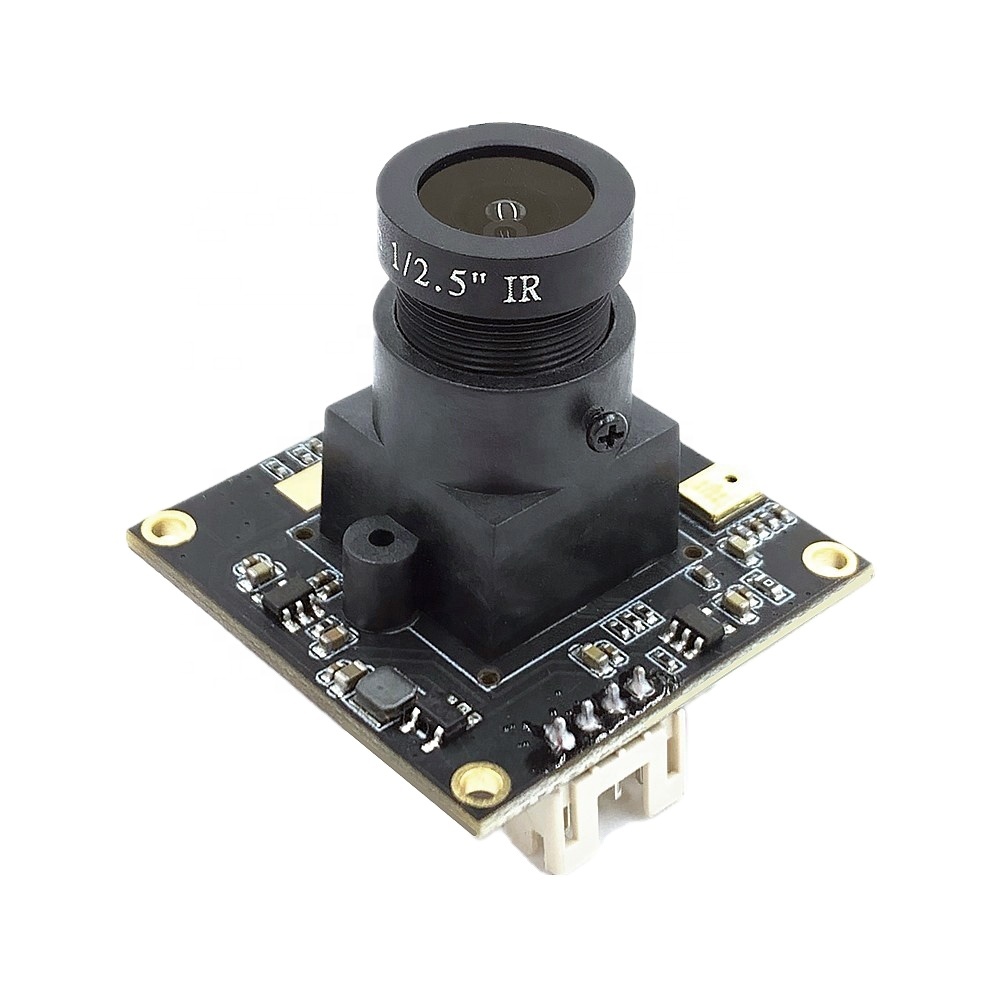
A board camera module (often termed a PCB camera module) is an unhoused, miniaturized image capture unit designed to be integrated directly into larger electro-mechanical assemblies, such as Automated Teller Machines (ATMs), Automated Document Verification Kiosks, Smart Vending Cabinets, and Highway ANPR (Automatic Number Plate Recognition) gantries. The performance of these modules hinges on three foundational engineering tiers:
Image Sensor & ISP Calibration
Silicon selection (e.g., Sony STARVIS IMX291/IMX335 or OmniVision CMOS) paired with custom Image Signal Processors (ISP) defines low-lux performance, SNR1s ratings, and dynamic range hardware tuning.
Optical Interface & Mounts
M12, M14, CS, or custom pinhole lens holders mounted over precisely aligned optical centers. Wide-angle fisheye lenses (up to 190° HFOV) require low-distortion optical glass elements.
Host Bus & Driverless Connectivity
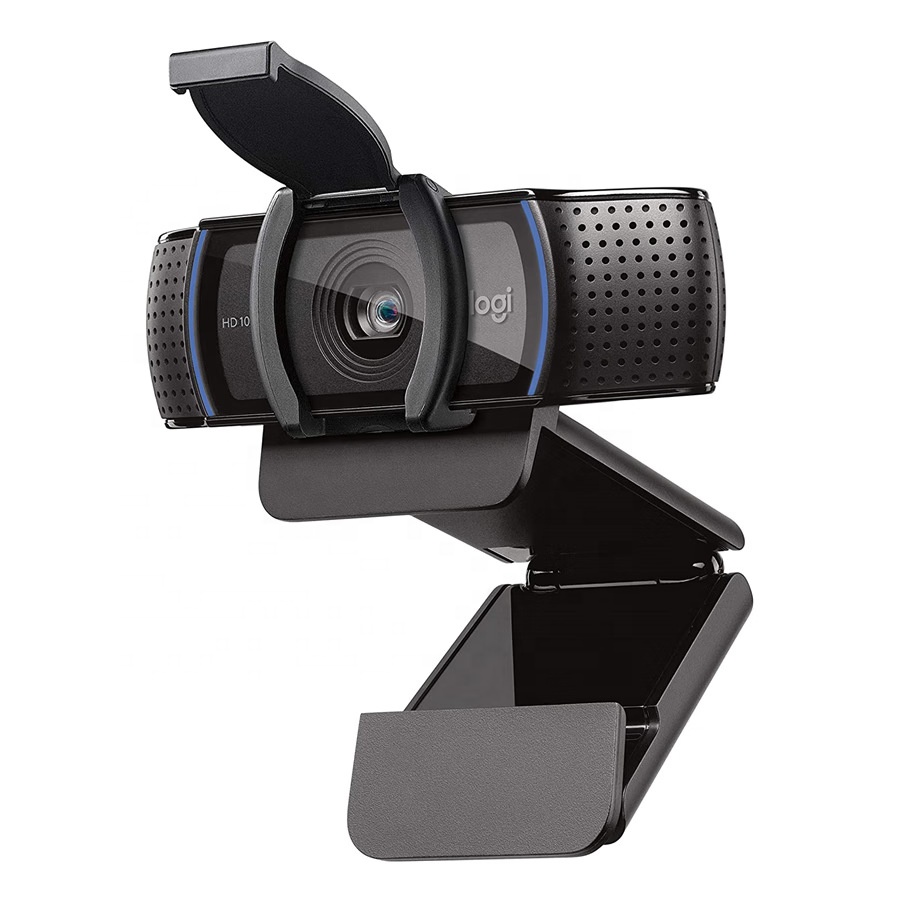
USB 2.0/3.0 UVC (USB Video Class) compliance for zero-driver implementation across Linux, Android, and Windows, alongside RTSP/ONVIF IP and low-latency HD-SDI interfaces.
Comparing Optical Sensor Technologies: Rolling Shutter vs. High Frame Rate
When selecting a board camera module for automated systems in Kuala Lumpur, engineering teams must differentiate between standard rolling shutter sensors and high-frame-rate or global shutter alternatives. Standard rolling shutter modules (such as 2.0MP 1080P Starvis units) excel in static or slow-moving scenarios where extreme low-light sensitivity down to 0.001 Lux is required—ideal for overnight cash deposit kiosks located in dimly lit commercial banks across Bukit Bintang or Ampang.
Conversely, for fast-moving applications—such as high-speed sorting, toll plaza vehicle capture along the Smart Tunnel, or high-speed document scanning—high-frame-rate modules offering up to 330fps at 1080P prevent motion blur and temporal image skew, enabling real-time OCR and AI analytics engines to process data with near-zero latency.
In high-contrast ambient environments, such as outdoor retail self-checkout kiosks exposed to direct sunlight near glass building facades, standard Wide Dynamic Range (WDR) is insufficient. Hardware-level HDR (>120dB) is required to resolve both intense background light and deep shadows on user faces simultaneously.
2. Micro-Climatic & Environmental Engineering for Klang Valley Deployments
Kuala Lumpur’s equatorial climate presents severe stress factors for electronic components. Operating within ambient temperatures ranging from 28°C to 38°C and relative humidity levels frequently exceeding 85%, standard commercial board cameras are susceptible to premature failure caused by thermal degradation, lens fogging, oxidation of exposed copper traces, and sensor noise increase.
| Environmental Stress Factor | Impact on Unprotected Board Modules | Brekta Enterprise Engineering Countermeasure |
|---|---|---|
| Extreme Relative Humidity (>85% RH) | Condensation between lens elements; moisture penetration into sensor array leading to short circuits. | Automated conformal coating on multi-layer PCBs; IP65 sealed anti-fog lens assemblies with thermal isolation rings. |
| Thermal Accumulation in Sealed Kiosks | Internal kiosk temperatures reaching 55°C+ cause sensor thermal noise, hot pixels, and frame rate drops. | High-thermal-conductivity copper vias, Protel/Allegro optimized thermal planes, and wide-temp components (-30°C to +85°C). |
| Tropical Power Grid Voltage Fluctuation | Transient voltage spikes cause ISP firmware corruption and signal degradation over long USB cables. | On-board ESD protection, TVS diodes, and regulated power delivery management circuits built into 32x32mm / 38x38mm layouts. |
| Vibration along Urban Transit Corridors | Lens defocusing over time due to mechanical vibration on buses, LRT trains, or roadside gantries. | Industrial-grade thread-locking adhesive on M12 board lens mounts and auto-focus voice coil motor (VCM) reinforcement. |
3. Localized Application Scenarios Across Kuala Lumpur & Selangor
Supplying board camera modules to Kuala Lumpur requires a deep understanding of the local commercial ecosystem. Our OEM/ODM camera modules are actively integrated across diverse industry verticals in the region:
A. Smart Retail & Self-Checkout Kiosks in Shopping Hubs
In high-density commercial centers such as Sunway Pyramid, Pavilion Kuala Lumpur, and Mid Valley Megamall, automated retail terminals rely on 4K UHD 12MP Autofocus USB Camera Modules. These units power AI vision models for automated item recognition, loss prevention, and QR code payment processing (Touch 'n Go eWallet, GrabPay, and DuitNow QR). High resolution and fast auto-focus allow immediate recognition of complex barcodes and product packaging under varying lighting conditions.
B. Banking, ATM, & VTM Cash Deposit Terminals
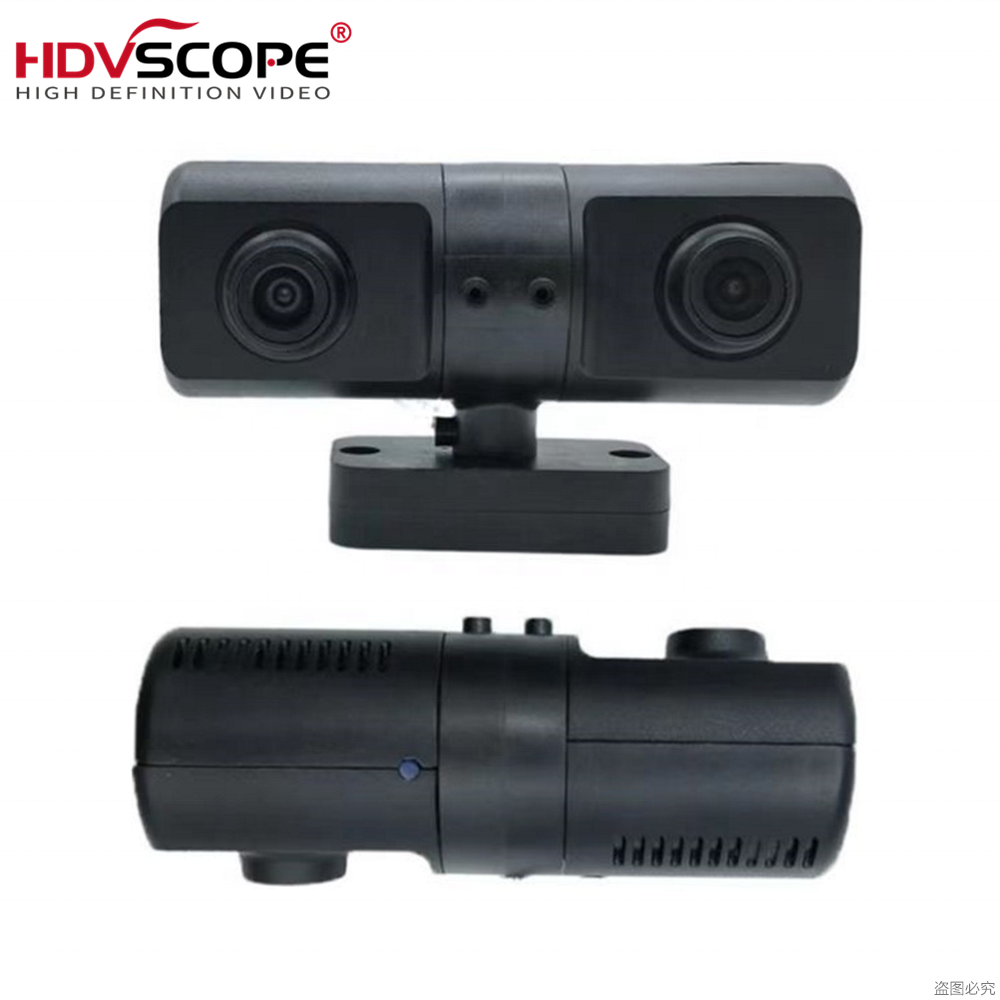
Malaysia's major financial institutions (including Maybank, CIMB, and Public Bank) continue upgrading their ATM and Video Teller Machine (VTM) networks. Compact 32x32mm 2.0MP Low-Lux WDR USB camera modules and pinhole dual-lens cameras fit seamlessly behind narrow fascia panels. They deliver crisp facial recording during transactions without alarming users, providing essential evidence for dispute resolution and anti-fraud compliance.
C. Smart City Infrastructure & Traffic Surveillance
Kuala Lumpur’s Smart City 2025 Vision mandates real-time traffic monitoring, smart parking detection, and automated enforcement along major arterials like Jalan Tun Razak and the Federal Highway. Embedded IP camera modules with RTSP/ONVIF output and H.265 compression allow municipal authorities to deploy edge-computing cameras directly inside light poles and overhead gantries, minimizing bandwidth consumption while transmitting clear 1080P/4MP video feeds.
D. Examination & Identity Verification Systems
Educational institutions and government agencies across the Klang Valley utilize customized USB camera modules for secure biometric exam verification and MyKad identity scanning. Low-latency H.264 video compression ensures smooth streaming during remote invigilation, while wide-angle lenses ensure complete coverage of the candidate's workstation.
4. Strategic Sourcing Trends & Supply Chain Optimization for Malaysia
When procurement managers in Kuala Lumpur select a board camera module supplier, manufacturing capability is only part of the equation. Logistics efficiency, customs clearance velocity, and technical support responsiveness dictate project success.
Optimized Logistics via KLIA & Port Klang
Located in Shenzhen and Dongguan, Shenzhen Brekta Electronics maintains streamlined air freight corridors directly to Kuala Lumpur International Airport (KLIA) for expedited sample delivery in 1–3 business days. Bulk shipments are routed efficiently via Port Klang, ensuring low shipping costs and predictable landed schedules.
Certifications & Regional Compliance
All Brekta camera modules are fully compliant with CE, FCC, and RoHS international standards. Furthermore, our engineering team provides complete technical dossiers (including schematics, power ratings, and emission profiles) to assist local integrators with SIRIM e-Com certification and Energy Commission requirements in Malaysia.
5. Why Shenzhen Brekta Electronics is the Preferred OEM/ODM Partner
Shenzhen Brekta Electronics Co., Ltd. stands out among board camera module factories serving Kuala Lumpur due to our dedicated focus on engineering excellence, custom flexibility, and stringent quality assurance.
- 13+ Years of Specialized Manufacturing: Over a decade of dedicated expertise in miniaturized camera engineering, including micro USB, RTSP IP, AHD, and specialized endoscope modules.
- In-House PCB & Optics Design: Our senior engineering team utilizes Protel and Allegro to customize PCB footprints (15x15mm, 25x25mm, 32x32mm, 38x38mm), alter connector pinouts, adjust lens focal lengths, and optimize ISP firmware for specific application needs.
- Uncompromising Quality Assurance: Every single camera module undergoes rigorous incoming material inspection, automated SMT testing, image clarity and focus calibration, and 100% final burn-in testing prior to vacuum packaging.
- Low Evaluation Barrier & Fast Dispatch: We empower engineering teams to prototype rapidly by offering standard evaluation samples with an MOQ starting from just 1 piece, with dispatch within 1–3 days.
- Comprehensive 24-Month Warranty: Backed by a direct factory replacement guarantee and lifetime technical support, ensuring long-term security for your regional infrastructure projects.