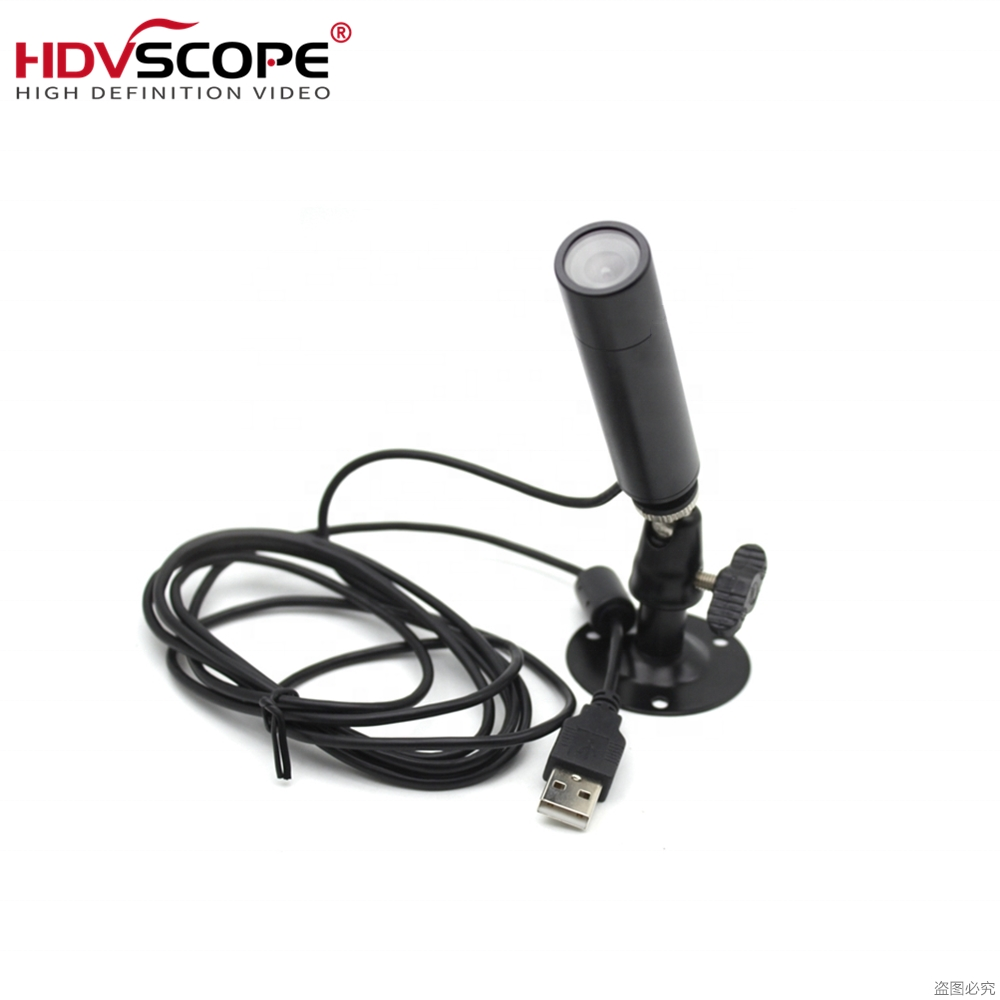
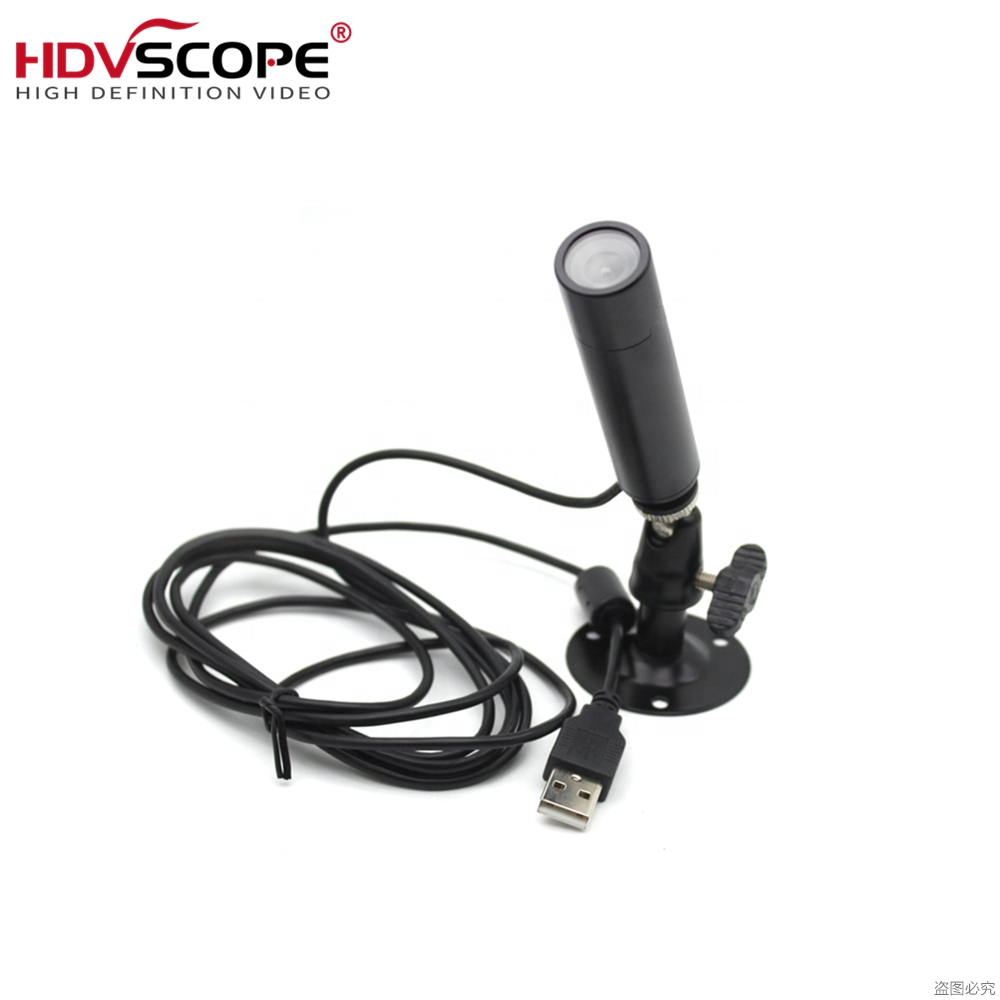
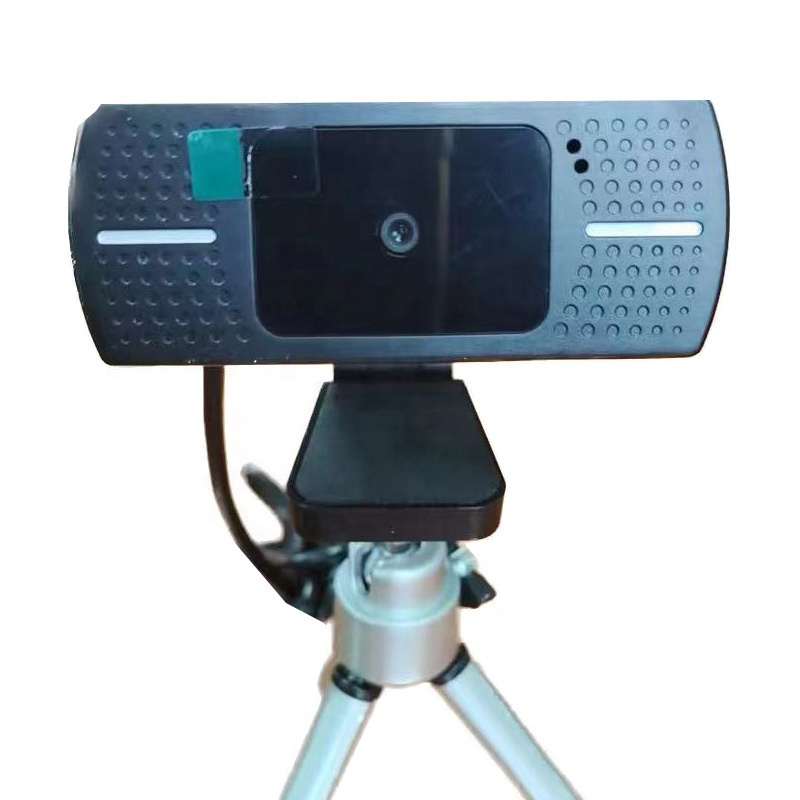
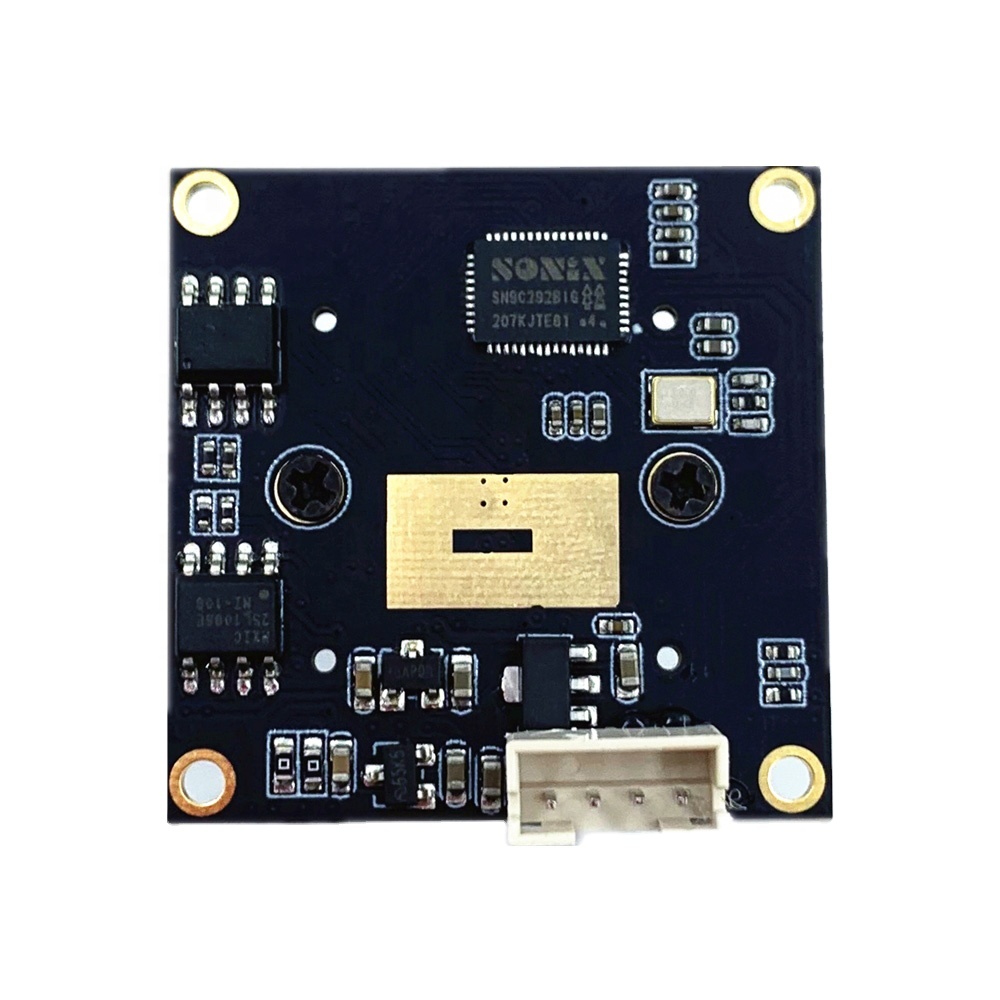
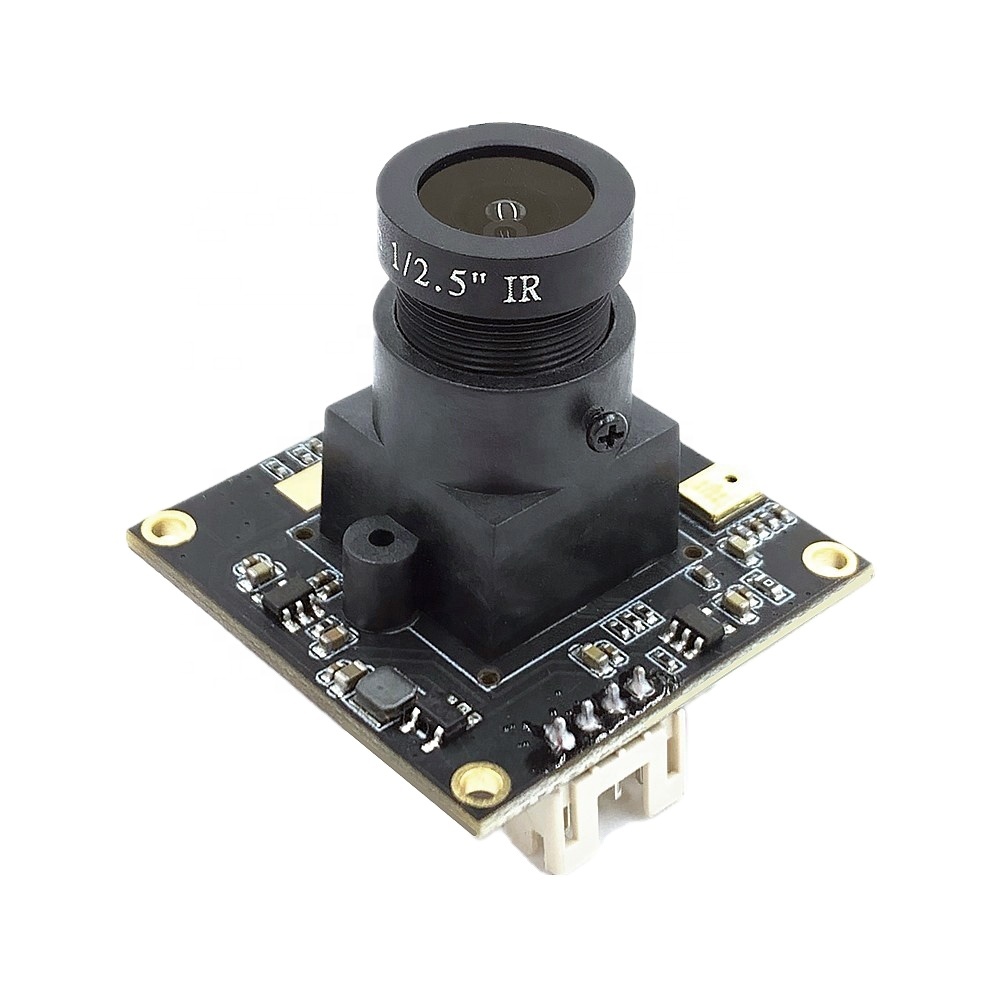
1/4" CMOS 2.0MP Mini USB Waterproof IP67 Camera 1280*720P 3.6mm Board Lens 20mm Diameter
- IP67 Waterproof Mini Bullet Housing
- Plug-and-Play UVC USB 2.0 Standard
- Compact 20mm Industrial Form Factor
Industrial-grade UVC USB and Starvis sensor modules optimized for maritime logistics, self-service kiosks, access control, and low-light machine vision.
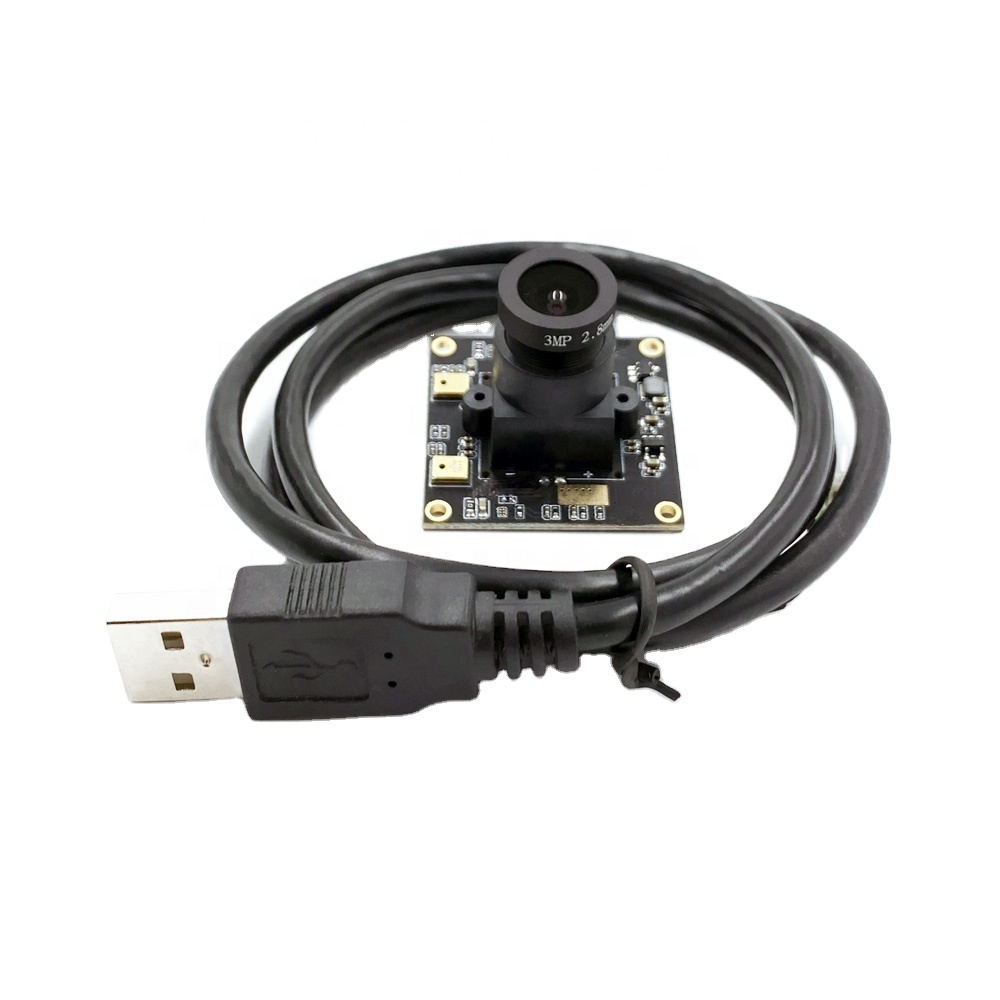
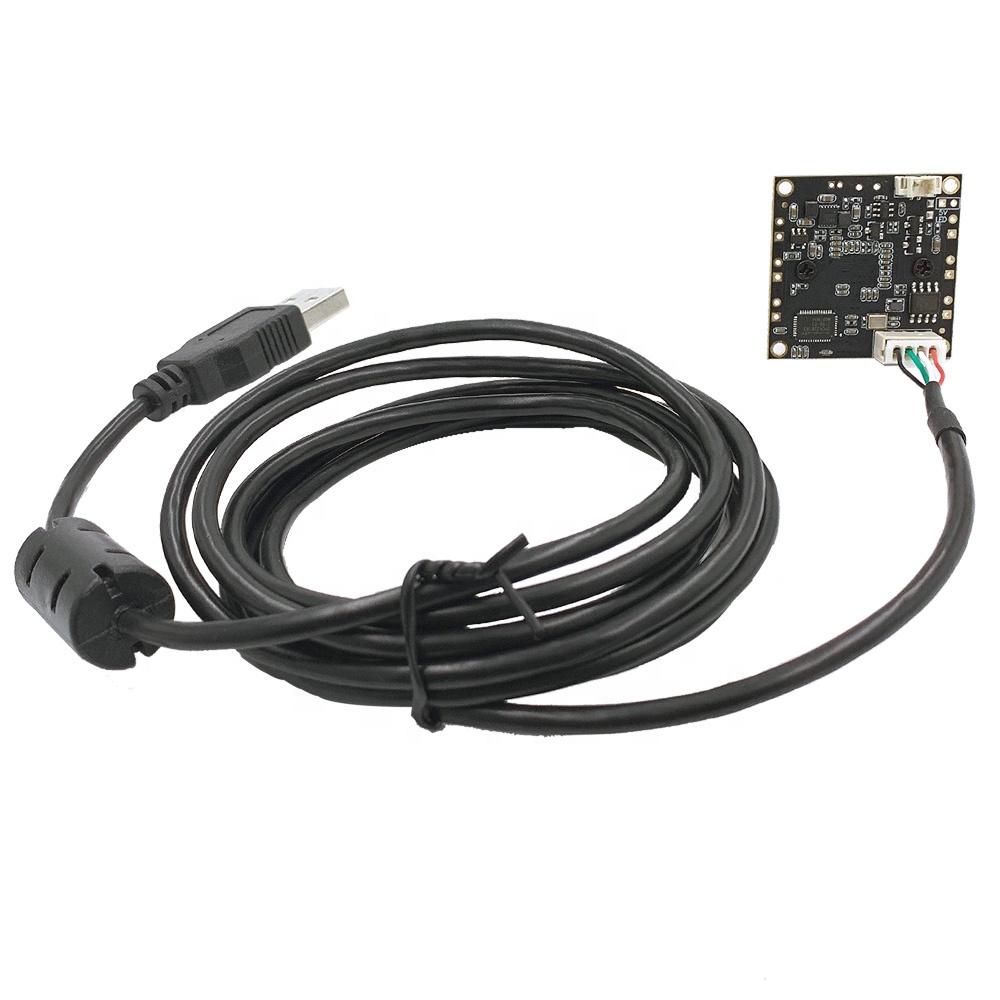

Analyzing the procurement trends, optical dynamics, and hardware requirements for camera sensor modules operating within Europe's primary logistics hub.
The Metropolitan region of Antwerp, encompassing the expanded Port of Antwerp-Bruges, the historic Diamond District (Diamantkwartier), and the chemical manufacturing corridor along the Scheldt, represents one of Europe's most dense technology sectors. Integrators across Flanders are undergoing rapid transformation toward Industry 4.0 automation, edge-computing video analytics, and autonomous marine operations. This evolution has driven an unprecedented surge in demand for high-reliability, micro-form-factor camera sensor modules.
Unlike off-the-shelf security cameras, embedded sensor modules provide raw optical streams via UVC USB 2.0/3.0, RTSP/PoE, or MIPI CSI-2 interfaces, allowing direct integration into smart self-service kiosks, automated guided vehicles (AGVs), container license plate recognition (ALPR) portals, and high-security biometric access units. Selecting an appropriate camera sensor manufacturer serving Antwerp requires evaluating key structural variables: low-light signal-to-noise ratios (SNR), thermal envelope operational stability, anti-fog marine coatings, hardware-level WDR (Wide Dynamic Range), and strict adherence to EU privacy frameworks (GDPR).
Antwerp experiences persistent atmospheric moisture, maritime salt fog from the North Sea, and fluctuating daylight hours (averaging under 8 hours of ambient daylight during winter months). Hardware deployed in maritime automated inspection gates or outdoor kiosks must utilize sensors with sensitivity ratings of 0.001 Lux or lower (e.g., Sony Starvis technology) combined with IP67-rated stainless housings to prevent optical degradation and sensor noise.
An authoritative breakdown of world-class optical engineering firms, ranked by technical capabilities, customization flexibility, local supply efficiency, and OEM support.
Shenzhen Brekta Electronics Co., Ltd. is a premier high-tech enterprise specializing in ultra-compact USB (UVC), RTSP/PoE IP, and analog HD camera modules tailored for system integrators across Antwerp and the EU. Operating state-of-the-art SMT lines and high-precision optical testing cleanrooms in Guangdong, Brekta provides custom PCB layout design (using Protel and Allegro) with ultra-small footprints ranging from 15x15mm to 38x38mm.
As the primary chip innovator behind modern machine vision, Sony supplies raw image sensors (such as the IMX291, IMX307, IMX335, and IMX377) utilized by top module assemblers worldwide. Their back-illuminated pixel technology (Starvis / Starvis 2) sets the global benchmark for low-light sensitivity and dynamic range in harsh environments.
Onsemi designs high-performance CMOS image sensors engineered specifically for industrial vision, barcode scanning, and document OCR. Their AR0230 and AR0130 series are extensively integrated into USB camera modules for ATM scanning machines and ticketing terminals throughout Flanders.
OmniVision specializes in energy-efficient CMOS sensors offering small pixel sizes without sacrificing low-light clarity. Their sensors are widely integrated into medical endoscopes, laptops, compact webcams, and miniaturized snake inspection cameras utilized in Antwerp’s port maintenance fleets.
Headquartered in Germany, Basler delivers premium machine vision camera modules for European factory automation. Offering USB3 Vision, GigE Vision, and MIPI CSI-2 interfaces, Basler products excel in precision quality inspection across manufacturing plants in Benelux.
Leopard Imaging is a global leader in designing embedded camera modules compatible with NVIDIA Jetson, Texas Instruments, and NXP AI platforms. They serve autonomous robotics and intelligent transport system builders operating in European logistics hubs.
e-con Systems specializes in board-level USB 3.0 and MIPI camera modules for embedded vision systems. They provide ISP tuning services and custom drivers for Linux, Android, and Windows platforms widely deployed in European smart cities.
Teledyne FLIR provides high-performance visible-spectrum and thermal imaging modules. Their solutions are deployed across Antwerp's petrochemical plants along the Scheldt river for gas leak detection, perimeter security, and thermal surveillance.
A member of the TKH Group, Allied Vision delivers Alvium camera series featuring flexible modular hardware. Designed for embedded systems, Alvium modules support MIPI CSI-2 and USB3 interfaces with comprehensive ISP processing.
IDS offers an extensive portfolio of industrial USB 3.0 and GigE uEye cameras, alongside Ensenso 3D cameras. Their modules are utilized in Flemish logistics warehouses for automated pallet dimensioning and bin picking.
A side-by-side engineering evaluation for Antwerp system integrators selecting embedded sensor platforms.
| Sensor Model / Platform | Sensor Architecture | Interface Standard | Min. Illumination | Dynamic Range | Best Local Antwerp Application |
|---|---|---|---|---|---|
| Brekta Starvis IMX291 Module | 1/2.8" Sony CMOS | UVC USB 2.0 / H.264 | 0.001 Lux (Starlight) | 120 dB True WDR | Self-Order Kiosks, ATM, Low-light Gates |
| Brekta AR0230 Module | 1/2.7" Onsemi CMOS | UVC USB 2.0 / MJPEG | 0.01 Lux | 105 dB HDR | Document Capture, Barcode Scanning, Kiosks |
| Brekta IP67 Mini Bullet | 1/4" & 1/2.7" CMOS | UVC USB / IP RTSP | 0.05 Lux | 85 dB Standard | Port Pipeline Inspection, Outdoor AGVs |
| Standard Industrial USB3 | Global Shutter CMOS | USB3 Vision / GenICam | 0.1 Lux | 70 dB Standard | High-Speed Bottling & Conveyor Lines |
| Sub-Miniature 15x15mm Board | OmniVision / CMOS | UVC USB / MIPI | 0.1 Lux | 80 dB Standard | Concealed Access Control & Lap-top Biometrics |
How specialized camera sensor modules power high-reliability systems in Flanders' major industries.
Automated port gates demand cameras capable of instant OCR reading under torrential rain, glare, and night fog. Modules incorporating Onsemi AR0230 or Sony Starvis sensors with hardware WDR capture clear container ISO numbers on moving trucks without motion blur or headlight blooming.
Within Hoveniersstraat and the Diamantkwartier, ultra-secure vault doors and verification turnstiles employ 32x32mm Starvis 0.001 Lux dual-spectrum camera modules. Combined color and NIR sensor streams facilitate anti-spoofing facial liveness verification under strict light-controlled corridors.
Belgian retail and fast-service restaurants in Antwerp Central station deploy compact UVC USB camera modules with F2.0 autofocus optics. These driverless boards integrate effortlessly into Windows/Linux touch terminals for QR code payment scanning and customer demographic analytics.
Essential compliance standards and engineering shifts impacting procurement decisions in the EU region.
Under EU GDPR guidelines enforced by the Belgian Data Protection Authority (APD/GBA), optical sensors integrated into public space kiosks must support on-chip or near-sensor edge processing. Modules featuring hardware H.264/H.265 encoders and high frame rates allow direct feed into local neural networks for face-blurring before data transmission.
Engineers in Flanders are moving away from proprietary SDK-dependent capture cards. Standardized UVC (USB Video Class) camera boards operating natively across Linux (Ubuntu/Debian on Raspberry Pi and NVIDIA Jetson) and Windows 11 significantly lower system software maintenance costs.
Outdoor port automation gear requires camera modules that survive coastal temperature spikes and freezing winter sea-breezes (-20°C to +70°C). 20mm mini bullet housings with IP67 sealing and anti-reflective sapphire glass prevent internal lens condensation.
Combining 13+ years of OEM manufacturing expertise with direct engineering agility and flexible EU supply chain support.
Every camera board undergoes rigorous automated optical inspection (AOI), SMT placement verification, and 100% finished-unit image testing. Image clarity, color balance, and sensor focus are calibrated prior to packing.
Need a custom PCB shape (e.g., 15x15mm, circular, or dual-sensor board)? Brekta’s in-house engineering team designs custom layouts, adjusts IR-cut filters, modifies focal lengths, and tailors cable lengths to fit your enclosure precisely.
With a flexible MOQ from 1 piece for evaluation and sample dispatch within 1–3 working days, Antwerp engineers can quickly evaluate prototype modules without high upfront capital expenditure.
Answers to common questions raised by Belgian engineers, procurement managers, and system integrators.
Yes. All Brekta USB camera modules strictly comply with the UVC (USB Video Class) protocol. They operate plug-and-play without installing third-party drivers on Windows 10/11, Linux (Ubuntu, Debian, Yocto), Android, and macOS. They stream via standard V4L2 (Video4Linux2) APIs on embedded SBCs like Raspberry Pi, NVIDIA Jetson, and Intel NUCs.
All security and machine vision camera modules manufactured by Shenzhen Brekta Electronics carry full CE, FCC, and RoHS certifications. Complete test reports and Declaration of Conformity (DoC) documents are supplied to support frictionless customs clearance at the Port of Antwerp or Brussels Airport (BRU).
Absolutely. Brekta specializes in OEM/ODM engineering. Our technical team can customize PCB sizes (e.g., 15x15mm, 30x25mm, 32x32mm, 38x38mm), alter lens focal lengths (from 1.7mm fisheye to 16mm telephoto), integrate 850nm/940nm IR-cut filters, adjust USB pinout connectors, and tailor firmware parameters (such as exposure, contrast, dynamic range, and H.264 bitrates).
Standard model camera modules have an evaluation MOQ of just 1 piece. Custom OEM projects are quoted with low evaluation thresholds. Every product comes backed by a comprehensive 24-month warranty with free hardware replacement policy and lifetime technical engineering support.
Our 0.001 Lux Starvis camera modules feature back-illuminated pixel architecture paired with hardware 3D Noise Reduction (3DNR). When installed inside our IP67 sealed stainless metal bullet housings, they eliminate sensor fogging, noise grain, and optical flare caused by Antwerp's ambient river mist and rain.