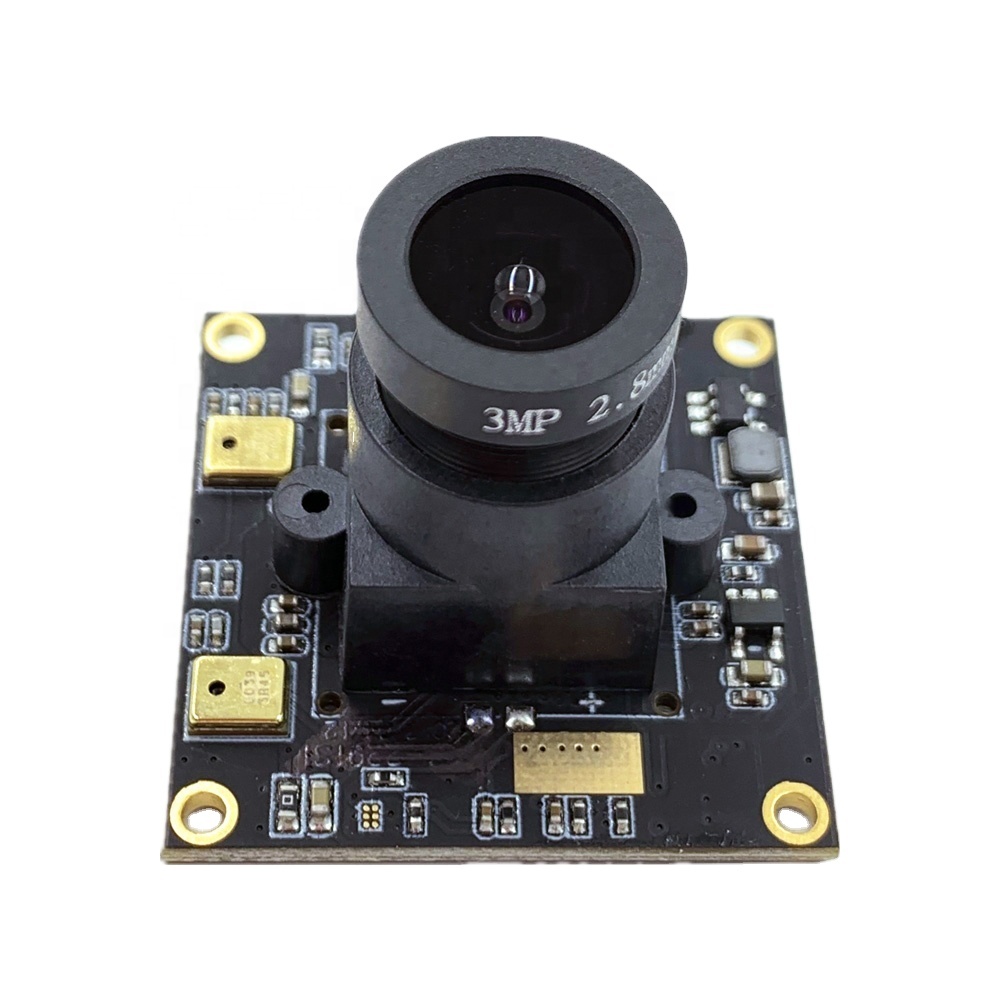
 Low-Lux Starvis
- Sensor: Sony Starvis Ultra Low Lux
- Form Factor: Compact 32x32mm
- Compression: Hardware H.264
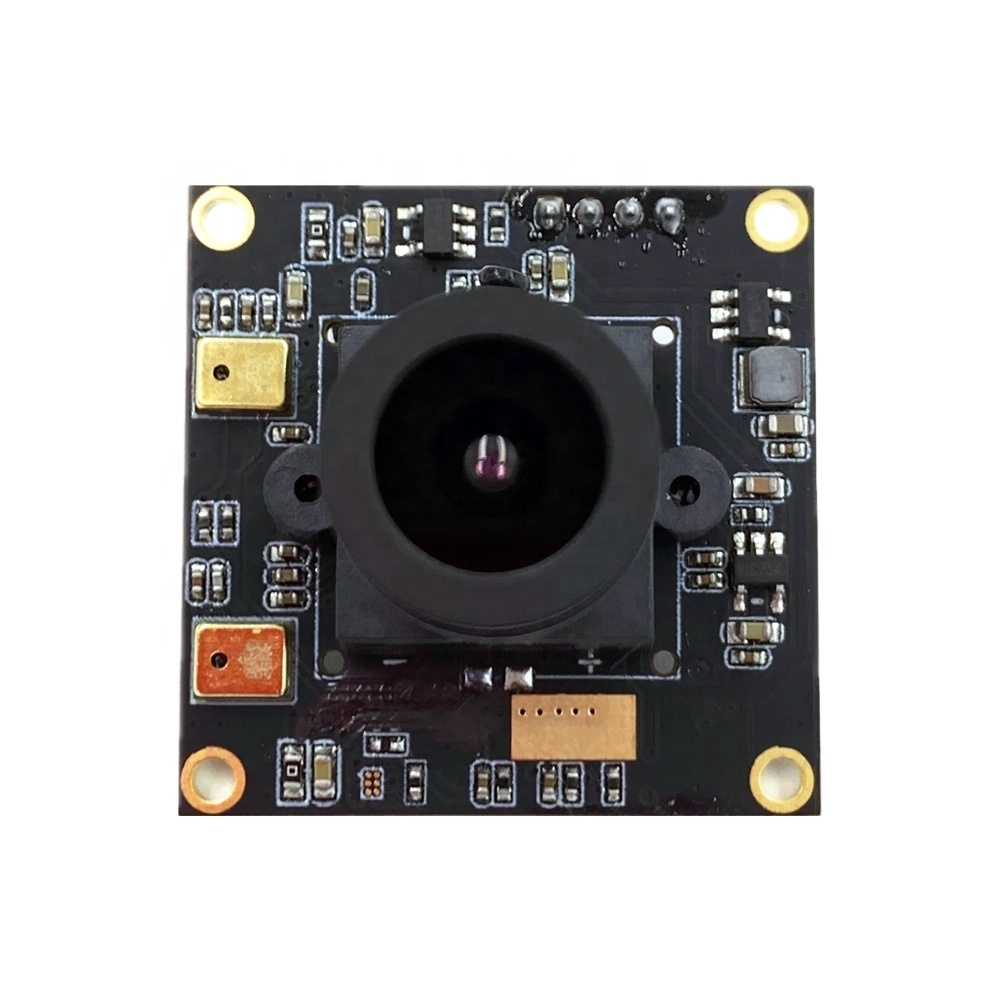 Remote Surveillance
- Min. Illumination: 0.001 Lux
- Dynamic Range: Wide WDR Support
- Interface: Plug & Play USB 2.0
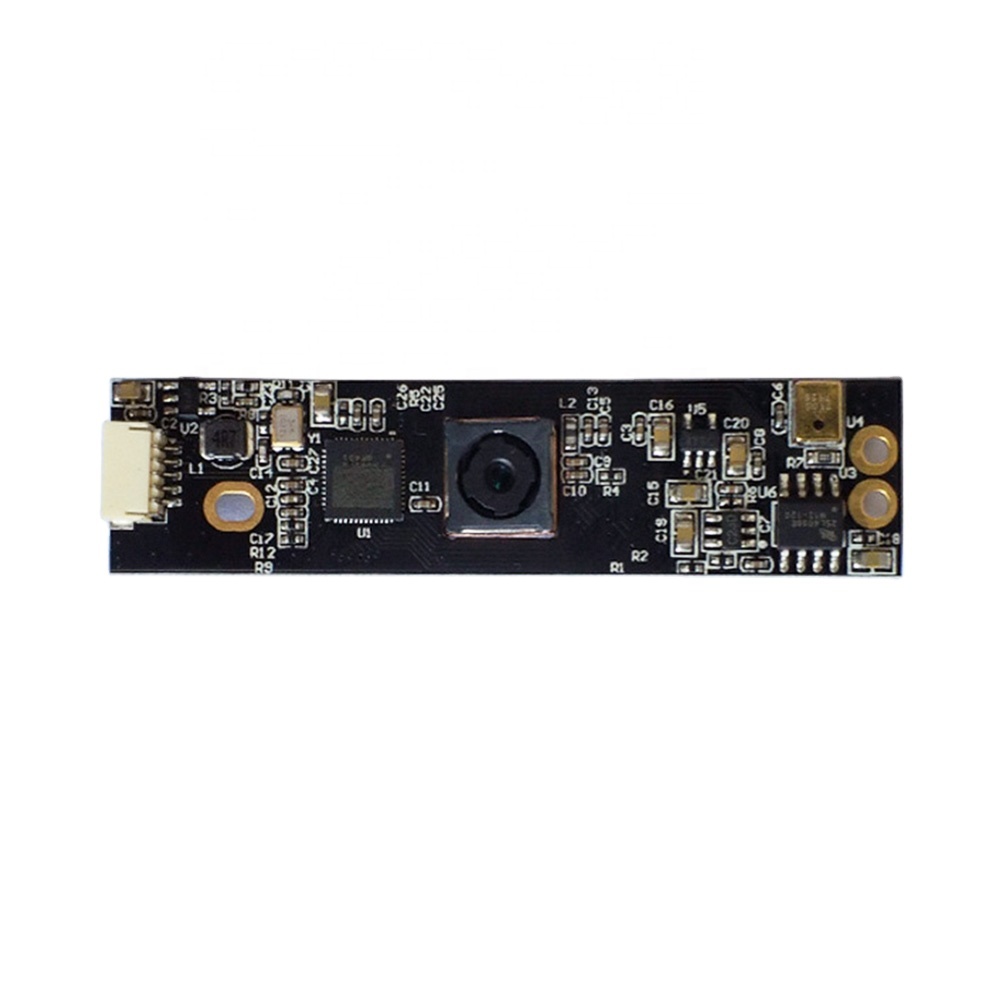 8MP Autofocus
- Resolution: 3264*2448 (8MP)
- Dimensions: 62x15mm Strip
- Focus Type: Fast Voice-Coil AF
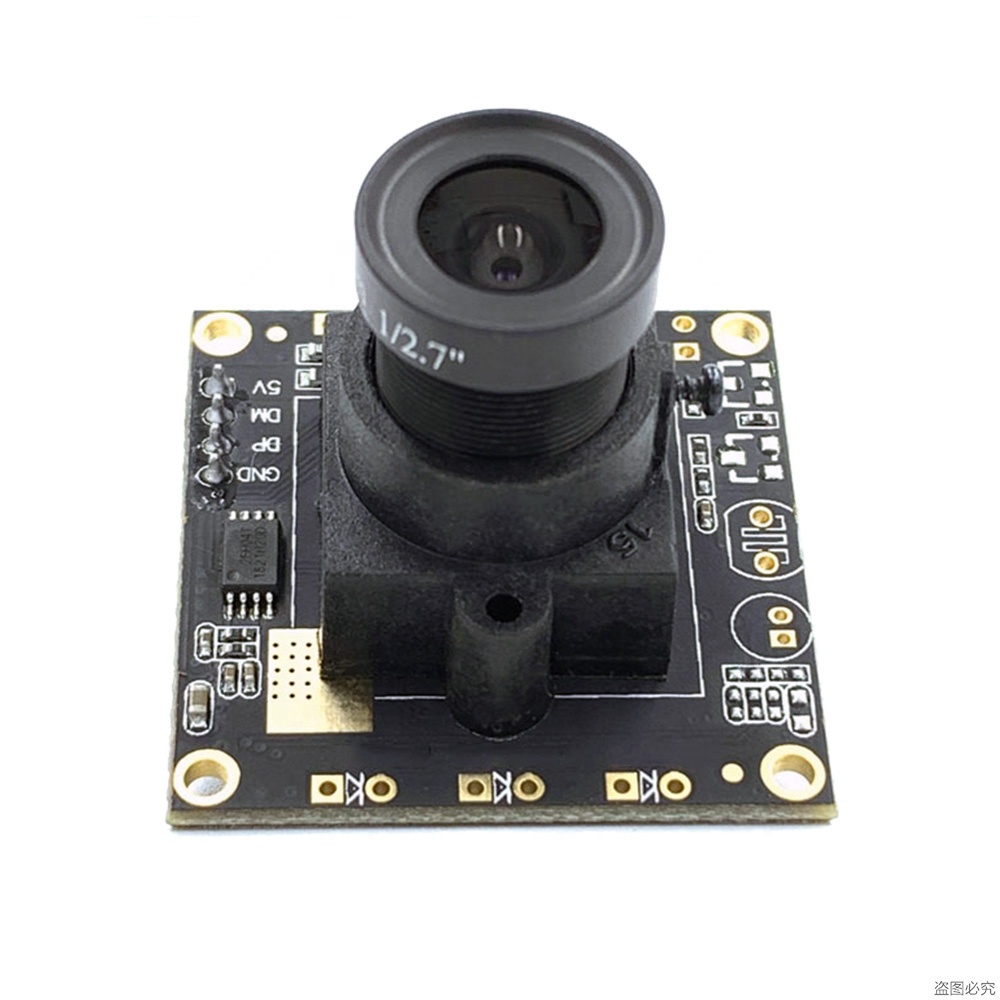 ATM / Kiosk Grade
- Sensor: Onsemi AR0230 CMOS
- Specialization: Anti-Glare Backlight WDR
- Purpose: Kiosk & Financial Terminals
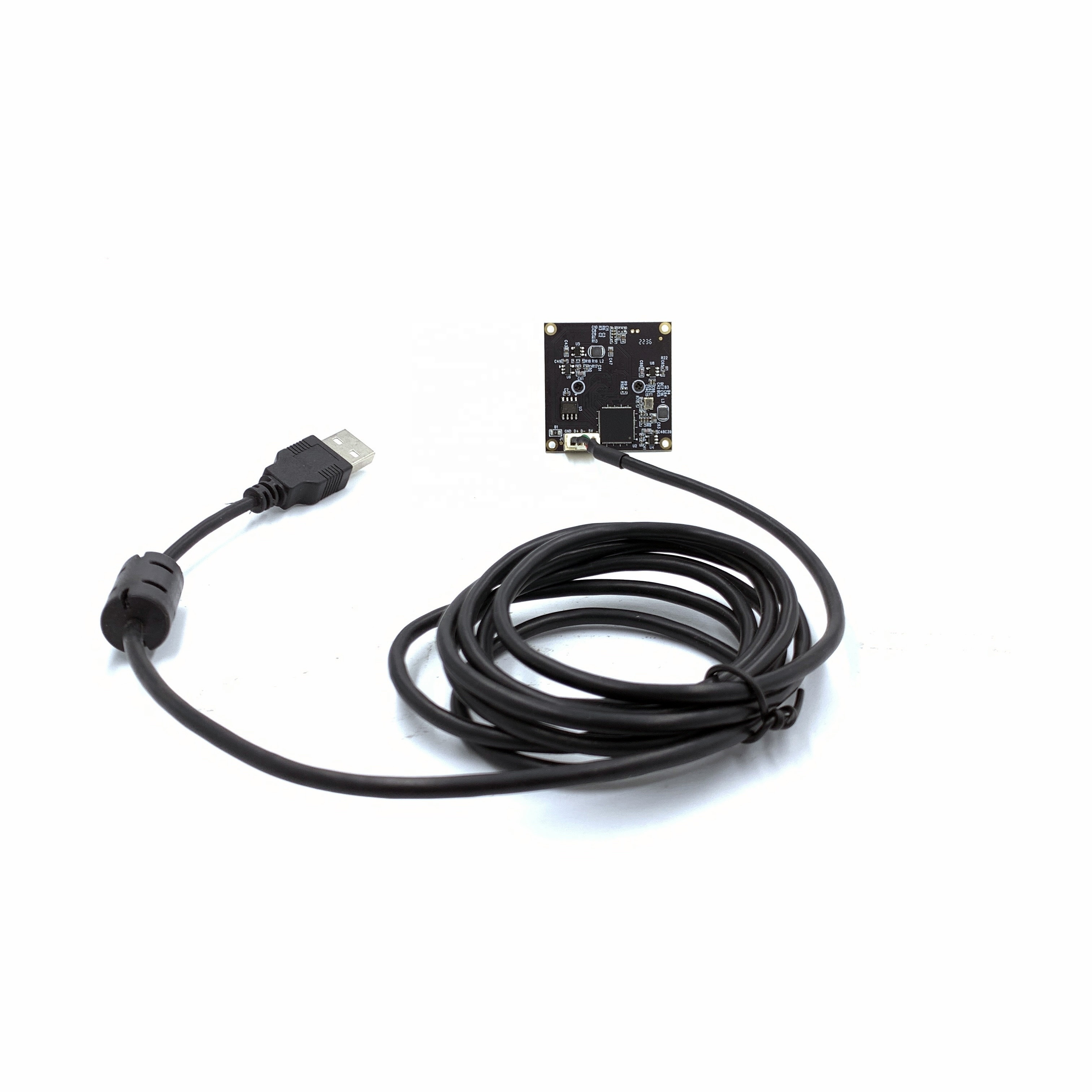 330FPS Ultra-Speed
- Speed: Up to 330 Frames/Sec
- Feature: High Dynamic Range (HDR)
- Optics: 3.7mm Narrow Angle Lens
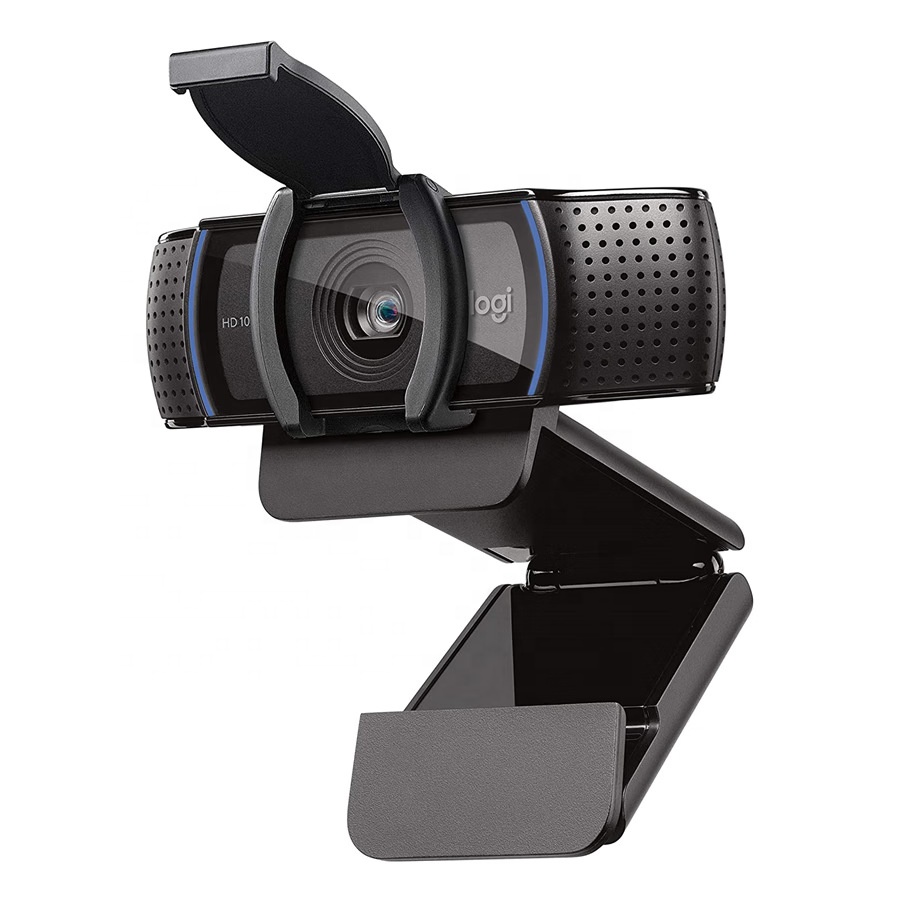 Dual Mics & Shutter
- Audio: Integrated Dual Stereo Mics
- Field of View: 78° Precision Optics
- Security: Physical Privacy Shutter
 Face ID Non-Distortion
- Application: Edge AI Face Recognition
- Lens: 4mm Zero-Distortion Glass
- Night Vision: Starvis 0.001 Lux Sensitivity
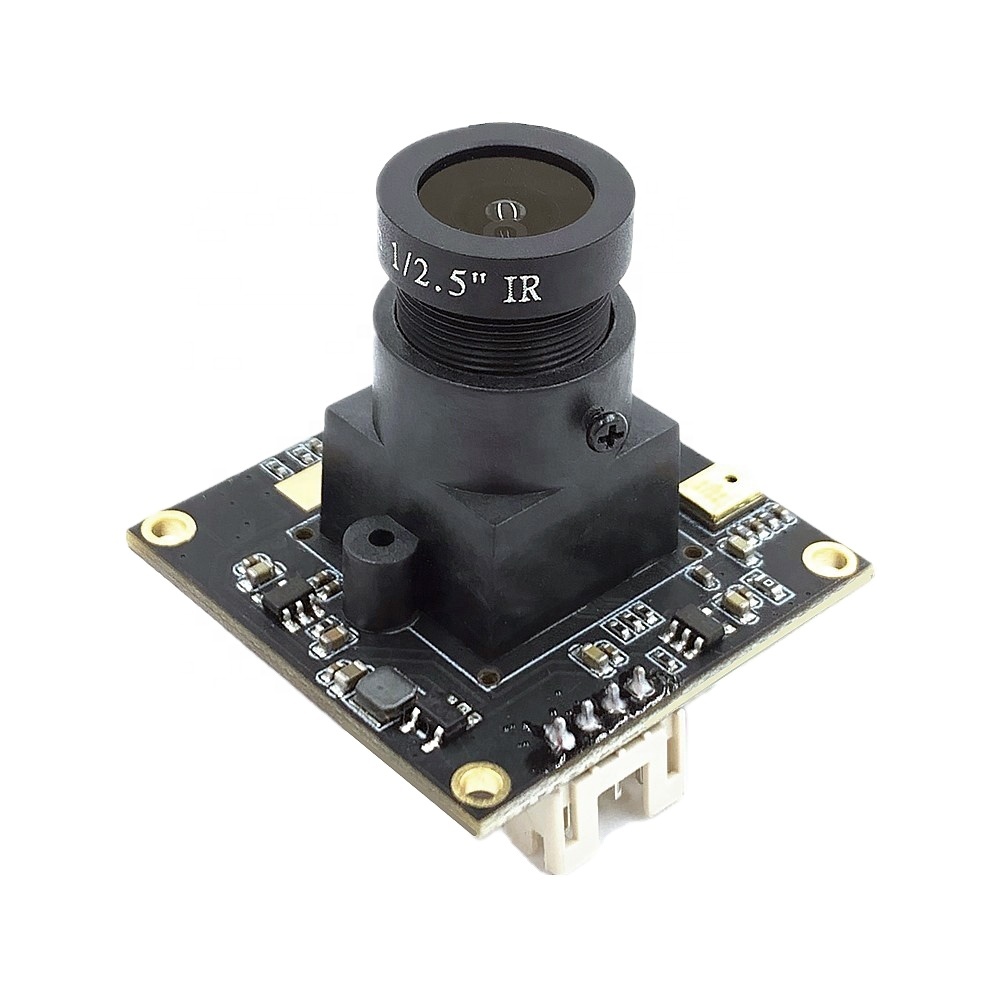 High Reliability OEM
- Security Grade: Exam & Voting System Standard
- Board Size: Standardized 32x32mm PCB
- Stream: Dual Stream H.264/MJPEG
Executive Summary: The China-to-Vancouver Optical Hardware Supply Chain
As British Columbia solidifies its footprint as a leading North American hub for Artificial Intelligence, computer vision, clean technology, and industrial automation, the demand for high-grade, customizable optical sensor hardware has reached an all-time high. Modern vision systems deployed across Vancouver—ranging from autonomous port logistics terminals at Roberts Bank to smart retail kiosks in Downtown Vancouver and biometric access units in Richmond—rely fundamentally on specialized hardware modules. These modules bridge the critical gap between raw physical photons and digital Edge AI processing pipelines.
For system integrators, solution architects, and original equipment manufacturers (OEMs) operating within the Metro Vancouver region, sourcing AI-enabled camera modules directly from premier Chinese manufacturing hubs like Shenzhen and Dongguan represents a decisive strategic advantage. China accounts for over 75% of global optoelectronic assembly and Image Signal Processor (ISP) integration. By tapping into direct OEM/ODM channels, Canadian engineering firms bypass intermediate distributor markups, gain granular control over PCB footprint design, secure direct FAE (Field Application Engineering) support, and drastically reduce product iteration cycles from months to days.
Information Gain Insight: Selecting an AI camera module requires moving beyond raw megapixel specs. True performance is governed by Sensor Quantum Efficiency (QE), Dynamic Range (WDR vs. HDR), ISP pipeline latency, and physical lens chief ray angle (CRA) matching—factors that direct-from-factory engineering suppliers customize at the silicon and board level.
Understanding Search Intent & Procurement Dynamics in British Columbia
System integrators in Vancouver searching for "China AI camera module manufacturers" are rarely seeking off-the-shelf consumer webcams. Instead, procurement intent is driven by high-complexity OEM/ODM requirement matrices:
- Compact Board Integration: Micro-footprint PCBs (15x15mm, 32x32mm, 38x38mm) designed to fit inside space-constrained housings such as automated parcel lockers, medical diagnostics devices, and smart vending machines.
- Interface Versatility: Native UVC (USB Video Class) driverless compliance for Linux (ROS/ROS2, Ubuntu), Android, Windows, and macOS, alongside IP RTSP/ONVIF streams and zero-latency HD-SDI for broadcast applications.
- Optical Precision & Sensor Synergy: Sony Starvis and Starvis 2 back-illuminated sensors optimized for sub-0.001 Lux environments, paired with distortion-free M12/CS-mount optics.
- Regulatory & Environmental Resilience: CE, FCC, and RoHS certifications paired with wide-temperature tolerance (-30°C to +70°C) tailored for unpredictable Canadian weather patterns.
Full OEM/ODM Circuit Customization
Utilizing high-precision Protel and Allegro PCB layout suites, our Shenzhen engineering team designs custom substrate dimensions, multi-layer rigid-flex boards, custom ribbon cable pinouts, and dual-sensor stereo vision alignments tailored to your mechanical CAD specs.
Strict Quality Control & Certification
Every camera module undergoes 100% automated optical inspection (AOI), MTF optical resolution testing, sensor burn-in, and thermal cycling. Fully compliant with international regulatory benchmarks including CE, FCC, and RoHS for rapid customs clearance in Canada.
24-Month Warranty & Fast Turnaround
We eliminate sourcing risk by offering an industry-leading 24-month hardware replacement warranty, sample dispatch within 1 to 3 working days for in-stock configurations, and minimum order quantities starting at just 1 unit for prototype testing.
Localized Application Scenarios across Metro Vancouver & British Columbia
The economic landscape of Vancouver presents unique micro-climates and industrial operational environments that demand highly specific camera module configurations. Understanding how vision hardware adapts to local use cases is critical for system deployment success:
1. Maritime & Container Port Automation (Port of Vancouver & Fraser Surge Terminals)
The Port of Vancouver is one of North America's primary gateways for trans-Pacific trade. Automated crane operations, container Optical Character Recognition (OCR) readers, and perimeter intrusion detection systems require robust camera modules. Modules equipped with Sony Starvis low-lux sensors (0.001 Lux to 0.0001 Lux) combined with High Dynamic Range (HDR) ensure clear license plate and container ID capture under harsh glare, dense rain, or heavy maritime fog at night.
2. Next-Gen Financial ATMs, VTMs & Self-Service Kiosks
Downtown Vancouver and Richmond financial tech integrators require micro-sized, tamper-proof USB camera modules. Standard 32x32mm form-factor modules built around Onsemi AR0230 sensors provide wide-dynamic-range compensation (WDR > 105dB). This prevents silhouette effects caused by bright glass storefront backlighting while capturing crisp facial features for fraud prevention and biometric authentication.
3. Edge AI Traffic Management & Smart Transit (TransLink Infrastructure)
With Vancouver expanding its smart corridor initiatives across the Burrard Peninsula and Fraser Valley, roadside edge-computing units require high-frame-rate cameras. USB camera modules capable of 1080P at up to 330FPS eliminate motion blur on fast-moving vehicles. Combined with narrow-angle or distortion-free M12 lenses, these modules feed clean video frames directly into NVIDIA Jetson or Raspberry Pi 5 AI accelerators without straining host CPU cycles.
4. Forestry, Clean Tech & Environmental Sensing in BC
British Columbia's extensive forestry and environmental tech sectors deploy remote automated vision systems for timber quality sorting and wildlife monitoring. Lightweight strip camera modules (e.g., 62x15mm) with fast voice-coil autofocus (AF) allow drone-mounted or robotic-arm systems to focus dynamically on changing object depths in variable outdoor lighting conditions.
Technical Interface Selection Matrix for System Architects
Selecting the appropriate protocol interface dictates system processing architecture, cable length limitations, and overall BOM (Bill of Materials) costs:
| Interface Standard | Data Format / Protocol | Max Cable Distance | Best Vancouver Field Application | Key Technical Advantage |
|---|---|---|---|---|
| USB 2.0 / 3.0 (UVC) | MJPEG, YUY2, H.264 | < 5m (Direct) / 15m (Active) | ATMs, Self-Checkouts, Kiosks, Medical Devices | Zero-driver plug & play on ROS, Linux, Android, Windows |
| IP / Ethernet (PoE) | RTSP, ONVIF, H.265 / H.264 | Up to 100m (Cat6 Cable) | Perimeter Security, Port Logistics, Smart Cities | Power & high-res video stream over a single Ethernet cable |
| AHD / HD-TVI / CVI | Uncompressed Coaxial Analog HD | Up to 500m (Coax Cable) | Vehicle Fleet Retrofits, Legacy DVR Upgrade | Zero latency, immune to network bandwidth bottlenecks |
| HD-SDI / Ex-SDI | Uncompressed Digital Broadcast | Up to 150m | Live Event Streaming, Medical Operating Rooms | Broadcast-grade, frame-accurate real-time video feed |
Localized Technological Trends Driving Camera Module Selection in BC
The computer vision market in British Columbia is experiencing rapid paradigm shifts driven by software advancements and local regulatory considerations:
Shift from Cloud Processing to Localized Edge AI Vision
Bandwidth costs, latency constraints, and strict Canadian privacy standards (such as PIPEDA and BC PIPA) have accelerated the adoption of local Edge AI processing. Instead of streaming raw video to public cloud servers, Vancouver system builders run lightweight neural networks (YOLOv8, MobileNet) directly at the edge device. This mandates camera modules that output pre-compressed H.264/H.265 streams or uncompressed YUY2 images with crisp pixel fidelity, enabling accurate object detection at minimal latency.
Dominance of Sony Starvis & Blacklight Optical Technology
Given Vancouver's northern latitude, winter months bring extended dark hours, heavy cloud cover, and frequent rain. Standard CMOS sensors fail under these low-light conditions, introducing extreme noise that corrupts AI object recognition algorithms. Sony Starvis back-illuminated pixel technology (found in models like the IMX291 and IMX335) captures vibrant color video down to 0.001 Lux, maintaining high SNR (Signal-to-Noise Ratio) crucial for 24/7 vision systems.
Demand for Non-Distortion & Fisheye Optics Customization
Smart retail spaces and security video walls require ultra-wide fields of view without sacrificing geometric accuracy. Custom non-distortion 4mm and 1.7mm fisheye lenses ensure panoramic 180° coverage without warping straight structural lines—a critical requirement for accurate 3D spatial mapping and face recognition algorithms.
Ready to Upgrade Your Vision Systems in Vancouver?
Connect directly with our engineering and optical sales team in Shenzhen. Receive tailored technical proposals, custom board layouts, and sample evaluation kits within 48 hours.