Featured Image Sensor Modules for Innsbruck OEMs
Industrial-grade UVC USB and RTSP IP imaging boards engineered for continuous operation, high dynamic range (HDR), sub-zero thermal stability, and ultra-low light performance.

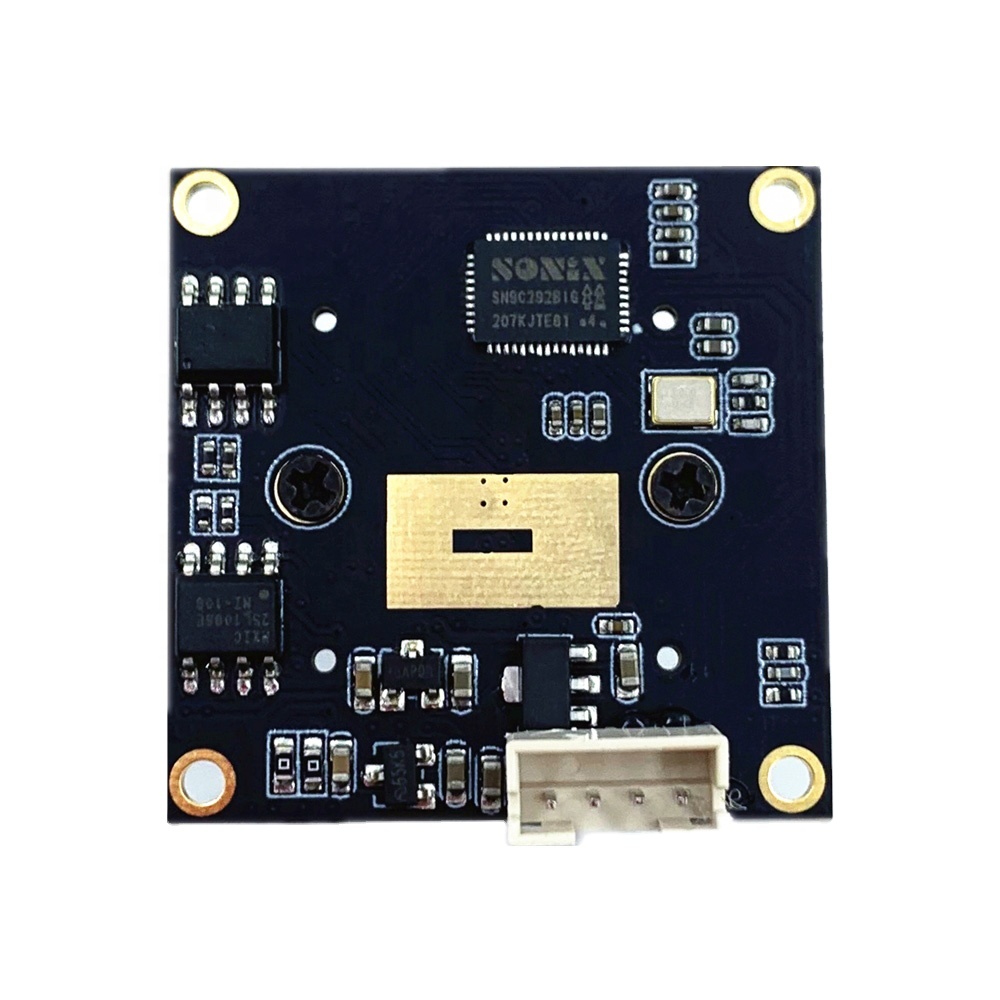
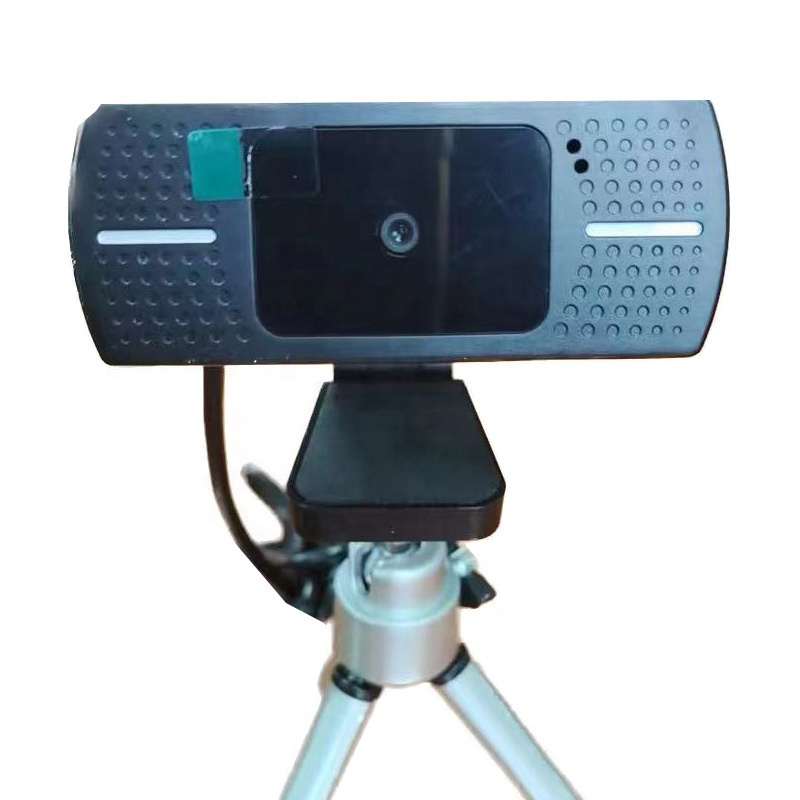
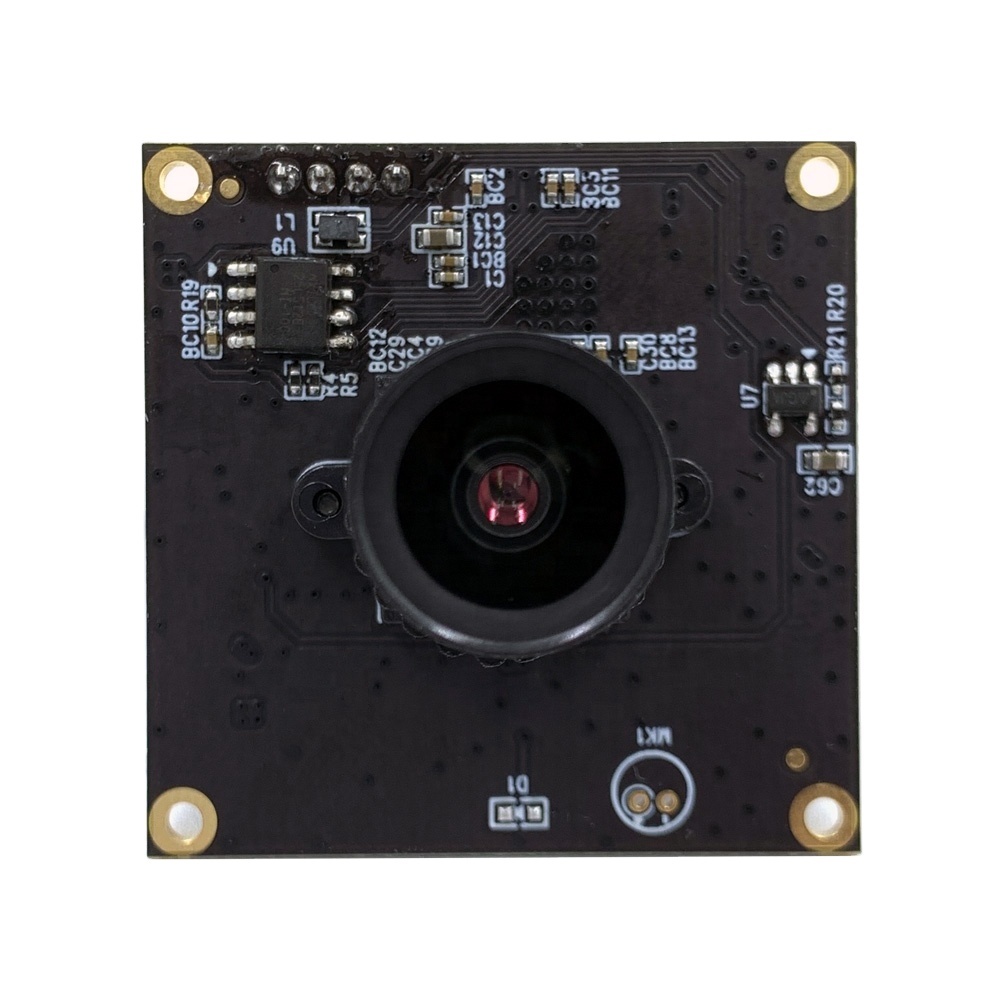
Optical Sensor Engineering for the Tyrolean Market: Navigating the Paradigm Shift from Legacy CCD to Advanced CMOS Architectures
As industrial automation, optical inspection, medical instrumentation, and autonomous Alpine transport expand across Innsbruck and the broader Tyrol region of Austria, system integrators and OEM engineers face stringent demands regarding visual fidelity, dynamic range, and environmental resilience. For decades, legacy Charge-Coupled Device (CCD) image sensors were considered the gold standard for low-noise, distortion-free optical acquisition in European precision machinery. However, rapid advancements in Back-Illuminated CMOS (Complementary Metal-Oxide-Semiconductor) technology—most notably Sony’s Starvis and Starvis 2 Back-Illuminated Pixel Architecture—have triggered an unprecedented technological transition.
This technical whitepaper provides Innsbruck-based optical design engineers, procurement directors, and system architects with a critical analysis of modern optical sensor selection. We detail how China’s premier optical manufacturing ecosystem, spearheaded by Shenzhen Brekta Electronics Co., Ltd., bridges the gap between cost-effective mass production and high-precision European quality benchmarks (CE, FCC, RoHS).
Detailed Benchmark: Legacy CCD vs. Advanced Starvis CMOS Sensor Modules
When engineering camera modules for severe outdoor environments—such as high-altitude Tyrolean cable car monitoring or sub-zero Alpine highway tolling systems—evaluating key physical and optical parameters is paramount. Below is an engineering comparison matrix executed by our R&D hardware team:
| Evaluation Parameter | Legacy CCD Sensors | Modern Starvis/CMOS Sensors | Engineering Benefit for Innsbruck OEMs |
|---|---|---|---|
| Light Sensitivity & Low-Lux | Good baseline noise control; performance drops below 0.1 Lux. | Ultra-High Sensitivity (≤ 0.001 to 0.0001 Lux in NIR spectrum). | Full-color acquisition in unlit Alpine nocturnal environments without artificial floodlighting. |
| Dynamic Range (HDR/WDR) | 60 dB to 72 dB typical limit. Smearing occurs under bright sunlight. | 100 dB to 130 dB Hardware WDR / Multi-Exposure HDR. | Eliminates image blooming caused by snow reflection and intense high-altitude sunlight in Innsbruck. |
| Frame Rate Capability | Limited throughput (typically 30 FPS to 60 FPS at VGA/1080p). | High-Speed Architecture (up to 330 FPS at 1080p / 60 FPS at 4K). | Precision motion tracking for high-speed industrial automated lines and traffic capture. |
| Operating Temperature | High power draw generates thermal noise; requires heat sinks. | Low power consumption (<1.5W); functional from -30°C to +70°C. | Reliable cold-booting and continuous operation in Tyrolean outdoor enclosures. |
| System Integration Interface | Complex analog timing circuits and custom grabber boards required. | UVC Driver-Free USB 2.0/3.0, RTSP/ONVIF IP, and AHD multi-outputs. | Plug-and-play compatibility with Linux, Android, ROS (Robot Operating System), and Windows. |
Optical Waveband Optimization and Low-Noise Circuit Engineering
Achieving crisp visual capture under low-light conditions demands more than selecting a top-tier sensor chip. Signal integrity across the Printed Circuit Board (PCB) assembly plays a decisive role. Brekta’s engineering team employs multi-layer Protel and Allegro board layouts incorporating isolated ground planes and low-dropout regulators (LDOs). This minimizes electromagnetic interference (EMI) and power-rail ripple, keeping signal-to-noise ratios (SNR) exceptionally clean even at gain amplification above +42 dB.
Furthermore, for applications operating across both visible daylight and Near-Infrared (NIR 850nm/940nm) spectrums, our camera modules feature dual-filter IR-Cut Magnetic Switches (ICR). This mechanical integration ensures zero color distortion under bright Tyrolean daylight while unlocking raw sensor sensitivity during night cycles.
Localized Optical Sensor Applications Across Innsbruck & The Tyrolean Tech Ecosystem
Innsbruck is recognized globally not only as an Alpine sports hub but as a flourishing center for biomedical research, environmental technology, specialized logistics, and industrial automation. Brekta's high-reliability CCD-replacement and CMOS camera modules are custom-tailored to solve distinct regional challenges:
1. Alpine Autonomous Snow & Trail Maintenance Equipment
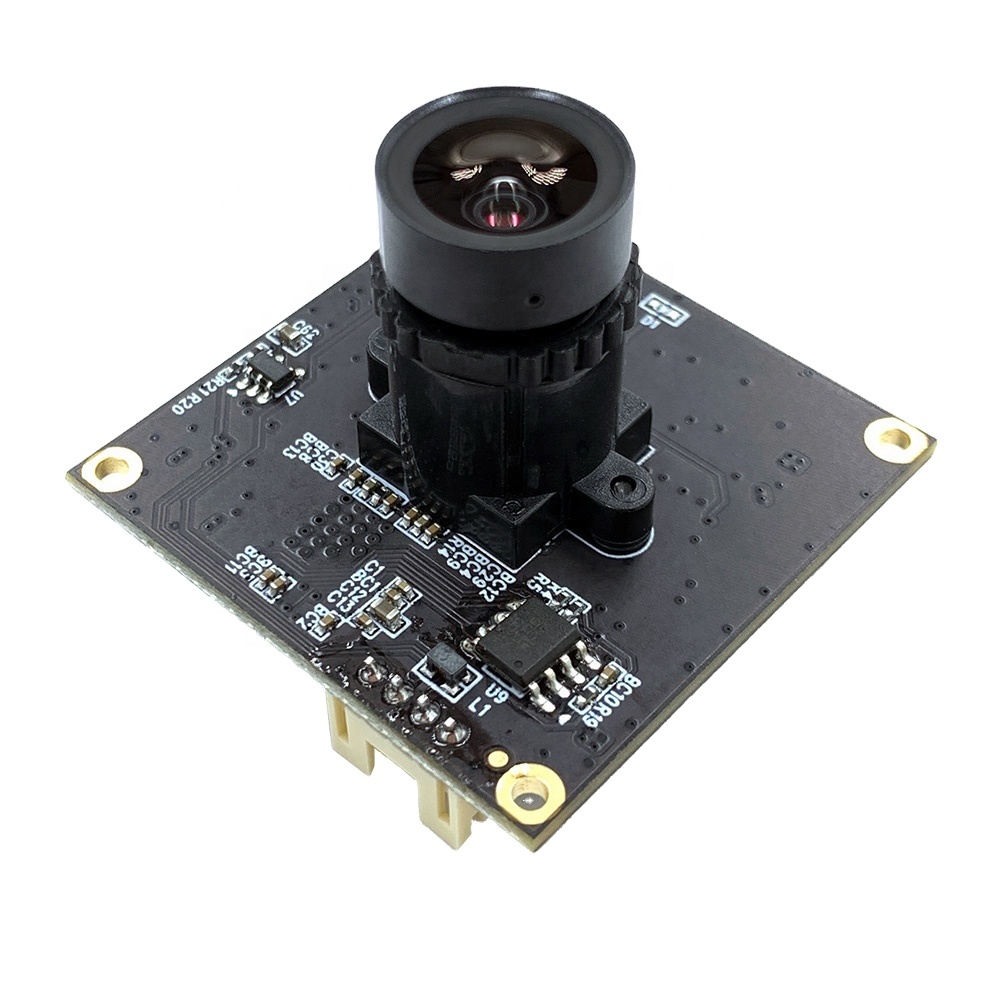
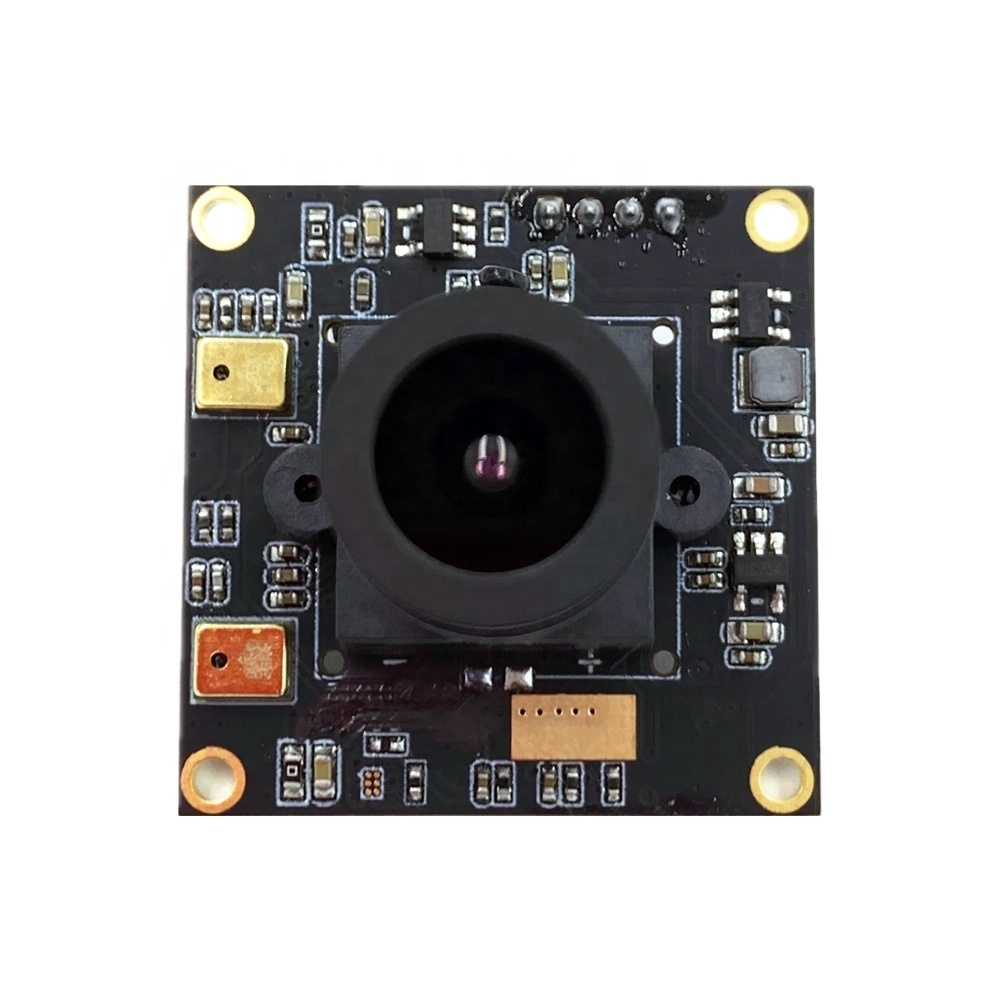
Autonomous snow-grooming machinery and slope monitoring robots operating on the Nordkette or Patscherkofel require high-speed (330 FPS) HDR camera modules. Our 38x38mm and 32x32mm low-temperature camera boards maintain operational stability down to -30°C, delivering zero-latency visual feeds into ROS-based navigation platforms without image freezing.
2. Brenner Pass Transit & Traffic Monitoring Systems
The Brenner Corridor is one of Europe's busiest freight routes. Innsbruck traffic automation integrators deploy our 2.0MP 0.001 Lux Starvis H.264 camera modules inside license plate recognition (ANPR) and vehicle dimensioning gantries. Powerful 120dB WDR cancels out vehicle headlight glare and ambient snow reflections seamlessly.
3. Medical Precision Vision & Life Sciences Hubs
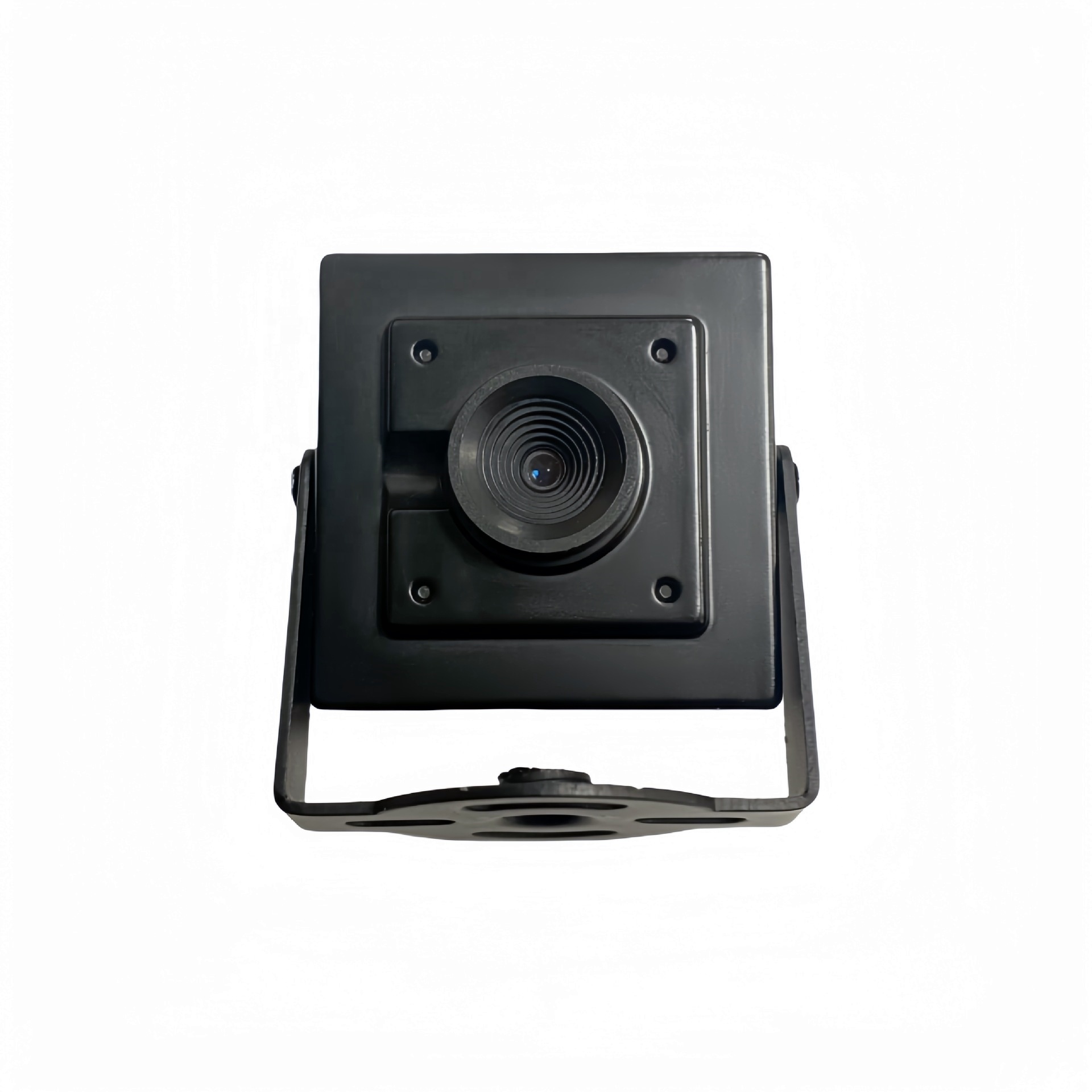
Serving Innsbruck's world-class medical engineering clusters, Brekta offers ultra-compact 15x15mm mini square USB modules and 5MP autofocus endoscope probes. These provide micro-inspection capabilities, crisp color fidelity, and driverless UVC video streaming ideal for laboratory diagnostic devices and surgical training simulators.
4. Self-Service Kiosks & Smart Retail Terminals
Innsbruck's hospitality, ticketing, and banking sectors rely on interactive self-service kiosks. Our 4K Autofocus UHD and 2MP Fisheye 160° Wide-Angle USB Camera Modules easily fit into ultra-thin enclosures. They deliver high-accuracy facial identification, QR/barcode scanning, and anti-spoofing video verification under harsh indoor halogen or natural sunlight lighting.
5. Optical Sorting & Quality Control in Wood/Timber Industries
Tyrol's extensive timber and high-tech manufacturing plants utilize machine vision to sort lumber and verify structural integrity at high speeds. Brekta's high frame rate (330 FPS / 120 FPS) USB modules capture instantaneous surface defects and grain inconsistencies, transmitting raw uncompressed YUY2 or compressed MJPEG frames straight to industrial processing units.
Key Localization Trends Shaping Camera Sensor Procurement in the DACH & Tyrolean Markets
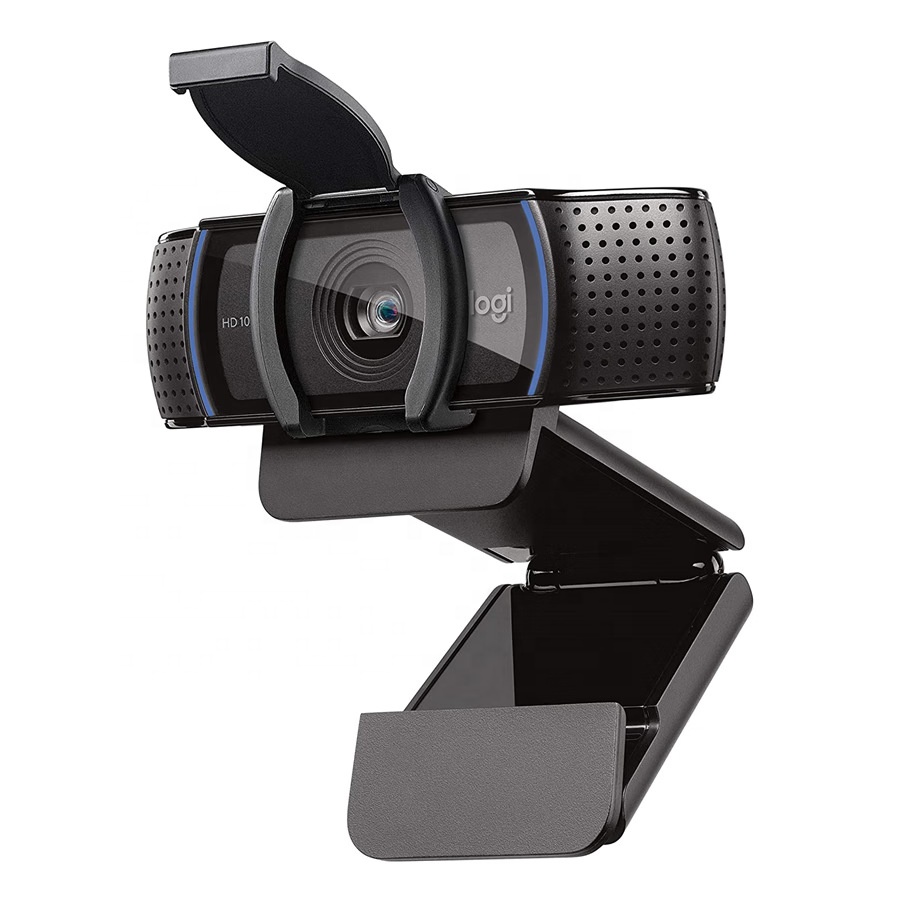
Procurement strategies among Austrian equipment manufacturers have evolved significantly over the past three years. B2B buyers in Innsbruck no longer seek standalone, off-the-shelf webcams; they demand highly customizable, embedded imaging engines backed by vendor accountability and long-term component availability.
1. Embedded Linux & Edge AI Computing Integration
Innsbruck system architects are rapidly integrating NVIDIA Jetson, Raspberry Pi Compute Modules, and NXP i.MX8 platforms into field equipment. This transition demands driverless UVC (USB Video Class) compliance and clean RTSP/ONVIF network streams. Brekta’s USB camera modules require zero third-party kernel drivers, ensuring instant recognition on V4L2 (Video4Linux2) frameworks.
2. Demand for Miniaturization without Thermal Throttling
As equipment housings shrink to meet modern minimalist European industrial aesthetics, heat dissipation becomes critical. Uncontrolled thermal build-up causes dark current noise (hot pixels) on CCD and CMOS sensors. Brekta solves this by utilizing power-optimized ISP processors and aluminum PCB backplanes that vent thermal energy outward, maintaining crystal-clear video during 24/7 continuous operation.
3. Direct Factory Sourcing with Custom Hardware Tailoring
Distributor markups across Central Europe can increase optical component costs by 40% to 70%. Innsbruck procurement teams are increasingly establishing direct relationships with verified Chinese original equipment manufacturers (OEMs). By sourcing directly from Brekta's Shenzhen and Dongguan facility, engineers gain direct access to Protel/Allegro circuit designers who can modify PCB dimensions (e.g., from standard 38x38mm down to 15x15mm micro-squares), tailor lens FOVs from 60° to 180° fisheye, and customize pinout wiring harnesses.
Frequently Asked Questions by Innsbruck & European OEM Buyers
Clear, engineering-backed answers regarding compliance, sample logistics, custom development, and quality control.
How do Brekta's image sensor modules handle extreme cold and high altitude in Tyrolean outdoor installations?
What is the typical delivery timeline and minimum order quantity (MOQ) for orders shipped to Innsbruck, Austria?
Are your USB camera modules truly driver-free across Linux, Android, and Windows systems?
Can Brekta customize board dimensions, lens types, and cable pinouts for our custom machine housing?
What certifications do your camera modules carry for sale and deployment within the European Union?
How does Brekta ensure product consistency between approved engineering samples and mass production?
What warranty and technical support terms are extended to Austrian corporate buyers?
How do your low-lux Starvis sensors perform under extreme high-contrast snow glare?
Do you offer customized firmware parameters such as locked white balance or fixed exposure?
What payment terms and ordering methods do you support for international B2B clients?
Why Global Integrators Trust Shenzhen Brekta Electronics as Their Primary Image Sensor Partner
Headquartered in the global electronics innovation center of Shenzhen, with expanded manufacturing workshops in Dongguan, Shenzhen Brekta Electronics Co., Ltd. stands as a top-tier Chinese manufacturer specialized in miniaturized optical surveillance and embedded camera solutions. Operating for over 13 years with a dedicated workforce of 51 to 100 skilled professionals, Brekta achieves an annual turnover between US$5M and US$10M, serving satisfied OEM clients across Europe, North America, South America, and Asia.
Our comprehensive production facility integrates modern surface-mount technology (SMT) lines, cleanroom optical assembly stations, automated lens focusing collimators, and environmental burn-in test chambers. From incoming component inspection (IQC) through to final pre-packing inspection (OQC), every step is meticulously documented to guarantee that your bulk order matches the performance of your approved evaluation sample.
Ready to Upgrade Your Optical Systems in Innsbruck?
Contact our senior optical engineering team today. Share your housing dimensions, target frame rates, interface requirements, or sample requests. We provide expert advice and comprehensive quotations within 2 hours.