Featured CCTV & USB Lens Modules for Engineering Evaluation
Direct factory-engineered optical modules optimized for embedded system vision, automated teller machines, smart kiosks, and industrial surveillance in Dortmund's automated ecosystems.
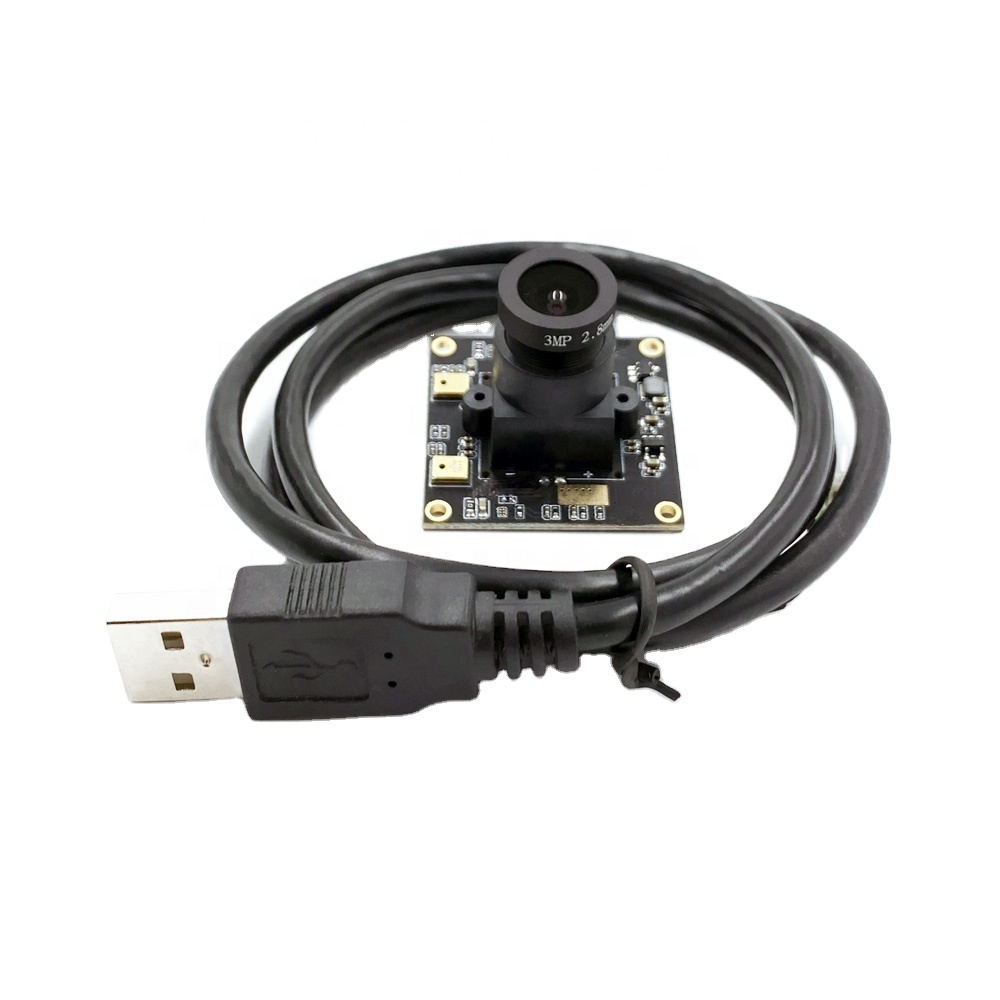
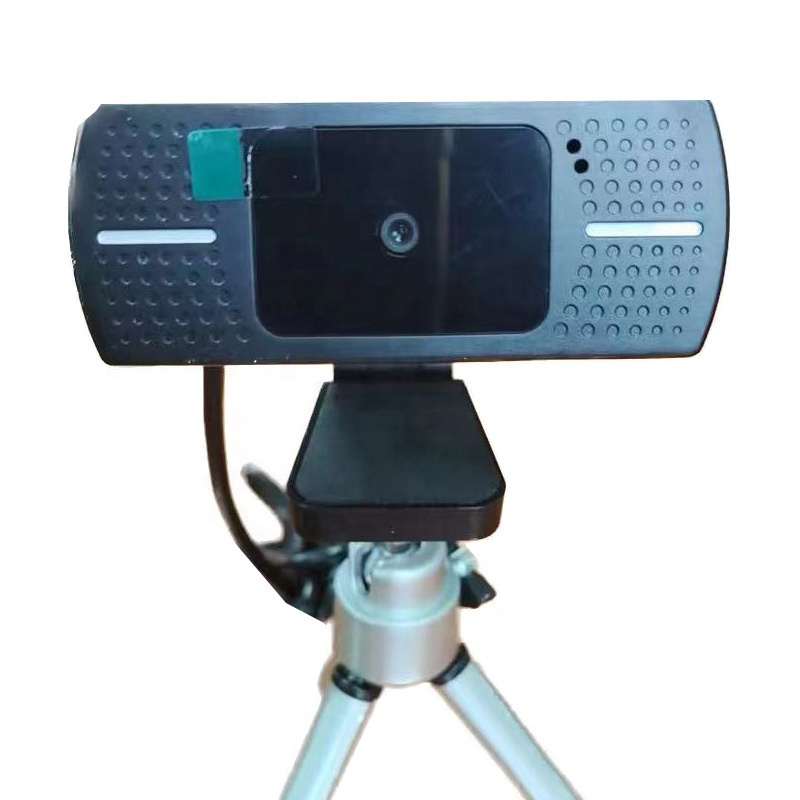
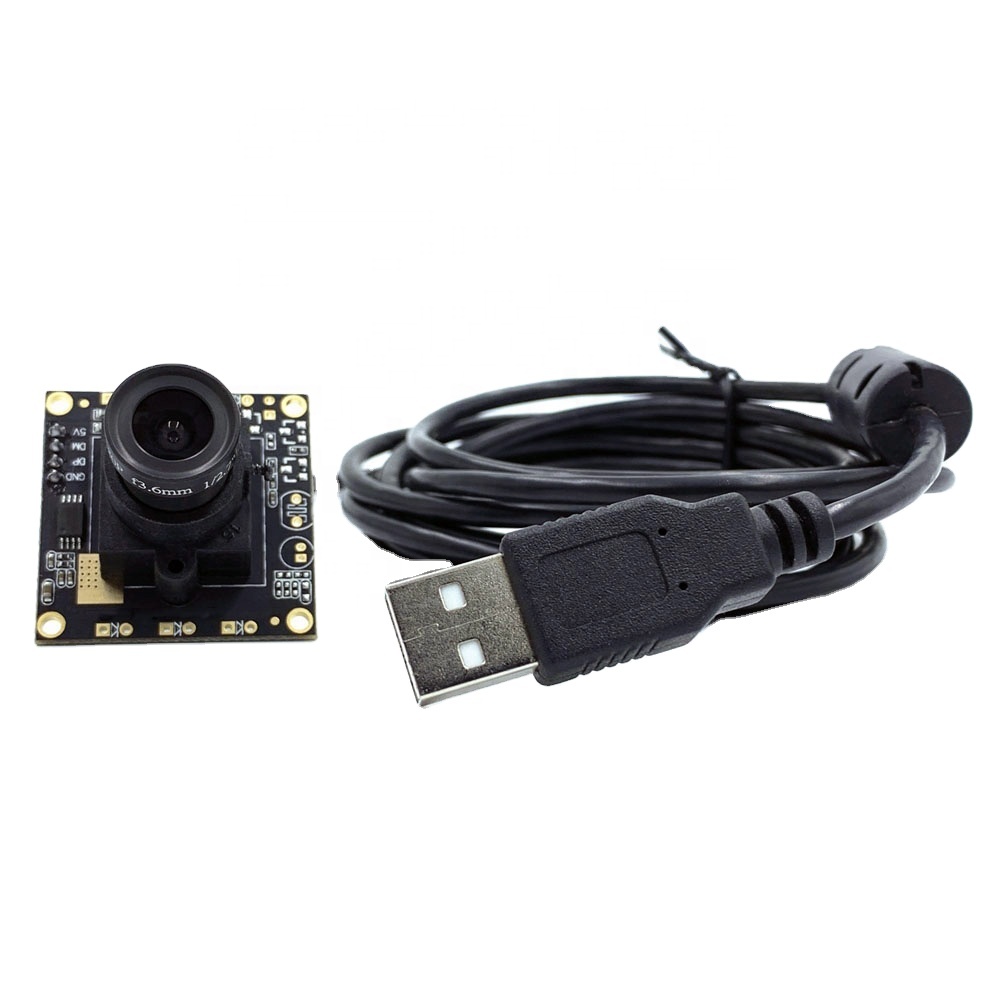
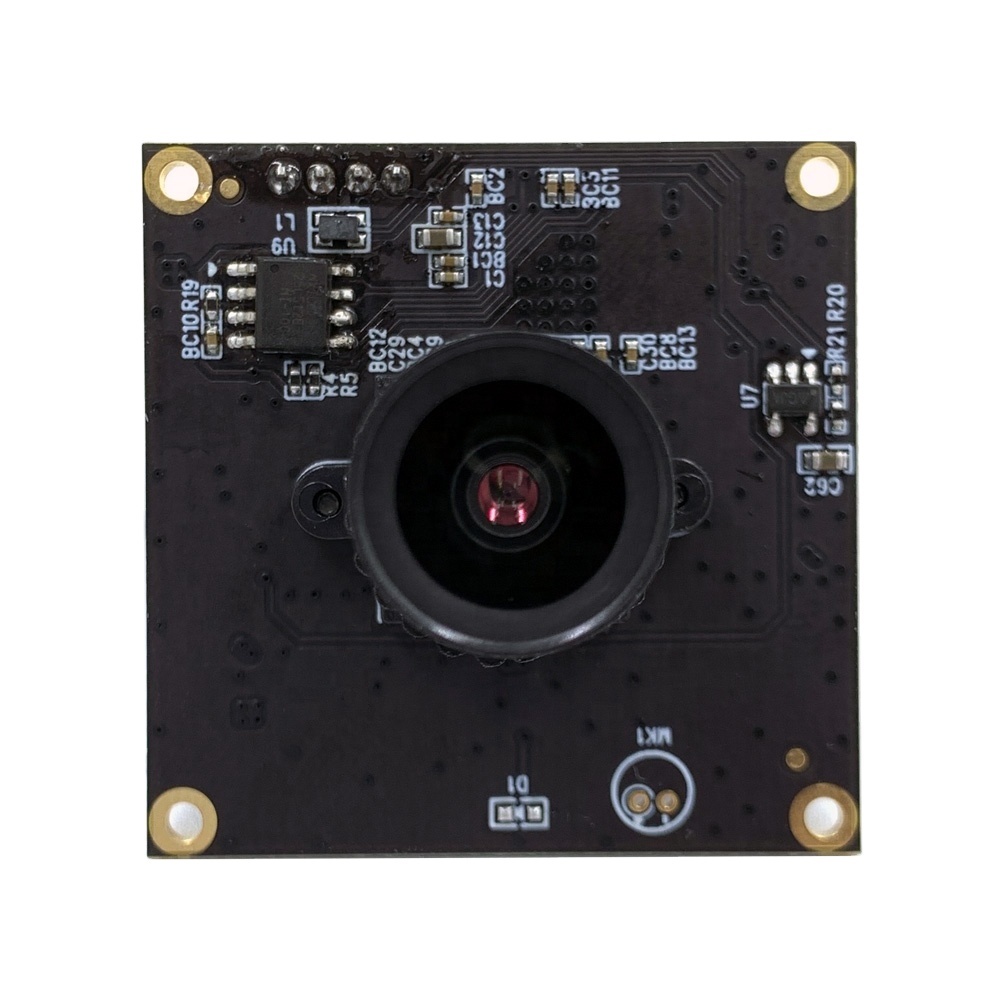
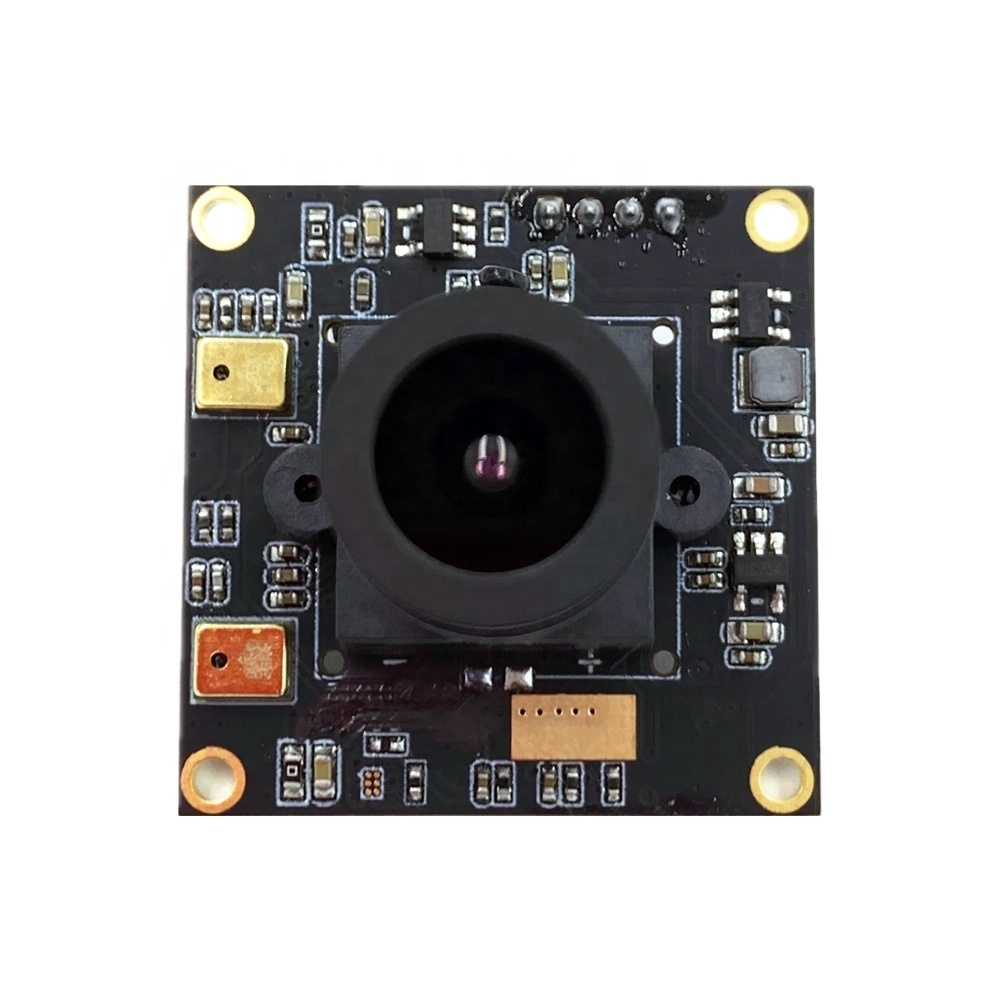
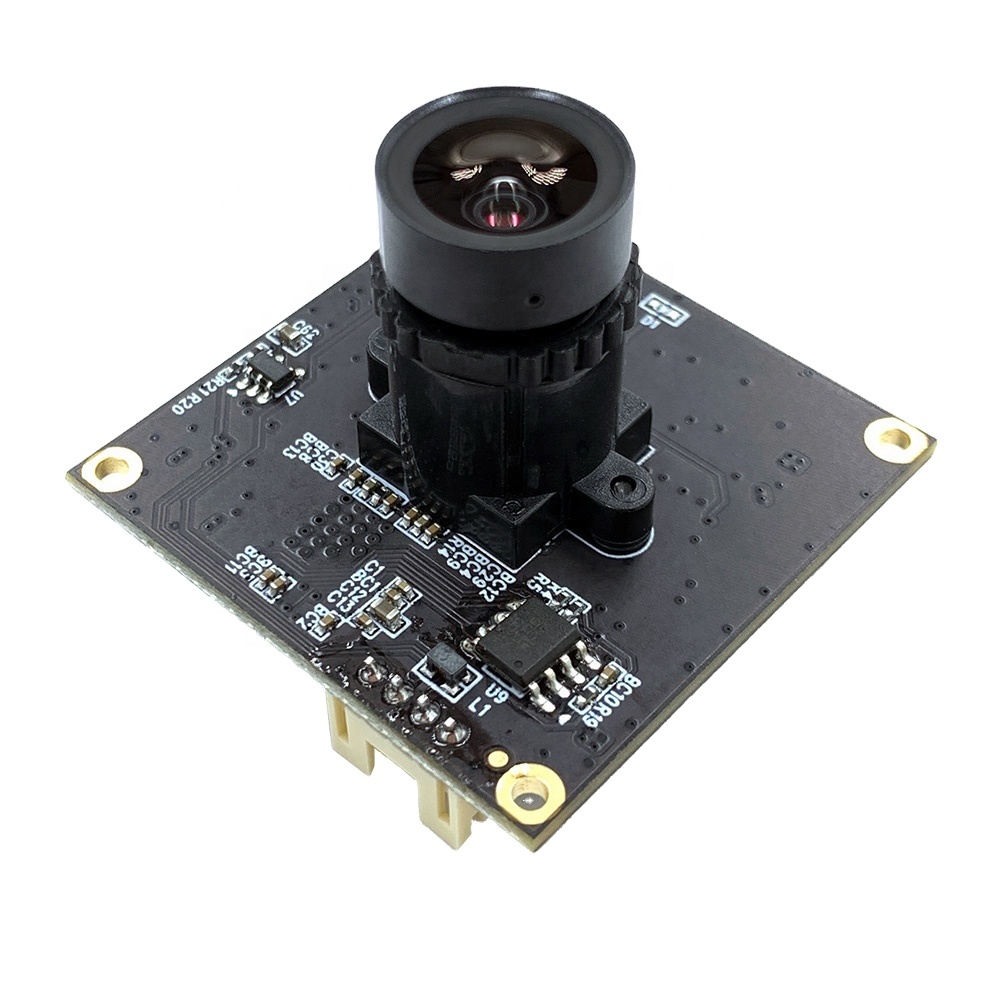
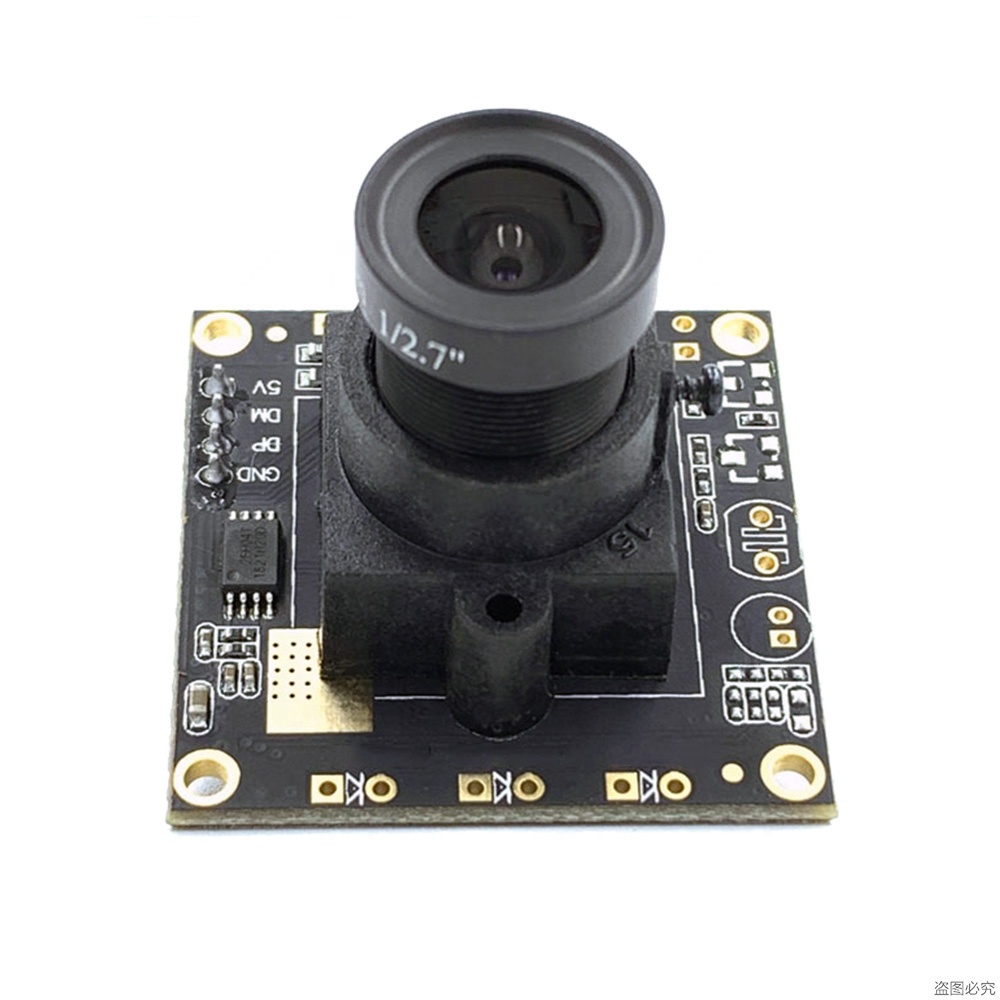
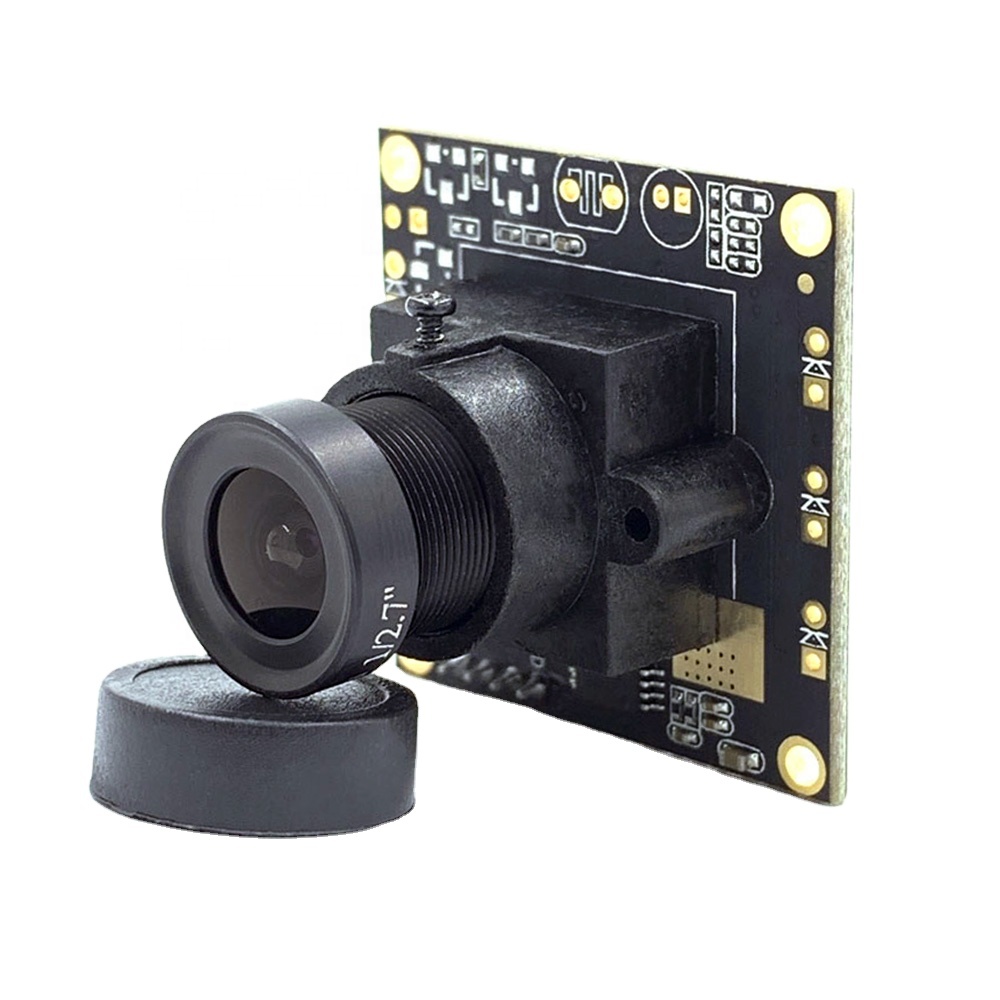
B2B Optical Engineering Standards for Dortmund's Smart Infrastructure & Industrial Automation
As the industrial heartland of Germany's North Rhine-Westphalia (NRW) region transitions into an advanced high-tech hub—anchored by the Dortmund Technology Park, automated logistics hubs (such as the DHL Mega-Center), and next-generation smart-city infrastructure—the demand for precision miniaturized optical components has risen dramatically. Local system integrators, kiosk OEMs, and industrial automation firms require high-reliability CCTV lens modules and USB camera boards capable of continuous 24/7/365 operation under rigorous environmental and operational stresses.
When selecting a Chinese camera module manufacturer for deployment in Dortmund or broader DACH industrial sectors, procurement leads must evaluate three non-negotiable technical baselines:
- Wide Dynamic Range (WDR > 105dB): Essential for outdoor ticketing machines at Dortmund Hauptbahnhof or glass-front retail self-order kiosks facing direct morning sunlight. Sensors like the Onsemi AR0230 ensure high-contrast facial recognition and document scanning without blown-out highlights or total shadow blackout.
- Ultra Low-Light Illumination (< 0.001 Lux): Sony Starvis back-illuminated pixel technology allows unassisted color video recording in dim suburban railway stations, underground parking garages, or low-lit night vending kiosks without requiring high-power energy-consuming IR arrays.
- Form Factor Optimization (15×15mm to 38×38mm PCBs): Space-constrained automated systems require modular board layouts (single board or dual stacked PCBs) designed in Allegro/Protel with custom USB pin-headers (JST/Molex) for seamless physical enclosure integration.
CMOS Sensor Architecture Breakdown: Sony Starvis vs. Onsemi AR0230 for European Integrators
A technical comparison of sensor architectures provides critical context for hardware architects deciding between low-light sensitivity and ultra-wide dynamic range balancing.
| Core Technical Parameter | Sony Starvis Series (e.g., IMX291) | Onsemi WDR Series (e.g., AR0230) | Industrial High Frame Rate (330 FPS) |
|---|---|---|---|
| Primary Application Target | 24/7 Low-Light Surveillance, Vending, ATMs | Self-Service Kiosks, Outdoor Scanners, Document ID | High-Speed Motion Analysis, OCR, Sorting Conveyors |
| Minimum Illumination | 0.001 Lux (Color Starlight Grade) | 0.01 Lux (Standard Night Vision) | 0.1 Lux (Requires Active Illumination) |
| Dynamic Range Performance | Digital WDR / HDR (~80-90 dB) | True Hardware WDR (>105 dB Dual Exposure) | Standard Dynamic Range (SDR) |
| Supported Video Codecs | H.264 / MJPEG / YUY2 Stream Compression | MJPEG / YUY2 Direct Frame Output | Uncompressed High-Bandwidth MJPEG / YUY2 |
| Form Factor Availability | 32×32mm / 38×38mm Dual Board | 32×32mm Single PCB Compact | 38×38mm Heat-Dissipating Aluminum PCB |
| Linux / ROS Kernel Native Drivers | UVC Driverless (Plug & Play) | UVC Driverless (Plug & Play) | UVC High-Speed USB 2.0 / 3.0 Custom Endpoints |
For Dortmund automated machine integrators, matching the exact sensor topology to the user interaction journey avoids over-specifying hardware budgets while guaranteeing optical precision. For example, a food self-ordering terminal operating inside bright indoor shopping centers like Thier-Galerie Dortmund benefits most from an Onsemi AR0230 1080P WDR module, whereas remote outdoor parcel lockers deployed across Ruhr region logistics points demand the Sony Starvis 0.001Lux ultra low-light architecture.
Localized Application Scenarios across North Rhine-Westphalia's Industrial Sector
Shenzhen Brekta Electronics engineers camera boards specifically built to plug directly into Western European commercial and industrial equipment architectures. Below are primary field-tested localized application profiles:
1. Smart Retail & Food Self-Ordering Kiosks in Dortmund Hospitality
Modern QSRs (Quick Service Restaurants) and interactive retail terminals in Germany utilize automated 1080P USB camera modules for two primary tasks: customer liveness detection / age verification for restricted goods and ambient light self-calibration. Features such as integrated H.264 hardware encoding drastically reduce host CPU utilization on embedded Intel NUC or Raspberry Pi 4 terminal controllers.
2. Financial Banking ATMs, VTMs, and ID/Barcode Scanners
Bank security standards in the European Union mandate robust anti-skimming and clear transactional recording. Miniaturized 32×32mm camera modules fitted with wide-angle M12 glass pinhole lenses (e.g., 2.8mm or 1.7mm fisheye) allow hidden installation behind narrow acrylic bezels. True Hardware WDR compensates for the harsh contrast between indoor branch ambient light and external street light reflected through glass doors.
3. Automated Logistics & High-Speed Machine Vision Sorting
In Dortmund's extensive logistics hubs, automated package identification requires camera modules capable of capturing rapidly moving barcodes, QR codes, and OCR shipping labels on high-speed belts. Utilizing high frame rate modules delivering up to 330 frames per second eliminates motion blur artifacts, enabling realtime edge-AI processing without frame dropping.
Why Partnering with Shenzhen Brekta Electronics Gives Dortmund Integrators a Competitive Edge
Shenzhen Brekta Electronics Co., Ltd. stands as a premier specialized designer and manufacturer of miniaturized USB, IP, AHD, and HD-SDI camera modules. Operating automated manufacturing cleanrooms in Shenzhen and Dongguan, Guangdong, Brekta provides significant strategic advantages for German B2B buyers seeking direct factory transparency, quality guarantees, and rapid custom prototyping.
Core Manufacturing Capabilities & Quality Systems:
- Custom PCB Layout & Optical Alignment: Engineering in Protel and Allegro to customize board dimensions (15×15mm, 25×25mm, 30×25mm, 32×32mm, 38×38mm), cable pinouts (USB 4-pin, 5-pin JST, Type-C), and double-sided SMT placement.
- Strict Optical Testing Standards: 100% finished camera modules undergo MTF (Modulation Transfer Function) resolution chart testing, color reproduction analysis, and burn-in temperature cycling before shipment to ensure zero-defect sample-to-bulk consistency.
- Full European Regulatory Compliance: Comprehensive documentation support including CE Mark testing reports, FCC compliance, and RoHS 2.0 chemical hazardous material compliance required for seamless customs clearance across Frankfurt and Cologne/Bonn freight entry hubs.
- OEM/ODM Technical Customization: Tailored firmware parameters (exposure limits, saturation, white balance curves, fixed optical gain lock), custom IR-cut filter triggers, auto-focus lens tuning, and private-label logo laser etching.
Frequently Asked Questions for Dortmund & German B2B Buyers
Practical answers covering integration, compliance, sample logistics, and driver compatibility for European hardware development teams.
Accelerate Your Machine Vision & Smart Terminal Integration
Download our complete 2025 OEM/ODM Product Catalog containing detailed mechanical CAD drawings, sensor Datasheets, pinout diagrams, and direct factory price lists.
Get Catalog