Featured Industrial Camera Sensor Modules
High-performance UVC USB, Low-Lux STARVIS™, and High-Speed Autofocus Camera Boards tailored for system integrators in Andorra and across Europe.
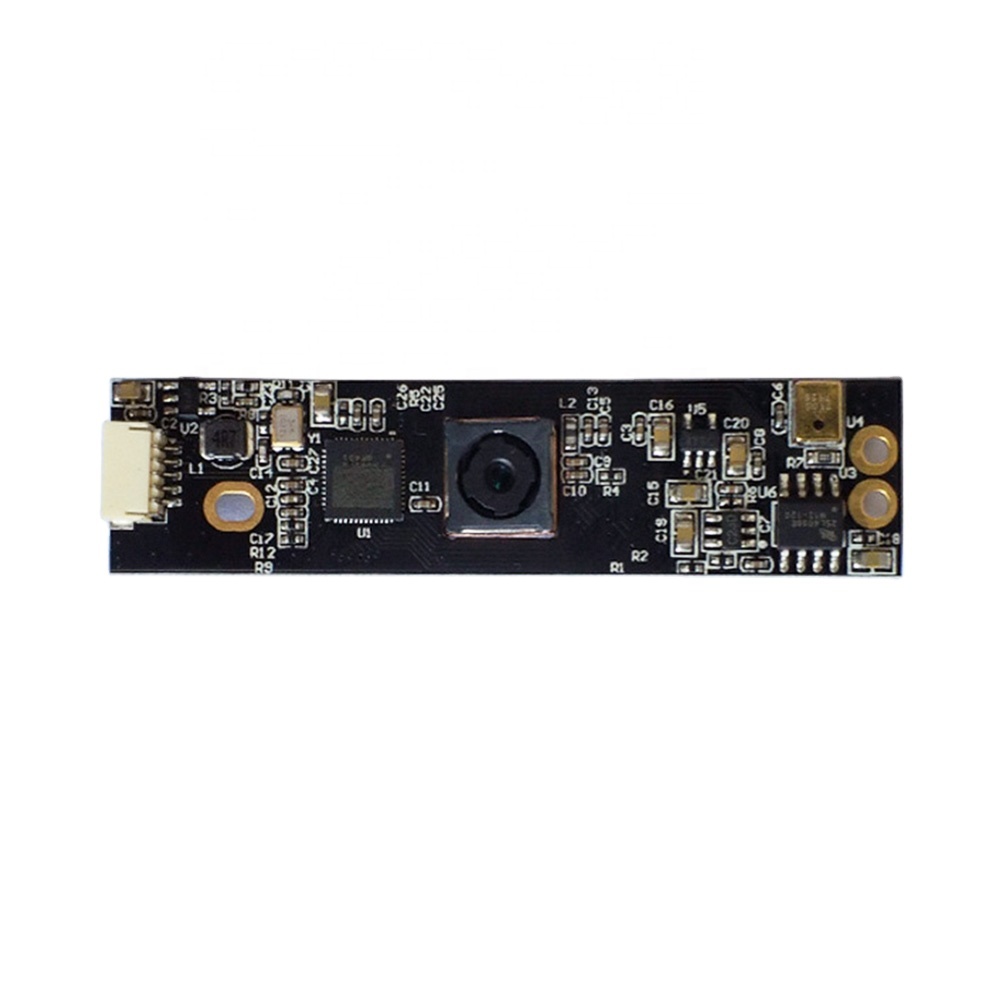
Low Lux 0.1 Customized 1/3.2" CMOS Autofocus 8.0MP USB Camera Module
- Resolution: 8.0MP (3264*2448 @ 15fps)
- Sensor: 1/3.2" Low Lux CMOS (0.1 Lux)
- Dimensions: 62*15mm Mini Strip Format
- Output: YUY2 / MJPEG Rolling Shutter
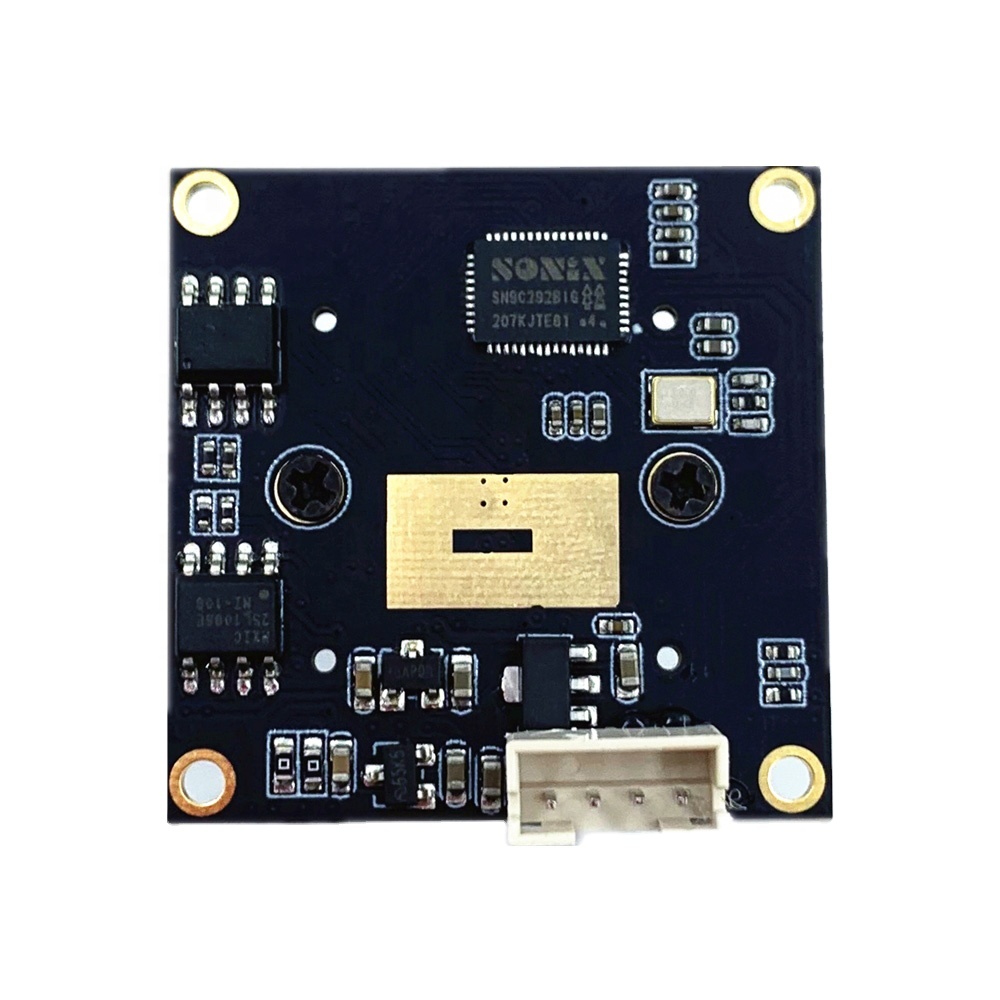
0.001Lux H.264 Rolling Shutter Starvis & WDR 2.0MP USB Camera
- Resolution: 2.0MP (1920*1080 Full HD)
- Sensitivity: 0.001 Lux Starlight Vision
- Dimensions: 32*32mm Compact PCB
- Application: Face Recognition for Video Walls
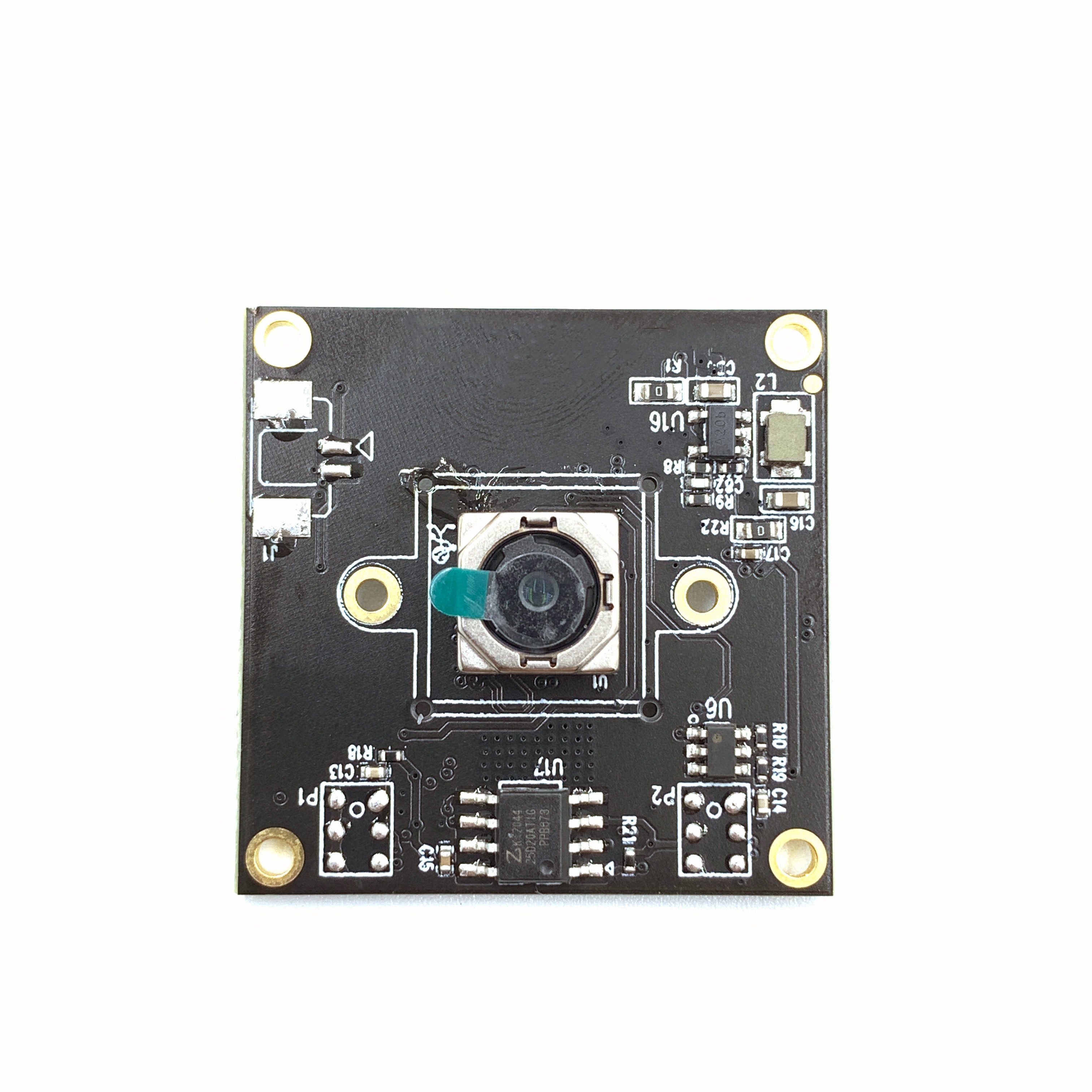
15fps Autofocus Low Lux 0.1 8.0MP 32*32mm USB Camera Module
- Resolution: 8.0MP Ultra-High Detail
- Focusing: High-Speed VCM Autofocus
- Illumination: 0.1 Lux Night/Low-Light Performance
- Dimensions: 32*32mm Standard Board
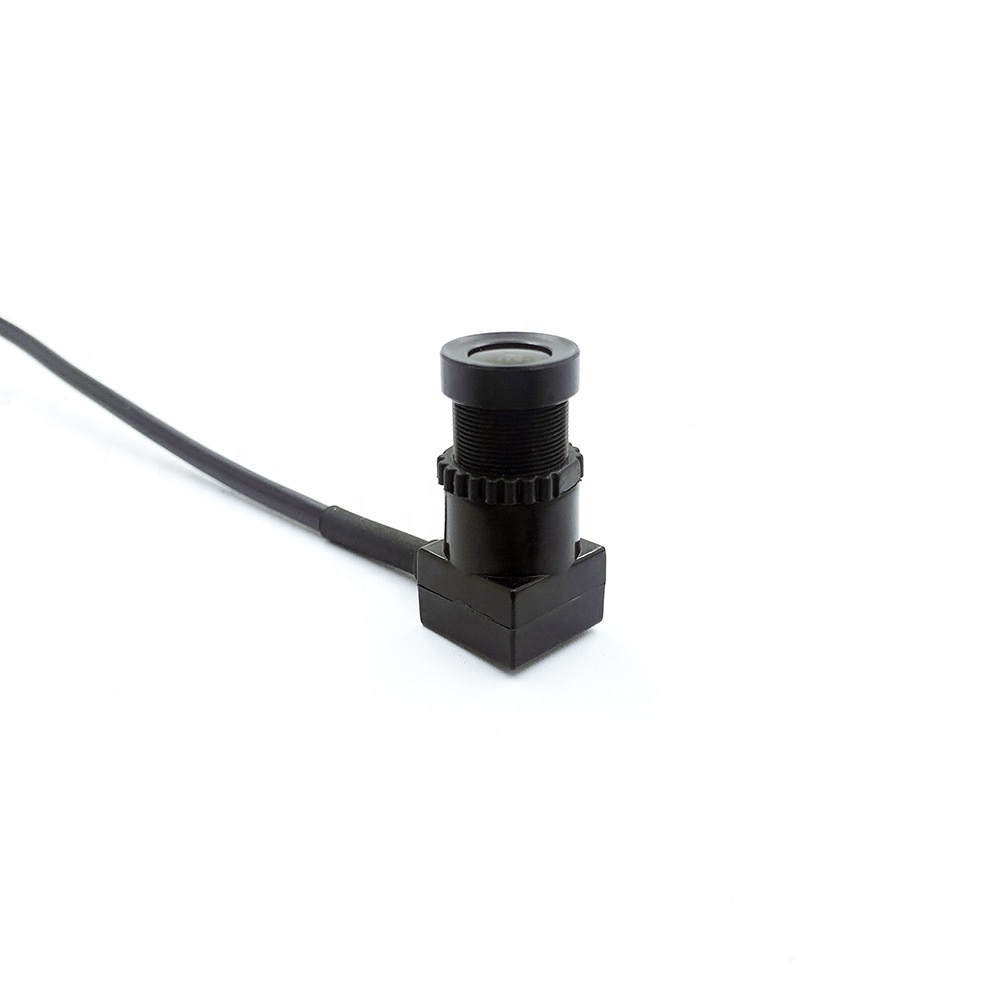
0.1Lux Full HD 1080P Mini Square 15*15mm Camera with 12mm Lens
- Form Factor: Micro 15*15mm Square PCB
- Resolution: 1080P Full HD Color
- Optics: 12mm Board Telephoto Lens
- Interface: Driverless USB Plug-and-Play
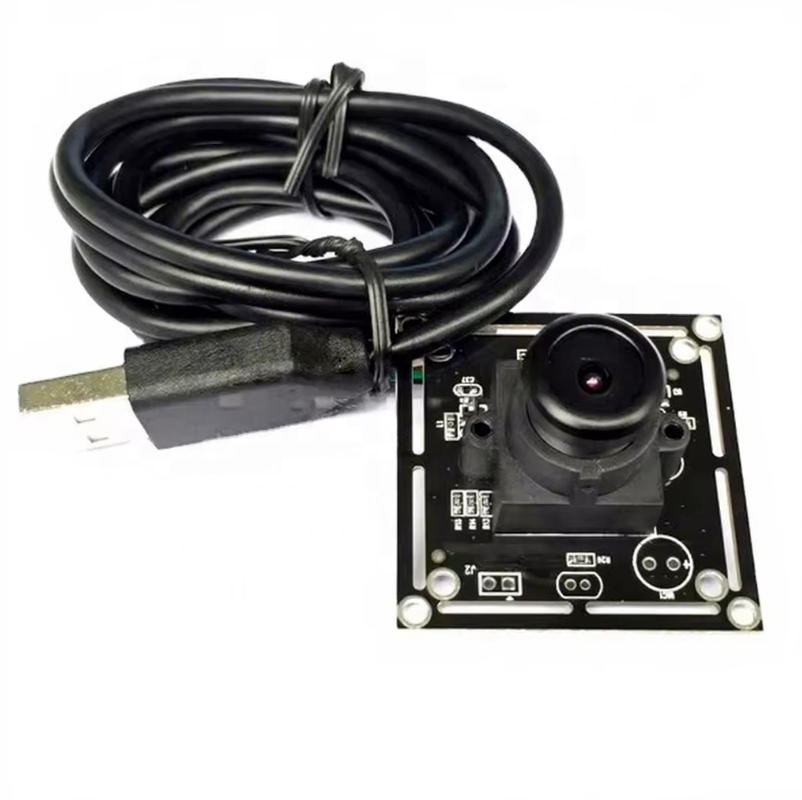
3.6mm Board Lens EX-View WDR 1.3MP 32*32mm USB Camera Module
- Technology: EX-View Wide Dynamic Range
- Lens: 3.6mm Fixed Focal Optics
- Board Size: 32*32mm Square Design
- Application: Kiosks & Digital Signage

0.001Lux Starvis WDR 2.0MP 160° Wide Angle Manual Focus Module
- Field of View: 160° Ultra-Wide Fisheye/Panoramic
- Compression: Hardware H.264 Video Encoder
- Illumination: 0.001 Lux Ultra Starlight
- Target Use: In-Vehicle & Smart Monitoring
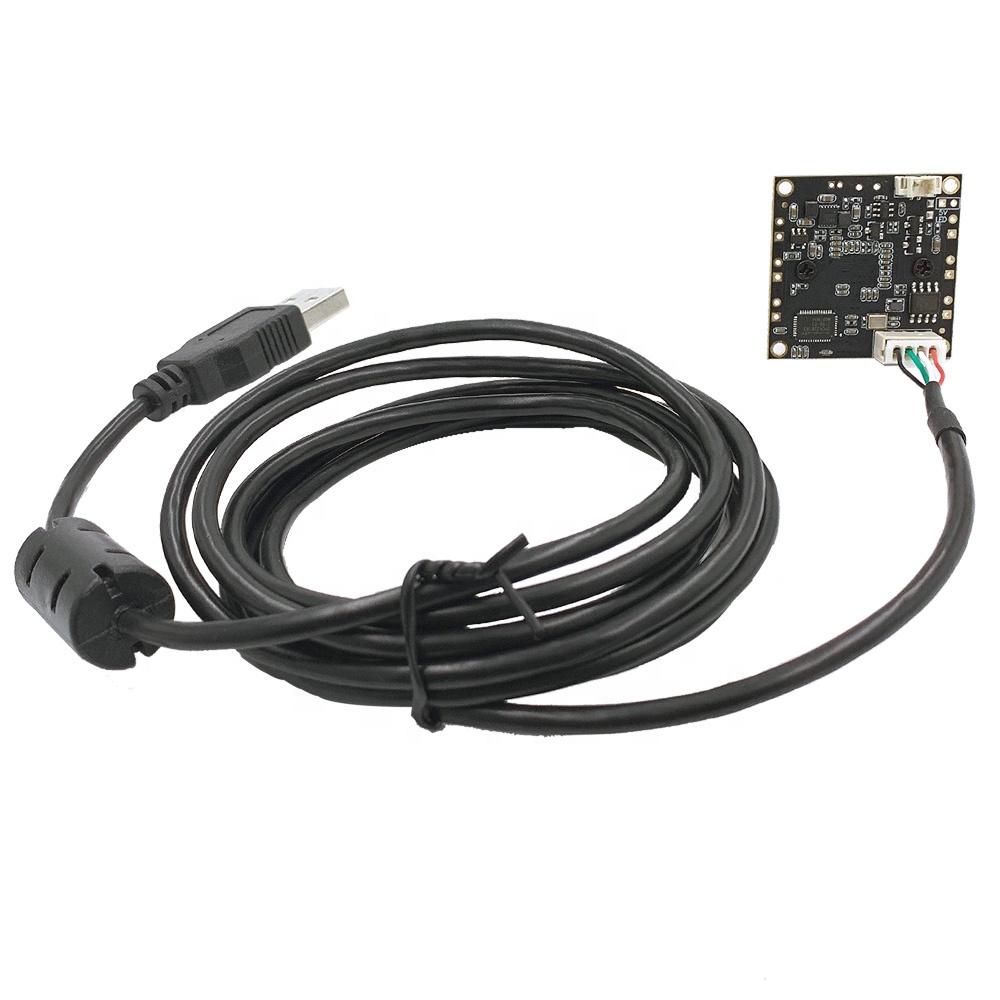
2.0MP AR0230 Onsemi CMOS WDR 1080P USB Camera for ATM & Kiosk
- Sensor: Onsemi AR0230 Professional CMOS
- Dynamic Range: Hardware WDR (>105dB)
- Compatibility: ATM, Kiosk & Scanning Devices
- Board Size: 32*32mm Industry Standard
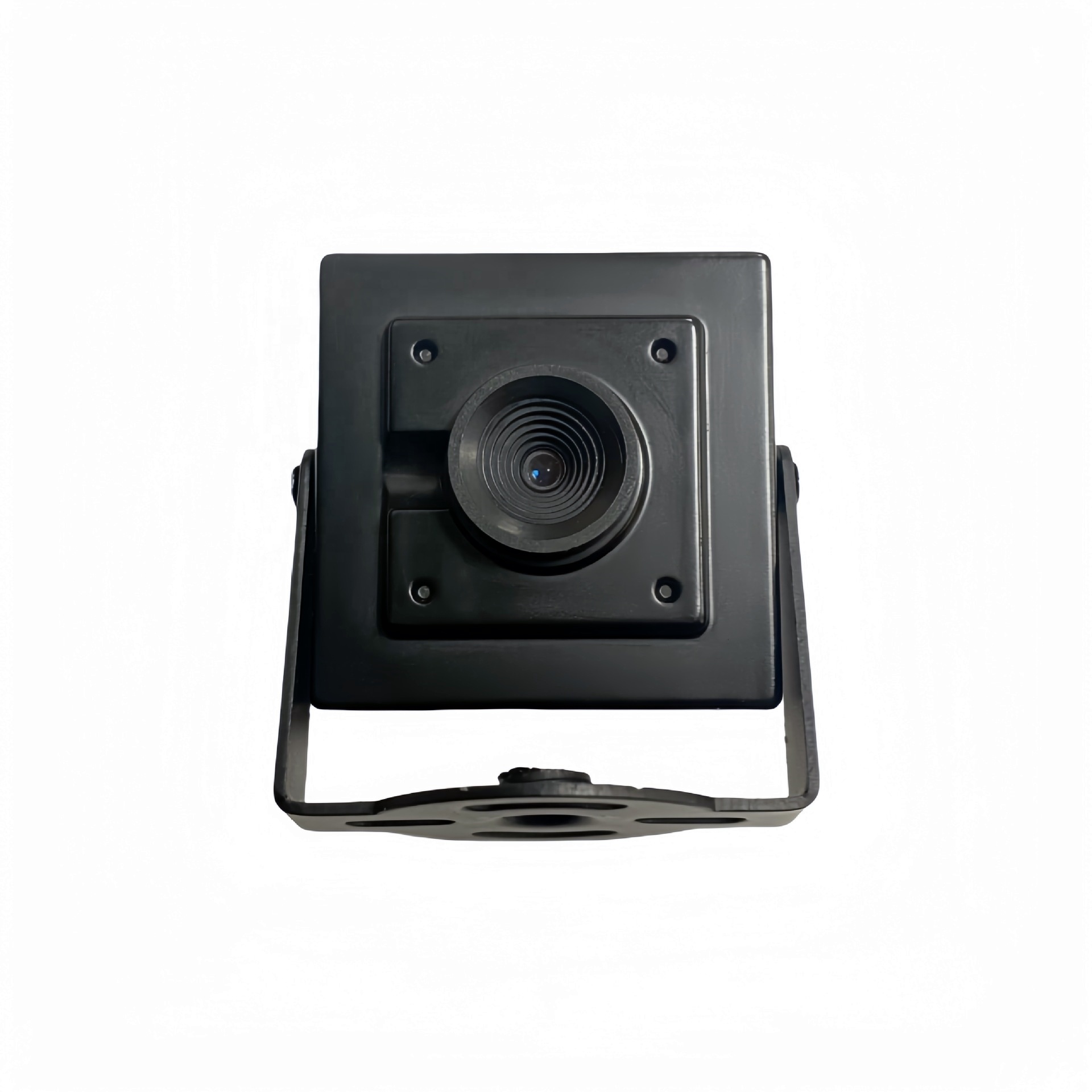
High Speed Auto Focus 4K UHD CMOS 12MP USB Camera Module
- Resolution: 12MP / 4K UHD Cinematic Clarity
- Focusing: Instant PDAF/VCM High-Speed Auto Focus
- Applications: AI Self-Checkout & Smart Retail
- Protocol: USB Video Class (UVC) Standard
Executive Whitepaper: The Evolution of Optical Sensing in Andorra’s High-Tech Landscape
As the Principality of Andorra accelerates its transition into an advanced digital economy, the demand for specialized, high-reliability embedded camera sensor modules has expanded far beyond traditional security monitoring. Nestled in the Pyrenees between France and Spain, Andorra’s unique socio-economic ecosystem—characterized by high-density retail banking, world-class ski resort infrastructure, automated cross-border transport nodes, and expanding smart city initiatives—requires vision hardware engineered to deliver exceptional imaging performance under extreme environmental and operational stresses.
For system integrators, embedded engineers, and OEM project developers operating within Andorra (including major commercial centers such as Andorra la Vella, Escaldes-Engordany, and Encamp), selecting the right camera module partner is a critical design decision. Embedded optical modules serve as the visual "eyes" for artificial intelligence at the edge, biometrics, financial self-service kiosks, and harsh Alpine environment telemetric monitors.
Information Gain Insight: Key Technical Differentiators for B2B Buyers
Unlike consumer webcams, industrial-grade CMOS camera modules feature tuned Image Signal Processors (ISPs), ultra-low light sensitivities down to 0.001 Lux (Sony STARVIS™ technology), hardware-level Wide Dynamic Range (WDR > 105dB), and versatile interface protocols (UVC USB, RTSP/ONVIF IP, AHD, HD-SDI). These specifications guarantee stable frame rates and accurate pixel fidelity across temperature fluctuations ranging from -20°C to +70°C.
Technical Architectural Analysis: CMOS Sensors, ISP Pipeline & Interface Protocols
To maintain a competitive advantage in hardware integration, Andorra’s system engineers must evaluate camera modules through a rigorous optoelectronic framework. A sensor board is not merely a collection of megapixels; it is an integrated optical-to-digital processing chain comprising five vital architectural components:
1. CMOS Sensor Silicon & Photodiode Quantum Efficiency
Utilizing back-illuminated (BSI) pixel architectures—such as the Sony STARVIS™ and Onsemi AR-series—photodiode sensitivity is maximized in low-light spectrums. By relocating the metal wiring layer beneath the light-receiving surface, light loss is minimized, achieving clear image acquisition at 0.001 Lux or below without active IR illumination.
2. ISP Pipeline & Hardware Wide Dynamic Range (WDR)
When cameras operate in environments with harsh contrast—such as outdoor ATM kiosks in bright Alpine sunlight—conventional sensors suffer from dark shadows or blown-out highlights. Integrated ISPs perform multi-exposure frame fusion in real-time, delivering >105dB WDR for crisp license plate and facial feature capturing.
3. Driverless UVC & Network Streaming Protocols
USB Video Class (UVC) compliance allows direct plug-and-play operation across Linux, Windows, Android, and macOS systems without third-party driver installation. For IP network modules, RTSP/ONVIF Profile S support ensures low-latency video transmission across local networks or fiber backbones.
Interface Protocol Comparison Matrix
| Interface Standard | Data Bandwidth | Max Cable Length | Latency | Primary Andorra Application |
|---|---|---|---|---|
| USB 2.0 / USB 3.0 (UVC) | 480 Mbps / 5 Gbps | 5m (Extendable via Active Repeater) | Ultra-Low (<30ms) | Bank ATMs, Self-Checkout Kiosks, Ticketing Terminals |
| IP Network (RTSP/PoE) | 100 / 1000 Mbps | 100m (Standard Cat6 Power-over-Ethernet) | Low (~120-200ms) | Ski Lift Security, Traffic Monitoring, Smart City |
| AHD / TVI / CVI Coaxial | 1.485 Gbps (Uncompressed) | up to 500m (RG59 Coax) | Zero Latency | Legacy Security Retrofits, Vehicle Rear-Vision |
| HD-SDI Broadcast | 3.0 Gbps (HD-SDI / EX-SDI) | up to 150m | Zero Latency | Live Event Streaming, High-Speed Inspection Lines |
Localized Application Scenarios in Andorra
Understanding the localized operational environment is critical for seamless deployment. Below are four key deployment scenarios where our custom camera modules actively solve physical and technical challenges unique to Andorra’s economic and geographical infrastructure.
1. Alpine Ski Resort Automation & Lift Ticketing
In major ski areas such as Grandvalira and Vallnord, turnstiles and automated ticket validation points require high-speed optical barcode/QR scanners and facial validation units. Operating in sub-zero ambient temperatures (-15°C to -20°C) with intense background snow-glare, our 4K Autofocus and WDR USB Camera Modules deliver instantaneous image capture without lens fogging or sensor lockup.
3. Banking Kiosks & Financial VTMs in Andorra la Vella
As a global wealth and commercial hub, Andorra la Vella's financial institutions require covert, tamper-proof cash-dispenser cameras. Our 15*15mm micro-square and 32*32mm board-level Onsemi AR0230 WDR modules easily integrate into narrow ATM fascias, accurately recording cash delivery and customer interactions even when direct sunlight shines into glass bank foyers.
3. Border Control & Transit Gate Surveillance
With major customs checkpoints at Sant Julià de Lòria (Spanish border) and Pas de la Casa (French border), traffic surveillance systems rely on high-frame-rate, zero-latency sensor boards. Our 60fps Starlight STARVIS™ modules enable reliable Automated License Plate Recognition (ALPR) and driver verification during heavy rain, snowfall, or pitch-black nighttime conditions.
4. Smart Duty-Free Retail & AI Self-Checkout
Andorra’s flourishing duty-free retail ecosystem relies heavily on intelligent loss prevention and friction-free payment systems. Our 12MP 4K High-Speed Autofocus USB modules empower AI-driven visual self-checkouts to identify products, scan high-density QR codes on packaging, and perform age verification instantly.
Localized Technological Trends & Regulatory Landscape
Navigating the optical sensor market in Andorra requires a clear understanding of regional technology shifts and European compliance frameworks:
1. Strict Data Privacy Compliance (APPD & GDPR)
Although Andorra is a non-EU sovereign state, its privacy framework (Agència Andorrana de Protecció de Dades) fully mirrors the European Union’s General Data Protection Regulation (GDPR). Systems deployed in public spaces must utilize edge-processing camera modules capable of performing localized face-blurring, feature extraction, or hardware H.264/H.265 compression prior to cloud transmission.
2. Migration to Edge-AI Vision Hardware
Local system integrators are increasingly shifting away from centralized server processing toward "smart edge" optics. Integrating high-resolution camera modules directly with embedded Linux single-board computers (NVIDIA Jetson, Raspberry Pi, NXP i.MX8) allows real-time inference for object detection and queue management without network bottlenecks.
3. High-Altitude Thermal Resilience
Elevations exceeding 1,000 to 2,000 meters across Pyrenean valleys subject outdoor hardware to rapid thermal expansion and contraction cycles. High-grade glass-metal hybrid optical lenses (M12/C-mount) and industrial-grade PCB substrates are mandatory to prevent optical defocusing and solder-joint fatigue over years of continuous operation.
Why Shenzhen Brekta Electronics is the Premier OEM Partner for Andorra Integrators
As an established high-tech camera module manufacturer with dual production bases in Shenzhen and Dongguan, Shenzhen Brekta Electronics Co., Ltd. bridge the gap between cutting-edge optoelectronic manufacturing and European engineering requirements.
Full OEM/ODM Customization Capabilities
Our engineering team designs custom PCB layouts using Protel and Allegro, allowing tailored board dimensions (from ultra-miniature 15*15mm to custom dual-lens arrays), specific pinout connectors, customized cable lengths, specialized lens optics (fisheye, pinhole, distortion-free, telephoto), and tailored ISP firmware parameters.
Rigorous Quality Assurance & Cleanroom SMT
Every camera module undergoes a strict multi-tier quality control protocol: automated optical inspection (AOI) during SMT assembly, 100% optical clarity and focus calibration, thermal chamber burn-in testing, and final image testing prior to anti-static vacuum packaging.
Full Global Compliance (CE, FCC, RoHS)
All Brekta camera modules conform to strict international standards, holding CE, FCC, and RoHS certifications. This ensures seamless customs clearance into Andorra and compliance with broader European safety and environmental mandates.
Andorra B2B Procurement FAQ
Answers to essential technical, logistical, and commercial questions asked by engineering procurement teams in Andorra.
Q1: How does shipping and customs clearance work for delivery into Andorra?
We regularly ship engineering evaluation samples and bulk production orders directly to Andorra via DHL, FedEx, and UPS express lines. Delivery typically takes 3 to 5 business days. As Andorra operates outside the EU customs zone but maintains special trade agreements, all shipments include comprehensive commercial invoices, HS codes (8525.80), and CE/RoHS documentation to guarantee swift clearance.
Q2: What is the Minimum Order Quantity (MOQ) for custom OEM orders?
For standard, in-stock camera sensor modules, our MOQ starts from 1 piece for engineering evaluation and prototyping. For customized OEM/ODM projects (custom PCB shape, unique cable interface, specialized lens mount), prototype sample batches can be produced from 5 to 10 units before committing to full-scale mass production.
Q3: Can your camera modules withstand Andorra’s sub-zero Alpine winters?
Yes. Our industrial-grade camera modules are rated for operating temperatures between -20°C and +70°C. For extreme outdoor deployments (such as ski lift monitoring stations or high-altitude weather units), we offer conformal coating on the PCB and extended temperature-range CMOS silicon capable of reliable cold-boot performance.
Q4: Are your USB camera boards truly driverless across Linux and ARM architectures?
Absolutely. All our USB modules follow the standard USB Video Class (UVC 1.1 / UVC 1.5) protocol. They operate out-of-the-box without manual driver installation on Ubuntu Linux, Debian, Android, Windows, and macOS. They integrate seamlessly with OpenCV, V4L2 (Video4Linux2), and ROS (Robot Operating System).
Q5: Which sensor is recommended for high-contrast sunlight outdoor kiosks?
We strongly recommend our 2.0MP Onsemi AR0230 WDR module or Sony STARVIS™ IMX291 / IMX335 series. These sensors feature True Hardware WDR (>105dB), allowing the image processor to balance intensely bright outdoor snow light and dark shadows simultaneously.
Q6: Can we request specialized IR-cut filters for day/night switching?
Yes. We offer motorized dual IR-cut filter switches (650nm for accurate daytime color rendering, passing 850nm/940nm for invisible infrared night vision), fixed narrow-band pass filters, or daylight-only filtering depending on your optical enclosure requirements.
Q7: What warranty protection and technical support do you provide?
Every product manufactured by Shenzhen Brekta Electronics comes with a comprehensive 24-month warranty. In the rare event of a hardware defect, free replacement units are dispatched promptly. Furthermore, our dedicated optoelectronic engineers provide direct SDK, pinout, and optical calibration technical support.
Q8: How do we request a custom quote or engineering drawing?
Simply click the "Get Catalog" button below to open our direct communication portal. Share your mechanical housing dimensions, required FOV (Field of View), target resolution, interface preference, and estimated annual quantity. Our engineering sales team will respond with a formal technical proposal and quotation within 2 hours.
Accelerate Your Vision Hardware Project in Andorra
Request our complete 2025 Product Catalog, detailed engineering 2D/3D CAD drawings, or order rapid prototype samples today.
Get Catalog