Featured Industrial & Miniature Camera Modules
Engineered for high frame rates, low-light Starvis vision, WDR dynamic range, and plug-and-play UVC compatibility across Automated Optical Inspection (AOI), ATM, robotics, and medical devices.
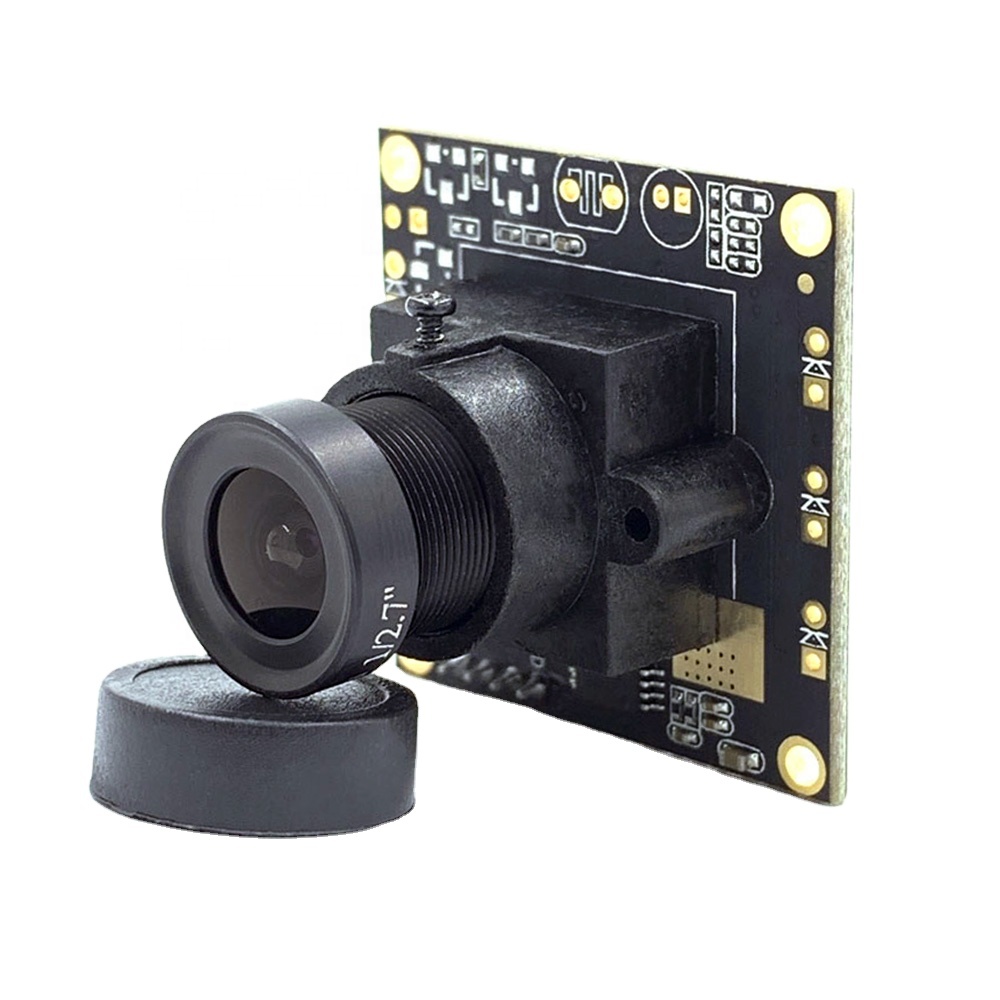
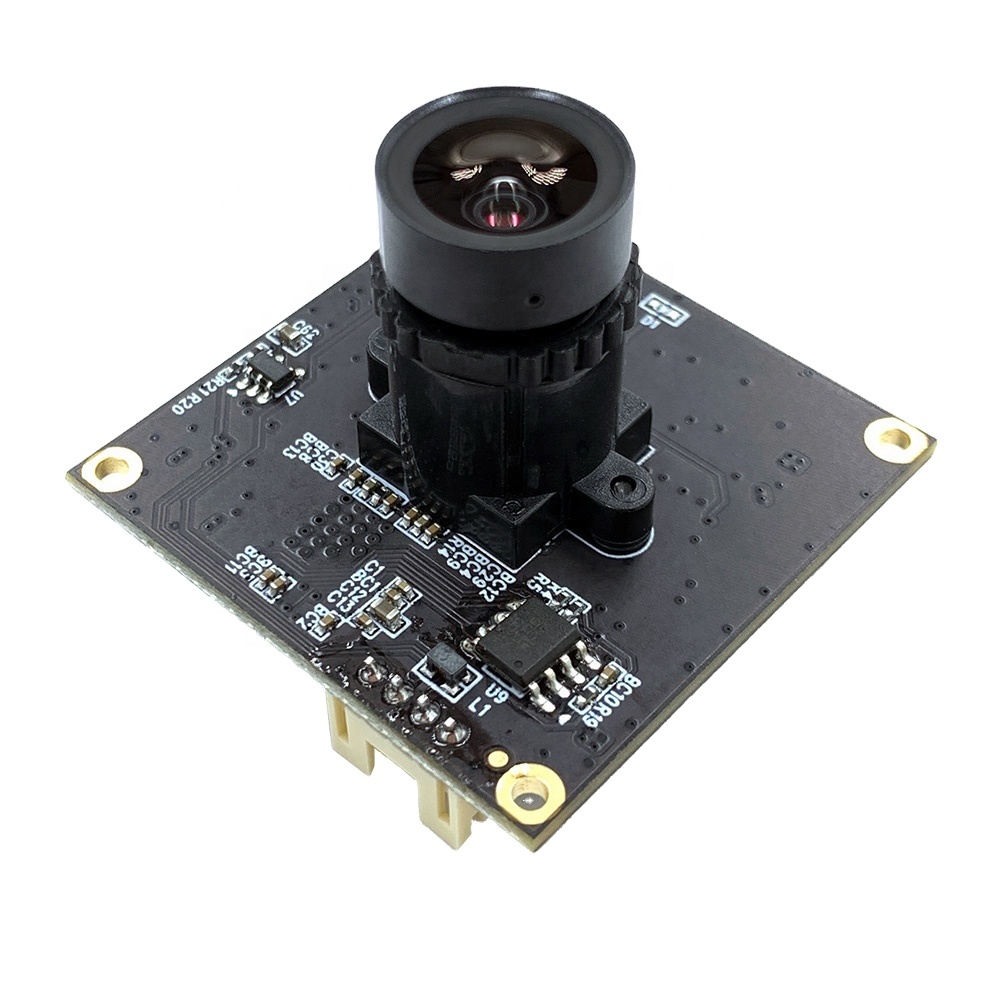
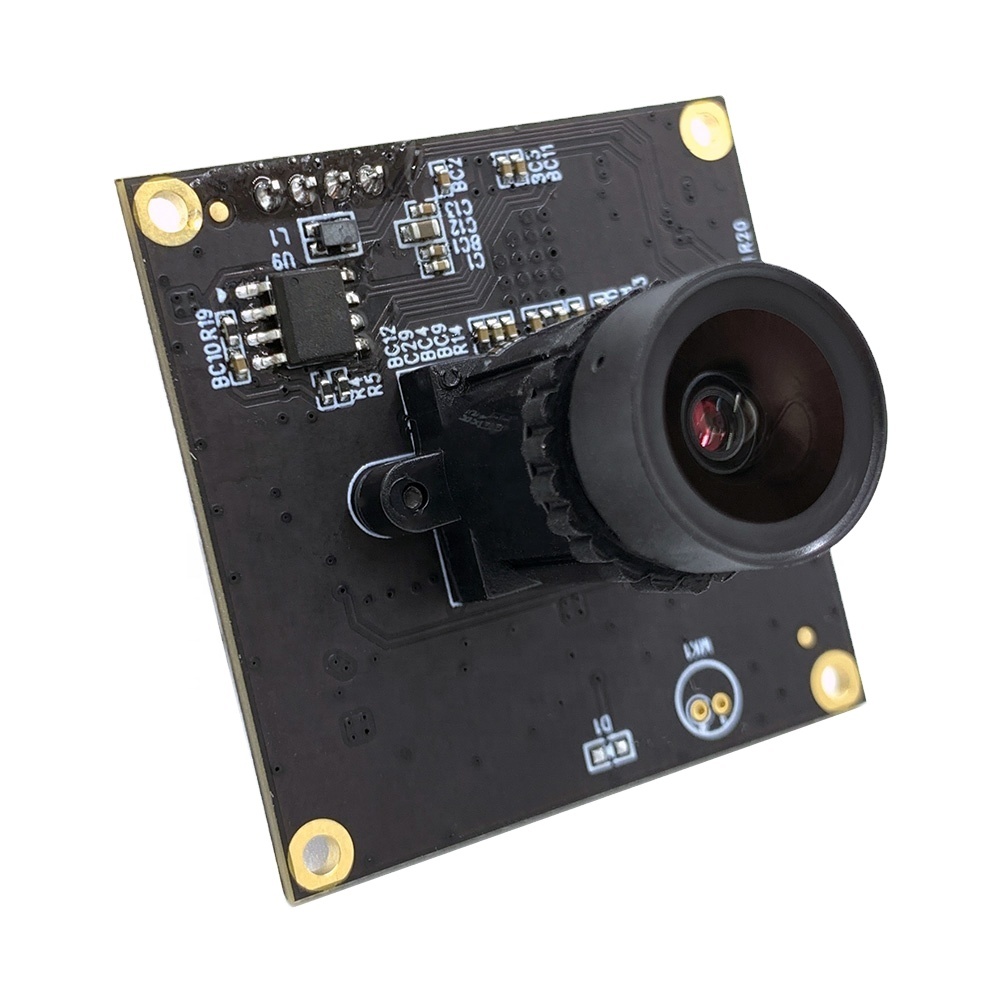

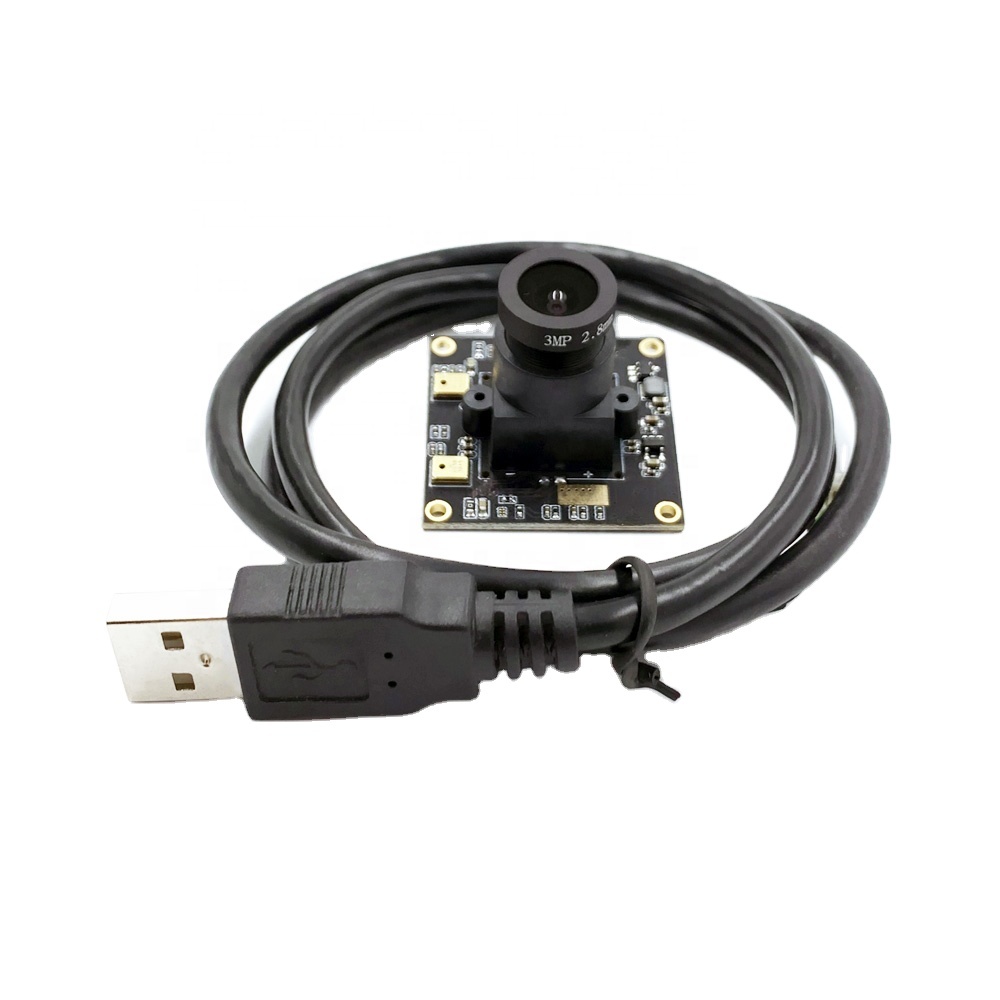
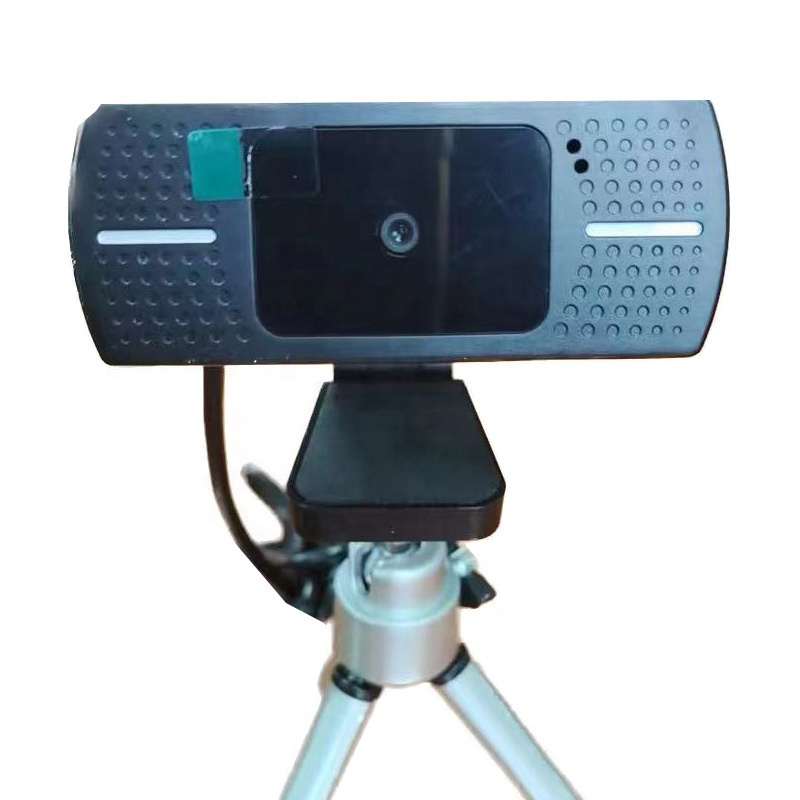
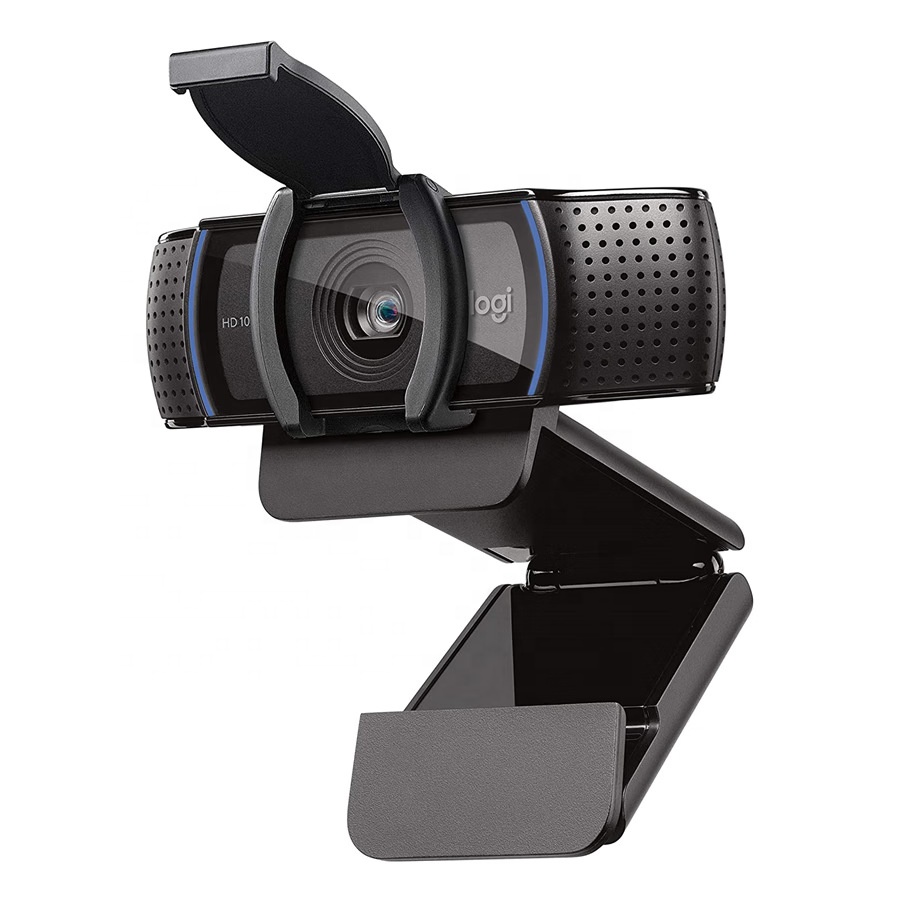

1. Next-Generation Miniature Imaging Architecture for Brainport Eindhoven
The region of Brainport Eindhoven stands as Europe's premier technology capital, driven by deep-tech microelectronics, lithography supplier chains, advanced Mechatronics, Automated Optical Inspection (AOI), and robotics engineering. As industrial equipment manufacturers at the High Tech Campus Eindhoven (HTCE) and Brainport Industries Campus (BIC) push the boundaries of micro-assembly and inline machine vision, traditional bulky digital cameras are rapidly being replaced by micro-form-factor imaging modules.
Historically, miniature Charge-Coupled Device (CCD) sensors were the preferred choice for industrial inspection due to their global shutter capability and CCD readout fidelity. However, modern high-performance CMOS architecture—specifically incorporating Sony STARVIS back-illuminated pixel architecture and Onsemi WDR technologies—has bridged and bypassed legacy CCD limitations. Today’s industrial system builders demand miniature camera modules that feature ultra-compact board footprints (15×15mm, 32×32mm, 38×38mm, or 50×50mm), driverless UVC (USB Video Class) integration, distortionless optical paths, and dynamic low-light handling.
As a global exporter and manufacturer specialized in miniaturized camera modules, Shenzhen Brekta Electronics Co., Ltd. supplies direct-to-OEM solutions for system integrators, machine builders, and technical wholesalers across Eindhoven, Veldhoven, Best, and Helmond. By pairing custom Protel/Allegro PCB engineering with rigorous optical testing, we deliver field-proven imaging units capable of continuous 24/7 operation in complex electromagnetic and thermal industrial environments.
2. Technical Engineering: Sensor Architecture, Optics & Protocols
When specifying miniature camera components for automated systems, engineering managers must navigate crucial design trade-offs between frame rate, signal-to-noise ratio (SNR), dynamic range, transmission interface, and mechanical thermal management. Below is an engineering overview of our primary micro-module architectures designed for the Benelux technology sector.
High Frame Rate (330 FPS) Motion Capture
Equipped with specialized high-speed image processors, our 2.0MP 38×38mm USB modules deliver uncompressed high-speed video up to 330 frames per second. Critical for rapid component placement, pick-and-place robotics, and high-speed conveyor belt sorting.
Sony STARVIS & 0.001 Lux Ultra Low-Light
Back-illuminated pixel technology delivers extreme sensitivity down to 0.001 Lux (and up to 0.0001 Lux on selected blacklight sensors). Produces vivid, low-noise color images under challenging ambient light without requiring power-hungry illumination.
WDR & HDR Dynamic Range Alignment
Wide Dynamic Range (WDR) sensors up to 105dB dynamically balance intense highlights and deep shadows. Prevents washing out or dark silhouetting when monitoring brightly lit cleanrooms, outdoor kiosks, or glass-front self-service VTMs.
To assist system engineers in selecting the correct imaging solution for their specific deployment, the matrix below details mechanical, electrical, and optical properties across our primary modular series:
| Module Specification | AR0230 WDR Series | High-Speed 330FPS Series | Sony STARVIS Low-Lux | 13MP 4K UHD Series |
|---|---|---|---|---|
| Optical Sensor Size | 1/2.7" Onsemi CMOS | 1/3" High-Speed Sensor | 1/2.8" Sony STARVIS | 1/3.06" High-Res CMOS |
| Maximum Resolution | 1920 × 1080 (Full HD) | 1920 × 1080 (Full HD) | 1920 × 1080 (Full HD) | 4192 × 3104 (13 Megapixel) |
| Max Frame Rate | 30 fps @ 1080P | 330 fps @ 640×480 / 100+ @ 1080P | 30 fps / 60 fps Option | 30 fps @ 4K / 15 fps @ 13MP |
| Dynamic Range (WDR) | Up to 105 dB WDR | HDR Supported | Digital WDR / Low-Lux WDR | Hardware HDR |
| Minimum Illumination | 0.05 Lux | 0.1 Lux | 0.001 Lux (Color) / 0.0001 Lux | 0.1 Lux |
| PCB Dimensions | 32 × 32 mm / 38 × 38 mm | 38 × 38 mm | 32 × 32 mm | 50 × 50 mm |
| Output Video Formats | YUY2 / MJPEG | YUY2 / MJPEG | YUY2 / MJPEG / H.264 | YUY2 / MJPEG |
| Interface Protocol | UVC USB 2.0 Plug & Play | High-Speed UVC USB 2.0 | UVC USB / RTSP IP Options | UVC USB 2.0 / USB 3.0 compatible |
3. Localized Application Scenarios Across the Eindhoven High-Tech Belt
Eindhoven's industrial footprint requires specific environmental adaptations. From cleanrooms with strict outgassing standards to outdoor municipal interactive kiosks subject to variable weather, our camera modules are deployed in critical high-reliability applications:
Semiconductor & Cleanroom Inspection (Veldhoven / HTCE)
High-end semiconductor equipment builders and OEM tool suppliers rely on our 13MP 4K distortionless lens modules for inspecting wafer micro-alignments, IC packaging defects, and robotic arm component positioning. Compact 32×32mm PCB layouts easily integrate into restricted machine chassis where space is extremely constrained.
Automated Guided Vehicles (AGVs) & AMR Logistics (Helmond / Best)
Intralogistics hubs across North Brabant utilize automated guided vehicles and autonomous mobile robots. Our 330FPS high frame rate modules and wide-angle low-distortion lenses allow AGVs to read floor navigation QR markers, sense obstacles, and handle dock alignment at higher speed without motion blur.
Smart ATM, VTM & Retail Kiosk Terminals
Financial kiosk manufacturers require reliable, driver-free facial recognition camera modules that operate in changing lobby light conditions. Using Onsemi AR0230 WDR and Starvis 0.001Lux sensors, our mini USB cameras capture crisp facial imagery for biometric ID validation and fraud prevention.
Medical & Life Sciences Imaging Hardware
The medical device sector in the Eindhoven-Best region requires precision optics with true color reproduction. Our 1080P autofocus webcam boards and high-resolution endoscope inspection modules provide high fidelity imagery for diagnostic laboratory equipment, dental scanners, and surgical light camera integrations.
4. Technology & Supply Chain Trends Shaping Netherlands Industry
The Dutch high-tech landscape is undergoing rapid structural transformations. OEM engineering teams in Eindhoven are actively redesigning machine architectures around three key industry shifts:
1. Shift from Legacy Analog/CCD to Driverless Embedded UVC Systems: Legacy CCD systems required complex capture cards, proprietary frame grabbers, and dedicated power supplies. Modern embedded systems running Linux (Ubuntu, Debian), Yocto, or Android on ARM-based SBCs (NVIDIA Jetson, Raspberry Pi Compute Module 4, NXP i.MX8) demand driverless UVC USB camera modules. UVC protocol standardizes initialization, allowing instant video stream access through OpenCV, ROS (Robot Operating System), and standard GStreamer pipelines.
2. Integration of Edge AI and Binocular Facial Liveness Verification: As security mandates tighten across European financial and access control sectors, single-RGB imaging is giving way to dual-stream RGB + IR binocular camera systems. By pairing a standard color CMOS sensor with a dedicated 850nm or 940nm Near-Infrared (NIR) camera module, equipment builders can prevent photo spoofing and enable robust 3D facial recognition under any ambient light condition.
3. Strict Environmental & Material Compliance (RoHS, REACH, CE): Importing electronic sub-assemblies into the European Union demands rigorous compliance verification. Every camera board exported by Brekta Electronics strictly complies with EU RoHS (Restriction of Hazardous Substances) directives and REACH chemical regulations, supported by full CE and FCC certification documentation for seamless customs clearance through Schiphol or Rotterdam ports.
5. Manufacturing Rigor & Custom OEM/ODM Capabilities
With over 13 years of specialized manufacturing experience, Shenzhen Brekta Electronics Co., Ltd. operates as a trusted engineering partner rather than a simple off-the-shelf distributor. Operating modern SMT surface-mount lines and optical assembly cleanrooms across Shenzhen and Dongguan, we maintain strict control over every stage of production.
Protel & Allegro PCB Customization
Our electrical engineering team designs custom PCB layouts, dual-board stacked designs, and micro-flexible FPC cables tailored to your precise mechanical enclosure dimensions.
100% Optical Alignment & QC Testing
Every finished camera module undergoes 100% resolution chart target calibration, optical focal adjustment, color fidelity testing, and high-temperature burn-in before packaging.
Low MOQ & 24-Month Global Warranty
We support prototype development with MOQs starting at just 1 piece for standard models, backed by a comprehensive 24-month replacement warranty and lifetime technical support.
Our dedicated technical support team responds within 2 hours to engineering inquiries, offering direct assistance with driver parameter configuration, UVC control adjustments (gain, exposure, white balance, contrast), lens selection, and mechanical CAD drawing validation.
6. Procurement & Engineering FAQ for European Buyers
Q1: How do modern CMOS Starvis micro camera modules compare to legacy CCD cameras?
Q2: Are Brekta USB camera modules fully driverless under Linux, Windows, and ROS?
Q3: Can Brekta customize lens focal lengths, optical distortion, and PCB footprints?
Q4: What are the typical lead times and customs logistics options for Eindhoven / Netherlands?
Q5: What warranty and quality assurance assurances are provided for bulk orders?
Request Complete Product Catalog & Technical Datasheets
Evaluating camera specifications for your next machine vision, ATM kiosk, or automated inspection project? Contact our engineering sales specialists today to receive full PDF datasheets, CAD models, and evaluation samples.
Get Catalog