Industrial-Grade USB Camera Modules for Bangkok Integrators
Tested, UVC-compliant USB 2.0/3.0 board cameras designed for high-humidity, 24/7 continuous operation in ATMs, self-service kiosks, and automated production lines.
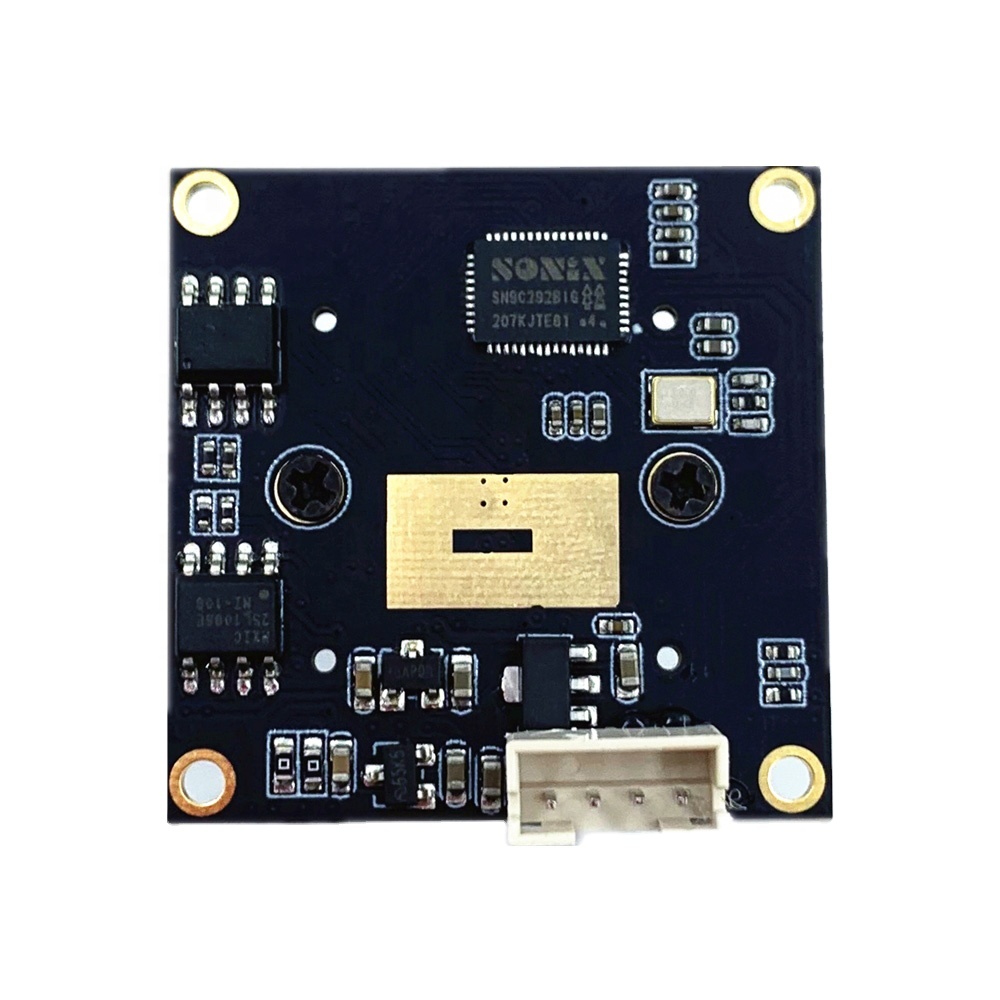
0.001Lux H.264 Rolling Shutter Starvis & WDR 2.0MP 1920*1080 32*32mm Color USB Camera Module Face Recognition for Video Wall
- 0.001 Lux Starlight Sensitivity
- Compact 32x32mm Form Factor
- Hardware H.264 Video Compression
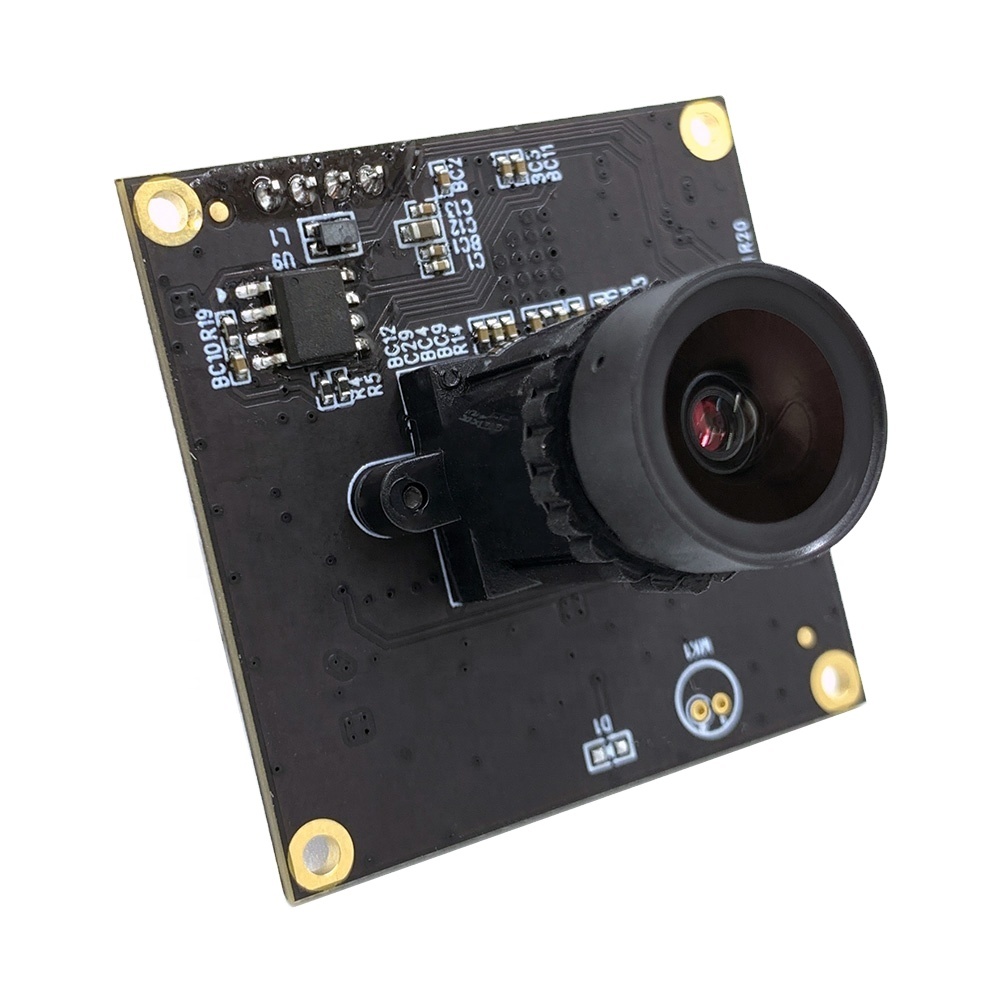
Customized High Speed HDR 330fps 2.0MP 38*38mm High Frame Rate USB Camera Module Wide Angle with 2.1mm Board Lens
- Ultra High 330 FPS Capture
- Wide Dynamic Range (HDR)
- 2.1mm Distortion-Corrected Optics
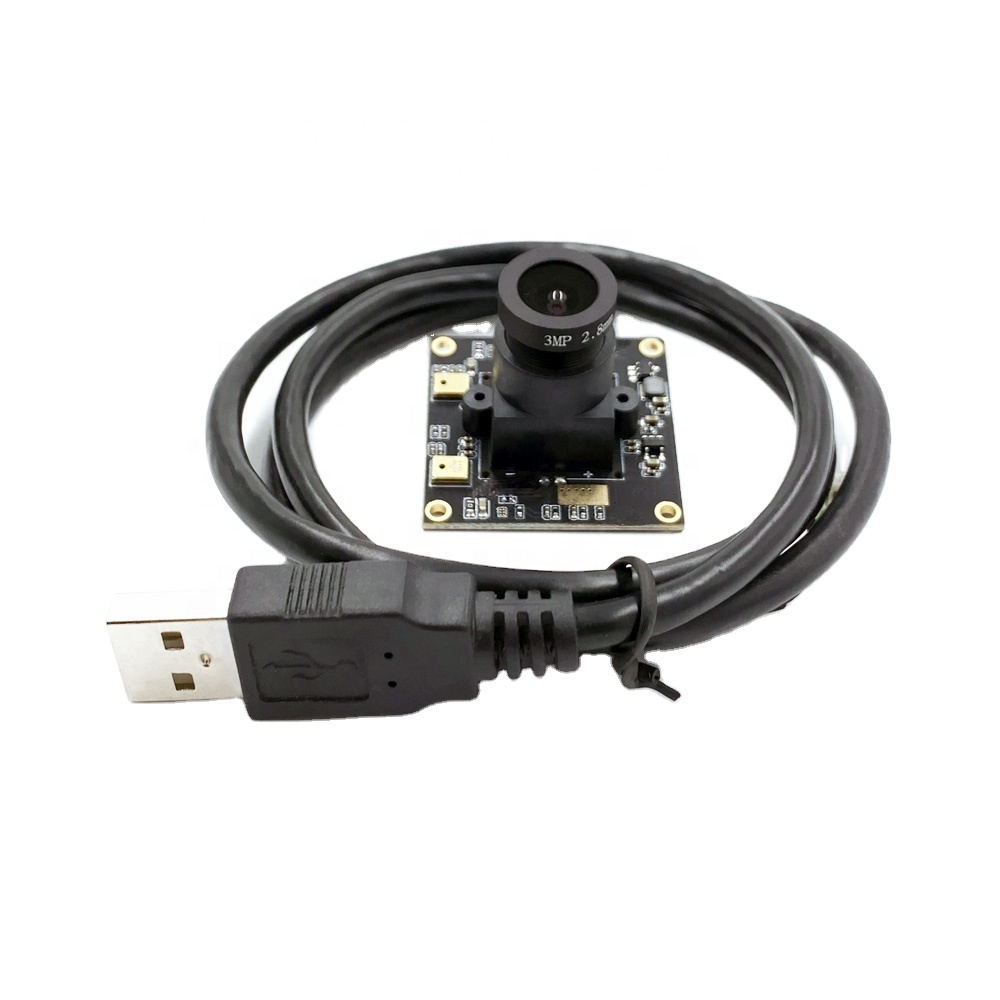
2.0MP 1920*1080 32*32mm Rolling Shutter 0.001Lux H.264 Starvis & WDR Color USB Camera Module for Food Self Order Kiosk
- Full HD 1080P Clarity
- Low Power USB Bus-Powered
- Plug-and-Play Linux/Android Driver
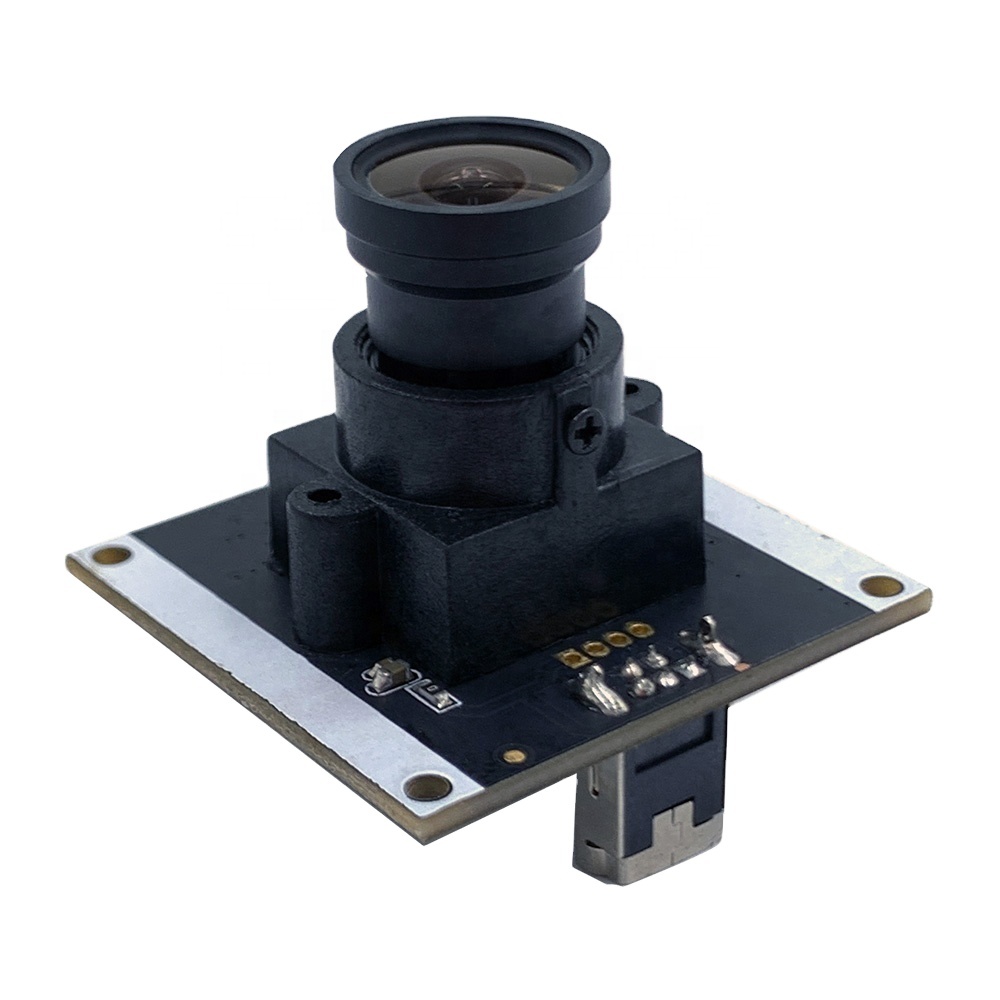
USB-Mini Connector 2.0MP Color USB Camera Module ATM KIOSK Scaning Machine AR0230 Onsemi CMOS WDR 1920*1080 30fps 0.01Lux HDV
- Onsemi AR0230 Industrial Sensor
- Robust Mini Connector Wiring
- Real-Time 1080P @ 30 FPS
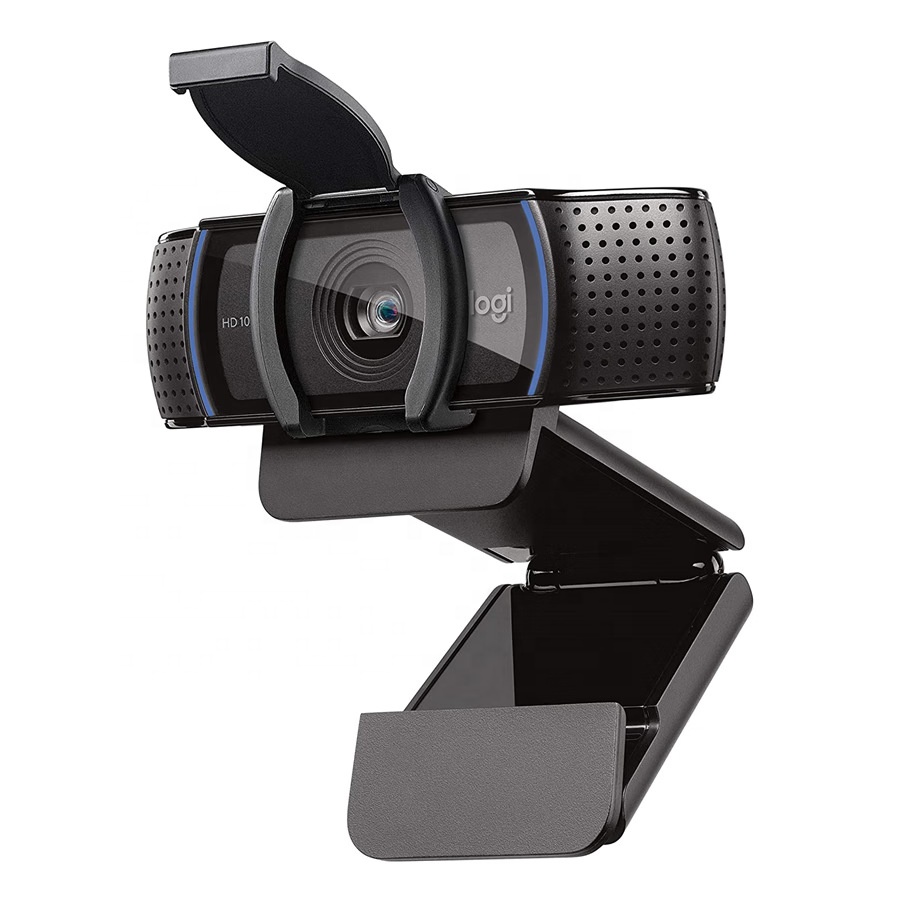
2MP FHD Color Autofocus USB Webcam Multi-Purpose Meeting Video Conference Call with 78° VFOV Dual Mics Privacy Shutter Shutters
- Rapid Precision Autofocus
- Integrated Dual Noise-Canceling Mics
- Integrated Privacy Cover

1920*1080 32*32mm 0.001Lux H.264 Rolling Shutter Starvis WDR 2.0MP Color USB Camera Module 160 Wide Angle Manual Focus Driving
- Ultra-Wide 160° Field of View
- Low distortion optical design
- Starlight Vision in Dark Ambient
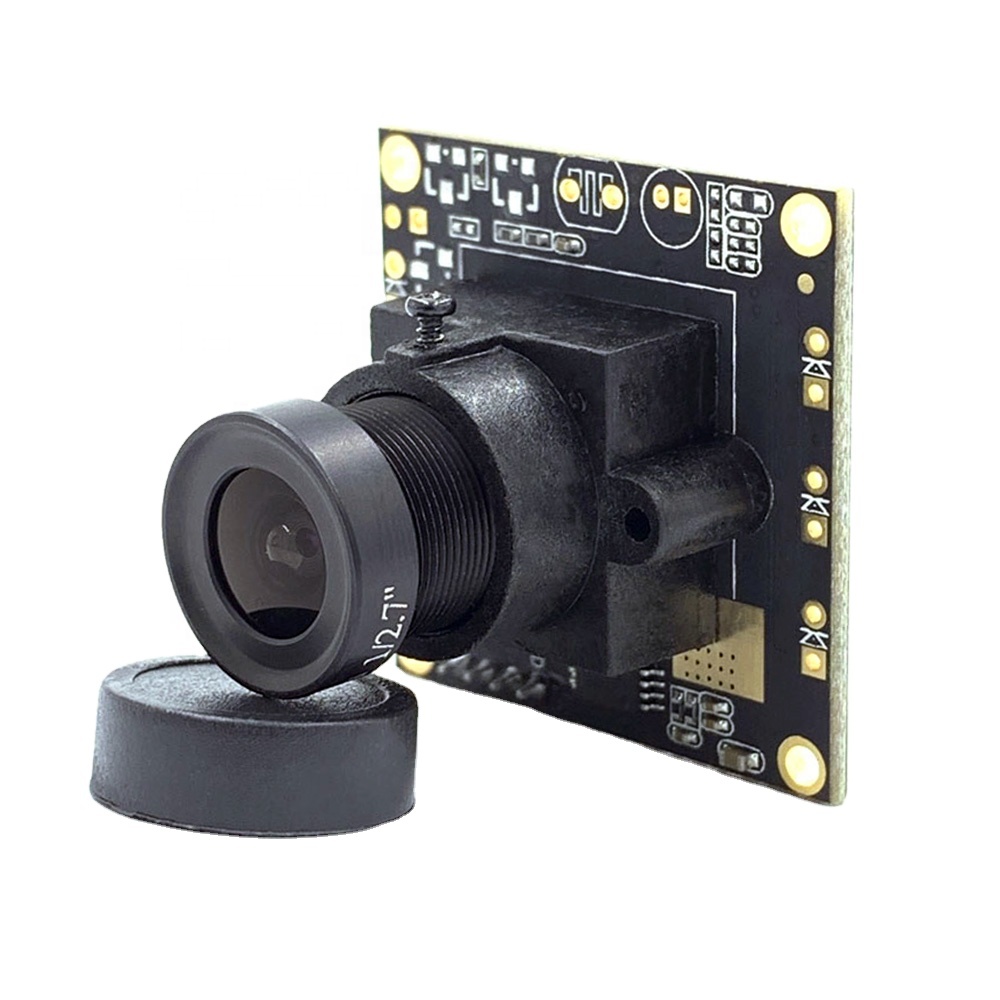
1920*1080 32*32mm AR0230 Onsemi CMOS WDR 2.0MP Color USB Camera Module for Information Technology Solutions
- Superior Backlight Compensation
- Industrial Temperature Rating
- Protel/Allegro Custom PCB Option

32*32mm Starvis & WDR 0.001Lux 2.0MP 1920*1080 Color USB Camera Module Face Recognition 4mm Non-distortion Lens for Video Wall
- 4mm Flat-Field Optical Lens
- Zero Optical Distortion (<0.5%)
- Precise Facial Biometric Mapping
1. Strategic Overview: The Industrial Camera Landscape in the Greater Bangkok Market
The Bangkok Metropolitan Region, encompassing provinces such as Samut Prakan, Pathum Thani, and Nonthaburi, along with the connected Eastern Economic Corridor (EEC) industrial zones in Chonburi and Rayong, is undergoing a massive transformation under the Thailand 4.0 initiative. Modernization across financial banking networks, automated retail kiosks, electronics SMT lines, and smart logistics hubs has created an unprecedented demand for reliable, high-performance embedded vision components. For procurement managers, system integrators, and OEM engineers based in Thailand, sourcing USB industrial cameras requires a delicate balance of optical precision, environmental durability, and seamless software integration.
Unlike consumer webcams, industrial USB camera modules deployed across Bangkok's commercial and industrial environments must withstand severe operational stress. Ambient temperatures in unconditioned kiosk enclosures across Greater Bangkok often exceed 40°C during peak summer months, accompanied by high relative humidity (averaging 75% to 85%). Furthermore, unpredictable lighting conditions—ranging from direct harsh sunlight in semi-outdoor BTS/MRT transit stations to dark interior corridors—necessitate advanced Wide Dynamic Range (WDR) sensors and ultra-low light (Starvis) architecture capable of delivering pristine video streams without frame drops or optical distortion.
Information Gain Key Takeaway: Selecting the ideal USB industrial camera module for the Bangkok market involves prioritizing hardware-level UVC compliance, low power dissipation to prevent enclosure overheating, and WDR performance exceeding 105dB to handle intense equatorial sunlight transitions in self-service terminals.
2. Technical Architecture & Optical Engineering Criteria for Bangkok Integrators
When selecting USB industrial camera modules, system architects must evaluate core hardware components rather than relying solely on megapixel marketing metrics. Modern industrial vision applications rely heavily on sensor physics, image signal processor (ISP) tuning, optical lens distortion profiles, and firmware-level driver compatibility.
2.1 Sensor Physics: Sony STARVIS vs. Onsemi AR0230
For applications requiring round-the-clock visual monitoring or biometric facial recognition under fluctuating illumination, sensor sensitivity is paramount. Two primary sensor families dominate the industrial OEM landscape:
- Sony STARVIS Back-Illuminated CMOS (e.g., IMX291 / IMX327): Features pixel structures designed specifically for low-light environments, achieving sensitivities down to 0.001 Lux to 0.0001 Lux. By moving the internal wiring layer behind the photodiode array, STARVIS sensors maximize photon collection efficiency. This makes them ideal for night-time security auditing, ATM user identification in dimly lit alleyways, and indoor video wall biometrics across Bangkok shopping centers.
- Onsemi AR0230 CMOS: Renowned for its superior HDR (High Dynamic Range) capabilities up to 105dB, the AR0230 excels in high-contrast environments. It utilizes a 1/2.7-inch optical format with exceptional pixel saturation depth, making it the preferred choice for document scanners, ticketing kiosks, and automated toll-booth license plate readers exposed to blinding daytime backlighting.
2.2 Frame Rate & Motion Blur Mitigation: 330 FPS High-Speed Capture
In automated optical inspection (AOI) lines across EEC electronics factories, standard 30 FPS cameras suffer from motion blur, causing algorithm failures during high-speed component tracing. Custom high-speed modules capable of 330 FPS at 2.0MP resolution resolve this bottleneck. Utilizing global or fast rolling shutters paired with optimized USB 2.0/3.0 bandwidth pipelines, these modules capture fast-moving items on conveyor belts without geometric warping or spatial jitter.
2.3 UVC (USB Video Class) Standard & Embedded Platform Drivers
To reduce software development cycles and guarantee long-term host OS compatibility, all industrial USB camera modules manufactured by Shenzhen Brekta Electronics adhere strictly to the UVC standard. This ensures driverless plug-and-play capability across key computing platforms:
- Linux (Ubuntu, Debian, Yocto): Native V4L2 (Video4Linux2) driver support, allowing direct video pipeline binding into OpenCV, ROS (Robot Operating System), and GStreamer workflows without kernel patching.
- Android (ARM Architecture): Native support for Android Camera2 API, enabling seamless integration into Android-based smart vending machines, digital signage displays, and handheld industrial tablets.
- Windows (10 / 11 / Embedded IoT): DirectShow and Media Foundation framework compatibility, allowing instant plug-and-play operation for legacy financial software and industrial supervisory control systems.
3. Localized Application Scenarios Across Bangkok & Greater Thailand
To understand why specific camera specifications are selected, we must examine how embedded vision hardware is deployed across primary commercial and industrial sectors in Thailand.
Bank ATMs & Financial VTMs
Installed inside machines operated by Bangkok Bank, Kasikornbank (KBank), and SCB. Compact 32x32mm AR0230 and Starvis WDR modules capture fraud-prevention footage and customer biometrics under harsh overhead lighting.
Self-Ordering QSR Kiosks
Deployed in quick-service restaurants and retail hubs (Siam Paragon, CentralWorld). 2.0MP Full HD modules with non-distortion lenses power AI-based customer queue monitoring and touchless QR payment scanning.
EEC Automated Electronics AOI
In Chonburi and Rayong industrial estates, high-speed 330 FPS modules inspect PCB solder joints, component placement accuracy, and semiconductor alignment on rapid automated assembly lines.
Smart Express Delivery Lockers
Integrated into urban parcel locker networks across Greater Bangkok. Low-power USB mini connector modules operate 24/7, logging parcel deposition and recipient collection with accurate timestamp overlays.
Traffic & Toll Gate ANPR
Utilized by system integrators serving EXAT (Expressway Authority of Thailand). Fast shutter 0.001 Lux Starvis cameras capture license plate digits under high-speed vehicle entry conditions.
Video Wall & Facial Recognition
Employed in corporate reception areas, smart building access barriers, and security check control rooms in Silom and Sathorn central business districts for liveness verification.
4. Comparative Analysis: Interface & Performance Matrix
To assist Bangkok hardware system architects in making informed purchasing decisions, the matrix below compares primary USB camera module parameters based on operational requirements:
| Camera Module Model | Sensor & Resolution | Frame Rate & Encoding | Min. Illumination | Best Local Application |
|---|---|---|---|---|
| Starvis WDR 32x32mm | 2.0MP Sony STARVIS CMOS | 1080P @ 30fps (H.264 / MJPEG) | 0.001 Lux | ATM Facial Biometrics & Night Video Walls |
| High-Speed 330FPS HDR | 2.0MP Custom High-Frame CMOS | 330fps @ 640x480, 60fps @ 1080P | 0.01 Lux (HDR) | EEC Factory Automated Inspection (AOI) |
| Food Kiosk Starvis | 2.0MP 1/2.8" STARVIS | 1080P @ 30fps (H.264 / YUY2) | 0.001 Lux | QSR Food Ordering & Retail Terminals |
| Onsemi AR0230 Mini | 2.0MP Onsemi AR0230 CMOS | 1080P @ 30fps (WDR 105dB) | 0.01 Lux | Outdoor Ticketing & Document Scanning |
| 160° Wide Angle Driving | 2.0MP Low-Distortion Optics | 1080P @ 30fps (H.264) | 0.001 Lux | Fleet In-Cab Monitoring & Wide Security |
| 4mm Non-Distortion Face ID | 2.0MP Flat-Field STARVIS | 1080P @ 30fps (MJPEG) | 0.001 Lux | High-Precision Biometric Access Control |
5. Local Market Trends & Engineering Trade-offs in Thailand (2025–2030)
As Thailand solidifies its position as Southeast Asia's robotics and smart hardware manufacturing hub, two major technological shifts are redefining embedded vision procurement across Bangkok:
5.1 Shift from Analog/Coax to Edge AI USB Vision
Historically, industrial plants relied heavily on legacy AHD or composite analog cameras connected to central DVRs. However, the drop in computing costs for edge platforms like Nvidia Jetson Orin Nano, Rockchip RK3588, and Raspberry Pi 5 has accelerated the migration toward digital UVC USB camera modules. USB modules allow edge AI algorithms to access raw uncompressed frames (YUY2) directly within local RAM, dramatically reducing image processing latency for real-time facial recognition, object counting, and defect detection.
5.2 Humidity Resilience & Thermal Management in Enclosed Kiosks
A critical challenge often overlooked by non-local buyers is thermal trapping inside sealed outdoor enclosures across Thailand. A camera module drawing excess power will overheat when sealed inside a metal kiosk frame under direct sunlight, resulting in thermal noise artifacts, sensor hot pixels, or ISP lockups. High-efficiency camera modules manufactured by Brekta Electronics utilize low-power ISP processors consuming under 1.2W, keeping thermal output minimal and preserving image clarity in tropical ambient conditions.
6. Corporate Advantages: Why Leading Bangkok Wholesalers Partner with Shenzhen Brekta Electronics
Sourcing directly from an established original equipment manufacturer (OEM) provides strategic advantages over buying through regional intermediaries. Shenzhen Brekta Electronics Co., Ltd. operates state-of-the-art production facilities in Shenzhen and Dongguan, China, dedicated exclusively to miniaturized industrial vision solutions.
Full OEM/ODM Customization
Our in-house R&D engineers utilize professional CAD toolsets (Protel, Allegro) to customize PCB dimensions (15x15mm, 38x38mm), cable pinouts, lens focal lengths, IR-cut filter parameters, and custom firmware algorithms.
100% Quality Control & Testing
Every camera module undergoes strict optical focus alignment, burn-in thermal testing, and image uniformity verification prior to vacuum packaging. Products are backed by CE, FCC, and RoHS certifications.
Rapid Logistics to Suvarnabhumi (BKK)
Standard model samples dispatch within 1 to 3 working days. Direct express air freight routes deliver evaluation units directly to Bangkok hardware engineering teams within 72 hours of dispatch.
7. Frequently Asked Questions (FAQ) for Bangkok Procurement Managers
How fast can evaluation samples be delivered to Bangkok, Thailand?
Are Brekta USB camera modules fully driverless on ARM-based Linux single-board computers?
What import certifications and tariff documents do you provide for Thai customs clearance?
Can we request custom lens angles, board dimensions, or extended cable assemblies?
What is the minimum order quantity (MOQ) for custom OEM projects versus standard models?
Ready to Upgrade Your Embedded Vision Architecture?
Connect with our senior engineering team to discuss your project requirements, request a custom optical quote, or arrange 72-hour sample shipment to Bangkok.
Inquire Now