Featured OEM Camera Modules for the Tallinn Market
Direct factory supply of high-frame-rate, ultra-low-lux, and wide-dynamic-range USB imaging hardware engineered for high-reliability European compliance and seamless host system integration.
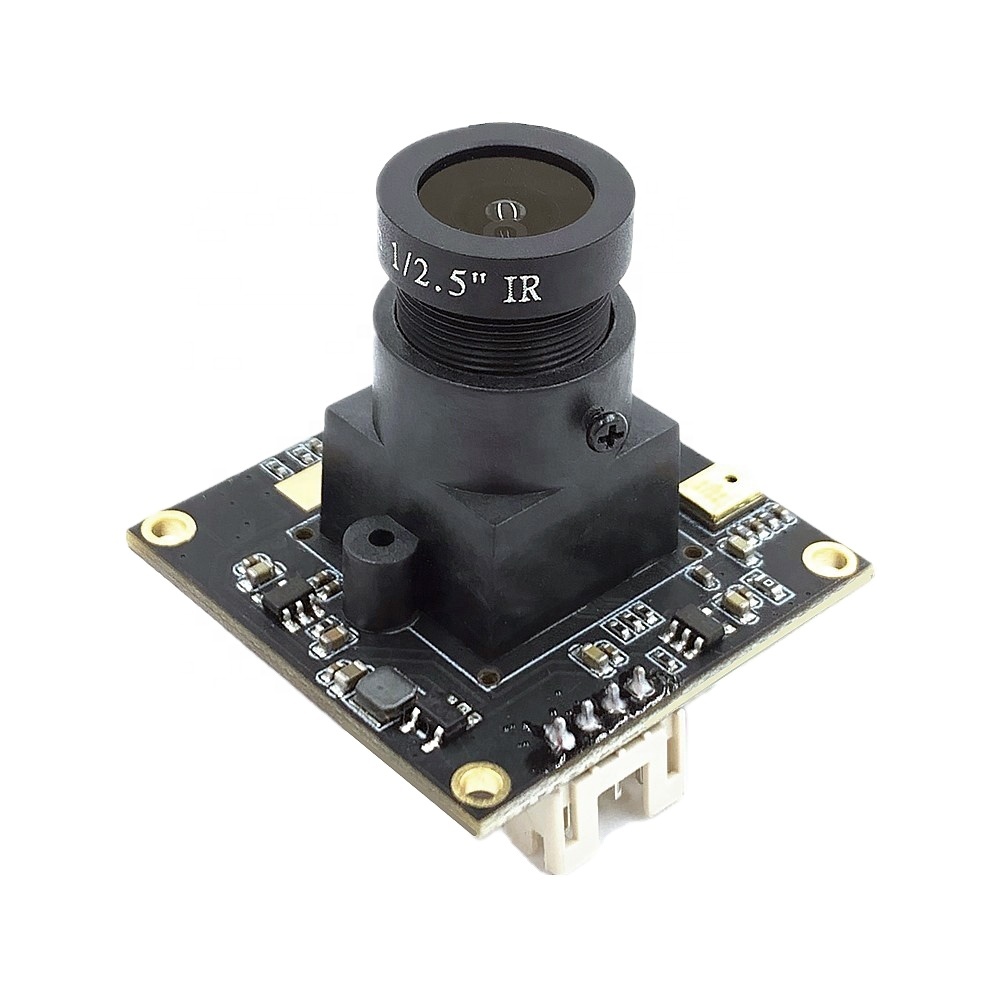
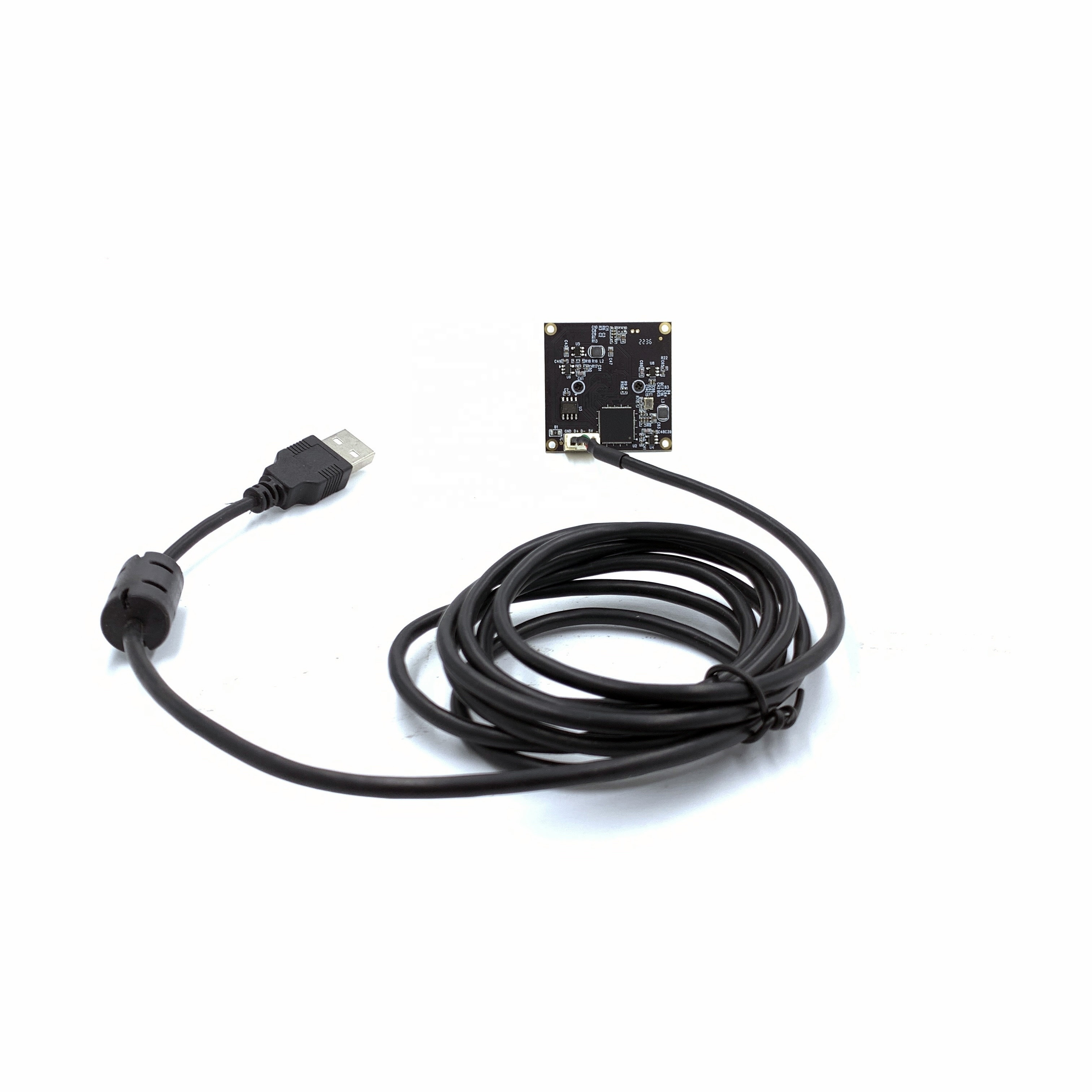

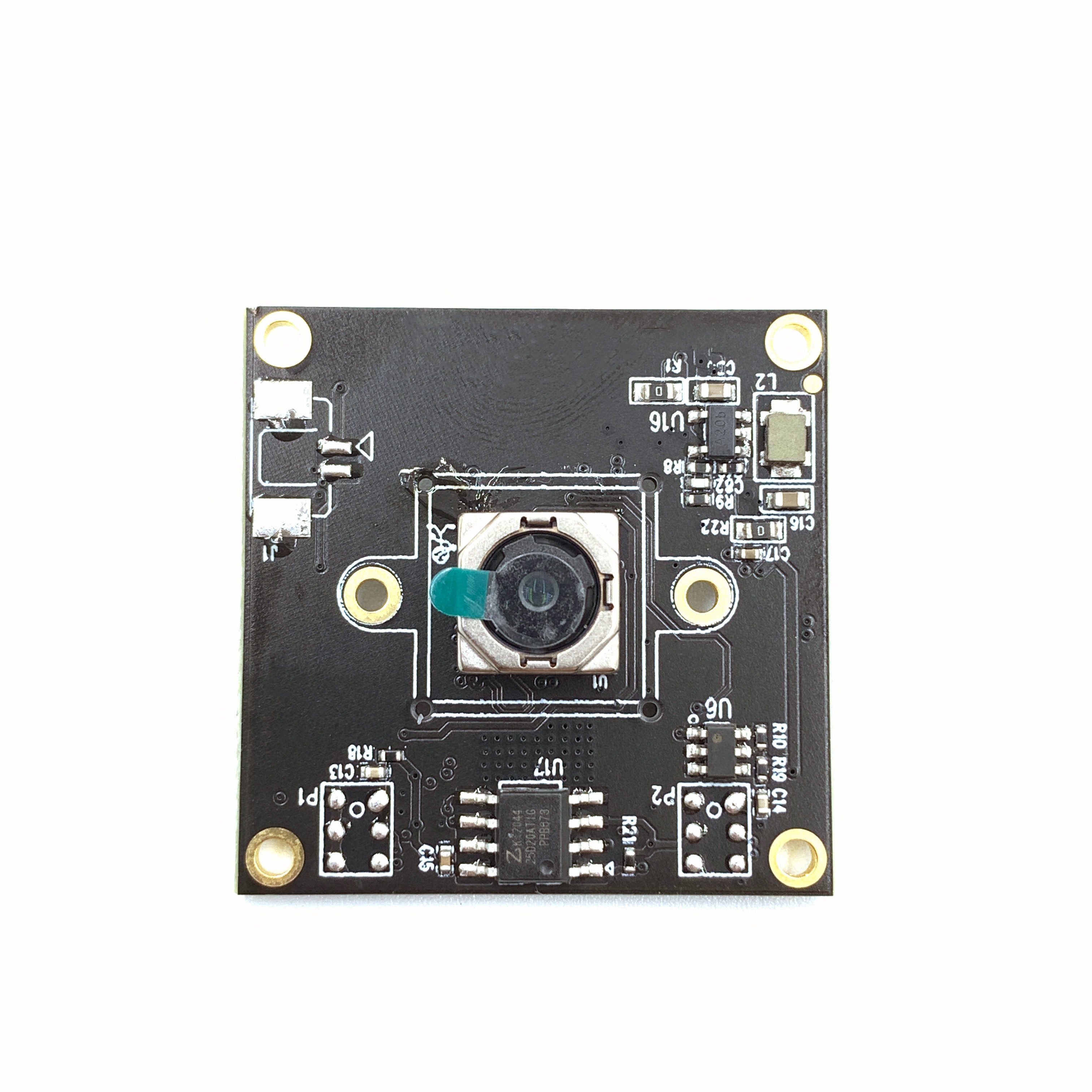
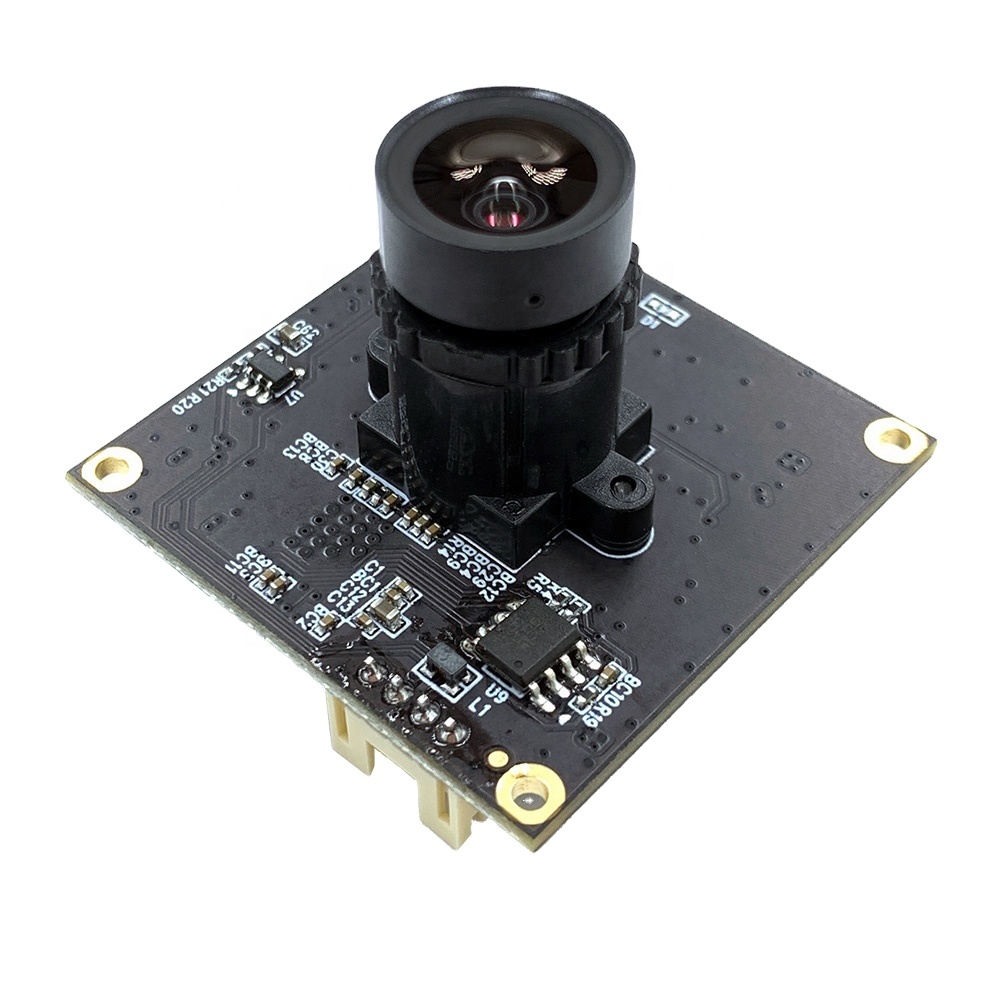
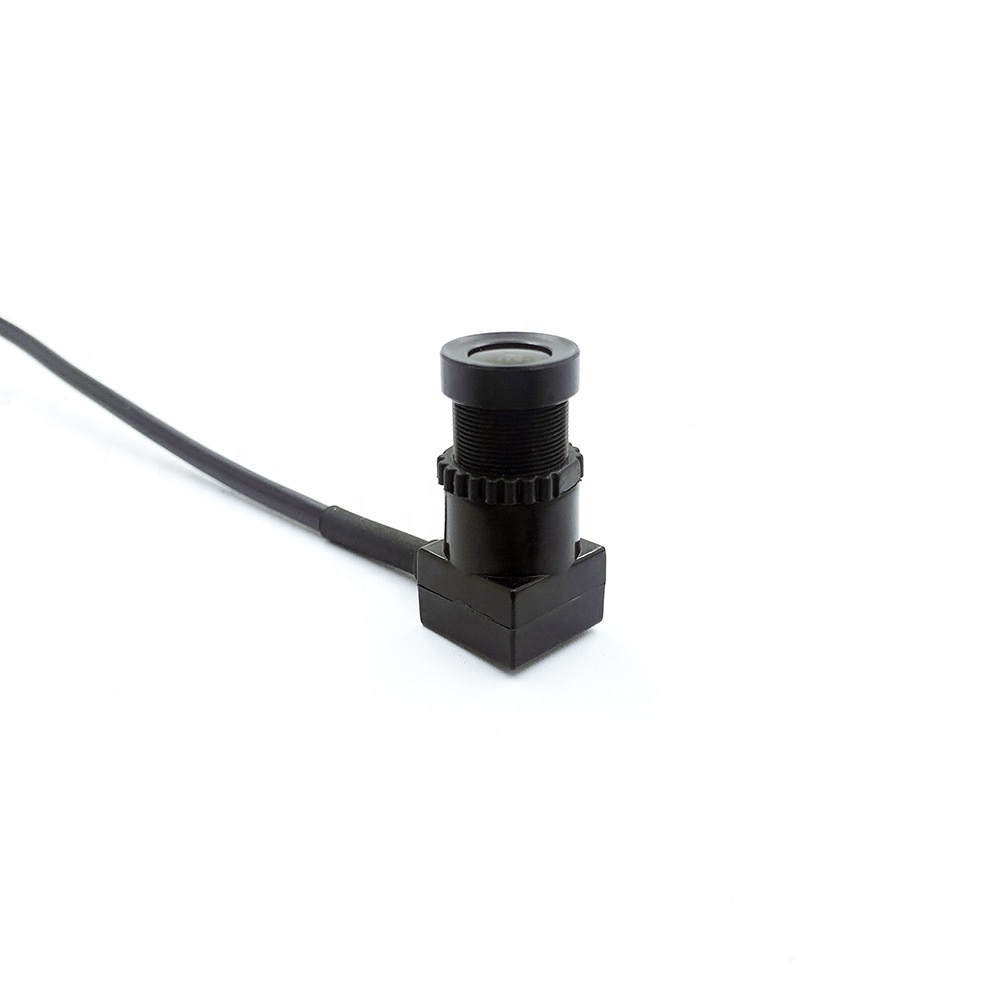
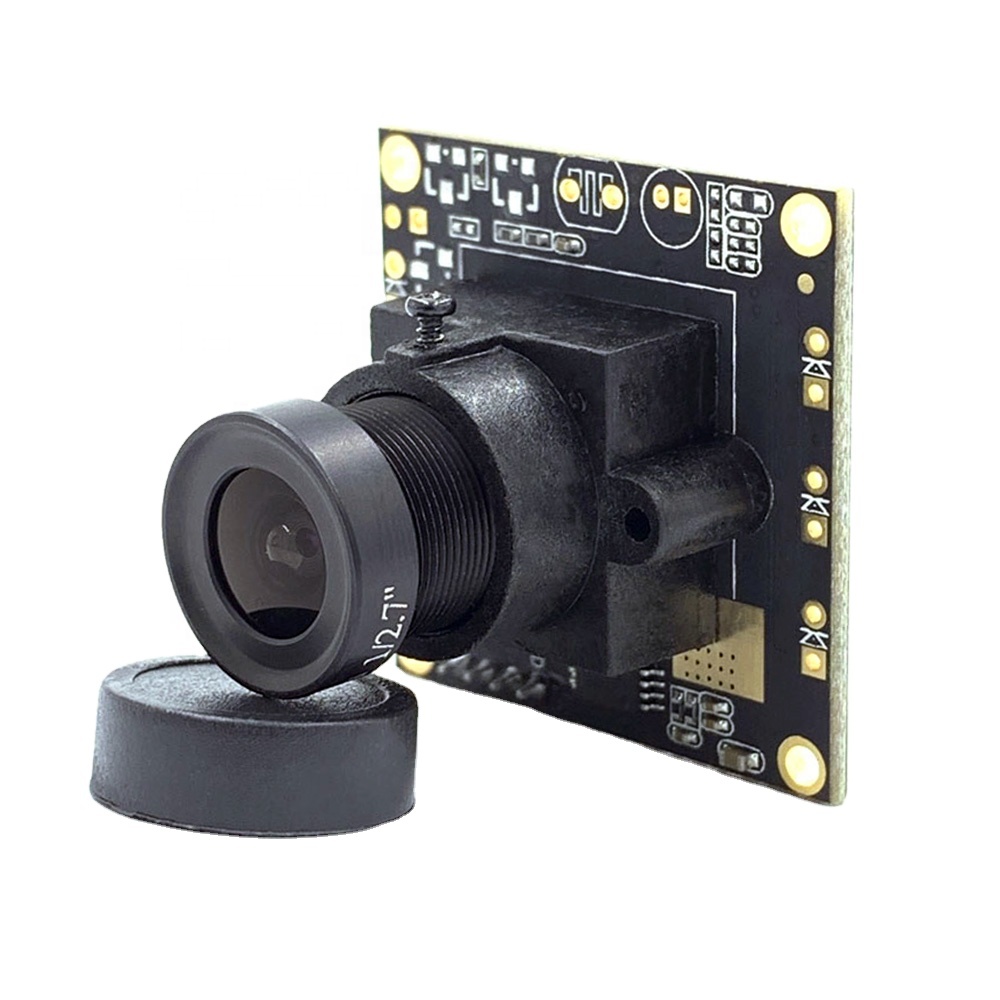
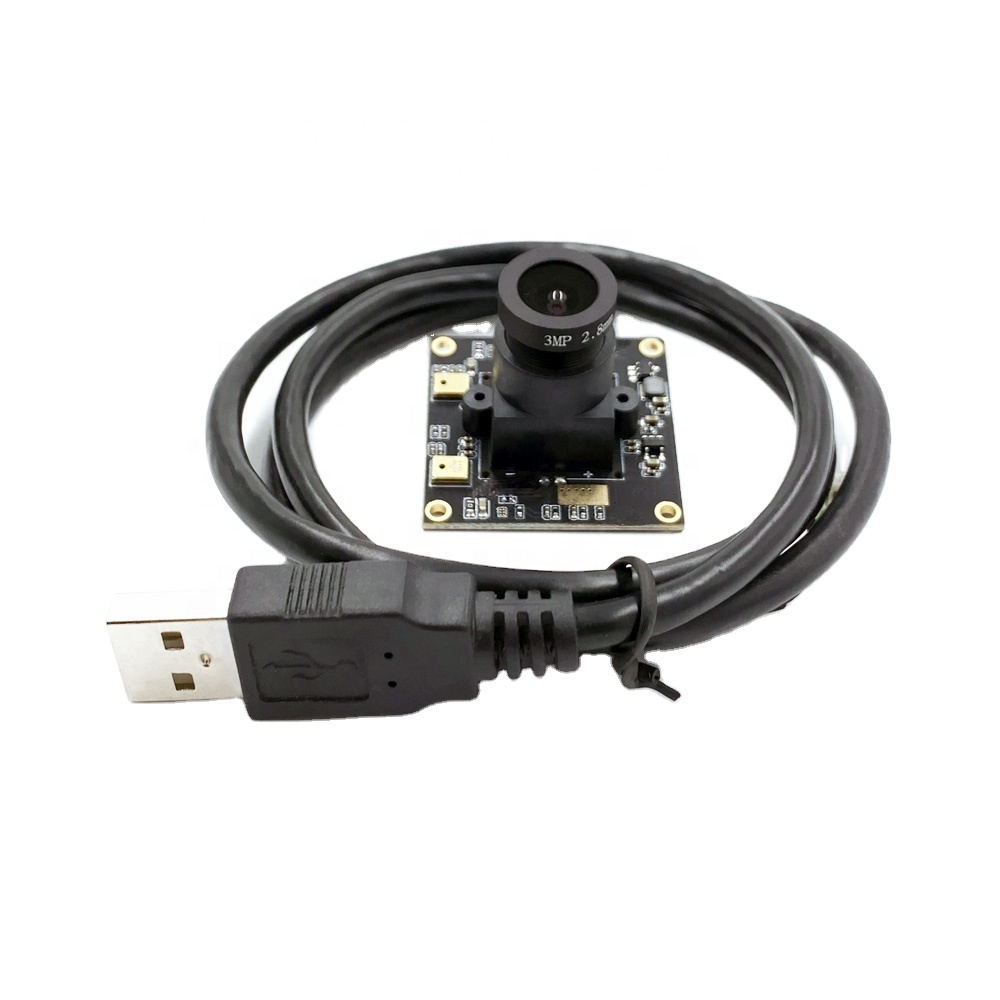
Navigating the USB CCD & High-Performance CMOS Camera Supply Chain in Tallinn
An authoritative engineering whitepaper for Baltic system integrators, automated hardware manufacturers, and regional OEMs seeking verified optical solutions.
Tallinn has firmly established itself as the technological epicenter of the Baltic region. Driven by the e-Estonia initiative, the rapid development of Ülemiste City as a smart tech district, and world-leading autonomous delivery robotics clusters, local engineering firms face stringent requirements when sourcing vision hardware. Historically, industrial applications relied heavily on legacy **CCD (Charge-Coupled Device)** sensors due to their uniform global exposure characteristics and superior dynamic range. However, modern high-quantum-efficiency **CMOS technology**—specifically Sony STARVIS™ back-illuminated pixel architecture and Onsemi HDR platforms—has fundamentally redefined expectations for machine vision, automated transaction kiosks, and security infrastructure in the Tallinn market.
When searching for USB CCD Camera Factories & Suppliers in the Tallinn market, hardware architects are rarely searching for obsolete CCD legacy boards. Instead, user intent mining demonstrates a definitive procurement shift: engineers are seeking **CCD-grade imaging performance (uncompromising low-lux sensitivity, ultra-high frame rates up to 330 FPS, and wide dynamic range exceeding 105dB)** housed within modern, power-efficient, driverless **USB Video Class (UVC)** form factors. As an established direct OEM/ODM manufacturer headquartered in the manufacturing hub of Shenzhen with a specialized technical R&D center in Dongguan, our factory bridges the gap between high-precision optical manufacturing and local Baltic integration needs.
Optical Engineering Drivers for Tallinn's Key Tech Sectors
The Tallinn market presents unique operational conditions. Optics integrated into regional outdoor infrastructure and mobile robotics must operate impeccably across extreme temperature swings (-25°C winter ambient temperatures to +35°C enclosed summer conditions) while responding to fluctuating solar illumination angles inherent to Nordic latitudes. Below, we break down the localized primary application sectors where our USB camera modules are actively deployed:
Autonomous Delivery & AMRs
Tallinn is the global testing ground for autonomous mobile robots (AMRs) and last-mile delivery buggies. Our 330 FPS high-frame-rate USB camera modules prevent visual motion blur during rapid obstacle negotiation and visual SLAM mapping under real-time ROS (Robot Operating System) environments.
Self-Service Kiosks & e-Voting
Estonia’s digitized public sector relies on secure, zero-fail identity verification terminals. Incorporating Onsemi AR0230 WDR and Sony Starvis low-lux sensor boards guarantees distortion-free facial biometric matching and official document scanning even in harshly backlit glass lobbies.
Automated Optical Inspection (AOI)
Electronics manufacturing plants surrounding Tallinn require precise inline component inspection. Our 8.0MP 4K autofocus and high-resolution narrow-angle camera modules deliver crisp micro-level verification on assembly lines without requiring proprietary frame grabbers.
Technical Architecture: Comparing Traditional Industrial CCD vs. Advanced Modern UVC CMOS Modules
To assist technical directors, procurement managers, and system integration leads in Tallinn during optical scheme selection, the following comparison matrix details critical hardware parameter trade-offs:
| Hardware Parameter | Legacy Industrial CCD Module | Brekta Modern Starvis/WDR USB CMOS | Integration Advantage for Baltic OEMs |
|---|---|---|---|
| Data Interface | Analog CVBS / Camera Link / IEEE 1394 | Standard USB 2.0 / USB 3.0 UVC Protocol | Direct Linux/Android/Windows driverless host connection. |
| Low-Light Sensitivity | 0.1 Lux to 0.01 Lux (Requires IR Illuminator) | 0.001 Lux to 0.0001 Lux (Starvis Starlight) | Full-color vivid video capture in dim night conditions without high power IR. |
| Dynamic Range (HDR/WDR) | 60 dB - 72 dB (Limited backlight response) | 105 dB - 120 dB (Onsemi / Sony Hardware WDR) | Eliminates face darkening and blown-out highlights in high-contrast sunlight. |
| Maximum Frame Rate | 30 FPS - 60 FPS | Up to 330 FPS at 1080P Resolution | Ultra-fast optical tracking for high-speed industrial AOI & movement capture. |
| Operating Voltage & Power | 12V DC External Input (High Thermal Dissipation) | 5V Bus Powered via USB (< 2.0W consumption) | Reduces thermal management overhead in sealed IP65/IP67 enclosures. |
| Form Factor Customization | Bulky, rigid dual-board structures (> 50x50mm) | Micro PCB formats (15x15mm, 32x32mm, 38x38mm) | Fits directly into tight bezel spaces of self-order terminals and smart lockers. |
Understanding Optical Engineering Requirements for Baltic Procurement
Procuring camera hardware from international suppliers into Northern Europe requires strict adherence to both electronic standard compliance and optical stability. For Tallinn-based engineers, off-the-shelf consumer webcams fail due to rigid lens housing restrictions, non-customizable ISP firmware, and short product lifecycles. Our OEM manufacturing facility operates with direct control over the entire surface-mount technology (SMT) and active optical alignment cycle.
1. ISP Firmware & ISP Tuning Capability: The Image Signal Processor (ISP) dictates color matrix accuracy, automatic white balance (AWB), auto-exposure (AE) response times, and noise reduction algorithms. In high-security video wall installations or automated exam/voting kiosks, our ISP firmware is calibrated to eliminate false color cast under fluorescent or LED light sources, ensuring 100% color fidelity.
2. Non-Distortion & Fisheye Lens Versatility: Depending on the target physical enclosure, field of view (FOV) requirements range dramatically. For facial recognition and document OCR scanning, our 4mm and 3.7mm non-distortion lenses maintain straight geometric lines across the entire image field, avoiding edge pixel compression. Conversely, for wide-area room surveillance or smart refrigerator stock tracking, our 180-degree panoramic and fisheye lenses provide total coverage with a single sensor module.
3. H.264 / MJPEG / YUY2 Compression Compression Engines: High-resolution imagery places heavy bandwidth demands on host CPUs. Our USB camera boards incorporate onboard hardware compression chips supporting H.264, MJPEG, and raw YUY2 video streams. This onboard hardware encoding drastically reduces host computer CPU utilization, enabling smooth multi-camera operation on low-power ARM edge gateways (such as Raspberry Pi 4/5, NVIDIA Jetson Orin, or industrial X86 single-board computers).
Custom OEM/ODM Engineering Service for Tallinn Integrators
Do you require a modified PCB geometry to fit a custom aluminum extrusion? Need a tailored USB cable connector (JST, Molex, or Right-Angle Type-C) with custom pinouts? Our R&D team utilizes advanced EDA design suites (Protel and Allegro) to turn your mechanical STEP files into working prototype optical modules within 3 to 5 business days.
- Board Dimension Options: 15x15mm, 25x25mm, 32x32mm, 38x38mm, or Dual-Board Stacks
- Lens Options: M12 Board, Pin-hole, CS-Mount, C-Mount, Motorized Zoom & IR-Cut Switches
- Sensor Customization: Sony Starvis IMX291, IMX307, IMX335, Onsemi AR0230, OmniVision Series
- Interface Protocols: UVC USB 2.0/3.0, RTSP/ONVIF IP, AHD/TVI/CVI, and HD-SDI Output
Request a Tailored Optical Evaluation Unit
Fast sample dispatch to Tallinn, Tartu, Narva, and across all Baltic states within 1-3 working days.
Get a QuoteWhy Leading Tech Enterprises Partner with Brekta Factory
Direct-from-factory transparency, continuous quality control, and lifetime technical engineering support.
Rigorous ISO9001 SMT Quality Control
Every camera board undergoes automated optical inspection (AOI), high-temperature aging burn-in tests, and 100% manual image focus calibration before vacuum sealed anti-static packaging.
2-Hour Rapid Response Window
Our dedicated bilingual sales engineering team guarantees inquiries and technical datasheet requests are answered within 2 hours during active business hours, ensuring seamless project timelines.
CE, FCC & RoHS Certified Hardware
All camera modules exported to Estonia and the European Union fully satisfy CE EMC standards, FCC Part 15 regulations, and RoHS environmental compliance, eliminating customs clearance friction.
Frequently Asked Questions by Baltic & Tallinn Procurement Teams
Addressing the core technical, logistical, and commercial inquiries common among European vision integrators.
Accelerate Your Vision Hardware Project in Tallinn
Connect with our senior optical engineering team today to review your mechanical drawings, request optical datasheets, or order custom evaluation samples.
Get a Quote