Industrial USB Camera Modules Shortlisted for Colón Procurement
Precision-engineered optical sensors tailored for high-speed container scanning, low-lux maritime security, financial VTM terminals, and automated logistics hubs.
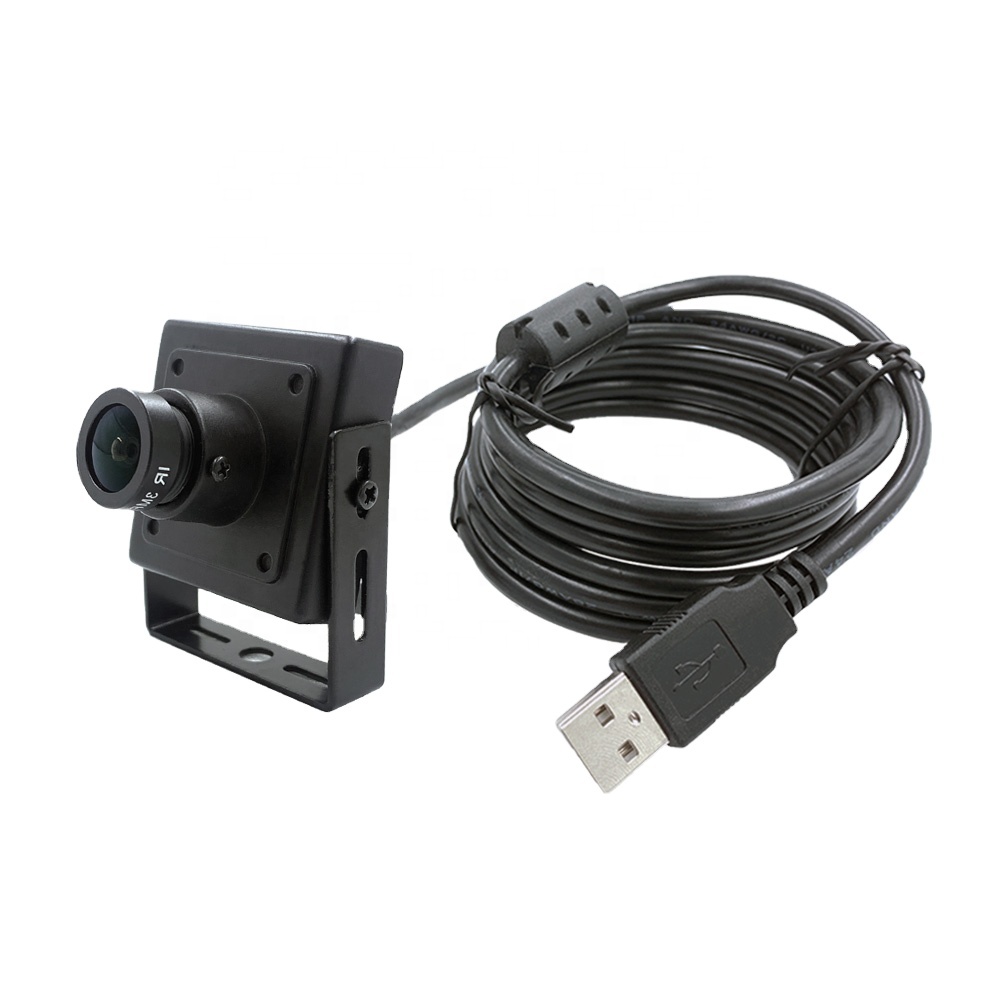
HD 720P 0.1 Low Lux UVC 2.1mm Wide-angle Lens MINI USB Camera Kiosk VTM CRS ATM Intelligent Machine Camera Module
View Specifications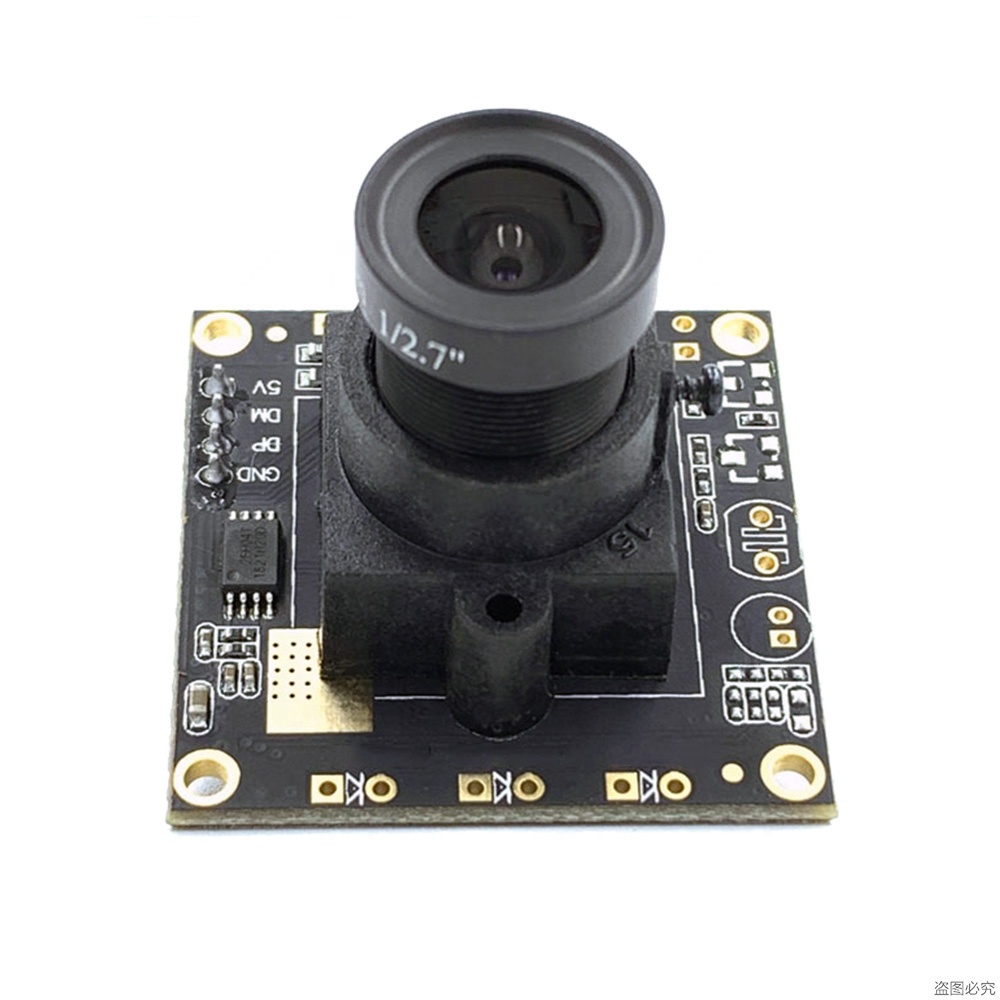
WDR 2.0MP 1920*1080 32*32mm Color USB Camera Module 1/2.7" AR0230 Onsemi CMOS for ATM KIOSK Scanning Machine Hot Sale
View Specifications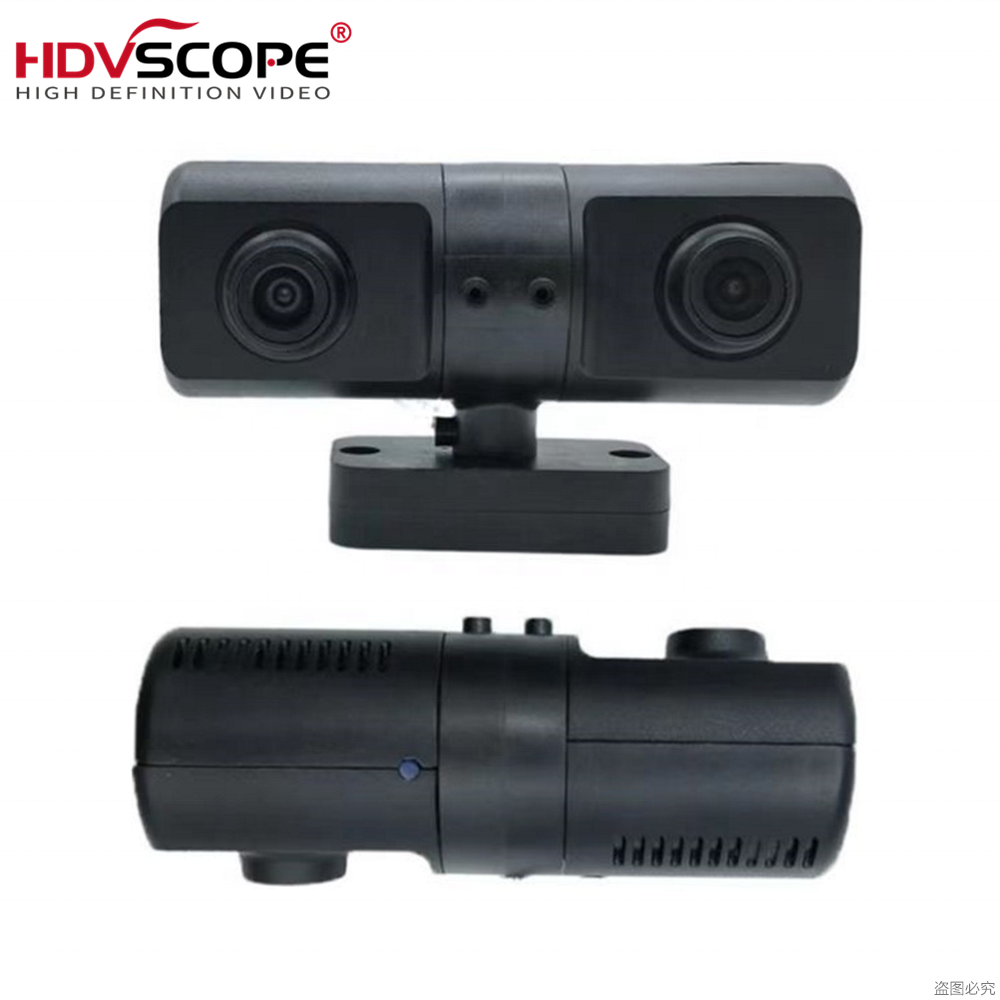
1/4" CMOS Dual Lens 1.0MP 1280*720 Night Vision USB Front Camera 125 Degree Wide Angle Lens 6PCS IR-Leds for CCTV Lenses
View Specifications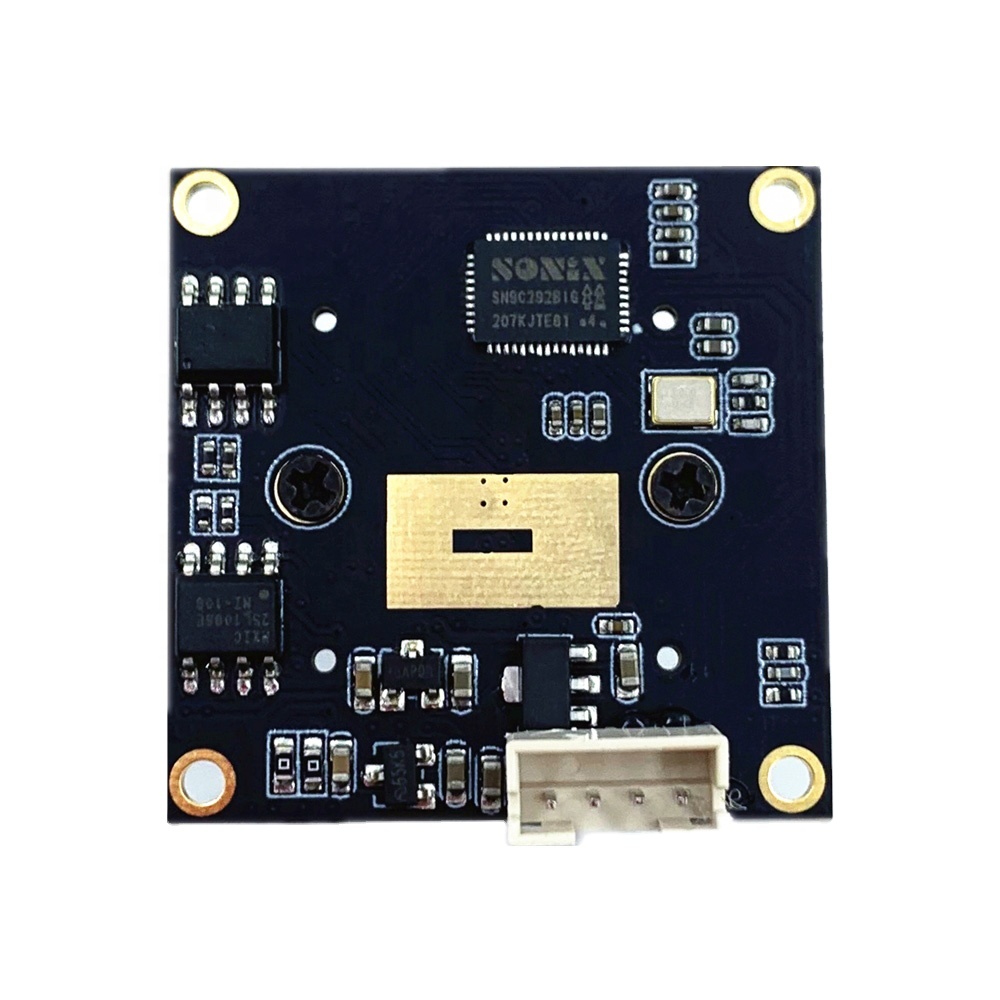
0.001Lux H.264 Rolling Shutter Starvis & WDR 2.0MP 1920*1080 32*32mm Color USB Camera Module Face Recognition for Video Wall
View Specifications
32*32mm Starvis & WDR 0.001Lux 2.0MP 1920*1080 Color USB Camera Module Face Recognition 4mm Non-distortion Lens for Video Wall
View Specifications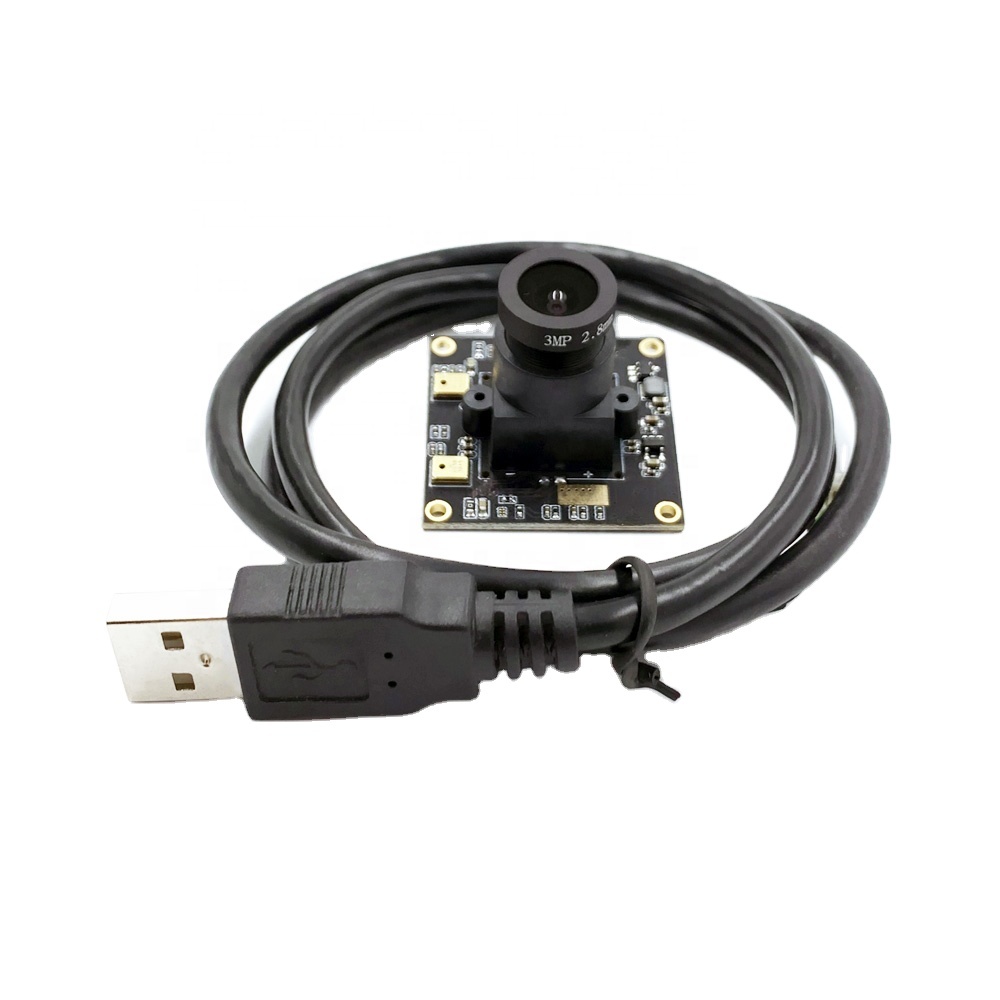
H.264 Rolling Shutter Starvis & WDR 0.001Lux 2.0MP 1920*1080 32*32mm Color USB Camera Module for Door Bell and Button System
View Specifications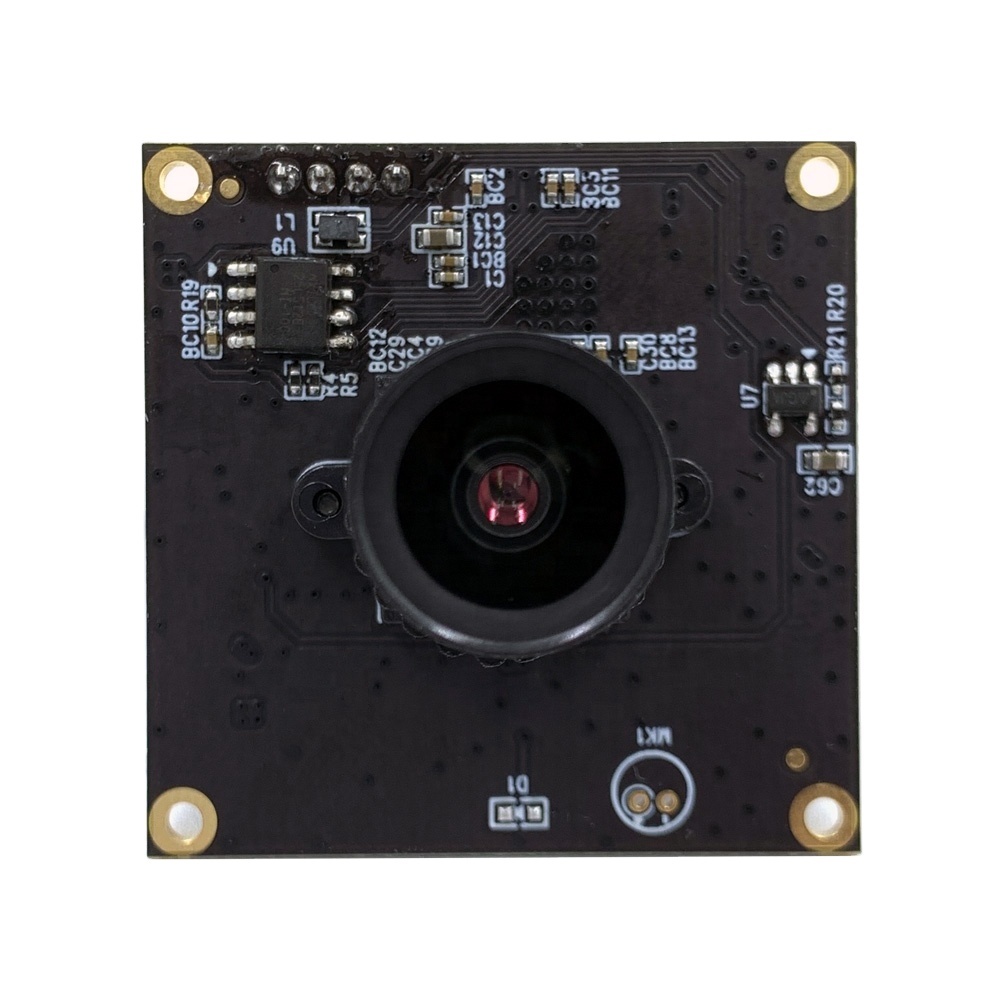
High Speed HDR 2.0MP 1920*1080 38*38mm 330fps High Frame Rate Color Wide Angle USB Camera Module with 2.8mm Board Lens
View Specifications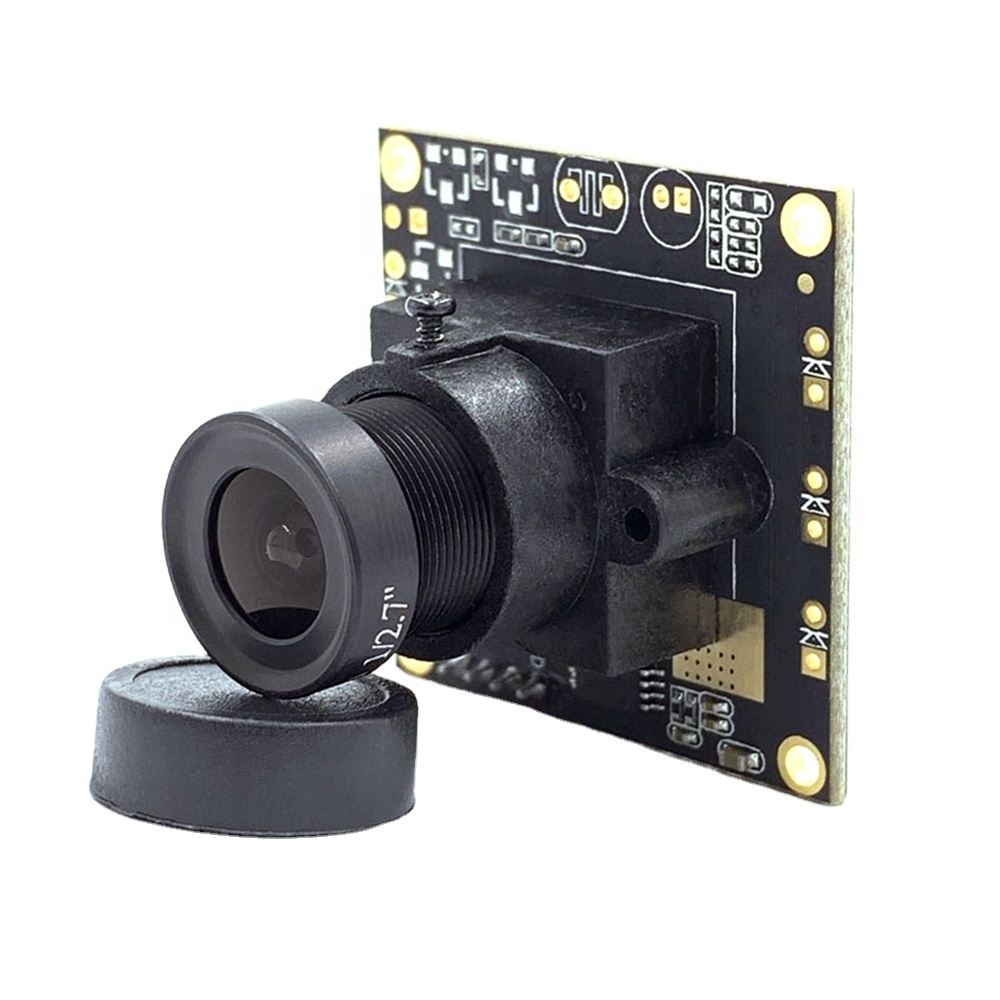
HOT SALE AR0230 Onsemi CMOS WDR 2.0MP 1920*1080 32*32mm Color USB Camera Module for ATM KIOSK Scaning Machine
View SpecificationsStrategic Technical Whitepaper: Industrial Optics Integration in the Colón Market
As the primary logistics artery connecting the Atlantic Ocean to the Panama Canal, the Colón Free Trade Zone (Zona Libre de Colón - ZLC) and the surrounding industrial port complex demand specialized imaging hardware. System integrators, terminal automation engineers, and OEM terminal manufacturers in Colón face distinct operational challenges: extreme tropical atmospheric humidity, saline air corrosion, intense tropical solar backlight, and 24/7 continuous duty cycles across logistics gates and automated banking infrastructure.
Selecting the optimal USB Industrial Camera supplier for the Colón market requires looking beyond consumer-grade webcam specifications. Industrial UVC (USB Video Class) modules must deliver high quantum efficiency, ultra-wide dynamic range (WDR ≥ 105dB), driver-free cross-platform operational compatibility (Linux, Android, Windows, macOS), and customized form factors ranging from miniature 15x15mm boards to standard 32x32mm and 38x38mm footprints.
Information Gain Benchmark: Industrial USB camera boards deployed within Colón's port gates and re-export warehouses require conformal PCB coating to resist 90%+ ambient relative humidity and high thermal variations without optical drift or sensor degradation.
1. High-Dynamic Dynamic Range (WDR/HDR) for Tropical Light Contrast
In Panama's coastal climate, ambient lighting fluctuates violently between direct solar radiation exceeding 100,000 Lux and dense tropical rainstorm shadow under 10 Lux. Cameras installed in self-service payment kiosks, VTMs, ATM fascia, or automated container inspection gantries must process backlit subjects without washing out facial detail or obscuring critical container text. Utilizing sensor schemes like the Onsemi AR0230 CMOS or Sony Starvis IMX291/IMX307 allows hardware-level WDR rendering up to 105dB–120dB, restoring highlight detail while elevating shadow noise ratio.
2. Ultra-Low-Lux Starlight Performance for 24/7 Unlit Warehouses
Security and automated inspection within Colón's bonded warehouses often operate in low-light environments to reduce electrical overhead during off-peak hours. Camera modules featuring starlight low-lux sensitivity (down to 0.001 Lux or 0.0001 Lux) enable crystal-clear color image acquisition without artificial illumination. When combined with H.264/H.265 compression hardware built directly into the USB controller, these modules reduce host CPU processing overhead and network bandwidth consumption during remote video transmission.
3. High-Speed Frame Capture for Automated Machine Vision
Logistics sorting lines, packaging inspection conveyers, and high-speed toll or gate access points require elevated frame rates to prevent rolling shutter distortion and motion blur. Specialized industrial USB camera modules achieving up to 330 frames per second (fps) at 1080P or 60fps uncompressed raw output empower AI OCR algorithms to read license plates, container serial numbers (ISO 6346 code), and barcoded manifests instantly as vehicles pass through ZLC checkpoints.
Why Colón Industrial Buyers Trust Shenzhen Brekta Electronics
Shenzhen Brekta Electronics Co., Ltd. brings over 13 years of specialized camera module engineering, serving system integrators across South America, Central America, North America, and Europe.
Customized Optics & PCB Design
Our in-house R&D team uses advanced Protel and Allegro design software to customize PCB dimensions (15x15mm, 25x25mm, 32x32mm, 38x38mm), focal lengths, pinout configurations, connector types, and IR-cut filters tailored precisely to your chassis.
Driverless UVC Plug-and-Play
All Brekta USB camera modules follow the strict USB Video Class (UVC) standard. They operate seamlessly across Windows, Linux (Ubuntu, Debian), Android OS, and macOS host platforms without requiring third-party driver installations.
100% Quality Inspection & Warranty
Every module undergoes rigorous optical alignment testing, sensor defect checks, thermal burn-in, and moisture resistance verification. Supported by a 24-month manufacturer warranty with free replacement commitment.
Rapid Evaluation Sampling
We keep comprehensive stock of standard USB modules, allowing sample orders to dispatch within 1 to 3 working days. Evaluation quantities start at just 1 piece to accelerate your technical proof-of-concept phase.
Tropicalized Protective Options
For high-humidity environments like Colón and Panama City, we provide conformal anti-fungal PCB coatings, IP65/IP67 waterproof lens barrels, and anti-fog panoramic front optical windows.
Global Regulatory Compliance
Our complete manufacturing pipeline maintains CE, FCC, and RoHS compliance, streamlining customs clearance processes for re-export through the Colón Free Zone into wider LATAM territories.
Localized Application Scenarios in Colón & Panama Infrastructure
Panama's economy, anchored by maritime trade, international banking, and free zone logistics, requires customized industrial camera solutions. Here is how Brekta's specialized USB camera modules integrate into key Colón economic vectors:
A. Zona Libre de Colón (ZLC) Warehouse Automation & AGV Navigation
Inside ZLC re-export distribution hubs, automated guided vehicles (AGVs) and barcode scanning gantries rely on high-speed UVC cameras to track inventory boxes. The High-Speed 330fps 1080P USB Module eliminates motion distortion during high-velocity barcode and 2D QR code recognition, ensuring error-free tracking on automated conveyor belts.
B. Container Terminal Access Gates (MIT, CCT, & Cristóbal Ports)
Manzanillo International Terminal (MIT) and Colón Container Terminal (CCT) handle thousands of TEUs daily. Gate access control demands camera hardware capable of capturing crisp images of container IDs and tractor license plates in blinding mid-day sun or severe rainstorms. The WDR 2.0MP AR0230 Camera Module resolves harsh shadows and specular glare from metallic container surfaces, delivering clean feeds to automated OCR license plate engines.
C. Financial VTMs, ATMs, & Self-Service Banking Kiosks
Panama City and Colón serve as regional financial centers. Modern banking kiosks (VTM, CRS, ATM) demand dual-lens optical modules to enforce anti-spoofing facial recognition. Using our 1/4" CMOS Dual-Lens IR Camera Module, one sensor records visible RGB color spectrum while the second captures near-infrared (NIR) patterns, ensuring robust biometric liveness verification for customer transactions.
D. Sub-assembly & Machine-Vision Industrial Inspection
Manufacturing facilities operating under Panama's special economic regimes utilize 0.001 Lux Starvis USB modules with non-distortion lenses (e.g., 4mm or 2.1mm wide-angle) for automated quality assurance. Compact 32x32mm footprints fit easily into tight machinery housings, transmitting real-time uncompressed MJPEG or YUY2 feeds to industrial host IPCs.
Industrial USB Camera Specification Comparison Guide
Compare sensor specifications, illumination sensitivity, and optimal use cases for Colón industrial deployments.
| Module Architecture | Sensor & Resolution | Min. Illumination | Dynamic Range | Target Colón Application |
|---|---|---|---|---|
| AR0230 WDR Series | 1/2.7" CMOS (1920x1080) | 0.1 Lux | Up to 105dB WDR | Outdoor ATM/VTM Kiosks, Port Access Control |
| Sony Starvis Ultra Low-Lux | 1/2.8" IMX291 (1920x1080) | 0.001 / 0.0001 Lux | Starlight HDR | Unlit Warehouse Security, Night Container Patrol |
| Dual-Lens Biometric IR | Dual 1/4" CMOS (1280x720) | 0.1 Lux + 6PCS IR | Standard Dynamic Range | Financial ATM Face ID, Liveness Detection |
| High-Speed 330fps HDR | 2.0MP High-Frame CMOS | 0.5 Lux | Hardware HDR | Logistics Conveyors, High-Velocity OCR Scanning |
| Mini 720P Wide-Angle | 1/4" CMOS (1280x720) | 0.1 Lux Low-Lux | Standard Digital WDR | Compact Kiosk Fascia, Ticket Vending Terminals |
Localized Market Trends & Technology Forecast (2025–2030)
The Latin American industrial vision market is experiencing rapid transformation driven by nearshoring strategies and logistics modernization. Key trends influencing procurement decisions in Colón include:
1. Nearshoring and Supply Chain Automation
As international supply chains diversify, Panama's position as a regional distribution hub has intensified. Warehouse operators are shifting from manual inventory checks to automated optical barcode scanners and camera-assisted AGV fleets. Demand for USB camera modules with built-in hardware encoding (H.264/H.265) is surging, as they permit multi-camera streams to connect to single industrial computers without overloading USB host controller bandwidth.
2. Migration to Edge-AI Optical Modules
Traditional camera sensors merely capture images; modern industrial deployments in Colón increasingly favor camera modules designed for Edge-AI vision models. High frame rates (up to 330fps) coupled with non-distortion optics allow real-time inference at the edge for license plate recognition, face-matching at secure facility doors, and container defect checking.
3. Standardizing on Driver-Free UVC Protocols
System integrators in Central America are actively phasing out proprietary capture cards in favor of standard UVC-compliant USB modules. UVC standardization lowers long-term system maintenance costs, simplifies Linux kernel updates on industrial ARM/x86 single-board computers, and ensures quick field replacement during maintenance routines.
Frequently Asked Questions for Colón Market Procurement
What is the typical shipping lead time for industrial USB camera modules to Colón, Panama?
How do Brekta camera modules withstand Colón’s high tropical humidity and saline air?
Are these USB camera modules driver-free for custom Linux or Android industrial systems?
Can Brekta customize board dimensions and lens specs for low-profile kiosk housings?
What warranty terms and quality guarantees are provided to Latin American buyers?
Engineered Industrial Optics for Your Next Colón Project
Share your target mechanical dimensions, housing constraints, and optical requirements with our engineering team today. Receive expert feedback, schematics, and sample quotes within 2 hours.