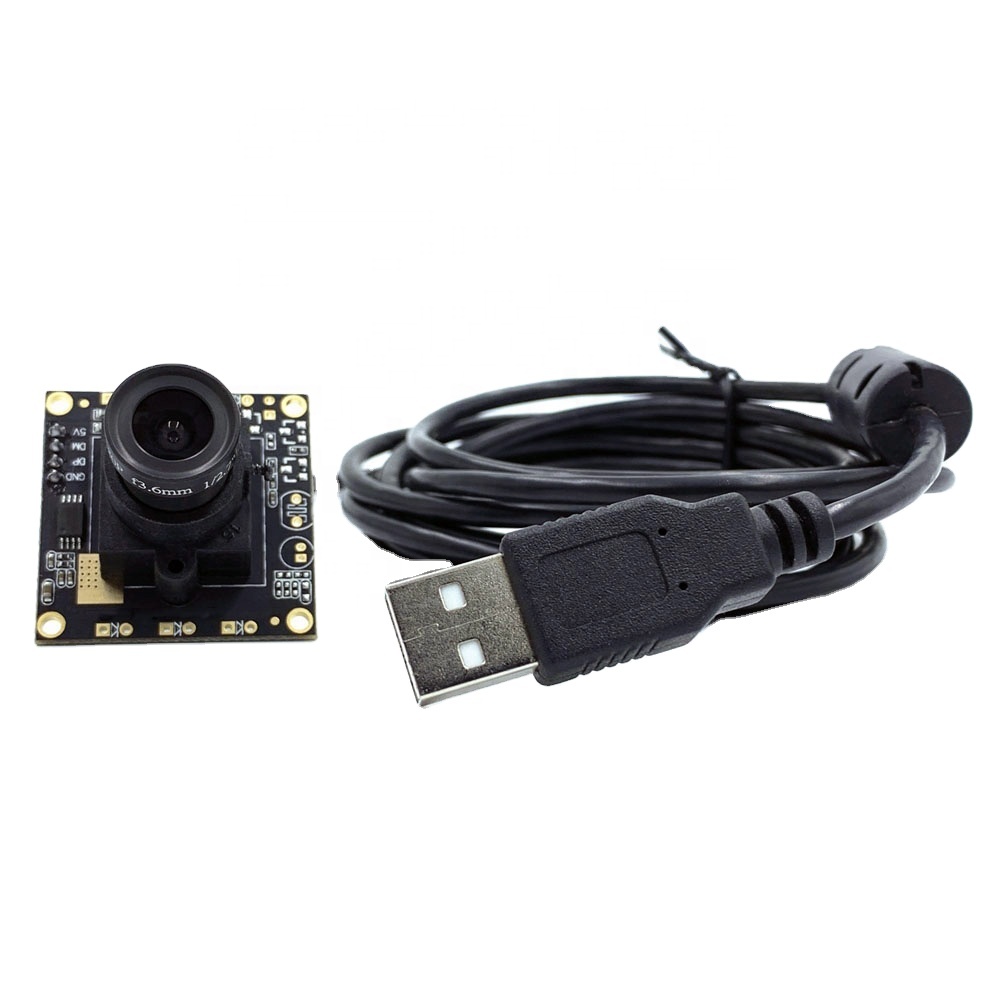
- Sensor: Onsemi CMOS AR0230
- Resolution: 1920*1080 @ 30fps
- Features: Hardware WDR, 32*32mm PCB
- Target: ATMs, Self-Service Kiosks
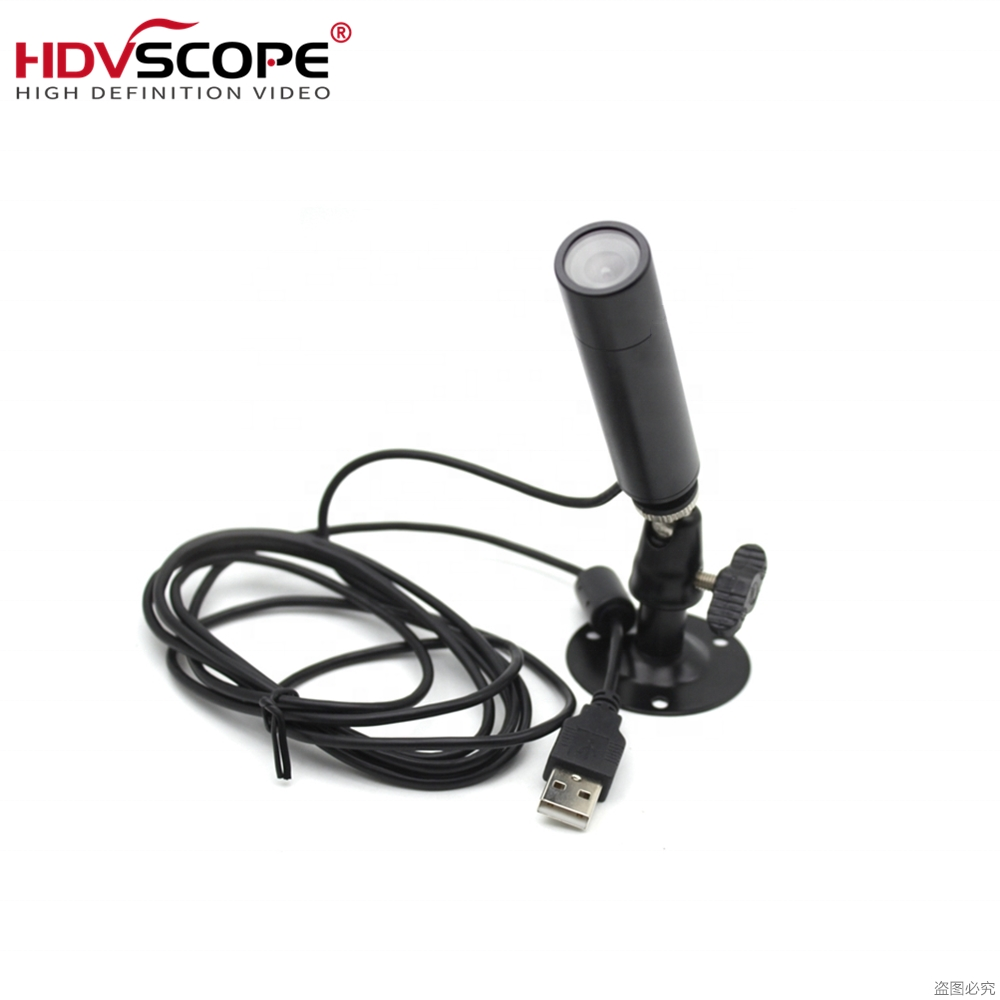
- Resolution: 1280*720P HD
- Housing: 20mm Diameter Stainless Bullet
- Lens: 3.6mm Board Lens
- Rating: IP67 Industrial Sealed
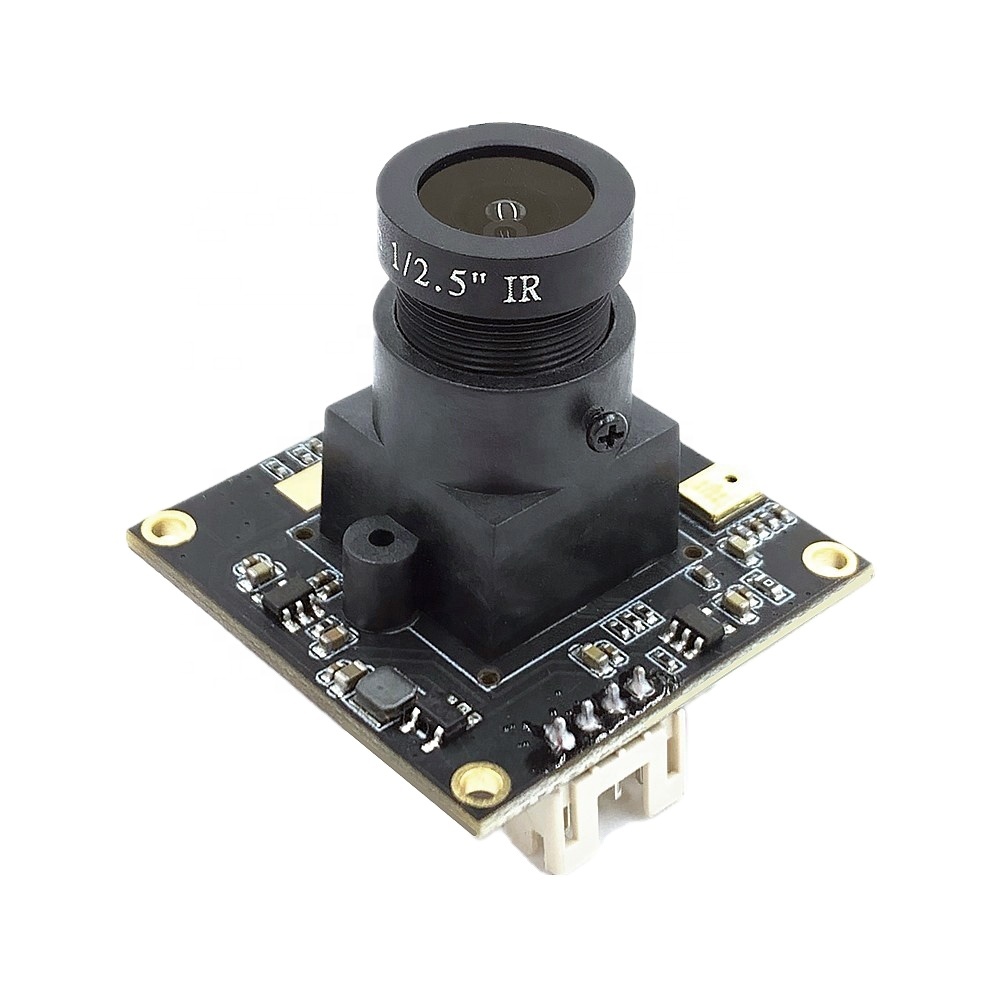
- Illumination: 0.001 Lux Ultra Low-Light
- Encoding: H.264 / MJPEG / YUY2
- Form Factor: 32*32mm Board
- Application: Examination & Voting Systems
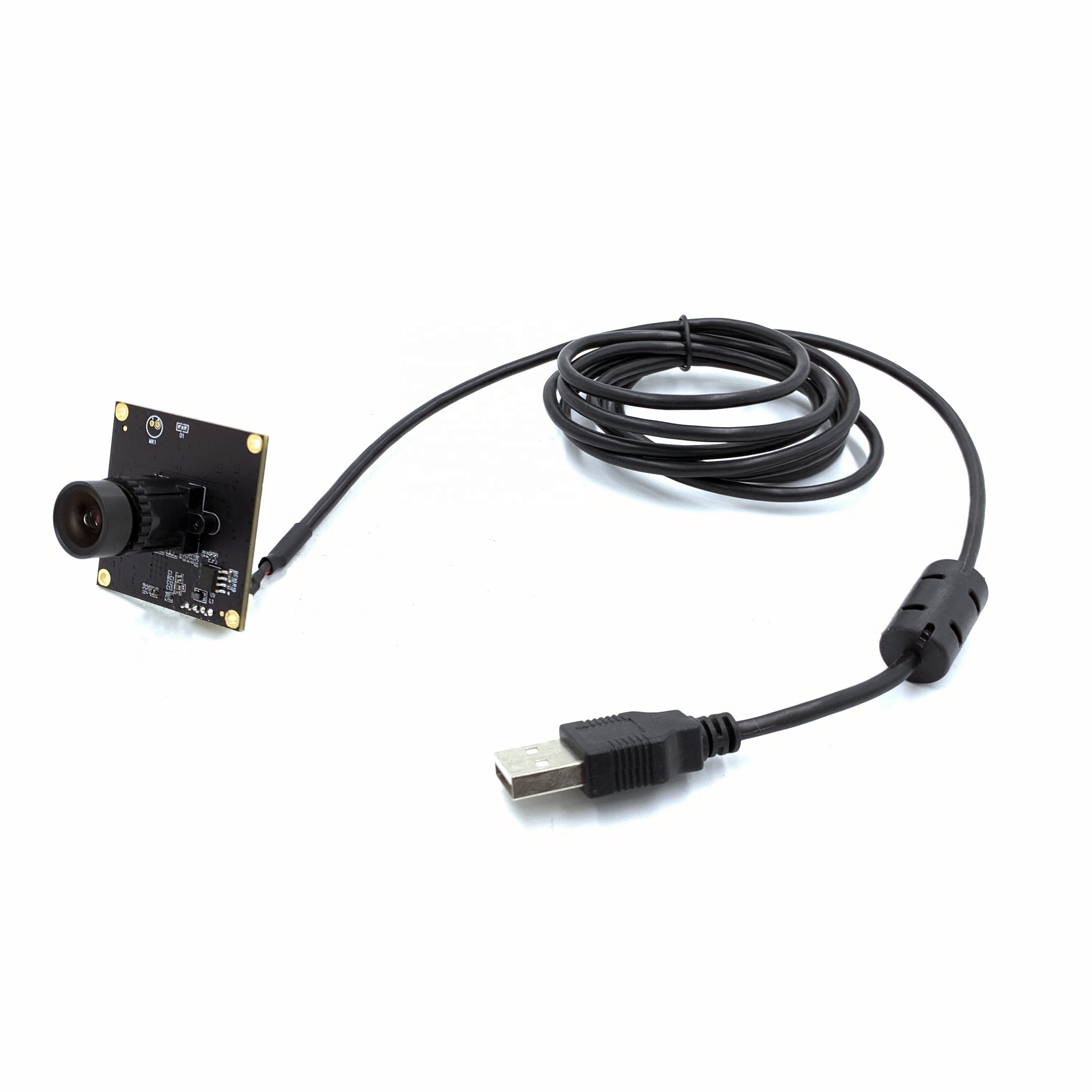
- Speed: Up to 330 FPS High Frame Rate
- Dynamic Range: Hardware HDR Supported
- Size: 38*38mm Color Board
- Lens: 2.8mm Wide Angle Optics
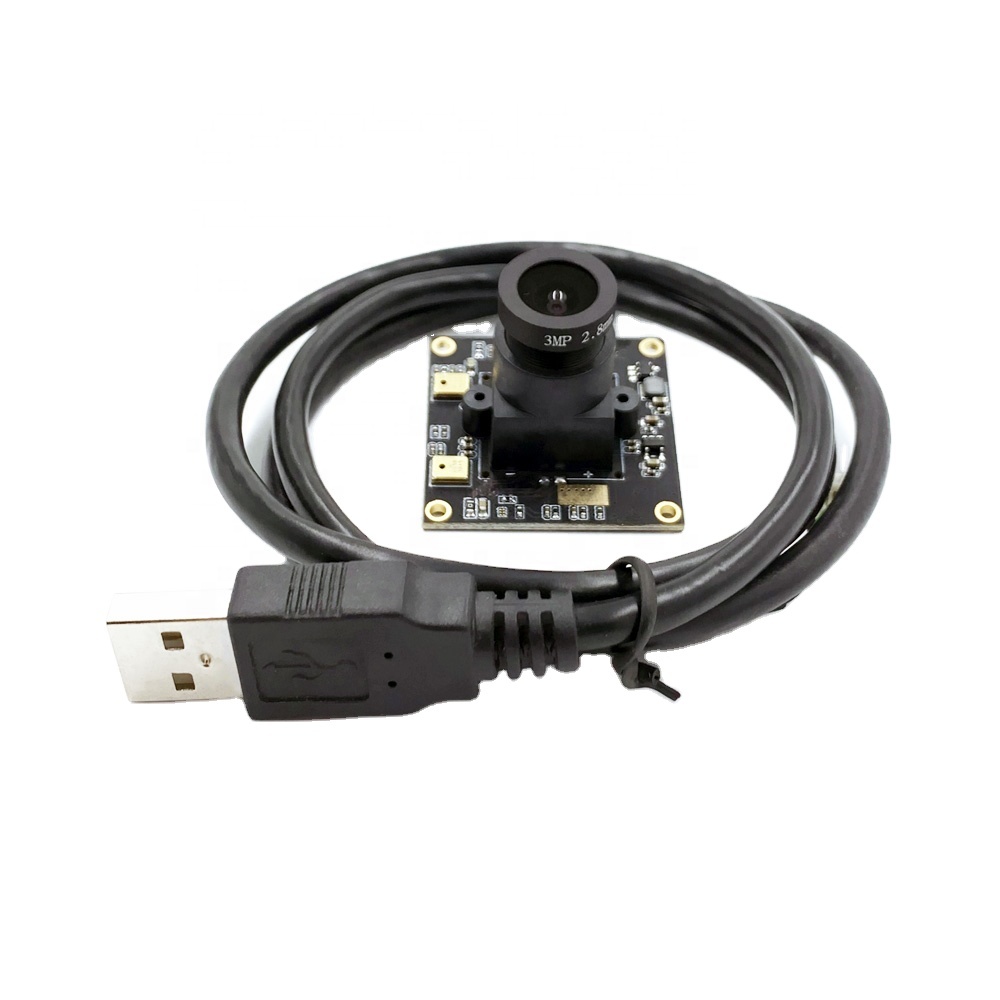
- Compression: Dual Stream H.264/MJPEG
- Low Light: Sony Starvis Starlight Tech
- Dimensions: 32*32mm Compact Format
- Use Case: Smart Doorbell & Intercoms
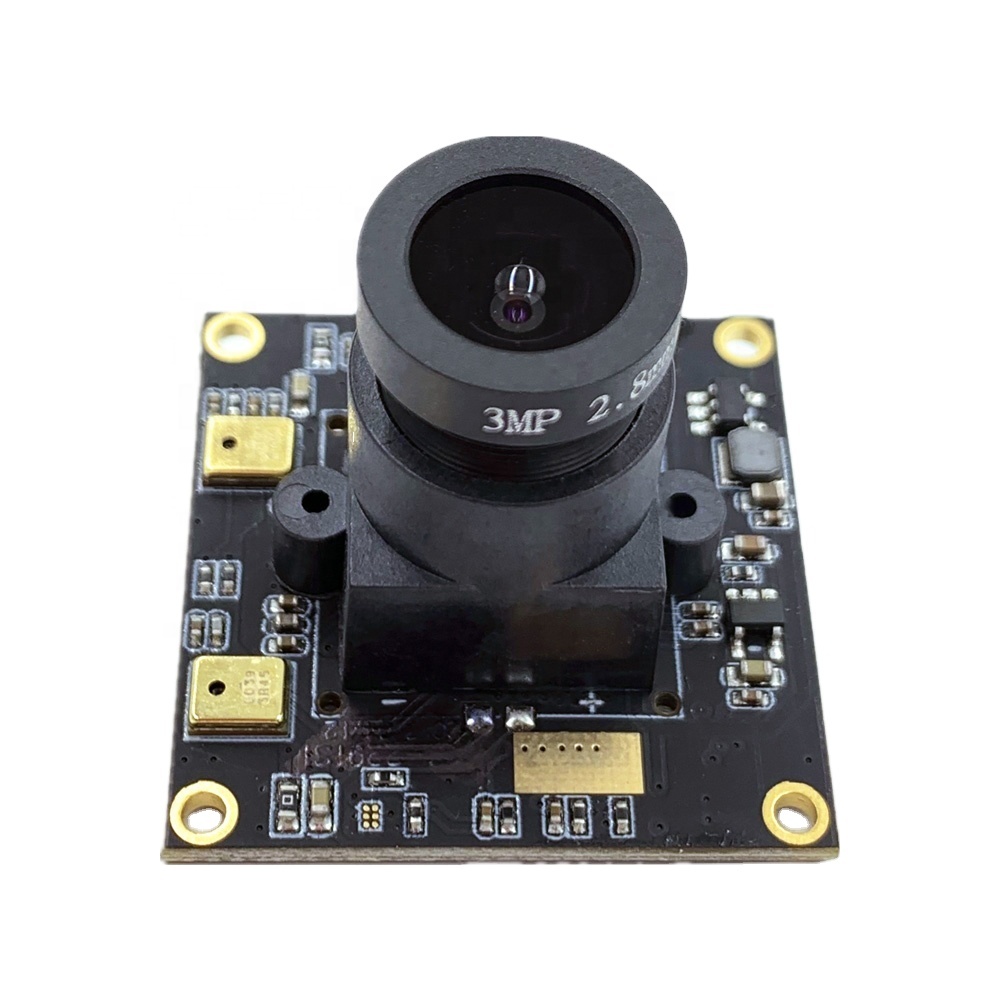
- Field of View: 60 Degree Standard Lens
- Output: 1920*1080 Full HD Video
- Driver: UVC Plug and Play
- Application: Machine Project Video Capture
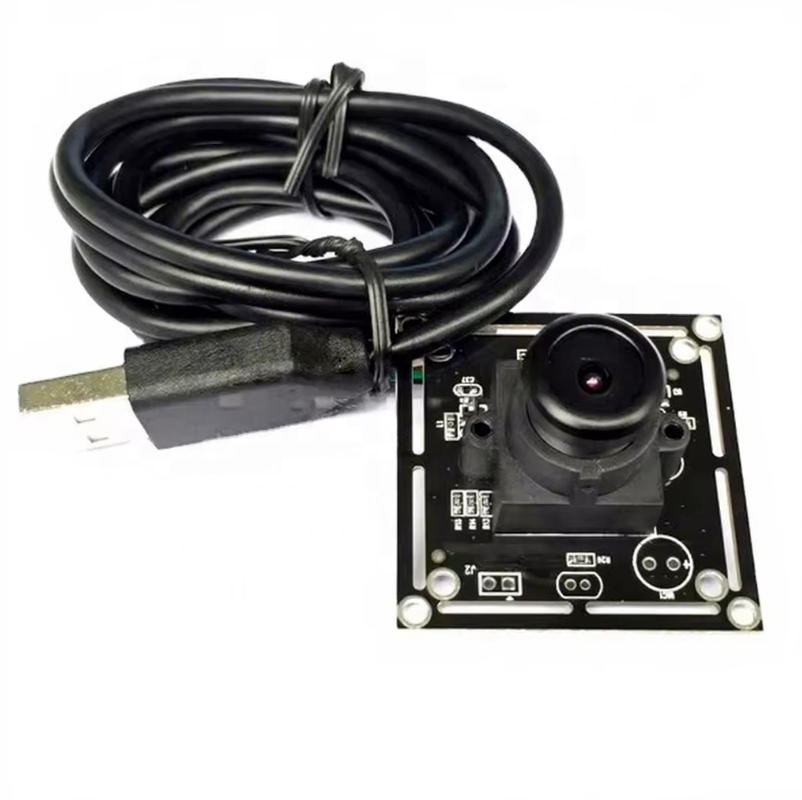
- Sensor: EX-View High Sensitivity CMOS
- Lens: 3.6mm Fixed Focal Lens
- Format: 32*32mm Mini Form Factor
- Application: Digital Signage & Ad Players
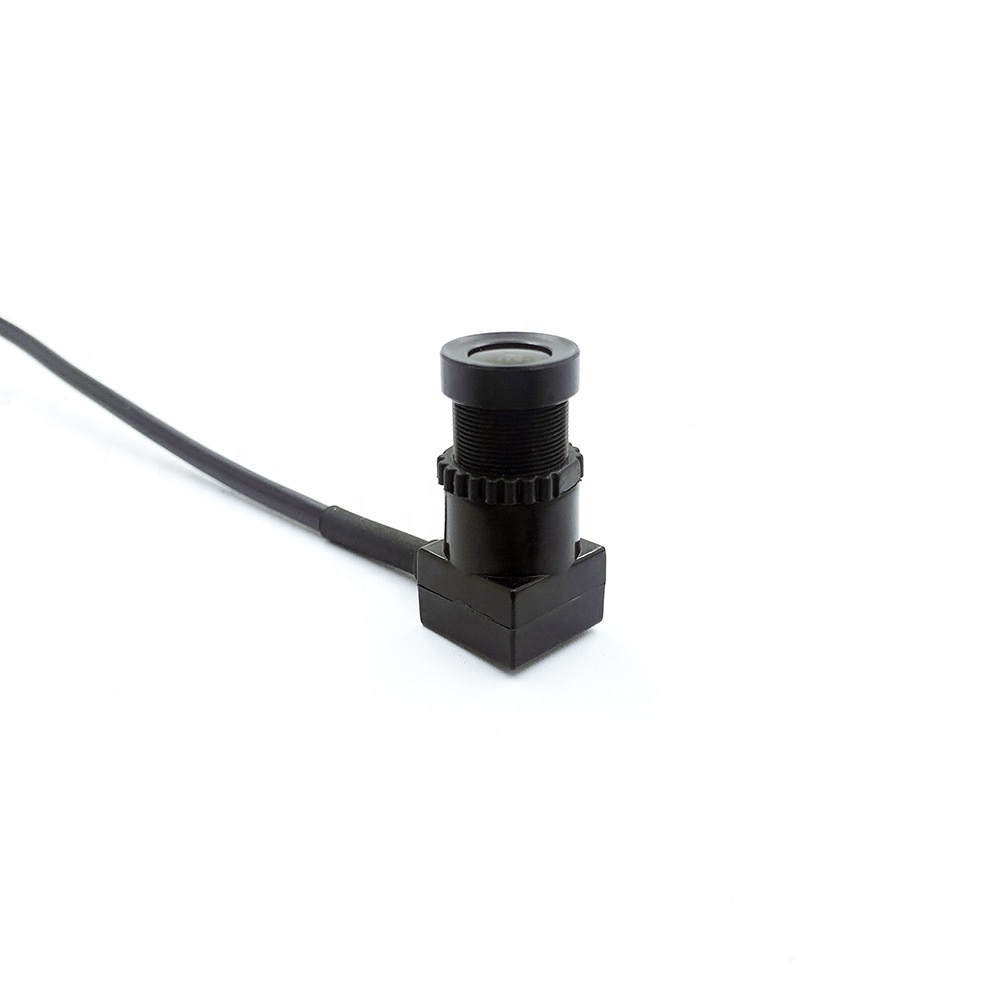
- Size: Ultra-Micro 15*15mm PCB
- Lens: 12mm Long Telephoto Board Lens
- Sensitivity: 0.1 Lux Night Color Capability
- Application: Space-Constrained Machinery
Whitepaper: Industrial Machine Vision Expansion & USB Camera Sourcing in Latvia
Latvia and the broader Baltic region (Estonia, Lithuania) have evolved into key Northern European technology hubs for automated manufacturing, smart logistics, self-service retail terminals, and IoT-driven infrastructure. As Latvian electronics engineering firms and industrial integrators scale their deployment of automated teller machines (ATMs), virtual teller machines (VTMs), reverse vending systems for packaging recycling, and automated timber quality inspection systems, the demand for high-reliability UVC (USB Video Class) industrial camera modules has grown exponentially.
Operating industrial vision endpoints in Baltic geographical conditions introduces severe environmental and optical hurdles. Integrators face dramatic ambient light fluctuations—from intense direct glare on glass storefronts during summer solstice to prolonged pitch-black operations during Scandinavian winter months. Furthermore, external terminals located in Riga, Liepāja, or Daugavpils require components capable of operating inside enclosures with operating temperatures ranging from -20°C to +70°C without sensor thermal drift or lens defocusing.
As a specialized manufacturer of OEM/ODM miniaturized imaging hardware, Shenzhen Brekta Electronics Co., Ltd. provides engineering-grade USB camera modules designed specifically to bridge the gap between high-level machine vision software (OpenCV, ROS, Halcon, Python/C++ pipelines) and rugged physical hardware. By eliminating proprietary drivers and adopting standardized UVC video streaming via USB 2.0 and USB 3.0 interfaces, Latvian integrators can slash engineering lead times while lowering unit BOM costs.
Self-Service Banking & VTMs in Riga
Latvian banking networks (such as Citadele and Swedbank Baltic infrastructure) demand high-dynamic-range (HDR/WDR > 120dB) mini USB camera modules embedded inside teller machines. Our Onsemi AR0230 and Sony Starvis modules capture high-contrast facial images even when direct sunlight strikes the glass enclosure, ensuring compliance with EU facial verification standard guidelines.
Automated Timber & Wood Defect Inspection
Woodworking and timber exports constitute a cornerstone of Kurzeme and Vidzeme regional economies. Our high-frame-rate USB camera modules (up to 330 FPS) capture rapid surface scans of lumber on conveyor belts, enabling machine learning edge processors to classify bark defects, knots, and dimensional anomalies in real time under harsh dust conditions.
Parcel Lockers & Smart Postal Terminals
With Omniva, DPD, and Smartpost operating dense parcel locker networks across Latvia, compact UVC cameras are essential for scanning QR codes, reading shipping labels, and recording user interactions. Our micro 15x15mm square USB cameras seamlessly fit into narrow steel door frames without altering structural IP ratings.
Baltic Rail & Transit Surveillance Systems
In anticipation of Rail Baltica infrastructure projects, embedded vision systems require ruggedized, vibration-resistant imaging components. Our IP67 waterproof mini bullet USB cameras with M12 board lenses provide reliable driver monitoring, passenger counting, and pantograph inspection under harsh outdoor mechanical vibrations.
Engineering Selection Matrix: Choosing the Right Sensor & Interface for Baltic Projects
Selecting the optimal camera architecture requires evaluating image sensor physics, low-light illumination thresholds, bandwidth limits, and host processor compatibility. The table below highlights key parameters across our core USB camera module lines to assist Latvian procurement teams and software architects:
| Model Series | Sensor Architecture | Max Resolution | Dynamic Range (WDR) | Min. Illumination | Primary Industrial Interface |
|---|---|---|---|---|---|
| ATM / Kiosk Series | Onsemi AR0230 / OV2710 | 1080P Full HD (1920x1080) | 105dB - 120dB Hardware WDR | 0.01 Lux (Color) | USB 2.0 UVC (MJPEG / YUY2) |
| Starvis Starlight Series | Sony Starvis IMX291 / IMX335 | 2MP to 5MP Super HD | 85dB - 100dB Digital WDR | 0.001 Lux Ultra Low-Light | USB 2.0 UVC / H.264 On-Board |
| High Frame Rate Series | 1/3" High-Speed CMOS | 720P / 1080P High-FPS | HDR Supported | 0.1 Lux | High-Speed USB 2.0 (Up to 330 FPS) |
| Micro Square Series | 1/4" & 1/3" Compact CMOS | 2.0MP (1920x1080) | 60dB Standard WDR | 0.1 Lux | Micro PCB (15x15mm / 20mm Diameter) |
Key Technical Advantages for Latvian Embedded Software Developers:
1. Native UVC Linux Kernel Compatibility: All Brekta USB cameras feature standardized V4L2 (Video4Linux2) driver support. They run out-of-the-box on Debian, Ubuntu, Yocto Linux, Raspberry Pi OS, and ROS (Robot Operating System) platforms deployed in Baltic automation plants without requiring custom kernel recompilation.
2. Hardware Video Compression (H.264 / MJPEG): Onboard hardware encoding offloads processor utilization from host SBCs (Single Board Computers), allowing multi-camera setups (e.g., 4x cameras on a single kiosk terminal) to stream concurrently without causing CPU thermal throttling or USB hub bandwidth bottlenecks.
3. Customizable Lens Optics & PCB Geometry: Our engineering laboratory utilizes Protel and Allegro PCB design suites to customize board size (15x15mm, 32x32mm, 38x38mm), alter pinout connectors (JST, Molex, USB Type-C, micro-USB), and calibrate optical FOV (30° telephoto, 60° standard, 170° fisheye, or zero-distortion wide-angle lenses).
Latvian & Baltic Industrial Automation Trends (2025–2030)
As Northern Europe accelerates transition toward Industry 4.0 standards, several macro trends are defining the vision hardware landscape in Latvia:
1. Edge-AI Integration at the Terminal Endpoint: Traditional cloud-based video analytics suffer from bandwidth costs and GDPR data transmission concerns within EU jurisdiction. Latvian integrators are increasingly shifting facial identification, license plate recognition (ANPR), and object sorting to localized edge processing units (NVIDIA Jetson, NXP i.MX8, ARM Cortex-A78). High-quality USB camera sensors with crisp, zero-artifact YUY2 uncompressed output are mandatory to deliver pristine feed inputs to local neural networks.
2. Expansion of Reverse Vending & Green Circular Economy Systems: Following Latvia’s implemented deposit packaging return system (Depozīta Sistēma), automated recycling kiosks require specialized low-light optical sensors capable of inspecting transparent PET bottles, aluminum cans, and glass containers under dynamic LED illumination. Compact waterproof USB cameras with dirt-resistant anti-fog coatings are critical to maintaining 24/7 uptime in recycling hubs.
3. Compliance with EU CE, RoHS, and Cyber Security Directives: Sourcing industrial components directly from unverified suppliers risks regulatory rejection at Baltic customs borders. Brekta guarantees full compliance with European Union CE Directives (EMC EN 55032 / EN 55035) and RoHS 2.0 restrictions (Hazardous Substances Directive), ensuring smooth customs clearance at Riga Port or Riga International Airport customs checkpoints.
Why Partner with Shenzhen Brekta Electronics Co., Ltd.?
Established as a premier manufacturer of miniaturized industrial camera modules, Brekta Electronics combines 13+ years of Shenzhen optics engineering precision with flexible supply chain terms tailored for international OEM partners.
100% In-House R&D & PCB Design
Engineers design customized schematic layouts in Allegro and Protel, supporting rapid turn-around for specialized form factors, dual-lens binocular modules, and IR-cut switcher integrations.
Strict Multi-Stage QC Testing
Every single camera module undergoes optical alignment verification, image focus calibration under ISO chart environments, thermal burn-in testing, and signal integrity checks prior to shipment.
Low MOQ & Fast Sample Dispatch
We empower Baltic integrators and engineering startups with low minimum order quantities (MOQ from 1 piece for evaluation). In-stock evaluation samples ship within 1–3 business days via DHL/FedEx.
24-Month EU Warranty & Direct Support
All camera products carry a full 24-month replacement warranty backed by dedicated technical support engineers who reply within 2 hours during active business cycles.
Request Custom Engineering Quotes & Sample Modules for Latvia
Have an upcoming machine vision, ATM kiosk, or industrial automation project in Latvia or the Baltic region? Contact our optical engineering team today to review your mechanical drawings, request evaluation samples, or discuss wholesale OEM pricing.
Contact Us