Industrial-Grade UVC USB Camera Modules
Engineered for high-reliability machine vision, automated optical inspection (AOI), micro-component verification, and OEM equipment deployment in Santa Clara, CA.
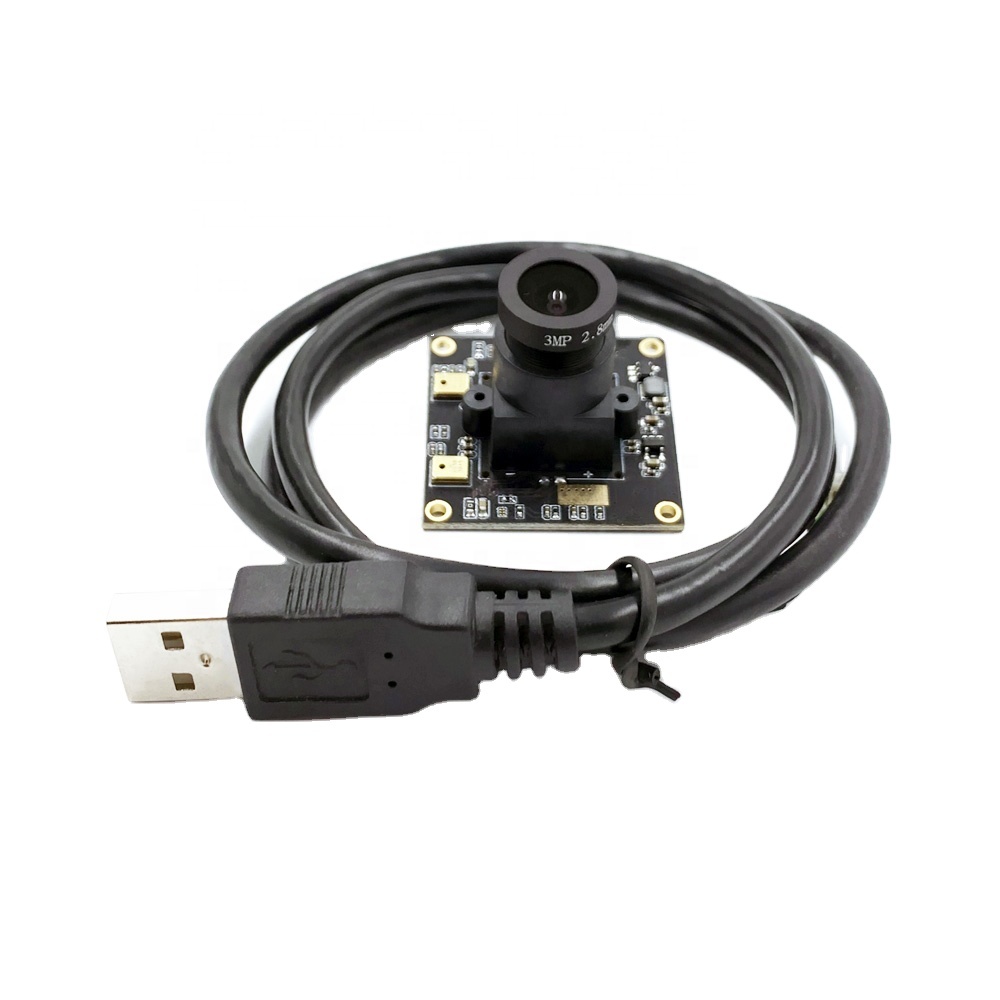
H.264 Rolling Shutter Starvis & WDR 0.001Lux 2.0MP 1920*1080 32*32mm Color USB Camera Module
View Specifications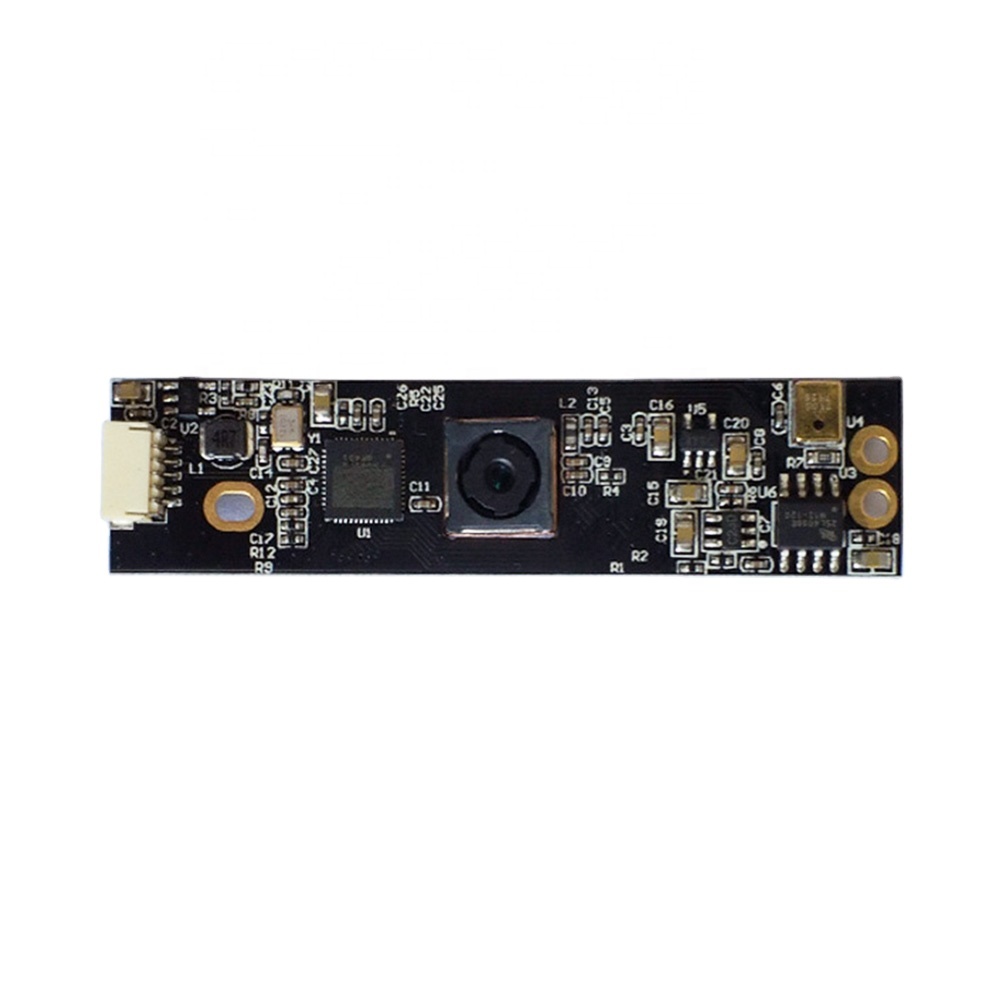
Low Lux 0.1 Customized 1/3.2" CMOS Autofocus 8.0MP 3264*2448 15fps 62*15mm Color USB Camera Module
View Specifications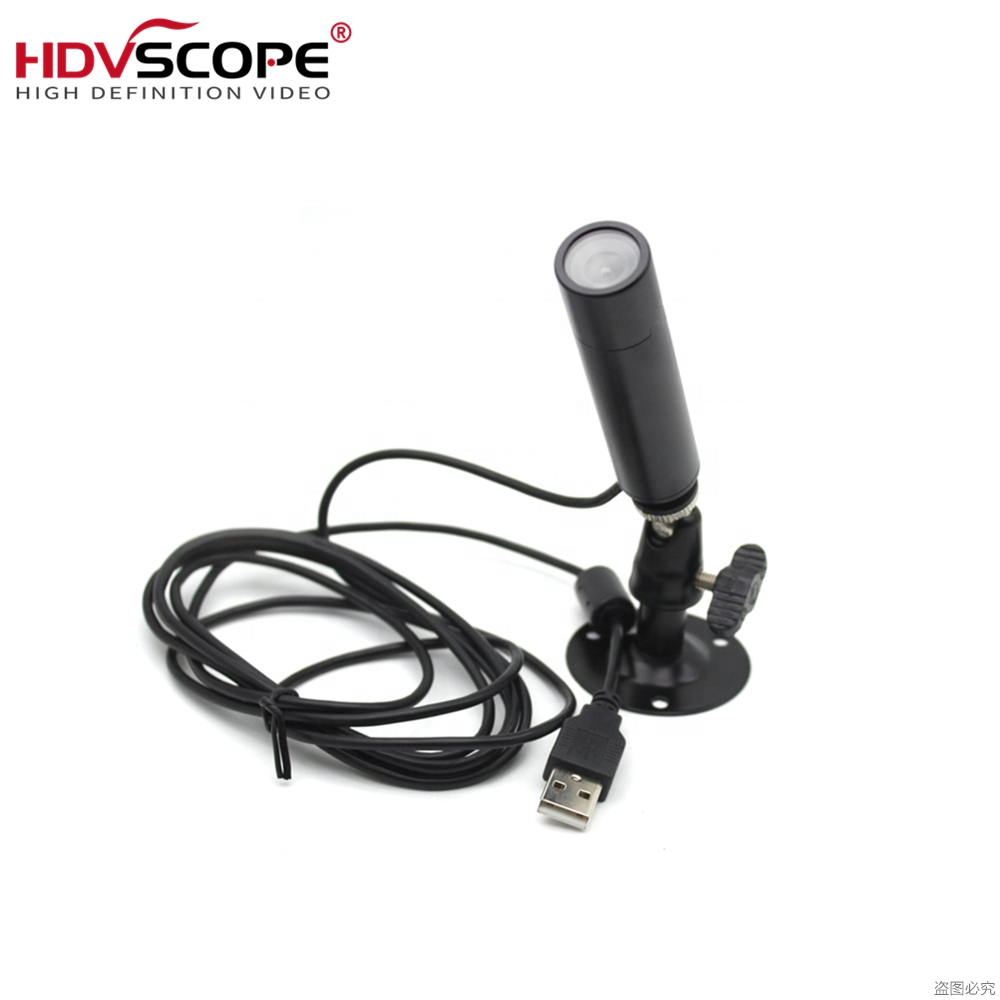
2MP 1/2.7" CMOS USB Camera 2.8mm Board Lens Waterproof IP67 Mini Bullet Endoscope
View Specifications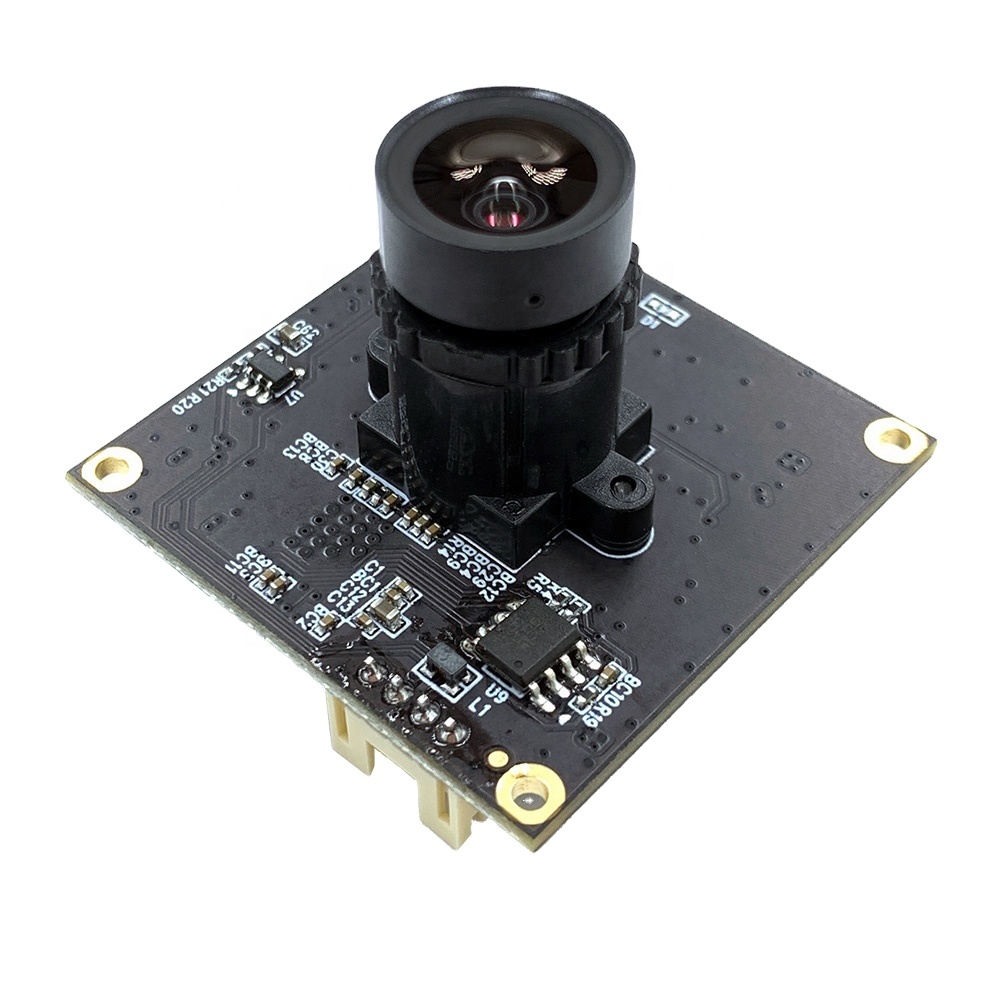
High Speed HDR 330fps 2.0MP 38*38mm USB Camera Module Wide Angle 3.6mm Lens
View Specifications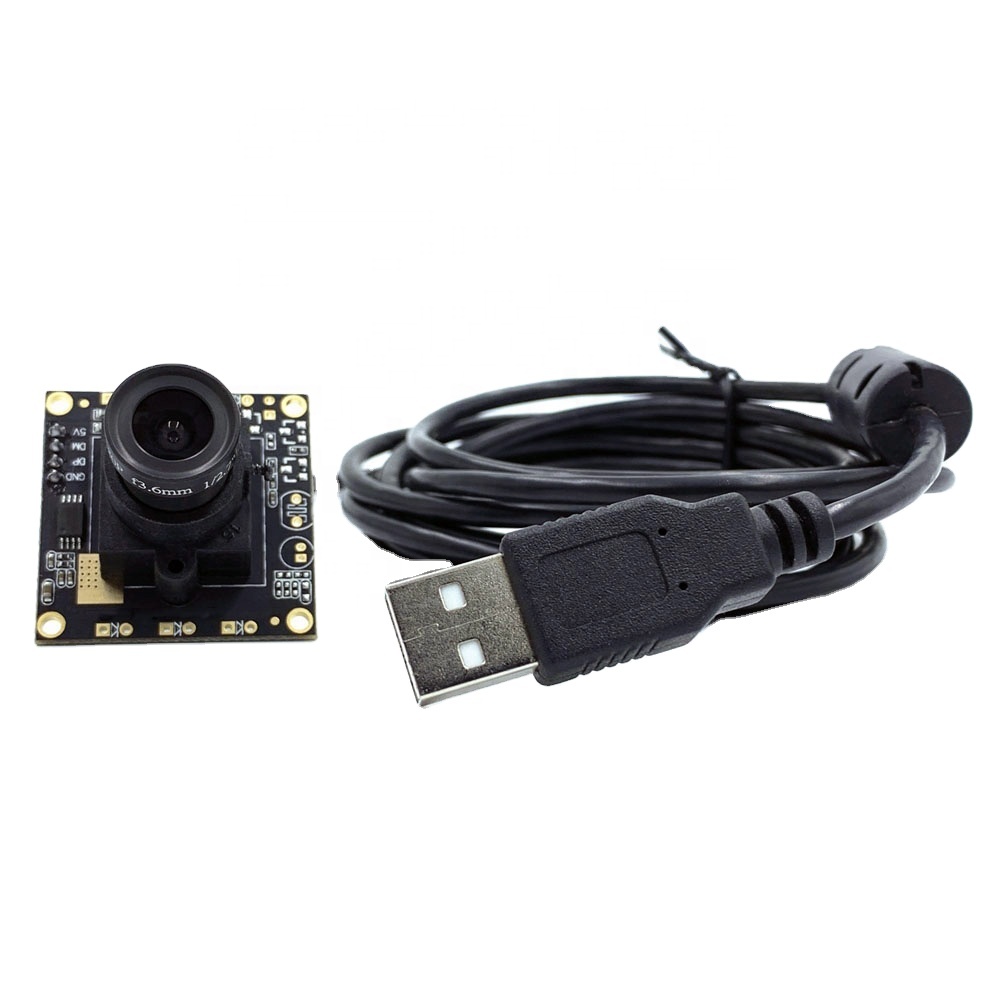
2.0MP Color USB Camera Module AR0230 Onsemi CMOS WDR 1920*1080 32*32mm
View Specifications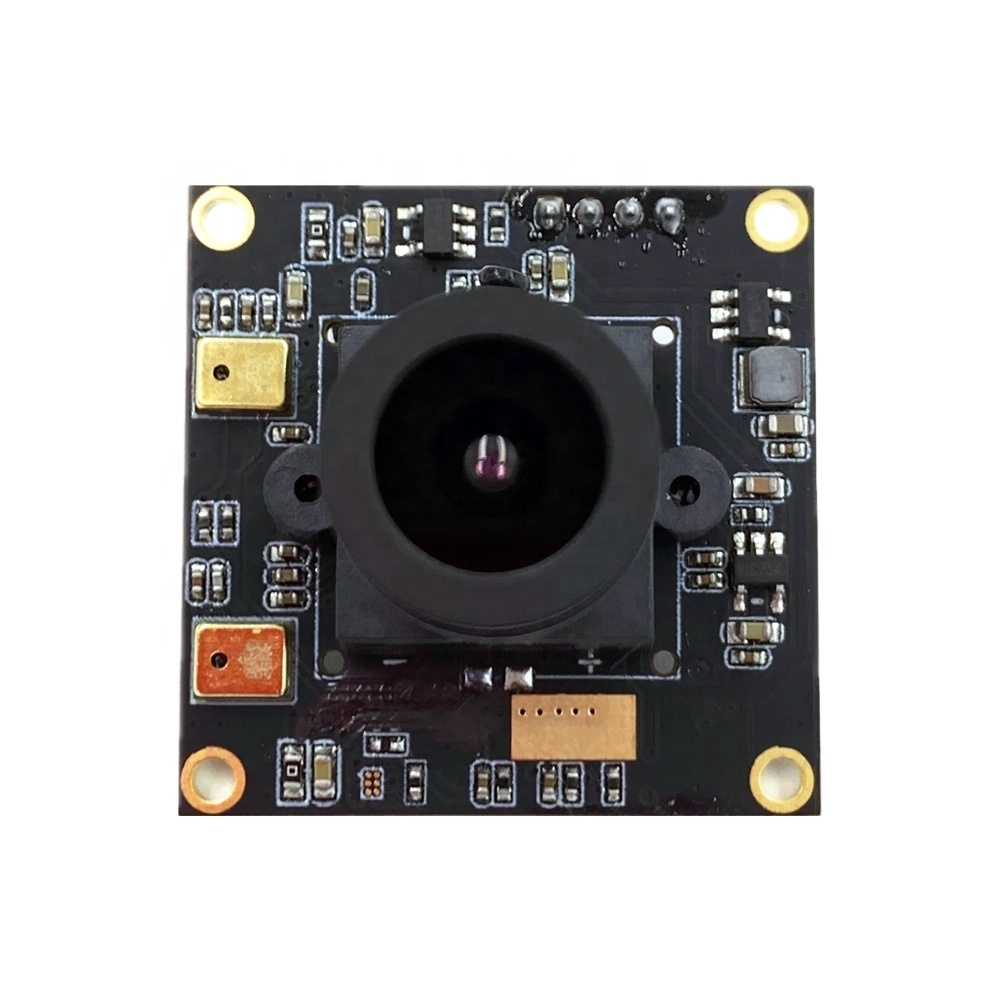
2.0MP 1920*1080 Rolling Shutter 0.001Lux H.264 Starvis & WDR 32*32mm USB Module
View Specifications
50x50mm 4K UHD 13MP 4192*3104 Color HDR USB Camera 3.24mm Distortionless Lens
View Specifications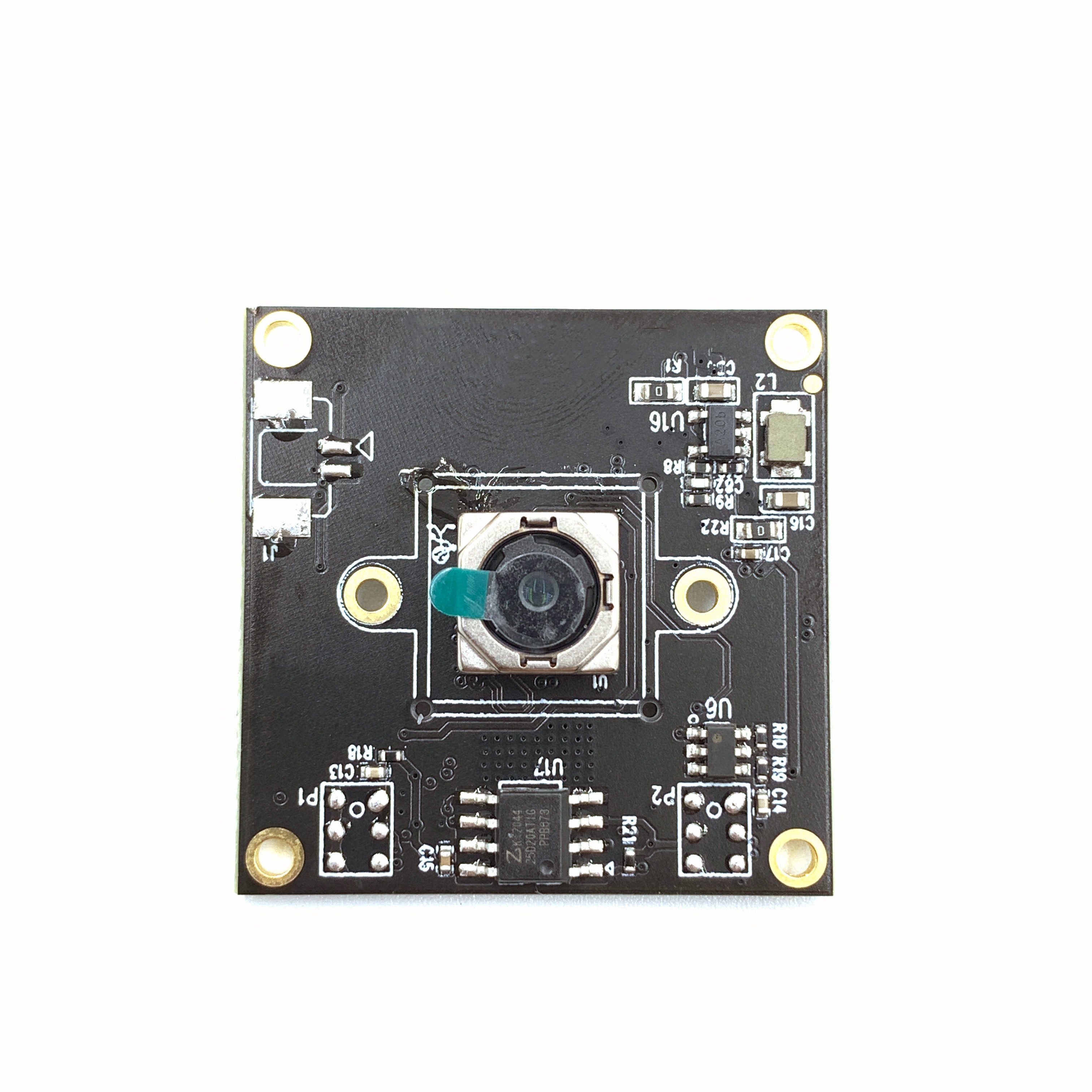
15fps Autofocus Low lux 0.1 8.0MP 3264*2448 32*32mm Color USB Camera Module
View SpecificationsArchitectural Depth: Standardizing UVC Vision Modules for Industrial Inspection in Santa Clara
In the high-density innovation center of Santa Clara, California—where semiconductor fabrication, medical device engineering, and advanced robotics converge—industrial inspection demands optical sub-systems with extreme reliability, ultra-low frame latencies, and total cross-platform interoperability. As machine vision moves from bulky centralized processing architectures toward edge computing nodes (such as NVIDIA Jetson Orin, Intel NUC, and ARM-based custom SoCs), the USB Video Class (UVC) protocol has transitioned from a basic consumer driverless format into a robust industrial machine vision interface standard.
Shenzhen Brekta Electronics Co., Ltd. supplies Santa Clara system integrators, automated machine builders, and OEM exporters with high-performance UVC USB camera modules tailored for automated optical inspection (AOI), surface defect verification, wafer alignment, and micro-component pick-and-place systems. By removing proprietary driver dependencies and providing raw YUY2, high-compression MJPEG, and hardware-accelerated H.264 streams directly over standard V4L2 (Video4Linux2) and DirectShow APIs, our optics allow engineers to achieve plug-and-play machine vision deployment with near-zero software overhead.
Technical Information Gain: UVC standard compliance eliminates driver corruption risks during kernel updates on embedded Linux distributions, reducing field-maintenance overhead for automated equipment deployed across Northern California industrial facilities.
From a hardware engineering perspective, our camera modules are engineered around premium CMOS image sensors (including Sony STARVIS IMX291, Onsemi AR0230, and high-pixel OmniVision sensors). Combined with multi-layer high-TG FR4 printed circuit boards, localized SMT low-noise low-dropout (LDO) voltage regulators, and integrated electro-magnetic interference (EMI) shielding, Brekta UVC camera modules deliver exceptional signal-to-noise ratios (SNR > 42dB) even in electrically noisy industrial environments containing high-power servo drives and RF plasma equipment.
High Frame Rate Capture
Up to 330 FPS at 1080P resolution for fast-moving conveyor inspection, motion analysis, and high-speed packaging validation.
Sub-Lux Sensitivity
Sony STARVIS sensor technology operating down to 0.001 Lux, ensuring crisp color fidelity in low-light industrial enclosures.
Hardware WDR & HDR
Up to 105dB High Dynamic Range to eliminate washed-out highlights and dark shadows in reflective metal and silicon inspection.
Localized Application Scenarios in Santa Clara & Silicon Valley Tech Ecosystems
Santa Clara’s industrial landscape requires specialized machine vision solutions tailored to high-tech manufacturing, bio-tech automation, and autonomous system development. The integration of Brekta’s UVC USB camera modules directly addresses specific engineering bottlenecks across local Santa Clara operational sectors:
Semiconductor Wafer & Die Inspection
Deploying 4K 13MP distortionless UVC modules in cleanroom automated optical inspection (AOI) tools to detect micro-cracks, alignment tolerances, and wire bonding defects on silicon wafers.
Biotech & Medical Device Automated Packaging
Utilizing 8MP low-lux autofocus camera boards in sterile fill-finish liquid lines and surgical instrument packaging equipment to perform real-time optical fluid volume measurement and seal verification.
Autonomous Vehicle & Robotic Testbench Optics
Integrating 330fps ultra-high-speed UVC modules into automotive hardware-in-the-loop (HIL) simulators and robotic arm end-effectors for high-frequency spatial tracking and object recognition.
Smart Factory Kiosks & Intelligent Cabinets
Embedding compact 32x32mm low-light STARVIS camera modules into automated tool cribs, access verification terminals, and material dispensing machines for real-time inventory tracking.
Localized Technology Trends Driving Machine Vision Adoption in Santa Clara
The industrial inspection market in Northern California is undergoing a rapid transition toward intelligent, miniaturized, and edge-native optical hardware. Systems architects in Santa Clara are actively phasing out complex legacy frame grabbers in favor of high-speed USB 2.0 and USB 3.0 UVC architectures. Key trends shaping local equipment design include:
- Edge AI Model Deployment: Machine learning algorithms running OpenCV, TensorRT, and PyTorch directly on Linux edge nodes require direct uncompressed YUY2 video feeds from driverless UVC cameras to prevent decoding latency and CPU throttling.
- Miniaturization of Inspection Enclosures: As semiconductor tools and robotic workcells become more compact, engineers require ultra-small camera board footprints (down to 15x15mm, 32x32mm, and 38x38mm) that can be mounted into tight mechanical spaces without thermal degradation.
- High Dynamic Range under Variable Cleanroom Lighting: Cleanroom environments often present harsh overhead LED illumination and highly reflective metallic surfaces. Hardware-level WDR (up to 105dB) is now a baseline requirement to ensure consistent thresholding for defect detection software.
- Demand for Extended Operational Lifecycle & MTBF: Equipment deployed in Santa Clara fabs operates 24/7/365. Industrial optics buyers demand robust mean time between failures (MTBF > 100,000 hours), supported by extended 24-month warranties and reliable supply chain longevity.
Enterprise Advantage: Why Global OEMs & Santa Clara Integrators Partner with Brekta
Shenzhen Brekta Electronics Co., Ltd. brings over 13 years of specialized engineering and manufacturing experience in miniaturized camera modules. With a state-of-the-art manufacturing facility in Guangdong, China, Brekta bridges cutting-edge hardware design with rigorous quality control to deliver OEM/ODM camera modules for clients across North America, Europe, and Asia.
Our engineering capabilities encompass complete hardware and software customization:
PCB & Optical Layout Customization
Full PCB layout design in Protel and Allegro. Customized board shapes, flexible FPC extension cables, micro-pinhole configurations, and tailored M12/CS lens mounts.
Strict Quality Assurance & Certifications
100% full-array automated image quality testing, optical MTF chart calibration, and dark current noise checks. All modules hold official CE, FCC, and RoHS certifications.
Fast OEM Turnaround & Low MOQ
Rapid sample dispatch within 1–3 business days for stock models. Minimum Order Quantities starting from 1 unit for evaluation, backed by a 24-month comprehensive warranty.
Frequently Asked Questions by Santa Clara Procurement & Systems Engineers
Why choose UVC USB camera modules over GigE or CoaXPress for local machine vision setups in Santa Clara?
How do Brekta UVC modules ensure stable frame rates in real-time Edge AI vision pipelines?
Can Brekta customize lens focal lengths, optical distortion profiles, and PCB board dimensions for OEM projects?
What are the lead times and shipping timelines for orders bound for Santa Clara and the broader Bay Area?
What warranties and technical support services are provided with Brekta camera modules?
Accelerate Your Machine Vision Integration in Santa Clara
Discuss your optical requirements, board dimensions, and image sensor targets with our senior optics engineers. Receive a detailed technical proposal and evaluation sample quote within 2 hours.