Automotive & Industrial Camera Modules for Kawasaki OEMs
Explore our core optical modules engineered for high vibration tolerance, extreme low-light sensitivity, wide dynamic range (WDR), and seamlessly integrated machine vision systems.
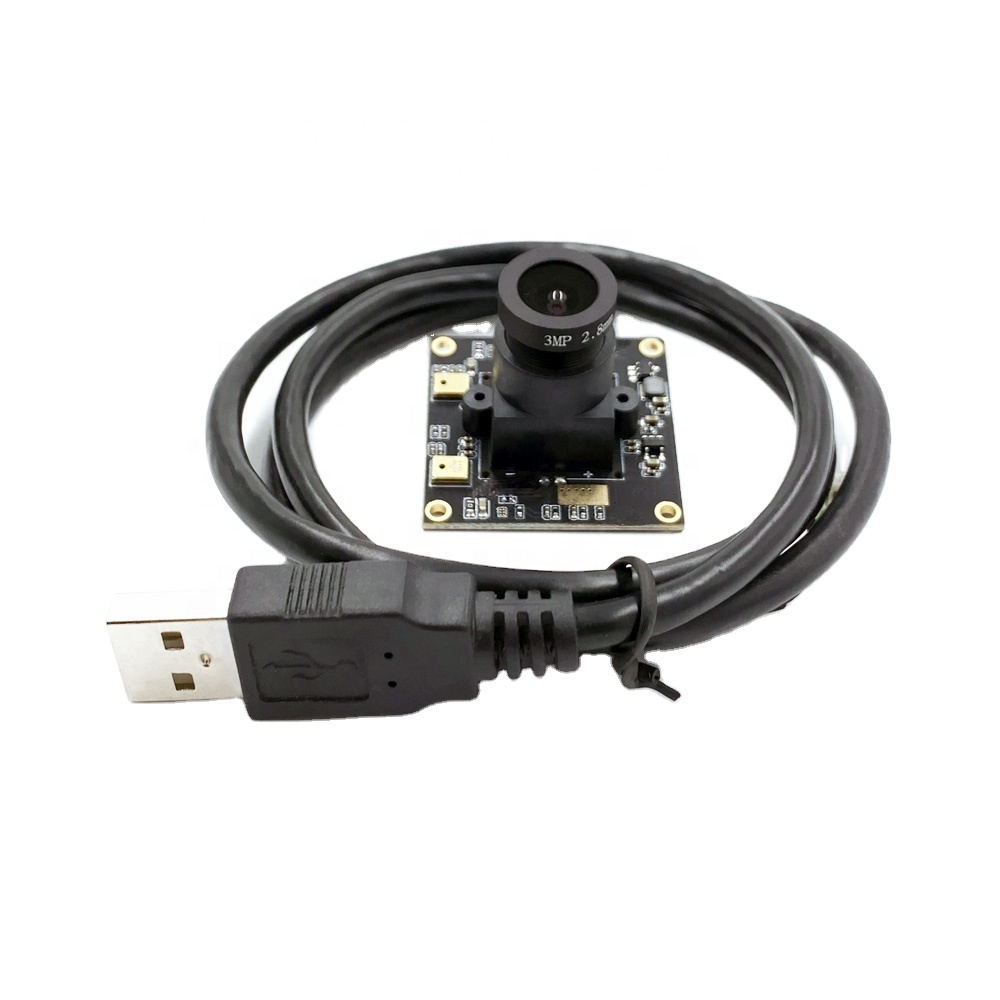
2.0MP 1920*1080 32*32mm Rolling Shutter 0.001Lux H.264 Starvis & WDR Color USB Camera Module for Food Self Order Kiosk
View Technical Specs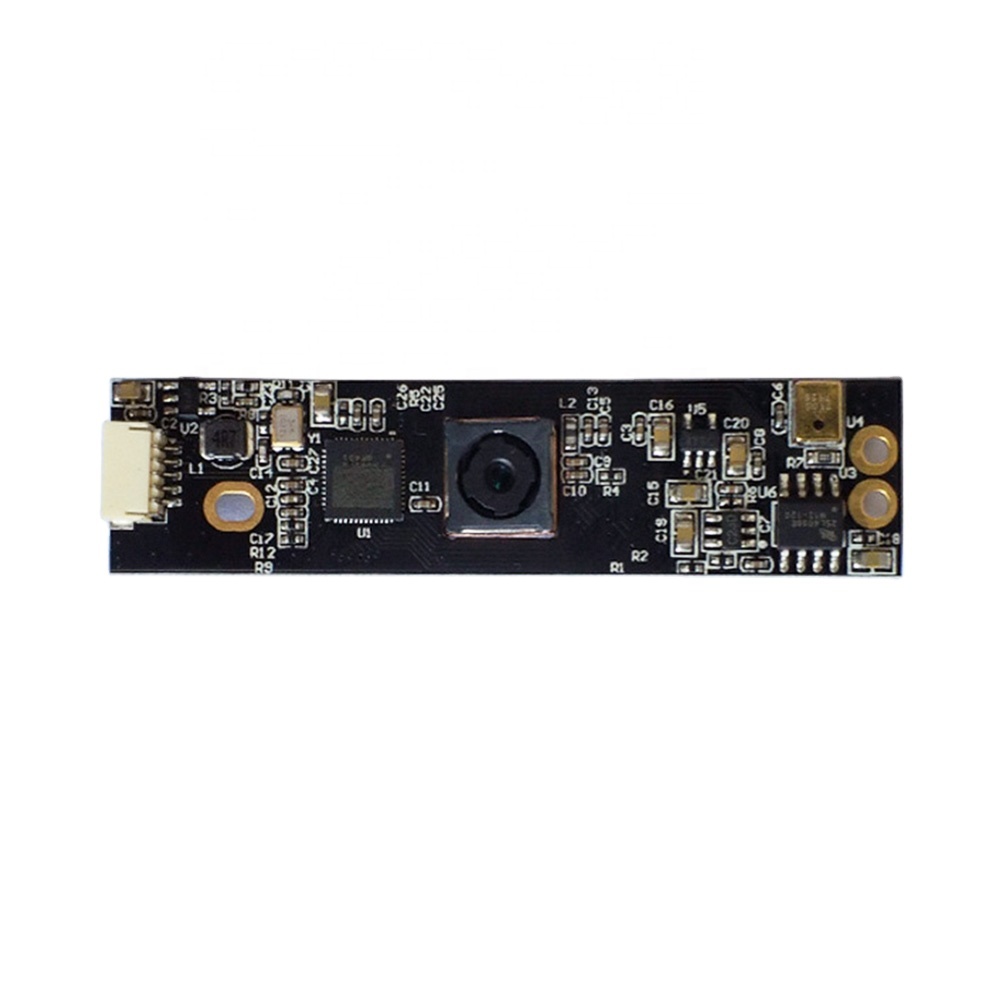
Low Lux 0.1 Customized 1/3.2" CMOS Autofocus 8.0MP 3264*2448 15fps 62*15mm Color USB Camera Module YUY2 MJPEG Rolling Shutter
View Technical Specs
50x50mm Support YUY2 MJPEG, 1/3.06'' CMOS 4K UHD Rolling Shutter 13MP 4192*3104 Color HDR USB Camera 3.24mm Distortionless Lens
View Technical Specs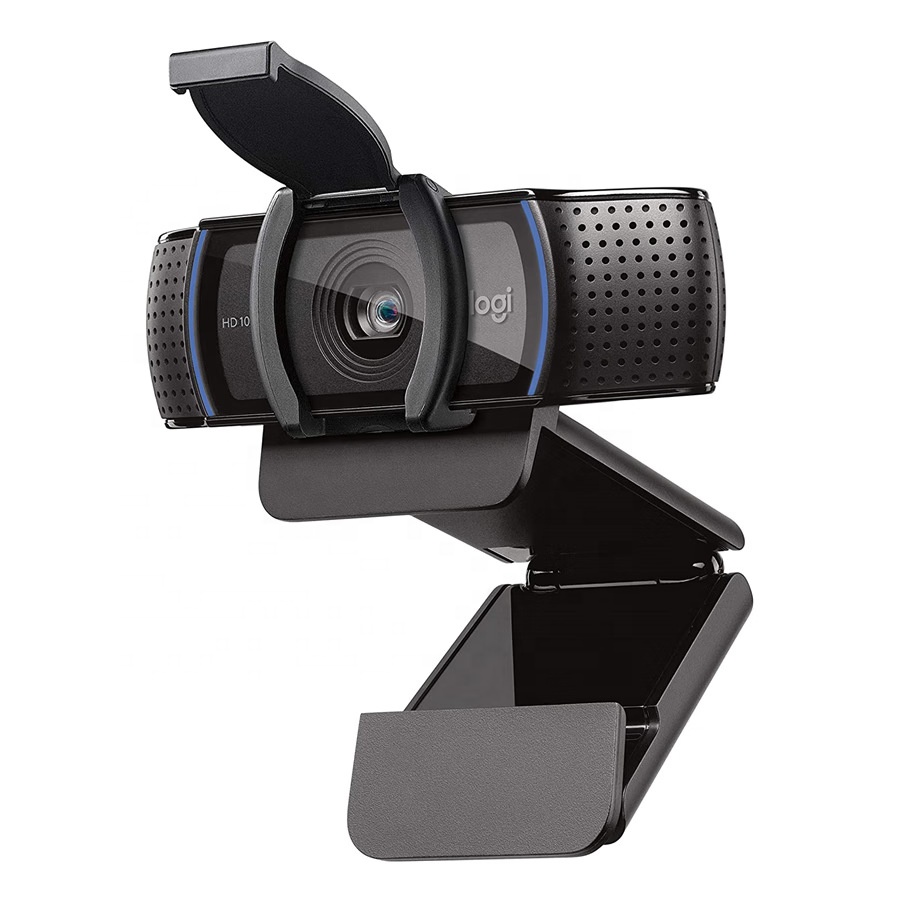
2MP FHD Color Autofocus USB Webcam Multi-Purpose Meeting Video Conference Call with 78° VFOV Dual Mics Privacy Shutter Shutters
View Technical Specs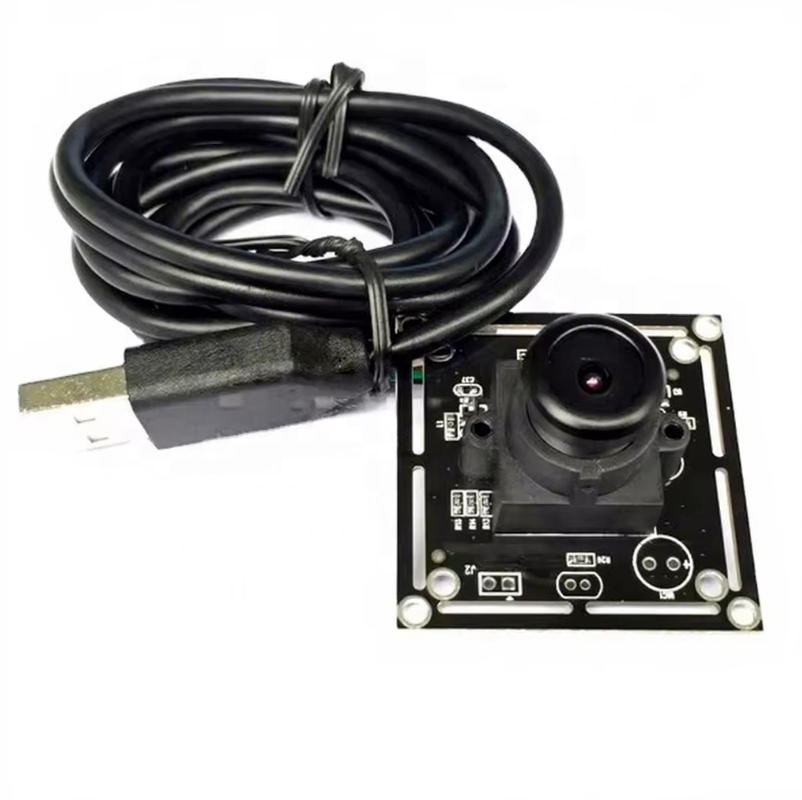
3.6mm Board Lens EX-View WDR 1.3MP 32*32mm Color USB Camera Module for Advertising Playing Equipment Electronic Equipment
View Technical Specs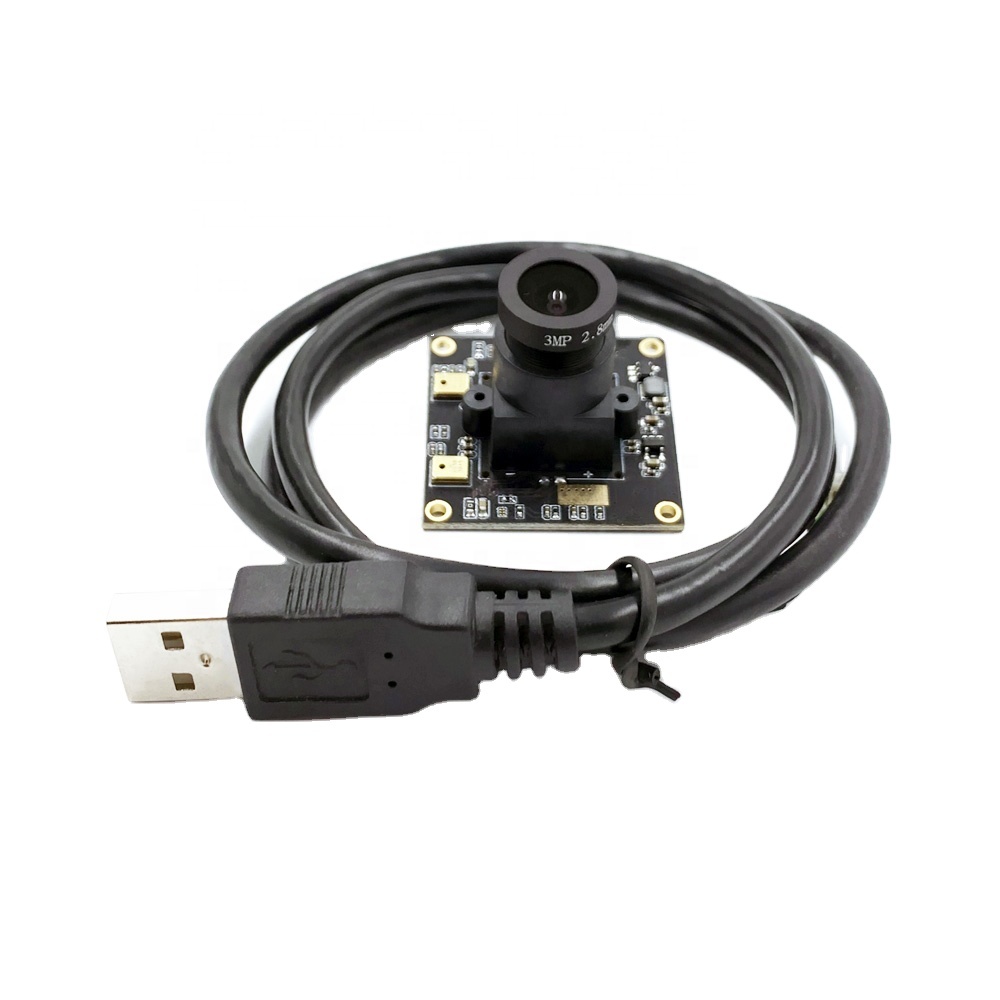
H.264 Rolling Shutter Starvis & WDR 0.001Lux 2.0MP 1920*1080 32*32mm Color USB Camera Module for Door Bell and Button System
View Technical Specs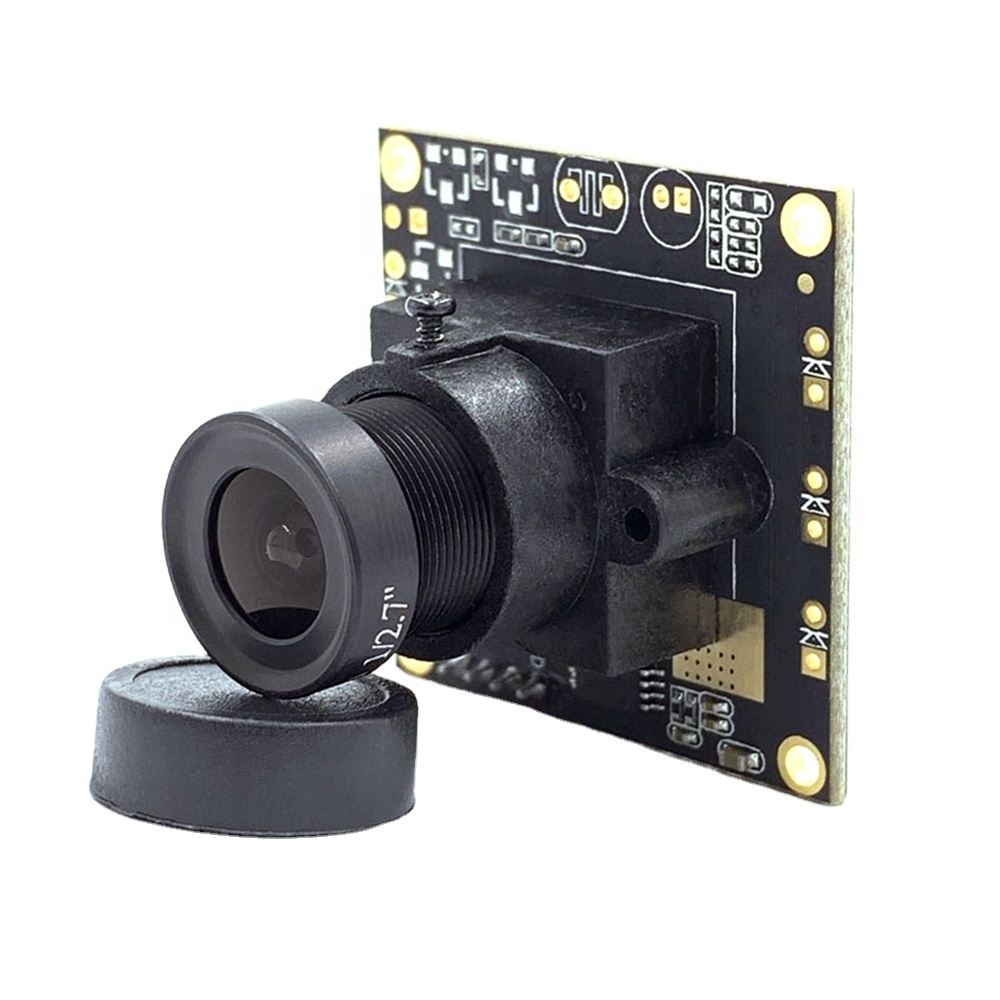
HOT SALE AR0230 Onsemi CMOS WDR 2.0MP 1920*1080 32*32mm Color USB Camera Module for ATM KIOSK Scaning Machine
View Technical Specs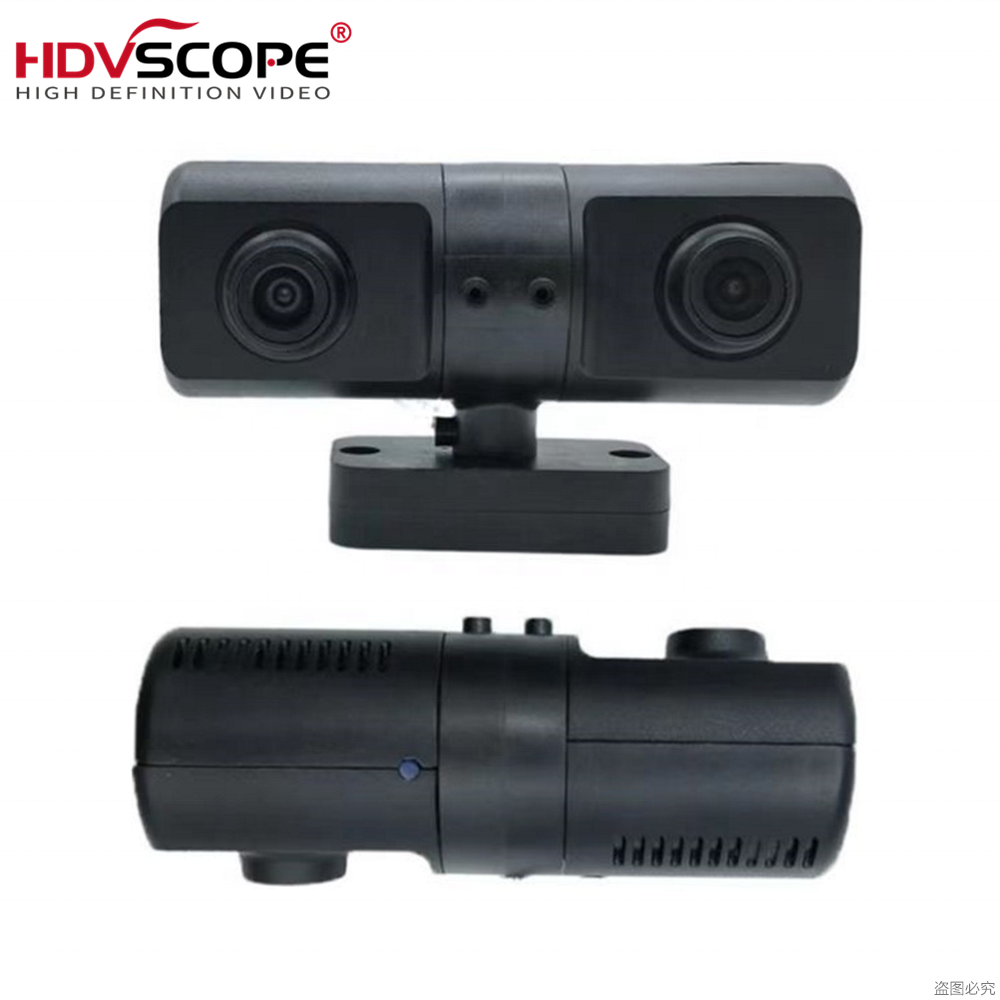
1/4" CMOS Dual Lens 1.0MP 1280*720 Night Vision USB Front Camera 125 Degree Wide Angle Lens 6PCS IR-Leds for CCTV Lenses
View Technical SpecsOptical Vision Module Architecture for Kawasaki Mobility & Robotics Platforms
As powersports equipment, utility task vehicles (UTVs), marine personal watercraft, and industrial robotics advance toward higher autonomy, situational awareness, and intelligent telematics, the demand for ruggedized, high-performance vehicle camera modules has scaled exponentially. Systems integrated into Kawasaki platforms—ranging from high-speed Ninja® sportbikes and MULE™ utility task vehicles to Kawasaki Heavy Industries (KHI) robotic arms and automated guided vehicles (AGVs)—require specialized optical imaging hardware designed to withstand extreme environments.
This technical guide provides system integrators, automotive procurement engineers, and optical product managers with actionable insights into selecting, customizing, and deploying high-reliability vehicle camera modules. Key parameters evaluated include high dynamic range (HDR >120dB), low-lux illumination (Sony STARVIS / STARVIS 2 architectures), thermal dissipation, potting encapsulation, vibration isolation (ISO 16750-3 standard compliance), and low-latency digital video transmission (GMSL2, MIPI CSI-2, UVC USB 3.0, and Ethernet RTSP).
Localized Integration Scenarios across Kawasaki Equipment Ecosystems
OEM camera modules operating within Kawasaki machinery must address distinct mechanical, optical, and environmental challenges. Below are four primary localized application vectors where engineered camera modules deliver mission-critical visual feedback:
1. Kawasaki Powersports & Motorcycles
Integrated front/rear telemetry dashcams, Blind Spot Detection (BSD) optical sensors, and ADAS collision-warning camera systems for Ninja®, Z, and Versys® motorcycles operating under high-frequency chassis vibration.
2. MULE™ & TERYX® Utility Vehicles
360-degree surround-view perimeter vision, hitch-alignment cameras, obstacle avoidance sensors, and cargo monitoring modules built to endure extreme mud, pressure washing, dust, and off-road impacts.
3. JET SKI® Marine Personal Watercraft
Hermetically sealed IP69K waterproof optical modules for rear reverse navigation, wakeboard safety observation, underwater hull mapping, and saline-corrosion resistant optical glass housing.
4. Kawasaki Industrial Robotics & AGVs
High-frame-rate machine vision cameras, binocular stereo depth sensing modules, and AI edge visual inspection modules for Kawasaki Robotics arms, factory automation, and autonomous logistics vehicles.
Localized Industry Trends & Technical Standard Benchmarks
The global vehicle vision market is undergoing a transition driven by higher safety mandates, AI edge-compute integration, and demanding environmental standards. Sourcing camera modules for Kawasaki system integration requires strict adherence to industry developments:
1. Extreme Wide Dynamic Range (WDR > 120dB)
Vehicles frequently transition between blinding sunlight and sudden shade (e.g., tunnels, forest trails, or covered warehouse bays). Standard CMOS image sensors suffer from white-out or dark clipping. Sensor solutions such as the Onsemi AR0230 or Sony STARVIS 2 IMX678 utilize multi-exposure HDR algorithms to capture distinct highlight and shadow details simultaneously, ensuring downstream ADAS algorithms receive crisp pixel data.
2. ISO 16750-3 Shock & Vibration Resilience
Powersports and utility vehicles produce continuous shock profiles, engine harmonics, and high-G impacts. Traditional commercial camera modules feature soldered lens barrels that loosen under resonance. Our vehicle-grade OEM modules utilize threaded M12/C-mount barrels secured with automotive-grade anaerobic threadlockers, reinforced surface-mount technology (SMT) solder joints, and shock-absorbing polyurethane conformal potting.
3. Low-Latency High-Speed Digital Interfaces
While UVC-compliant USB camera modules remain ideal for self-service kiosks, diagnostic equipment, and embedded Linux controllers, high-speed autonomous platforms rely heavily on MIPI CSI-2 and GMSL2 (Gigabit Multimedia Serial Link) interfaces. These protocols deliver raw uncompressed video streams with sub-10 millisecond latency over up to 15 meters of coaxial cabling.
| Interface Standard | Bandwidth / Speed | Max Cable Distance | Latency Profile | Optimal Kawasaki System Use-Case |
|---|---|---|---|---|
| GMSL2 / FPD-Link III | Up to 6 Gbps | 15 Meters (Coaxial) | Ultra-Low (< 5ms) | Primary ADAS, Surround View (MULE/TERYX), High-Speed Telematics |
| USB 3.0 / UVC | Up to 5 Gbps | 3 - 5 Meters | Low (30-50ms) | Diagnostics, KHI Robotic Maintenance, Embedded Linux Terminals |
| MIPI CSI-2 | Up to 2.5 Gbps / lane | < 30 cm (Internal) | Zero Overhead (< 1ms) | Integrated Dashcams, Compact Smart ECU Embedded Sensor Boards |
| Ethernet RTSP / PoE | 100/1000 Mbps | 100+ Meters | Moderate (100-200ms) | Industrial Machine Monitoring, Tele-operated KHI AGVs, Security Fleet |
Factory Customization Capabilities for Kawasaki OEM/ODM Projects
As an established high-tech enterprise based in Shenzhen and Dongguan, China, Shenzhen Brekta Electronics Co., Ltd. brings over 13 years of specialized camera module design and assembly expertise. Our dedicated R&D engineering department utilizes EDA software including Protel and Cadence Allegro to deliver fully customized PCB layouts, customized optics, and bespoke firmware for vehicle integrators.
Optical Lens & FOV Customization
From 1.7mm distortionless pinhole lenses and 180° ultra-wide fisheye optics to motorized 20x optical zoom assemblies, we fine-tune Field of View (FOV), IR-Cut filters (850nm/940nm), and anti-fog hydrophobic coatings.
Custom PCB Form Factor & Pinout
Engineered for constrained housings: 15x15mm mini square boards, 32x32mm standard industrial mounting, dual-board stacked layouts, flexible FPC connectors, and customized automotive wiring harnesses.
Firmware & DSP Tuning
Tailored Image Signal Processing (ISP) pipeline adjustment: Auto-White Balance (AWB), High Dynamic Range (HDR) tuning, mirror/flip output, customizable USB VID/PID, and custom boot logos.
Frequently Asked Questions by Local System Procurement Teams
Below are technical responses to common questions encountered by automotive system integrators, optical buyers, and engineering teams sourcing camera hardware for Kawasaki platforms:
Why Partner with Shenzhen Brekta Electronics Co., Ltd.?
Choosing an optical hardware partner requires evaluating manufacturing rigor, component traceability, and technical support responsiveness. Brekta Electronics provides a complete engineering ecosystem engineered for automotive and industrial integrators:
Every camera module assembly undergoes multi-stage quality control: Incoming Material Quality Control (IQC) for sensors and optics, Automated Optical Inspection (AOI) after SMT placement, 100% Collimator Focus Alignment, and High-Temperature Burn-In Aging prior to final packaging and dispatch.
Accelerate Your Kawasaki Vehicle Optical Integration Project
Submit your mechanical dimensions, lens FOV requirements, interface protocols, and target environmental specs to our optical engineering team today. Get expert technical consultation and sample dispatch within 48 hours.