Featured Industrial & Mini USB/IP Camera Modules
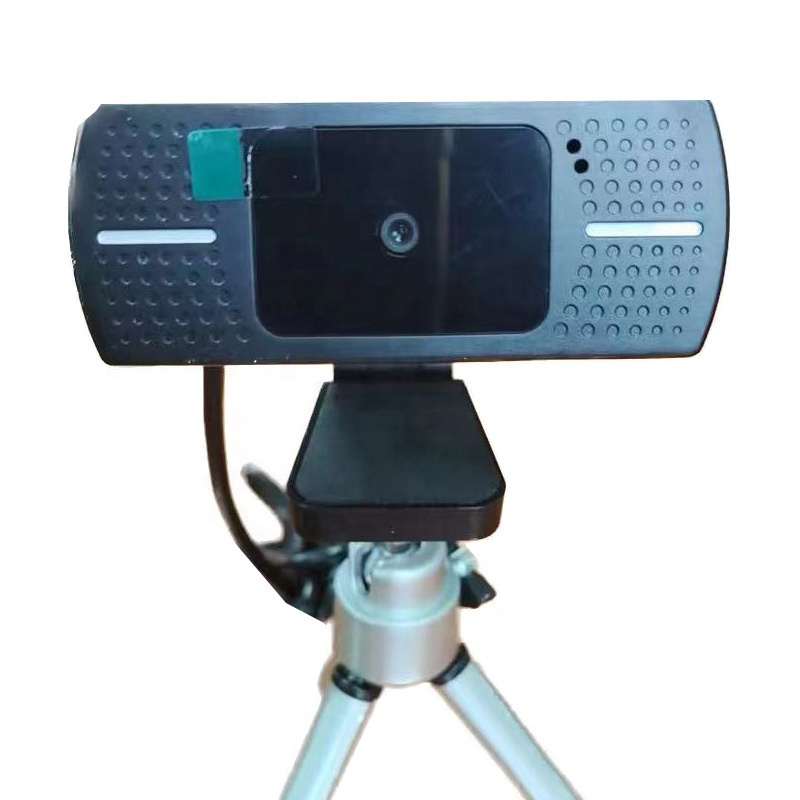
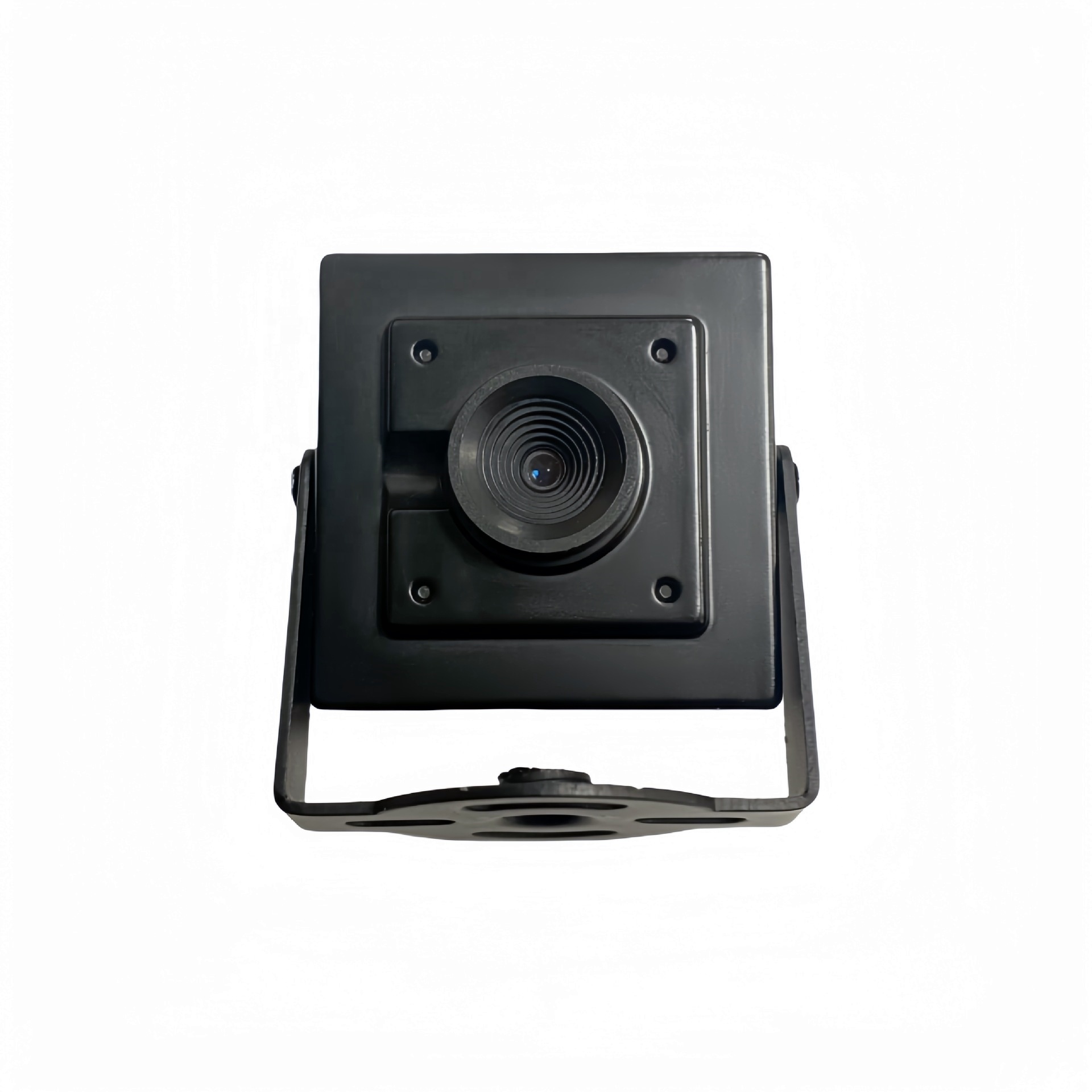
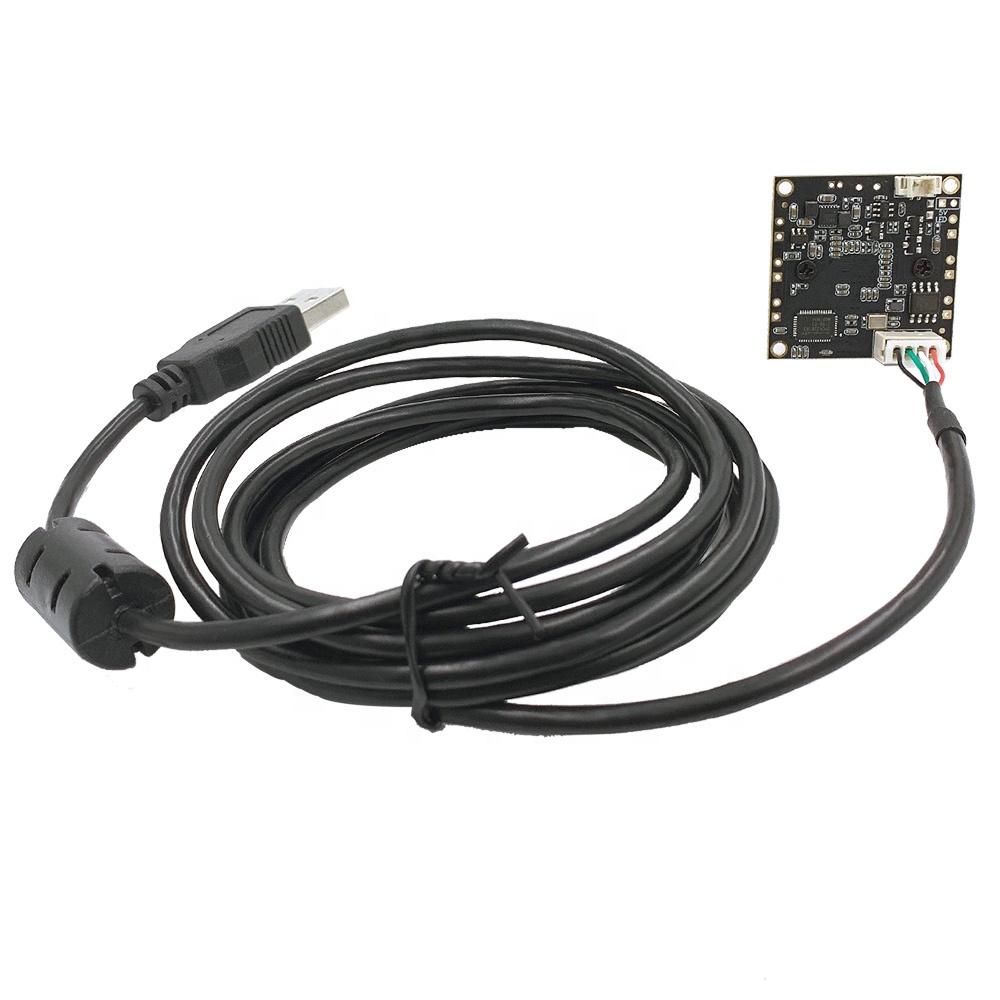
Engineered for OEM integration into Nagoya's automotive production lines, smart kiosks, AGVs, and surveillance infrastructure.
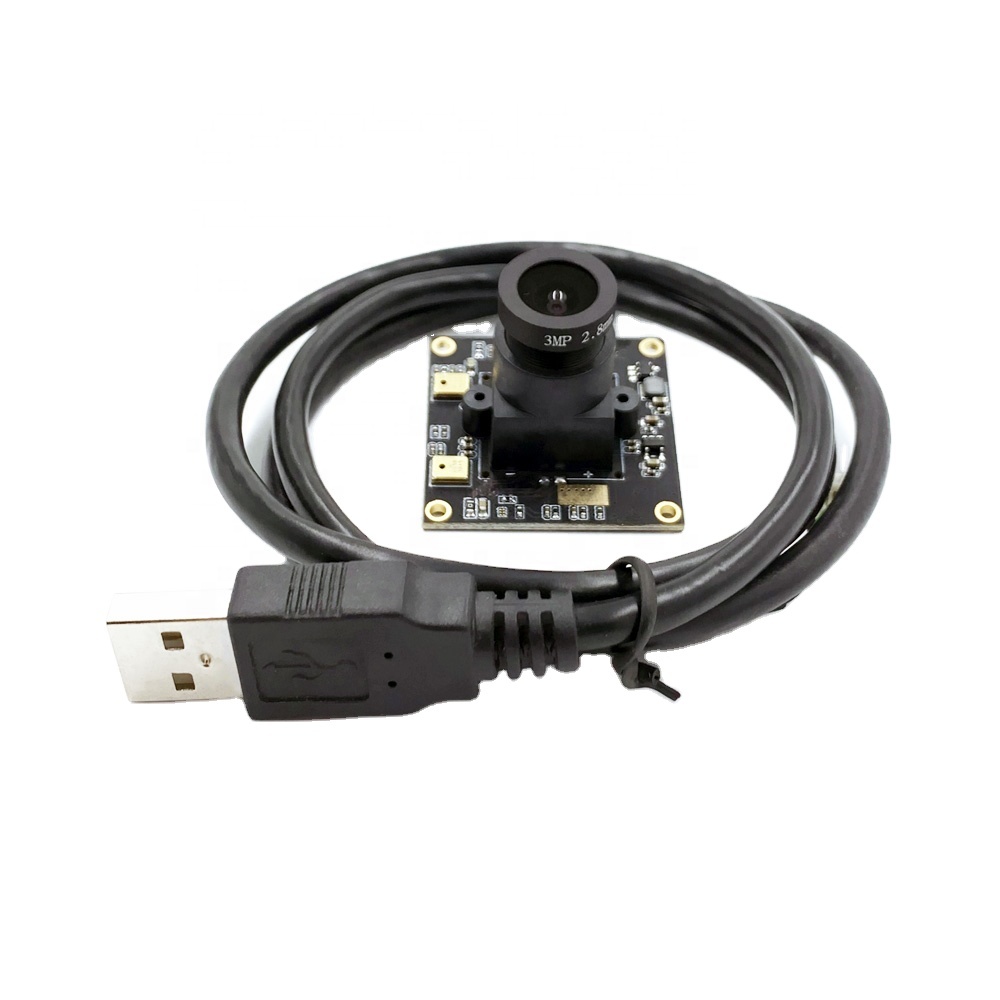
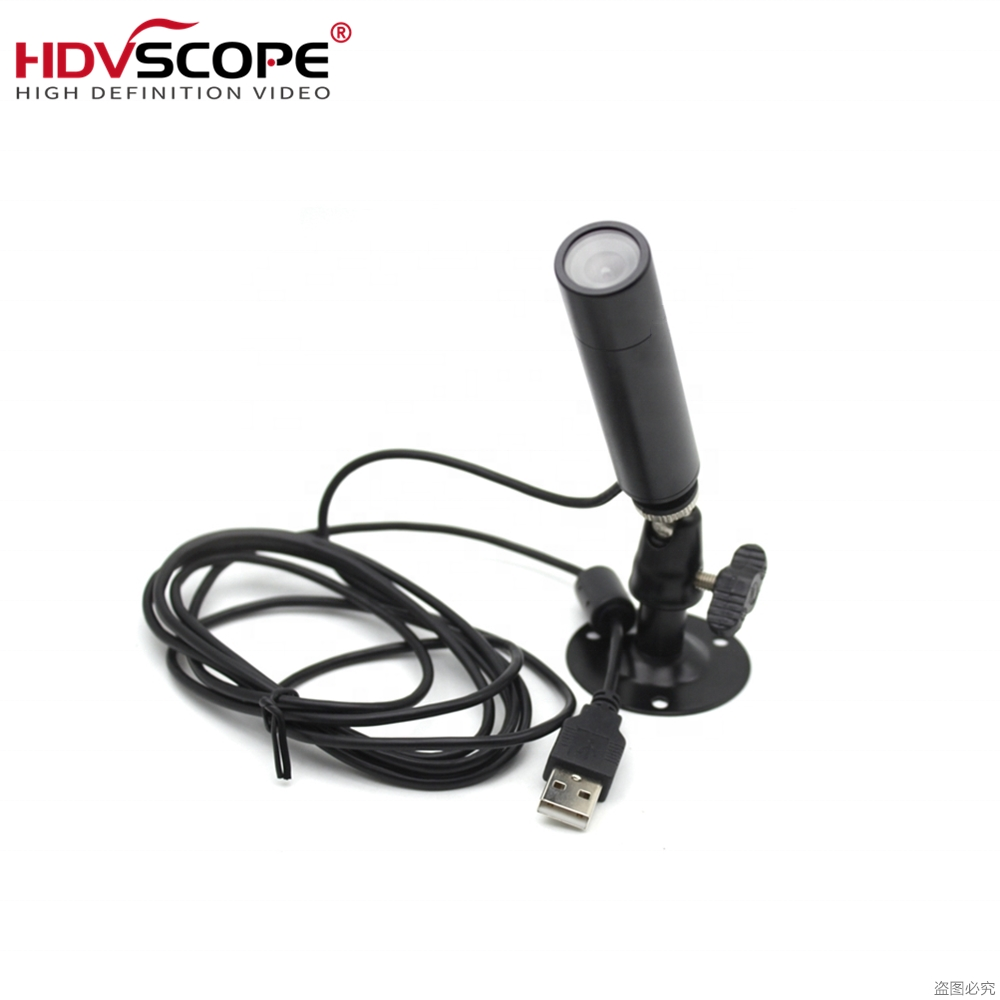
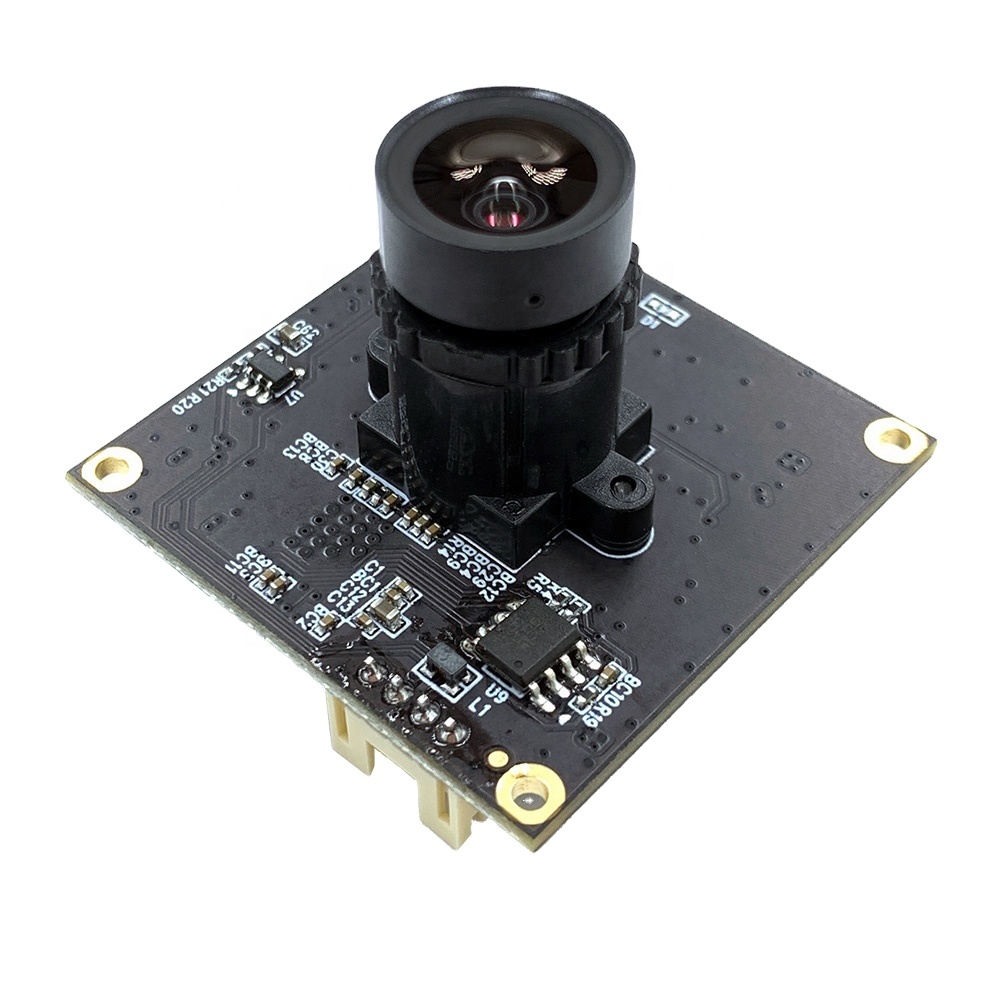

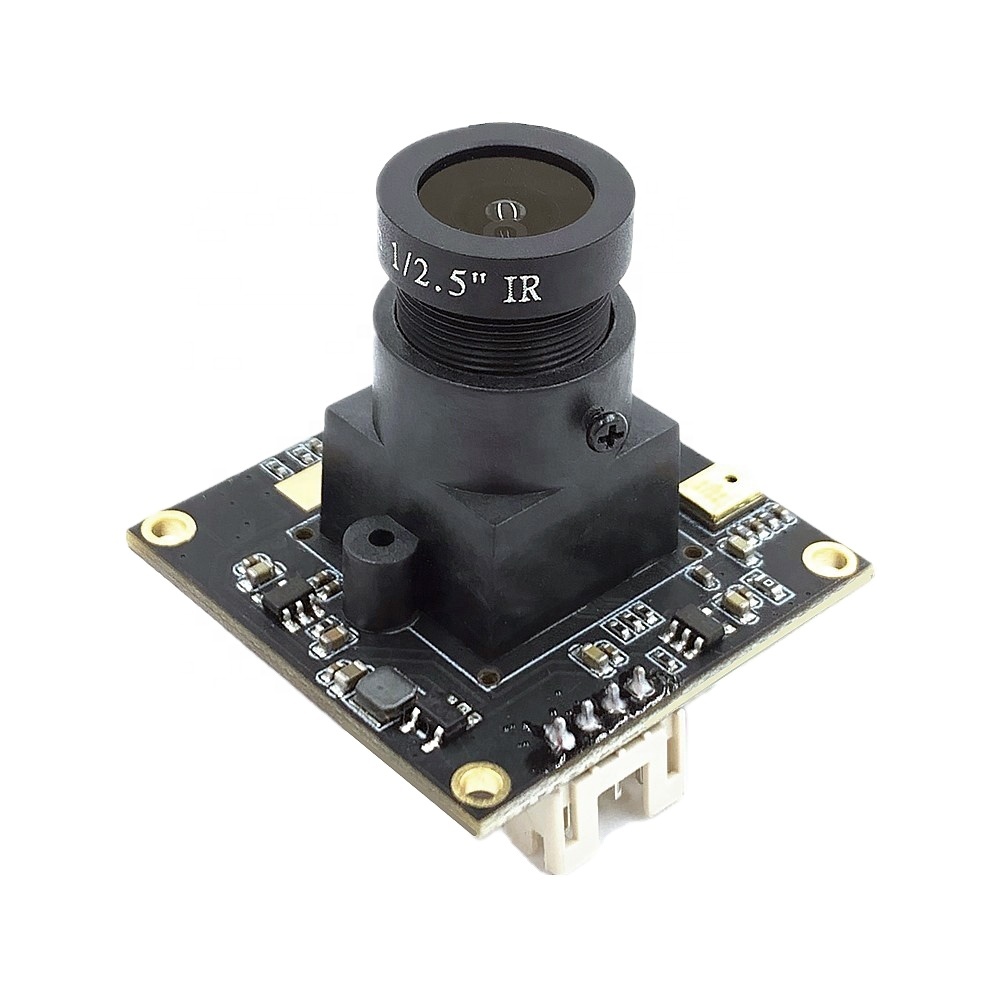
Executive White Paper: Wireless IP & Embedded Camera Systems in Greater Nagoya
The Greater Nagoya metropolitan area, anchored by Aichi Prefecture, represents the undisputed industrial powerhouse of Japan. Responsible for nearly 40% of the nation's automotive output, heavy industrial machinery, aerospace manufacturing, and advanced robotics, Nagoya's industrial landscape demands uncompromising visual monitoring technologies. As system integrators, automated factory engineers, and facility managers across Toyota City, Kariya, Komaki, and the Port of Nagoya transition toward Industry 4.0 and Japan’s national Society 5.0 vision, the imperative for high-performance, low-latency wireless IP cameras and specialized camera modules has reached unprecedented levels.
As a premier direct-factory manufacturer and global exporter, Shenzhen Brekta Electronics Co., Ltd. serves as a vital bridge between state-of-the-art optical micro-engineering in Guangdong and the high-precision procurement standards of the Chubu industrial region. This technical document examines the operational parameters, spectrum compliance standards, physical environment challenges, and procurement frameworks essential for deploying wireless IP camera systems and custom embedded visual sensor modules within Nagoya’s commercial and industrial enterprises.
Localized Application Scenarios across the Chubu Industrial Belt
Direct wholesale sourcing of wireless IP cameras and camera modules for the Nagoya market requires an acute understanding of the local geography and specialized industry clusters. Visual monitoring demands vary significantly between high-speed automated assembly lines and wide-area logistics terminals.
1. Automated Guided Vehicles (AGVs) & Autonomous Mobile Robots (AMRs) in Automotive Plants
In the dense manufacturing ecosystems of Toyota City and Kariya, AGVs and AMRs navigate intricate factory floors continuously. Traditional cabled video feeds on moving robot arms or mobile chassis suffer from mechanical flex fatigue, leading to wire degradation. Embedded wireless IP camera modules—featuring ultra-compact footprints (down to 15×15mm or 32×32mm) and low power consumption—deliver real-time RTSP streams back to centralized Fleet Management Systems (FMS). Integrating Sony Starvis low-light CMOS sensors (such as the IMX291) ensures clear vision even when AGVs traverse dimly lit storage bays or under-chassis inspection stations.
2. Port of Nagoya Container Terminals & Maritime Logistics
As Japan's top port by total cargo throughput, the Port of Nagoya requires robust, weather-sealed surveillance infrastructure. Mobile gantry cranes, container stackers, and perimeter control posts demand wireless IP cameras capable of transmitting 1080p to 4K high-definition video over wide physical distances without running costly trench cabling through concrete docks. Brekta’s IP67-rated waterproof mini USB and IP camera assemblies withstand high-salinity marine air, extreme temperature fluctuations, and constant vibrational shock from heavy container movements.
3. Smart Vending Machines & Retail Kiosks in Nagoya Station Transit Hubs
Nagoya Station and the extensive underground shopping arcades (Meieki and Sakae) showcase one of the world's most concentrated deployments of automated retail kiosks, ticketing machines, and smart vending systems. Wholesalers and integrators servicing this retail infrastructure utilize our ultra-wide-angle fisheye USB modules (such as 1.7mm or 160° FOV lenses) and 4K autofocus modules. These cameras facilitate real-time inventory tracking, AI-based customer demographics analysis, and binocular facial authentication for age-restricted purchases, operating driver-free via UVC protocols under Linux or Android kiosk OS setups.
4. High-Speed Visual Inspection on Precision Stamping & CNC Machinery
Nagoya’s tier-1 and tier-2 automotive suppliers rely heavily on high-speed automated optical inspection (AOI) to detect microscopic surface defects on machined parts. Utilizing our high-speed HDR camera modules capable of capturing up to 330 frames per second (fps) at 2.0MP resolution allows machine vision engineers to capture crisp, unblurred frames of fast-moving components on conveyer lines, communicating via zero-loss USB 2.0/3.0 or low-latency RTSP IP protocols.
Localized Trends & Japanese Regulatory Landscape (MIC / Giteki / PSE)
Navigating the Japanese electronics import sector demands strict adherence to domestic radio frequency laws, safety certifications, and architectural trends. Importers, wholesalers, and integrators in Nagoya must evaluate four critical technical vectors when selecting an overseas supply chain partner:
1. Japan MIC (Giteki) Radio Law Certification
Any commercial wireless IP camera operating within Japan’s wireless spectrum (including 2.4GHz Wi-Fi 802.11b/g/n, 5GHz 802.11a/n/ac, and sub-GHz frequencies) must comply with the Radio Law (電波法, Denpahō) enforced by the Ministry of Internal Affairs and Communications (MIC). Cameras must be engineered to prevent unauthorized RF emissions and operate strictly within designated channels. Brekta works closely with Japanese wholesale partners to provide standardized wireless circuit schematics, chip-level documentation, and pre-testing reports to streamline Technical Conformity Mark (Giteki) approval.
2. PSE Safety Compliance for External Power Systems
For standalone wireless IP cameras powered via external AC-DC adapters, compliance with Japan's Electrical Appliance and Material Safety Law (PSE Mark / 電気用品安全法) is mandatory. As an OEM manufacturer, Brekta equips standalone surveillance units with certified power delivery boards or provides standard 12V DC / 5V USB configurations compatible with locally certified Japanese PSE power supplies.
3. Migration from H.264 to H.265 Smart Encoding at the Edge
With wireless bandwidth in dense industrial facilities being a premium commodity, Nagoya’s system integrators are rapidly phasing out uncompressed or basic MJPEG streams in favor of H.265 (HEVC) compression. By reducing network bandwidth consumption and NVR storage requirements by up to 50–70% while maintaining crisp 1080p or 4K resolution, our H.265-enabled IP camera boards allow more camera nodes to coexist on local industrial Wi-Fi networks without causing network congestion.
4. Edge AI & WDR in High-Contrast Factory Environments
Modern Japanese industrial facilities are increasingly deploying Edge AI microcontrollers directly connected to image sensor modules. In factory bays where natural sunlight from overhead skylights creates stark contrast against shadowy assembly pits, conventional cameras fail to capture detail. Implementing hardware-level Wide Dynamic Range (WDR / HDR up to 120dB) ensures that both bright highlights and deep shadows are balanced dynamically in real time, serving clean video feeds to both human operators and machine-learning algorithm engines.
Why Nagoya B2B Integrators Choose Shenzhen Brekta Electronics
With over 13 years of dedicated research, development, and high-precision manufacturing, Shenzhen Brekta Electronics Co., Ltd. has established itself as an industry leader in compact imaging solutions. Operating state-of-the-art facilities across Shenzhen and Dongguan, Guangdong, our enterprise combines raw component manufacturing control with sophisticated circuit engineering.
In-House PCB Layout & Engineering
Engineers design customized multi-layer PCB boards using Protel and Allegro, accommodating tailored dimensions down to 15×15mm.
100% Optical & Burn-In QC
Every single module undergoes 100% image clarity, color accuracy, resolution chart calibration, and high-temperature burn-in testing prior to packing.
24-Month Factory Warranty
We stand firmly behind our industrial durability, backing all standard and custom camera modules with a comprehensive 24-month replacement warranty.
Rapid Sample Delivery (1–3 Days)
In-stock evaluation samples ship within 1 to 3 working days via express air freight directly to Chubu Centrair Airport or Nagoya Port logistics hubs.
Flexible MOQ starting at 1 Piece
Evaluation orders start from just 1 piece, eliminating capital risk during prototype testing for Nagoya engineering projects.
Dedicated Technical Support (≤2h Response)
Engineering-backed multilingual customer support provides detailed datasheets, SDK integration guides, and firmware customization within 2 hours.
Frequently Asked Questions for Nagoya Buyers & System Integrators
Q1: How do your USB camera modules operate without external drivers on Japanese industrial PCs?
Our USB camera modules comply fully with the USB Video Class (UVC) standard protocol. They are plug-and-play driverless devices compatible with Windows 10/11, Linux (Ubuntu, Debian, CentOS), Android, and macOS. When plugged into industrial PCs (IPCs) commonly deployed in Nagoya factories, the operating system recognizes the camera natively, allowing instant video capture via OpenCV, DirectShow, or V4L2 frameworks.
Q2: Can Brekta customize camera module dimensions and connector pinouts for custom enclosure fits?
Yes. Custom ODM board engineering is our core specialty. Our engineering team utilizes Protel and Allegro CAD platforms to modify board dimensions (e.g., 15×15mm, 25×25mm, 32×32mm, 38×38mm), change lens mount types (M12, M7, CS-mount, pinhole), alter cable lengths, and reconfigure JST/Molex connector pinouts to align perfectly with your internal system chassis design.
Q3: What are the recommended low-light camera solutions for unlit Nagoya logistics warehouses?
For pitch-black or low-illumination environments down to 0.0001 Lux, we recommend our Sony Starvis sensor series (such as the IMX291, IMX307, or IMX335). Combined with wide-aperture F1.2 to F1.6 lenses and integrated IR-cut filters (or 940nm invisible infrared LED boards), these camera modules provide crisp, low-noise monochrome or full-color video without requiring high-power external floodlights.
Q4: How are wholesale shipments delivered to Nagoya, Aichi Prefecture, and what are typical lead times?
Evaluation samples and small wholesale orders ship via express air courier (DHL, FedEx, UPS) directly to Nagoya within 3 to 5 business days. Bulk containerized wholesale shipments are routed via direct sea freight from Shenzhen/Hong Kong port to the Port of Nagoya, taking approximately 7 to 10 days transit time. All export documentation (Commercial Invoice, Packing List, Certificate of Origin, CE/FCC/RoHS test reports) is provided for smooth Japanese customs clearance.
Q5: Do your IP camera modules support standard network surveillance protocols like RTSP and ONVIF?
Absolutely. All Brekta IP camera modules feature standardized ONVIF profile compliance and RTSP media streaming. This ensures seamless integration into major Video Management Systems (VMS) such as Synology, QNAP, Milestone, Genetec, as well as standalone Network Video Recorders (NVRs) widely utilized across commercial properties in Japan.
Q6: What certifications do Brekta camera modules carry for global and Japanese market entry?
Our manufacturing management system and product lines carry CE, FCC, and RoHS certifications. Components are compliant with European and Asian environmental safety standards. For specialized projects in Japan requiring MIC (Giteki) wireless certification or PSE power compliance, our team assists wholesale buyers with full technical dossier support and component sample provision.
Ready to Engineer Your Custom Camera Solution for Nagoya?
Whether you require standard 1080p UVC USB camera modules for evaluation or custom-engineered wireless IP boards tailored for industrial AGVs in Aichi Prefecture, our Shenzhen engineering team is ready to assist.